Selling Rental Property On Installment
Description
Get your form ready online
Our built-in tools help you complete, sign, share, and store your documents in one place.
Make edits, fill in missing information, and update formatting in US Legal Forms—just like you would in MS Word.
Download a copy, print it, send it by email, or mail it via USPS—whatever works best for your next step.
Sign and collect signatures with our SignNow integration. Send to multiple recipients, set reminders, and more. Go Premium to unlock E-Sign.
If this form requires notarization, complete it online through a secure video call—no need to meet a notary in person or wait for an appointment.
We protect your documents and personal data by following strict security and privacy standards.

Make edits, fill in missing information, and update formatting in US Legal Forms—just like you would in MS Word.

Download a copy, print it, send it by email, or mail it via USPS—whatever works best for your next step.

Sign and collect signatures with our SignNow integration. Send to multiple recipients, set reminders, and more. Go Premium to unlock E-Sign.

If this form requires notarization, complete it online through a secure video call—no need to meet a notary in person or wait for an appointment.

We protect your documents and personal data by following strict security and privacy standards.
Looking for another form?
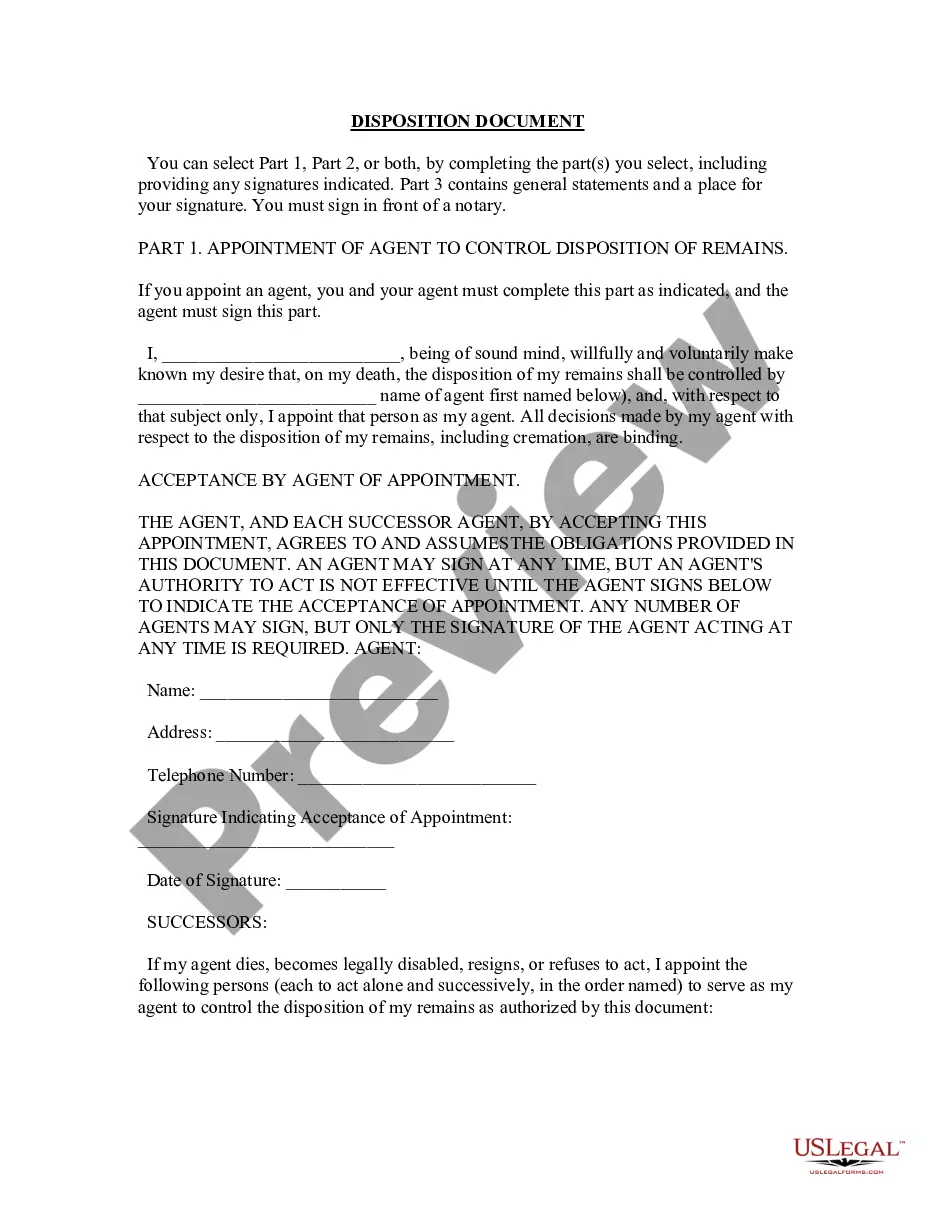



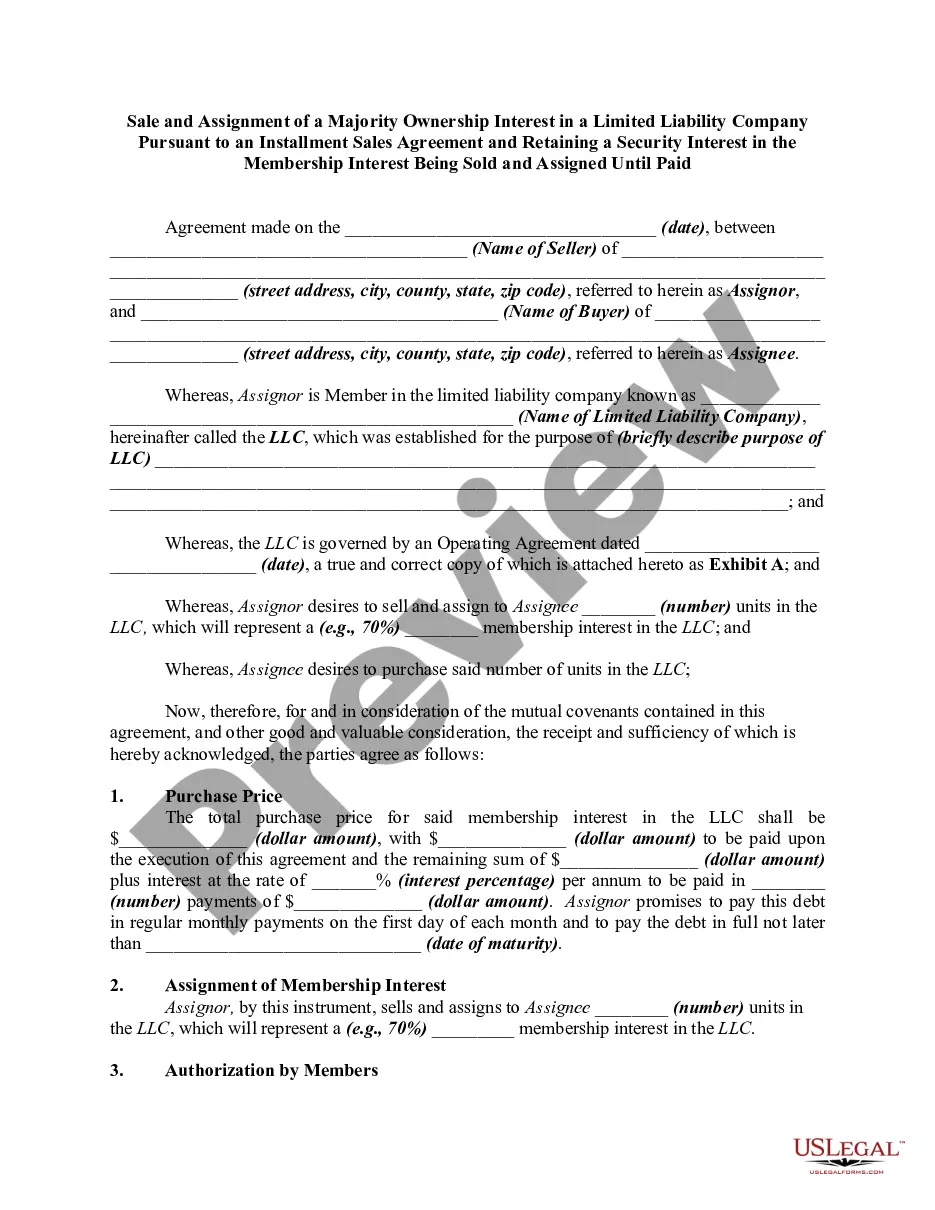
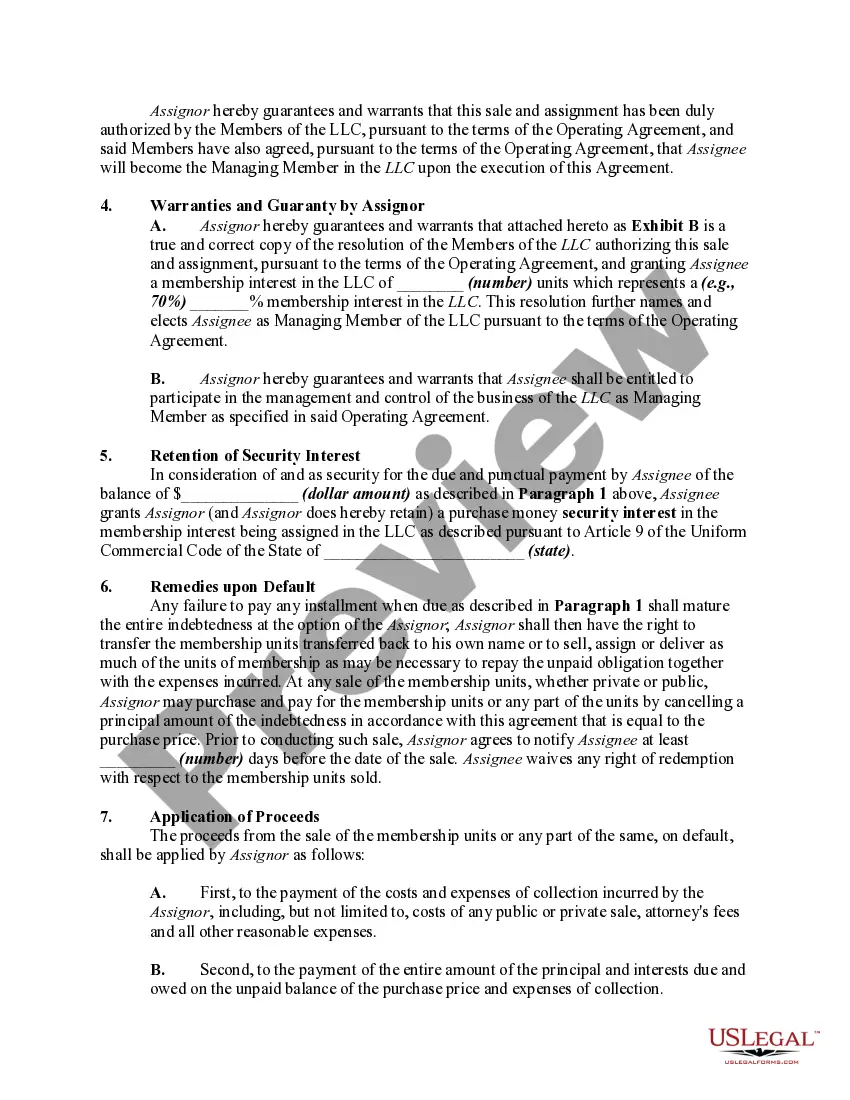
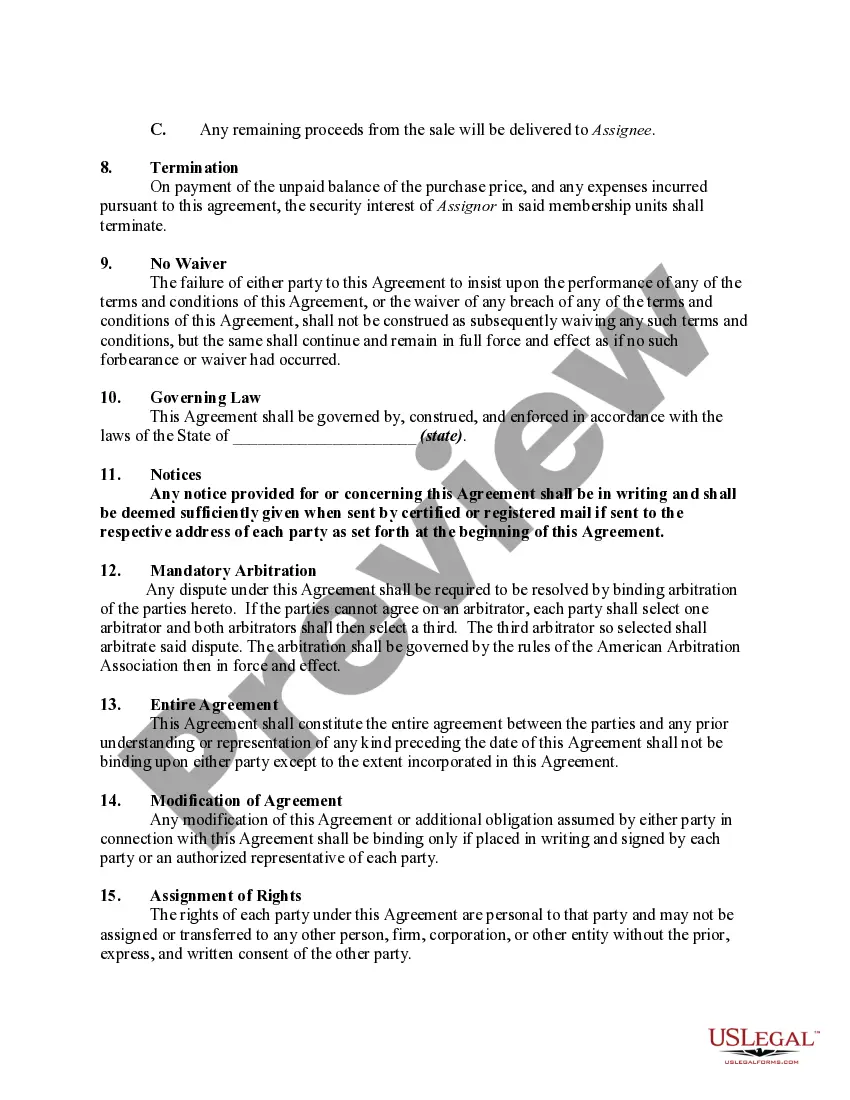
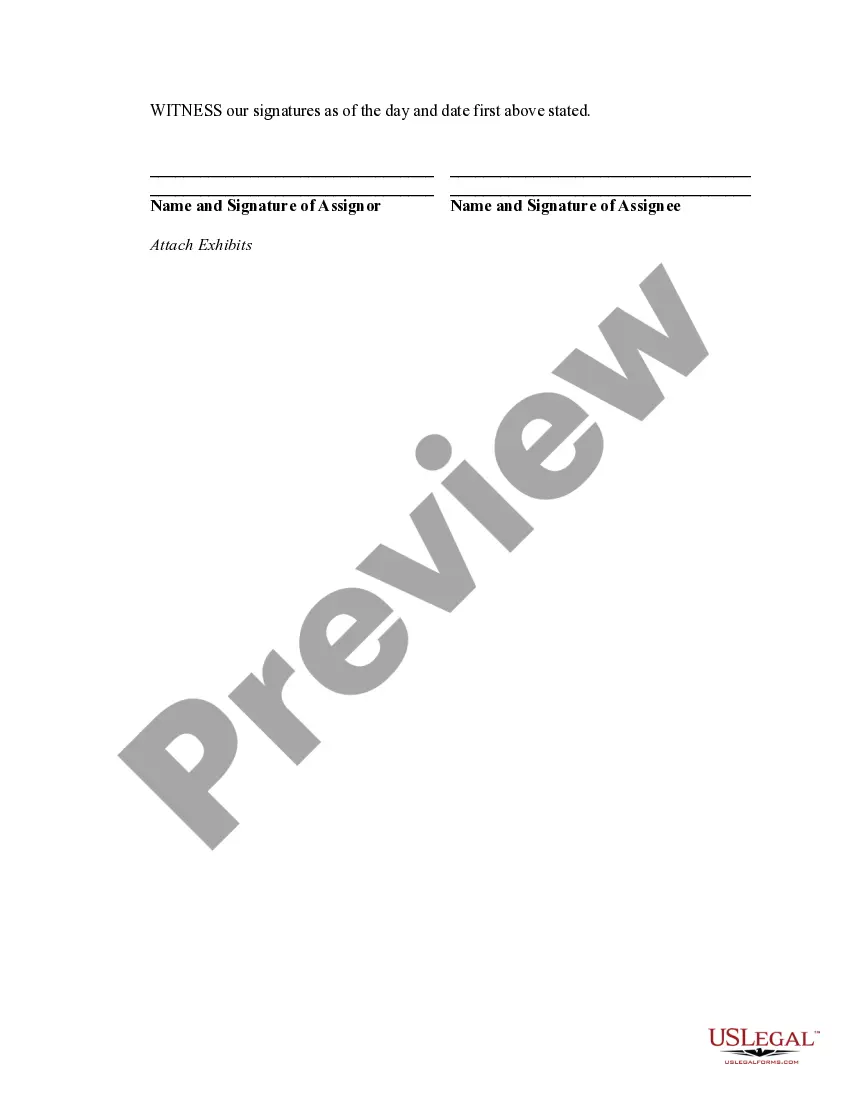
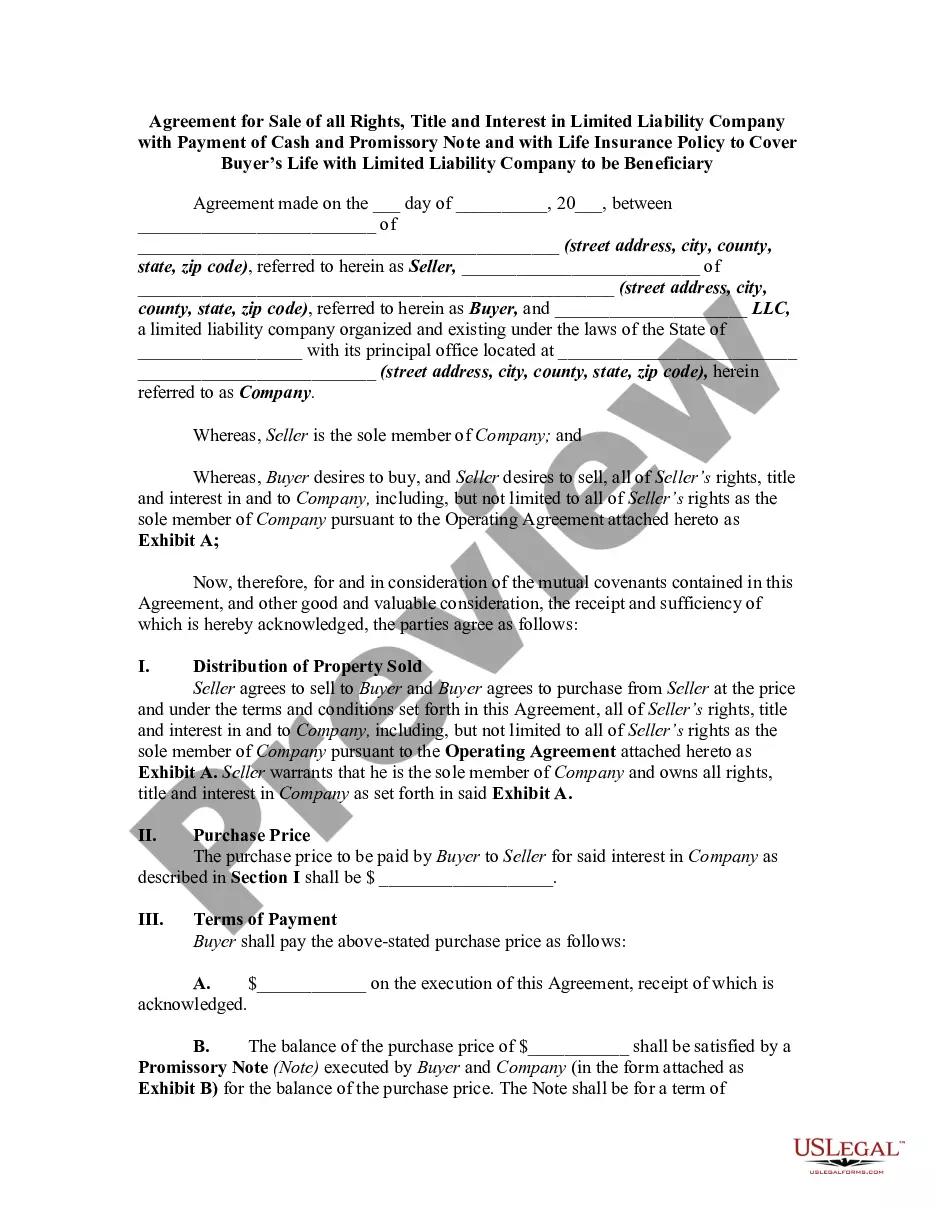
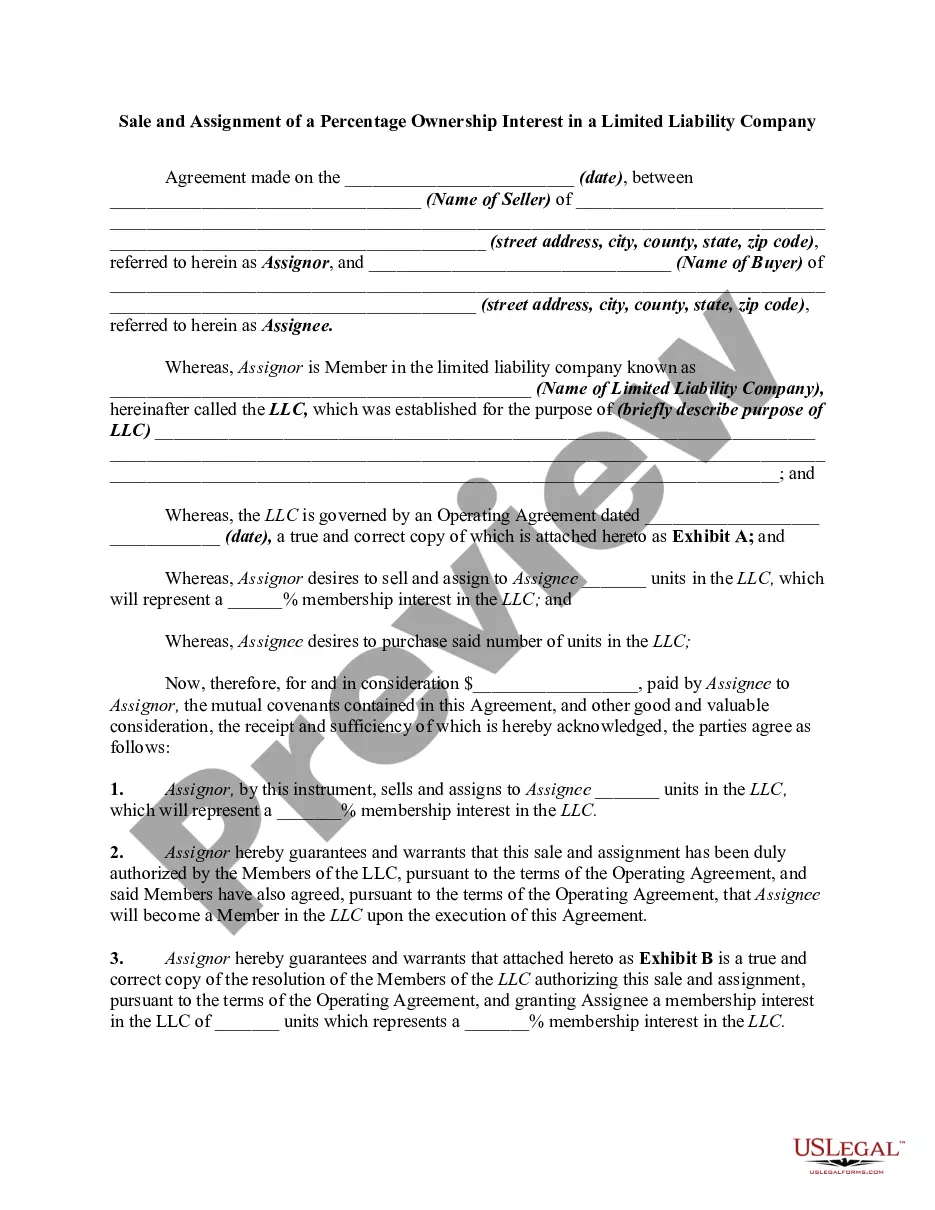
How to fill out Sale And Assignment Of A Majority Ownership Interest In A Limited Liability Company Pursuant To An Installment Sales Agreement And Retaining A Security Interest In The Membership Interest Being Sold And Assigned Until Paid?
Obtaining a reliable source for the most up-to-date and suitable legal templates is a significant part of dealing with bureaucracy. Selecting the appropriate legal documents requires accuracy and meticulousness, which is why it is crucial to acquire samples of Selling Rental Property On Installment solely from trustworthy providers, such as US Legal Forms. An incorrect template can squander your time and delay your current situation. With US Legal Forms, you have minimal concerns. You can access and examine all the information regarding the document’s application and pertinence for your circumstances and in your state or locality.
Follow the enumerated steps to complete your Selling Rental Property On Installment.
Eliminate the complications associated with your legal documentation. Explore the extensive US Legal Forms library to discover legal templates, assess their relevance to your situation, and download them instantly.
- Utilize the library navigation or search bar to find your template.
- Open the form’s description to check if it meets the requirements of your state and county.
- View the form preview, if accessible, to confirm the form is the one you need.
- Return to the search and look for the appropriate template if the Selling Rental Property On Installment does not satisfy your needs.
- Once you are certain about the form’s applicability, download it.
- If you are a registered user, click Log in to verify and access your selected forms in My documents.
- If you do not have an account yet, click Buy now to acquire the form.
- Select the pricing plan that fits your needs.
- Proceed to the registration to complete your purchase.
- Conclude your purchase by selecting a payment method (credit card or PayPal).
- Choose the document format for downloading Selling Rental Property On Installment.
- After you have the form on your device, you may edit it with the editor or print it and fill it out manually.
Form popularity
FAQ
To avoid capital gains tax when selling rental property on installment, consider utilizing the primary residence exclusion if applicable. You can also explore opportunities like 1031 exchanges, which allow you to defer taxes by reinvesting in similar properties. Understanding the tax implications and strategies available can empower you to make informed decisions, and US Legal Forms offers resources to help you navigate these options effectively.
When selling rental property on installment, you typically use Form 4797 to report the sale of business property, including rental property. Form 8949 is generally used for reporting capital gains and losses from the sale of assets. If your rental property qualifies as an investment property, consult with a tax professional to determine the best form for your specific situation.
To report gain on an installment sale, you need to determine the total gain from selling rental property on installment and then figure out how much gain applies to each payment received. You can report this gain using Form 6252, which helps you calculate the gain from each installment payment. It is crucial to keep detailed records of payments received to ensure accurate reporting.
To qualify for an installment sale when selling rental property on installment, you must receive at least one payment after the year of the sale. This arrangement allows you to spread the gain over several years, making tax implications easier to manage. The property must be sold to a buyer who will make payments, and both parties should agree on the terms outlined in a legally binding contract.
To report installment sale gains, sellers must complete IRS Form 6252, which outlines the income received from the sale. The seller reports the gain as payments are received, rather than all at once. This method aligns with the principle of selling rental property on installment, allowing sellers to spread their tax burden over multiple years. It’s advisable to consult a tax professional to ensure compliance and optimize tax outcomes.
Sellers often agree to an installment sale to attract a wider pool of buyers who may not qualify for traditional financing. This approach allows sellers to receive a steady income stream while retaining ownership until the buyer pays off the property. Additionally, it can offer potential tax benefits, as sellers may spread out capital gains over several years. Selling rental property on installment can make the transaction more appealing and manageable for both parties.
The IRS allows taxpayers to defer a portion of the gain on the sale of an investment property with an installment sale agreement. 3 This arrangement permits sellers to declare a prorated portion of their capital gains over several years. A seller is not allowed to use the installment sale method when reporting a loss.
Installment Sale Basis = Adjusted Basis + Selling Expenses + Recaptured Depreciation. Gross Profit = Selling Price ? Installment Sale Basis.
However, there are two requirements for an installment sale. The first is that if an asset is sold and payments will be made over time that at least one payment be received a year after the tax year of the sale. The second is that the installment sale is recorded on Form 6252.
You must book entries for each subsequent year of the installment sale. You first subtract the interest portion of the payment and book it to interest income. You multiply the balance by your gross profit percentage to figure the realized gross profit on installment sales for the year.