Sale Assignment Agreement With Answers
Description
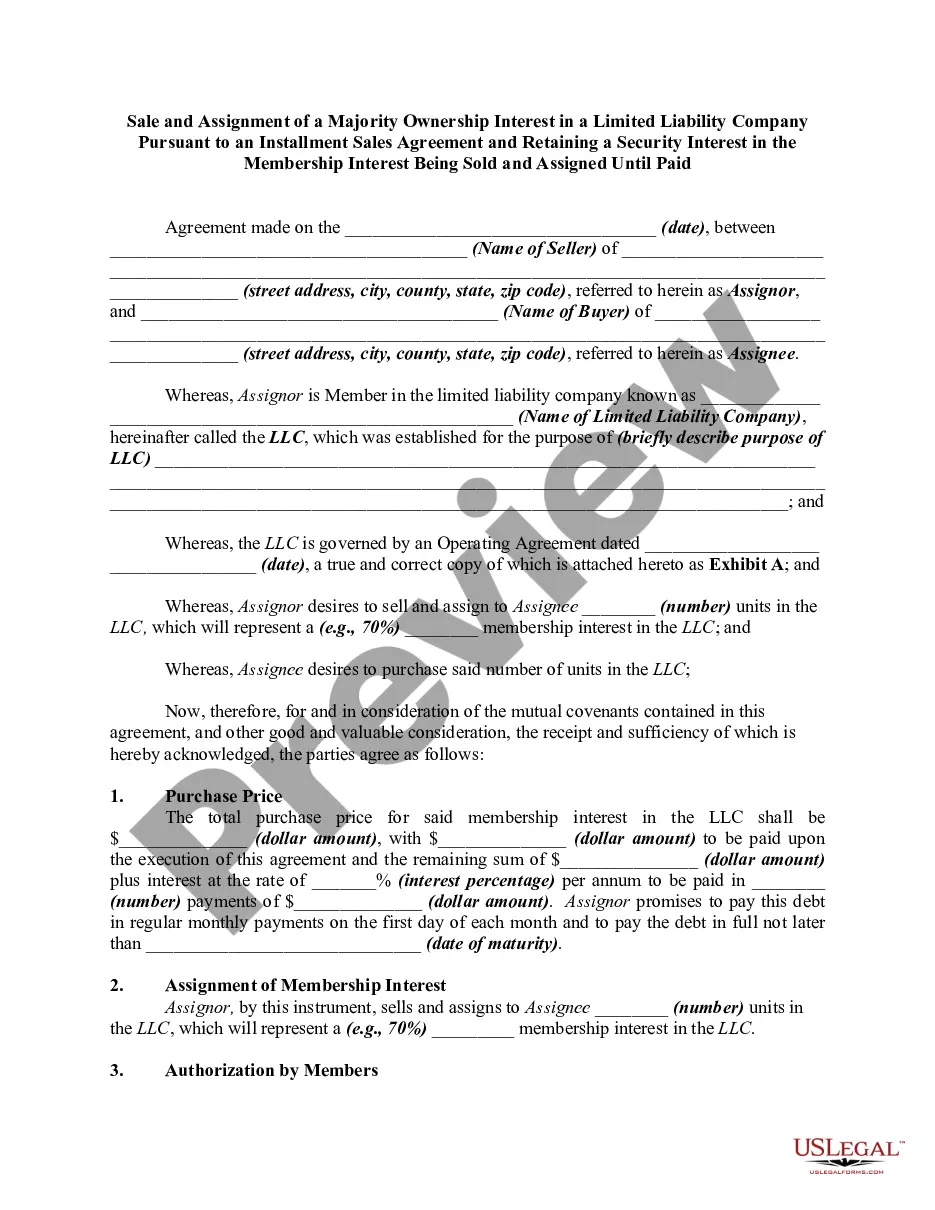
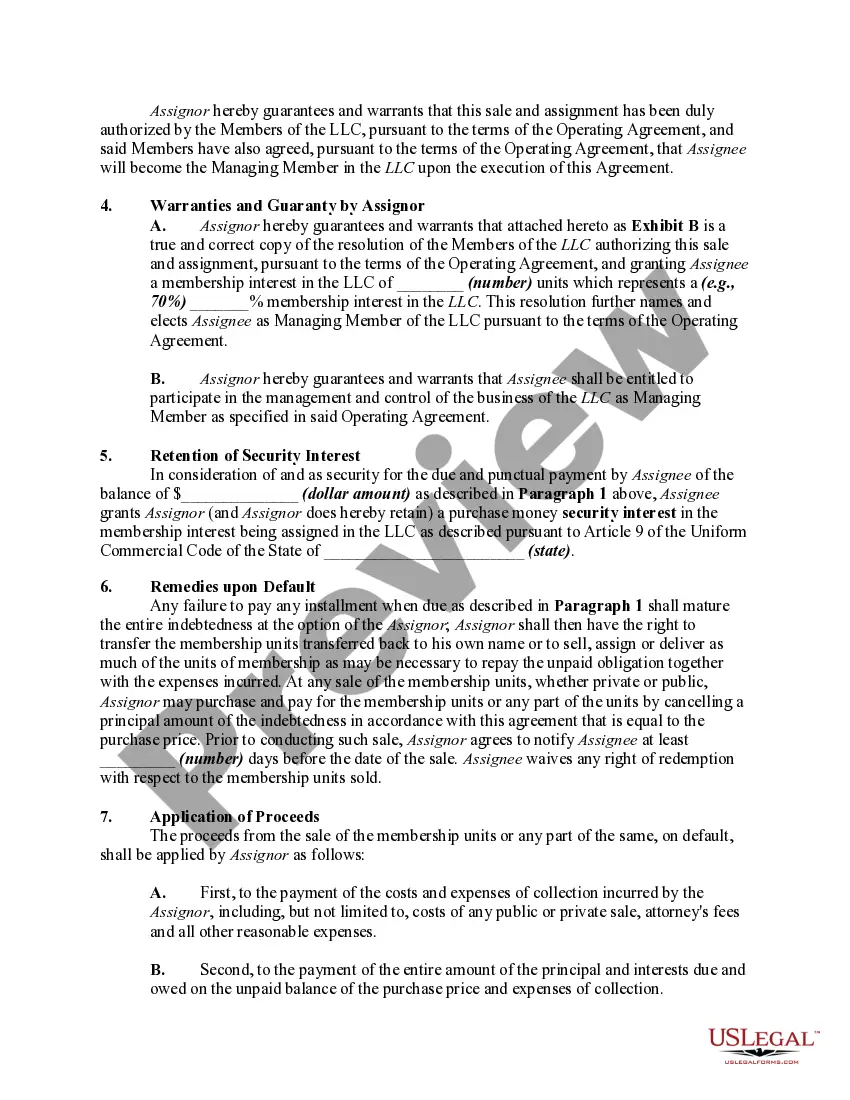
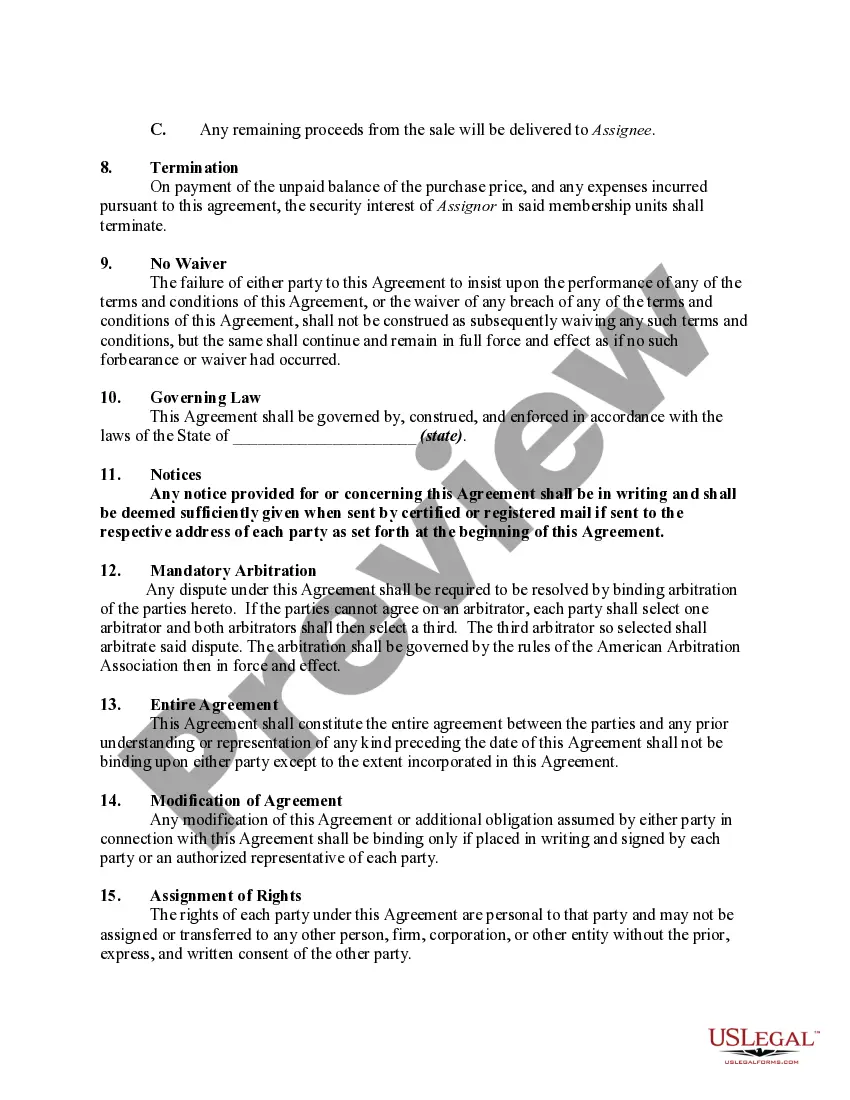
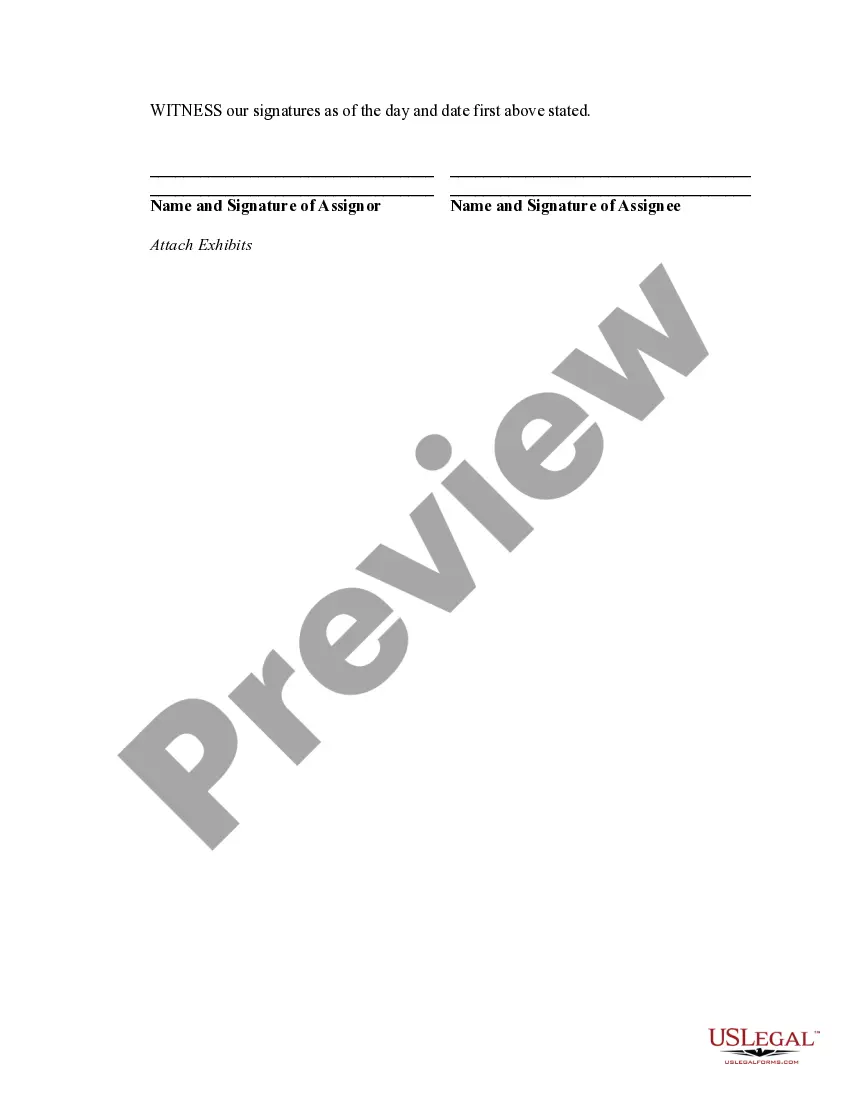
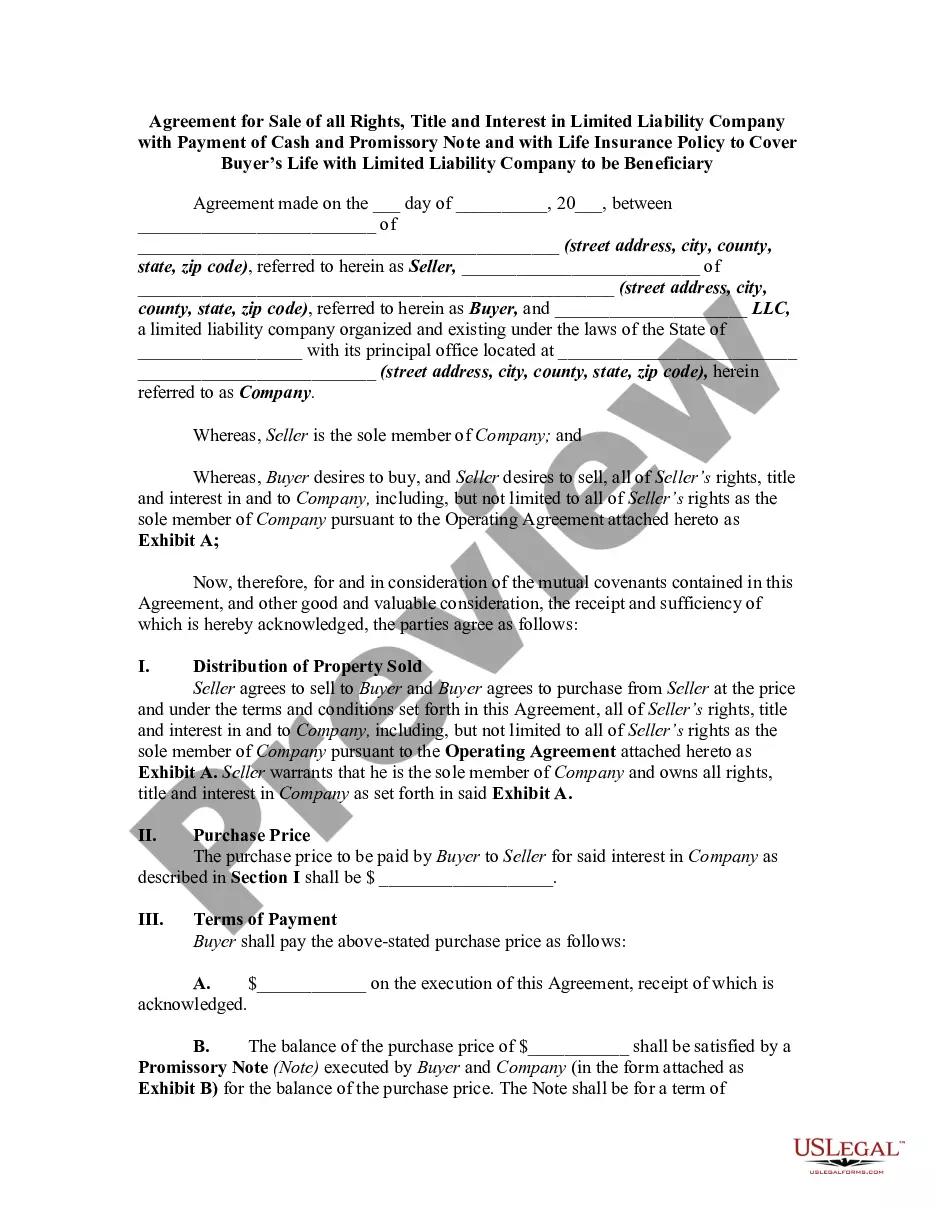
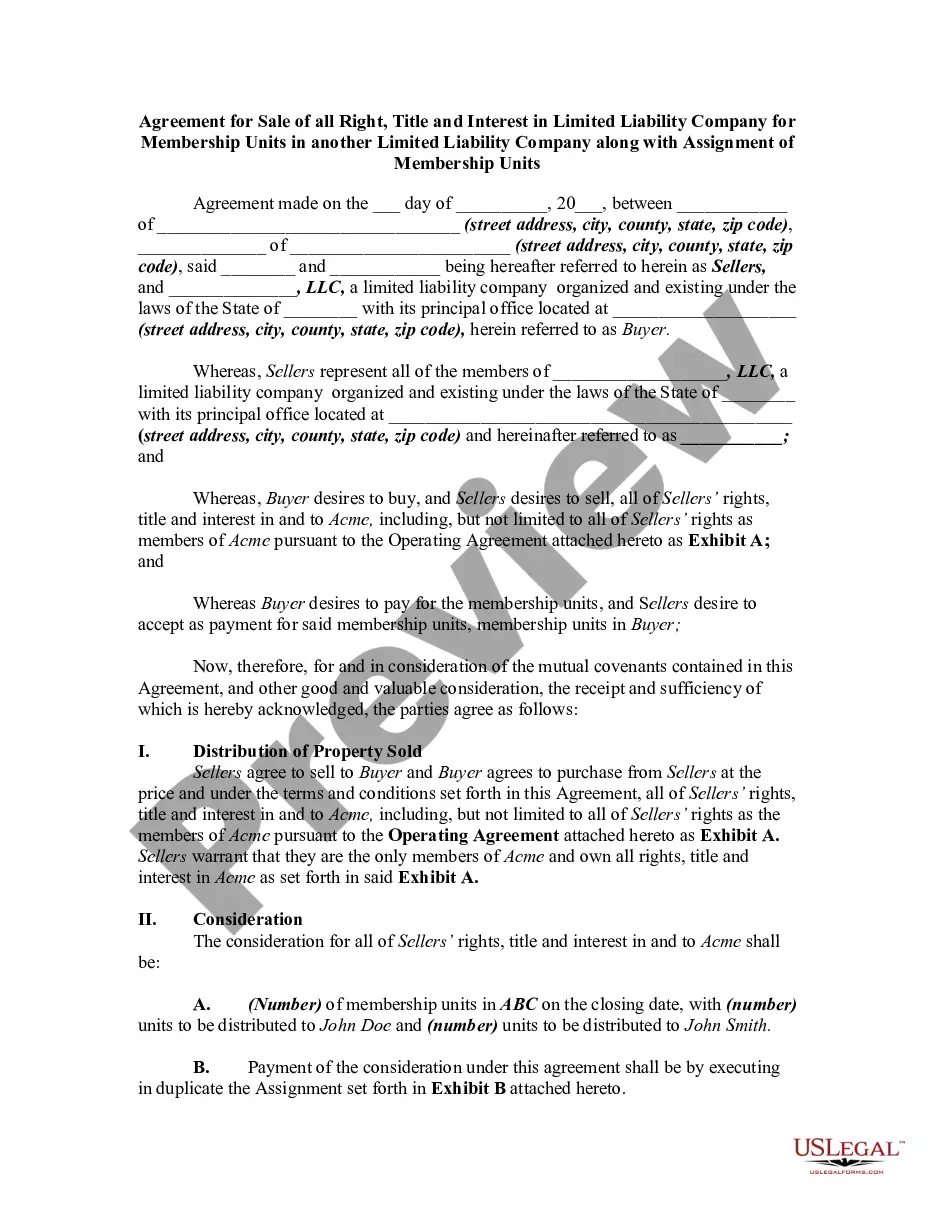
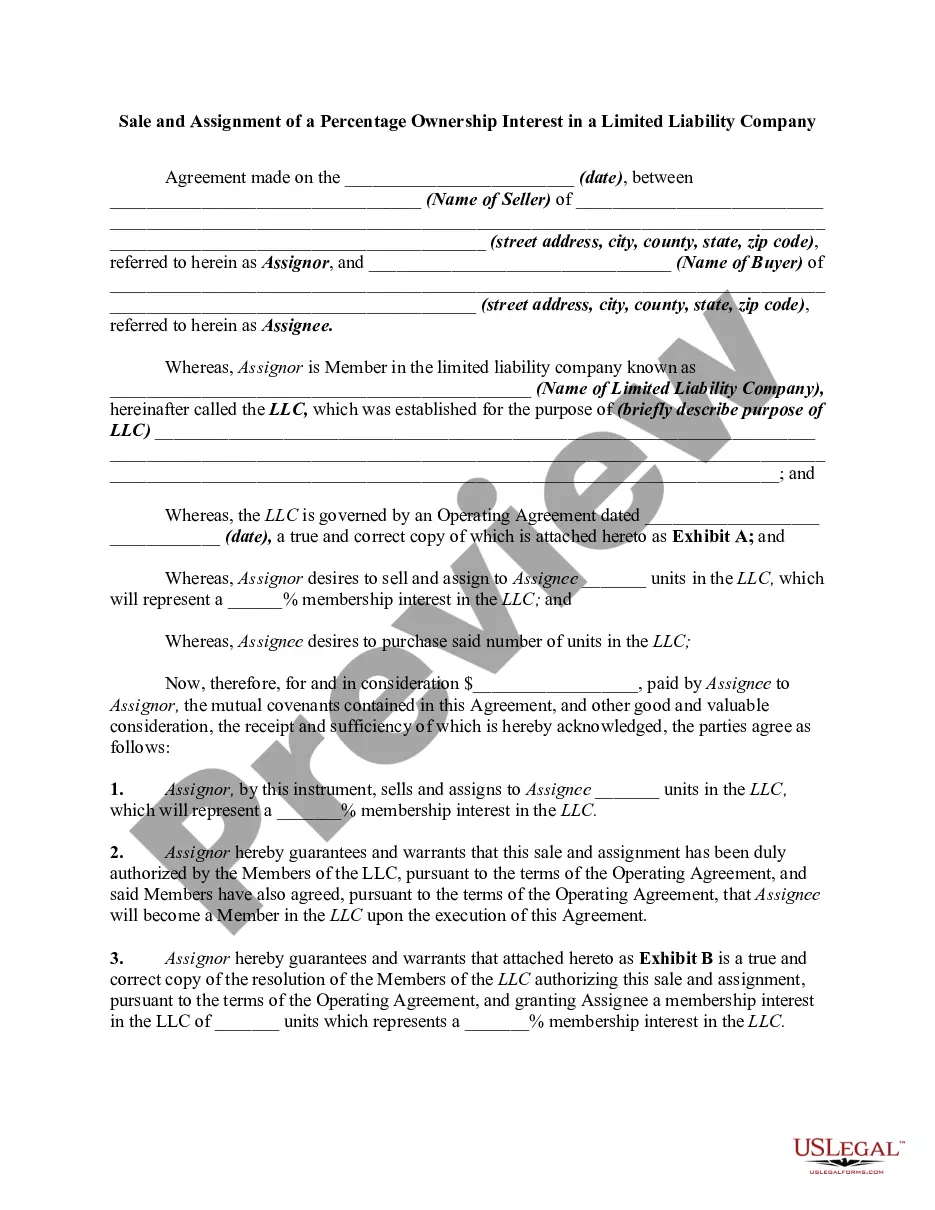
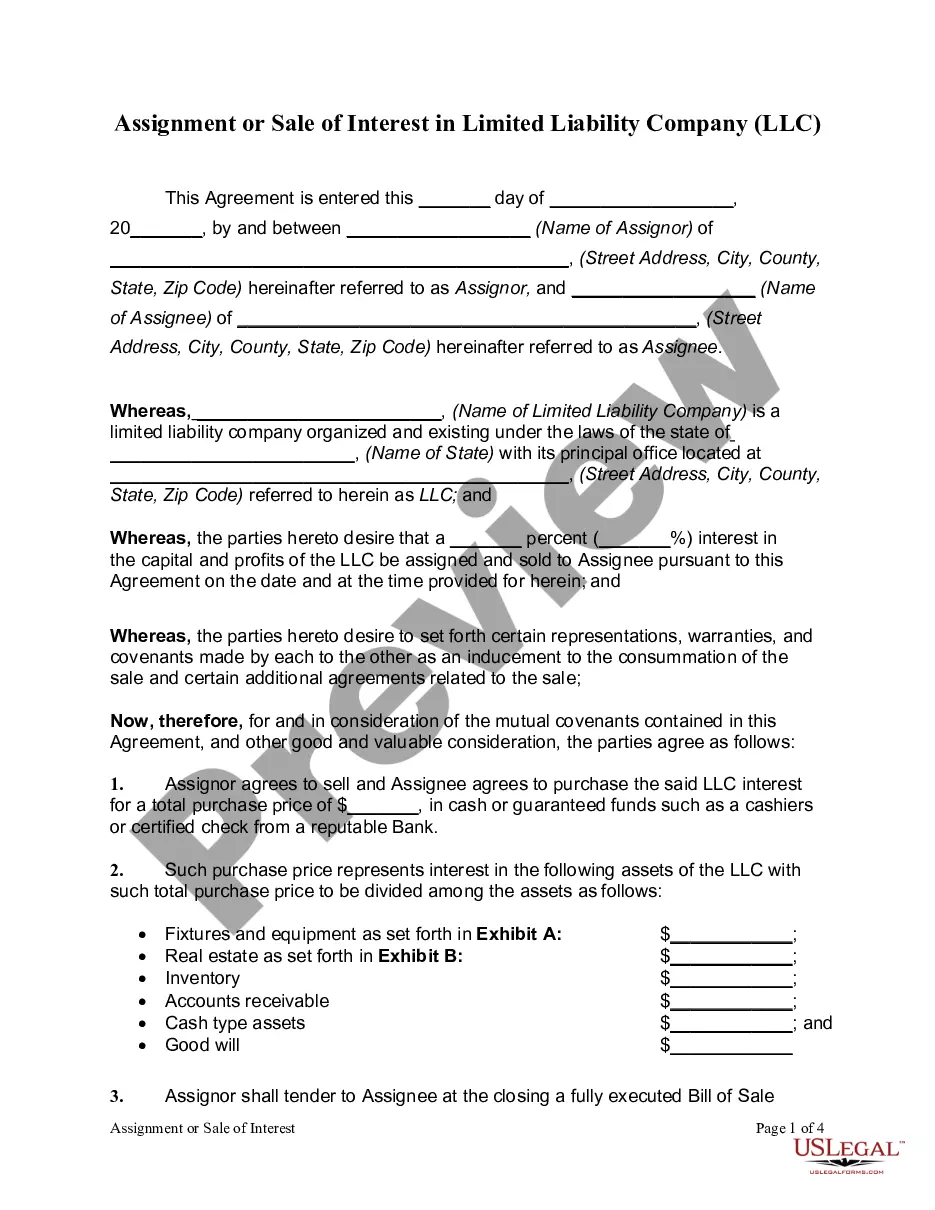
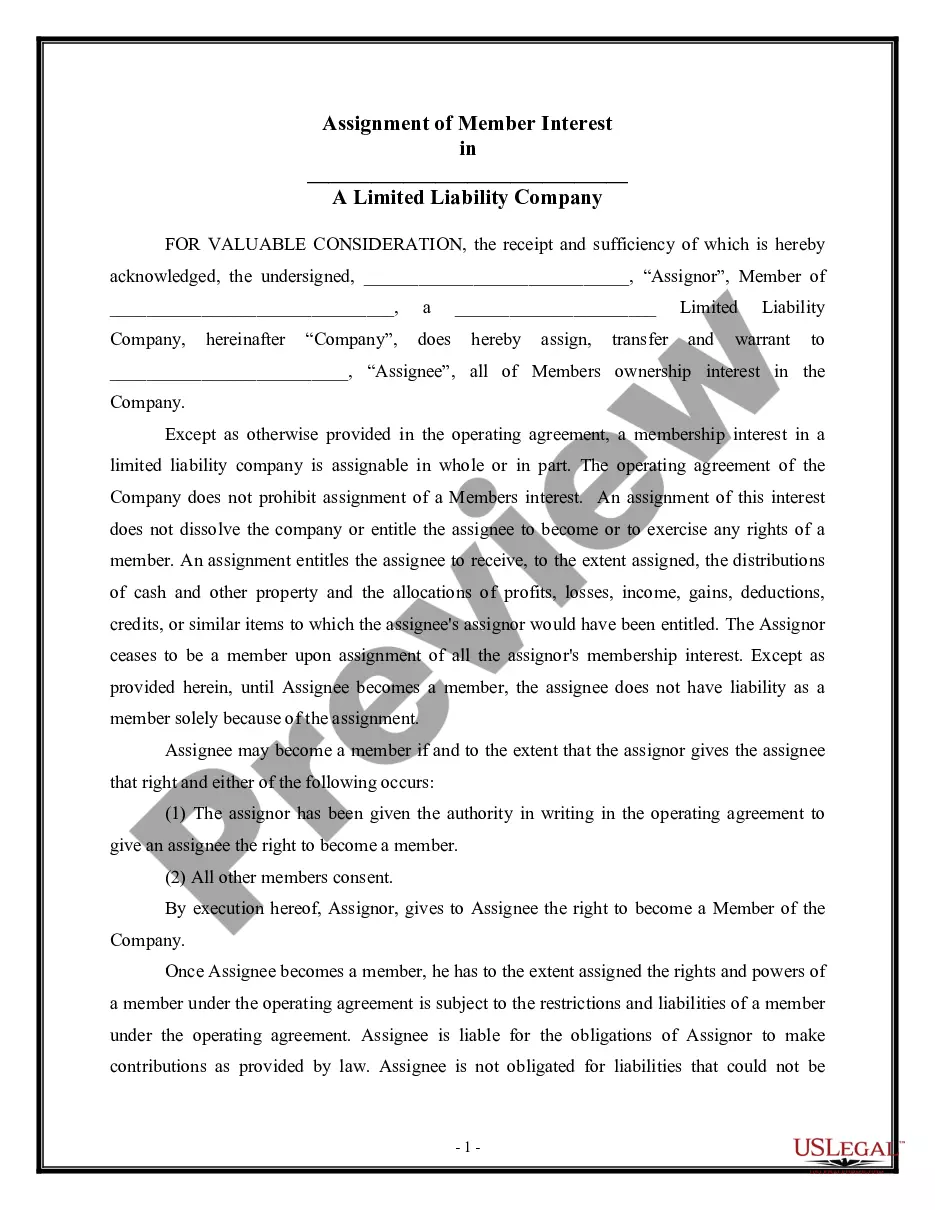
Get your form ready online
Our built-in tools help you complete, sign, share, and store your documents in one place.
Make edits, fill in missing information, and update formatting in US Legal Forms—just like you would in MS Word.
Download a copy, print it, send it by email, or mail it via USPS—whatever works best for your next step.
Sign and collect signatures with our SignNow integration. Send to multiple recipients, set reminders, and more. Go Premium to unlock E-Sign.
If this form requires notarization, complete it online through a secure video call—no need to meet a notary in person or wait for an appointment.
We protect your documents and personal data by following strict security and privacy standards.

Make edits, fill in missing information, and update formatting in US Legal Forms—just like you would in MS Word.

Download a copy, print it, send it by email, or mail it via USPS—whatever works best for your next step.

Sign and collect signatures with our SignNow integration. Send to multiple recipients, set reminders, and more. Go Premium to unlock E-Sign.

If this form requires notarization, complete it online through a secure video call—no need to meet a notary in person or wait for an appointment.

We protect your documents and personal data by following strict security and privacy standards.
Looking for another form?
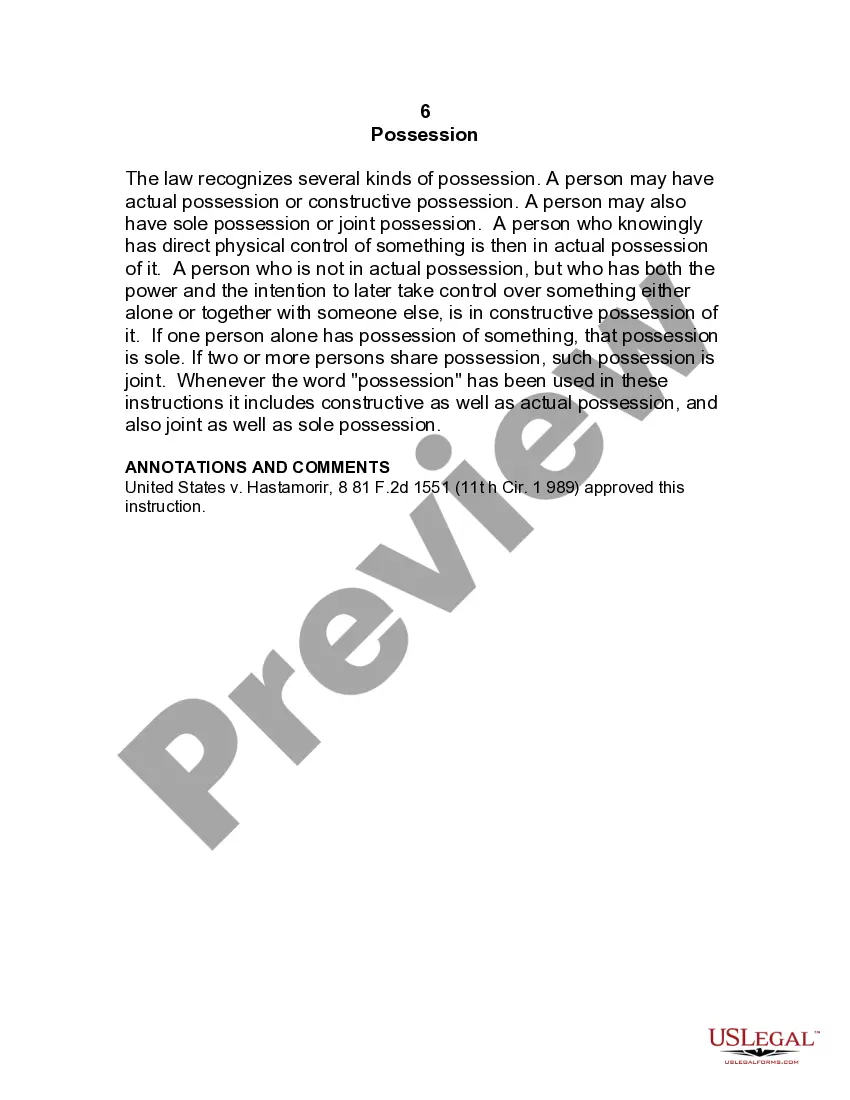

How to fill out Sale And Assignment Of A Majority Ownership Interest In A Limited Liability Company Pursuant To An Installment Sales Agreement And Retaining A Security Interest In The Membership Interest Being Sold And Assigned Until Paid?
Locating a reliable source to obtain the latest and pertinent legal templates is a significant part of navigating bureaucracy.
Identifying the correct legal document requirements with precision and meticulousness is essential, which is why it is important to obtain samples of Sale Assignment Agreement With Answers solely from reputable sources, such as US Legal Forms. An incorrect template can squander your time and postpone your situation.
Eliminate the hassle that comes with your legal paperwork. Explore the vast US Legal Forms collection to discover legal templates, assess their suitability for your situation, and download them instantly.
- Utilize the library navigation or search box to locate your template.
- Examine the form’s description to determine if it meets the standards of your state and locality.
- Check the form preview, if accessible, to confirm it is indeed the document you seek.
- Return to the search and find the appropriate template if the Sale Assignment Agreement With Answers does not meet your criteria.
- Once you are confident about the form’s applicability, download it.
- If you are a registered user, click Log in to verify your identity and access your selected templates in My documents.
- If you have not registered yet, click Buy now to acquire the form.
- Choose the pricing plan that best fits your requirements.
- Proceed to registration to finalize your purchase.
- Complete your transaction by selecting a payment method (credit card or PayPal).
- Select the document format for downloading Sale Assignment Agreement With Answers.
- After you have the form on your device, you can modify it using the editor or print it out for manual completion.
Form popularity
FAQ
An example of an assignment in real estate is when a buyer purchases a property under contract but decides to transfer their rights to another buyer before closing. In this case, the original buyer would use a sale assignment agreement to assign their interest to the new buyer. This process allows the original buyer to exit the deal while enabling the new buyer to step in, often with the same terms as the original agreement.
An assignment agreement does not inherently require notarization, but doing so can enhance its legal validity. Notarization serves as a safeguard against fraud, ensuring that all parties are who they claim to be and that they signed willingly. It is wise to consider notarization, especially for significant financial transactions.
Not all agreements require notarization, but notarizing can provide additional legal assurance. A notarized document may carry more weight in court, as it verifies that the parties involved willingly signed the agreement. Therefore, while it might not be mandatory, it is often a prudent step to take.
For a sale assignment agreement to be valid, it must meet several key criteria, including mutual consent between parties, clear terms, and lawful purpose. Both parties should sign the agreement to acknowledge their understanding and acceptance of the terms. Additionally, ensure the document complies with applicable laws to avoid any future complications.
In many cases, having witnesses for an assignment can add an extra layer of protection and credibility. While not always legally required, witnesses can verify the authenticity of the signatures and the agreement itself. This step can be particularly beneficial if any disputes arise regarding the sale assignment agreement.
A memorandum of agreement (MOA) does not always require notarization, but having it notarized can strengthen its legal standing. Notarization helps confirm the identities of the parties involved and their willingness to enter the agreement. You may want to check your local laws to ensure compliance and enhance the document's enforceability.
When you buy a sale assignment agreement, you encounter risks such as undisclosed liabilities or the original seller's inability to fulfill their obligations. It is essential to verify the seller's credibility and the property's condition. Moreover, ensure that the assignment agreement is clear and comprehensive to avoid potential disputes.
Filling out an assignment of contract involves several key steps. First, clearly identify the original parties to the Sale assignment agreement, as well as the new party being assigned. Next, specify the rights and obligations being assigned, and ensure both parties sign the document to validate the transfer. To simplify this process, you can use platforms like uslegalforms, which provide templates and guidance for creating legally sound assignments.
Generally, you cannot assign a Sale assignment agreement without the consent of the other party unless the agreement explicitly allows for it. If the agreement prohibits assignment without consent, doing so may breach the contract and lead to legal consequences. It is essential to review the terms carefully to understand your rights and obligations regarding assignment.
An assignment clause typically outlines the conditions under which one party can transfer their rights and obligations under a Sale assignment agreement to another party. For instance, a common clause might state, 'Party A may assign its rights under this agreement to a third party with written consent from Party B.' This ensures that both parties are aware of any changes in responsibility, providing clarity and legal protection.