Rules For Interrogatories
Description
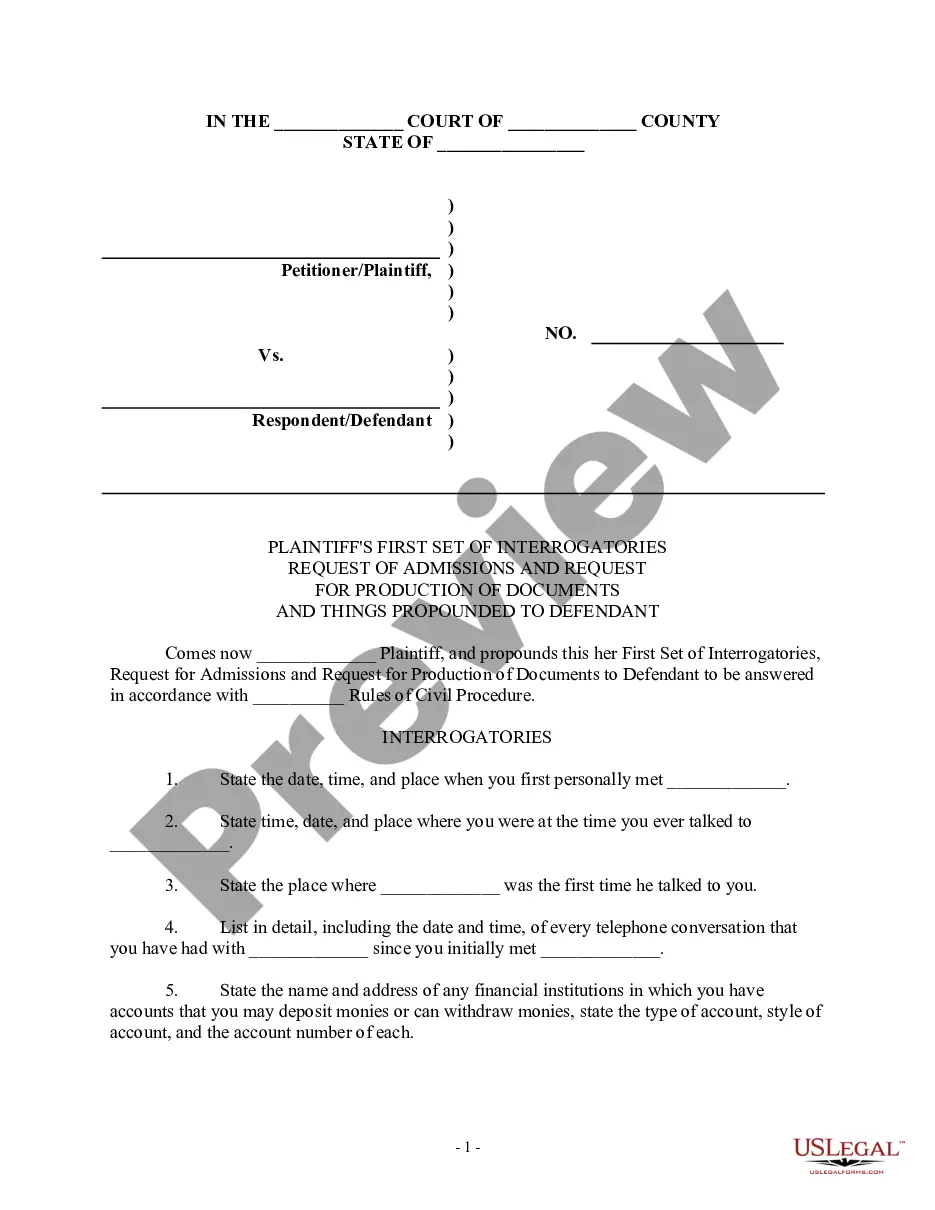

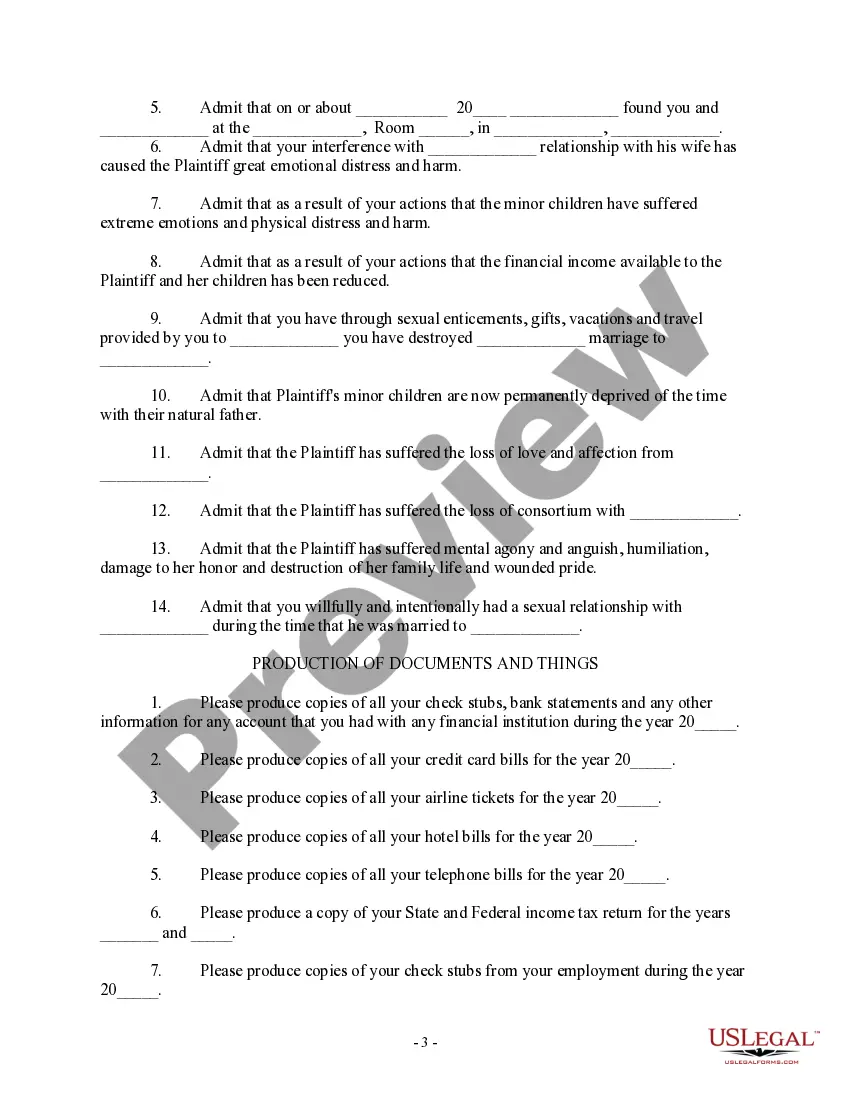
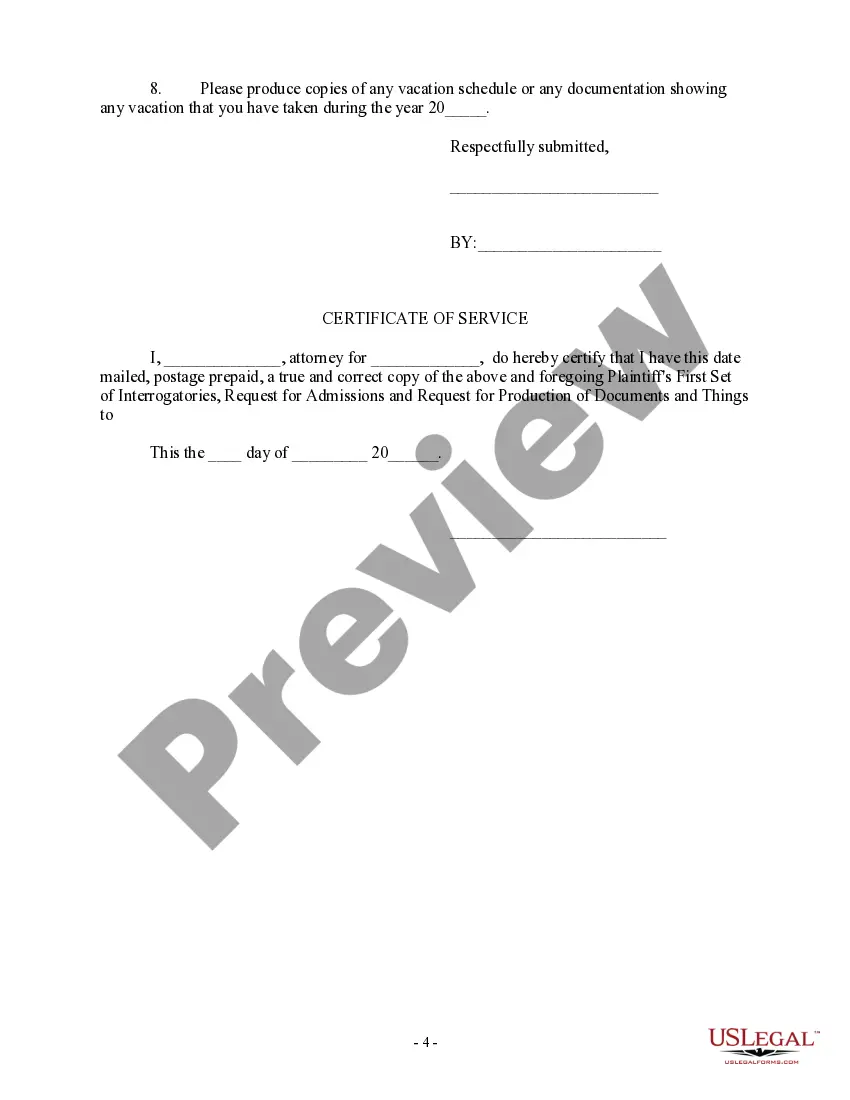
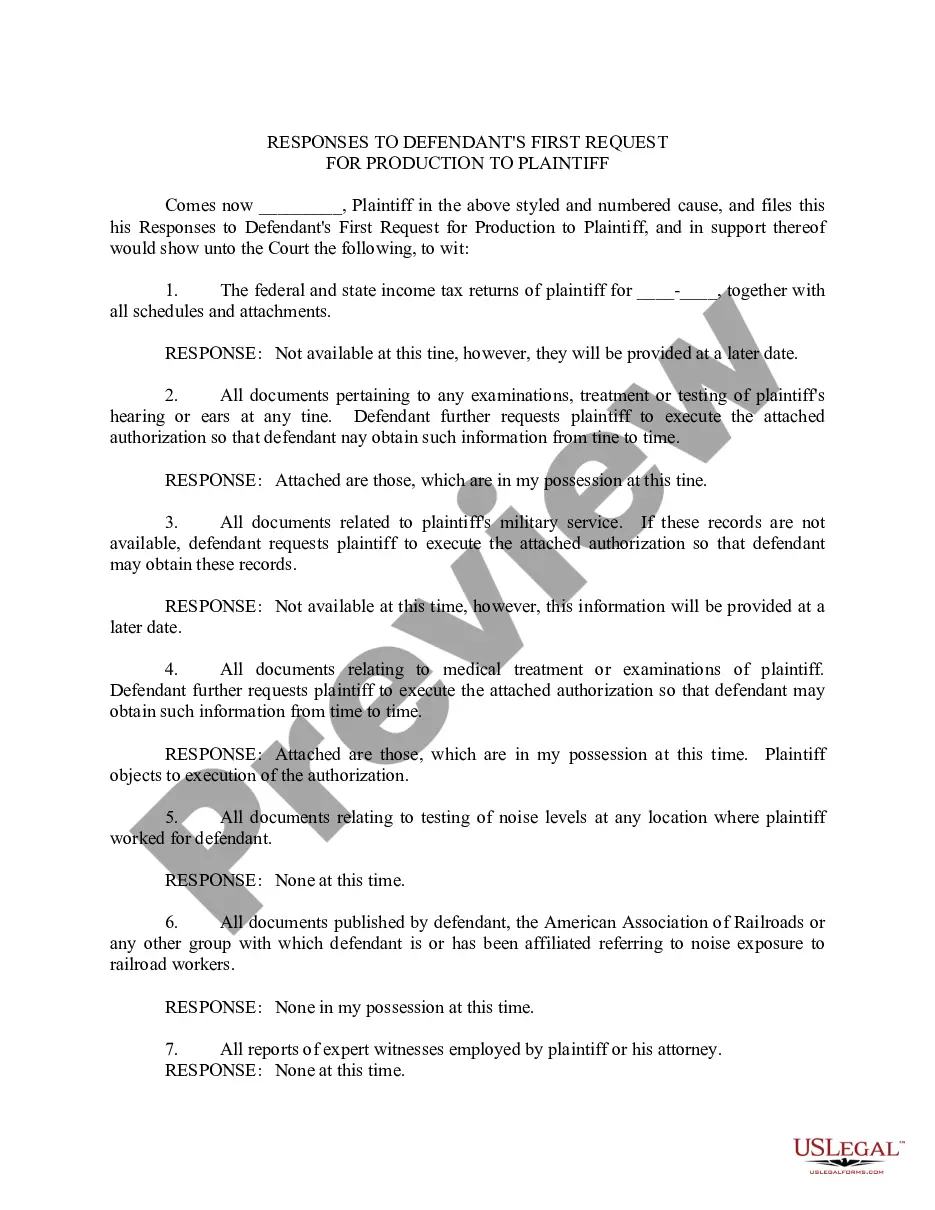
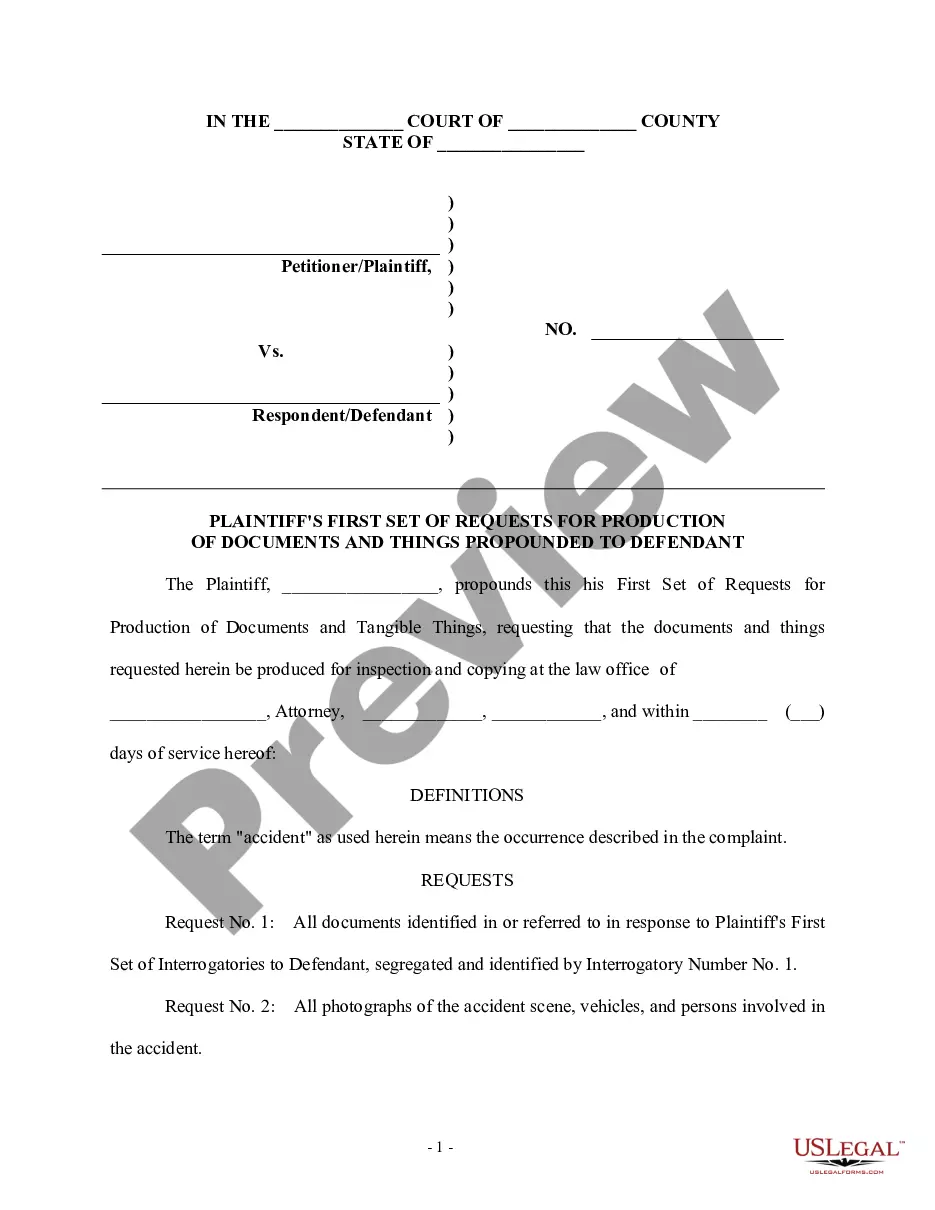
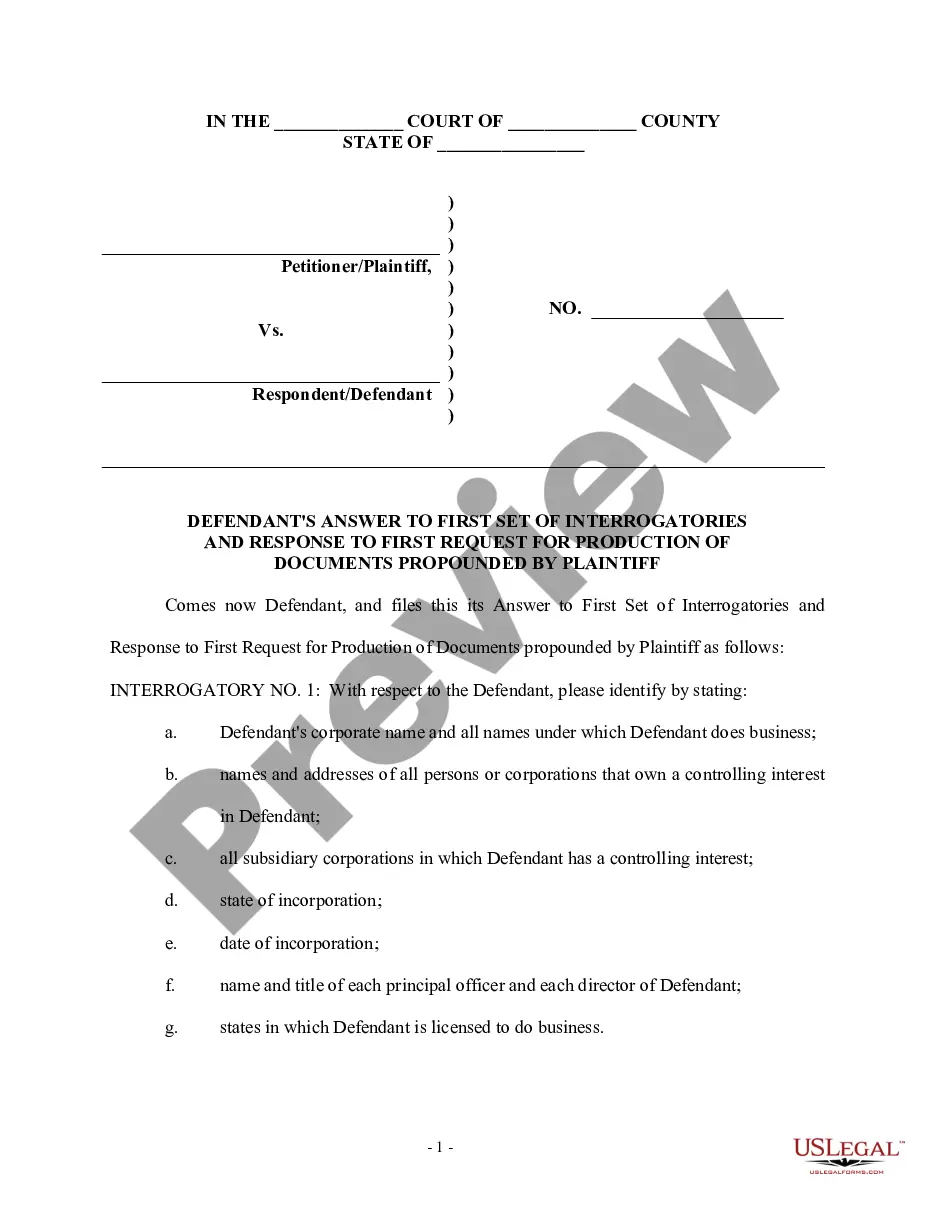
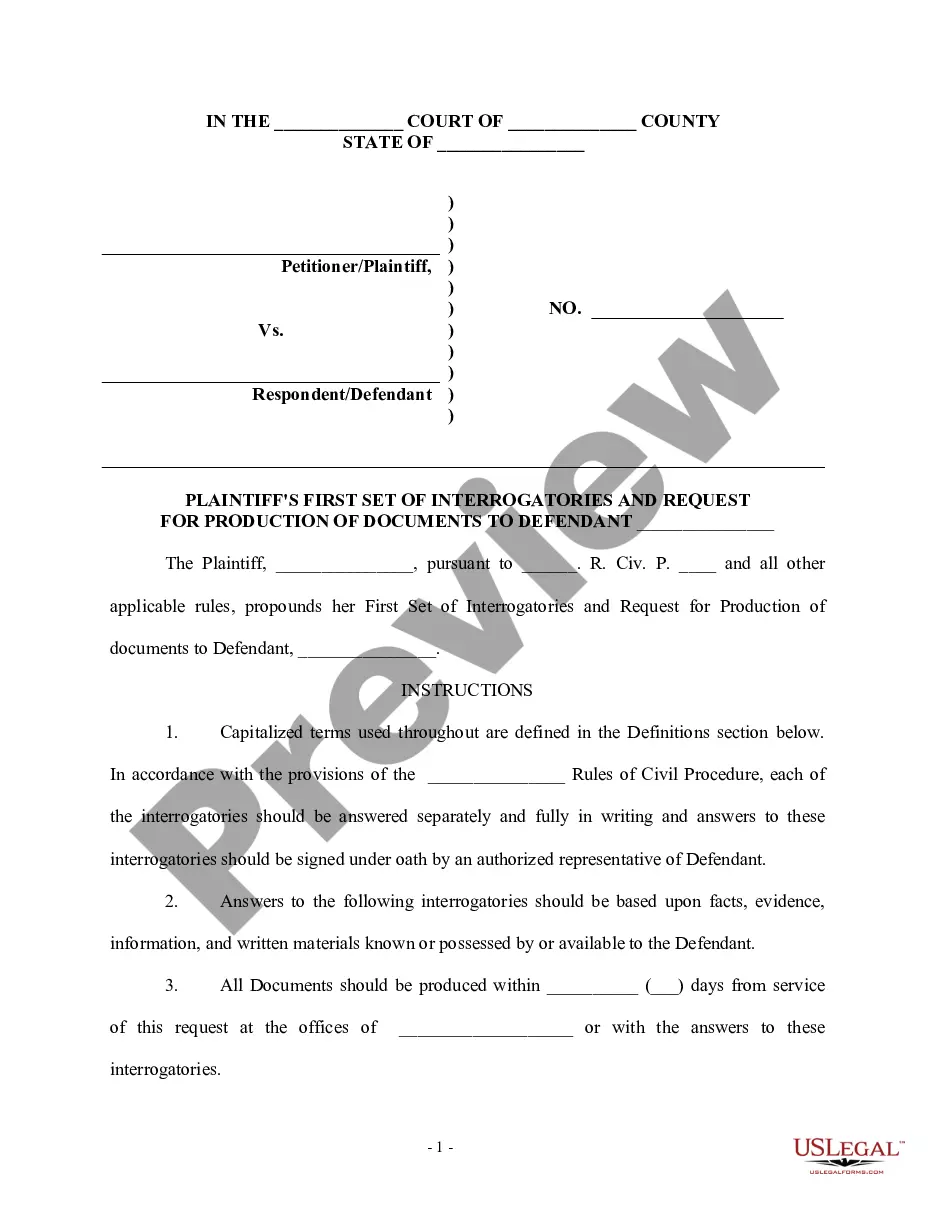
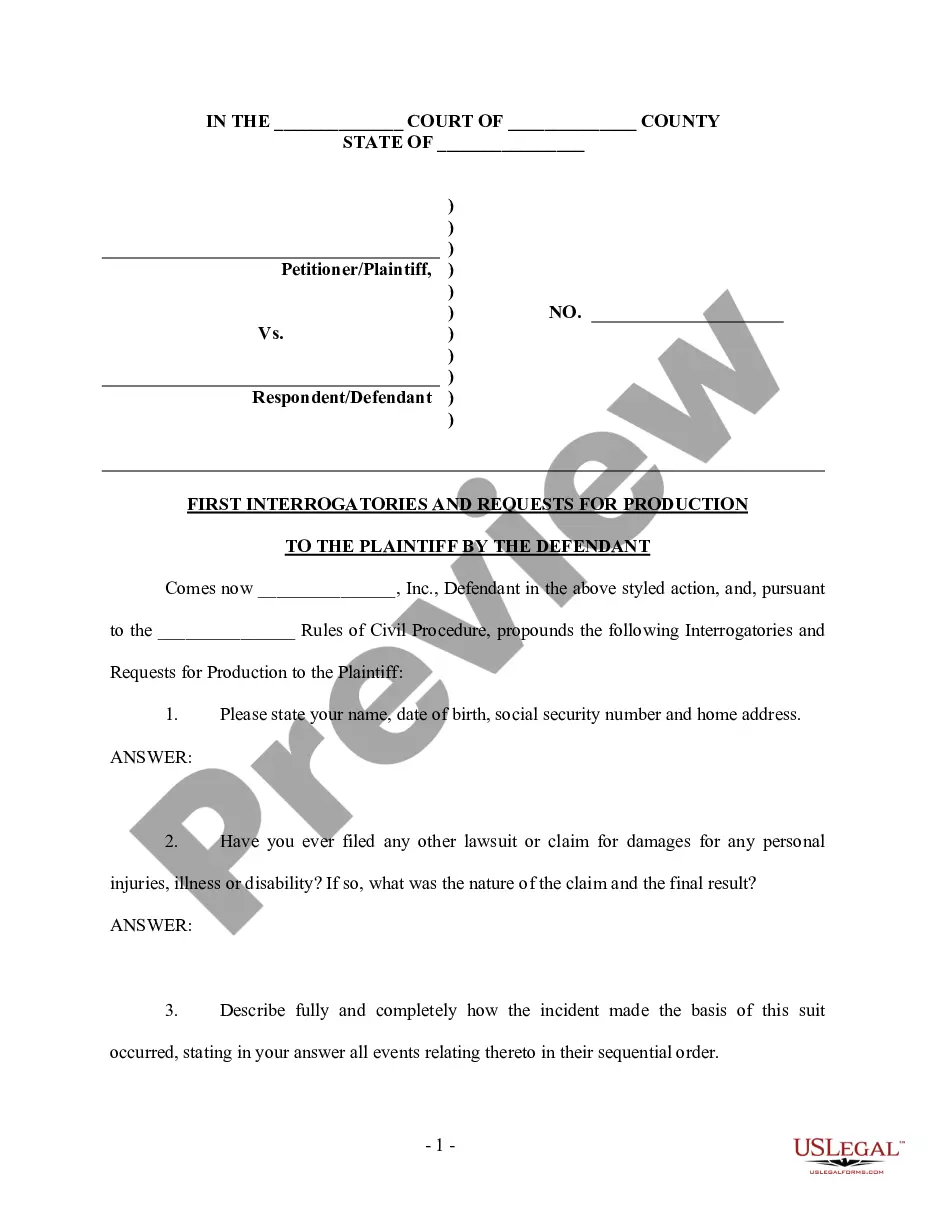
Get your form ready online
Our built-in tools help you complete, sign, share, and store your documents in one place.
Make edits, fill in missing information, and update formatting in US Legal Forms—just like you would in MS Word.
Download a copy, print it, send it by email, or mail it via USPS—whatever works best for your next step.
Sign and collect signatures with our SignNow integration. Send to multiple recipients, set reminders, and more. Go Premium to unlock E-Sign.
If this form requires notarization, complete it online through a secure video call—no need to meet a notary in person or wait for an appointment.
We protect your documents and personal data by following strict security and privacy standards.

Make edits, fill in missing information, and update formatting in US Legal Forms—just like you would in MS Word.

Download a copy, print it, send it by email, or mail it via USPS—whatever works best for your next step.

Sign and collect signatures with our SignNow integration. Send to multiple recipients, set reminders, and more. Go Premium to unlock E-Sign.

If this form requires notarization, complete it online through a secure video call—no need to meet a notary in person or wait for an appointment.

We protect your documents and personal data by following strict security and privacy standards.
Looking for another form?

How to fill out Plaintiff's First Set Of Interrogatories And Request For Production Of Documents?
Obtaining a reliable source for the most up-to-date and suitable legal templates is a significant part of navigating bureaucracy. Finding the correct legal documents requires accuracy and meticulousness, which is why it is essential to obtain samples of Rules For Interrogatories solely from reputable providers, such as US Legal Forms. An incorrect template could squander your time and prolong your predicament. With US Legal Forms, you have minimal concerns. You can access and review all the information regarding the document's applicability and significance for your situation and in your jurisdiction.
Consider the following steps to complete your Rules For Interrogatories.
Once you have the form on your device, you can edit it with the editor or print it and fill it out by hand. Eliminate the stress associated with your legal documents. Browse the extensive US Legal Forms library to find legal samples, verify their relevance to your situation, and download them promptly.
- Use the catalog navigation or search bar to locate your template.
- Check the form’s description to ensure it aligns with the requirements of your state and county.
- View the form preview, if accessible, to confirm that the template is what you seek.
- Return to the search and seek out the correct document if the Rules For Interrogatories do not fulfill your needs.
- When you are certain about the form’s appropriateness, download it.
- If you are a registered user, click Log in to verify and access your chosen templates in My documents.
- If you do not have an account yet, click Buy now to acquire the form.
- Choose the pricing plan that suits your needs.
- Proceed with the registration to finalize your purchase.
- Complete your transaction by selecting a payment method (credit card or PayPal).
- Choose the file format for downloading Rules For Interrogatories.
Form popularity
FAQ
Thus, all contention interrogatories should be written with one or two objec- tives in mind: (1) the answers to conten- tion interrogatories can be used to support a summary judgment or other limit on trial, i.e., to limit the defense to the facts, witnesses and documents set forth in their answers to interrogatories ? ...
N. a set of written questions to a party to a lawsuit asked by the opposing party as part of the pre-trial discovery process. These questions must be answered in writing under oath or under penalty of perjury within a specified time (such as 30 days).
Interrogatories Need to Be Written Carefully Identify the geographic locations for the product market alleged in paragraph 16 of the Complaint. Identify each customer you directly or indirectly solicited to purchase the product. Identify any terms you used to describe potential purchasers of the product. For the second:
Interrogatories are often preferable to depositions for identi- fying such things as witnesses, documents, the dates and sub- stance of transactions and conversations,3 since a deponent may easily forget or overlook relevant information when an- swering such questions.
Answer only the question that is asked, and avoid the temptation to over-explain your answer. If the question contains several parts, you may break your answer into parts as well. It is also possible that you might object to the question.