Request For Production Of Documents
Description

Get your form ready online
Our built-in tools help you complete, sign, share, and store your documents in one place.
Make edits, fill in missing information, and update formatting in US Legal Forms—just like you would in MS Word.
Download a copy, print it, send it by email, or mail it via USPS—whatever works best for your next step.
Sign and collect signatures with our SignNow integration. Send to multiple recipients, set reminders, and more. Go Premium to unlock E-Sign.
If this form requires notarization, complete it online through a secure video call—no need to meet a notary in person or wait for an appointment.
We protect your documents and personal data by following strict security and privacy standards.

Make edits, fill in missing information, and update formatting in US Legal Forms—just like you would in MS Word.

Download a copy, print it, send it by email, or mail it via USPS—whatever works best for your next step.

Sign and collect signatures with our SignNow integration. Send to multiple recipients, set reminders, and more. Go Premium to unlock E-Sign.

If this form requires notarization, complete it online through a secure video call—no need to meet a notary in person or wait for an appointment.

We protect your documents and personal data by following strict security and privacy standards.
Looking for another form?

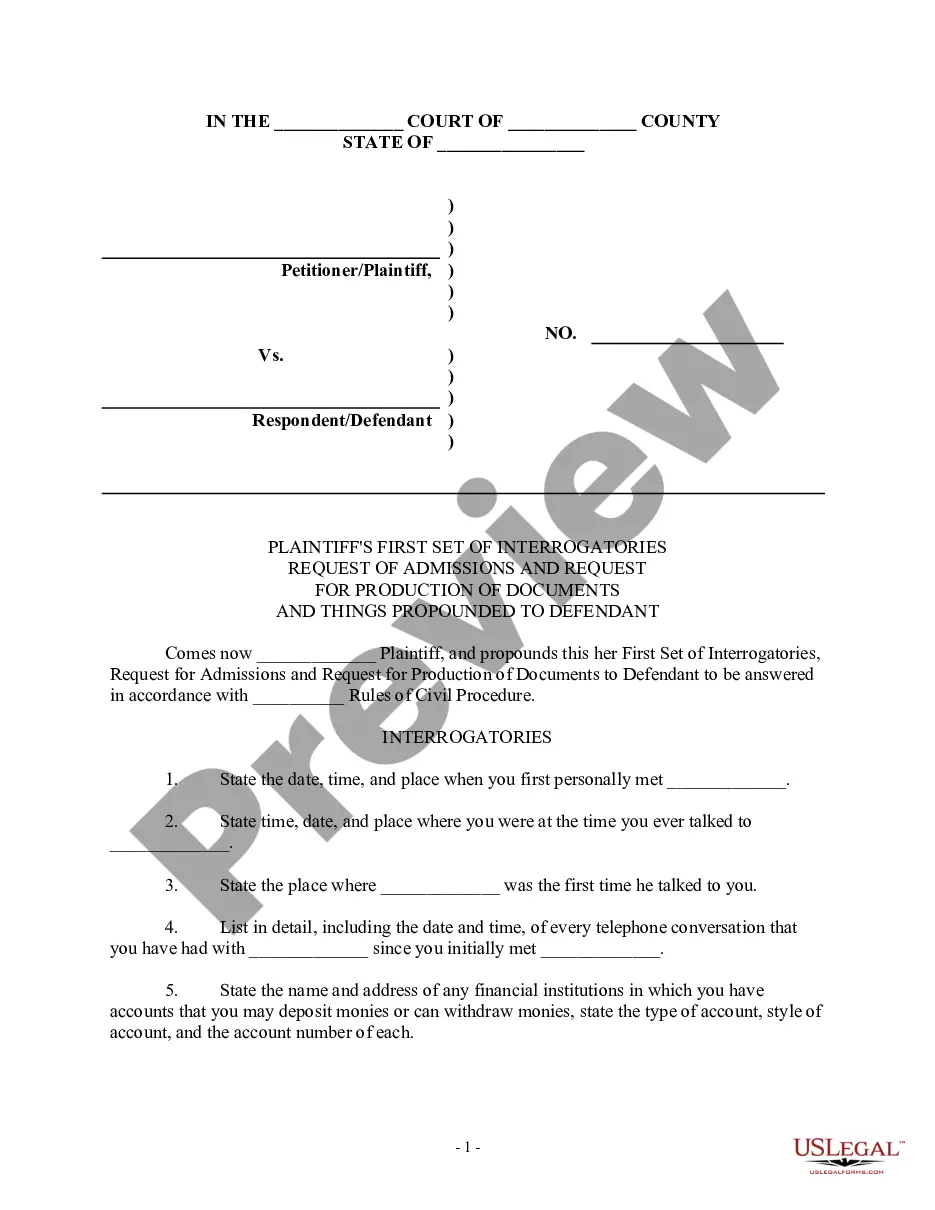
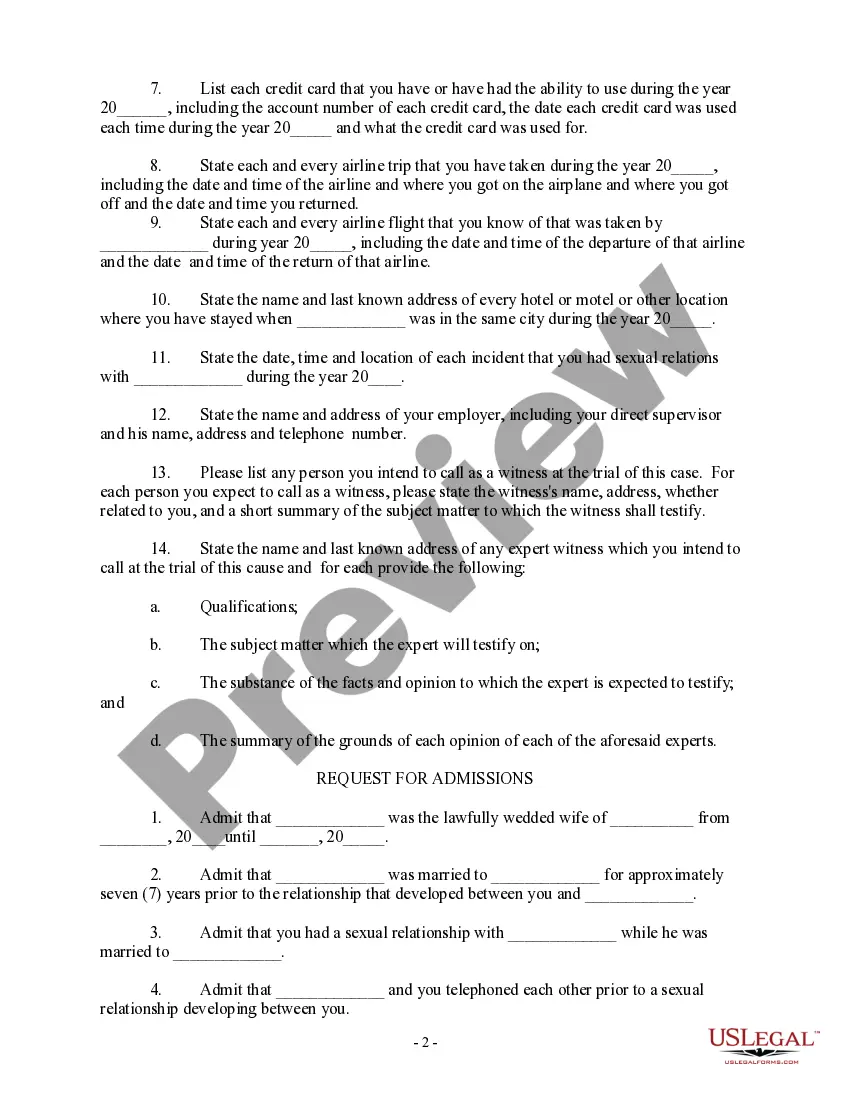
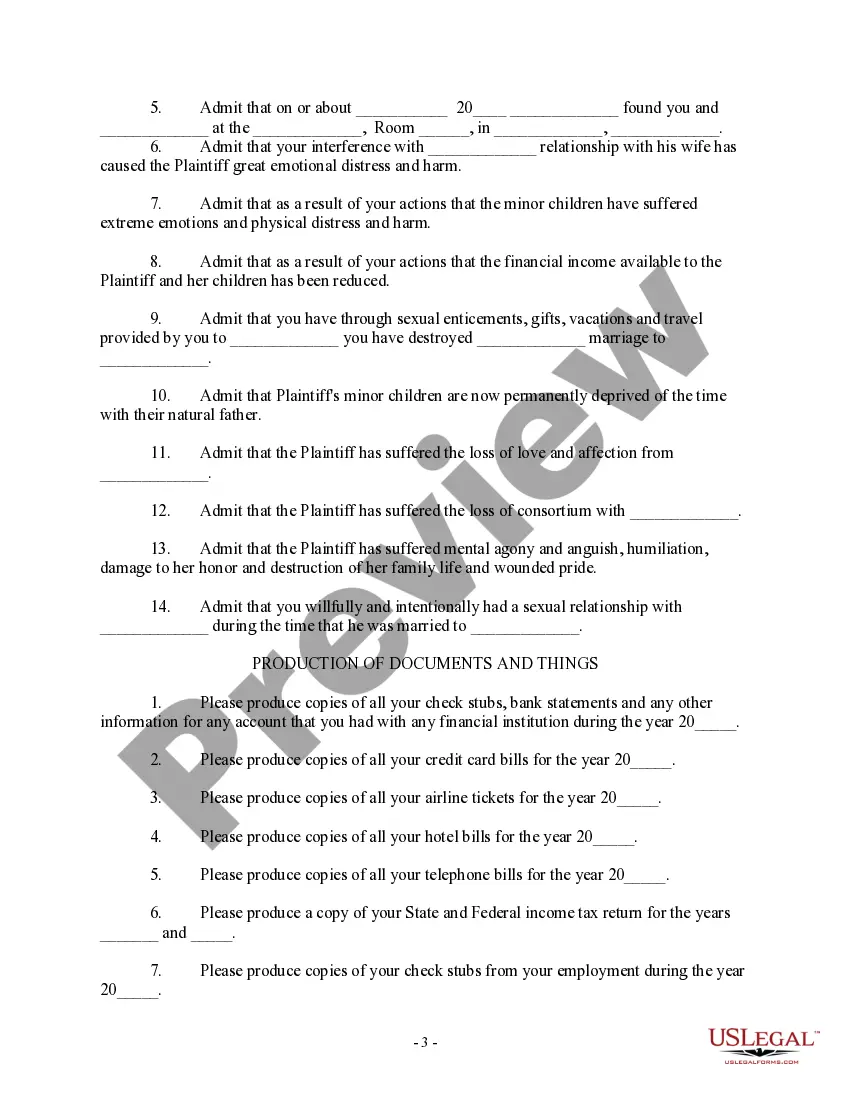
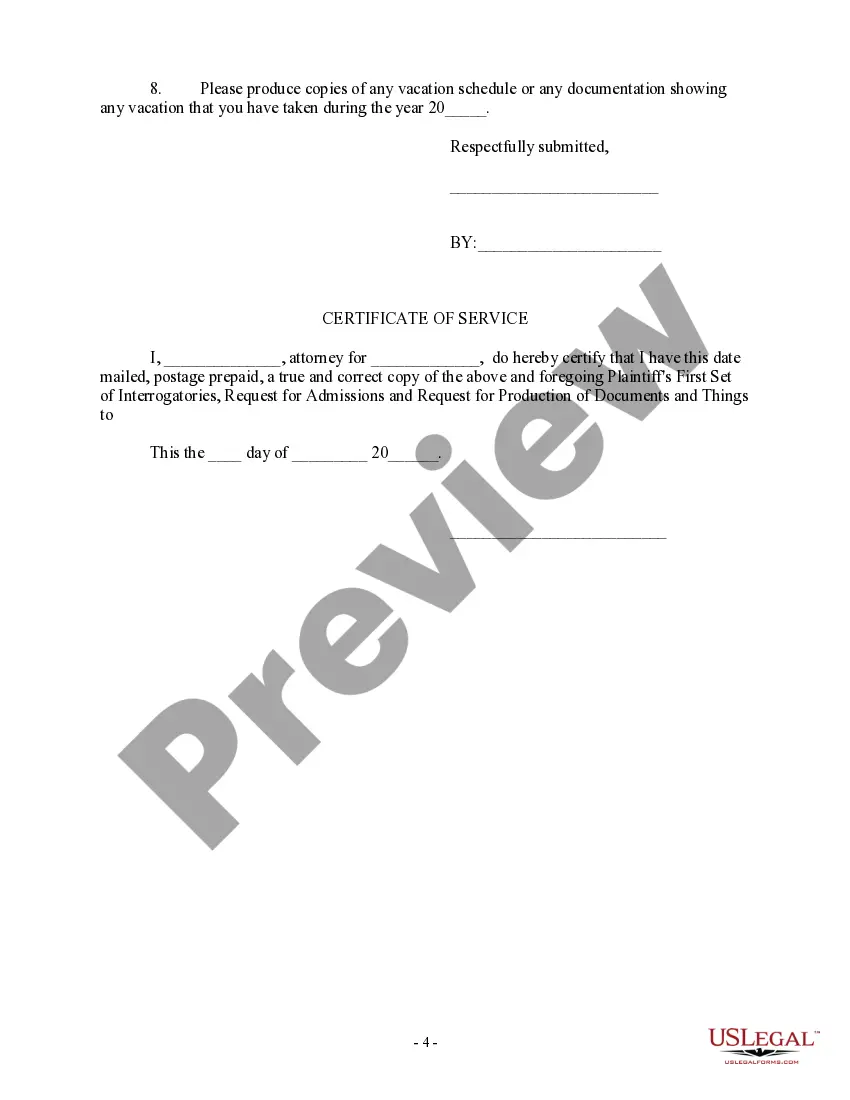
How to fill out Plaintiff's First Set Of Interrogatories And Request For Production Of Documents?
Creating legal documents from the ground up can occasionally be overwhelming.
Some situations may require extensive research and substantial financial investment.
If you’re looking for a simpler and more cost-effective method of generating Request For Production Of Documents or any other paperwork without unnecessary complications, US Legal Forms is always available to assist you.
Our online collection of more than 85,000 current legal forms covers nearly every aspect of your financial, legal, and personal affairs. With just a few clicks, you can immediately access state- and county-compliant templates diligently prepared for you by our legal experts.
Review the document preview and descriptions to ensure you are accessing the form you need. Ensure the template you select meets the criteria of your state and county. Choose the most appropriate subscription option to acquire the Request For Production Of Documents. Download the file, then complete, certify, and print it. US Legal Forms has a stellar reputation and over 25 years of expertise. Join us today to make document completion a simple and efficient process!
- Utilize our website whenever you require a dependable service through which you can swiftly find and download the Request For Production Of Documents.
- If you’re familiar with our site and have previously created an account, just Log In to your account, find the template, and download it or access it again later in the My documents section.
- Not registered yet? No problem. It takes minimal time to register and browse the catalog.
- However, before proceeding to download the Request For Production Of Documents, consider these tips.
Form popularity
FAQ
To object to production of documents, you must file a written objection that explains your reasons for opposing the request. This may involve citing legal grounds, such as relevance or privilege. Using USLegalForms, you can access templates that guide you through the objection process, helping you articulate your stance effectively. This approach ensures that you safeguard your rights while responding to requests for production of documents.
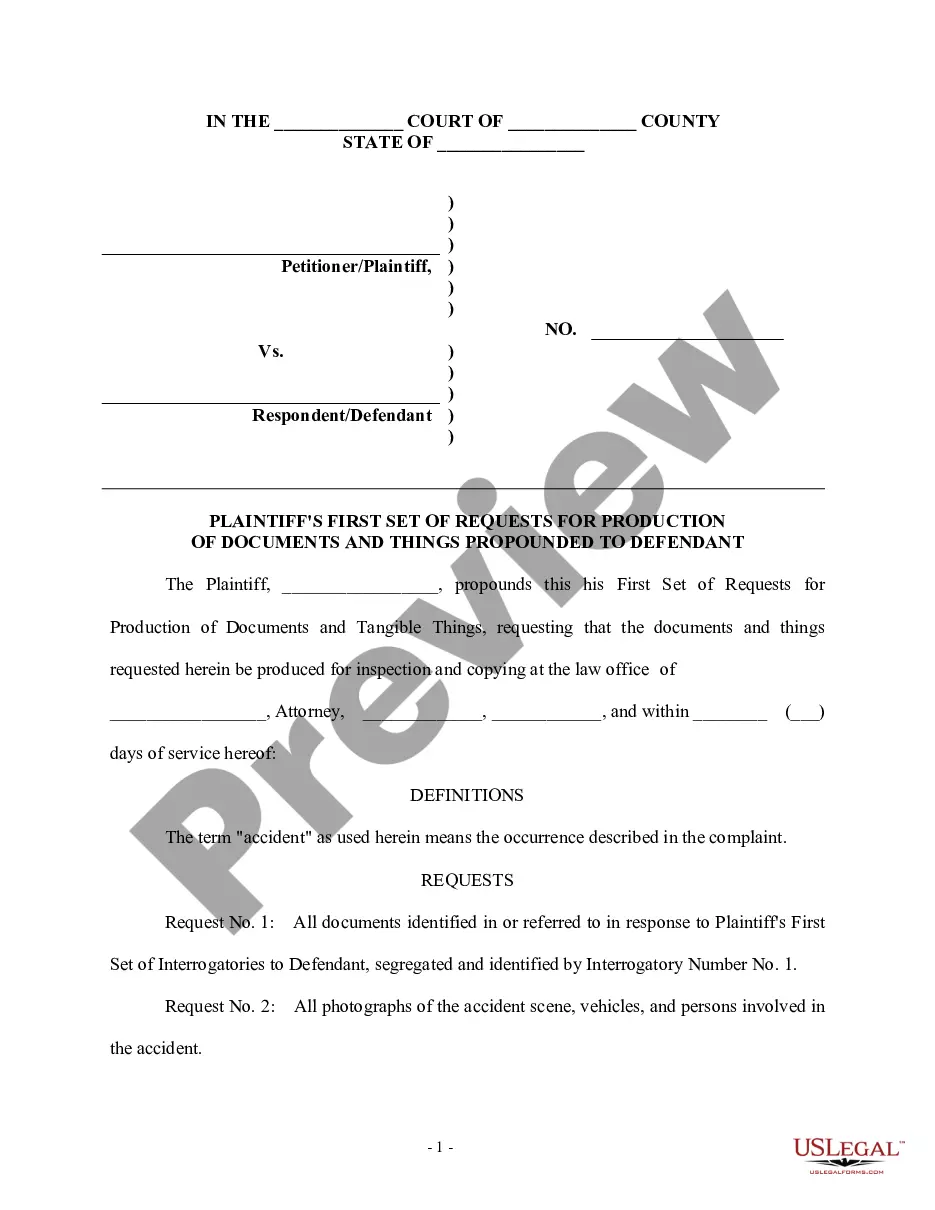
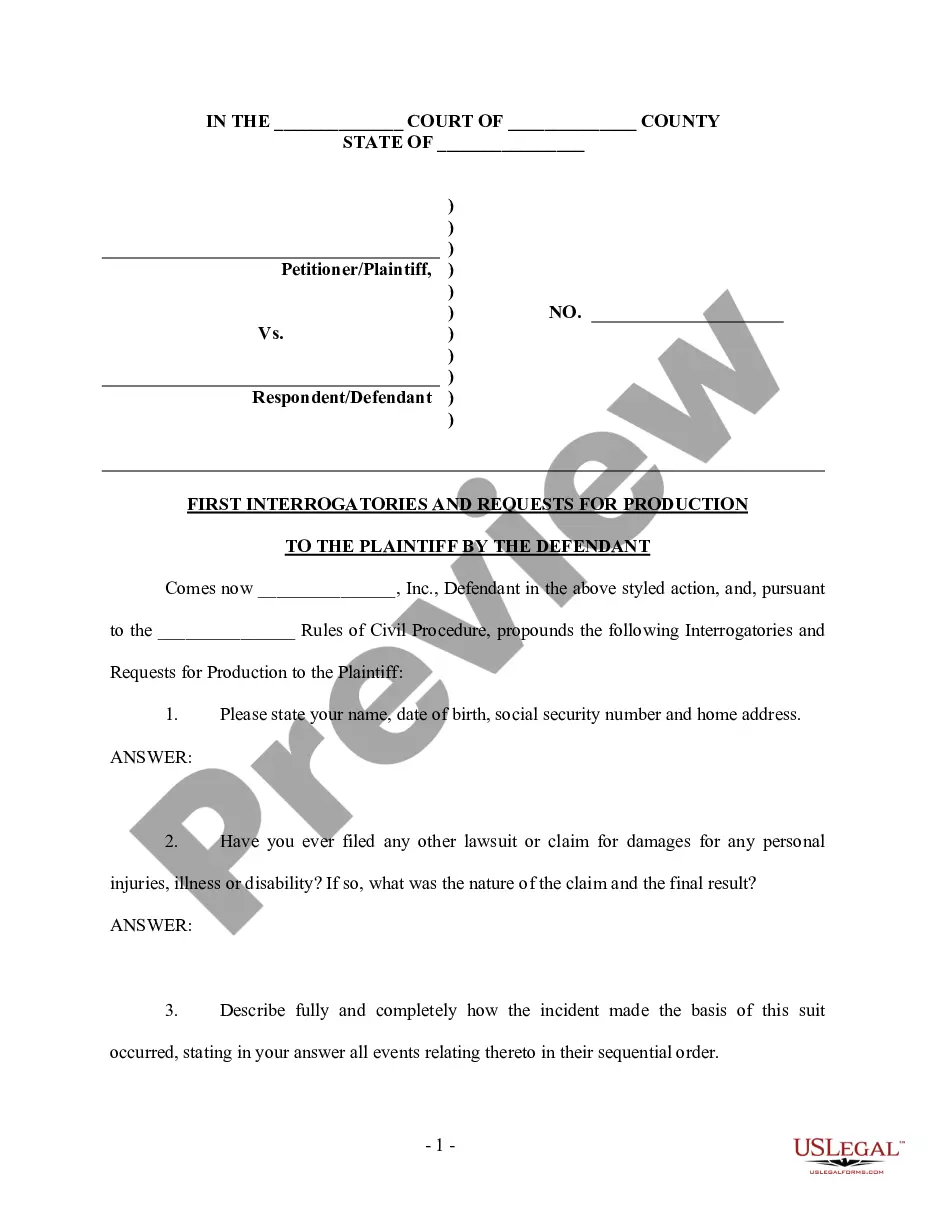
To request for production of documents, you typically need to file a formal request with the court, clearly specifying the documents you want. It’s essential to include detailed information regarding the types of documents you need to ensure clarity. Utilizing USLegalForms can simplify this process by providing you with reliable templates tailored for requests for production of documents. This makes it easier for you to create an effective request that meets legal requirements.
The timeline for a request for production of documents generally varies based on the case's specifics and jurisdiction, but typically, you have 30 days to respond. This timeframe allows you to gather the necessary documents and prepare your answer carefully. If you miss the deadline, it could impact your case, so it's wise to start early. For assistance with creating and managing your requests, consider using the US Legal Forms platform.
The term 'production of documents' refers to the process of providing requested documents in response to a legal demand. When you receive a request for production of documents, you must gather and share specific materials that may be relevant to the case. This step allows parties to review key information before heading to court. Understanding this process helps you prepare adequately and ensure that you fulfill all legal obligations.
A request for production of documents is a formal legal demand that asks one party in a lawsuit to provide specific documents to the other party. This request is part of the discovery process, which allows both sides to gather evidence before trial. By using a request for production of documents, you can obtain records that are crucial to your case. It is essential for ensuring transparency and fairness during legal proceedings.
Examples of objections to a request for production of documents include claims that the request is too broad, burdensome, or seeks privileged information. For instance, you might state that a request for every email over a two-year period is unnecessarily expansive. Clearly articulating your objections helps maintain clarity in legal processes. It is beneficial to fully understand these objections to protect your position.
You may object to a request for production of documents for various reasons, including relevance, privilege, or overbreadth. If the request seeks information that is not related to the case or infringes on confidentiality, objecting is necessary. Understanding your rights in this context can protect your interests. Consulting with a legal expert or using USLegalForms can clarify your options.
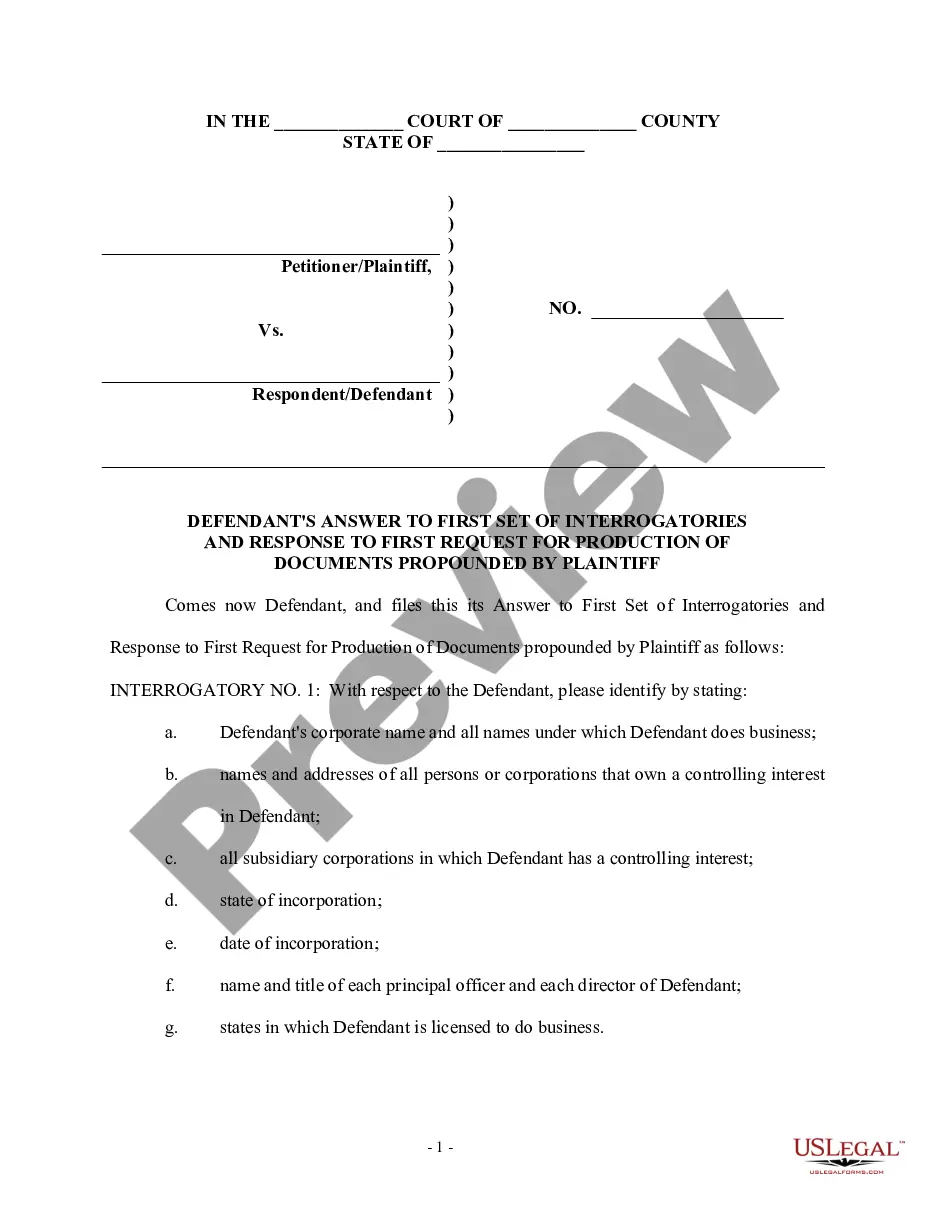
An example response to a request for production of documents would typically state that you have included all requested documents and identify any items that are unavailable. For instance, you might say, 'We have provided all relevant emails and contracts. However, the meeting minutes from July are currently missing and cannot be located.' This clear communication helps all parties understand the situation.
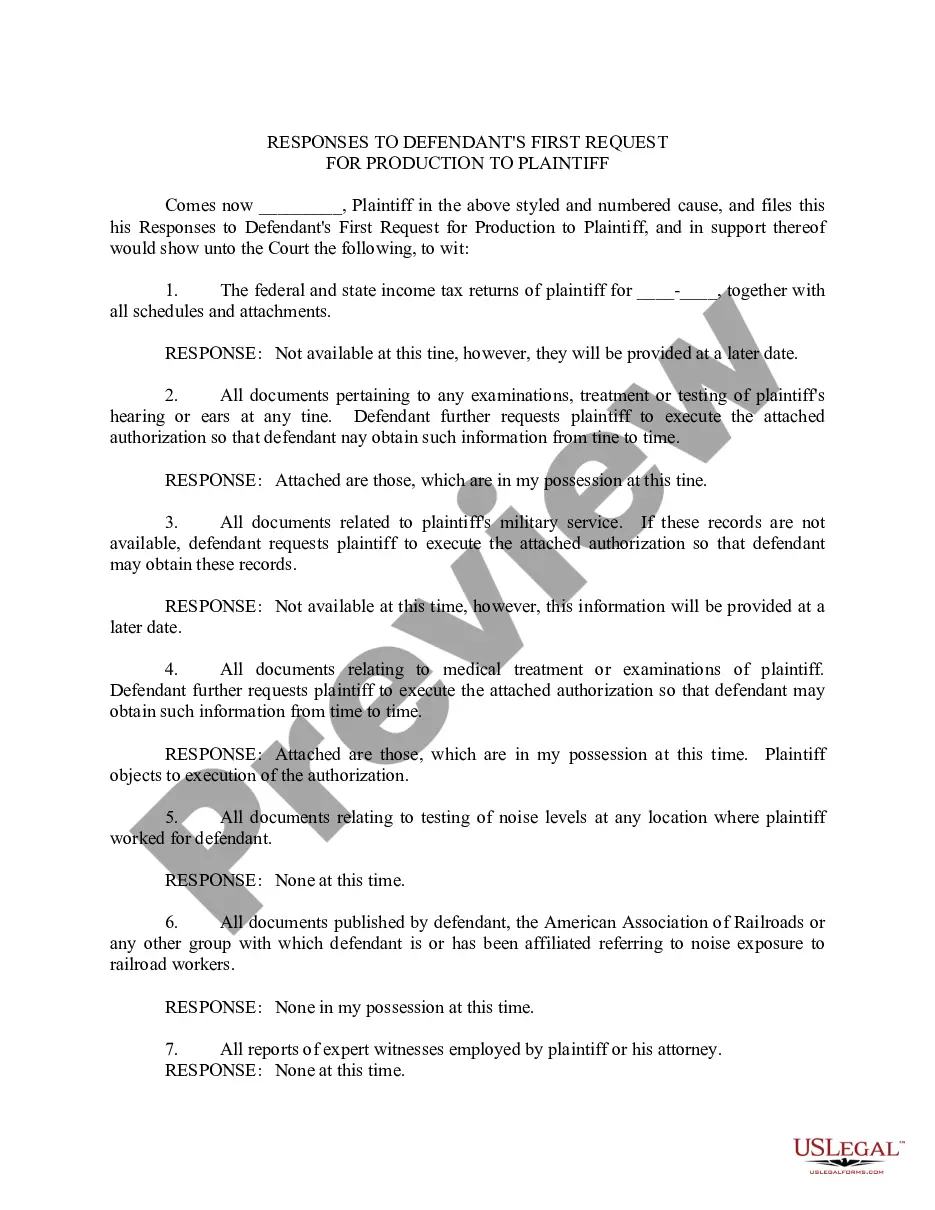
To respond to a request for production of documents, review the request carefully and prepare your documents for submission. Ensure that you gather all relevant items, and be mindful of any objections you may have. You should communicate your response through a formal letter, detailing the documents provided and any items that may not be available. This step is crucial to maintain transparency in legal matters.
Writing a request for production of documents requires clarity and specificity. Start with a clear introduction stating your intention and include a list of the documents you seek. Be concise and use straightforward language to describe each item. Using a platform like USLegalForms can streamline this process, providing templates and guidance.