Interrogatory Vs Request For Production
Description
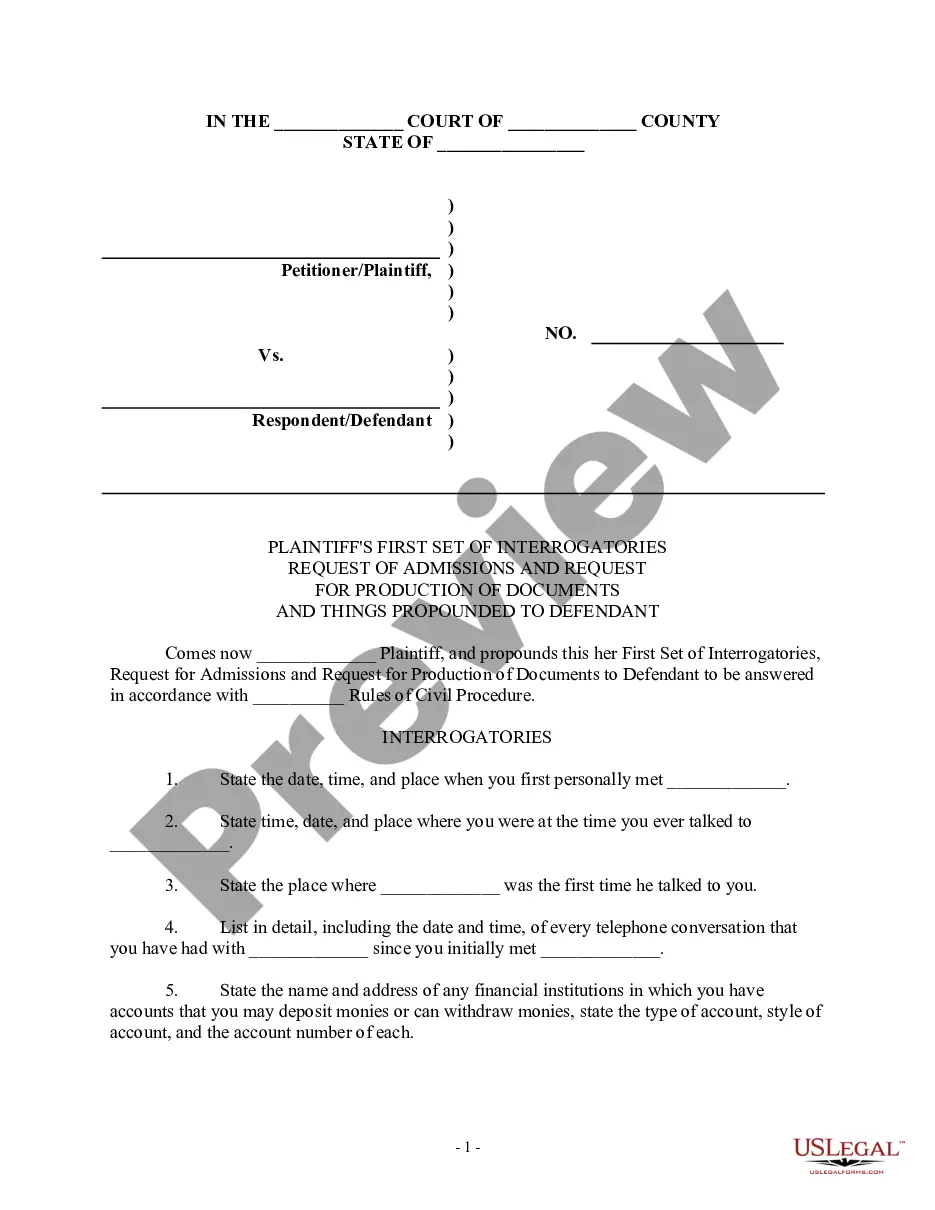
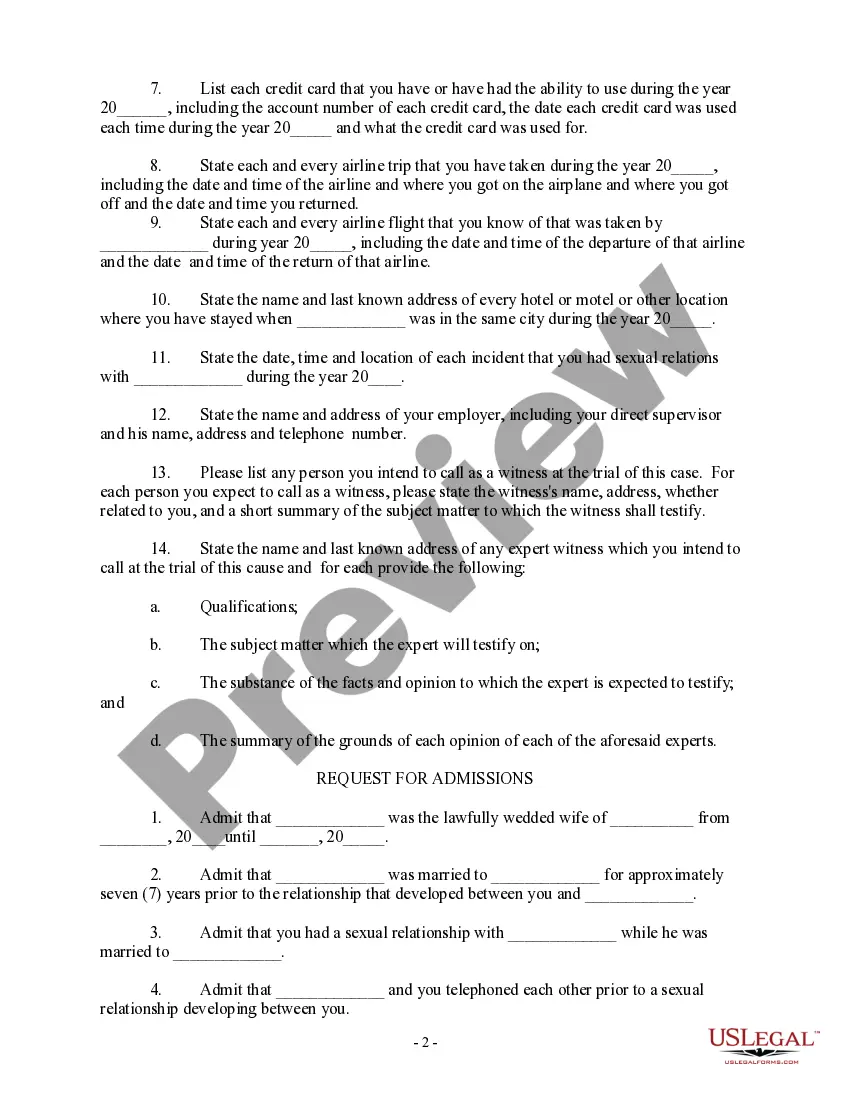
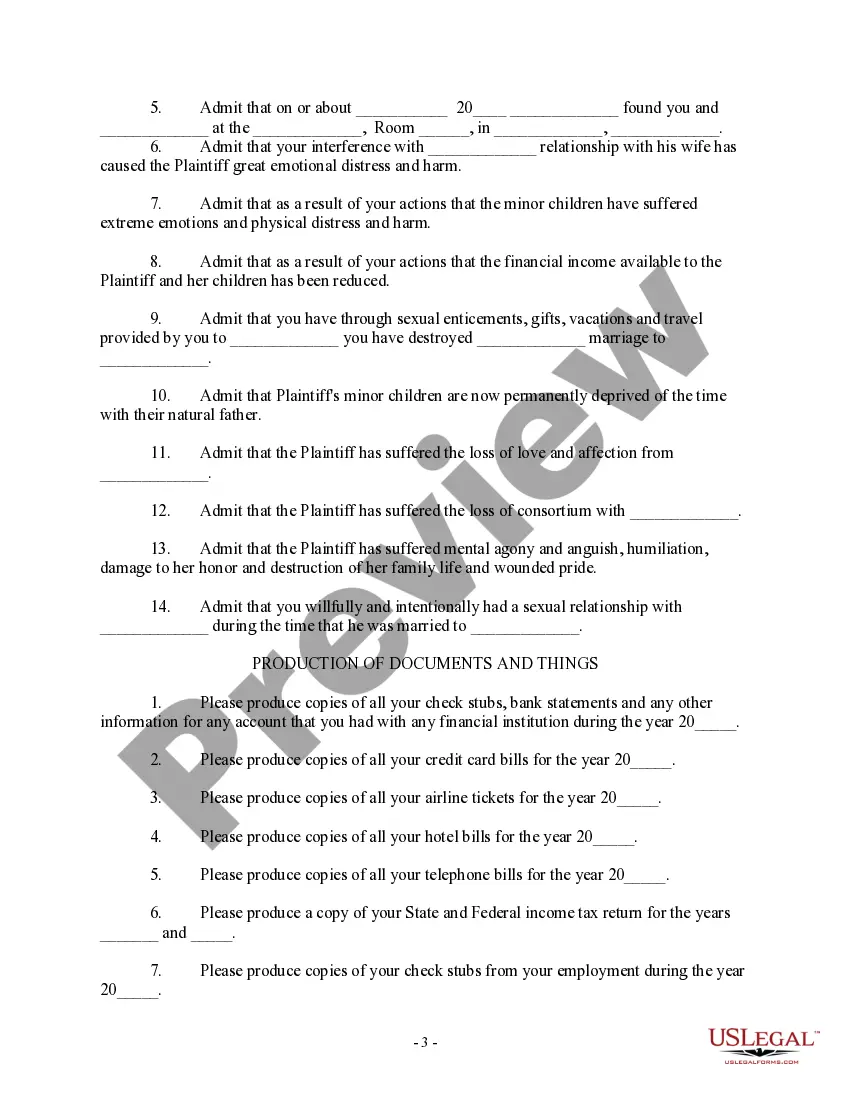
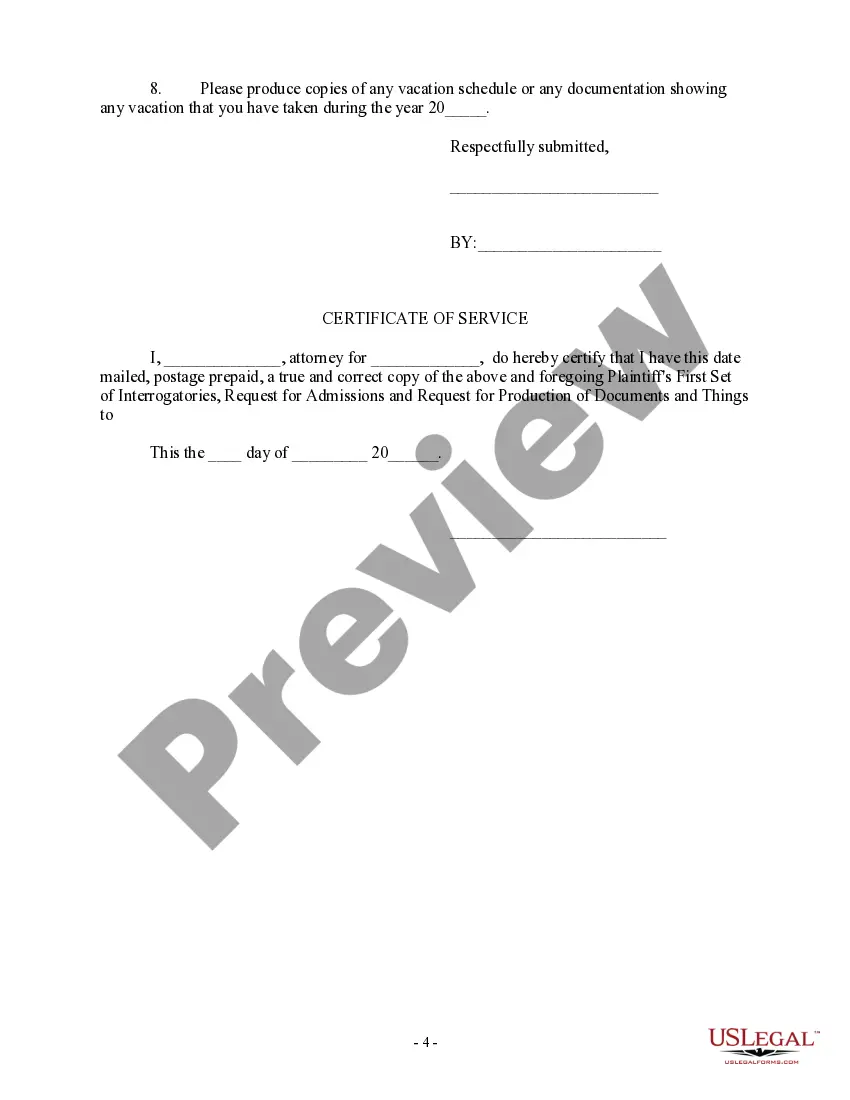
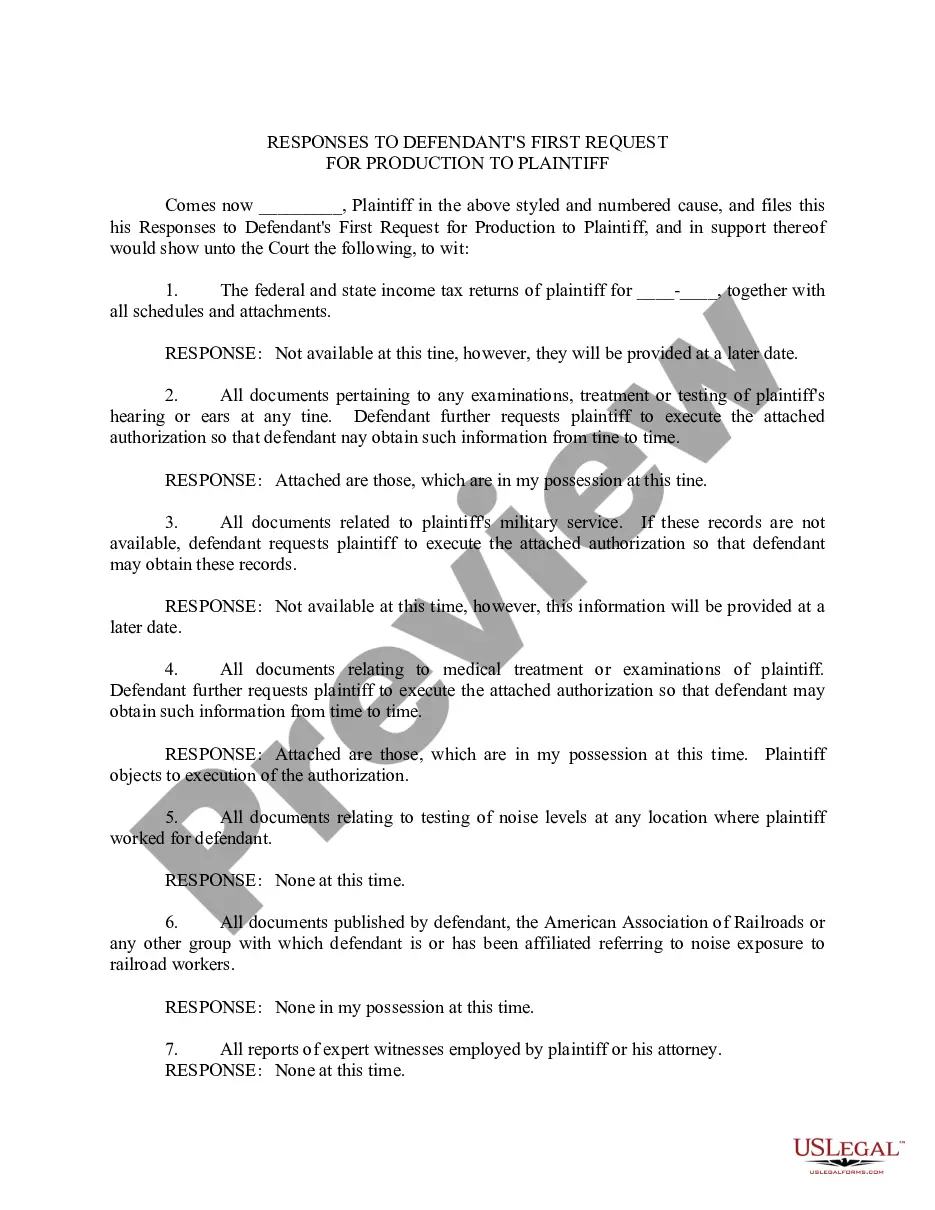
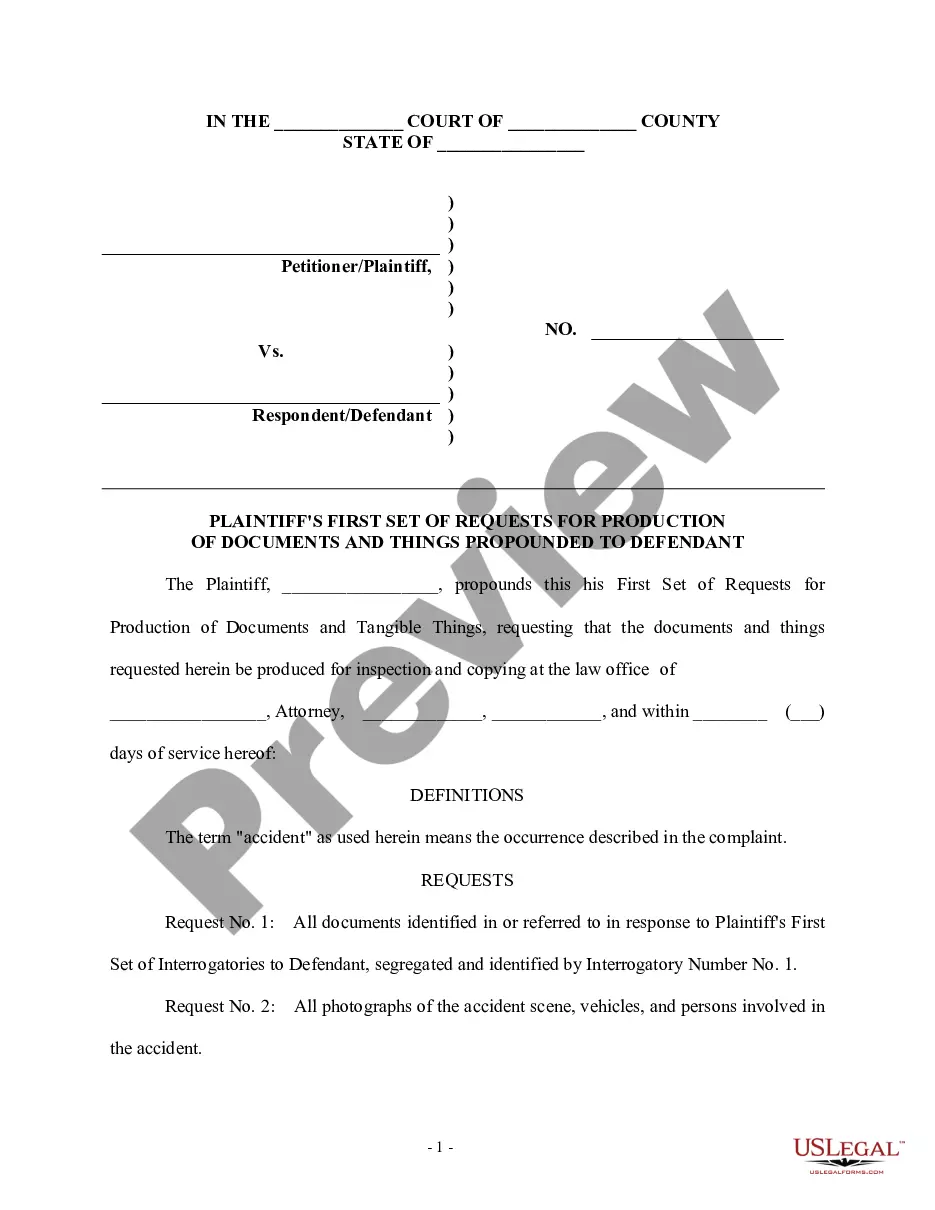
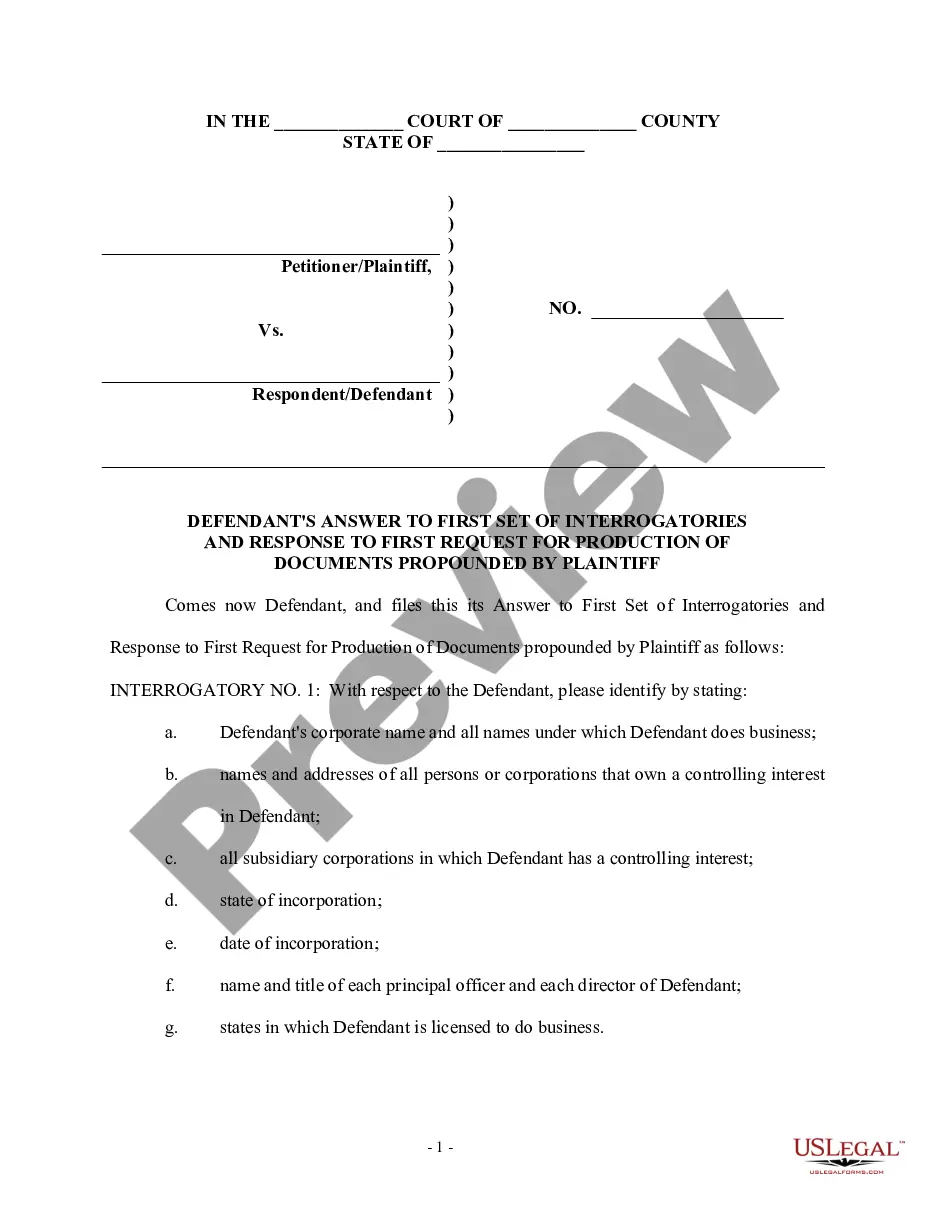
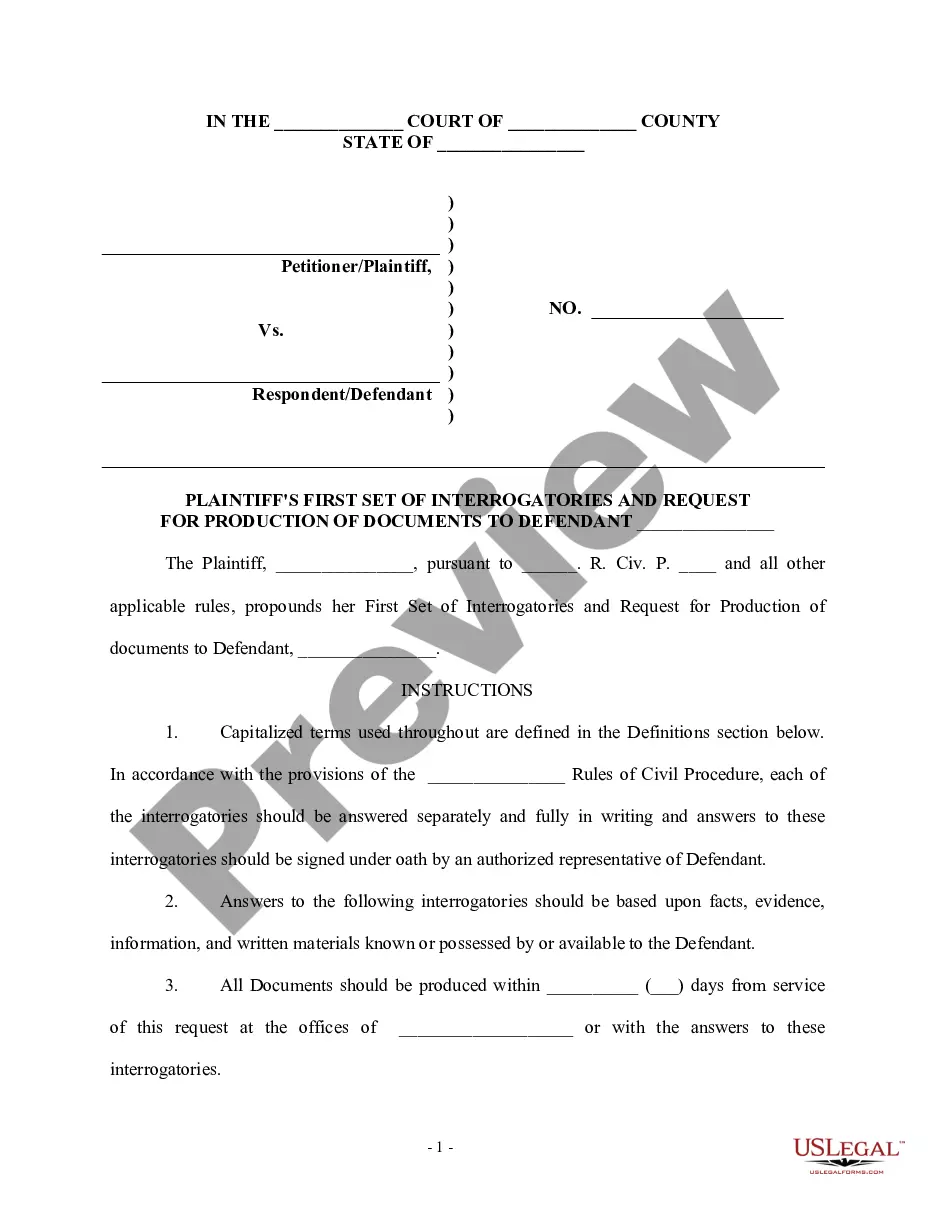
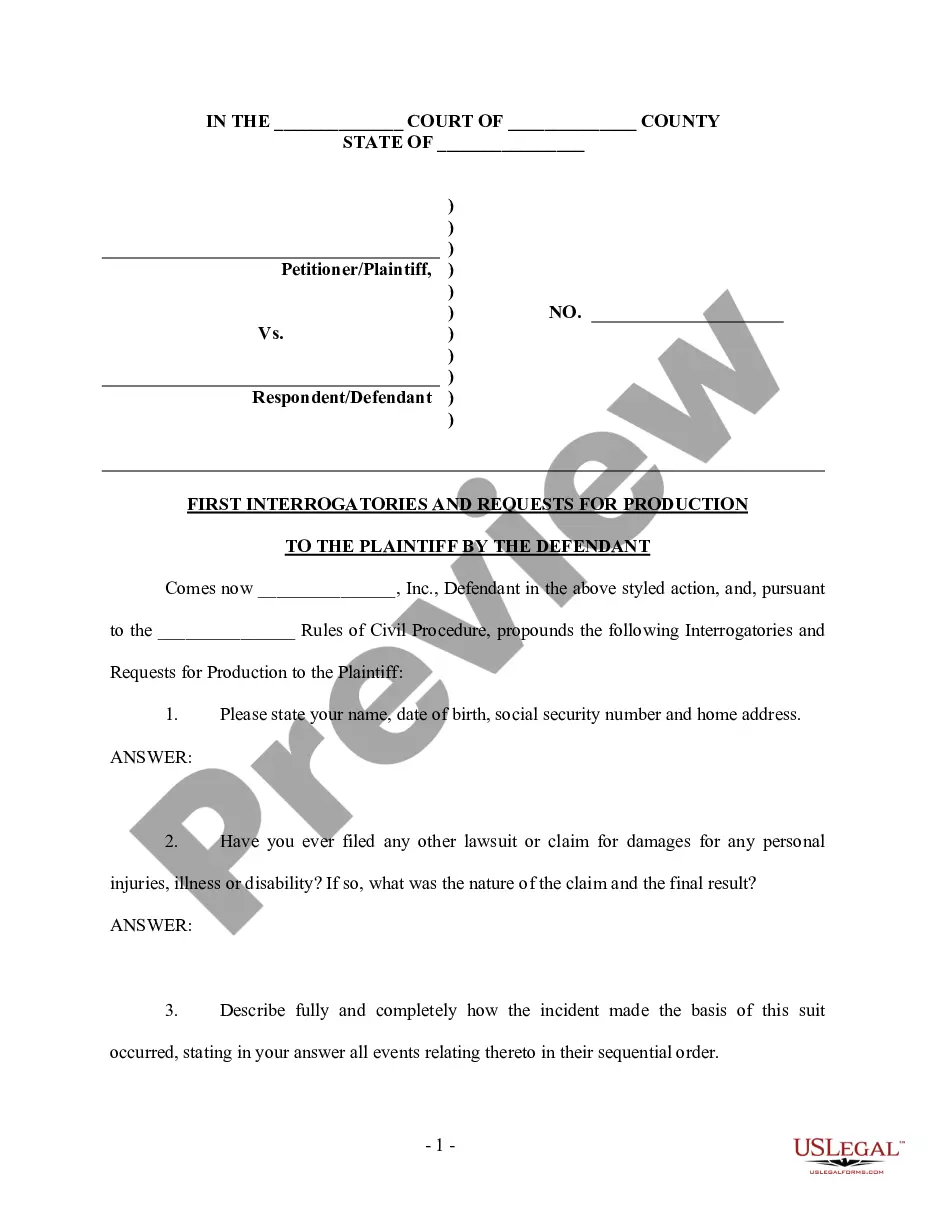



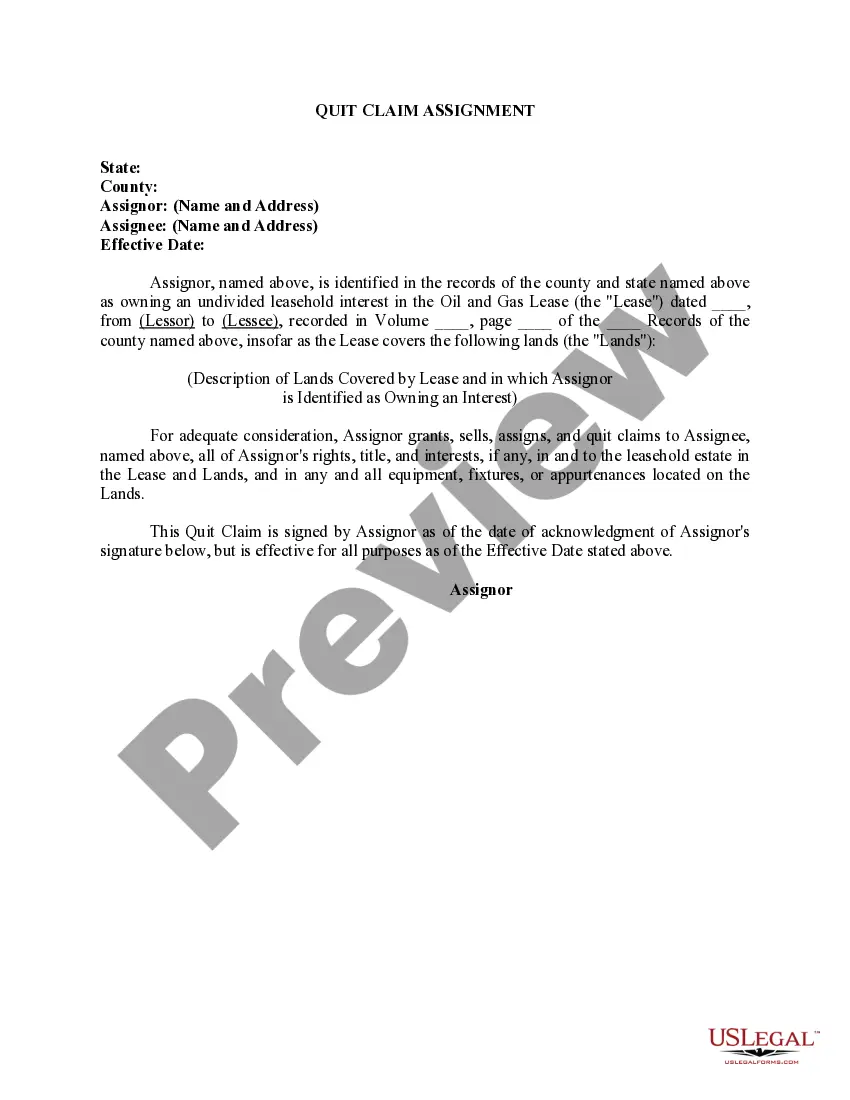
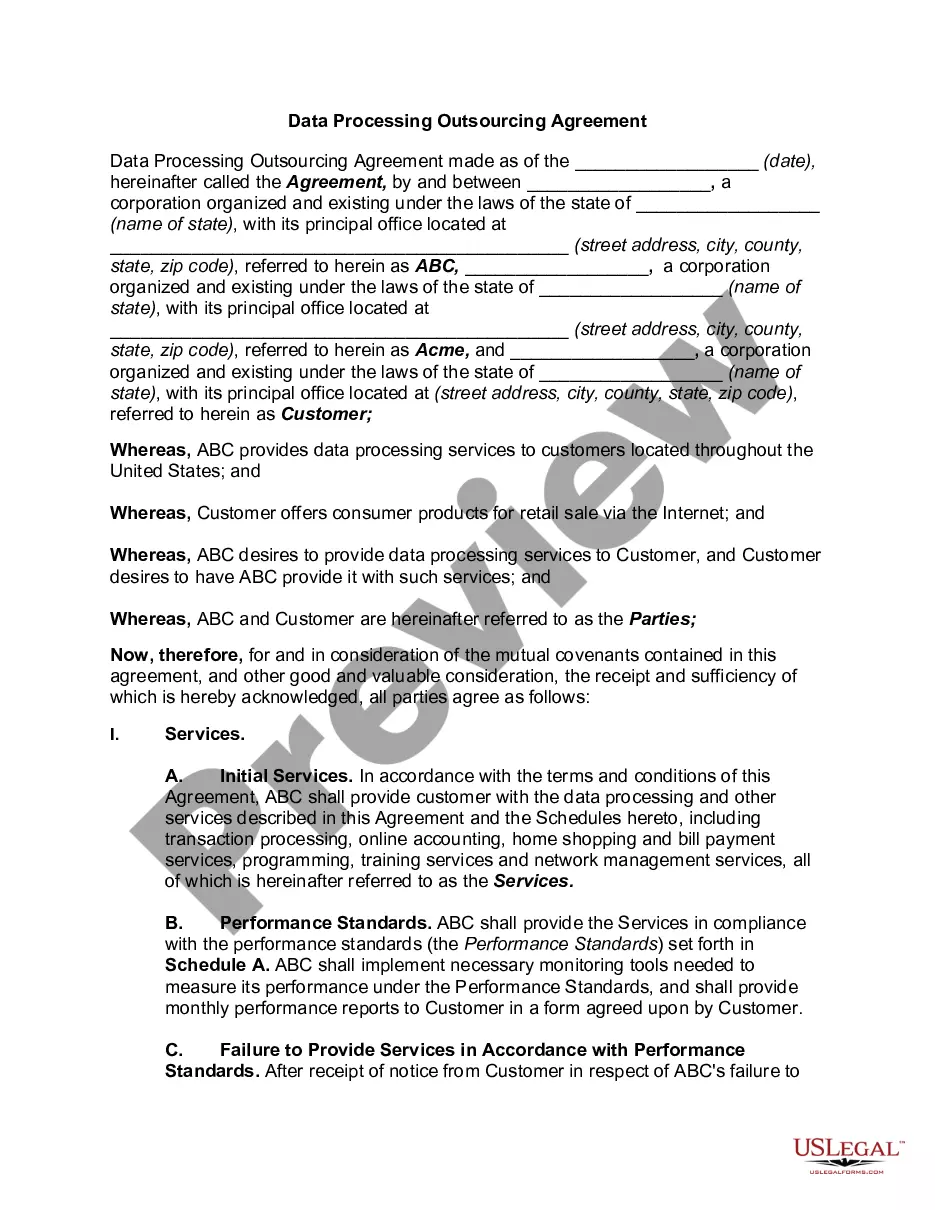
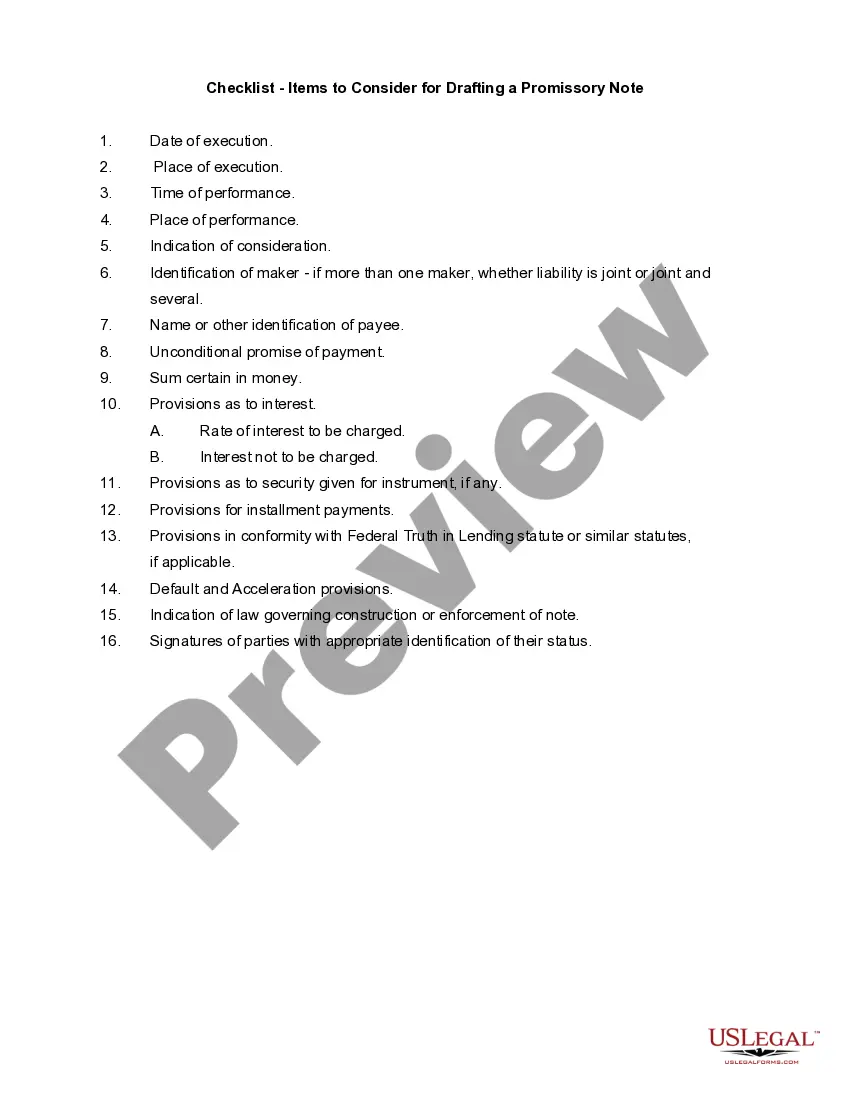
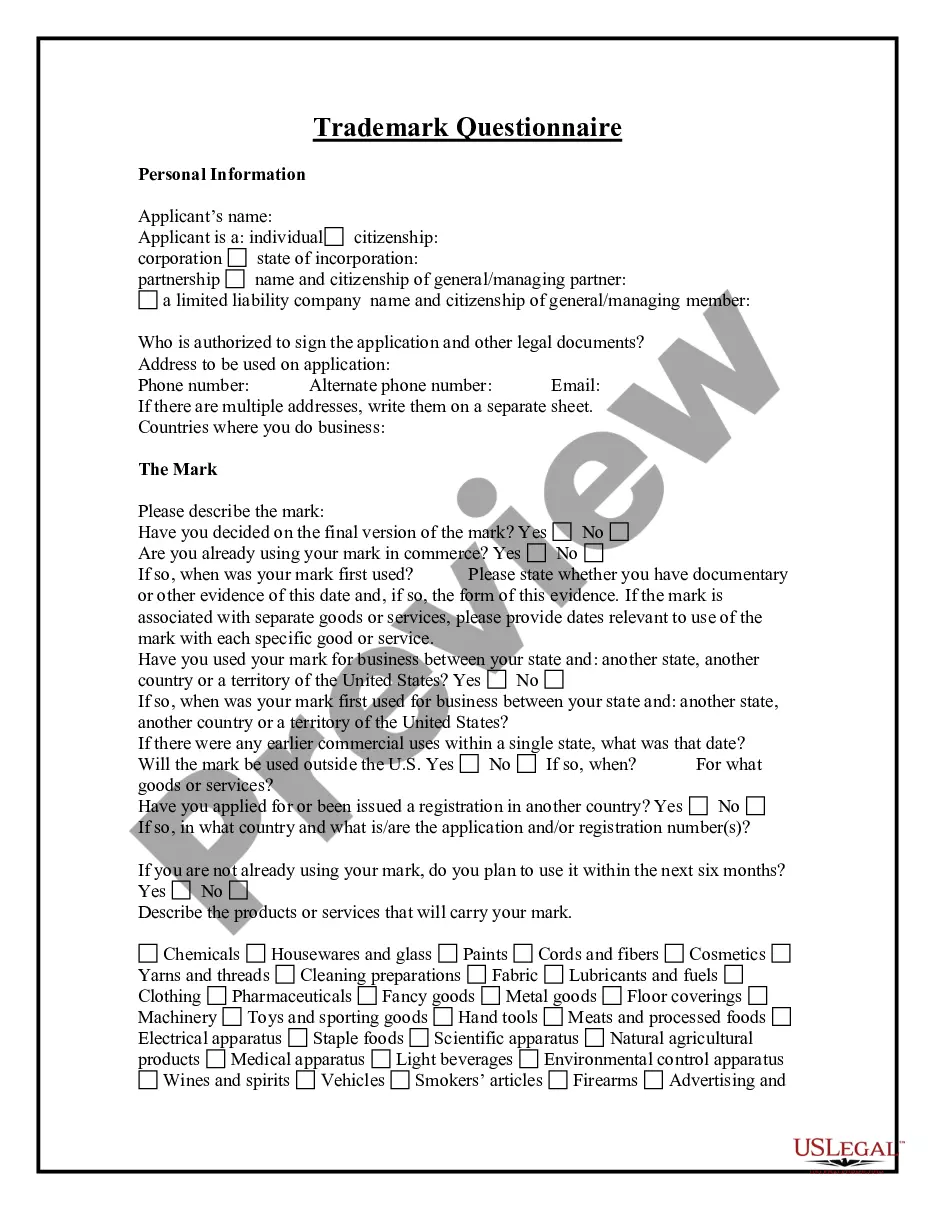
How to fill out Plaintiff's First Set Of Interrogatories And Request For Production Of Documents?
Regardless of whether for commercial reasons or personal issues, everyone must confront legal circumstances eventually in their lives.
Completing legal documents requires meticulous attention, starting from selecting the correct template.
With a comprehensive US Legal Forms catalog available, you need not waste time searching for the correct sample across the internet. Utilize the library’s straightforward navigation to find the suitable template for any circumstance.
- Acquire the sample you need through the search function or catalogue browsing.
- Review the information on the form to ensure it fits your situation, state, and county.
- Click on the form’s preview to view it.
- If it is not the correct form, return to the search option to locate the Interrogatory Vs Request For Production sample you require.
- Obtain the template if it meets your needs.
- If you possess a US Legal Forms profile, click Log in to access previously saved templates in My documents.
- In case you do not have an account yet, you can acquire the form by clicking Buy now.
- Select the suitable pricing option.
- Fill out the profile registration form.
- Choose your payment method: use a credit card or PayPal account.
- Select the document format you desire and download the Interrogatory Vs Request For Production.
- Once it is saved, you can fill out the form using editing software or print and complete it by hand.
Form popularity
FAQ
Unlike interrogatories Requests to Produce are not limited in number. Upon receipt from the opposing party your business lawyer working with you will assess whether any requests are objectionable and what should be produced. These production requests are regularly used in lawsuits.
I am producing all of the requested documents that exist. I am producing all of the requested documents in my possession. I have requested copies of additional documents and expect to produce them by ___________________________ (date).
Your answers to the interrogatories should usually be short, clear, and direct and should answer only the question that is being asked. This is not the time to set out your entire case or defense to the other side. Take the time to make sure your answers are correct and truthful.
Answer only the question that is asked, and avoid the temptation to over-explain your answer. If the question contains several parts, you may break your answer into parts as well. It is also possible that you might object to the question.
FRCP Rule 34 says that a party may serve any other party a request for production and information. A party may request writings, drawings, photographs, graphs, charts, sound recordings, images, data, and data compilations. In addition, a party may also request tangible objects.