Trust Survives Grantor For Grants
Description

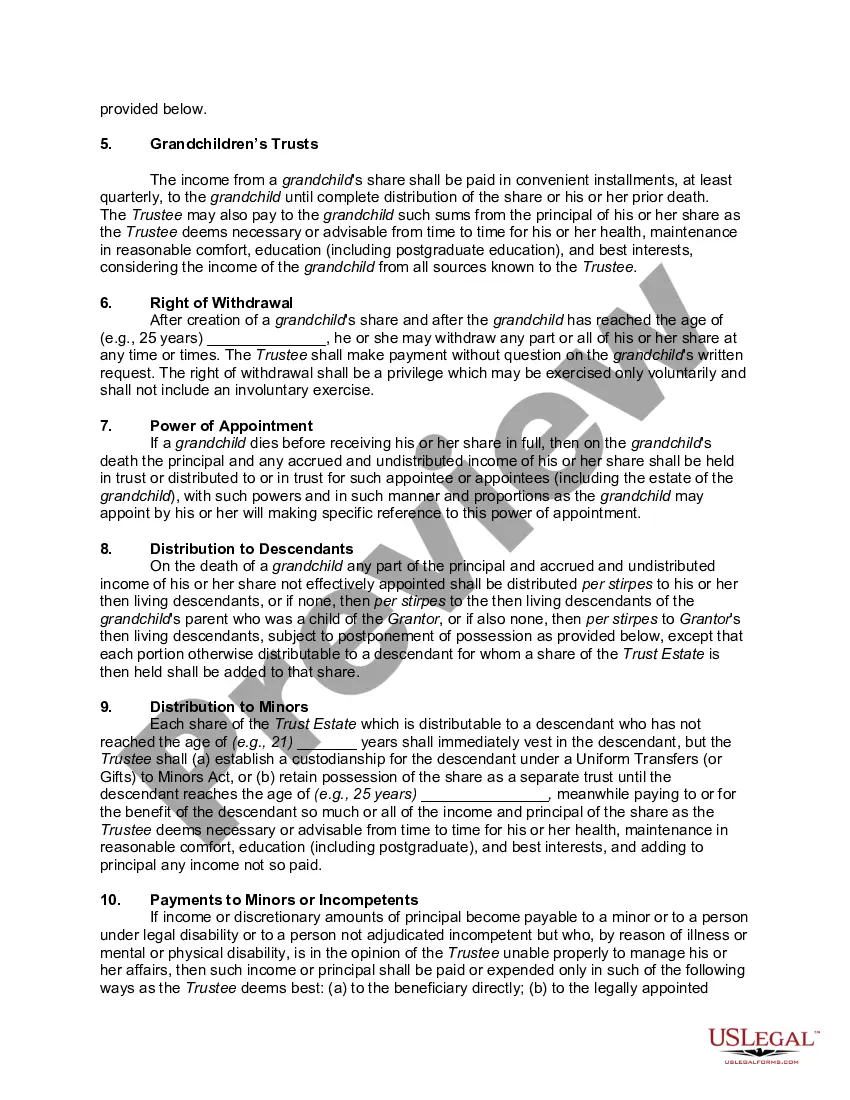
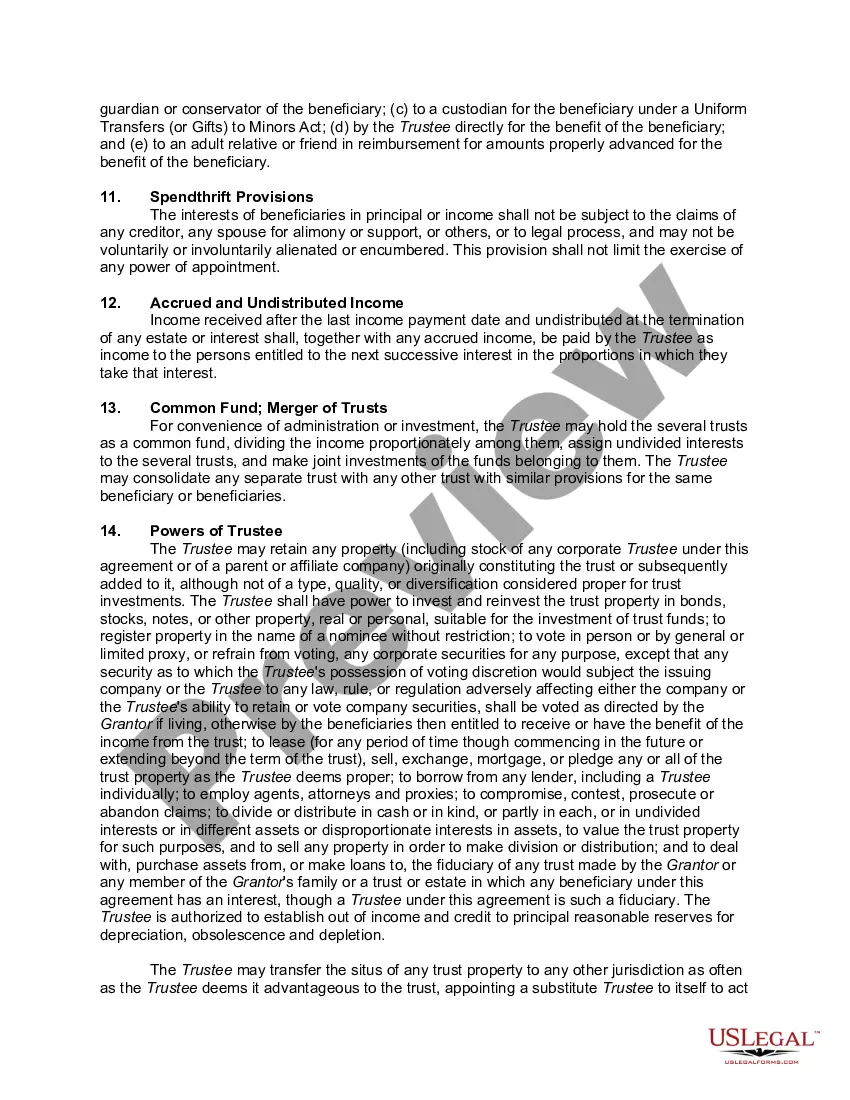
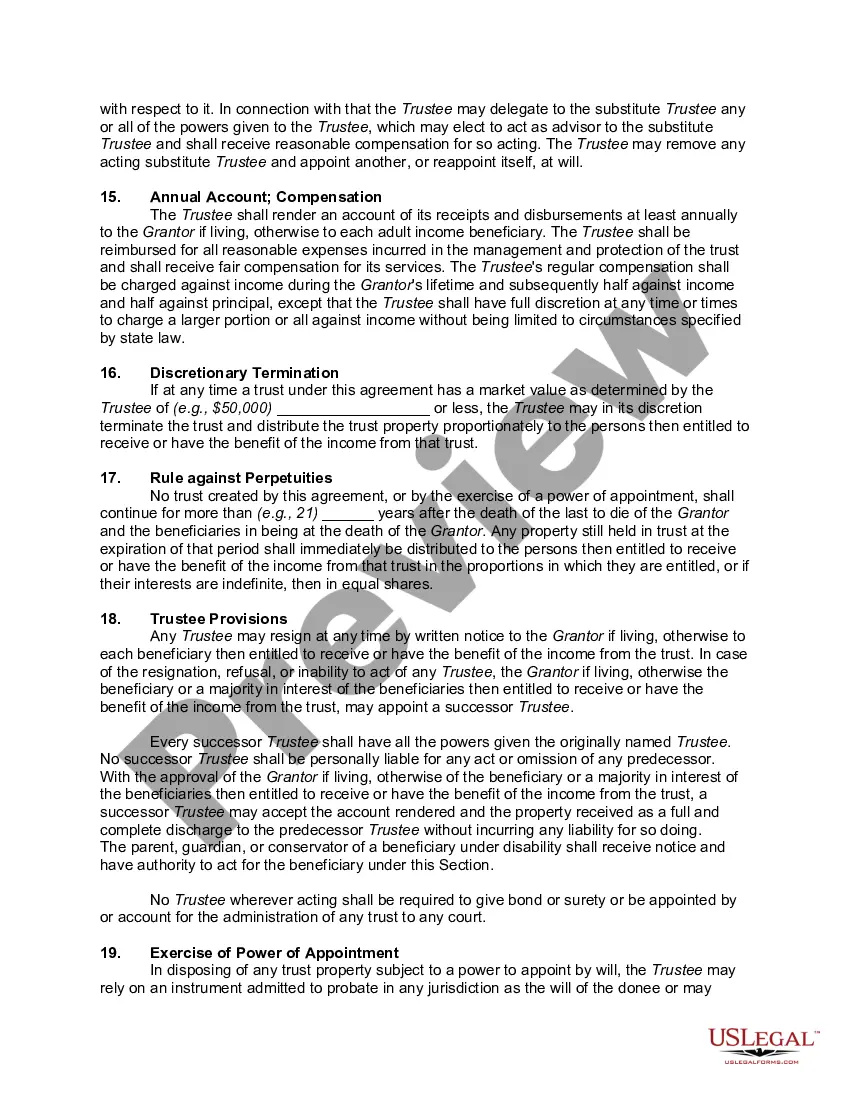
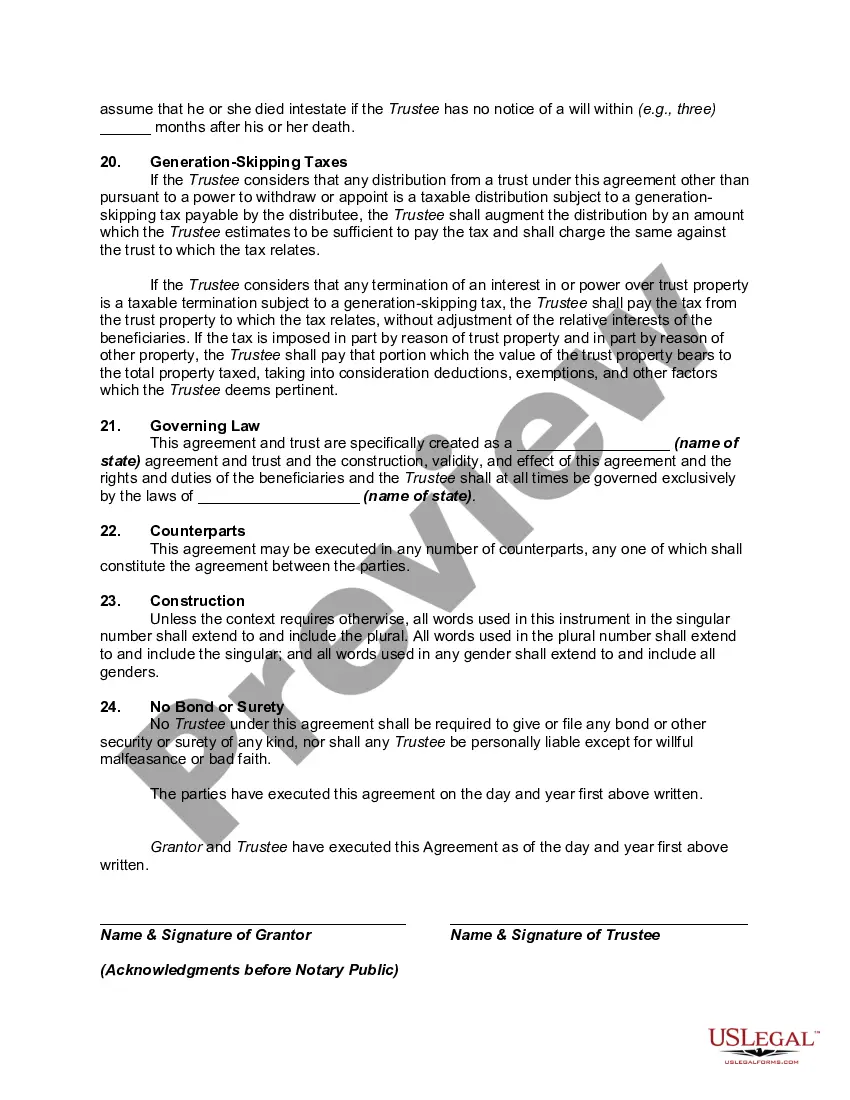



Get your form ready online
Our built-in tools help you complete, sign, share, and store your documents in one place.
Make edits, fill in missing information, and update formatting in US Legal Forms—just like you would in MS Word.
Download a copy, print it, send it by email, or mail it via USPS—whatever works best for your next step.
Sign and collect signatures with our SignNow integration. Send to multiple recipients, set reminders, and more. Go Premium to unlock E-Sign.
If this form requires notarization, complete it online through a secure video call—no need to meet a notary in person or wait for an appointment.
We protect your documents and personal data by following strict security and privacy standards.

Make edits, fill in missing information, and update formatting in US Legal Forms—just like you would in MS Word.

Download a copy, print it, send it by email, or mail it via USPS—whatever works best for your next step.

Sign and collect signatures with our SignNow integration. Send to multiple recipients, set reminders, and more. Go Premium to unlock E-Sign.

If this form requires notarization, complete it online through a secure video call—no need to meet a notary in person or wait for an appointment.

We protect your documents and personal data by following strict security and privacy standards.
Looking for another form?







How to fill out Irrevocable Trust Agreement For Benefit Of Trustor's Children And Grandchildren?
- If you are a returning user, log in to your account and ensure your subscription is active. Click the Download button to save your desired form template to your device.
- For new users, start by reviewing the Preview mode and form descriptions to confirm that the chosen document aligns with your requirements and jurisdiction.
- If you find discrepancies or need a different template, use the Search bar at the top to locate the correct form. Once you find what you need, proceed to the next step.
- Purchase the document by clicking on the Buy Now button. Select a suitable subscription plan and register for an account to access US Legal Forms' comprehensive library.
- Complete your purchase by providing your credit card or PayPal details for your subscription.
- Finally, download your form and save it on your device. You can access it anytime through the My Forms section of your profile.
In conclusion, US Legal Forms is an essential tool that empowers both individuals and legal professionals to efficiently manage their documentation needs. With thousands of available forms and expert assistance, you can be confident that your legal documents are both accurate and compliant.
Start simplifying your legal processes today with US Legal Forms!
Form popularity
FAQ
One of the biggest mistakes parents make when setting up a trust fund is failing to clearly communicate their intentions and terms to their beneficiaries. This confusion can lead to disputes and undermine the trust's purpose. Additionally, parents should ensure the trust is structured properly so that it meets the requirements of a trust that survives grantor for grants, providing lasting support for their children.
A survivor's trust is created through a trust document that is usually part of a couple's estate plan. It requires the grantor to specify how the assets will be managed and distributed after their death. Working with uslegalforms can assist you in drafting a trust that outlines your wishes clearly, ensuring that a trust survives grantor for grants and protects your loved ones.
The purpose of a survivor's trust is to provide financial security and management of assets for survivors, typically a spouse or children, after a grantor passes away. This type of trust helps avoid probate, ensuring quicker access to funds while maintaining privacy. Essentially, a survivor's trust exemplifies how a trust survives grantor for grants, facilitating the smooth transfer of wealth.
To trigger grantor trust status, the grantor must retain certain powers or control over the trust’s income and assets. For instance, if the grantor can change beneficiaries or revoke the trust, it may qualify as a grantor trust. Understanding these intricacies can be complex, so using a reliable platform like uslegalforms can help clarify how to meet the requirements effectively.
When a grantor of a trust dies, the trust typically continues to operate according to its terms. The assets within the trust are distributed according to the grantor's wishes outlined in the trust document. Importantly, a trust survives grantor for grants; this means that the trust does not automatically dissolve upon the grantor's death, ensuring a smooth transition of assets to beneficiaries.
A trust qualifies as a grantor trust if the grantor retains certain powers, such as the ability to revoke the trust or control trust distributions. These powers result in the income generated by the trust being taxed to the grantor, which can provide financial advantages. It is essential to identify these elements while setting up the trust to understand its tax implications. Remember, a trust survives grantor for grants, allowing it to fulfill its role beyond the lifetime of the grantor.
A descendants trust can function as a grantor trust if the grantor retains specific powers, such as changing beneficiaries. This type of trust enables the grantor to provide for their heirs while managing tax implications effectively. Not only does this offer financial benefits, but it also ensures that assets remain within the family. A trust survives grantor for grants, meaning it can continue to operate smoothly across generations.
To determine if a trust is a grantor or non-grantor trust, review the trust document for specific provisions. A grantor trust typically allows the grantor to maintain control over the assets, benefiting from tax implications. In contrast, a non-grantor trust separates ownership, leading to different tax responsibilities. Understanding these distinctions matters because a trust survives grantor for grants, impacting future management.
Yes, a life insurance trust can be classified as a grantor trust if the grantor retains certain powers over it, like the right to change beneficiaries. This arrangement can offer tax benefits while ensuring that the trust assets are managed according to the grantor's wishes. However, several rules dictate how the trust operates, so it is wise to consult a legal expert for clarity. A trust survives grantor for grants, allowing it to continue serving its purpose.
When the grantor of a trust dies, the trust typically becomes irrevocable. At this point, the successor trustee takes over management of the trust assets according to the terms set forth in the trust document. It's crucial to notify beneficiaries and follow the guidelines for distributing assets. Remember, a trust survives grantor for grants, ensuring a smooth transition of control.