Trust Benefit With The Us
Description
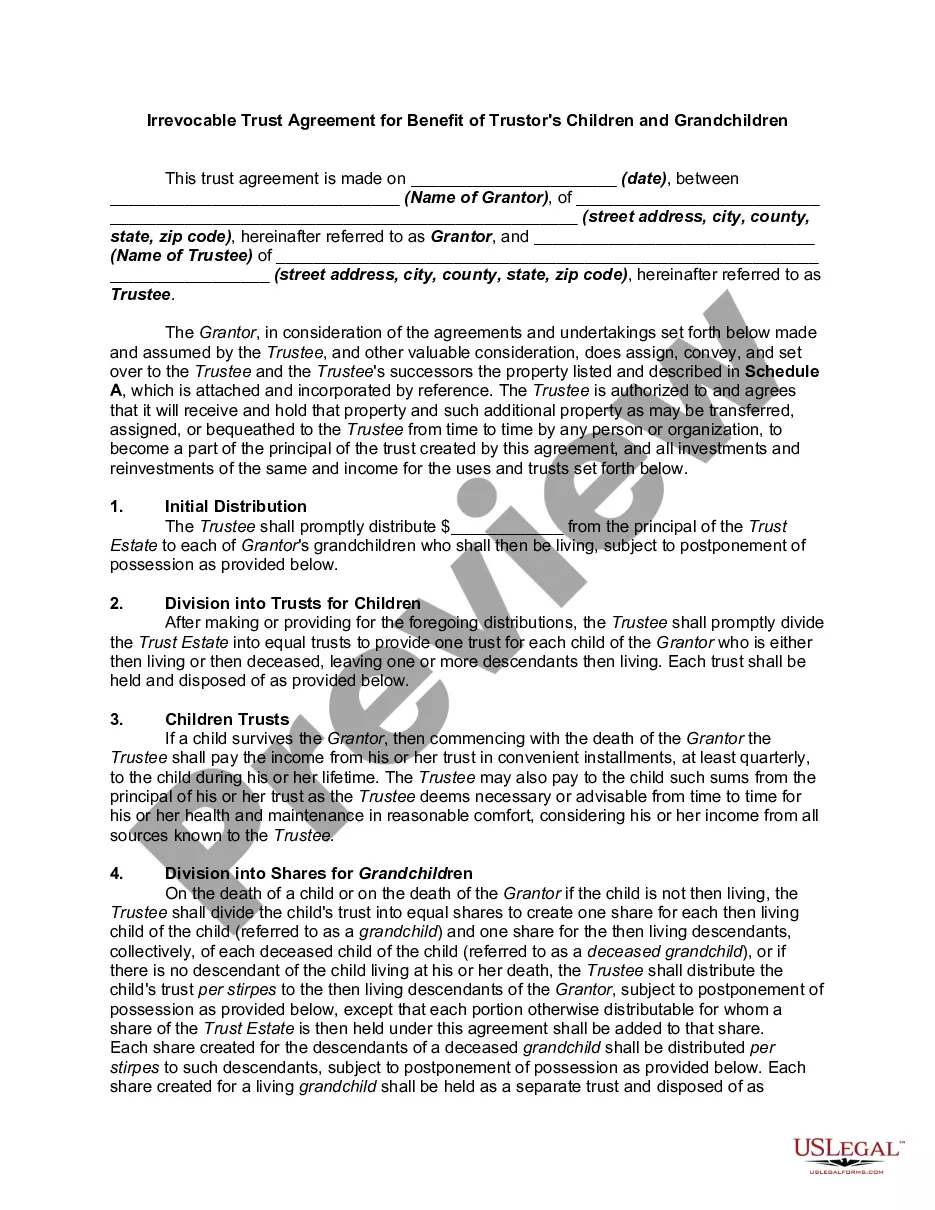
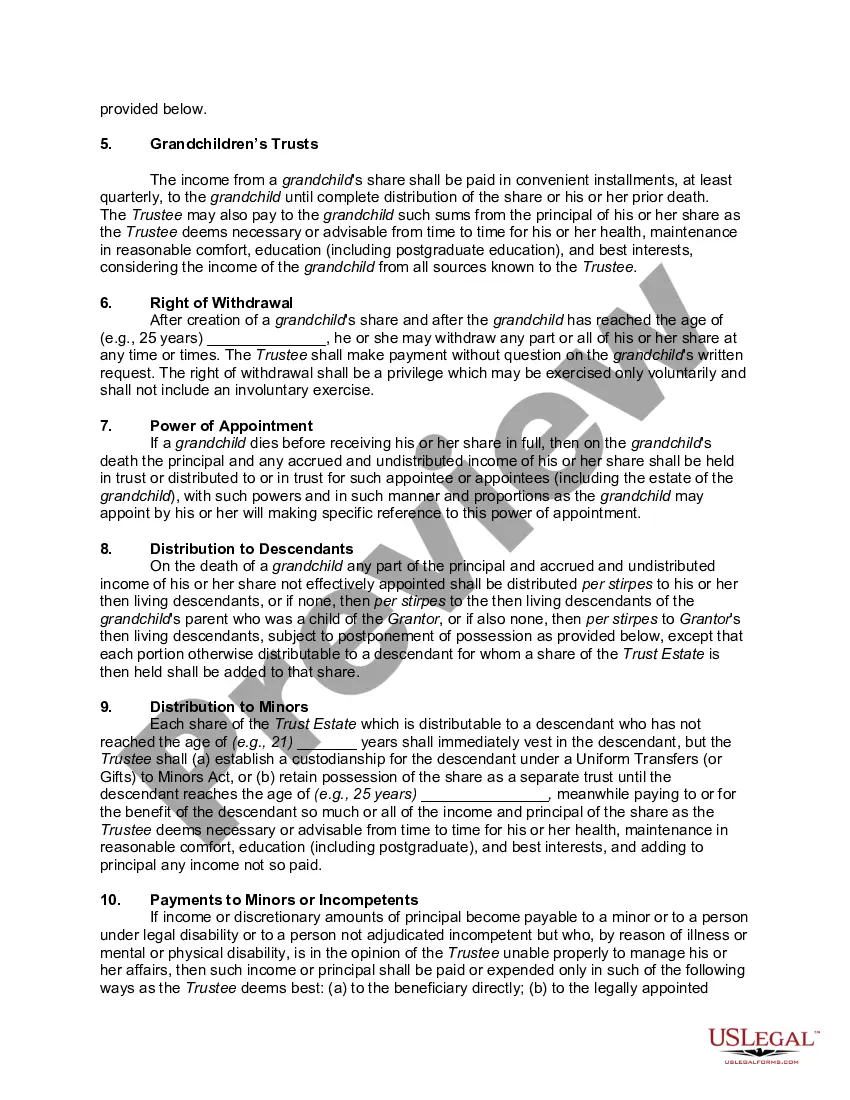
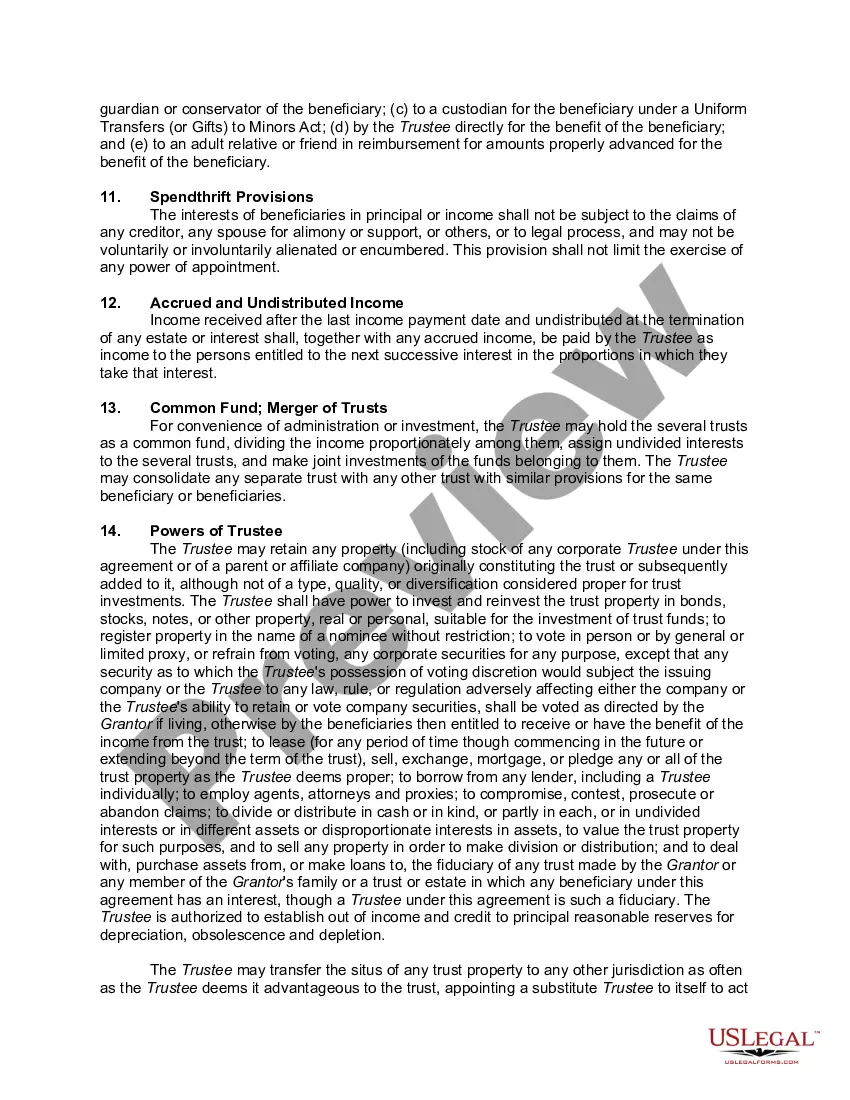
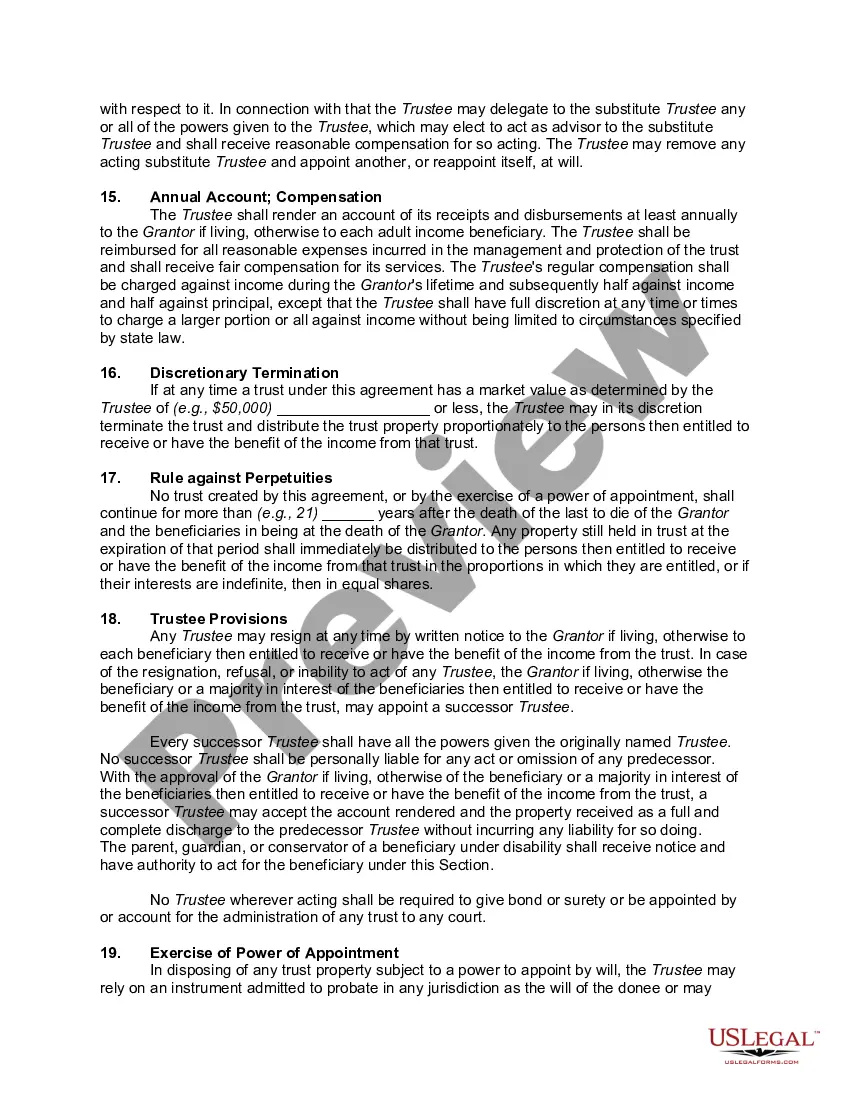

Get your form ready online
Our built-in tools help you complete, sign, share, and store your documents in one place.
Make edits, fill in missing information, and update formatting in US Legal Forms—just like you would in MS Word.
Download a copy, print it, send it by email, or mail it via USPS—whatever works best for your next step.
Sign and collect signatures with our SignNow integration. Send to multiple recipients, set reminders, and more. Go Premium to unlock E-Sign.
If this form requires notarization, complete it online through a secure video call—no need to meet a notary in person or wait for an appointment.
We protect your documents and personal data by following strict security and privacy standards.

Make edits, fill in missing information, and update formatting in US Legal Forms—just like you would in MS Word.

Download a copy, print it, send it by email, or mail it via USPS—whatever works best for your next step.

Sign and collect signatures with our SignNow integration. Send to multiple recipients, set reminders, and more. Go Premium to unlock E-Sign.

If this form requires notarization, complete it online through a secure video call—no need to meet a notary in person or wait for an appointment.

We protect your documents and personal data by following strict security and privacy standards.
Looking for another form?
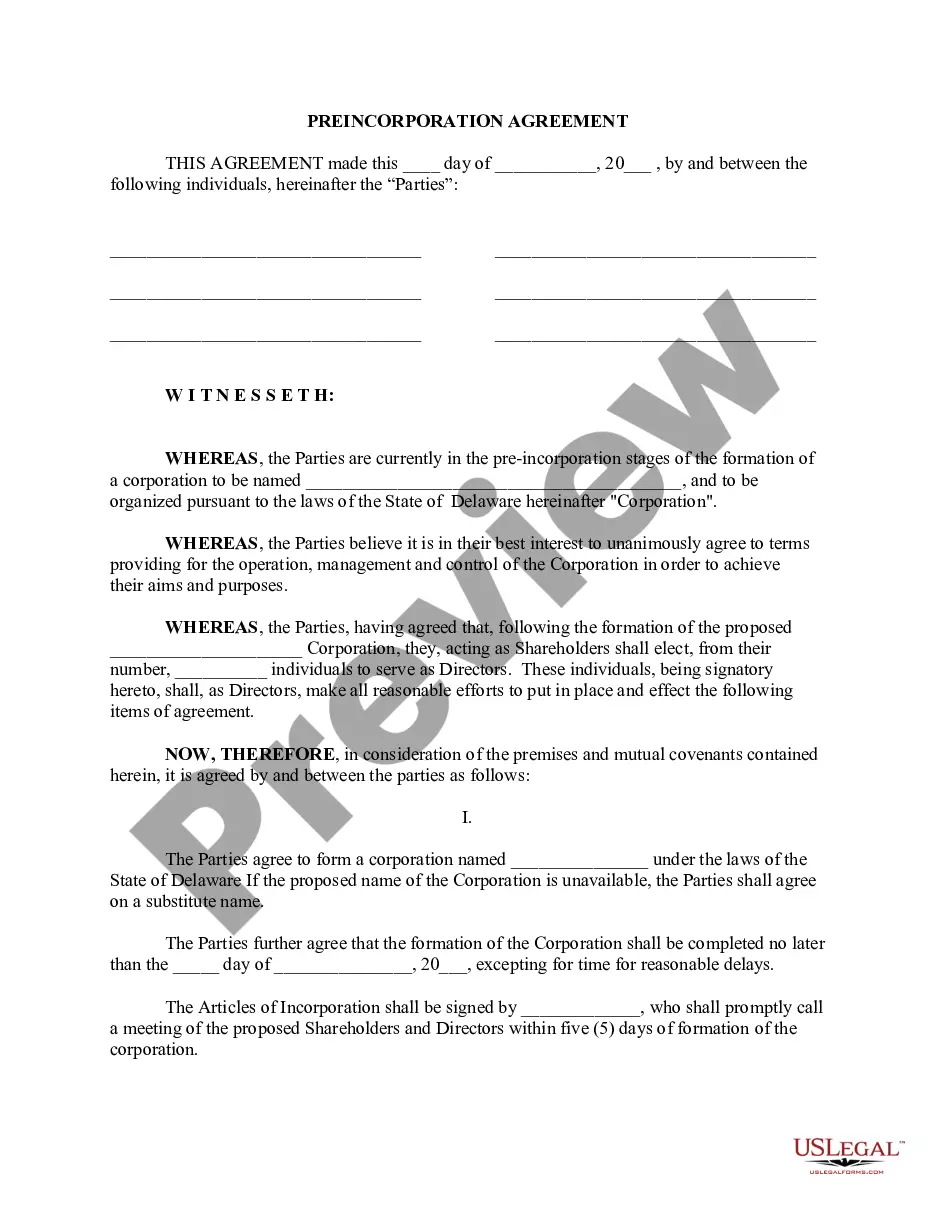






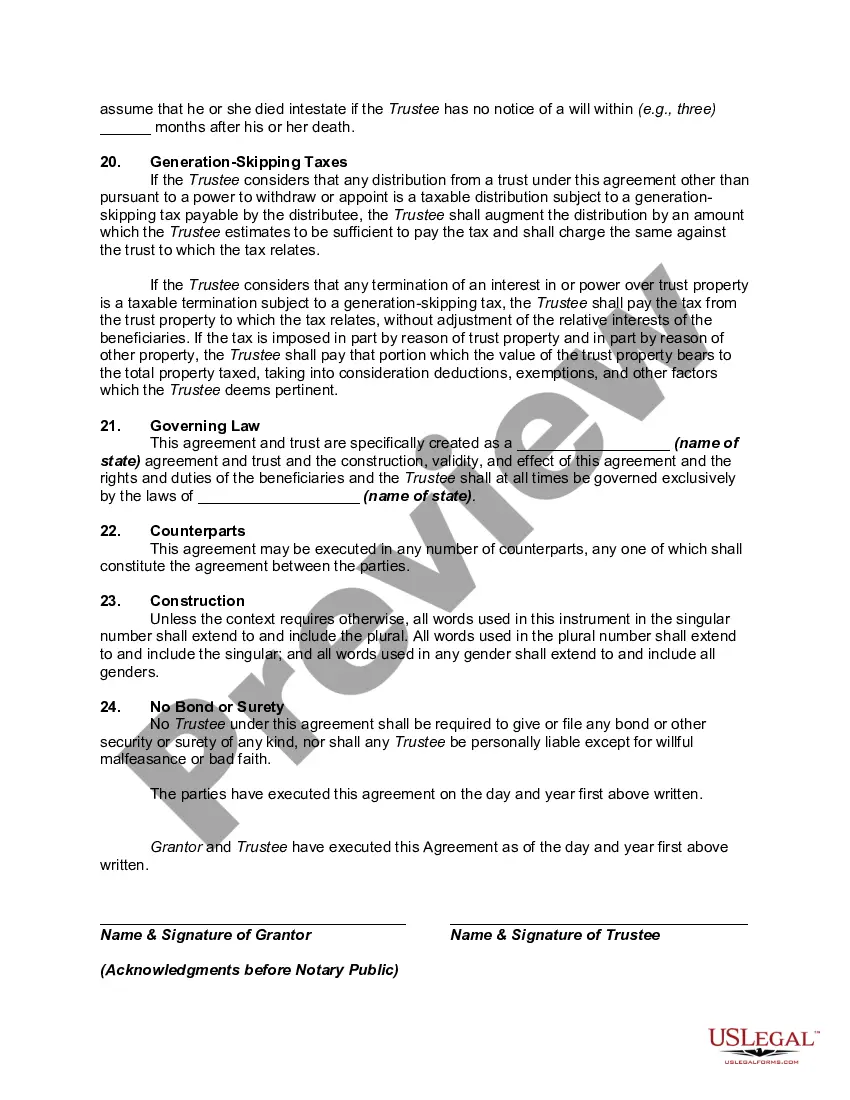
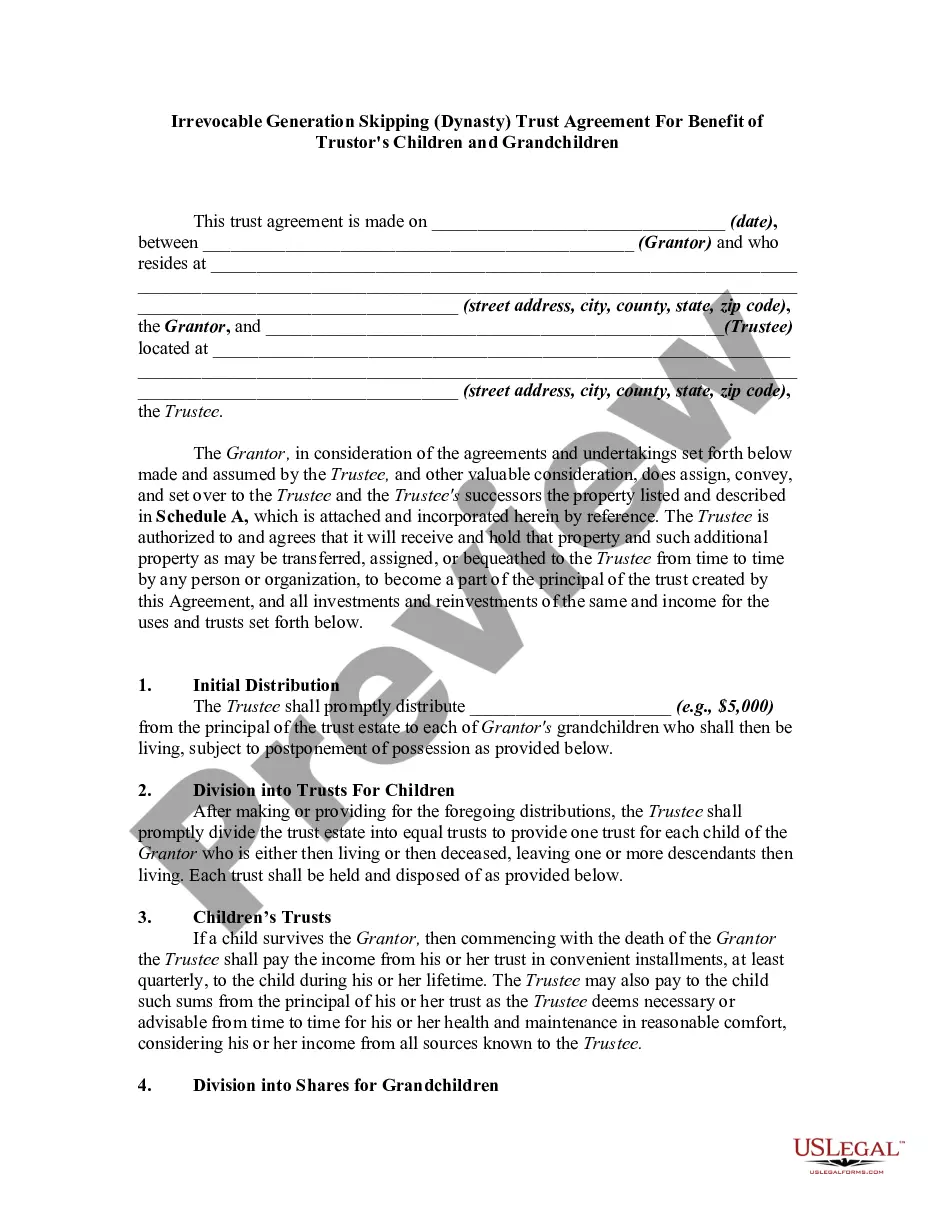
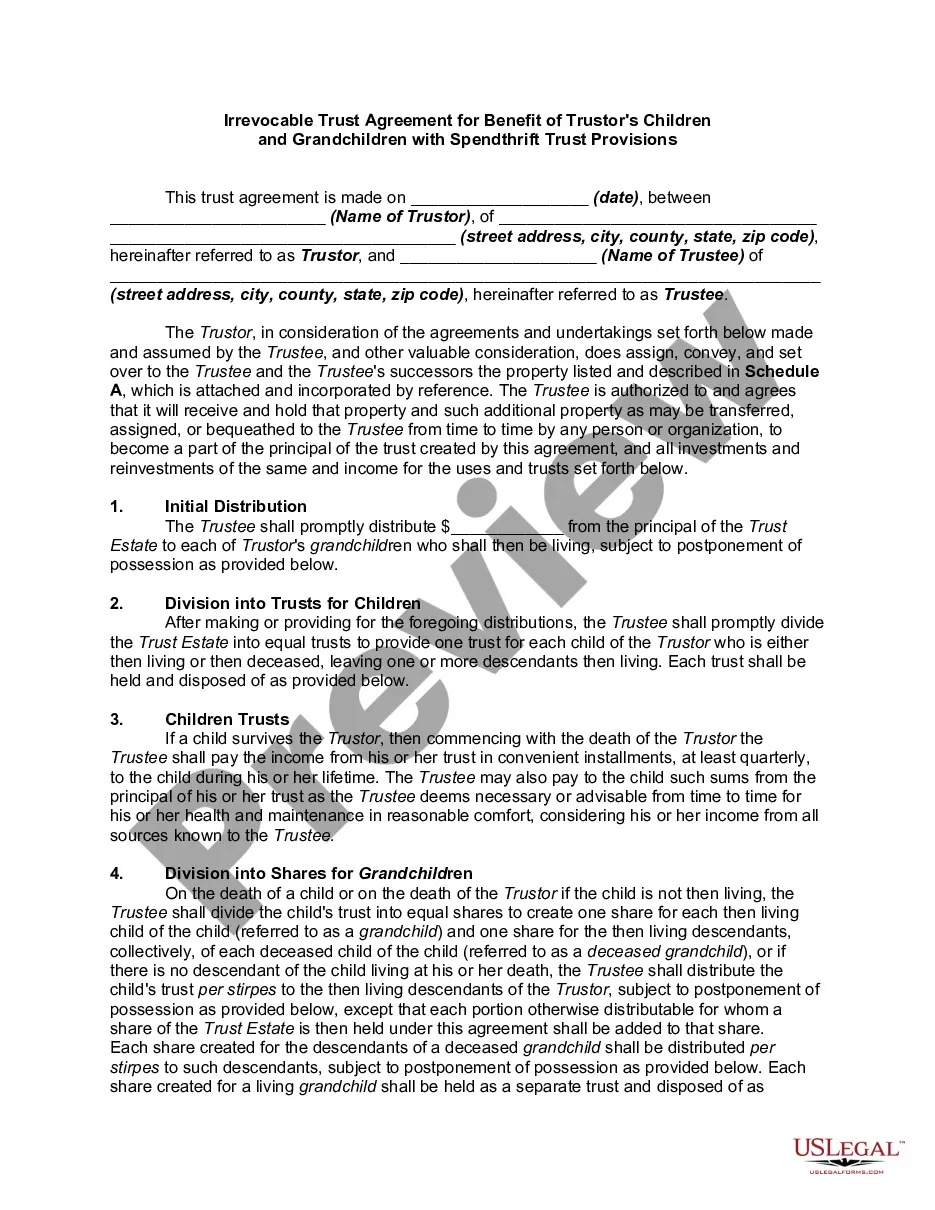
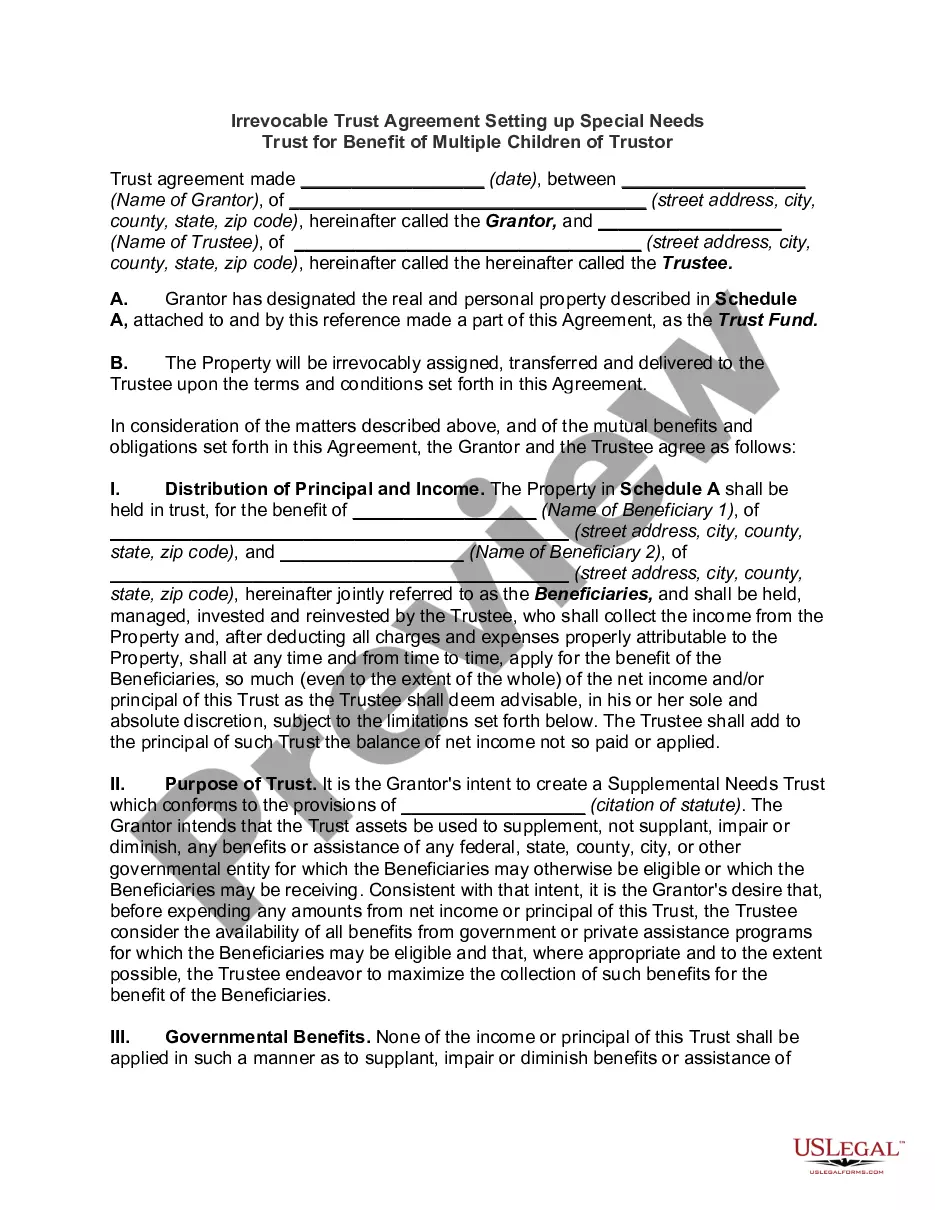
How to fill out Irrevocable Trust Agreement For Benefit Of Trustor's Children And Grandchildren?
- If you’re a returning user, log into your account and ensure your subscription is active. Download your desired form template by clicking the Download button.
- For first-time users, begin by exploring the Preview mode and reviewing form descriptions closely. Make sure the form matches your local jurisdiction requirements.
- If the selected form doesn’t meet your needs, use the Search tab to find a suitable alternative. Proceed to the next step once you find the right document.
- To gain access to our extensive collection, click the Buy Now button and select your preferred subscription plan. Register for an account to unlock the essential resources.
- Complete your purchase by entering credit card details or using your PayPal account to finalize the subscription.
- Download your legal form and save it to your device. You can always access it later in the My Forms section of your profile.
By following these steps, you can seamlessly navigate through the US Legal Forms platform and obtain the documents you require. With easy access to legal resources, getting your paperwork done has never been simpler.
Start your journey with US Legal Forms today and experience the benefits of comprehensive legal support. Don't hesitate—take action now!
Form popularity
FAQ
You must report foreign income to the IRS using Form 1040, along with any required additional forms like the FBAR if applicable. Accurately reporting this income allows you to understand and maximize any trust benefit with the US tax code. Utilizing tools or services like USLegalForms can simplify this process.
Generally, trust distributions are taxable to beneficiaries if they contain taxable income. This aspect is crucial to understanding the trust benefit with the US tax laws. It is wise to consult a tax professional to determine the tax implications of distributions you receive.
To report a foreign inheritance to the IRS, you may need to file Form 3520, reporting transactions with foreign trusts and receipt of foreign gifts. This ensures that you are compliant and can potentially benefit from the trust arrangements with the US tax system. Consider using USLegalForms to guide you through the reporting process.
Yes, foreign trusts can be subject to US taxation, especially if they have US beneficiaries or US source income. Understanding how the trust benefit with the US tax system applies to foreign trusts is crucial for compliance. Consulting with a tax advisor can help navigate these complex regulations.
Yes, a trust typically must be filed with the IRS if it generates taxable income. The IRS requires Form 1041 to be filed for most trusts, allowing you to claim the trust benefit with the US system. It's important to ensure that you comply with these requirements to avoid any penalties.
To file income from a trust, you will need to use IRS Form 1041, the U.S. Income Tax Return for Estates and Trusts. Make sure to report all income generated by the trust, as this affects the trust benefit with the US tax system. If you're unsure, consider consulting a tax professional or using USLegalForms for guidance on the filing process.
To fill out a trust fund, you must specify the trust's name, its beneficiaries, and the assets being placed into the trust. Clear documentation is key, as it outlines how the trust will operate and benefit the holders. Using a reliable service like US Legal Forms can provide you with templates and instructions, ultimately enhancing the trust benefit with the US for all parties involved.
Filling out a withholding exemption form requires you to provide your personal information, such as your name and Social Security number, along with your reason for claiming exemption. Ensure to follow the specific instructions that come with the form to meet IRS requirements. Understanding the impact this exemption has can help maximize your trust benefit with the US.
Form 56 is not filed with a tax return, but it is an important document that informs the IRS about the fiduciary's appointment. It should be submitted separately to establish the fiduciary’s duties concerning the estate. Clarifying this relationship is vital, as it ties into the broader theme of ensuring the trust benefit with the US is understood and utilized effectively.
To complete Form 56, begin by entering the name and contact information of the fiduciary, ensuring that all boxes are checked accurately. Include the deceased person's details and carefully read instructions provided by the IRS. Utilizing services like US Legal Forms can simplify your filing process, helping you leverage the trust benefit with the US effectively.