Shall Grantor Her With A Trust
Description

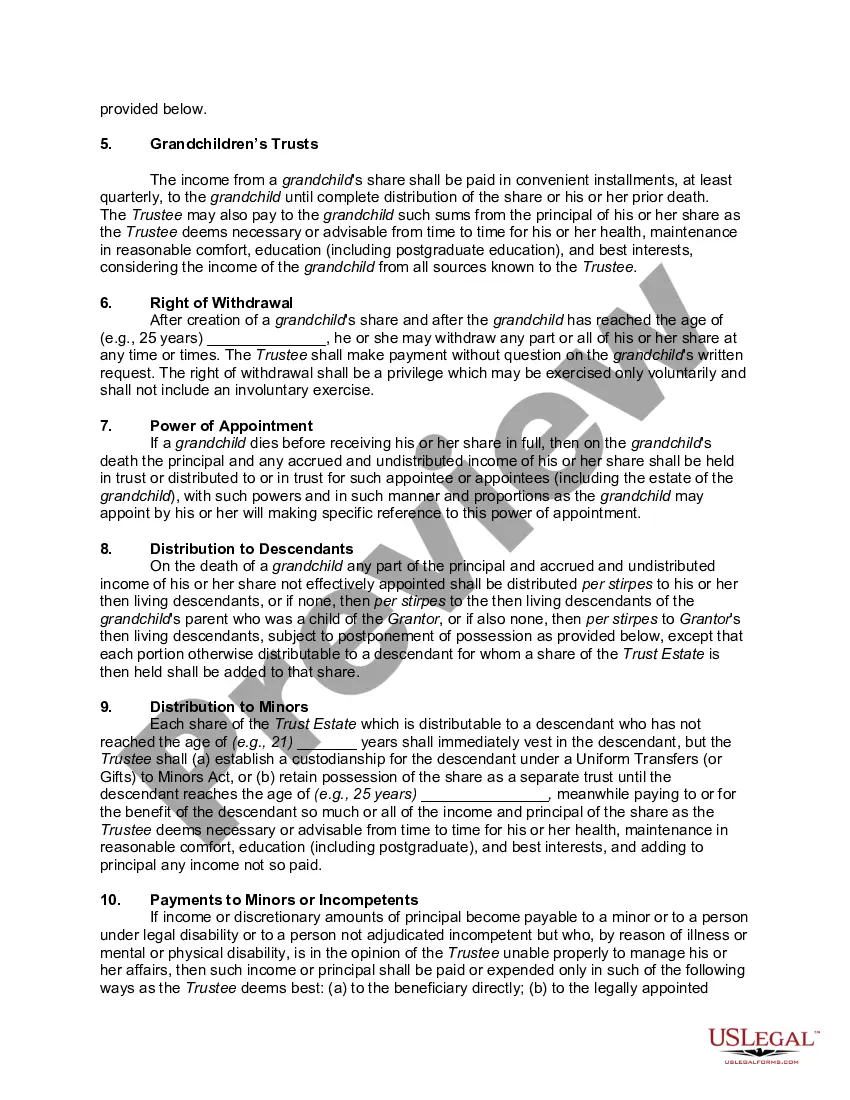
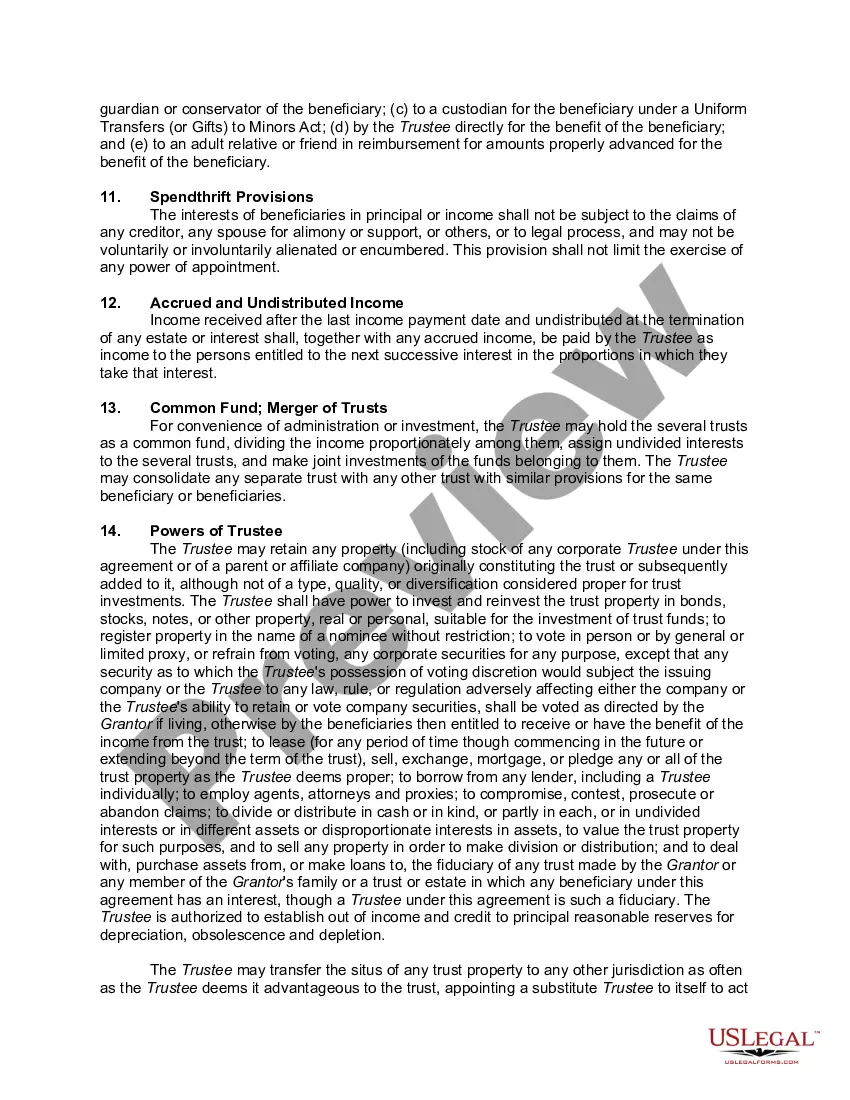
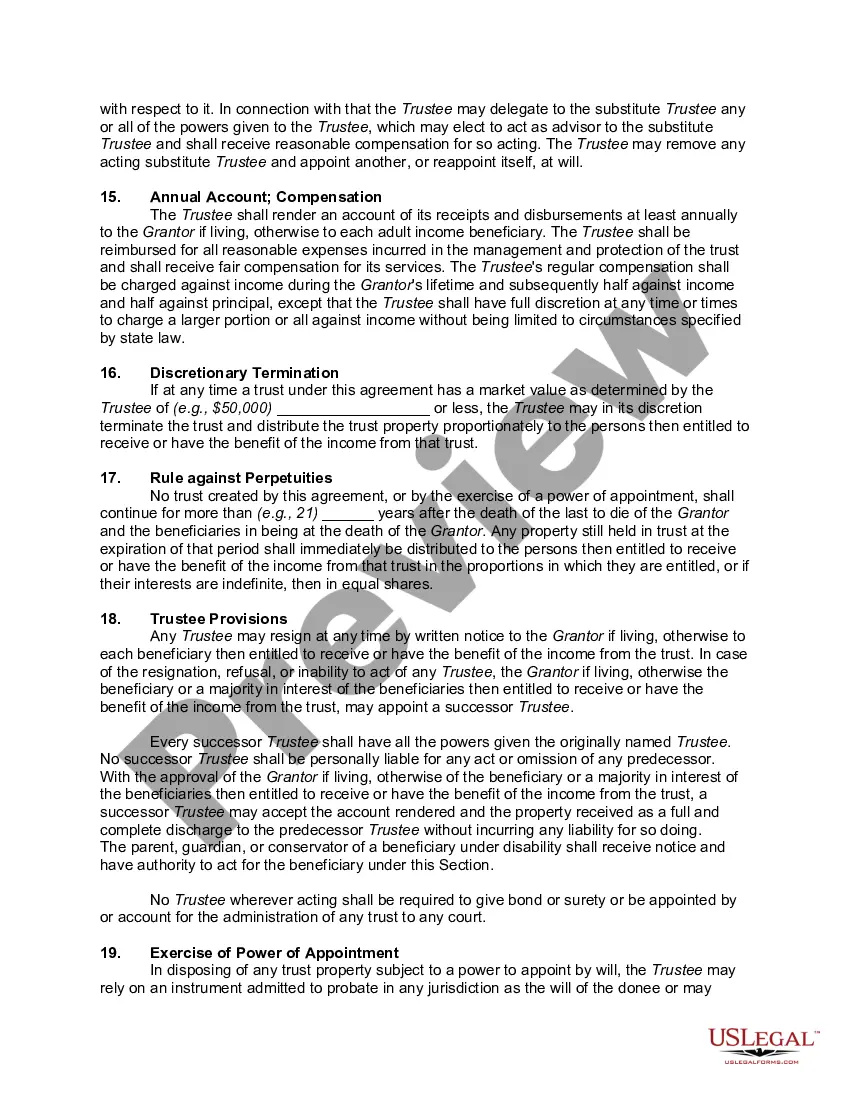
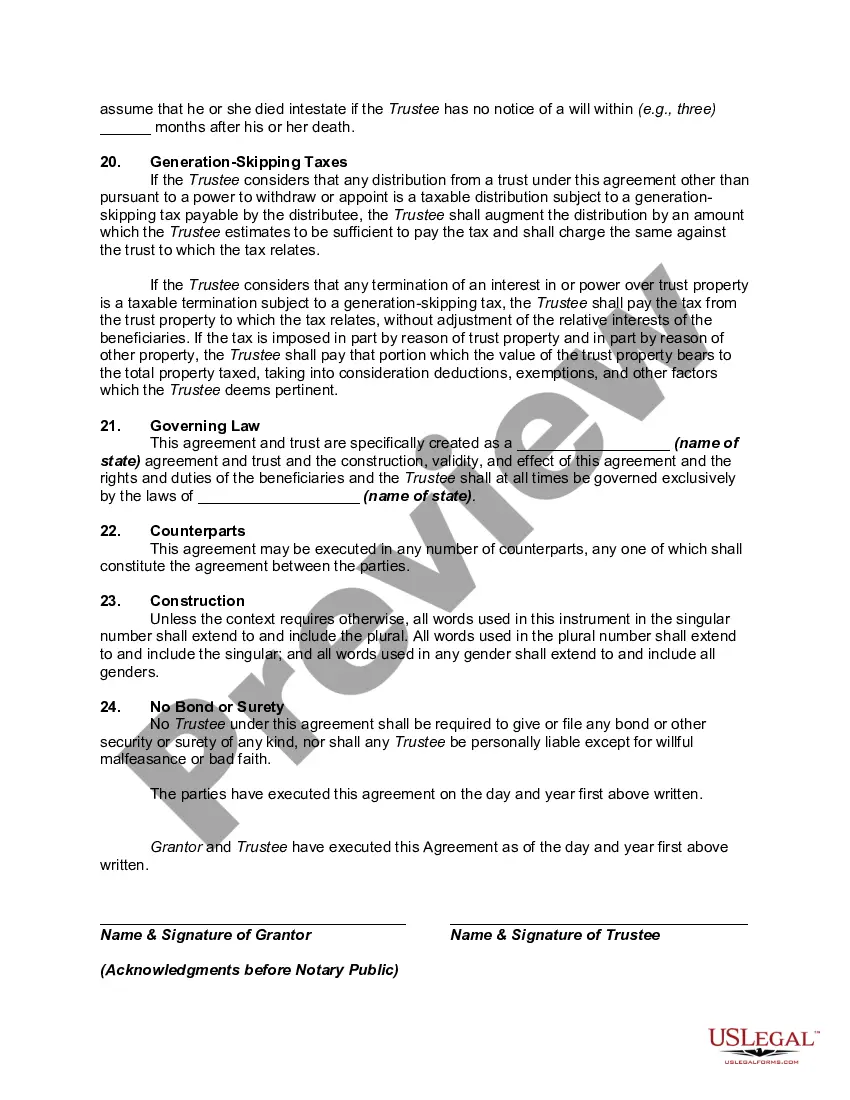

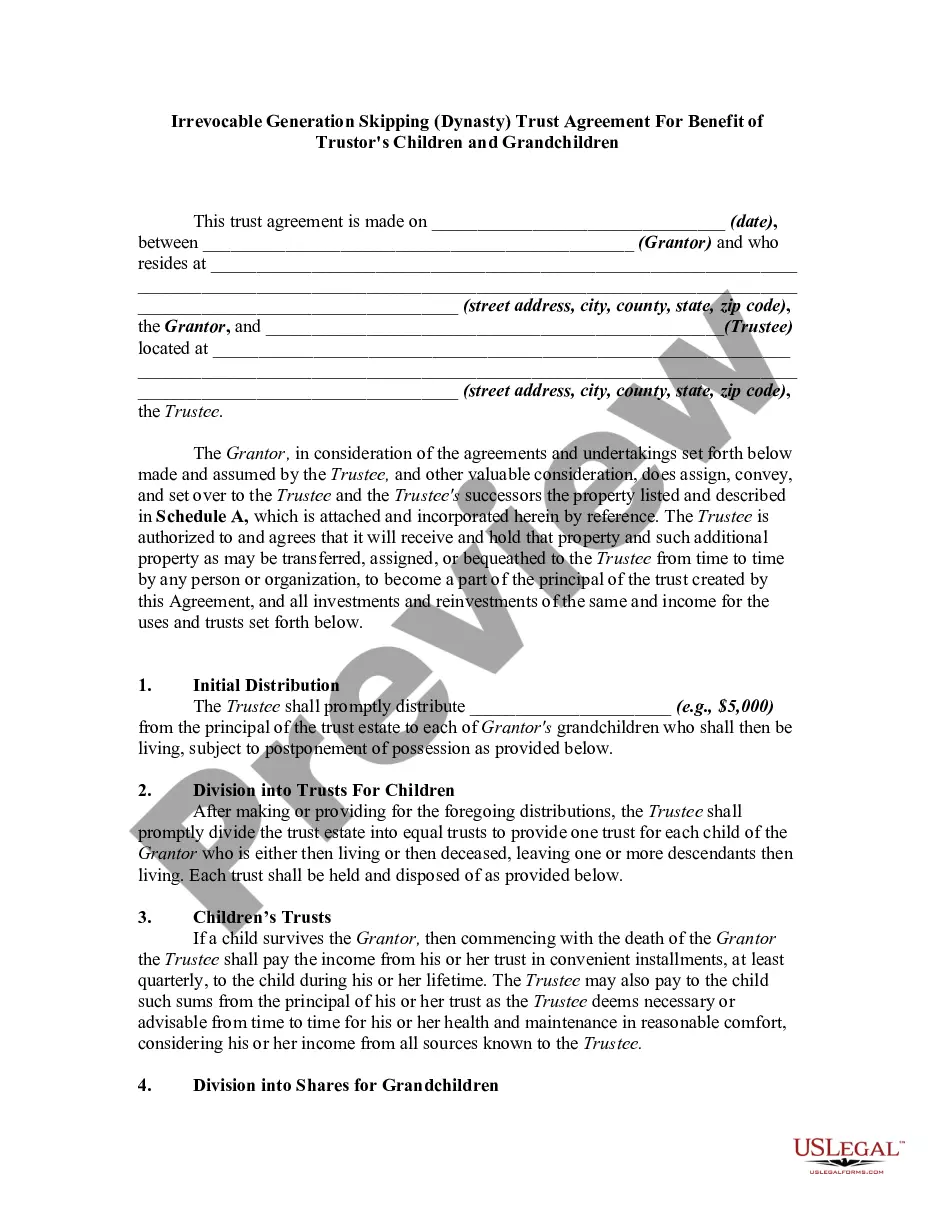
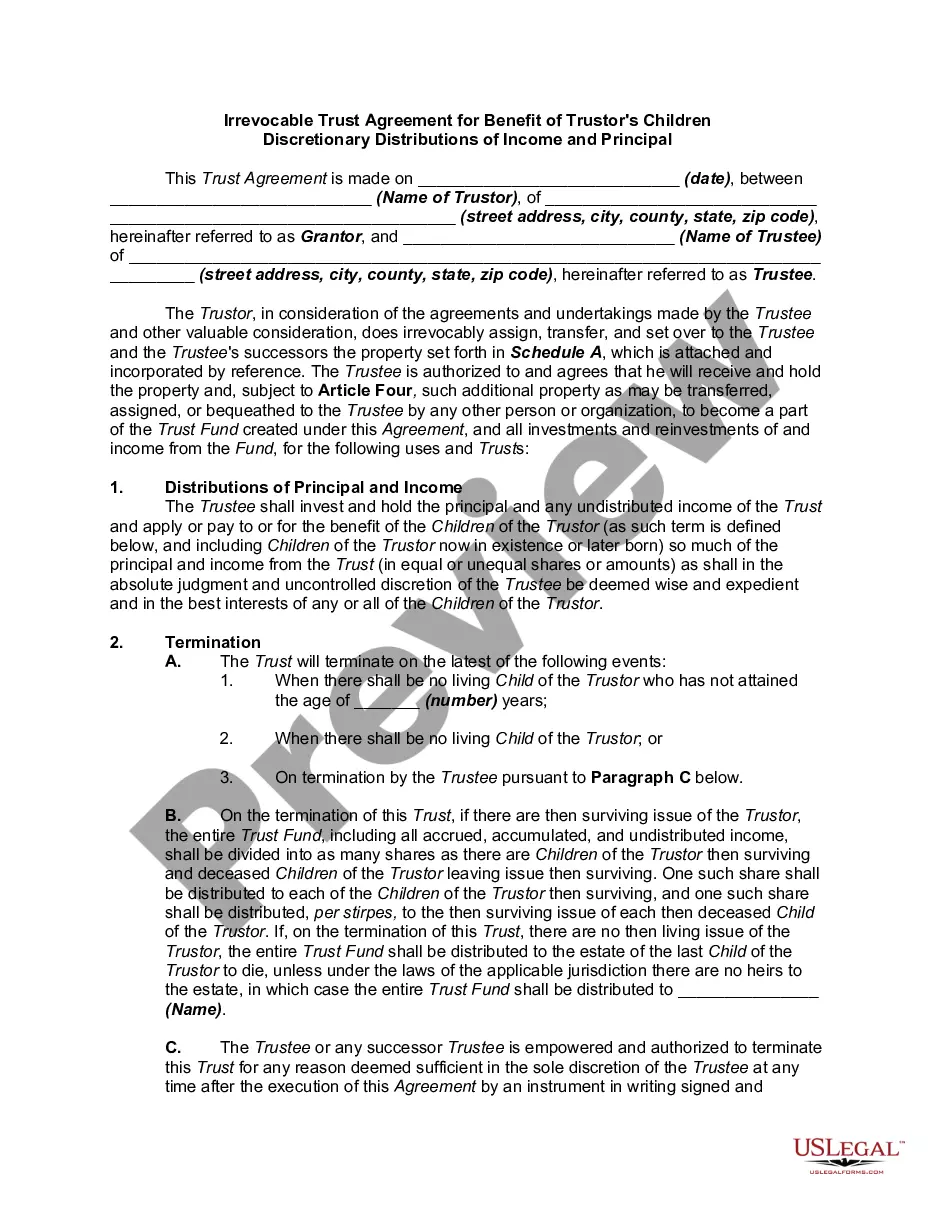


Get your form ready online
Our built-in tools help you complete, sign, share, and store your documents in one place.
Make edits, fill in missing information, and update formatting in US Legal Forms—just like you would in MS Word.
Download a copy, print it, send it by email, or mail it via USPS—whatever works best for your next step.
Sign and collect signatures with our SignNow integration. Send to multiple recipients, set reminders, and more. Go Premium to unlock E-Sign.
If this form requires notarization, complete it online through a secure video call—no need to meet a notary in person or wait for an appointment.
We protect your documents and personal data by following strict security and privacy standards.

Make edits, fill in missing information, and update formatting in US Legal Forms—just like you would in MS Word.

Download a copy, print it, send it by email, or mail it via USPS—whatever works best for your next step.

Sign and collect signatures with our SignNow integration. Send to multiple recipients, set reminders, and more. Go Premium to unlock E-Sign.

If this form requires notarization, complete it online through a secure video call—no need to meet a notary in person or wait for an appointment.

We protect your documents and personal data by following strict security and privacy standards.
Looking for another form?
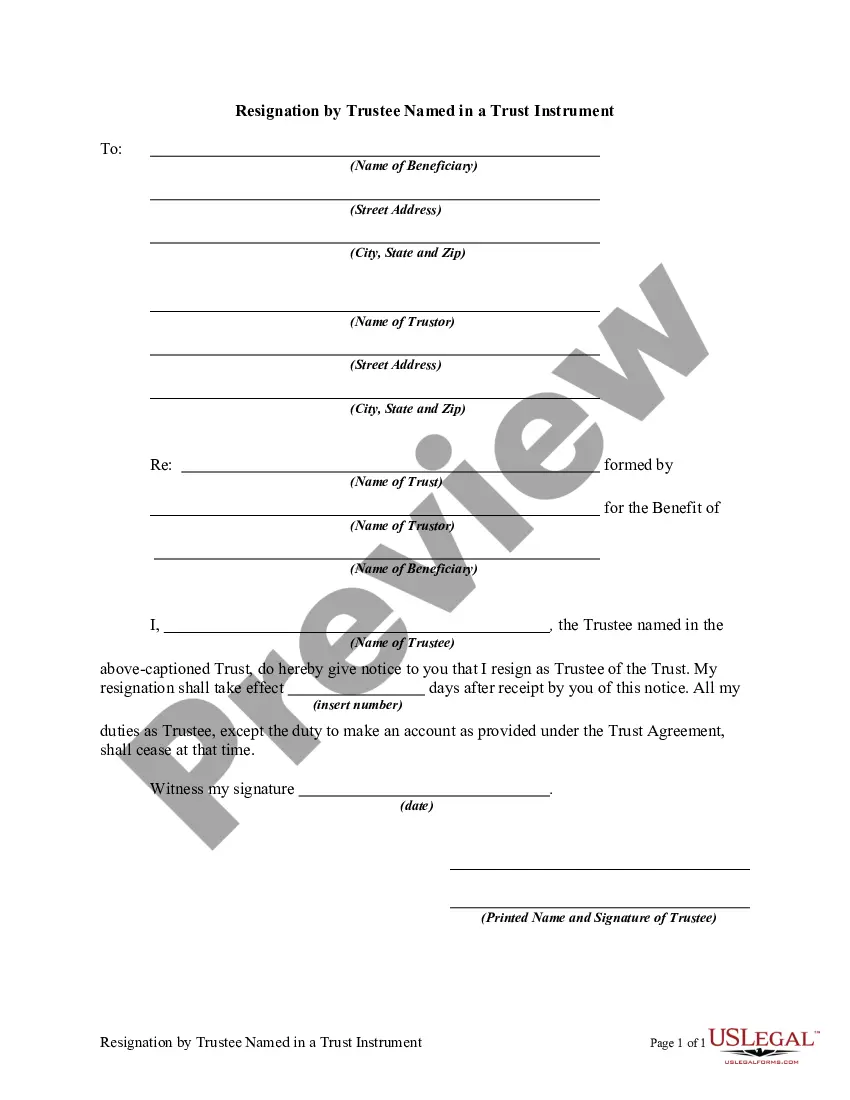





How to fill out Irrevocable Trust Agreement For Benefit Of Trustor's Children And Grandchildren?
- Log in to your US Legal Forms account if you are a returning user. Ensure your subscription is active; otherwise, renew it as per your plan.
- For first-time users, start by browsing the preview mode and description of available forms. Confirm that you select a trust document that fits your specific needs and comply with your local jurisdiction.
- If you need a different form, use the Search feature to discover other relevant options.
- Once you find the suitable template, click the Buy Now button and select your preferred subscription plan. You’ll need to create an account if you haven’t already.
- Complete your purchase by entering your payment details, either through a credit card or a PayPal account.
- Finally, download your trust document and save it on your device for easy access. You can revisit it anytime through the My Forms section in your profile.
With US Legal Forms, you gain access to an extensive library of over 85,000 editable legal forms, allowing you to efficiently manage your legal needs. Their platform is designed to save you time and ensure accuracy.
Take the first step towards securing your assets today by exploring the vast resources available at US Legal Forms!
Form popularity
FAQ
Typically, there is no specific role of guarantor within a trust, as this term is more often used in financial agreements outside of trusts. Instead, the focus should be on the grantor, who establishes and funds the trust. It's important to differentiate these roles to avoid confusion during estate planning. If you have further questions about trust roles, explore resources on platforms like uslegalforms for clarity.
The grantor of a trust is the individual who creates and funds the trust. This person sets the terms of the trust and determines how the assets will be managed and distributed over time. Understanding the significance of the grantor role is essential for effective trust management. Therefore, if you're thinking about establishing a trust, consider the importance of identifying and clearly defining the grantor's intentions.
In a non-grantor trust, the trust itself is responsible for paying taxes on its income. The assets and income generated within the trust are taxed at the trust's tax rate, which often differs from personal income tax rates. This arrangement allows the grantor to separate their personal tax responsibilities from the trust's financial obligations. If you need help setting up a non-grantor trust, resources like uslegalforms can provide the necessary forms.
The best person to set up a trust is often an individual with financial, legal, or estate planning expertise. This could include an attorney specializing in estate planning or a financial advisor who understands trust operations. Having the right professional guidance ensures that the trust is set up properly according to your wishes. To simplify this process, consider using platforms like uslegalforms to access necessary documentation and support.
No, a guarantor is not the same as an owner of the trust assets. The owner of the assets is typically the grantor, while the guarantor refers to someone who backs up a financial obligation. Understanding these distinctions helps clarify the roles within trust management. If you are interested in understanding ownership within a trust, focus on the grantor's responsibilities.
A grantor with a trust is the person who establishes the trust and contributes assets to it. This individual defines the rules under which the trust operates and decides how the assets will be managed or distributed over time. Understanding this role is vital, as it determines how the trust will function. So, when you consider establishing a trust, think of the grantor's key role.
No, a trust cannot exist without a grantor. The grantor creates the trust and outlines its terms, making this role indispensable. If there were no grantor, there would be no authority to manage or distribute the assets in the trust. Hence, if you want a functioning trust, remember that a grantor is necessary.
The term 'guarantor' is often confused with the role of a grantor. In the context of a trust, the grantor is the one who establishes it, while a guarantor usually refers to someone who guarantees obligations. Therefore, it's essential to clarify that a guarantor is not typically associated with the trust itself. You should focus on the role of the grantor when considering trusts.
Yes, a trust always requires a grantor to establish it. The grantor is the individual who creates the trust and transfers assets into it. This step is crucial, as it defines the trust's purpose and terms. Without a grantor, there would be no trust to manage.
The grantor of a trust is usually the individual who contributes assets and creates the trust's legal framework. This could be anyone looking to protect their assets, provide for beneficiaries, or create a charitable organization. Identifying the grantor is essential for understanding the intent behind the trust and how it operates. Thus, grasping the role of the grantor shows how a grantor shall grantor her with a trust effectively.