Irrevocable Trust Trustors For Trusts
Description


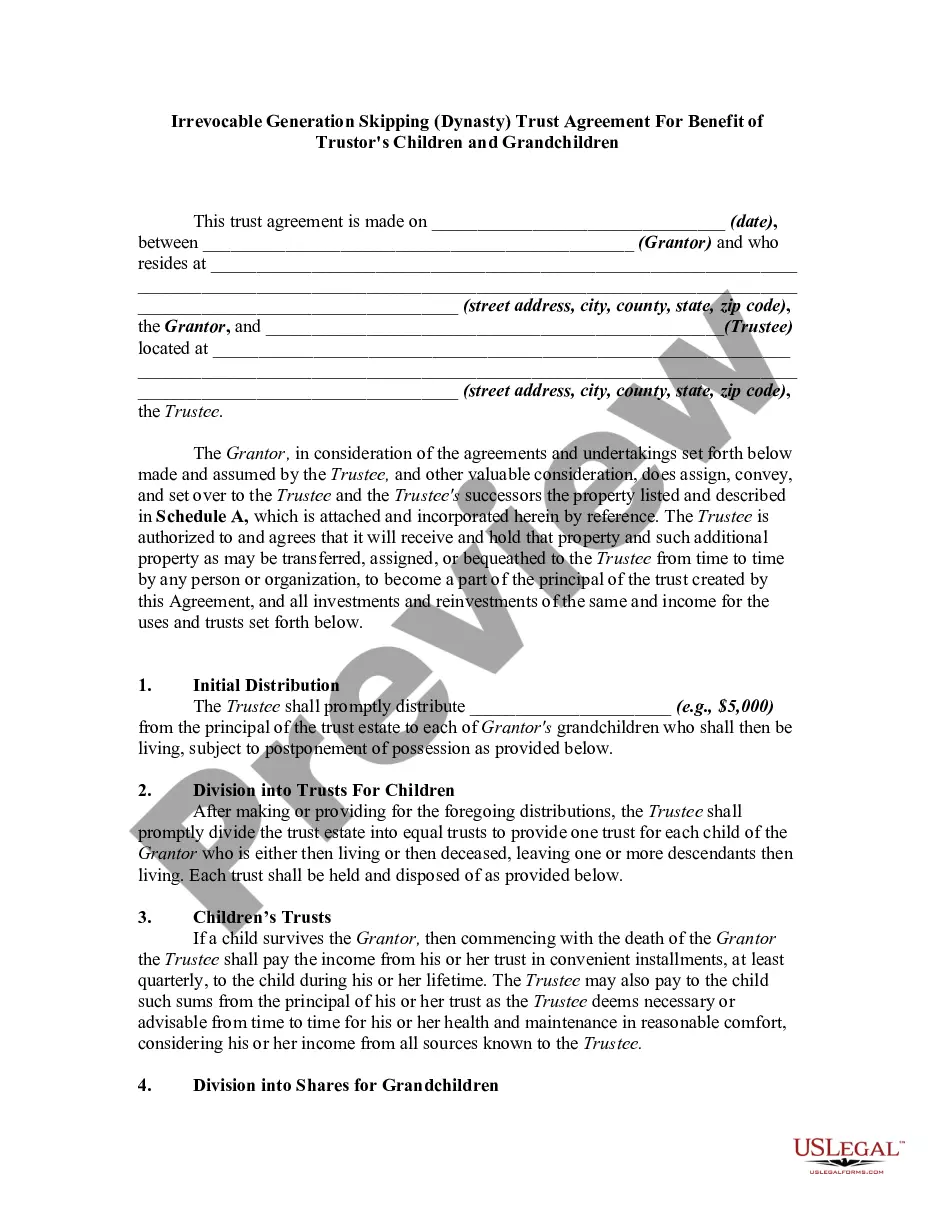
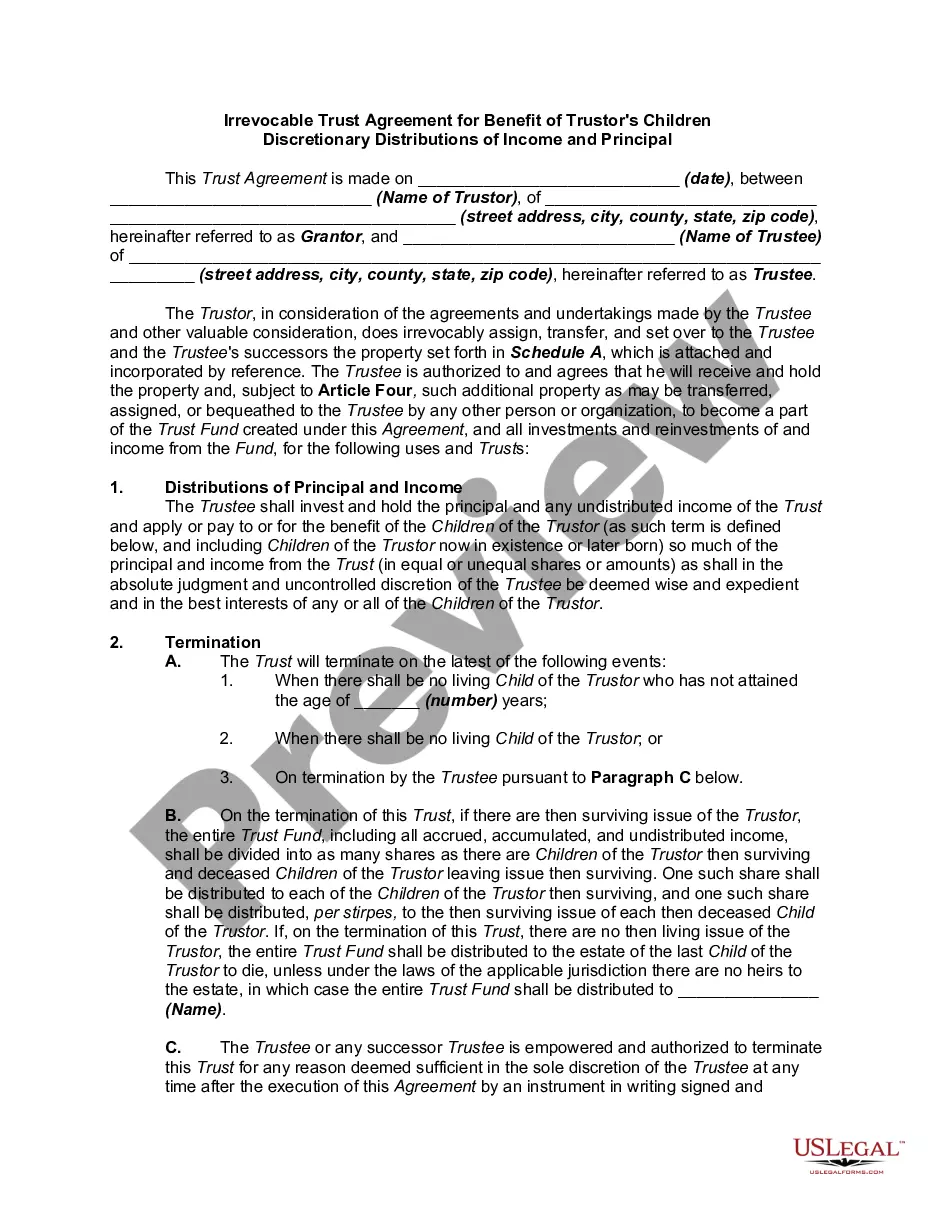


Get your form ready online
Our built-in tools help you complete, sign, share, and store your documents in one place.
Make edits, fill in missing information, and update formatting in US Legal Forms—just like you would in MS Word.
Download a copy, print it, send it by email, or mail it via USPS—whatever works best for your next step.
Sign and collect signatures with our SignNow integration. Send to multiple recipients, set reminders, and more. Go Premium to unlock E-Sign.
If this form requires notarization, complete it online through a secure video call—no need to meet a notary in person or wait for an appointment.
We protect your documents and personal data by following strict security and privacy standards.

Make edits, fill in missing information, and update formatting in US Legal Forms—just like you would in MS Word.

Download a copy, print it, send it by email, or mail it via USPS—whatever works best for your next step.

Sign and collect signatures with our SignNow integration. Send to multiple recipients, set reminders, and more. Go Premium to unlock E-Sign.

If this form requires notarization, complete it online through a secure video call—no need to meet a notary in person or wait for an appointment.

We protect your documents and personal data by following strict security and privacy standards.
Looking for another form?





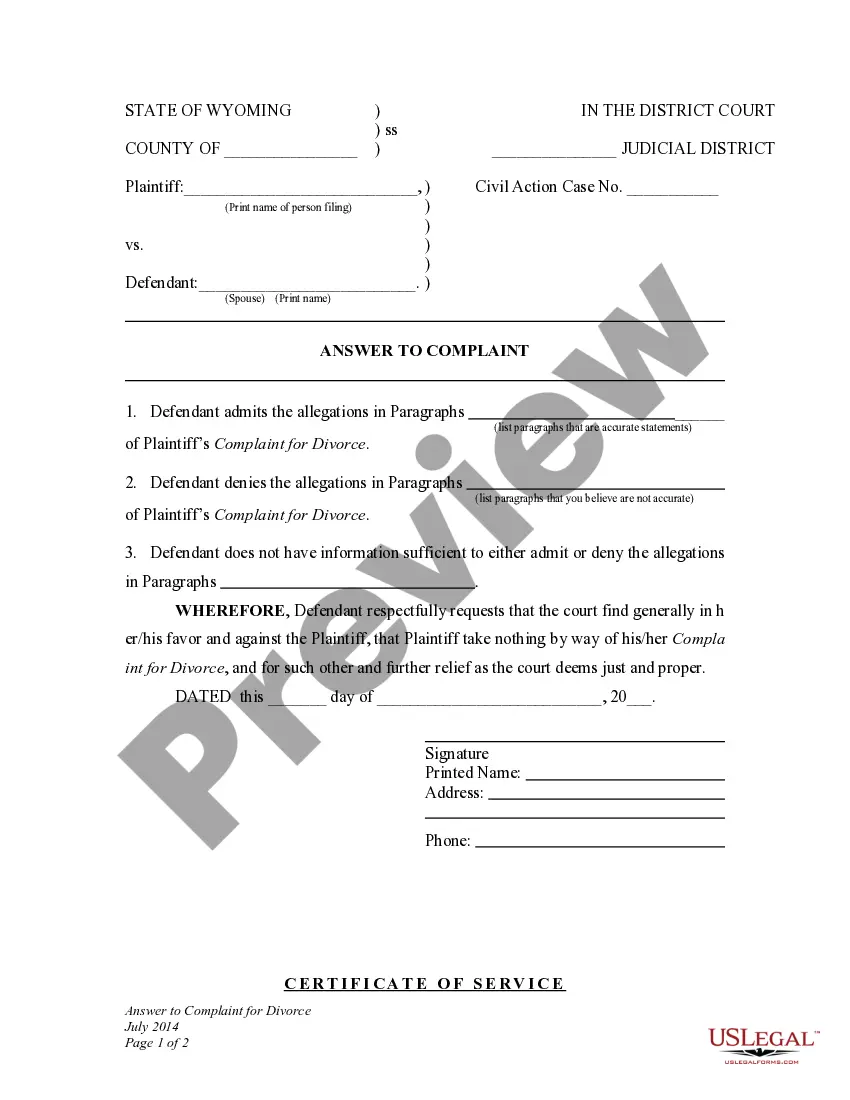



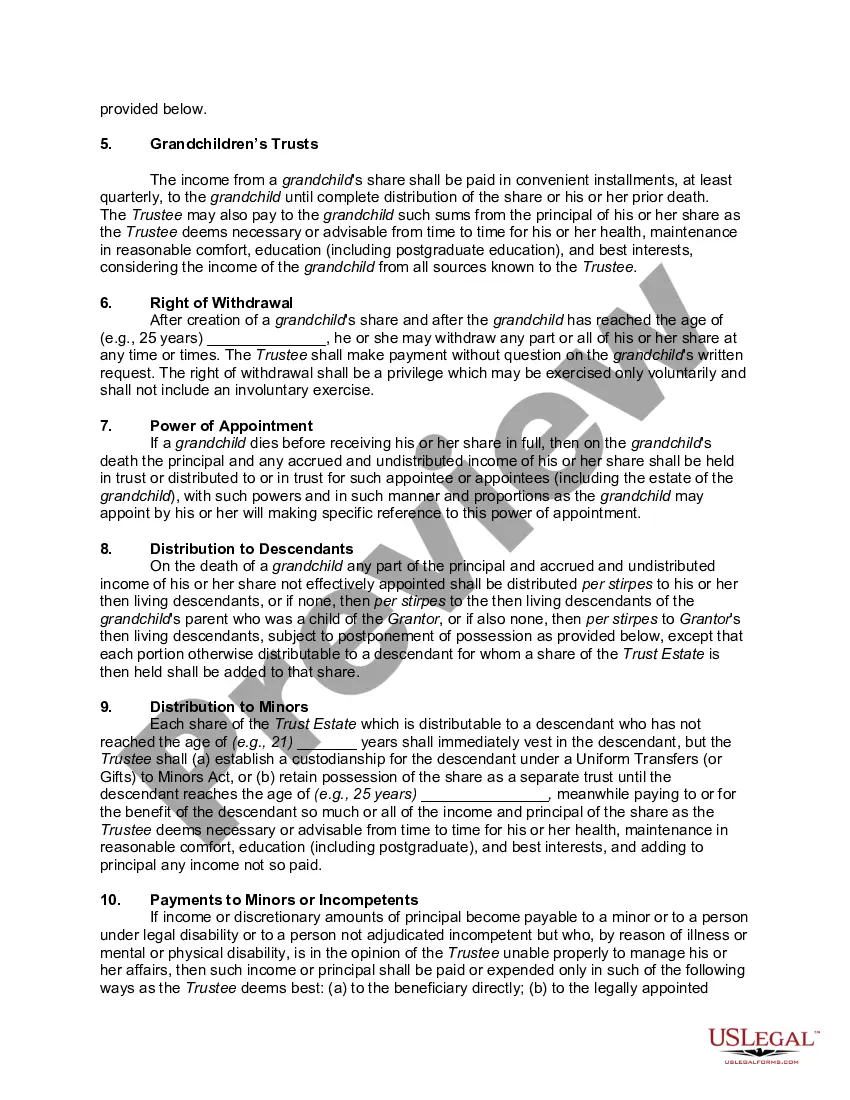
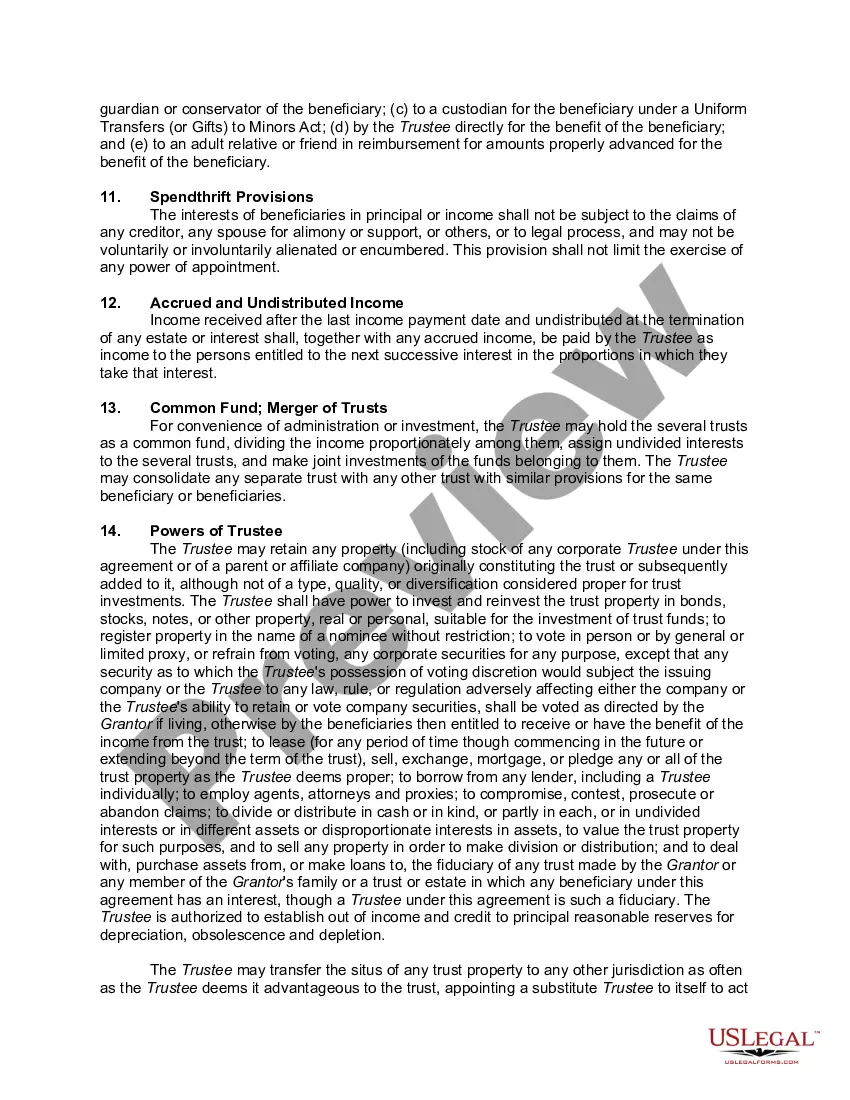
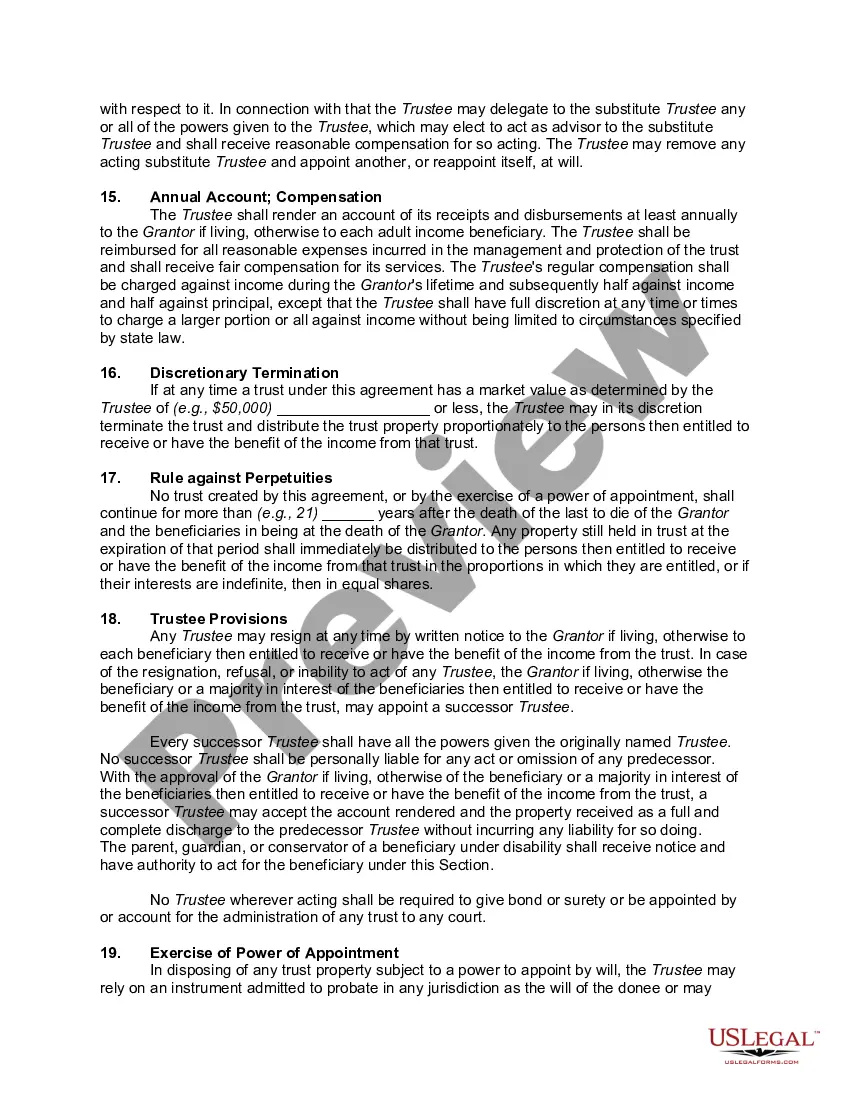
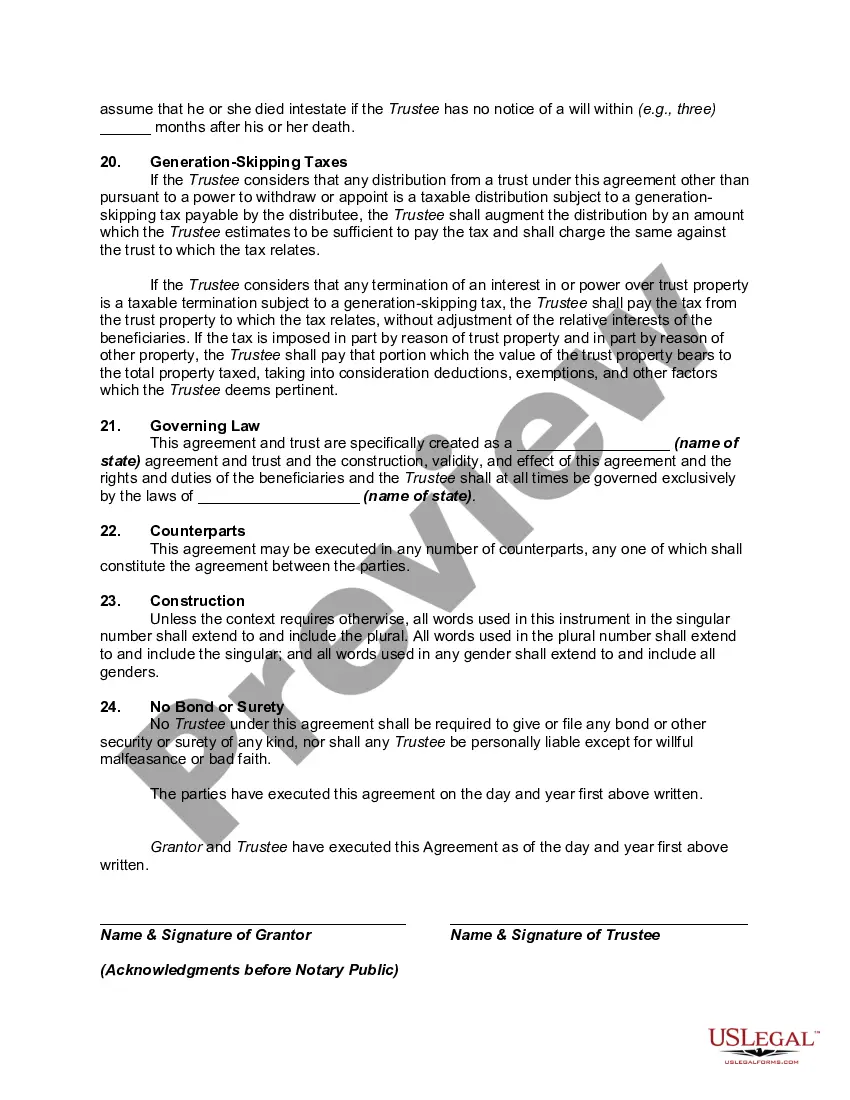
How to fill out Irrevocable Trust Agreement For Benefit Of Trustor's Children And Grandchildren?
- Log into your US Legal Forms account. If you’ve used the service before, simply log in and check your subscription to ensure it's active. If it’s expired, renew it as needed.
- Explore the library. Use the Preview feature and review the description of the irrevocable trust form. Confirm it meets your legal requirements based on your jurisdiction.
- Search for additional templates. Should you need something different, utilize the Search tab to find other applicable forms.
- Make your purchase. Click on the Buy Now button and select a subscription plan that suits your needs. Creating an account will provide access to the extensive library.
- Complete your transaction. Enter your payment details, whether through credit card or PayPal, to finalize your subscription.
- Download your document. After your purchase, save the trust template to your device and access it anytime through the My Forms section.
In conclusion, using US Legal Forms empowers you as a trustor to effortlessly navigate the process of legal documentation for your irrevocable trust. Enjoy access to a library of over 85,000 forms, ensuring you find the perfect template to fulfill your needs.
Start your journey today and secure your peace of mind with US Legal Forms!
Form popularity
FAQ
Irrevocable trust trustors for trusts should avoid placing personal property that relies on personal usage, such as a primary residence or vehicles, in the trust. Additionally, it’s wise not to include assets that may trigger tax issues or unwanted complexities. Instead, focus on assets that bring about effective estate planning and financial benefits for your beneficiaries.
The best trustee for an irrevocable trust balances knowledge, impartiality, and trustworthiness. Some families choose family members who have a genuine interest in the beneficiaries’ well-being. Alternatively, hiring a professional trustee from a financial institution can provide an unbiased approach and specialized expertise. Evaluate potential candidates thoroughly to ensure they align with your trust's goals.
One critical mistake parents make is failing to communicate their intentions clearly with their children regarding the trust. Misunderstandings can lead to conflict and resentment among family members. Irrevocable trust trustors for trusts should consider involving their beneficiaries in the planning process, which fosters transparency and understanding about the trust's purpose and management.
When naming a trustee for your trust, consider a person who possesses responsibility, financial skills, and a commitment to act in the best interest of all beneficiaries. Often, trustors prefer independent professionals, such as accountants or attorneys, who avoid personal biases. Be sure to discuss this decision with potential candidates to ensure they are willing and able to take on the responsibilities.
In most cases, a beneficiary can serve as the trustee of an irrevocable trust. However, this might create conflicts of interest, so it's important to weigh the pros and cons carefully. Trustors should ensure the trustee understands their fiduciary duties to manage the trust's assets properly. Transparency and clear communication are critical in these situations.
Filling out an irrevocable trust involves several key steps. First, identify the trustors, beneficiaries, and the appointed trustee. Then, outline the assets being placed into the trust, ensuring to follow state laws and guidelines. You may also want to consider consulting uslegalforms, which can simplify the process through easy-to-use templates and expert support.
Choosing the right trustee is crucial for irrevocable trust trustors for trusts. A responsible adult with financial know-how and integrity should be your preferred candidate. This person needs to handle trust assets prudently and act in the best interest of beneficiaries. Family members, trusted friends, or professional advisors often fulfill this role well.
There is no strict maximum number of trustees allowed for an irrevocable trust, but practicality suggests keeping the number manageable. While multiple trustees can provide diverse insights, coordinating decisions among many can become cumbersome. Irrevocable trust trustors for trusts should carefully consider the operational aspects when selecting trustees. If you're unsure, exploring legal advice through platforms like uslegalforms can offer clarity on your options.
An irrevocable trust can have any number of trustees, but the ideal number typically ranges from one to three. Too many trustees may complicate decision-making and governance, while too few may burden a single trustee. Irrevocable trust trustors for trusts should strive for a balance that allows for effective management and oversight of the trust assets. Consulting a legal expert can help in deciding the optimal number of trustees.
The trustee of an irrevocable trust should be someone responsible, trustworthy, and familiar with trust management. Irrevocable trust trustors for trusts often choose family members, friends, or financial institutions as trustees. It is crucial to pick a person or entity that understands the obligations of managing a trust in accordance with the trustor's wishes. Ensure that your choice aligns with your goals for the trust and the beneficiaries.