Irrevocable Trust Trustors For Charity
Description

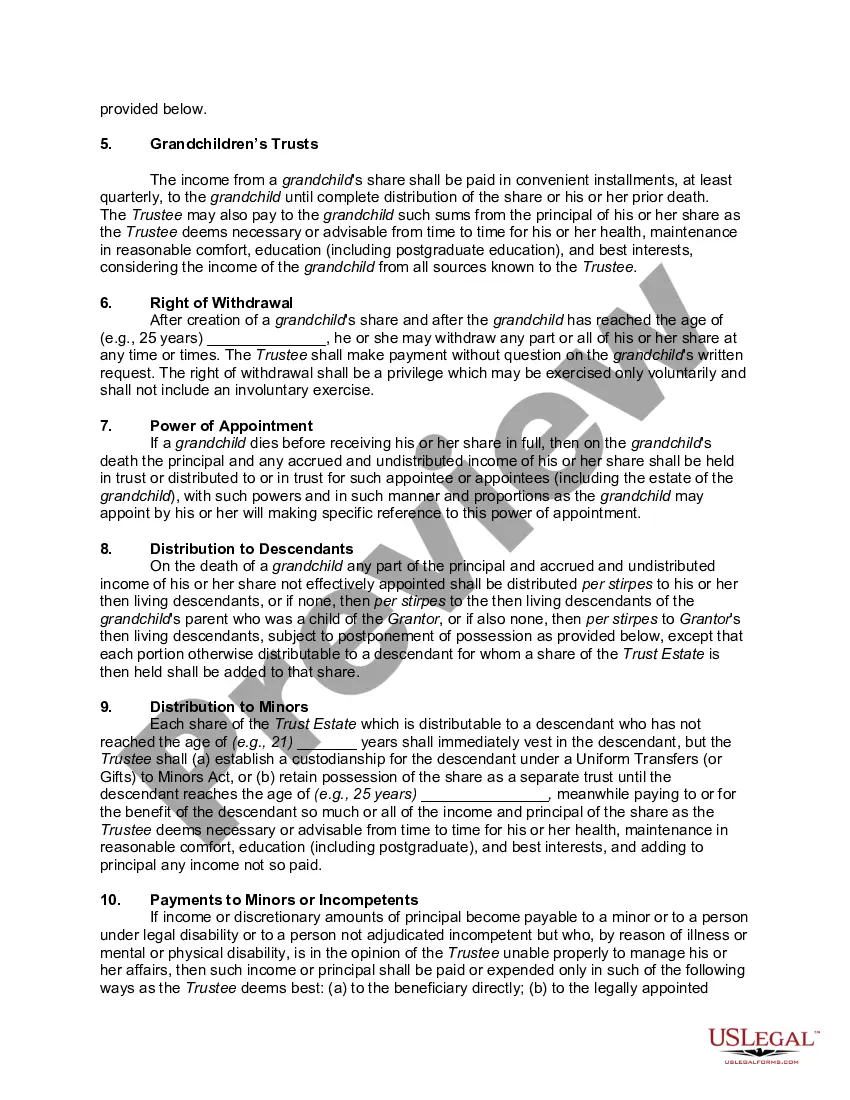
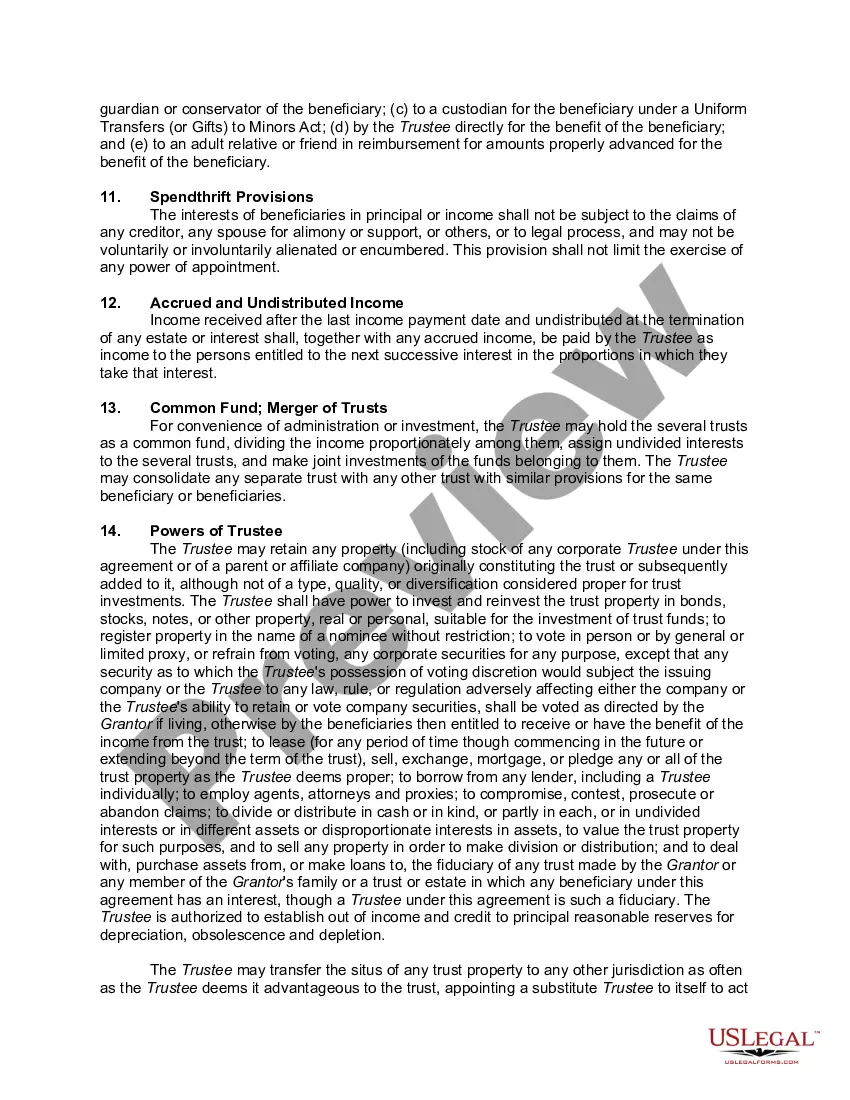
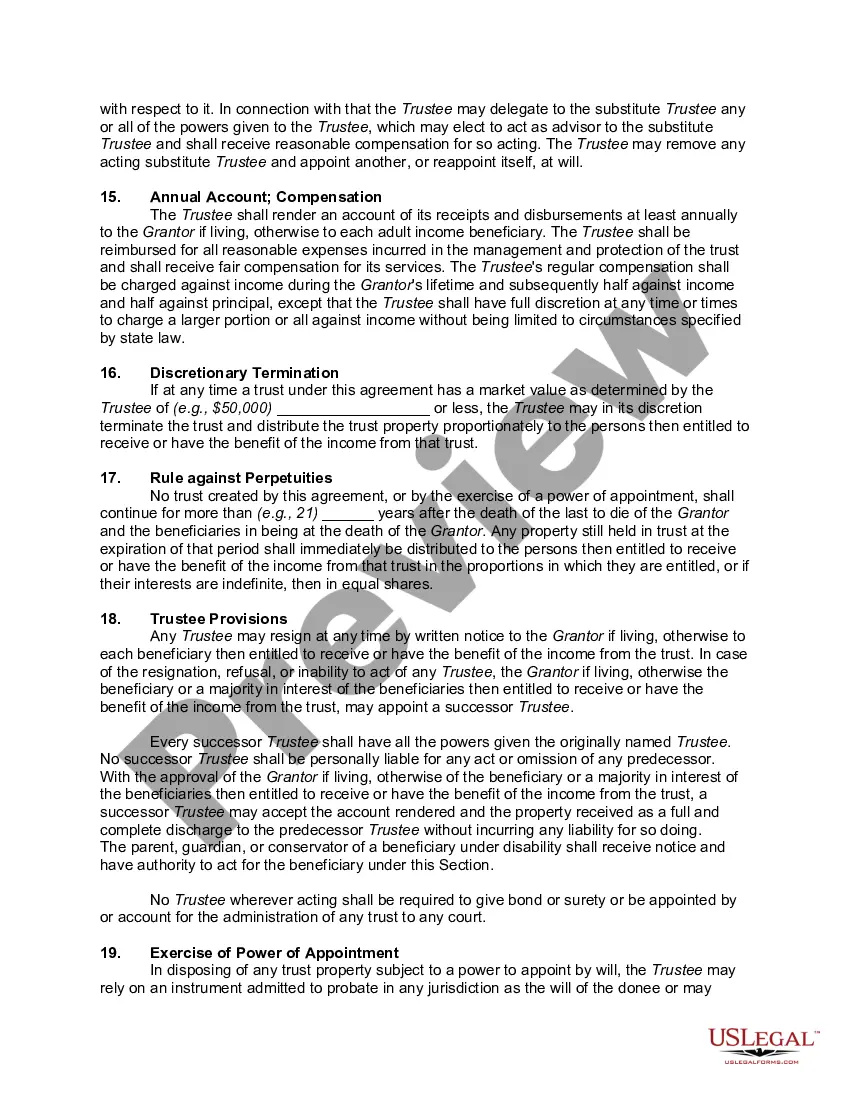
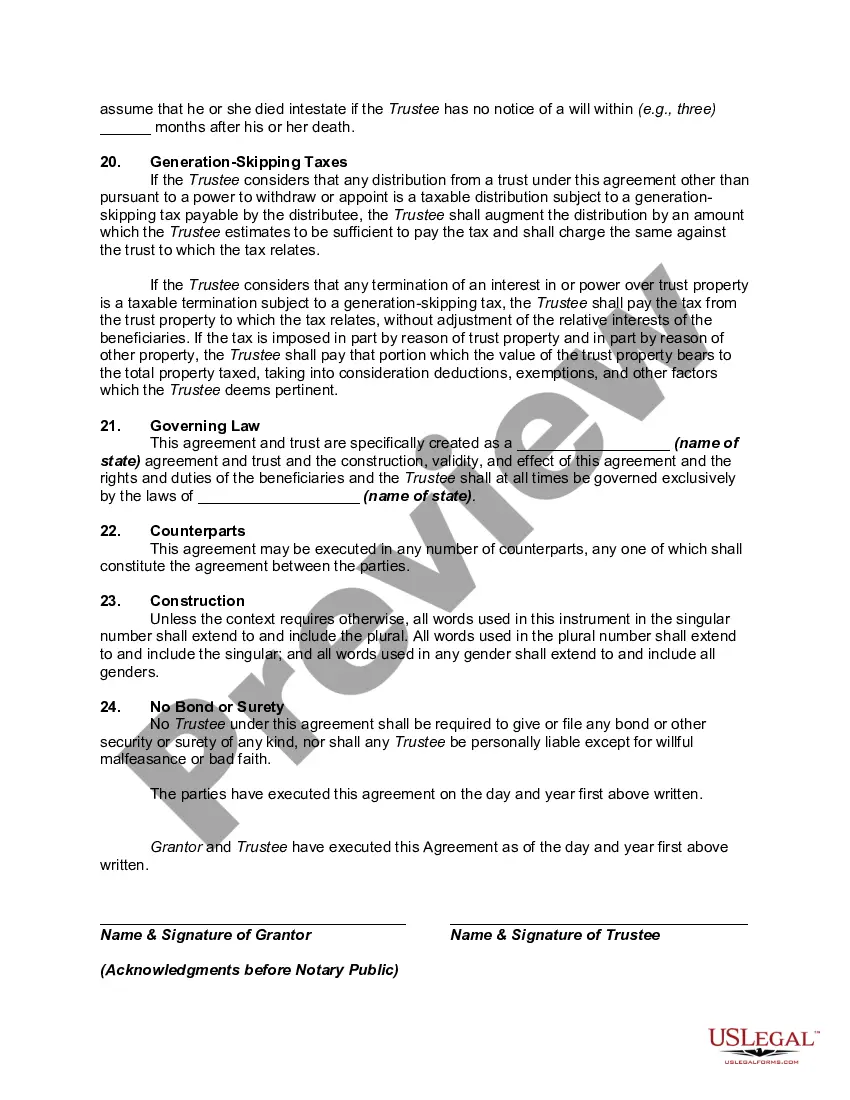

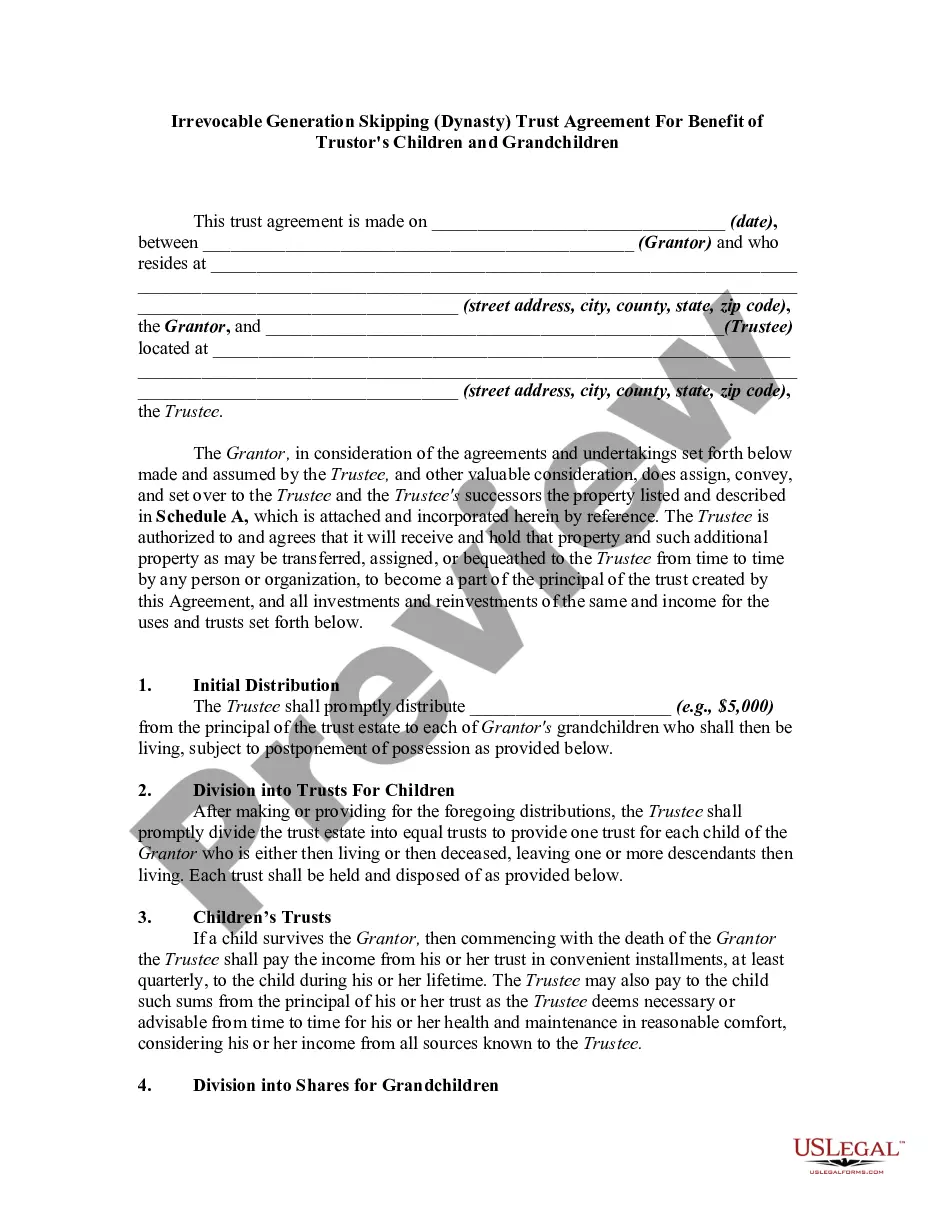


Get your form ready online
Our built-in tools help you complete, sign, share, and store your documents in one place.
Make edits, fill in missing information, and update formatting in US Legal Forms—just like you would in MS Word.
Download a copy, print it, send it by email, or mail it via USPS—whatever works best for your next step.
Sign and collect signatures with our SignNow integration. Send to multiple recipients, set reminders, and more. Go Premium to unlock E-Sign.
If this form requires notarization, complete it online through a secure video call—no need to meet a notary in person or wait for an appointment.
We protect your documents and personal data by following strict security and privacy standards.

Make edits, fill in missing information, and update formatting in US Legal Forms—just like you would in MS Word.

Download a copy, print it, send it by email, or mail it via USPS—whatever works best for your next step.

Sign and collect signatures with our SignNow integration. Send to multiple recipients, set reminders, and more. Go Premium to unlock E-Sign.

If this form requires notarization, complete it online through a secure video call—no need to meet a notary in person or wait for an appointment.

We protect your documents and personal data by following strict security and privacy standards.
Looking for another form?

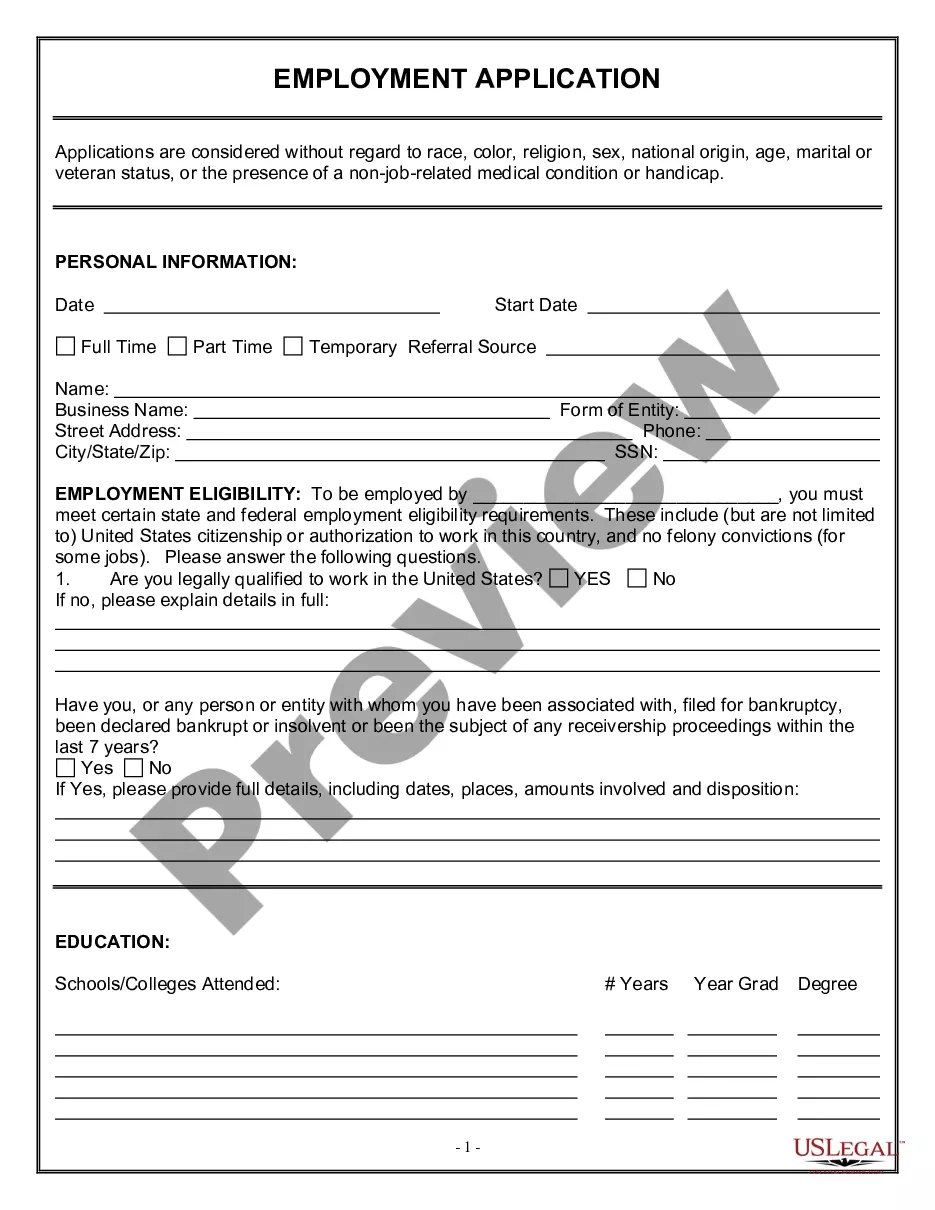






How to fill out Irrevocable Trust Agreement For Benefit Of Trustor's Children And Grandchildren?
- Log in to your US Legal Forms account if you're an existing user. Ensure your subscription is active to access necessary documents.
- If you're new to the service, start by previewing the form descriptions to verify you’re selecting a document that fits your needs and complies with local laws.
- Use the Search tab to explore additional templates if the initial one does not meet your criteria.
- Purchase the document by clicking the Buy Now button and select a subscription plan that works for you. You will need to create an account for full access.
- Complete the payment using your credit card or PayPal to finalize your subscription.
- Once your purchase is confirmed, download the form to your device. It will also be available anytime in the My Forms section of your profile.
By using US Legal Forms, you access an extensive library of over 85,000 legal forms, more than many competitors, which ensures you have the resources needed for precise and legally sound documents.
Let US Legal Forms guide you in your charitable endeavors with their streamlined process. Start your journey to creating an irrevocable trust today!
Form popularity
FAQ
An irrevocable trust can indeed make charitable donations. This is one of the key features that can benefit charities while providing potential tax deductions for the trustor. Proper setup and management are essential, and using a reliable platform like USLegalForms can help simplify the process. By understanding your options, you can effectively use your irrevocable trust to support charitable organizations you believe in.
Yes, a grantor trust can make charitable contributions, but the process is subject to specific tax rules. As the grantor, you retain control over the trust and its assets, allowing for flexibility in making contributions. This structure can be advantageous for those looking to support charitable causes while maintaining control. As irrevocable trust trustors for charity, you can create significant impact by integrating charitable giving into your estate planning.
The trustee of a charitable remainder trust can be an individual or an organization that has the skills to manage the trust effectively. Many trustors choose financial institutions or legal professionals who specialize in trust management. The trustee's role is crucial, as they handle distributions and ensure compliance with charitable regulations. This choice directly impacts the benefits you can provide as irrevocable trust trustors for charity.
Certain assets are not ideal for placement in an irrevocable trust. For instance, retirement accounts or personal residences may not be suitable due to tax implications or the need for access. Always consult with experts to understand which assets align best with your goals as irrevocable trust trustors for charity. This careful planning ensures your charitable intentions are met without unnecessary complications.
Selecting a suitable trustee for your irrevocable trust is crucial. The trustee should be a trustworthy individual or institution capable of managing the trust's assets and distributing them according to your wishes. Trustors often choose a family member, a close friend, or a professional fiduciary. By doing this, you ensure the best benefits for both the trust and the charitable purposes you want to support.
Absolutely, an irrevocable trust can indeed make charitable contributions, which aligns with the goals of many trustors for charity. As the trustor, you can specify the charity and the amount to be donated in the trust document. This arrangement can also provide tax benefits, as contributions made through the trust could be deductible. It's wise to work closely with a legal professional to ensure compliance and maximize the benefits of your charitable donations through the trust.
Selecting the best trustee for your irrevocable trust is essential to ensure successful management of the trust's assets. Look for someone with a background in financial management, legal knowledge, and a commitment to your charitable intentions. Family members can serve as trustees, but consider professional trustees if you want someone with targeted expertise. The right trustee can help fulfill your mission as a trustor for charity with efficiency and integrity.
When setting up your irrevocable trust for charity, avoid including assets that could complicate or contradict your charitable objectives. Steer clear of personal property that might lose value or assets that do not fit your charitable mission. Additionally, avoid including items that may not have clear ownership or could be difficult to manage. Consulting with a legal expert can help ensure your trust remains focused and effective.
The trustee, appointed by the trustor, is responsible for managing the assets in an irrevocable trust. As a trustor for charity, it's vital to choose someone who understands both financial management and the charity's mission. The trustee must make decisions in accordance with the trust document and the best interests of the beneficiaries, which may include charitable organizations. Regular communication between the trustee and the trustor can help align asset management with charitable goals.
Filling out an irrevocable trust requires careful attention to detail, especially when you are a trustor for charity. Begin by gathering necessary information about your assets, your beneficiaries, and your charitable intentions. Then, follow a structured format that includes crucial sections such as trustee responsibilities, distribution guidelines, and specific charitable goals. Using a reliable platform like USLegalForms can simplify this process and ensure you meet legal requirements.