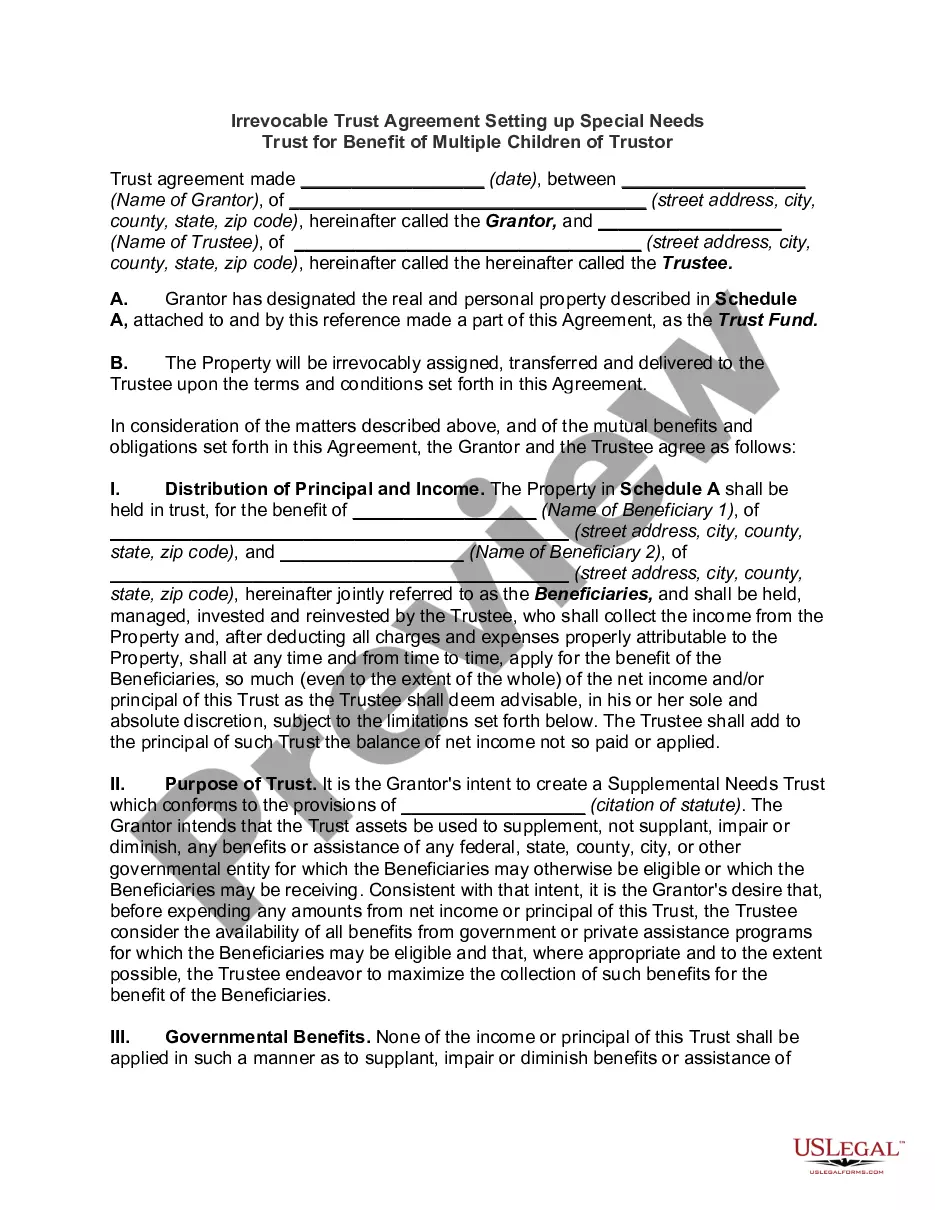
Irrevocable Trust Form Sample With Answers
Description
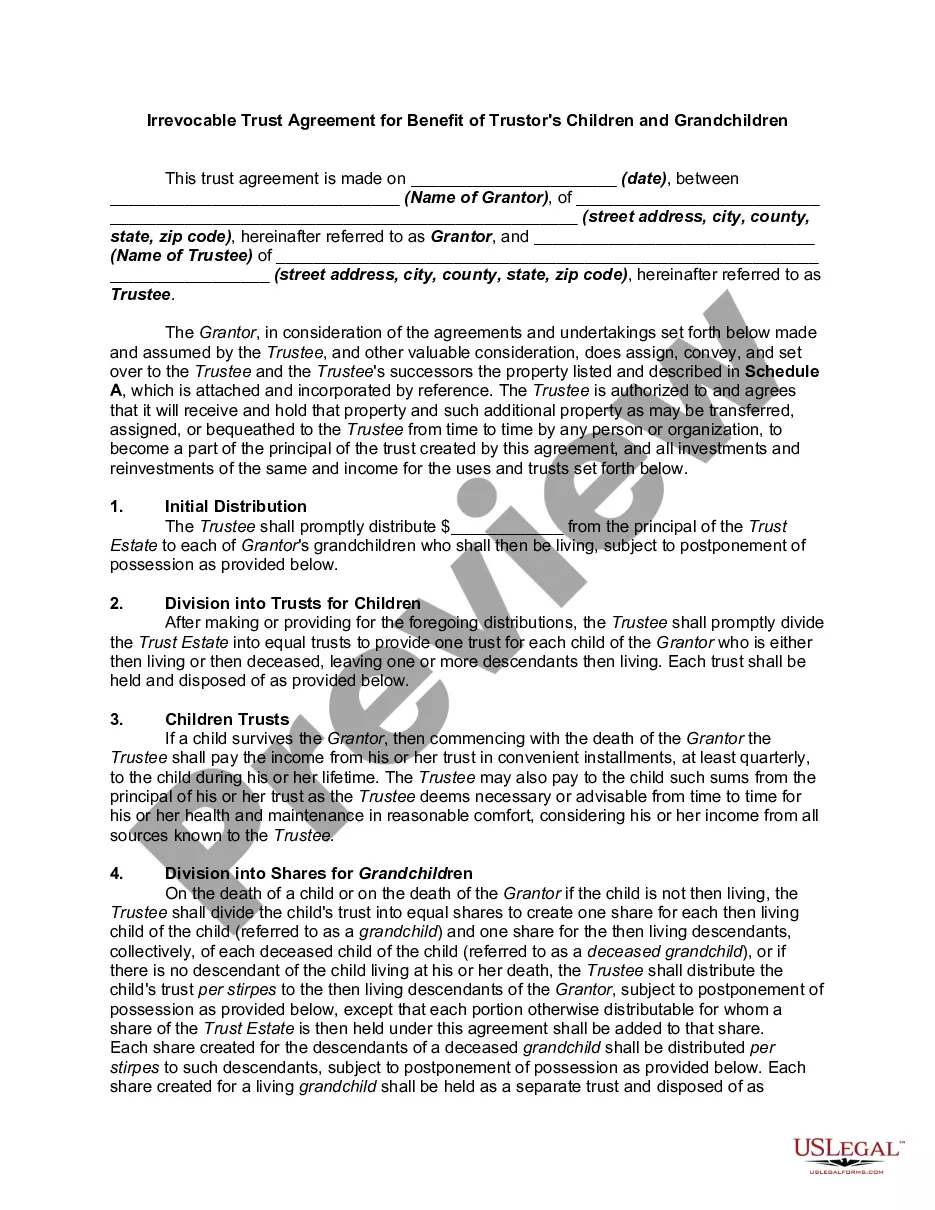
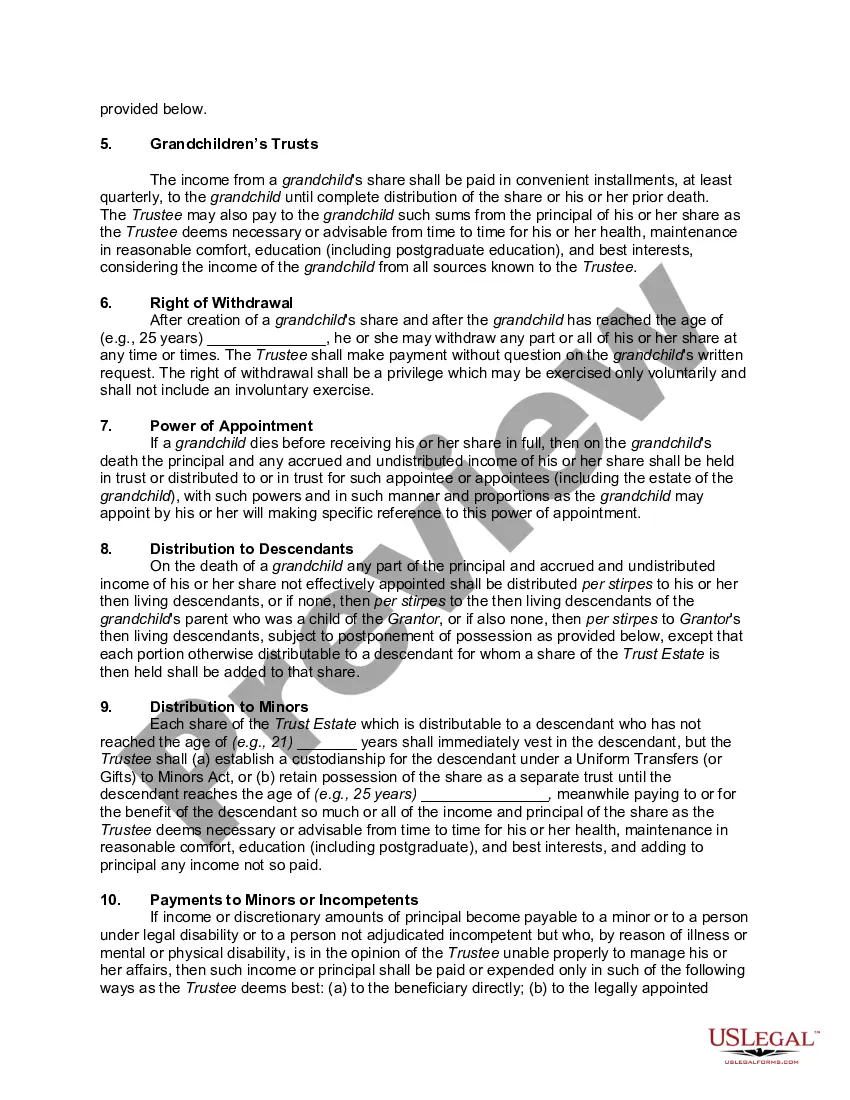
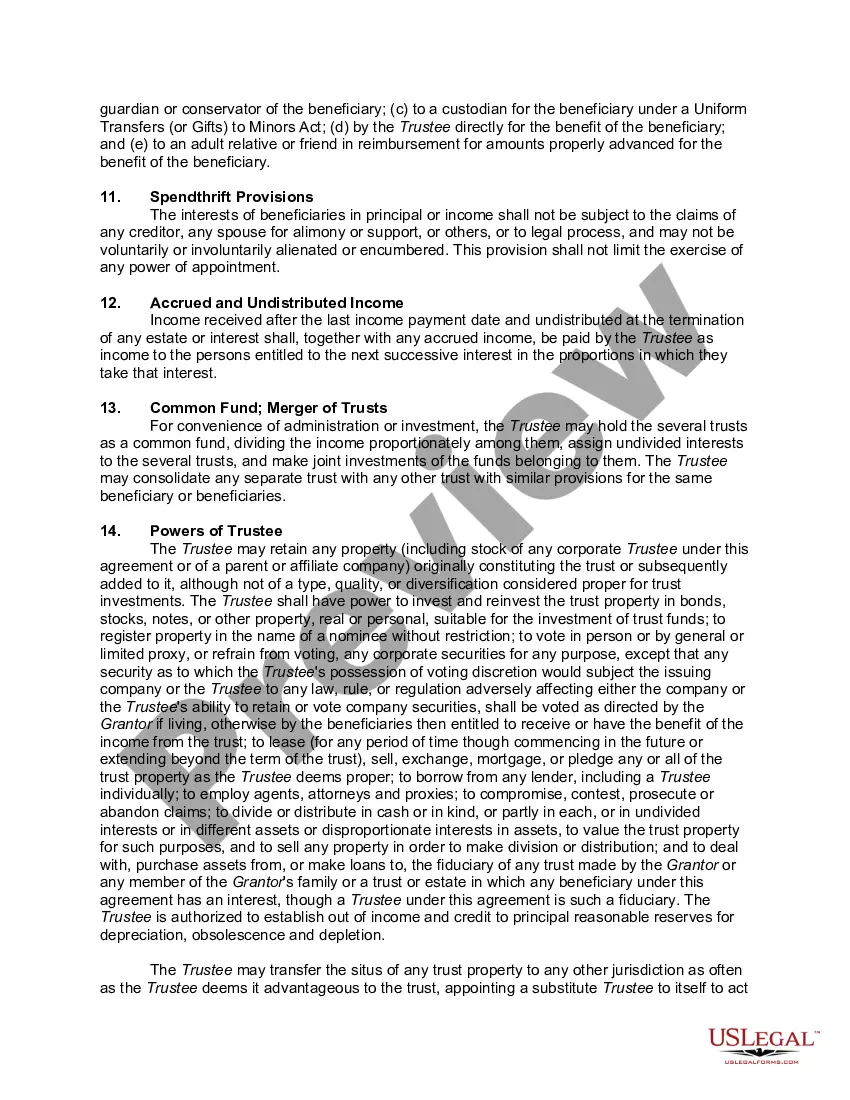
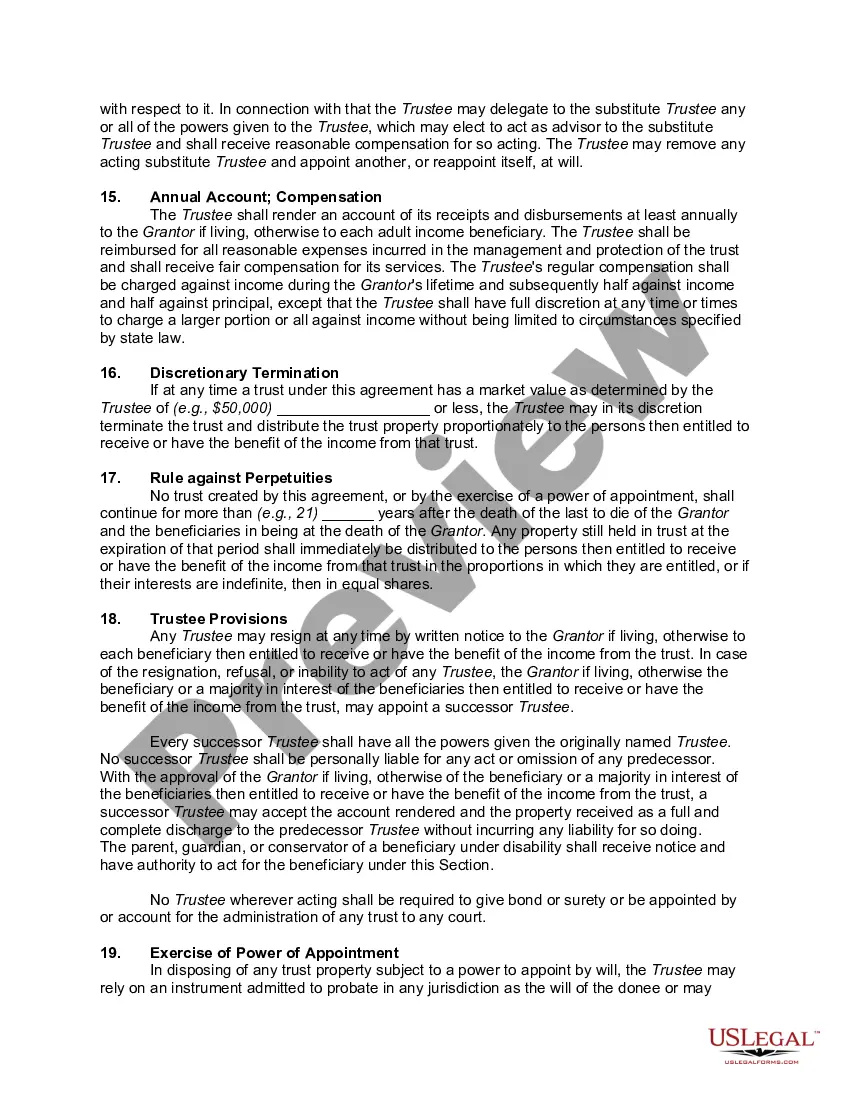
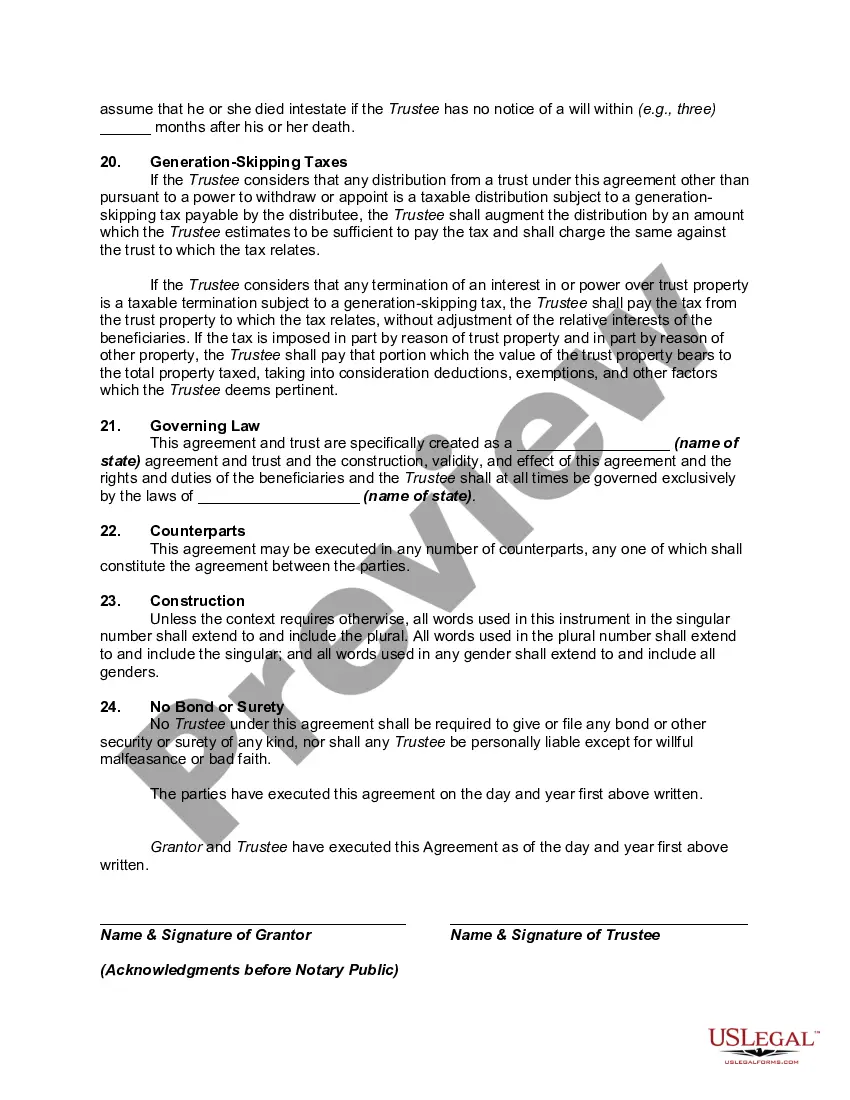

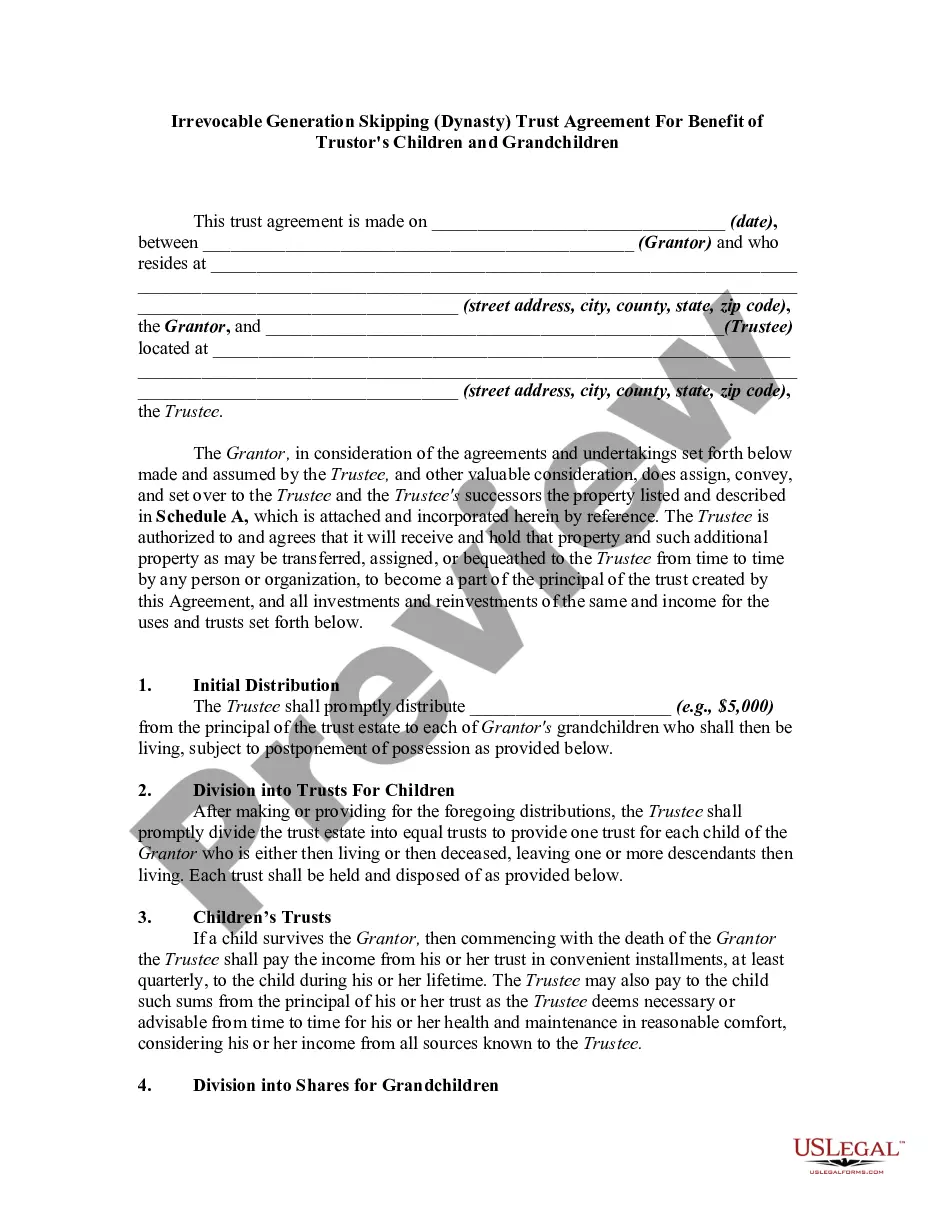
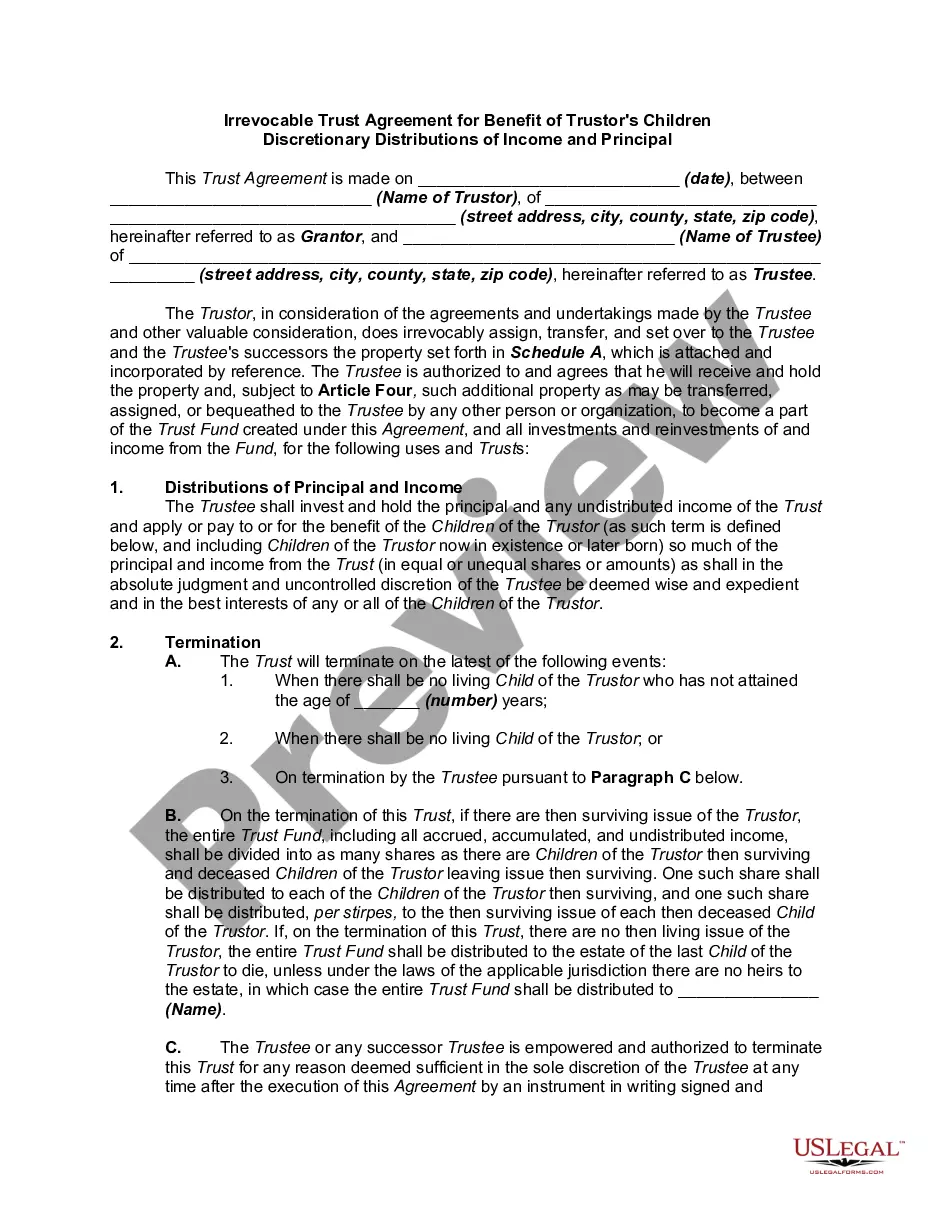
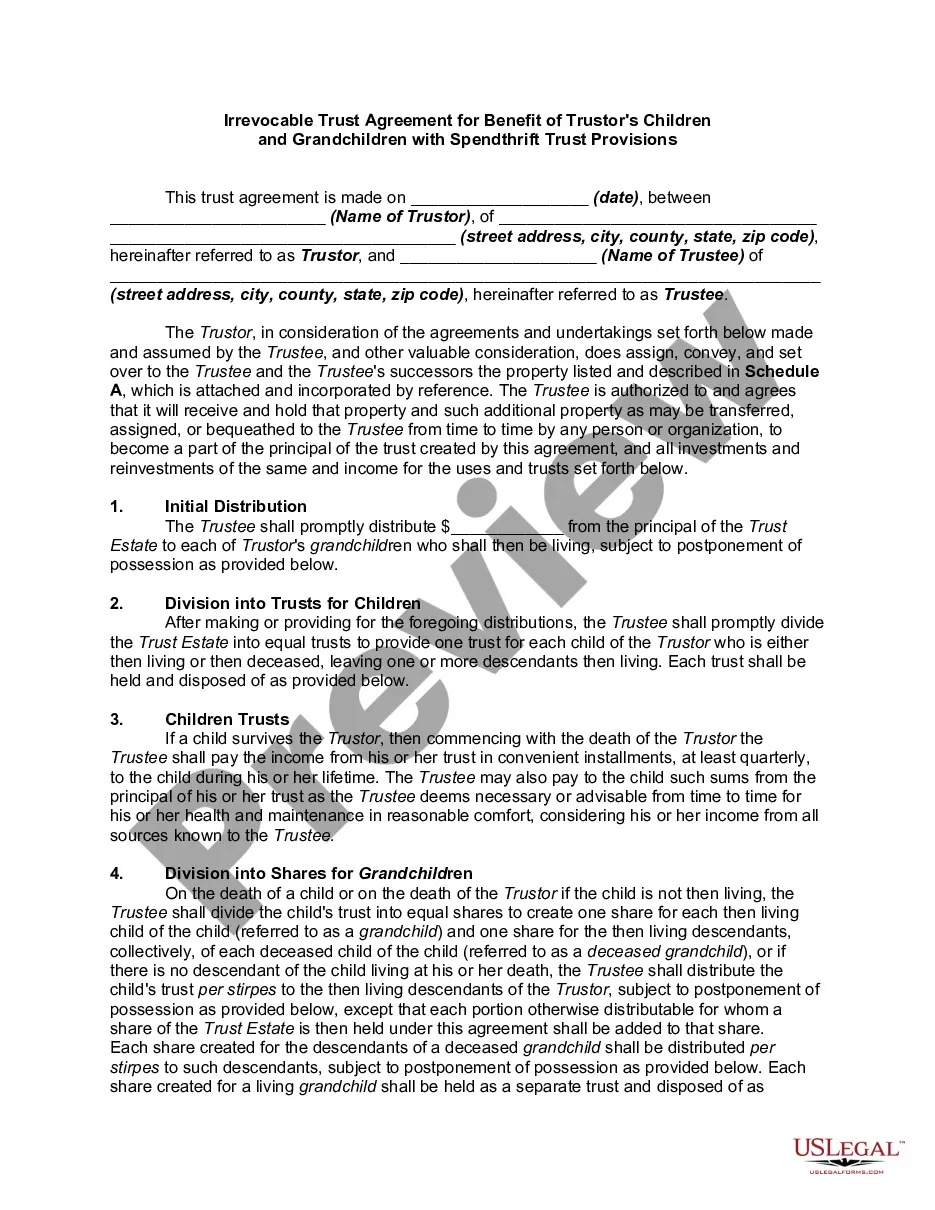
Get your form ready online
Our built-in tools help you complete, sign, share, and store your documents in one place.
Make edits, fill in missing information, and update formatting in US Legal Forms—just like you would in MS Word.
Download a copy, print it, send it by email, or mail it via USPS—whatever works best for your next step.
Sign and collect signatures with our SignNow integration. Send to multiple recipients, set reminders, and more. Go Premium to unlock E-Sign.
If this form requires notarization, complete it online through a secure video call—no need to meet a notary in person or wait for an appointment.
We protect your documents and personal data by following strict security and privacy standards.

Make edits, fill in missing information, and update formatting in US Legal Forms—just like you would in MS Word.

Download a copy, print it, send it by email, or mail it via USPS—whatever works best for your next step.

Sign and collect signatures with our SignNow integration. Send to multiple recipients, set reminders, and more. Go Premium to unlock E-Sign.

If this form requires notarization, complete it online through a secure video call—no need to meet a notary in person or wait for an appointment.

We protect your documents and personal data by following strict security and privacy standards.
Looking for another form?








How to fill out Irrevocable Trust Agreement For Benefit Of Trustor's Children And Grandchildren?
- If you are a returning user, log in to your account and download your desired template by clicking the Download button. Verify your subscription is active; if not, renew as per your payment plan.
- For first-time users, start by previewing the available forms and their descriptions to select the one that fulfills your requirements and complies with local jurisdiction laws.
- If the selected form doesn't meet your needs, use the Search bar to locate the appropriate template. Ensure it aligns with your specifications before proceeding.
- Proceed to purchase by clicking the Buy Now button, then choose your preferred subscription plan. You will need to register for an account to gain access to the extensive library.
- Finalize your purchase by entering your credit card information or using your PayPal account. Ensure all details are correct.
- Download the completed form and save it to your device. You can access it anytime in the My Forms section of your profile.
With US Legal Forms, individuals and attorneys can easily create legally sound documents through a vast library of over 85,000 editable forms. Our platform offers more forms than competitors, providing you with a variety of options tailored to your needs.
Ready to get started? Access your irrevocable trust form today and experience the efficiency of US Legal Forms!
Form popularity
FAQ
To write an irrevocable trust document effectively, start by identifying the grantor, beneficiaries, and the assets involved. Clearly outline the terms and conditions under which the trust will operate. Using an irrevocable trust form sample with answers can simplify this process, ensuring that your document meets legal standards and accurately reflects your wishes.
One of the most common mistakes parents make when establishing a trust fund is failing to communicate their intentions clearly. They often assume their beneficiaries understand the purpose and rules of the trust. Utilizing an irrevocable trust form sample with answers can help clarify your objectives and ensure your wishes are understood.
Yes, you can write your own irrevocable trust if you feel confident in your understanding of legal terms and requirements. However, it's advisable to use an irrevocable trust form sample with answers to ensure that you include all necessary provisions and comply with state laws. Consulting with a legal professional may also provide peace of mind.
Filing taxes for an irrevocable trust can seem complicated, but it follows a specific process. The trust must obtain a separate Tax Identification Number (TIN) and file Form 1041 annually. It’s crucial to understand these steps clearly, and an irrevocable trust form sample with answers can guide you through the tax obligations.
When creating an irrevocable trust, avoid putting assets that you may want to retain control over. This includes property that requires ongoing management or items that are subject to market fluctuations. By using an irrevocable trust form sample with answers, you can ensure you make informed decisions about which assets to transfer.
Recent IRS rules may affect how irrevocable trusts are managed and taxed. It's important to stay updated as these changes can influence tax liability and estate planning strategies. Utilizing an irrevocable trust form sample with answers can help you comply with the latest regulations while protecting your assets efficiently.
While it's challenging to avoid taxes entirely on an irrevocable trust, there are strategies to minimize them. One effective approach is to seek professional advice to ensure that the trust is structured to take advantage of tax benefits. Additionally, consider using an irrevocable trust form sample with answers to help you navigate potential tax strategies effectively.
Filling out an irrevocable trust requires careful attention to detail. Begin by gathering necessary information, such as all relevant assets and beneficiaries. You can use an irrevocable trust form sample with answers as a guide to ensure you include all essential sections, but it is advisable to have a lawyer review your document to ensure compliance with state laws.
Certain assets may not be ideal for placement in an irrevocable trust. For example, assets like your personal residence might be transferred into a trust, but they should be carefully considered in terms of tax implications and control. Use an irrevocable trust form sample with answers to clearly outline which assets you want to include and seek legal advice to avoid mistakes.
The IRS can potentially access assets in an irrevocable trust, including your house, if you owe taxes. However, placing your home in this type of trust generally protects it from creditors, including the IRS, if properly structured. It's critical to consult a legal expert to understand the implications and ensure that your irrevocable trust form sample is set up correctly.