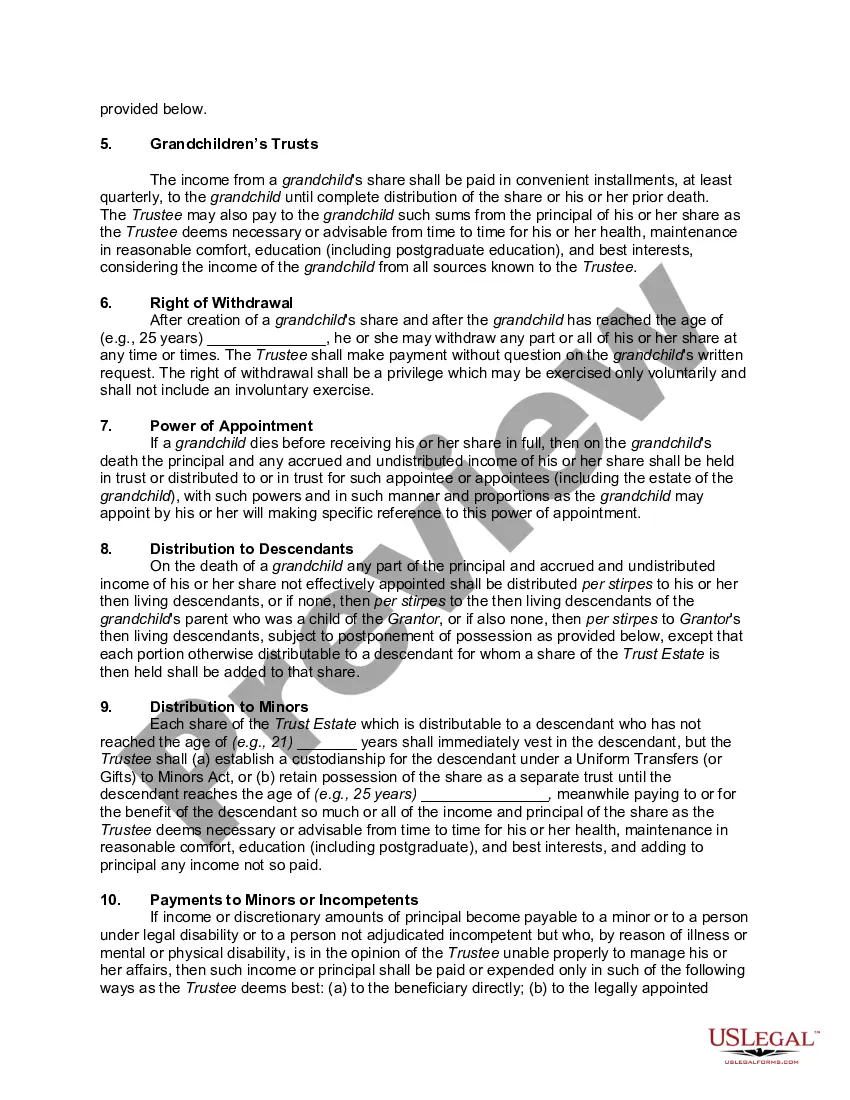
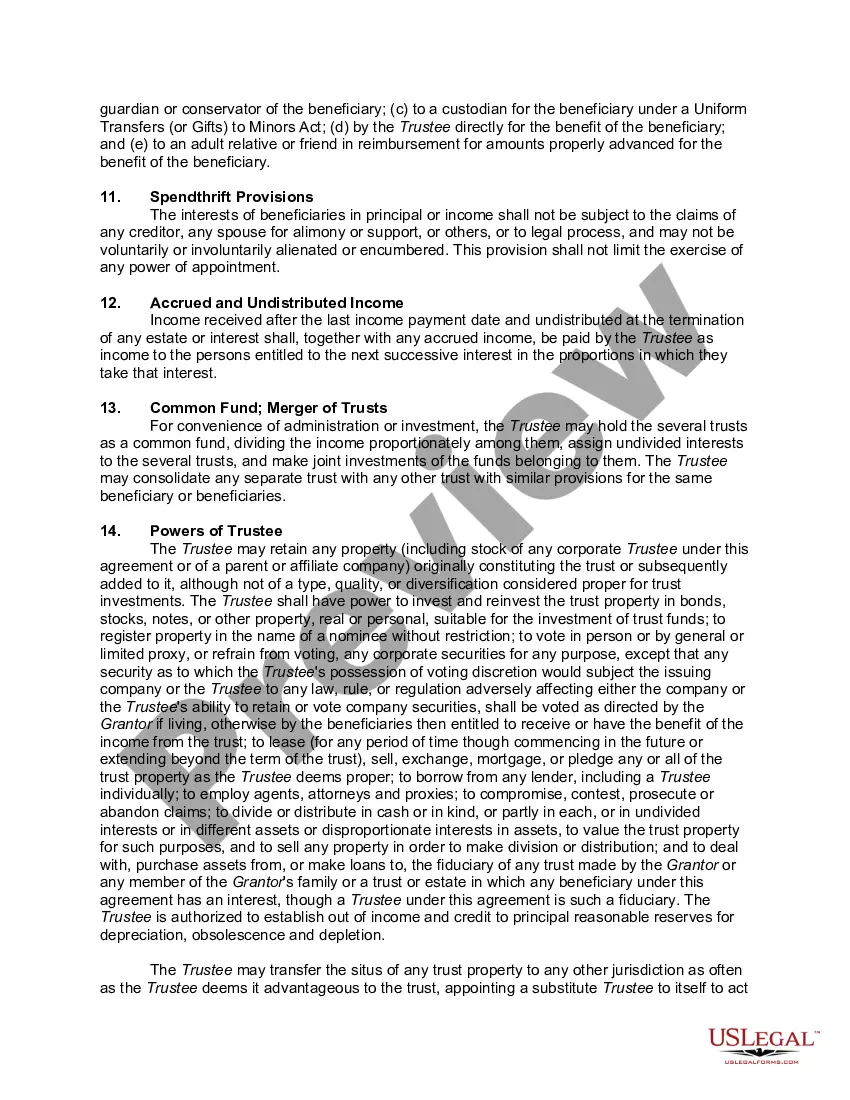
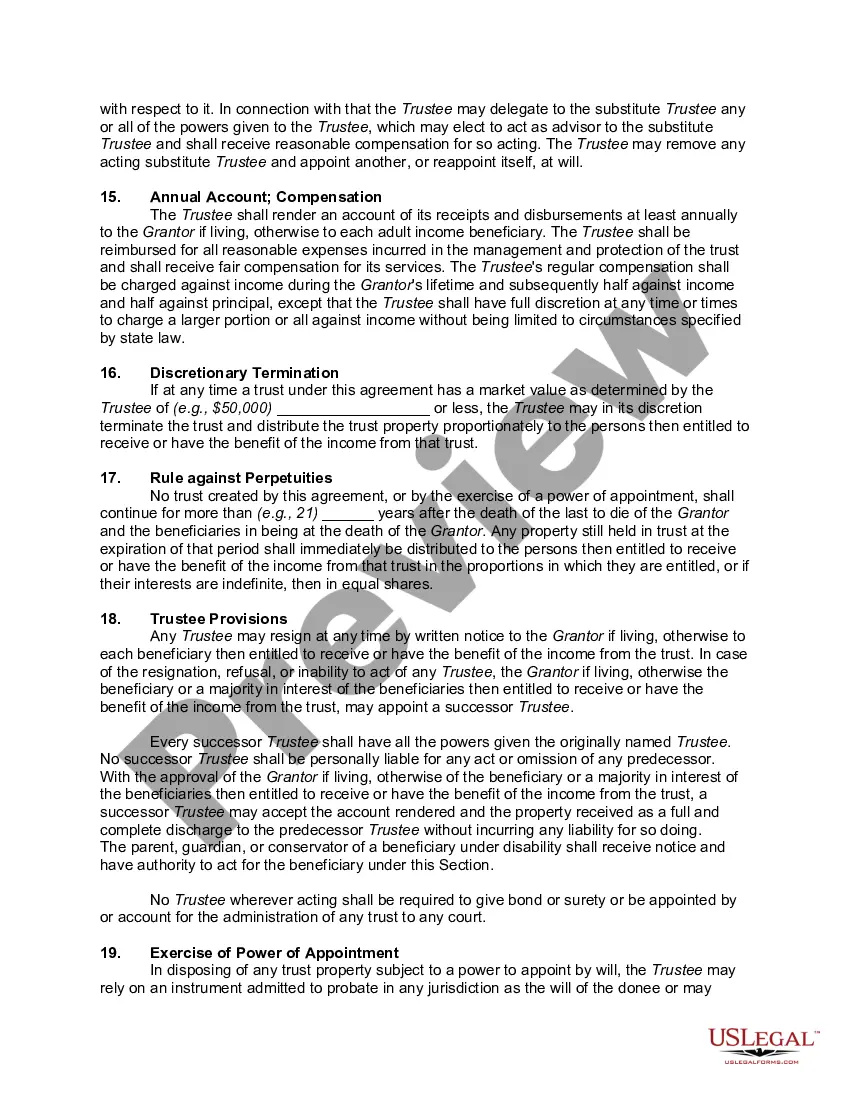
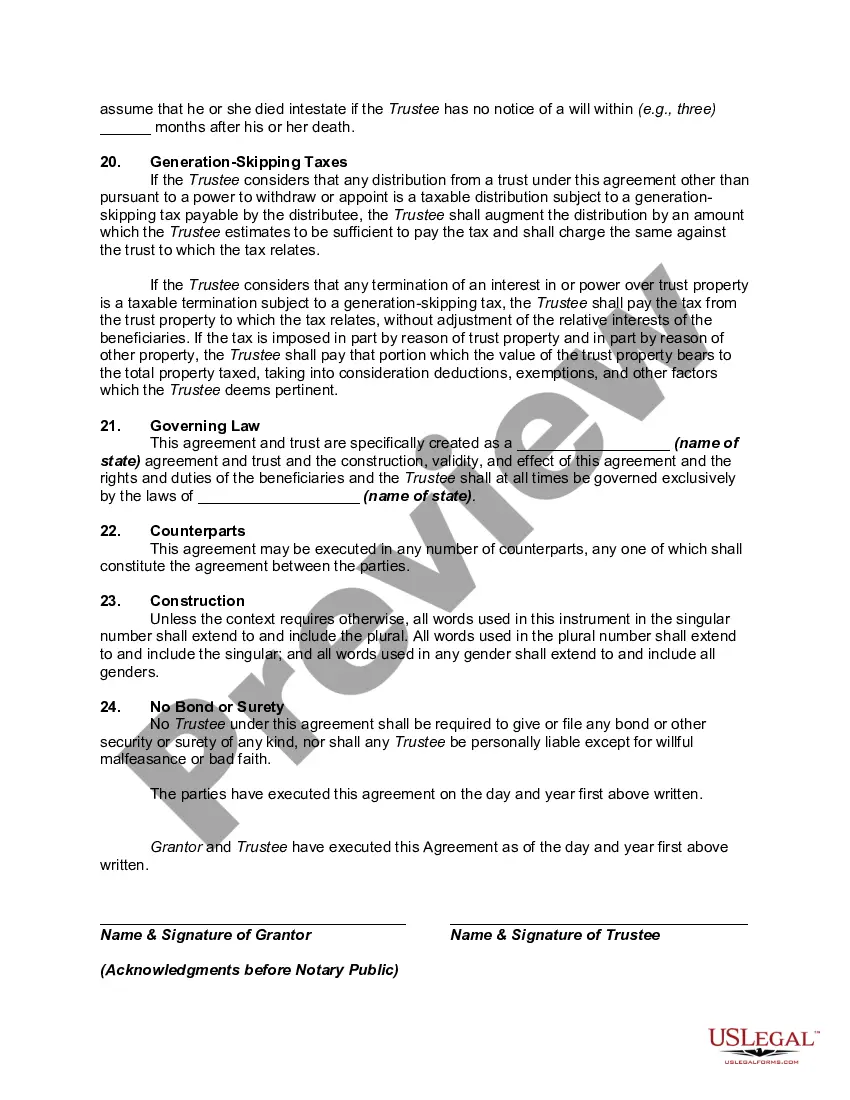
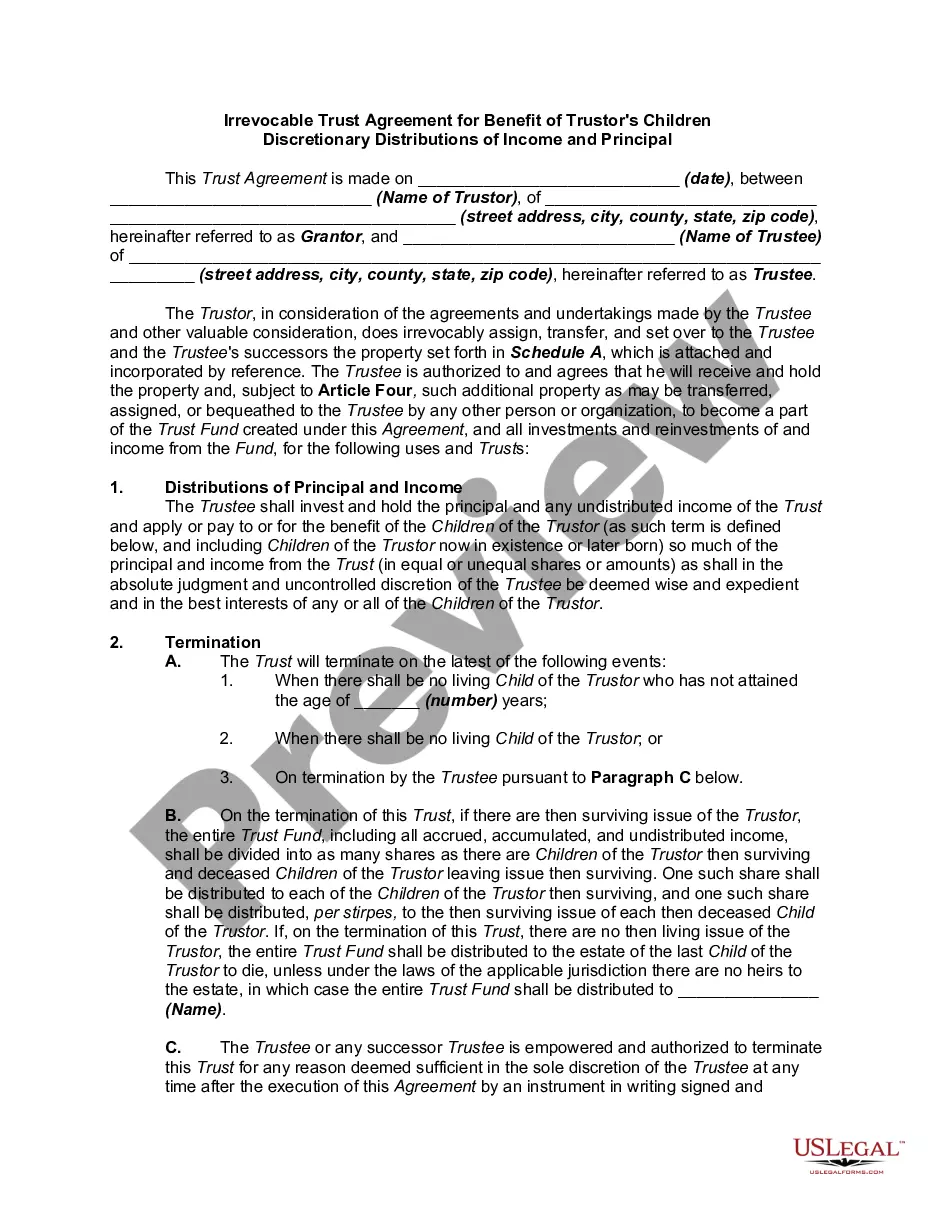
Irrevocable Trust Benefit Trustors Withdrawal
Description





Get your form ready online
Our built-in tools help you complete, sign, share, and store your documents in one place.
Make edits, fill in missing information, and update formatting in US Legal Forms—just like you would in MS Word.
Download a copy, print it, send it by email, or mail it via USPS—whatever works best for your next step.
Sign and collect signatures with our SignNow integration. Send to multiple recipients, set reminders, and more. Go Premium to unlock E-Sign.
If this form requires notarization, complete it online through a secure video call—no need to meet a notary in person or wait for an appointment.
We protect your documents and personal data by following strict security and privacy standards.

Make edits, fill in missing information, and update formatting in US Legal Forms—just like you would in MS Word.

Download a copy, print it, send it by email, or mail it via USPS—whatever works best for your next step.

Sign and collect signatures with our SignNow integration. Send to multiple recipients, set reminders, and more. Go Premium to unlock E-Sign.

If this form requires notarization, complete it online through a secure video call—no need to meet a notary in person or wait for an appointment.

We protect your documents and personal data by following strict security and privacy standards.
Looking for another form?





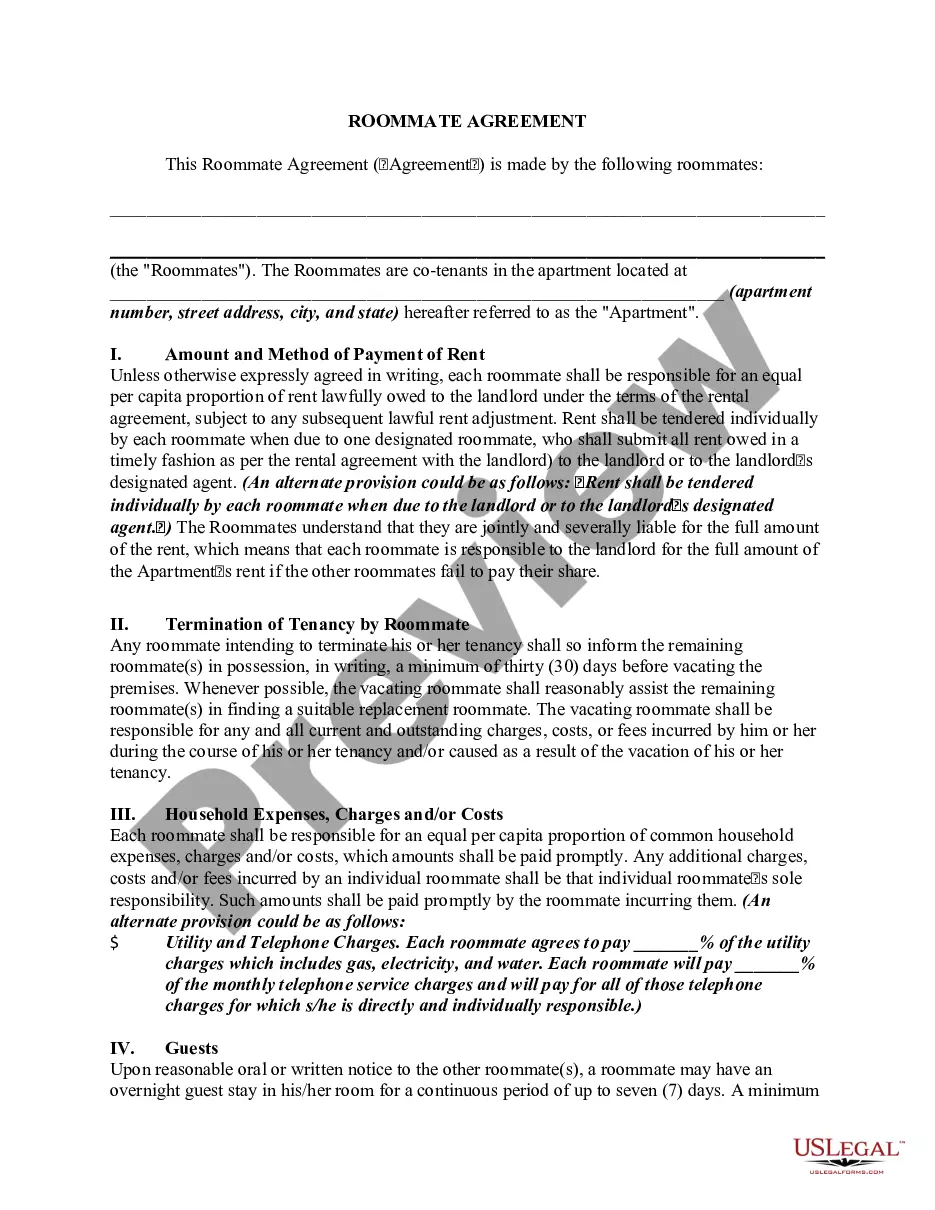




How to fill out Irrevocable Trust Agreement For Benefit Of Trustor's Children And Grandchildren?
Whether for professional objectives or personal issues, everyone must address legal matters at some stage in their existence.
Completing legal paperwork requires meticulous care, beginning with choosing the correct form template. For instance, selecting the incorrect version of an Irrevocable Trust Benefit Trustors Withdrawal will lead to its rejection upon submission.
With an extensive US Legal Forms library available, you do not need to waste time searching online for the right template. Utilize the library’s straightforward navigation to discover the correct form for any circumstance.
- Obtain the document you require using the search bar or through catalog browsing.
- Review the description of the form to confirm its suitability for your circumstances, state, and county.
- Select the form's preview to inspect it.
- If it is not the correct form, return to the search tool to locate the Irrevocable Trust Benefit Trustors Withdrawal template you need.
- Download the document if it fulfills your needs.
- If you already possess a US Legal Forms account, simply click Log in to retrieve previously stored files in My documents.
- If you do not have an account yet, you can download the form by selecting Buy now.
- Select the suitable pricing choice.
- Complete the account registration form.
- Choose your payment method: utilize a debit/credit card or a PayPal account.
- Select the desired file format and download the Irrevocable Trust Benefit Trustors Withdrawal.
- Once it is downloaded, you can fill out the form using editing software or print it and complete it by hand.
Form popularity
FAQ
Getting out of an irrevocable trust is challenging, but it may be possible under specific circumstances. You may need to seek court approval or negotiate with beneficiaries. Given this complex nature, working with legal resources like USLegalForms can provide necessary guidance in exploring your options in the context of irrevocable trust benefit trustors withdrawal.
When a trustee needs to withdraw money to fulfill their duties, they can use the bank account to write checks, withdraw cash, or complete wire transfers. It is imperative to note that trustees are responsible for managing all withdrawals of money from a trust account.
Yes, a beneficiary can borrow money from an irrevocable trust, but only if the trust document allows for it. Unlike revocable trusts which can be amended or terminated, irrevocable trusts cannot be changed once established or once the original trustee(s) has passed.
The trustee of an irrevocable trust can only withdraw money to use for the benefit of the trust ing to terms set by the grantor, like disbursing income to beneficiaries or paying maintenance costs, and never for personal use.
With an irrevocable trust, the transfer of assets is permanent. So once the trust is created and assets are transferred, they generally can't be taken out again. You can still act as the trustee but you'd be limited to withdrawing money only on an as-needed basis to cover necessary expenses.
When trust beneficiaries receive distributions from the trust's principal balance, they don't have to pay taxes on this disbursement. The Internal Revenue Service (IRS) assumes this money was taxed before being placed into the trust. Gains on the trust are taxable as income to the beneficiary or the trust.