Irrevocable Trust 1041
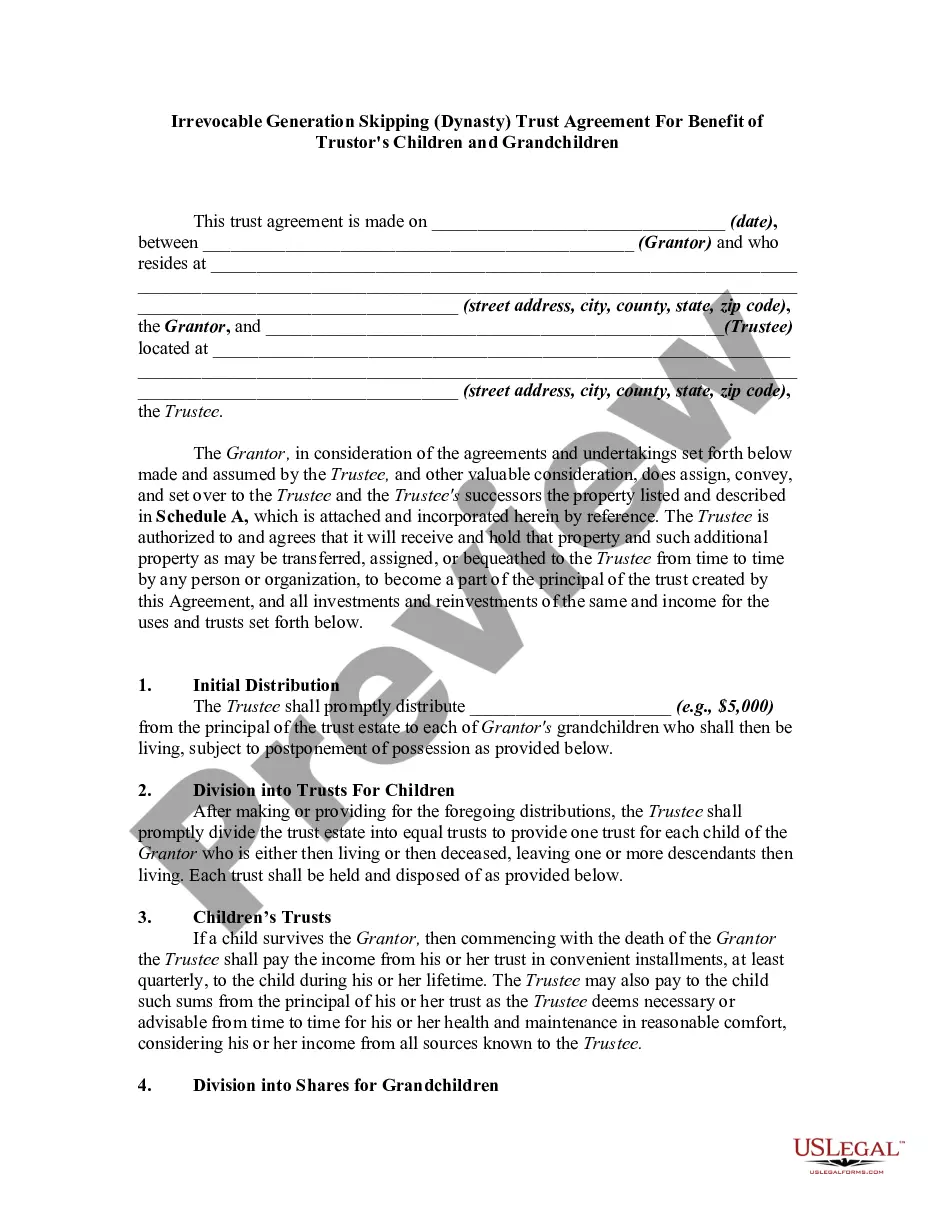
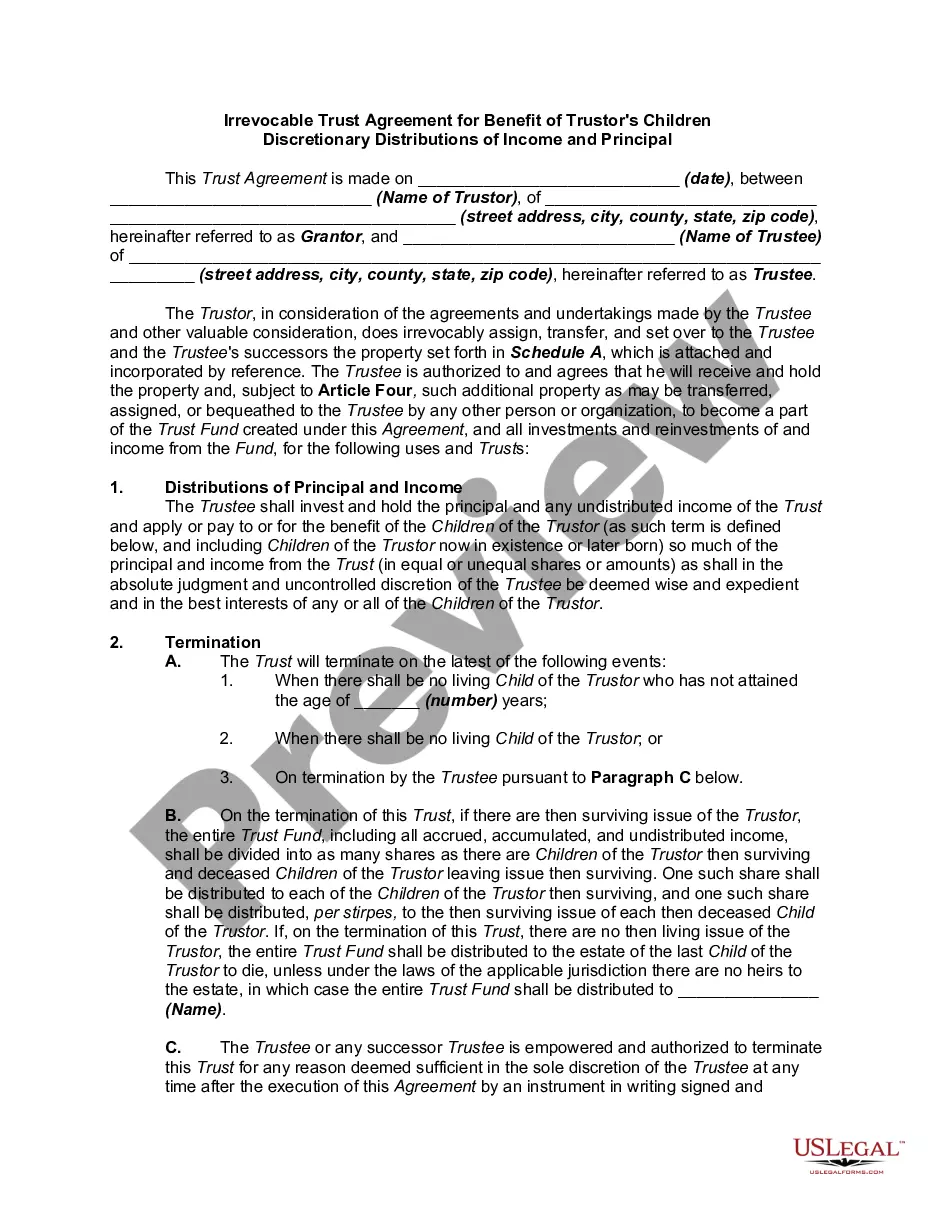
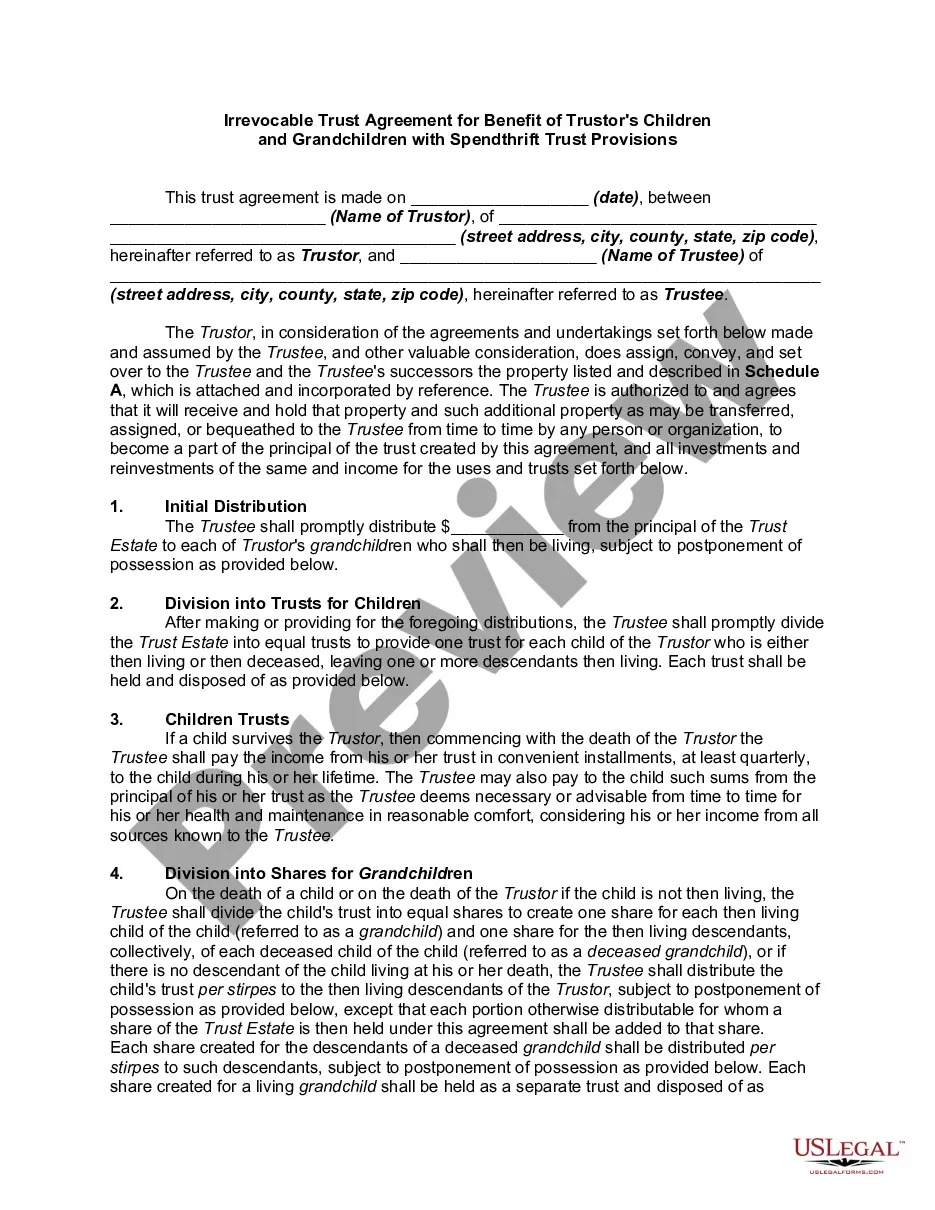
Description



Get your form ready online
Our built-in tools help you complete, sign, share, and store your documents in one place.
Make edits, fill in missing information, and update formatting in US Legal Forms—just like you would in MS Word.
Download a copy, print it, send it by email, or mail it via USPS—whatever works best for your next step.
Sign and collect signatures with our SignNow integration. Send to multiple recipients, set reminders, and more. Go Premium to unlock E-Sign.
If this form requires notarization, complete it online through a secure video call—no need to meet a notary in person or wait for an appointment.
We protect your documents and personal data by following strict security and privacy standards.

Make edits, fill in missing information, and update formatting in US Legal Forms—just like you would in MS Word.

Download a copy, print it, send it by email, or mail it via USPS—whatever works best for your next step.

Sign and collect signatures with our SignNow integration. Send to multiple recipients, set reminders, and more. Go Premium to unlock E-Sign.

If this form requires notarization, complete it online through a secure video call—no need to meet a notary in person or wait for an appointment.

We protect your documents and personal data by following strict security and privacy standards.
Looking for another form?
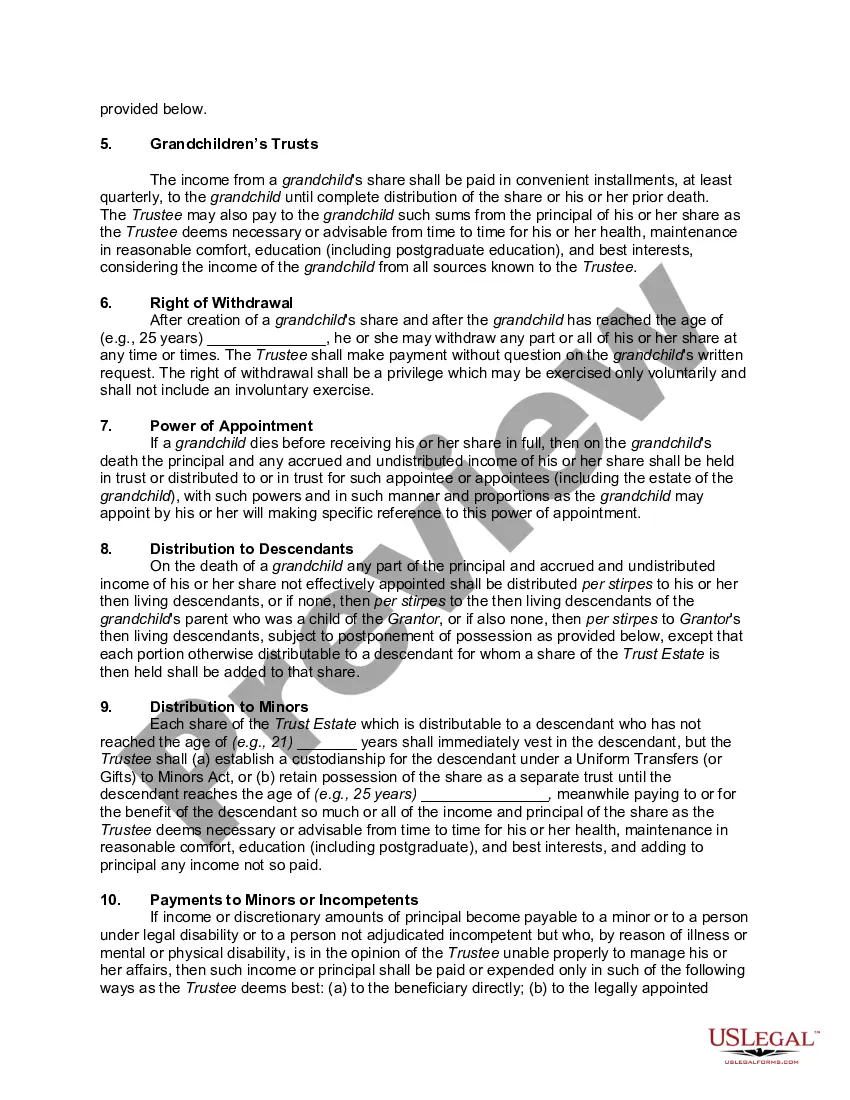
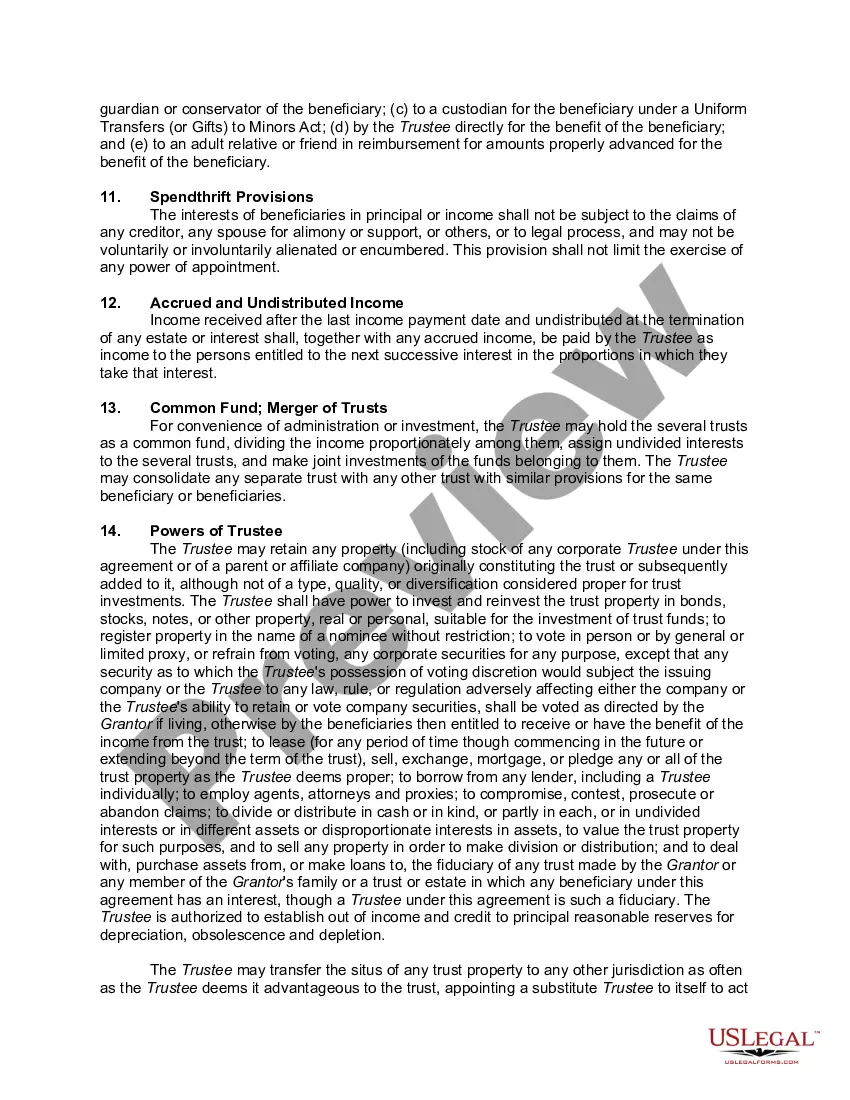
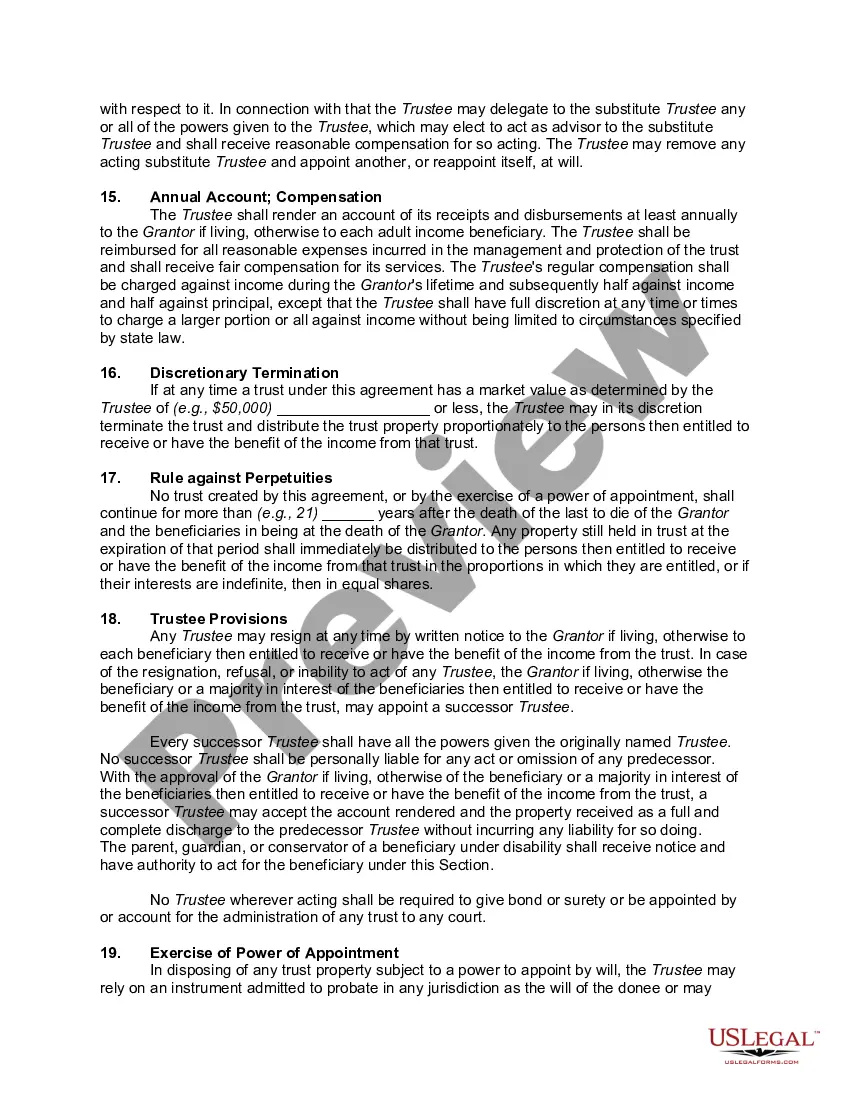
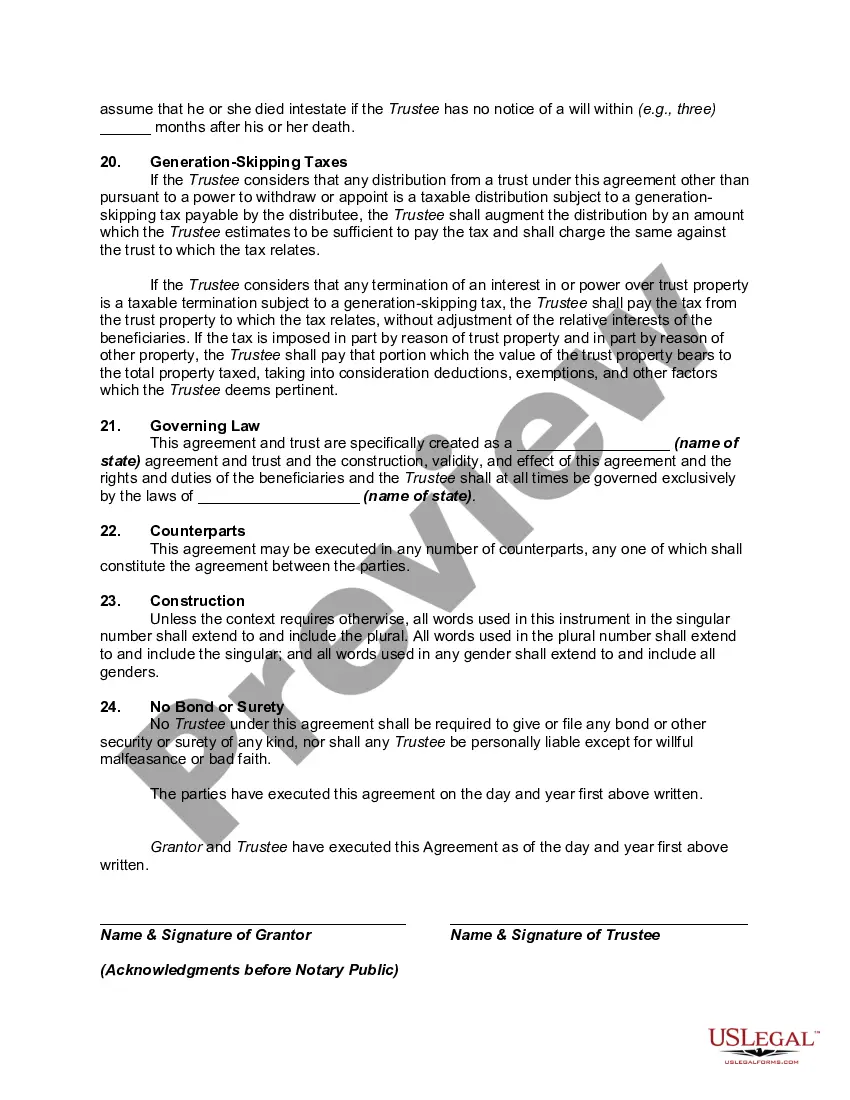
How to fill out Irrevocable Trust Agreement For Benefit Of Trustor's Children And Grandchildren?
- If you're an existing user, log into your account to access and download the required form by clicking the Download button. Ensure your subscription is currently active; if it's expired, renew it as per your payment plan.
- If this is your first time using our service, begin by exploring the Preview mode and reviewing the form description. Make sure you select the correct document that meets your specific needs and aligns with your local jurisdiction's requirements.
- If necessary, use the Search tab to locate another template. If you identify any inconsistencies, find the right form before proceeding to the next step.
- Purchase the document by clicking the Buy Now button and selecting a subscription plan that suits you. You will need to register for an account to access the extensive library of legal forms.
- Complete your payment by entering your credit card details or utilizing your PayPal account for a smooth transaction.
- Download the form to your device, and you can revisit it anytime from the My Forms section in your profile.
Using US Legal Forms equips you with over 85,000 fillable legal documents and packages, empowering you to execute your legal needs swiftly and efficiently.
Take the next step in your estate planning today by visiting US Legal Forms and streamline your document preparation process!
Form popularity
FAQ
Generally, an irrevocable trust does not need to be filed with the court unless there is a dispute or need for judicial oversight. This type of trust typically operates outside of court supervision, which provides privacy benefits. However, certain states may have specific rules regarding trust registration, so it's essential to check local laws. If you're uncertain, consulting US Legal Forms for resources and documents can help you ensure proper compliance.
Yes, an irrevocable trust can receive a Form 1099 if it generates taxable income. This form is used to report various incomes, including dividends and interest, on behalf of the trust. As the trustee, you must ensure that all income is reported accurately on IRS Form 1041. Using resources from US Legal Forms can help you navigate these requirements and ensure compliance.
You can obtain IRS Form 1041 from the IRS website or through tax preparation software. This tax form is essential for reporting income generated by your irrevocable trust. Additionally, some legal service platforms, like US Legal Forms, offer easy access to the form and helpful filing instructions. This can simplify the process for you.
Yes, you can set up an irrevocable trust yourself, but it may be best to consult with a legal professional. Creating a trust involves various legal requirements that must be met for it to be valid. A well-drafted trust helps avoid complications in the future. US Legal Forms provides templates and guidance, making it easier for you to create your irrevocable trust properly.
You should file your irrevocable trust using IRS Form 1041 if the trust generates income. This form allows the IRS to assess the trust's tax obligations. Additionally, you need to file the form in the state where the trust was created. If you're unclear about the process, consider using the services available on US Legal Forms to ensure you handle everything correctly.
The IRS updates its rules from time to time, but the core requirements around irrevocable trusts and form 1041 remain consistent. Recent rulings emphasize clarity in reporting income generated by these trusts, which is vital for compliance. Staying informed about any new IRS guidelines can help you manage your irrevocable trust efficiently. For detailed insights, platforms like US Legal Forms can provide excellent resources.
Generally, the IRS cannot take a house in an irrevocable trust if the trust is correctly set up and managed. Since the assets placed in an irrevocable trust are no longer owned by the grantor, they are shielded from the grantor’s creditors, including the IRS. However, understanding the specific circumstances is essential, and consulting with a legal expert can guide you effectively.
Yes, an irrevocable trust must file form 1041 if it has any taxable income. Unlike revocable trusts, irrevocable trusts are separate tax entities, which means they report their own income on this form. If you manage an irrevocable trust, it’s crucial to stay updated on the filing requirements to avoid any potential issues with the IRS.
An irrevocable trust must file form 1041 if it generates income. This form is a tax return used to report income for estates and trusts. If your irrevocable trust earns taxable income, you must complete and submit this form to the IRS, ensuring compliance with tax regulations. Using a platform like US Legal Forms can simplify the process of filing form 1041.
Filling out an irrevocable trust involves several steps, including deciding the type of assets to include and identifying the beneficiaries. You will need to create a trust document that outlines the terms and conditions of the trust. With tools and guides from US Legal Forms, you can ensure that your Irrevocable Trust is completed accurately, protecting your assets and fulfilling your estate planning goals.