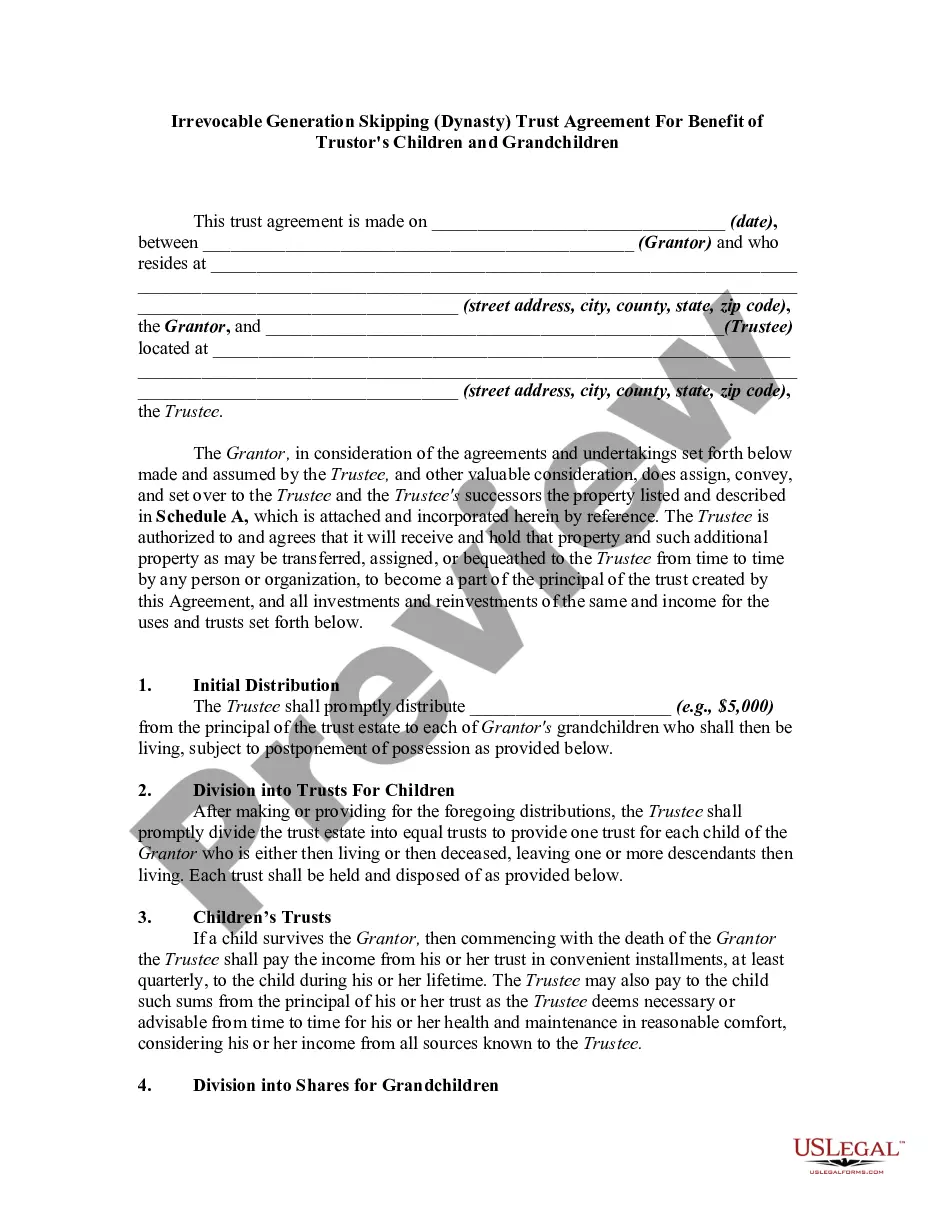
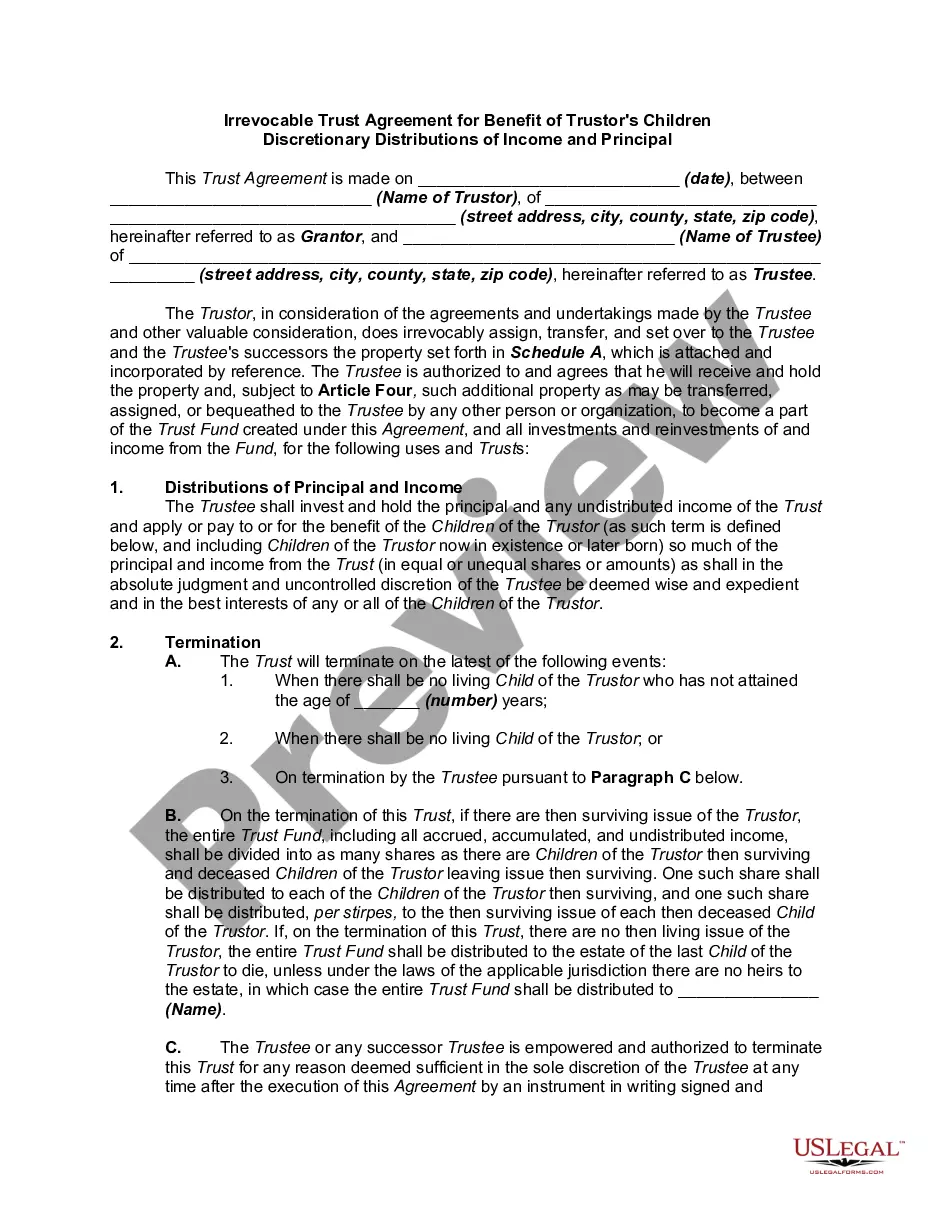
Irrevocable Form Trust With Life Estate
Description

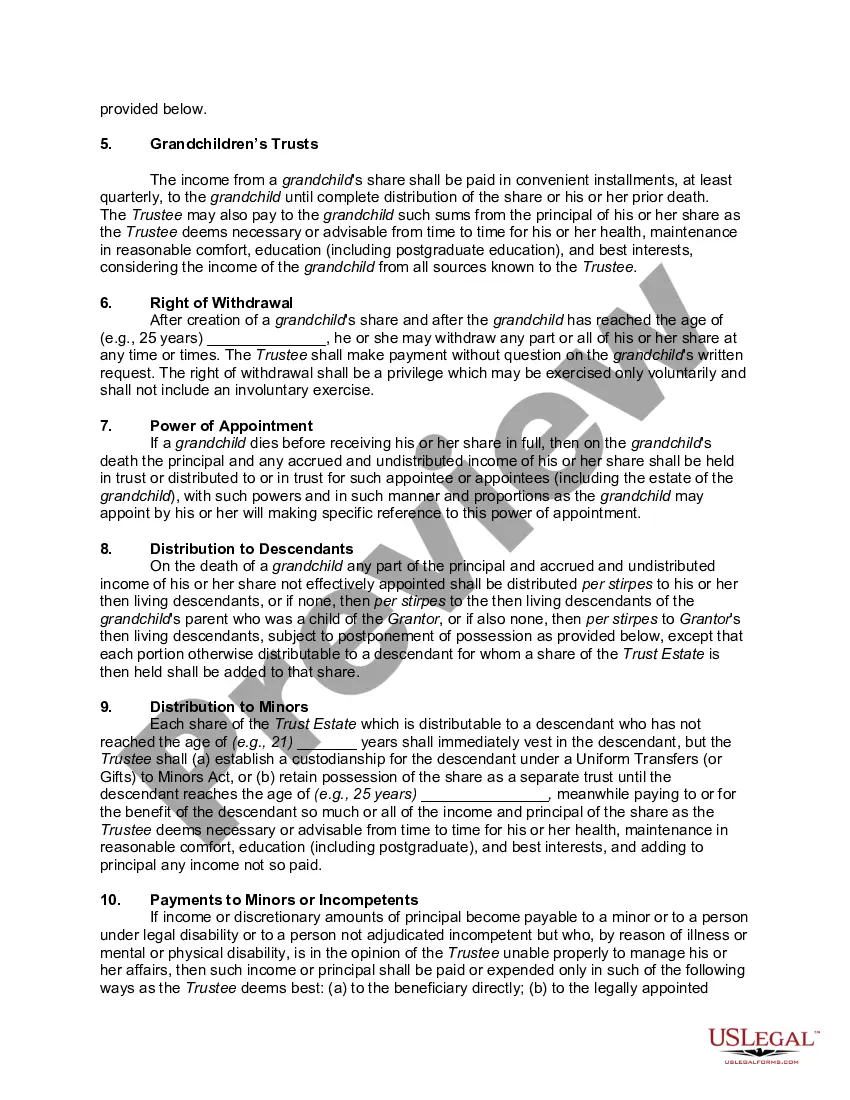
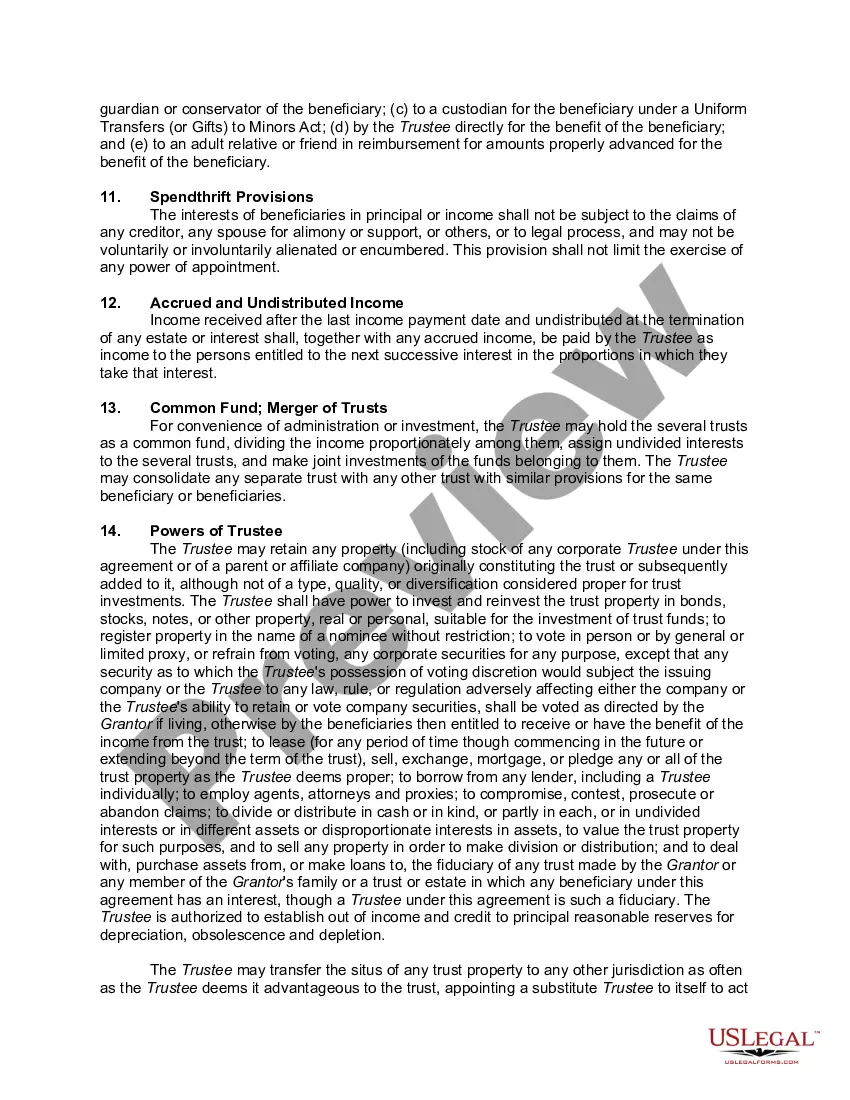
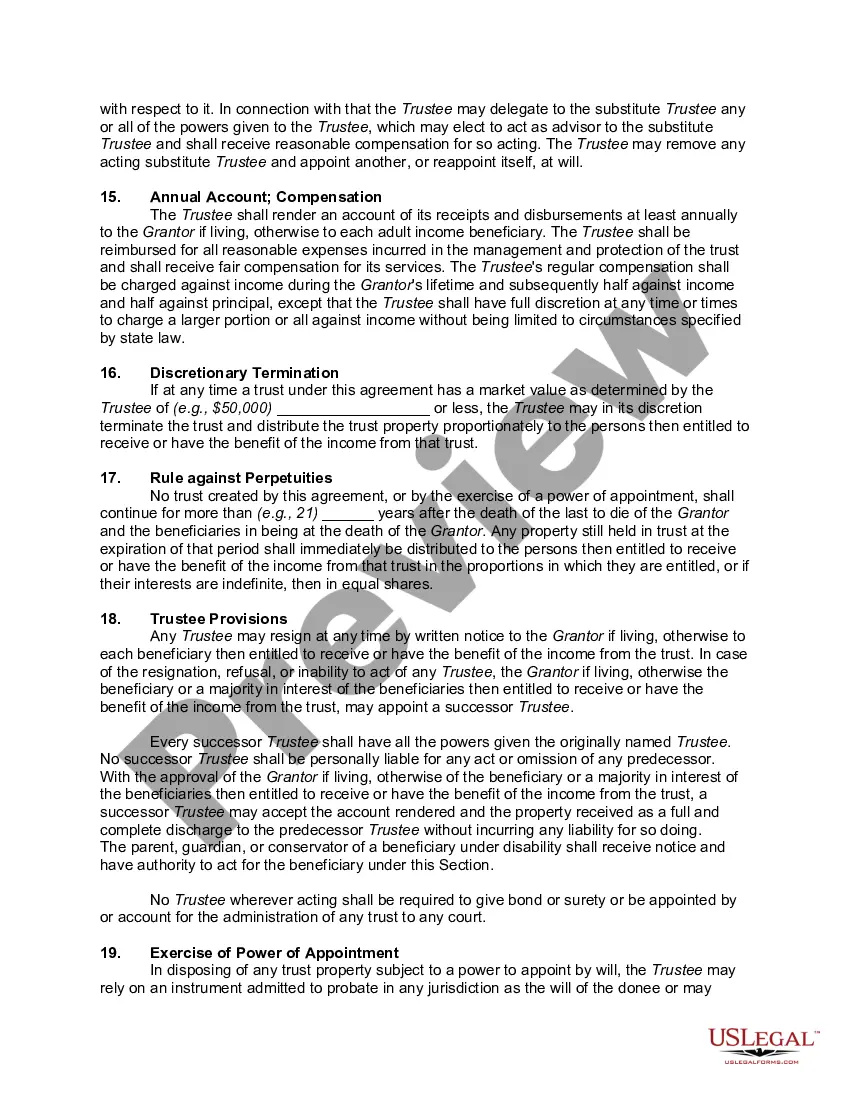
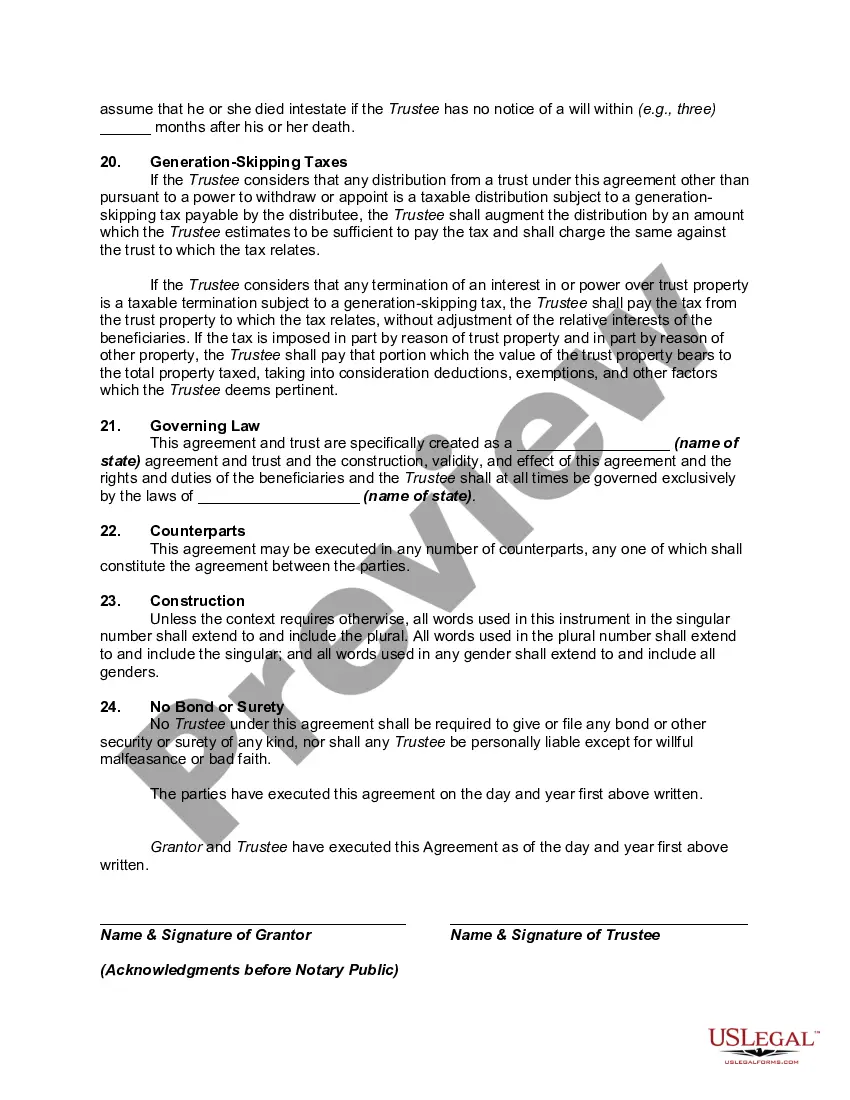



Get your form ready online
Our built-in tools help you complete, sign, share, and store your documents in one place.
Make edits, fill in missing information, and update formatting in US Legal Forms—just like you would in MS Word.
Download a copy, print it, send it by email, or mail it via USPS—whatever works best for your next step.
Sign and collect signatures with our SignNow integration. Send to multiple recipients, set reminders, and more. Go Premium to unlock E-Sign.
If this form requires notarization, complete it online through a secure video call—no need to meet a notary in person or wait for an appointment.
We protect your documents and personal data by following strict security and privacy standards.

Make edits, fill in missing information, and update formatting in US Legal Forms—just like you would in MS Word.

Download a copy, print it, send it by email, or mail it via USPS—whatever works best for your next step.

Sign and collect signatures with our SignNow integration. Send to multiple recipients, set reminders, and more. Go Premium to unlock E-Sign.

If this form requires notarization, complete it online through a secure video call—no need to meet a notary in person or wait for an appointment.

We protect your documents and personal data by following strict security and privacy standards.
Looking for another form?








How to fill out Irrevocable Trust Agreement For Benefit Of Trustor's Children And Grandchildren?
Identifying a reliable source to obtain the latest and pertinent legal samples is half the battle when dealing with bureaucracy.
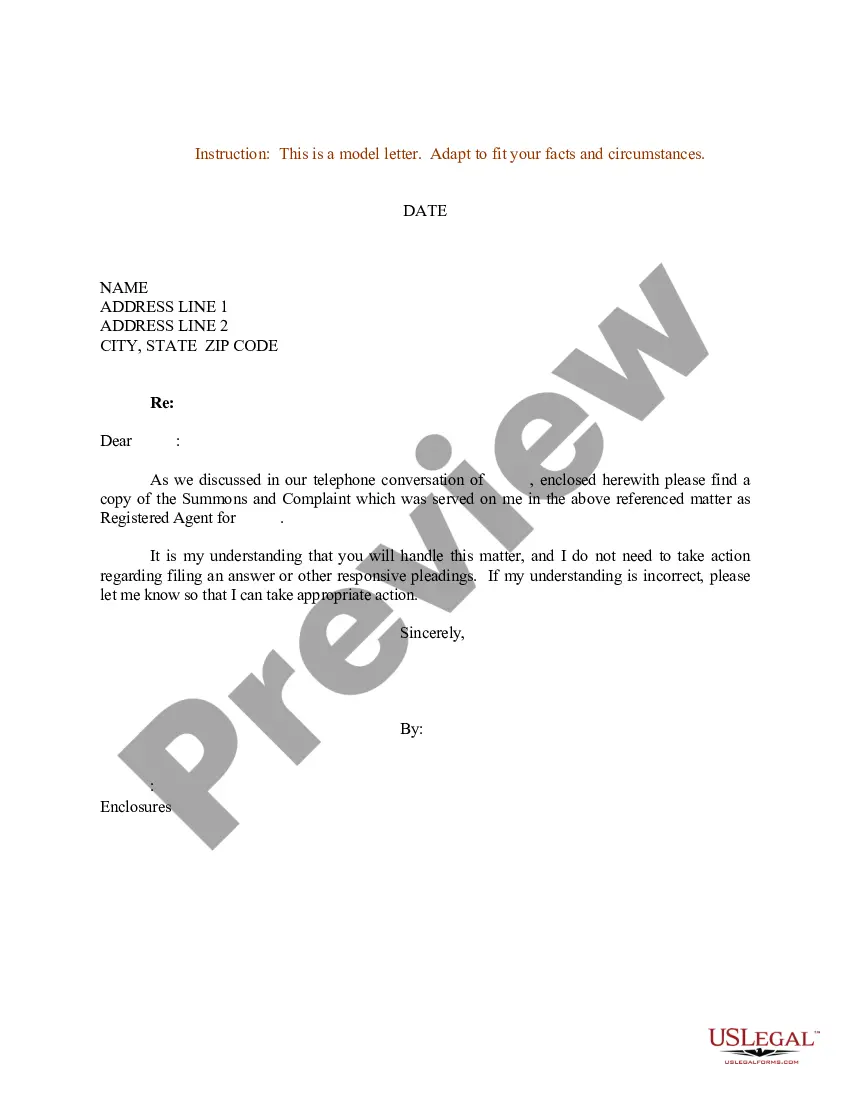
Finding the correct legal document requirements with precision and carefulness is essential, which is why it's crucial to source Irrevocable Form Trust With Life Estate exclusively from trustworthy providers, such as US Legal Forms. An incorrect template can waste time and hinder the situation you are facing.
Once you have the form saved on your device, you may modify it using the editor or print it out to complete it manually. Eliminate the stress associated with your legal paperwork. Browse the vast US Legal Forms library where you can discover legal samples, assess their applicability to your situation, and download them immediately.
- Use the catalog navigation or search bar to find your sample.
- Access the form’s details to verify its compliance with the regulations of your state and locality.
- View the form preview, if available, to ensure it matches your interests.
- Return to the search to locate the proper template if the Irrevocable Form Trust With Life Estate does not meet your needs.
- When you are confident about the form's relevance, proceed to download it.
- If you are an authorized user, click Log in to verify and access your chosen forms in My documents.
- If you haven't registered yet, click Buy now to acquire the template.
- Select the pricing option that meets your requirements.
- Continue to the registration process to finalize your purchase.
- Complete your transaction by choosing a payment method (credit card or PayPal).
- Decide on the format for downloading the Irrevocable Form Trust With Life Estate.
Form popularity
FAQ
To transfer a life insurance policy to an irrevocable trust, you will need to change the ownership of the policy from your name to the trust. This process is crucial when using an irrevocable form trust with life estate, as it helps remove the policy’s value from your taxable estate. Consulting with a financial advisor during this transfer can help clarify any implications and confirm compliance with tax regulations.
An irrevocable trust is a type of trust that cannot be modified or revoked once it is established. A common example is an irrevocable form trust with life estate, where the grantor transfers assets to the trust and retains the right to live in the property during their lifetime. This setup provides tax benefits and protects the assets from creditors, making it a valuable estate planning tool.
The trustee can write the beneficiary a check, give them cash, and transfer real estate by drawing up a new deed or selling the house and giving them the proceeds.
An irrevocable trust is a separate legal entity that takes ownership of your assets and manages them on behalf of beneficiaries. A life estate is simply a deed of ownership that lets you retain partial ownership of a property during your lifetime before passing the property on to another after you pass.
An irrevocable trust is a separate legal entity that takes ownership of your assets and manages them on behalf of beneficiaries. A life estate is simply a deed of ownership that lets you retain partial ownership of a property during your lifetime before passing the property on to another after you pass.
Transferring large assets, such as a home, into a life estate or irrevocable trust can help an individual qualify for Medicaid, although this can depend on state law. Life estates split ownership between the giver and receiver. An irrevocable trust allows an individual to give away part of an asset.
What Should I Avoid with My Irrevocable Trust? Use trust funds to pay for personal expenses. Use trust funds to pay for monthly bills, such as phone bills or utilities. Use trust assets to purchase vehicles. Gift assets from the trust to beneficiaries. Transfer assets into the trust without consulting your lawyer.