Irrevocable Form Trust With Employees
Description

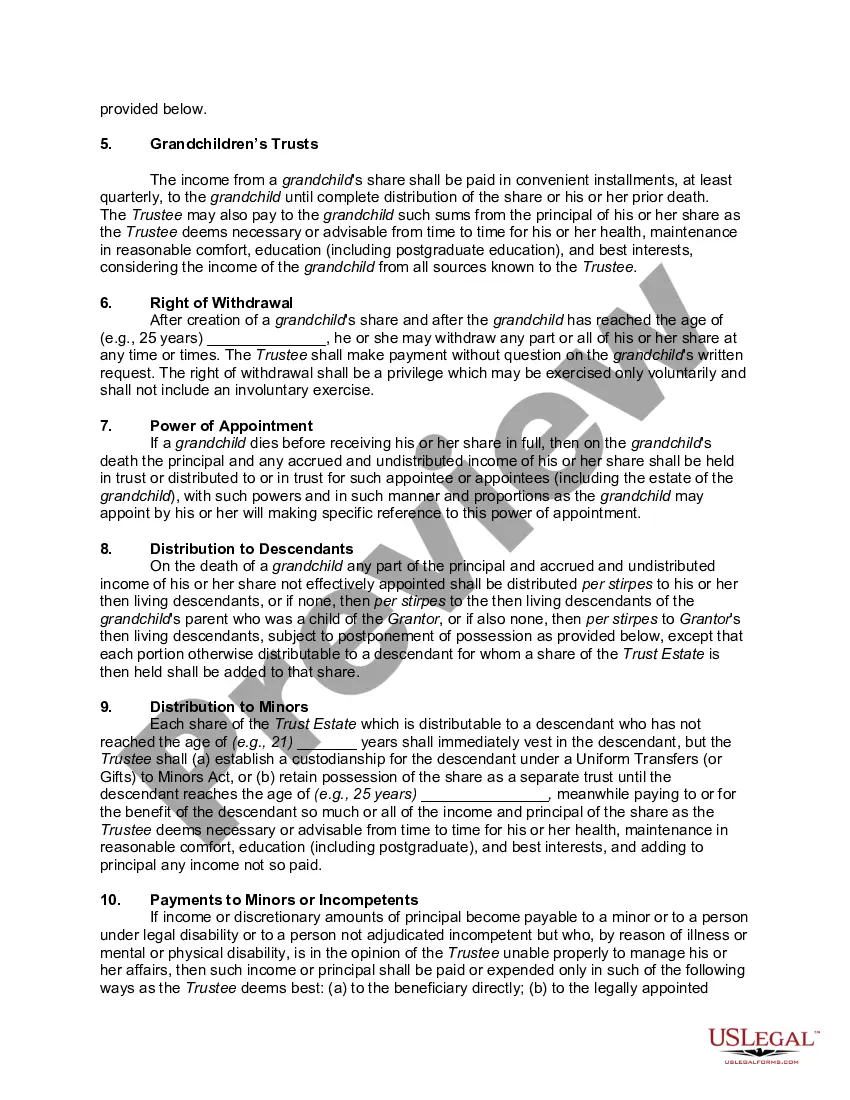
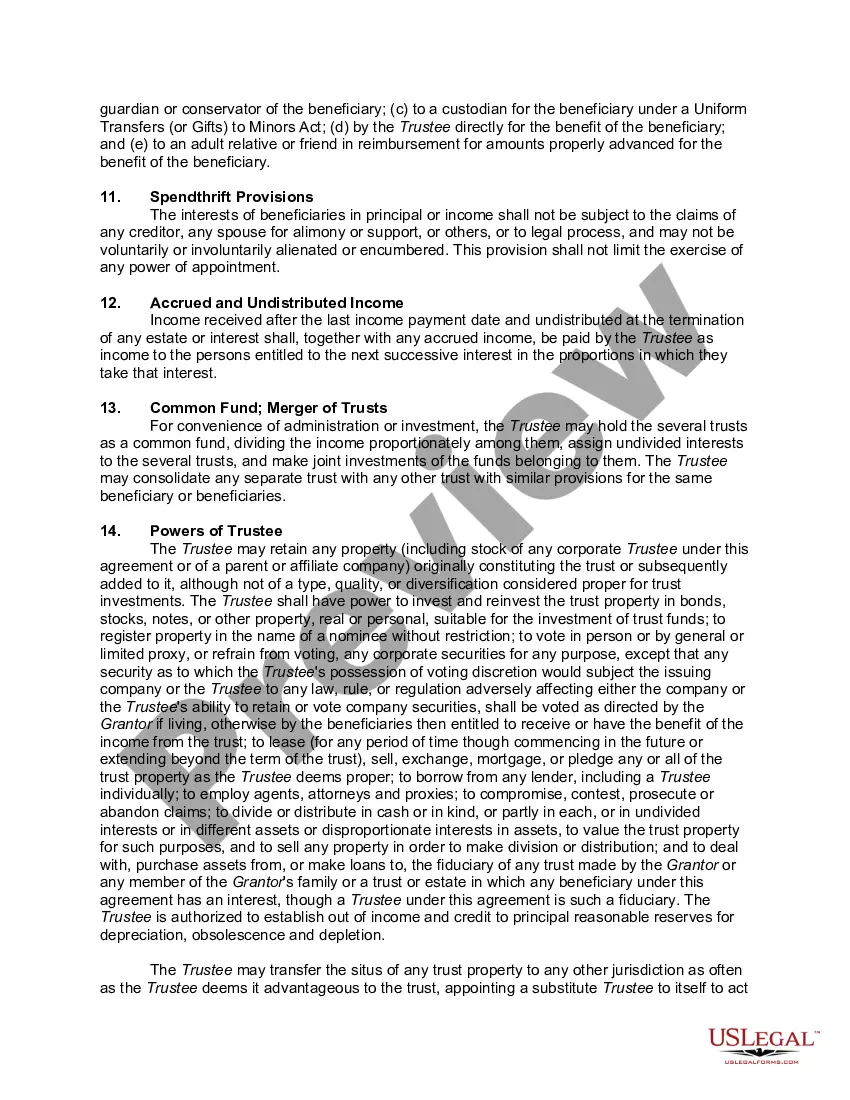
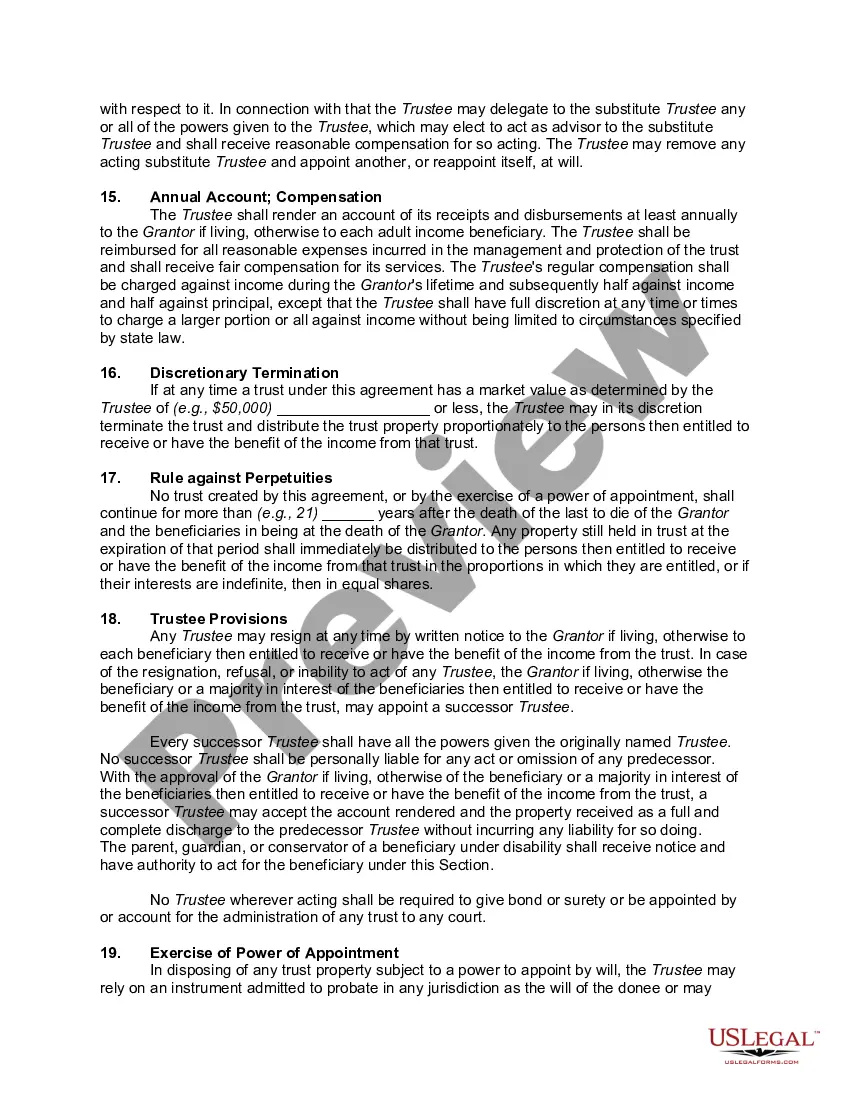
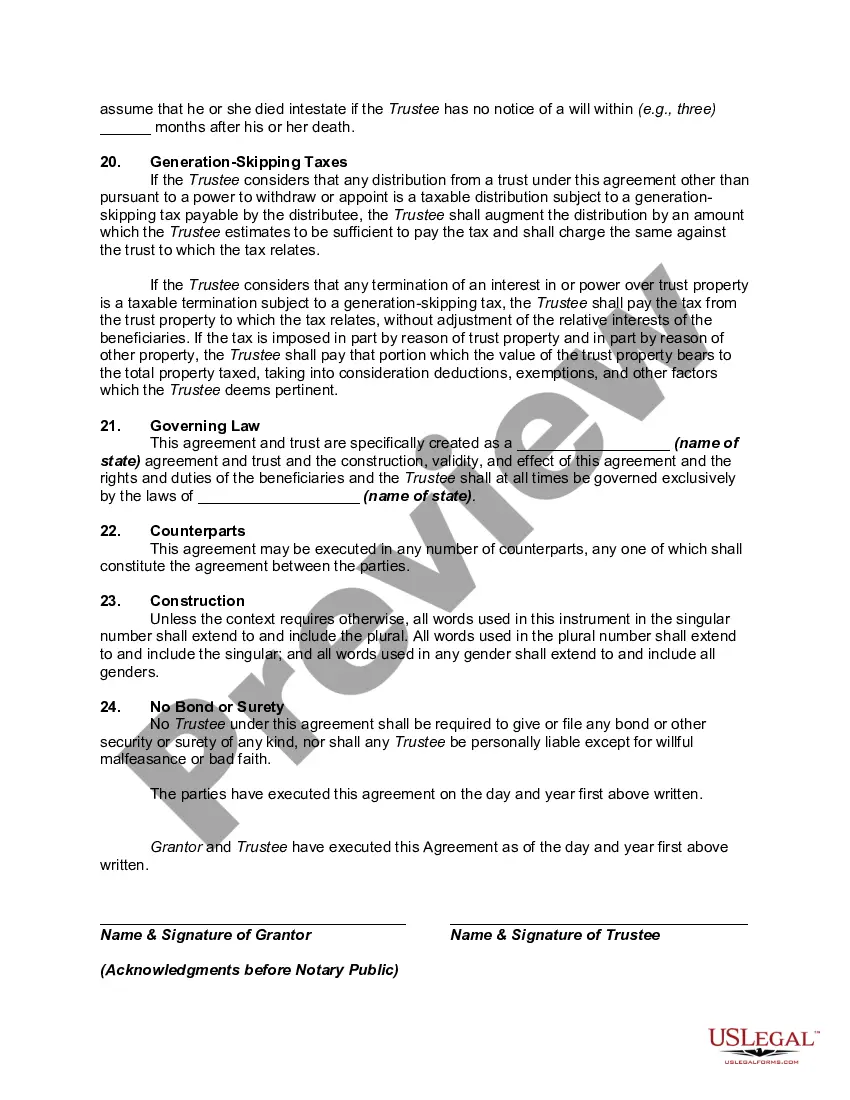

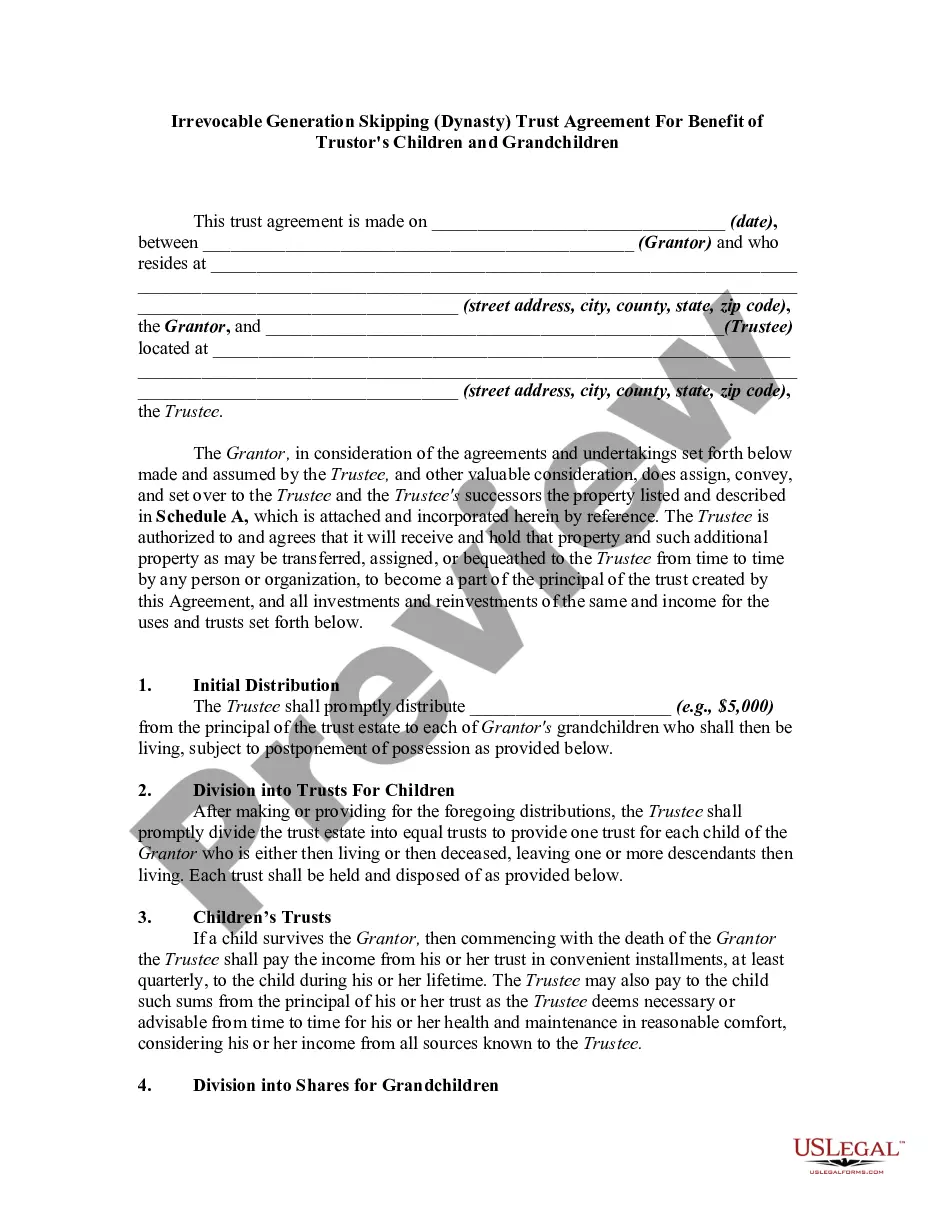
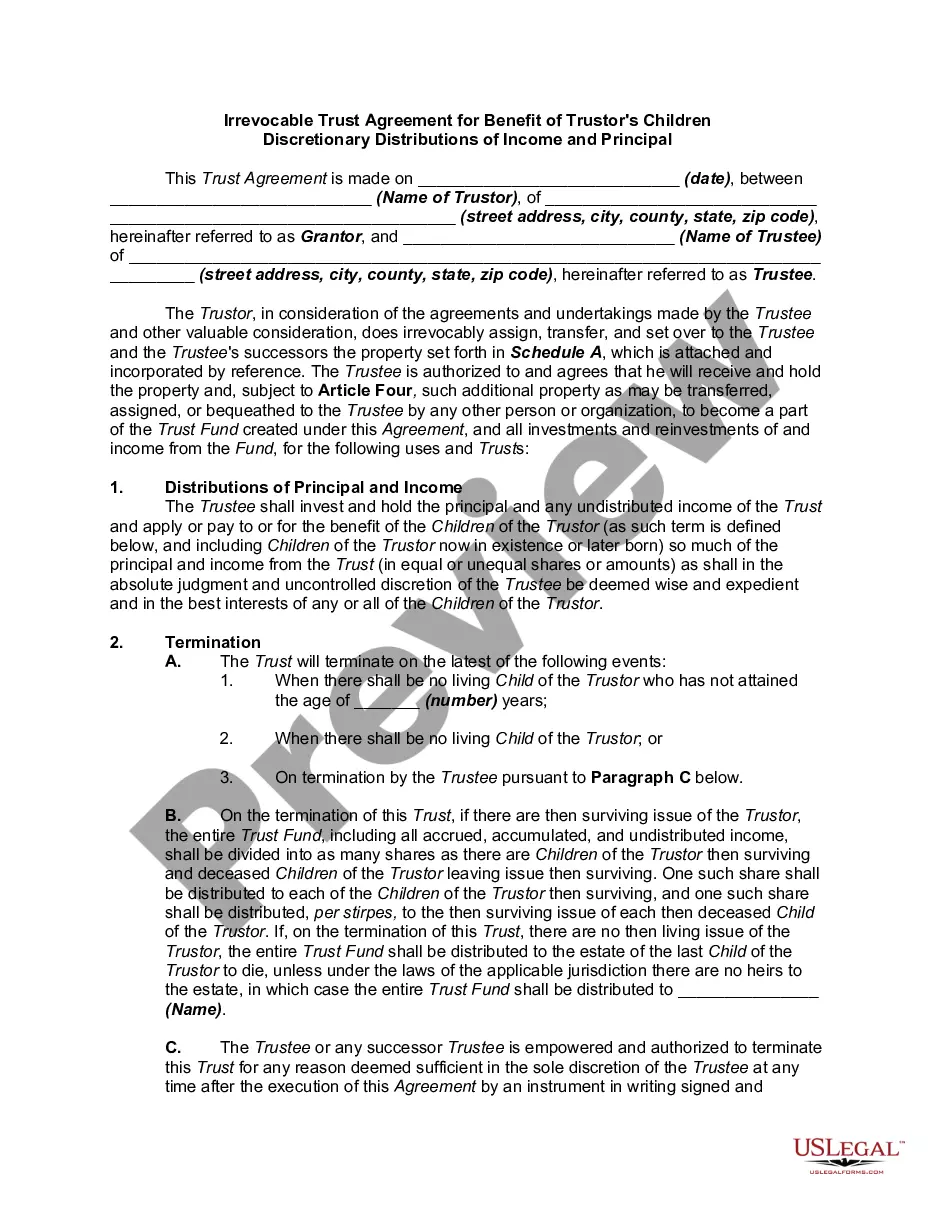
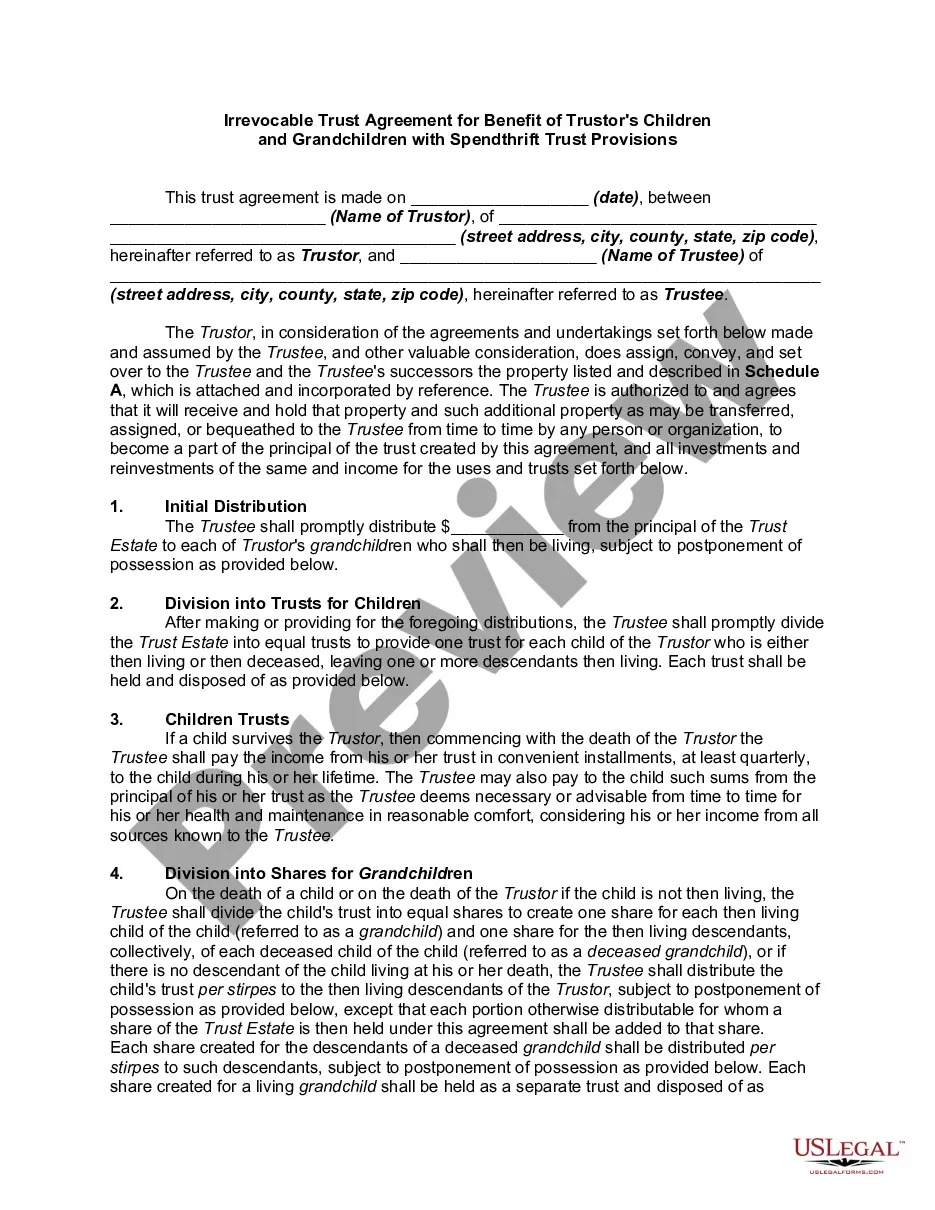
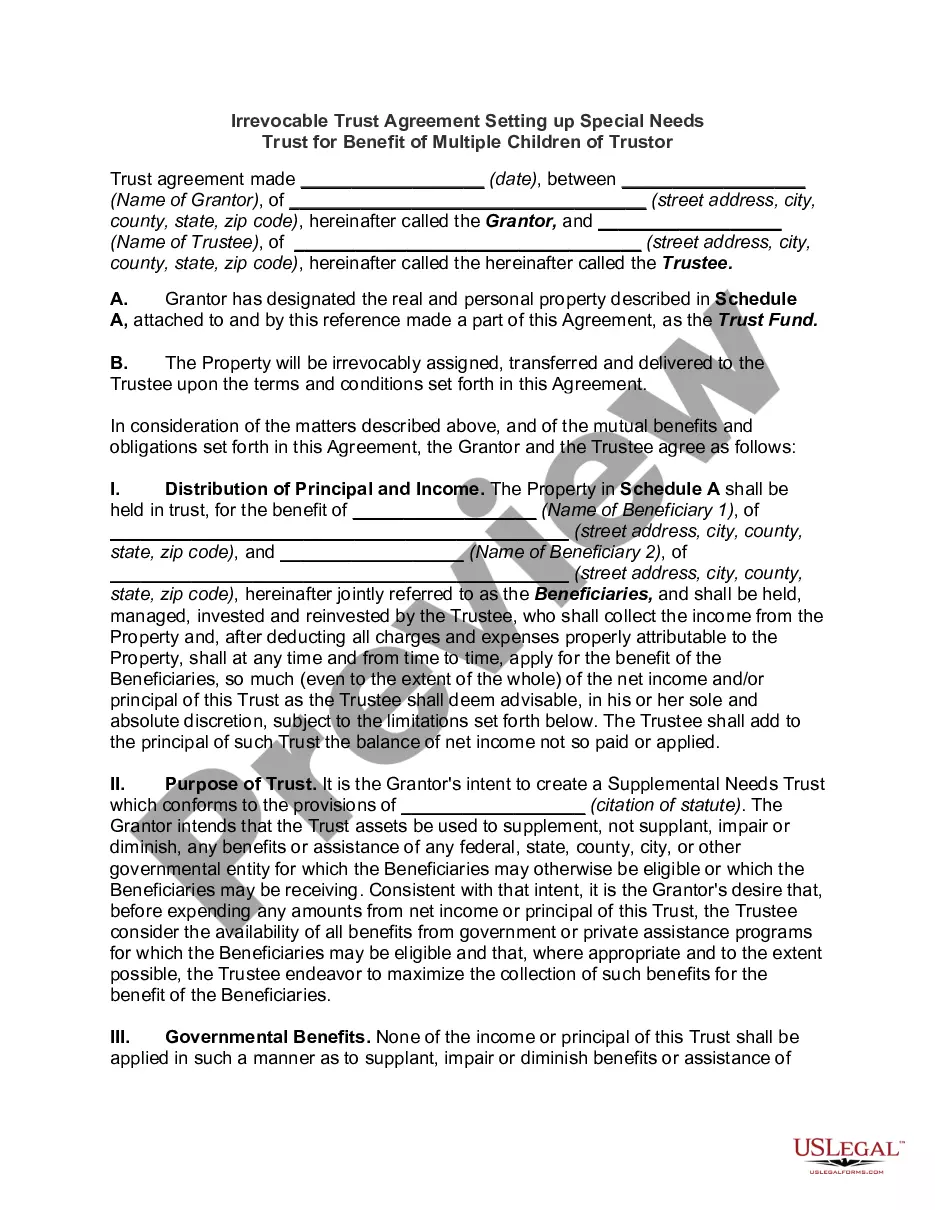
Get your form ready online
Our built-in tools help you complete, sign, share, and store your documents in one place.
Make edits, fill in missing information, and update formatting in US Legal Forms—just like you would in MS Word.
Download a copy, print it, send it by email, or mail it via USPS—whatever works best for your next step.
Sign and collect signatures with our SignNow integration. Send to multiple recipients, set reminders, and more. Go Premium to unlock E-Sign.
If this form requires notarization, complete it online through a secure video call—no need to meet a notary in person or wait for an appointment.
We protect your documents and personal data by following strict security and privacy standards.

Make edits, fill in missing information, and update formatting in US Legal Forms—just like you would in MS Word.

Download a copy, print it, send it by email, or mail it via USPS—whatever works best for your next step.

Sign and collect signatures with our SignNow integration. Send to multiple recipients, set reminders, and more. Go Premium to unlock E-Sign.

If this form requires notarization, complete it online through a secure video call—no need to meet a notary in person or wait for an appointment.

We protect your documents and personal data by following strict security and privacy standards.
Looking for another form?


How to fill out Irrevocable Trust Agreement For Benefit Of Trustor's Children And Grandchildren?
Regardless of whether it is for professional intentions or personal issues, everyone must handle legal matters at some time in their lifetime.
Completing legal documents requires meticulous attention, beginning with selecting the appropriate form template.
With a comprehensive catalog from US Legal Forms available, you no longer need to waste time searching for the correct sample online. Utilize the library’s straightforward navigation to find the suitable template for any situation.
- Locate the sample you require by using the search feature or browsing the catalog.
- Review the details of the form to confirm it suits your case, jurisdiction, and area.
- Click on the form's preview to examine it.
- If it is the incorrect document, revert to the search option to find the Irrevocable Form Trust With Employees template you need.
- Download the document once it satisfies your criteria.
- If you have a US Legal Forms account, simply click Log in to access previously saved documents in My documents.
- If you don’t yet possess an account, you can acquire the form by clicking Buy now.
- Choose the appropriate pricing tier.
- Complete the profile registration form.
- Select your payment method: use a credit card or PayPal.
- Choose the document format you prefer and download the Irrevocable Form Trust With Employees.
- Once downloaded, you can fill out the form using editing software or print it out and complete it by hand.
Form popularity
FAQ
An irrevocable form trust with employees may include various types of trusts, such as a special needs trust or a life insurance trust. For instance, a special needs trust ensures that an employee with disabilities can receive benefits without jeopardizing their eligibility for government assistance. Creating a tailored trust structure can provide valuable protection and support for employees seeking long-term financial security.
Disadvantages of Irrevocable Trusts Fairly Rigid terms: They are not very flexible. Once the terms are established, they can be difficult to change. The Three-Year Rule: If you include life insurance in an irrevocable trust and pass away within three years, the proceeds return to your estate and become taxable.
Formation of the trust? A minimum of two trustees are required to form a trust. No restriction is imposed on the maximum number of trustees. However, all trustees should be over 18 years of age with valid ID proofs.
The Trustees can be the author, domestic members or associates, professionals such as accountants, attorneys, etc. a panel of banks or a Trust company, or any mixture of these people.
Irrevocable trusts are generally set up to minimize estate taxes, access government benefits, and protect assets. This is in contrast to a revocable trust, which allows the grantor to modify the trust, but loses certain benefits such as creditor protection.
1. The deed should mention the name and address of the settlor and the name and address of the trust. 2. The deed should specify the date of establishment of the trust, the purpose of the trust and the period of its duration (if any).