Agreement Trust Irrevocable With Grantor As Beneficiary
Description

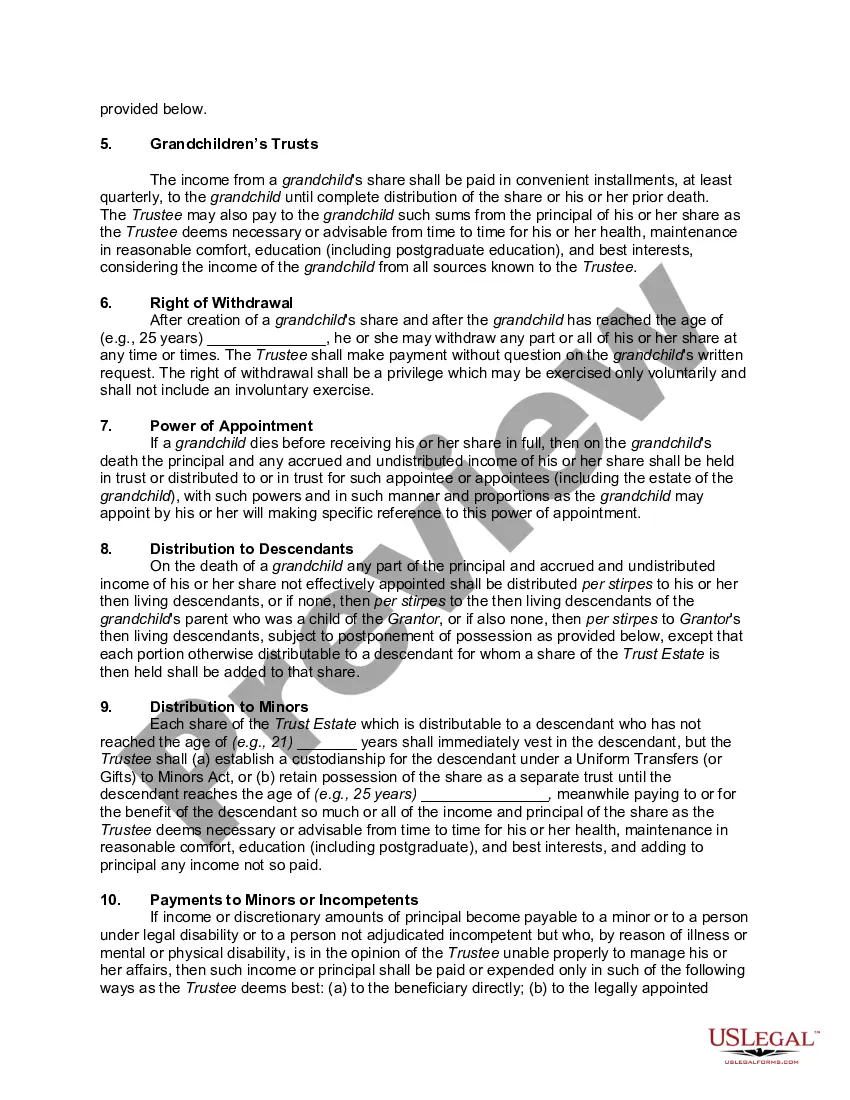
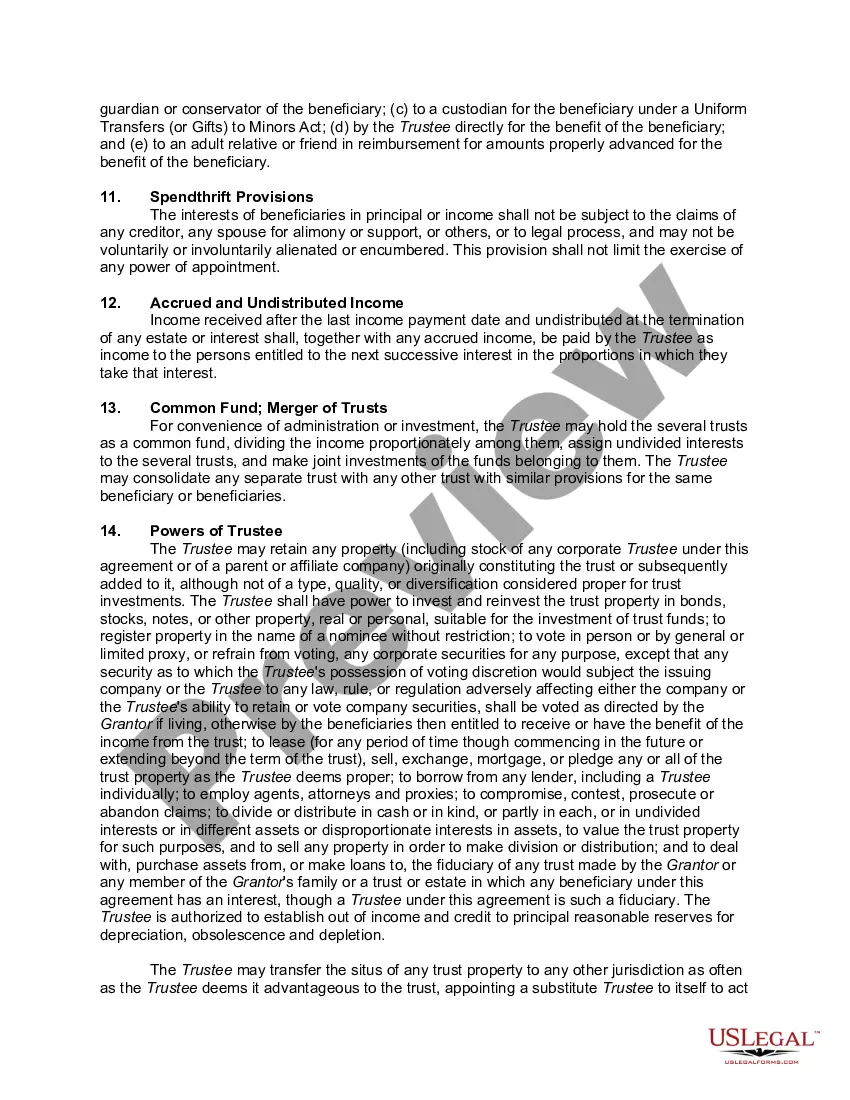
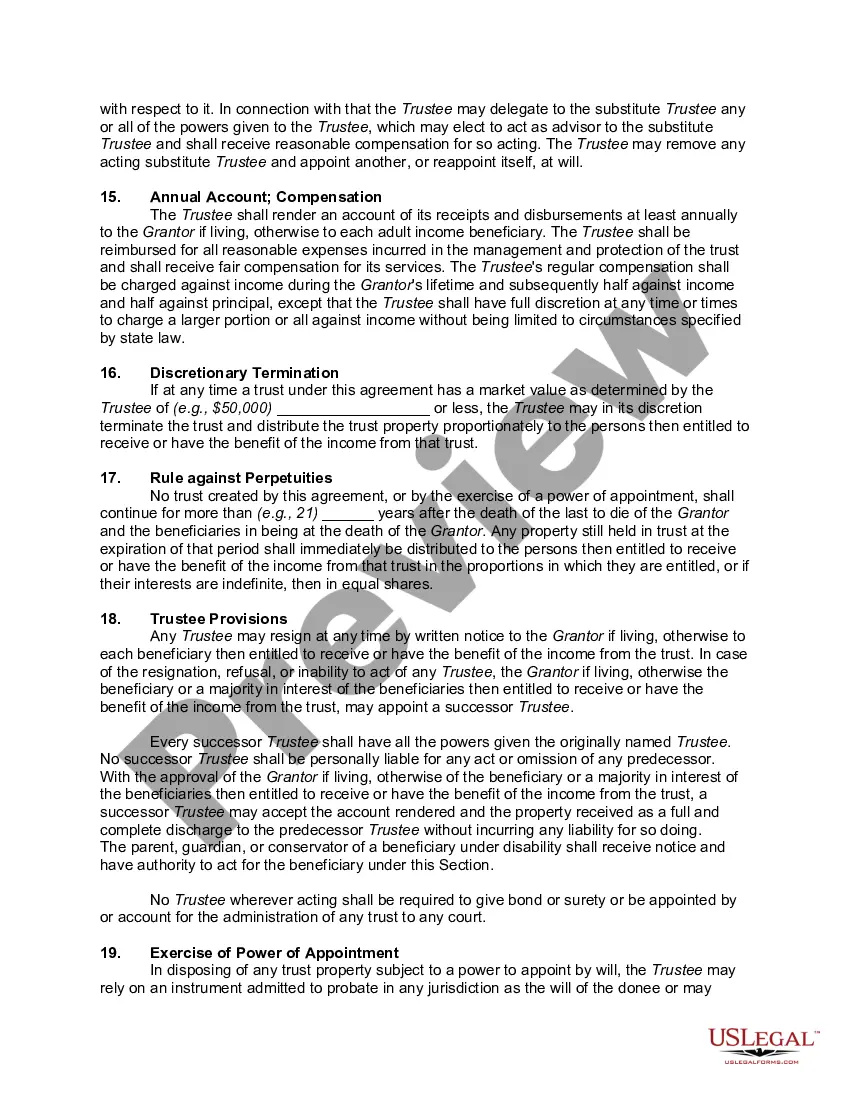
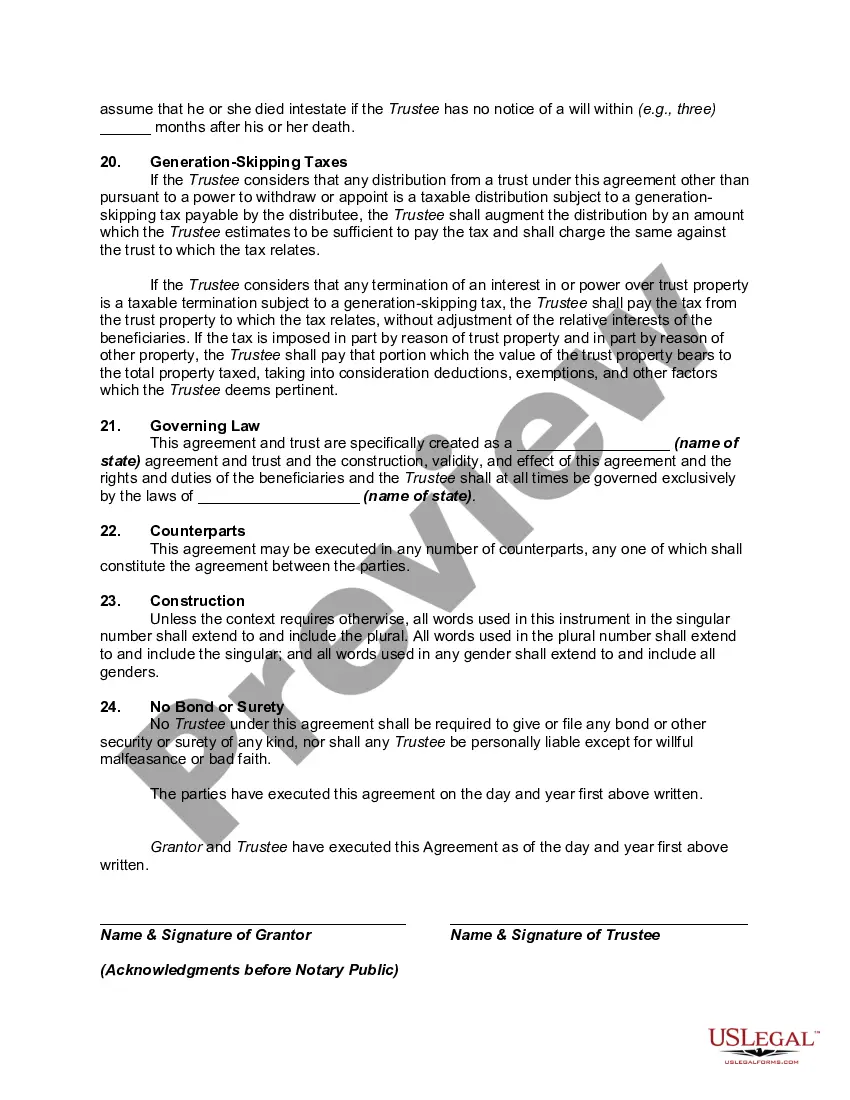


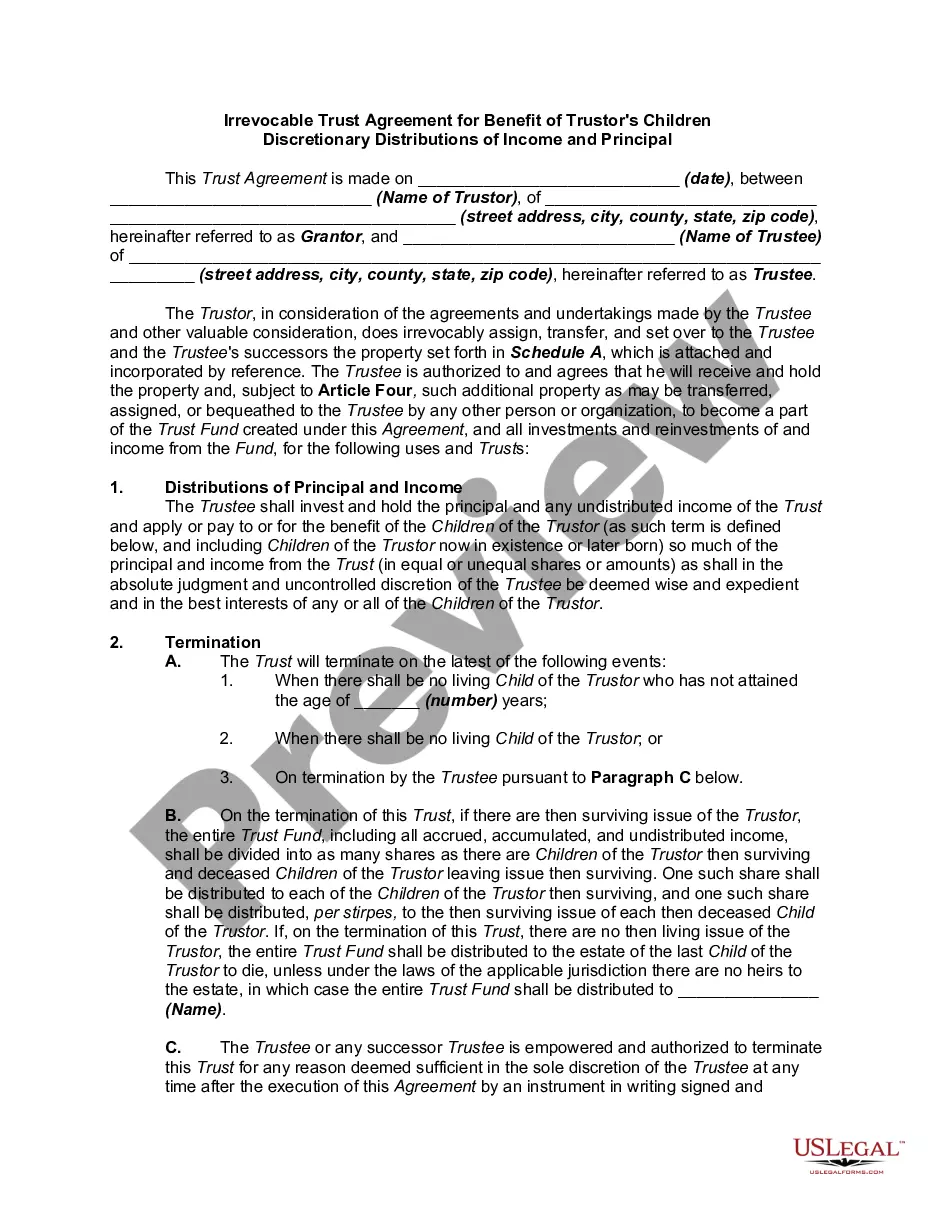

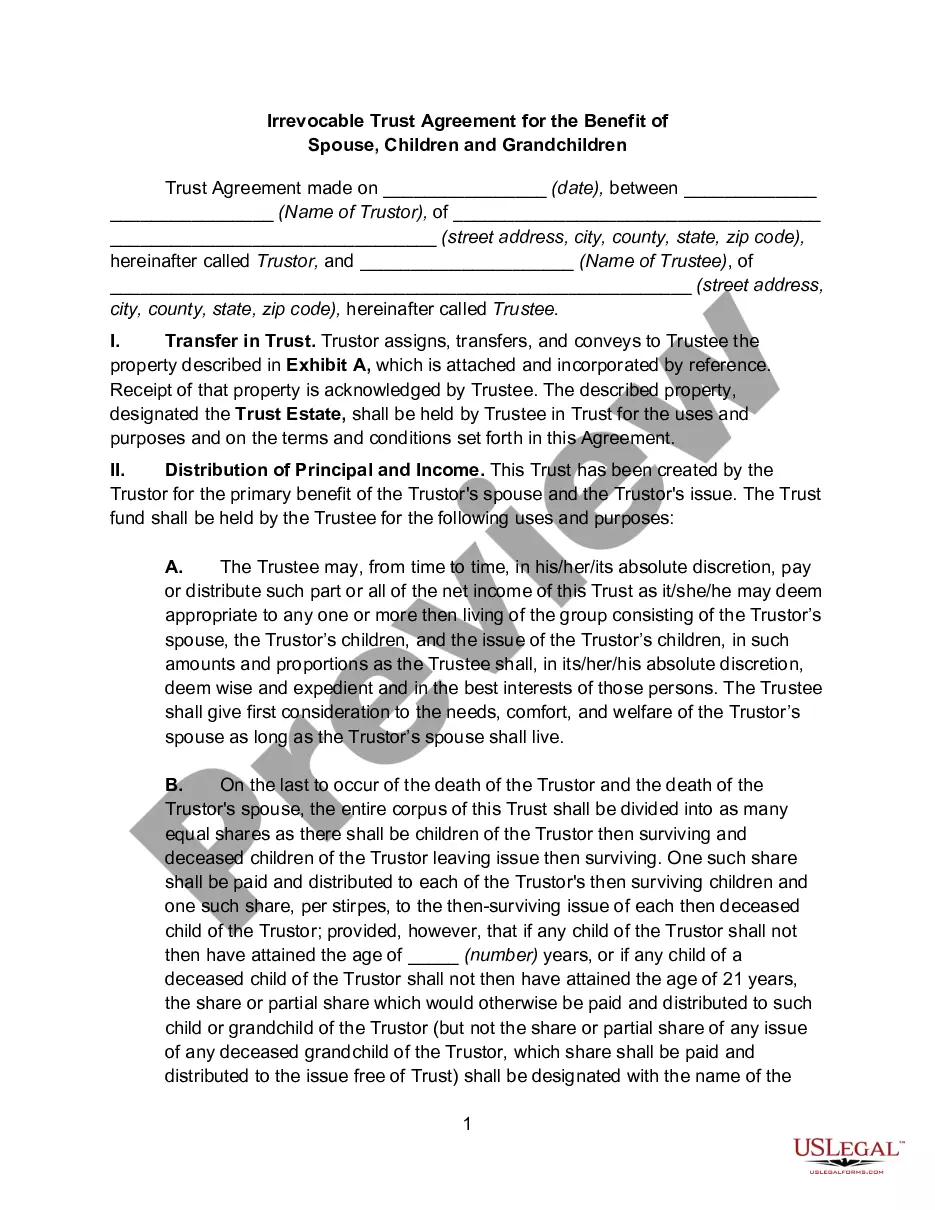

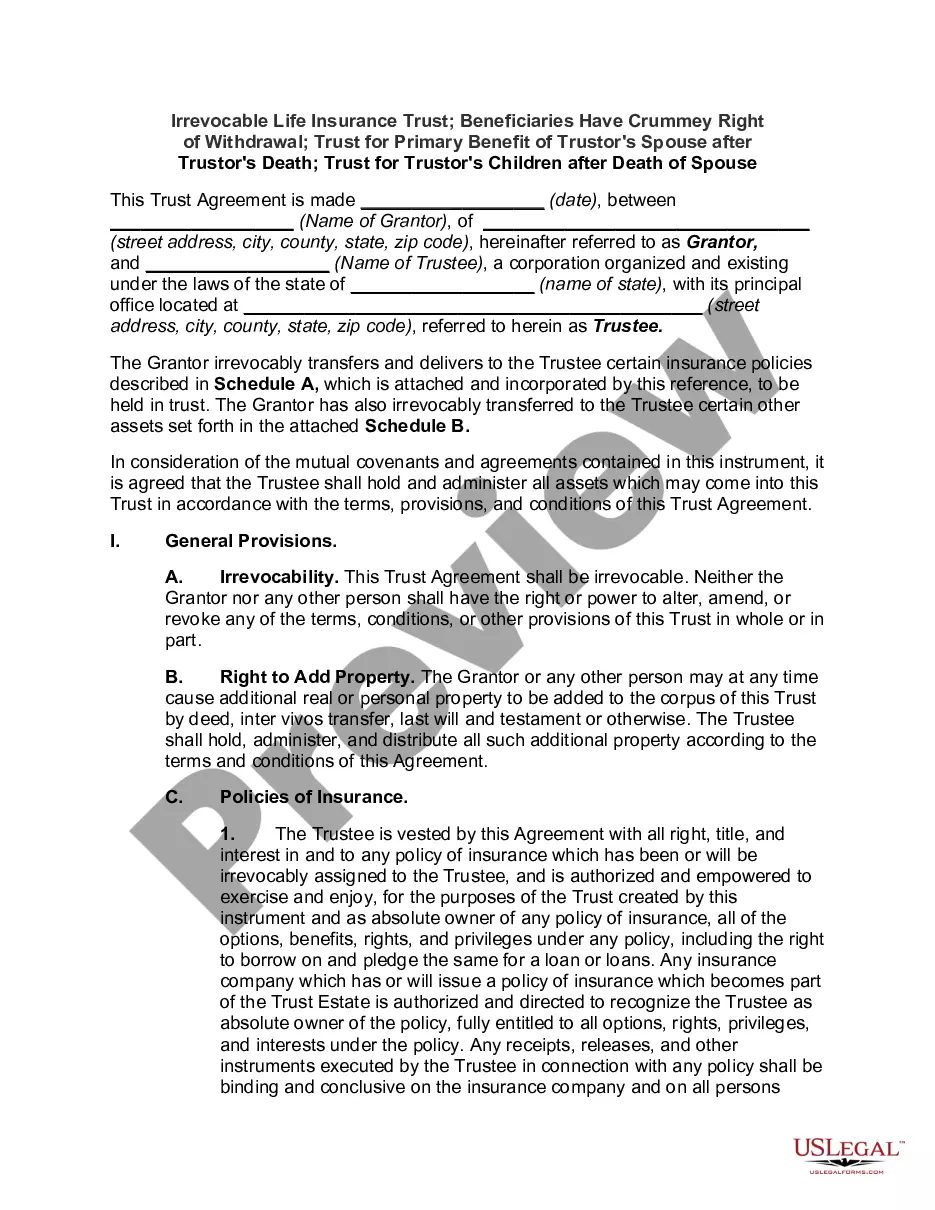



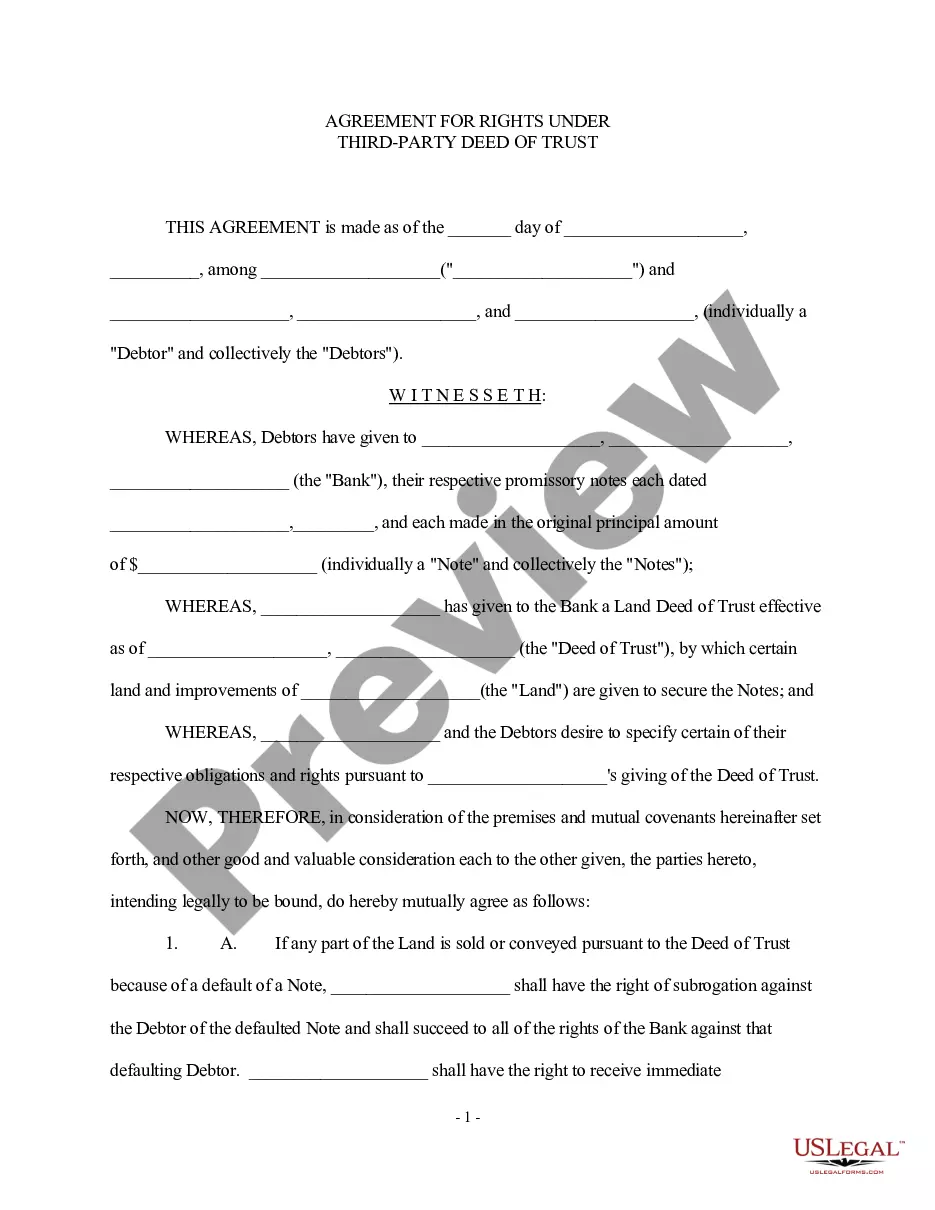


How to fill out Irrevocable Trust Agreement For Benefit Of Trustor's Children And Grandchildren?
Whether for corporate objectives or personal affairs, everyone must confront legal circumstances at some point in their lives.
Completing legal documents necessitates meticulous care, starting with choosing the appropriate form sample.
With an extensive US Legal Forms catalog at your disposal, you don't need to waste time searching for the correct sample online. Utilize the library’s straightforward navigation to find the appropriate form for any situation.
- Obtain the sample you require through the search bar or catalog navigation.
- Review the form’s description to ensure it aligns with your situation, state, and locality.
- Click on the form’s preview to examine it.
- If it is the incorrect document, return to the search feature to locate the Agreement Trust Irrevocable With Grantor As Beneficiary sample you require.
- Download the file if it fulfills your requirements.
- If you possess a US Legal Forms account, simply click Log in to access previously saved documents in My documents.
- In case you do not yet have an account, you can acquire the form by clicking Buy now.
- Select the suitable pricing option.
- Complete the account registration form.
- Choose your payment method: you can utilize a credit card or PayPal account.
- Select the document format you prefer and download the Agreement Trust Irrevocable With Grantor As Beneficiary.
- Once it is downloaded, you can fill out the form using editing software or print it and complete it by hand.
Form popularity
FAQ
To add a beneficiary to an existing trust, you usually need to amend the trust document. This amendment must comply with state laws and trust terms. If you face challenges with your Agreement trust irrevocable with grantor as beneficiary, using platforms like uslegalforms can provide valuable templates and guidance to help streamline this process.
Typically, once an irrevocable trust is created, you cannot add more assets or items to it. Exceptions may exist under specific legal mechanisms, but this often requires careful planning and execution. To navigate these complexities regarding your Agreement trust irrevocable with grantor as beneficiary, legal guidance is recommended.
In most cases, adding beneficiaries to an irrevocable trust is not straightforward. Once established, the trust generally cannot be modified, including beneficiary designations. Consulting legal assistance is vital when dealing with your Agreement trust irrevocable with grantor as beneficiary to ensure compliance with regulations.
Adding a beneficiary to an irrevocable trust often requires specific legal procedures. Typically, you would need to amend the trust document, which can involve legal drafting to comply with state laws. Remember, modifications to an Agreement trust irrevocable with grantor as beneficiary should be undertaken with care and professional guidance.
Generally, making additional contributions to an irrevocable trust can be complicated. Once you've settled the terms of an Agreement trust irrevocable with grantor as beneficiary, adding more assets may not be allowed without creating a new trust. Always check with a legal advisor to understand the options available to you.
Yes, an irrevocable grantor trust typically needs to file a tax return. However, since the grantor is still considered the owner for tax purposes, the income generated by the trust may be reported on the grantor's personal tax return. It's crucial to consult a tax professional for specific guidance on how this applies to your Agreement trust irrevocable with grantor as beneficiary.
Yes, an agreement trust irrevocable with grantor as beneficiary typically becomes irrevocable upon the grantor's death. When the grantor passes away, the trust can no longer be altered or terminated by that individual. This feature helps protect the trust's assets for the beneficiaries while ensuring that the specific terms set by the grantor remain intact. Managing an irrevocable trust can be complex, so utilizing a platform like USLegalForms can simplify the process for you.
Generally, the grantor cannot serve as a beneficiary in an irrevocable trust due to the nature of the trust's structure. An Agreement trust irrevocable with grantor as beneficiary emphasizes the need for separation between control and benefit. If the grantor were allowed to be a beneficiary, it would contradict the core principles of irrevocability.
You typically cannot name yourself as a beneficiary of an irrevocable trust. An Agreement trust irrevocable with grantor as beneficiary requires the grantor to give up control over the trust assets, which means you must select different individuals or entities for the beneficiary role. This setup helps in ensuring that the trust assets remain protected from your personal liabilities.
Under standard rules governing an Agreement trust irrevocable with grantor as beneficiary, the grantor and beneficiary cannot be the same person. This differentiation is crucial because the purpose of an irrevocable trust is to separate the ownership and benefit of the assets. By doing so, it strengthens protections against tax implications and legal claims.