New Dwelling Form For Insurance
Description
Get your form ready online
Our built-in tools help you complete, sign, share, and store your documents in one place.
Make edits, fill in missing information, and update formatting in US Legal Forms—just like you would in MS Word.
Download a copy, print it, send it by email, or mail it via USPS—whatever works best for your next step.
Sign and collect signatures with our SignNow integration. Send to multiple recipients, set reminders, and more. Go Premium to unlock E-Sign.
If this form requires notarization, complete it online through a secure video call—no need to meet a notary in person or wait for an appointment.
We protect your documents and personal data by following strict security and privacy standards.

Make edits, fill in missing information, and update formatting in US Legal Forms—just like you would in MS Word.

Download a copy, print it, send it by email, or mail it via USPS—whatever works best for your next step.

Sign and collect signatures with our SignNow integration. Send to multiple recipients, set reminders, and more. Go Premium to unlock E-Sign.

If this form requires notarization, complete it online through a secure video call—no need to meet a notary in person or wait for an appointment.

We protect your documents and personal data by following strict security and privacy standards.
Looking for another form?
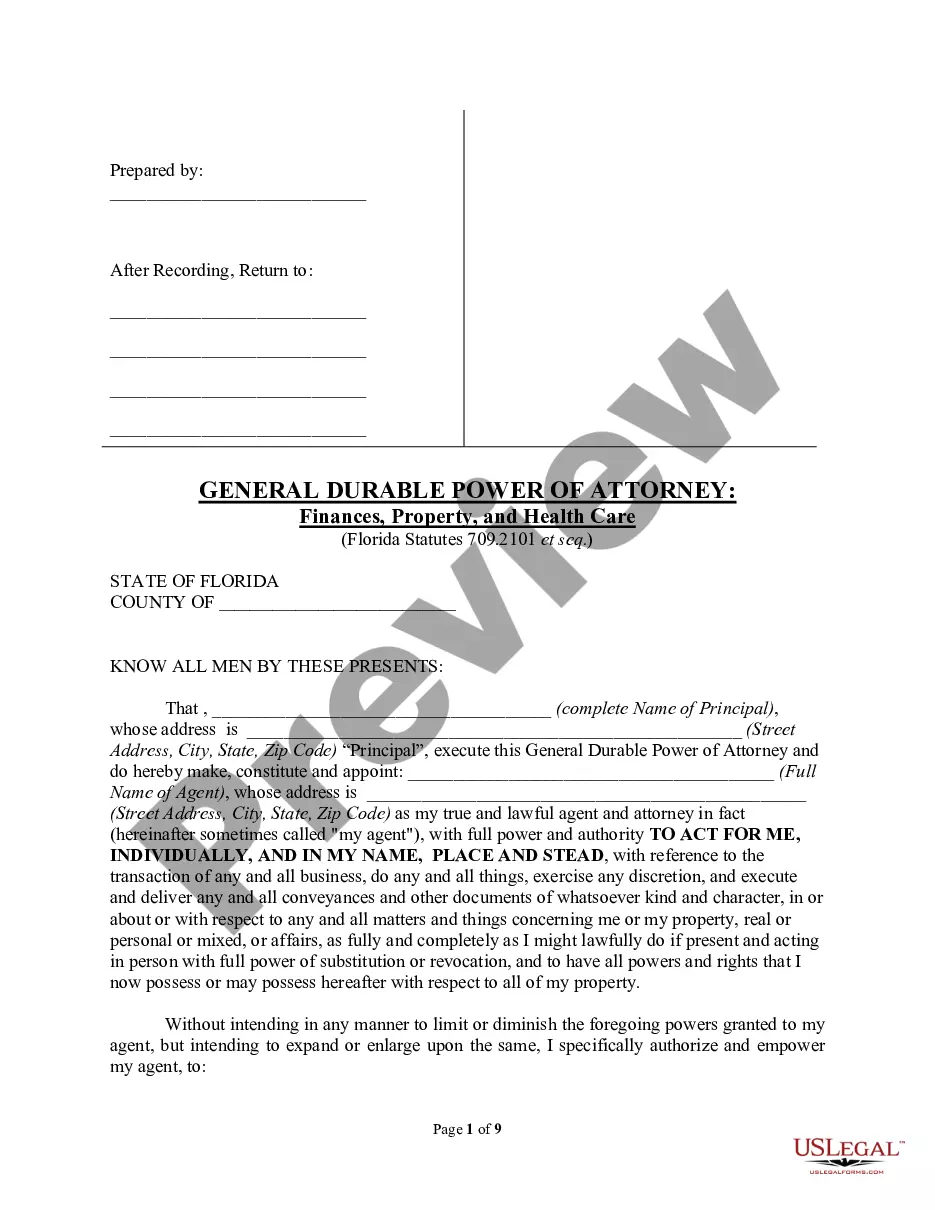




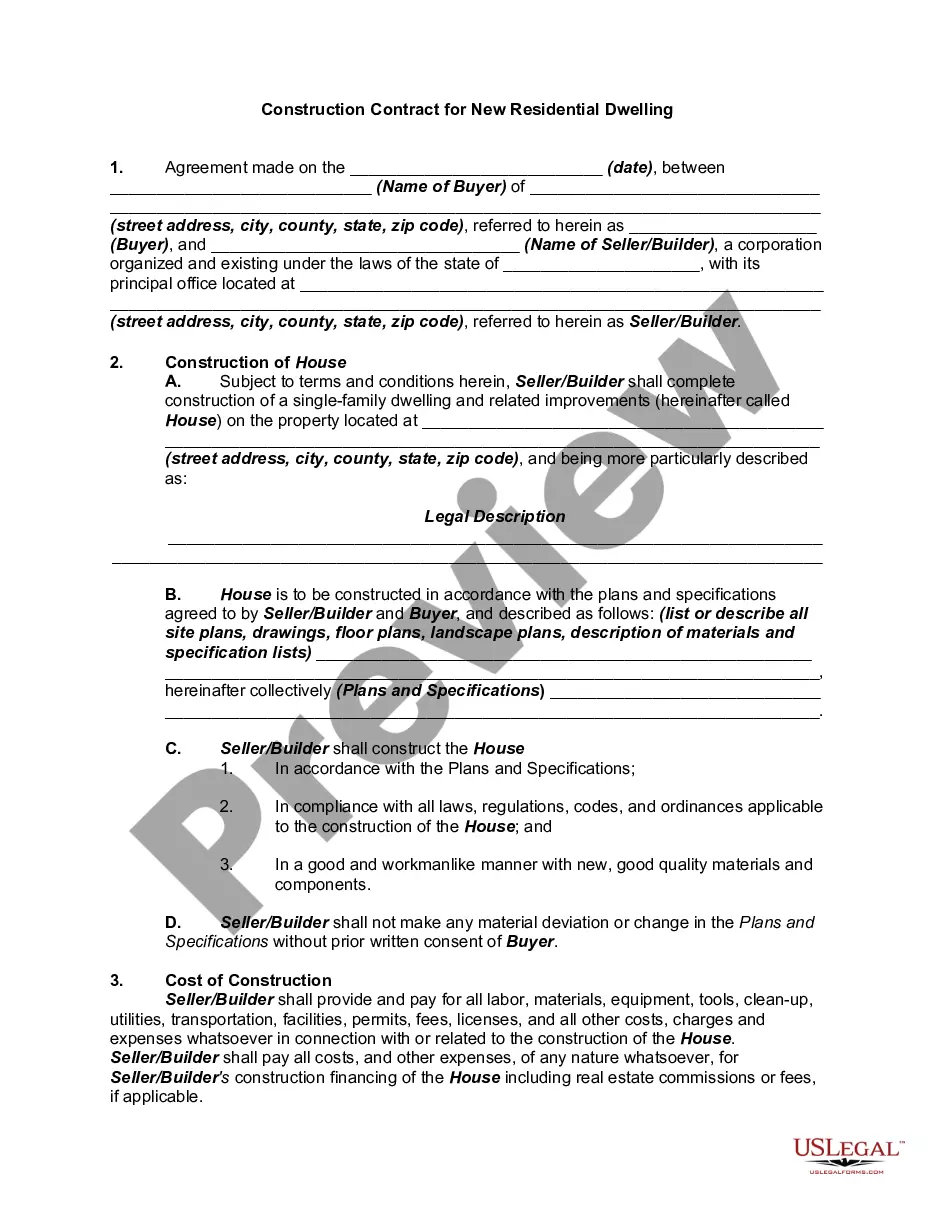
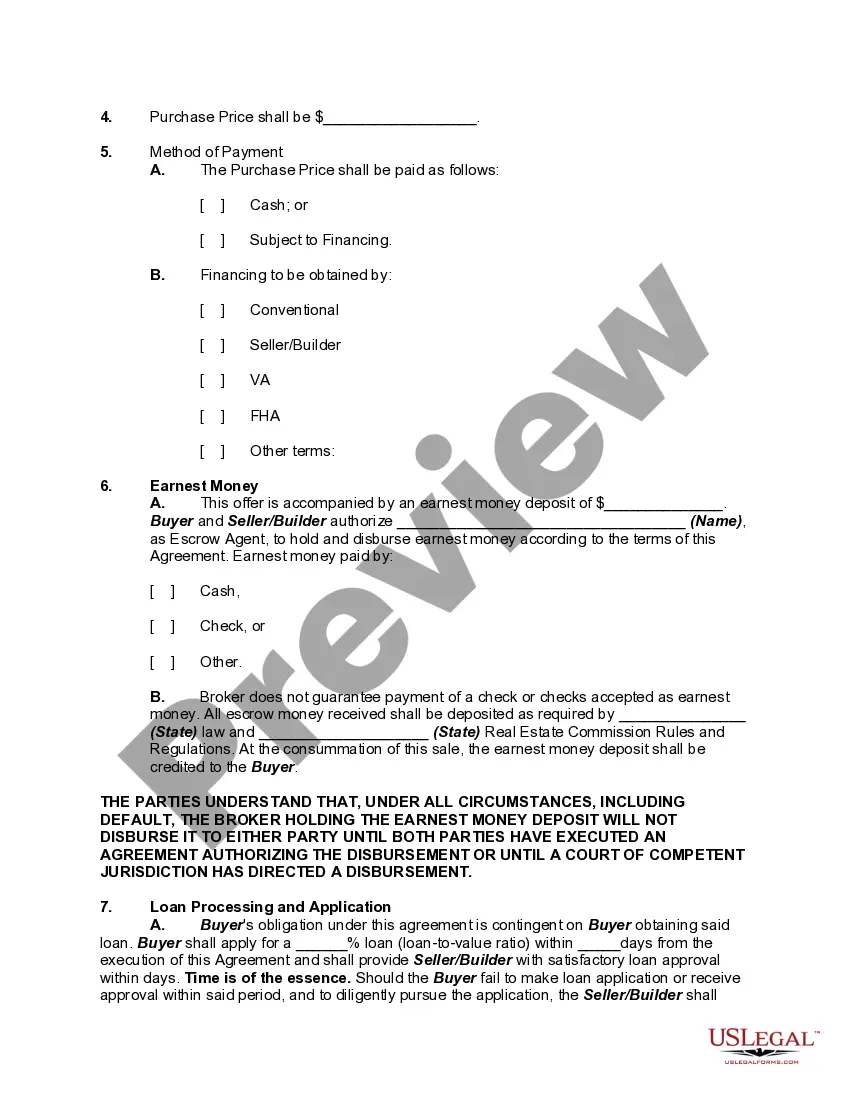
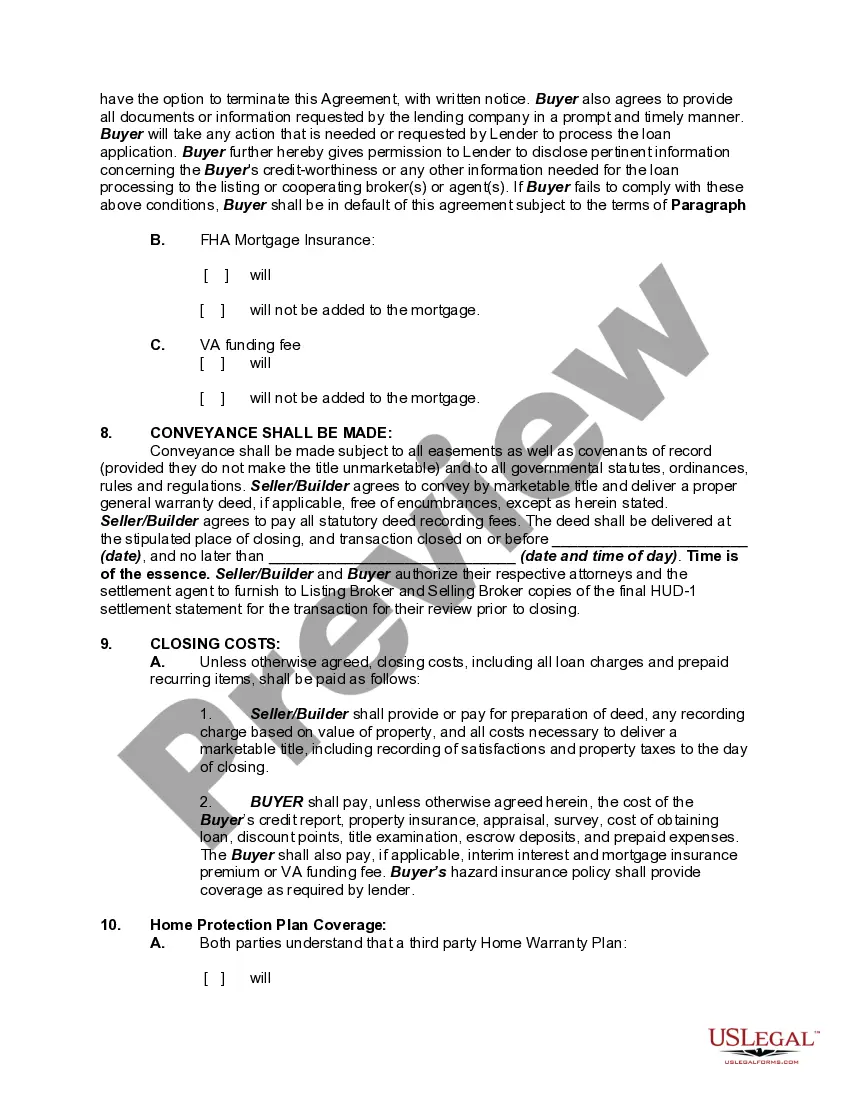
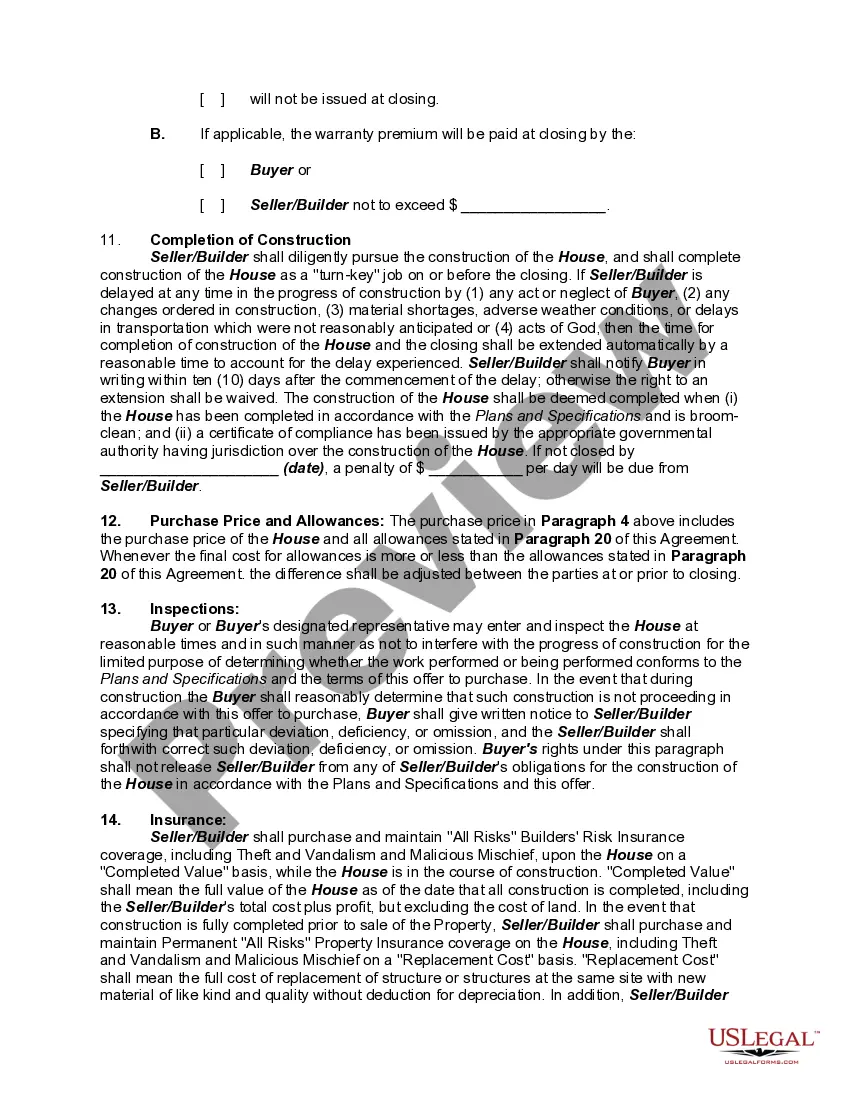
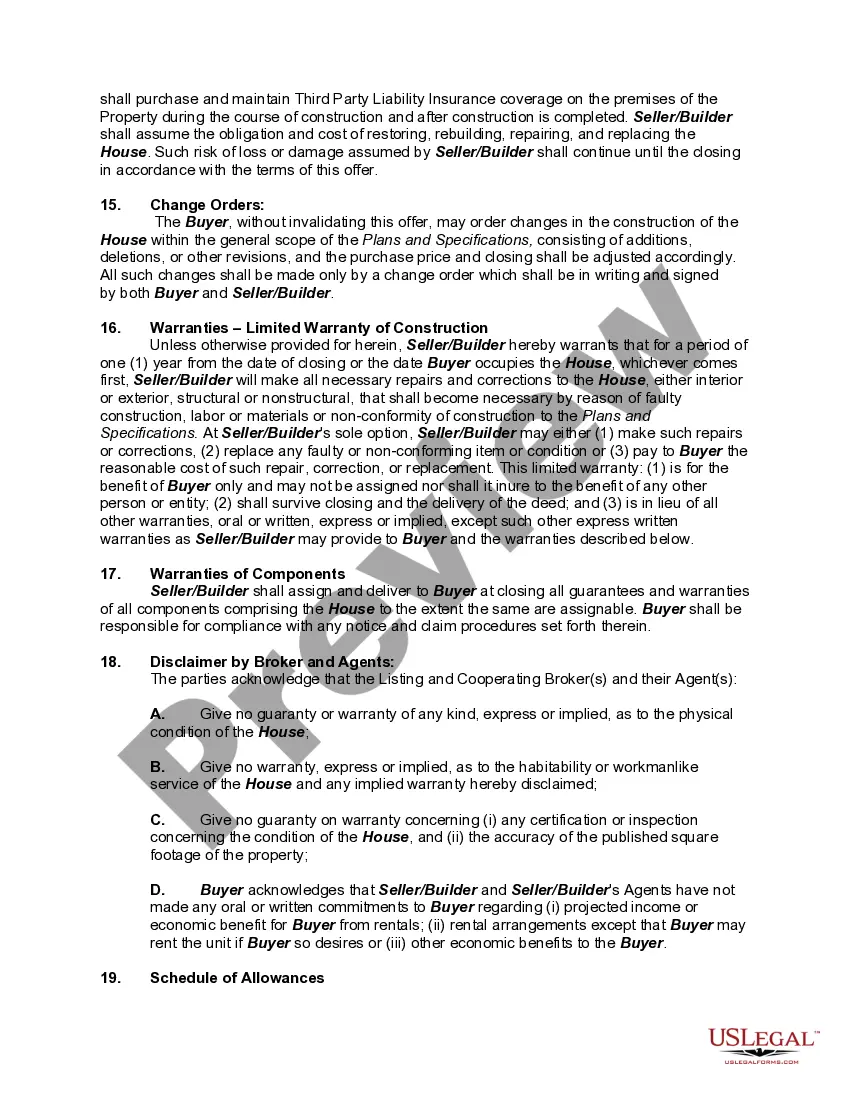
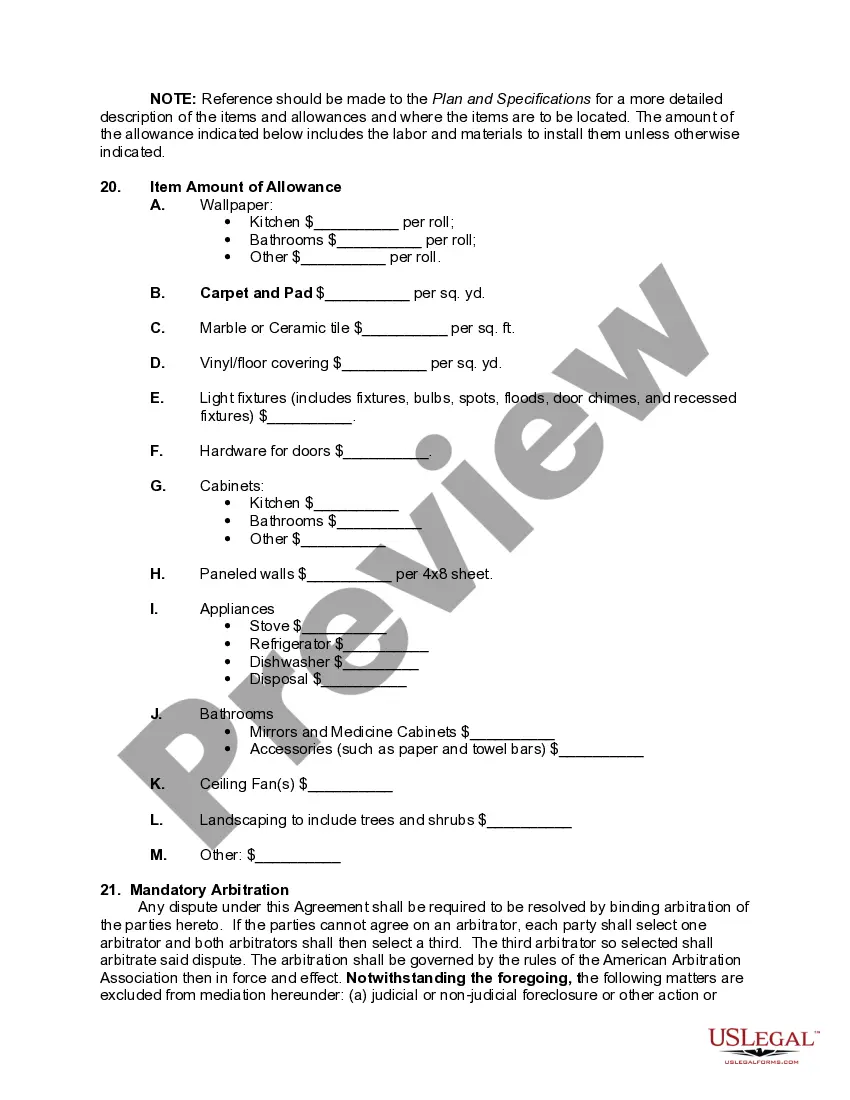
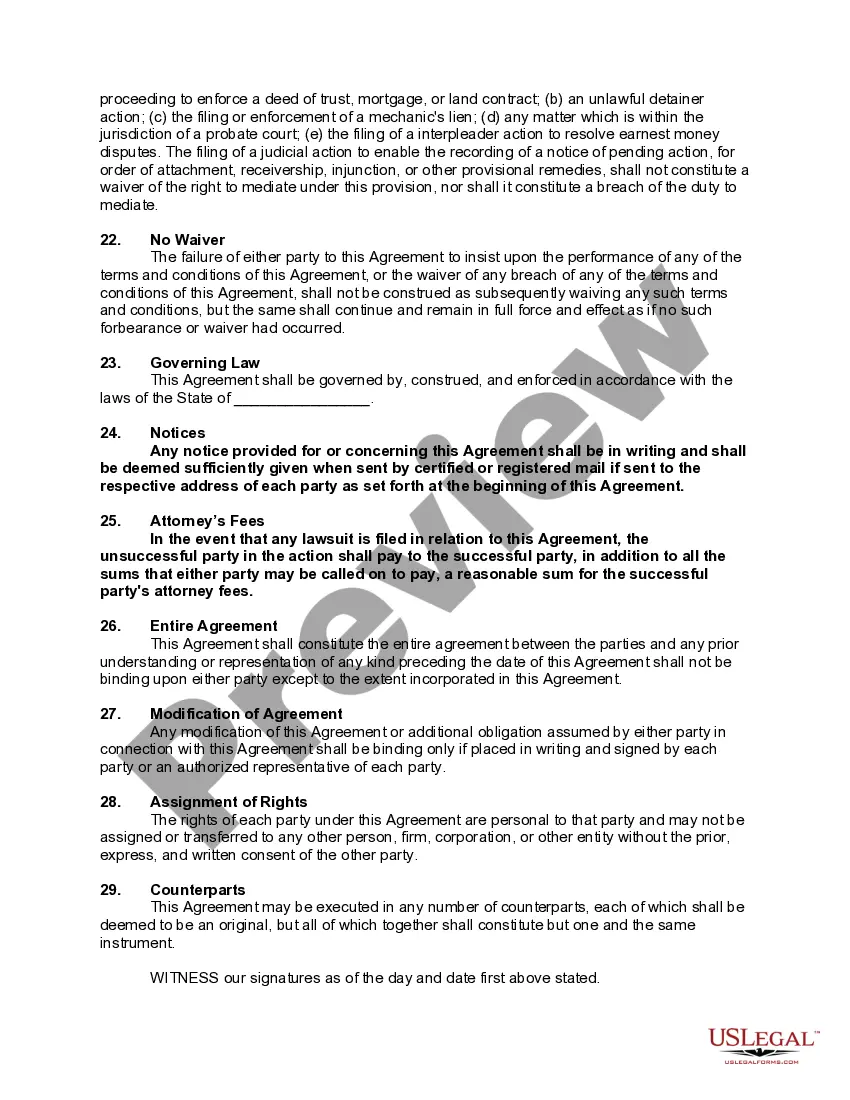
How to fill out Construction Contract For New Residential Dwelling?
Identifying a reliable source for acquiring the latest and pertinent legal templates is a significant part of navigating through administrative tasks.
Locating the appropriate legal documents requires accuracy and careful consideration, which is why sourcing the New Dwelling Form For Insurance solely from trustworthy providers, such as US Legal Forms, is crucial. An incorrect template can squander your time and hinder your current situation.
Once you have the form saved on your device, you can edit it using the editor or print it for manual completion. Eliminate the inconvenience associated with your legal documents. Browse the extensive US Legal Forms collection where you can find legal templates, verify their suitability for your situation, and download them instantly.
- Utilize the library navigation or search bar to locate your document.
- Access the form’s details to verify its compliance with your state and locality.
- View the form's preview, if available, to confirm it matches the document you need.
- Continue searching and seek the correct document if the New Dwelling Form For Insurance does not meet your specifications.
- If you are confident in the form’s applicability, proceed to download it.
- If you are a registered user, click Log in to verify and obtain access to your chosen forms in My documents.
- If you do not have an account yet, click Buy now to purchase the form.
- Select the pricing option that best fits your needs.
- Move forward to the registration to finalize your purchase.
- Complete your transaction by choosing a payment method (credit card or PayPal).
- Select the file format to download the New Dwelling Form For Insurance.
Form popularity
FAQ
When insurance is written on a Dwelling form, each of the following types of property would be insured under Coverage A, EXCEPT: An attached laundry room. Materials in the yard intended for construction of a new addition to the home. An attached carport.
DP-1: Basic Form The policy explicitly names what perils are covered and typically covers losses due to: Fire. Lightning. Internal explosion.
What is not covered by dwelling insurance? A standard homeowners insurance policy typically does not cover floods, earthquakes, sewer backups or damage that occurs from a lack of maintenance. You may be able to buy additional coverage or a separate insurance policy to help cover some of these additional perils.
Your estimate should be based on today's prices. One way to get an estimate is to multiply the square footage of your home by the average cost per square foot to build, but other factors can influence the price of coverage.
Dwelling coverage only applies to structures attached to your main residence, meaning that detached garages, sheds, barns, unattached guest homes, fences, or any other detached structures are typically not covered under dwelling coverage.