Foreclose Mechanics Lien With The Hammer
Description
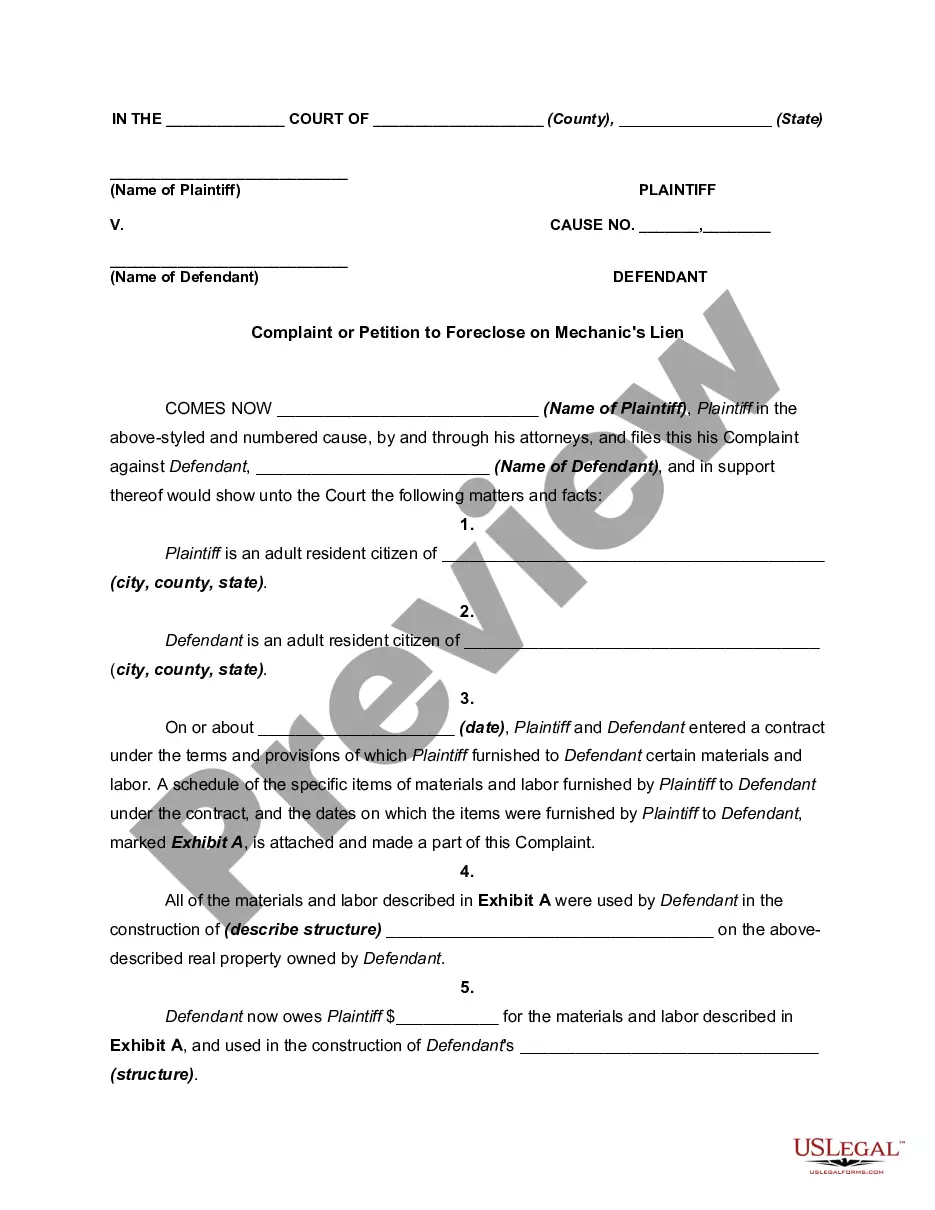
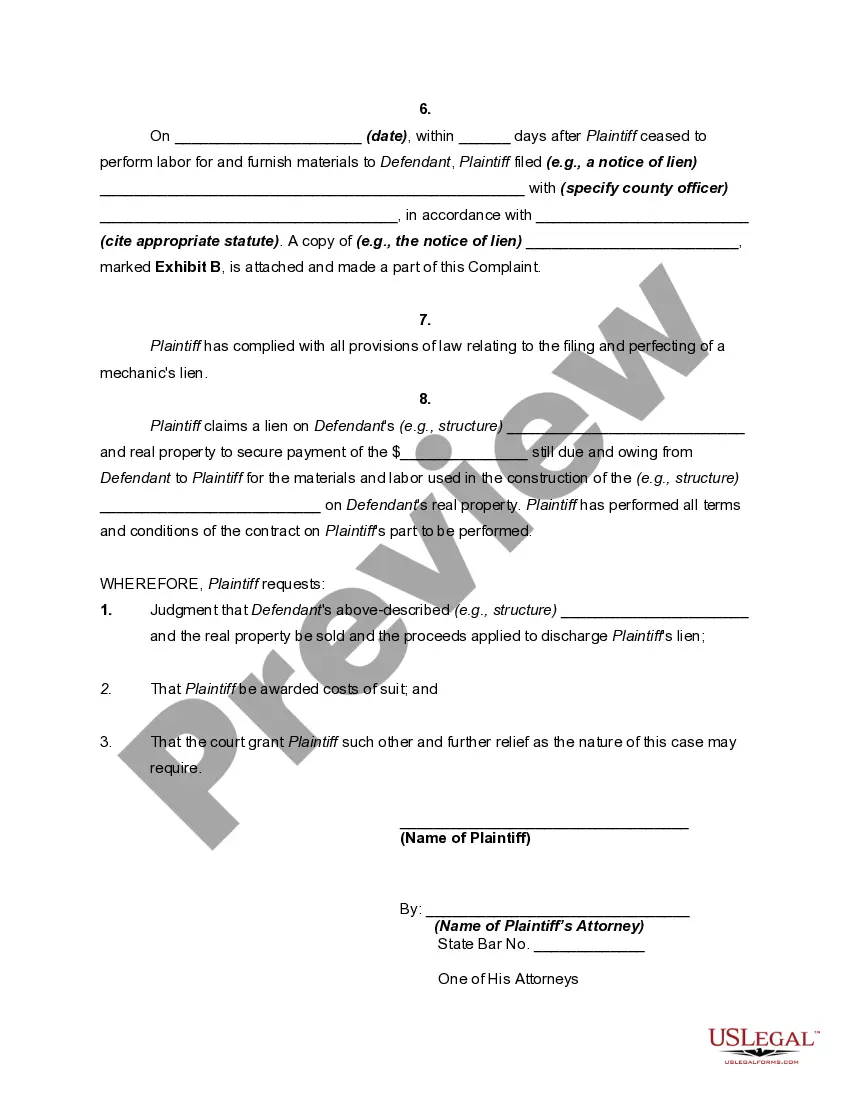
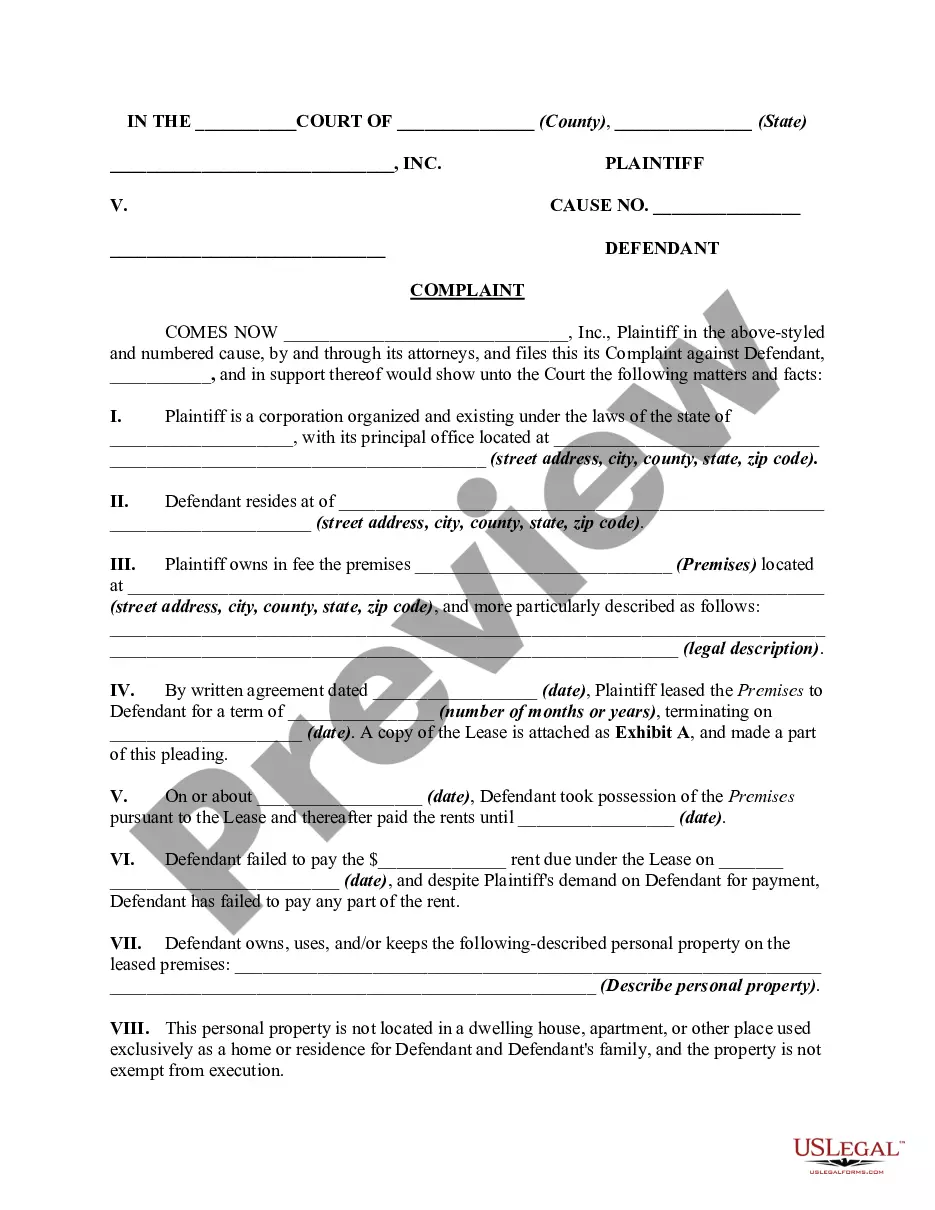
Get your form ready online
Our built-in tools help you complete, sign, share, and store your documents in one place.
Make edits, fill in missing information, and update formatting in US Legal Forms—just like you would in MS Word.
Download a copy, print it, send it by email, or mail it via USPS—whatever works best for your next step.
Sign and collect signatures with our SignNow integration. Send to multiple recipients, set reminders, and more. Go Premium to unlock E-Sign.
If this form requires notarization, complete it online through a secure video call—no need to meet a notary in person or wait for an appointment.
We protect your documents and personal data by following strict security and privacy standards.

Make edits, fill in missing information, and update formatting in US Legal Forms—just like you would in MS Word.

Download a copy, print it, send it by email, or mail it via USPS—whatever works best for your next step.

Sign and collect signatures with our SignNow integration. Send to multiple recipients, set reminders, and more. Go Premium to unlock E-Sign.

If this form requires notarization, complete it online through a secure video call—no need to meet a notary in person or wait for an appointment.

We protect your documents and personal data by following strict security and privacy standards.
Looking for another form?

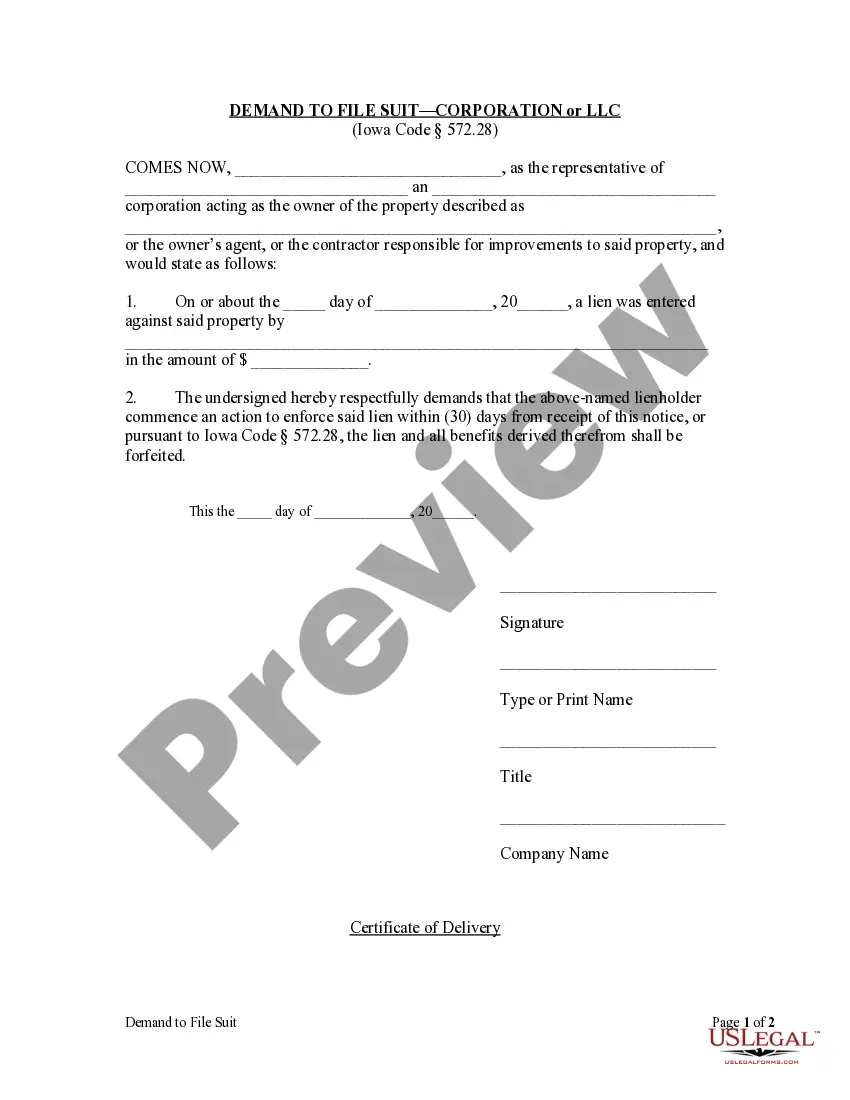
How to fill out Complaint Or Petition To Foreclose On Mechanic's Lien?
- Log in to your US Legal Forms account if you're an existing user. Verify that your subscription is active before proceeding.
- If you're new to US Legal Forms, start by browsing the extensive collection of over 85,000 legal forms available. Ensure you select a template that aligns with your jurisdiction's requirements.
- Review the form details and preview it to confirm its relevance to your situation. If you find it unsatisfactory, use the Search feature to find a better-suited template.
- Once you have the right form, click the Buy Now button. Choose your preferred subscription plan and create an account to access the full library.
- Complete your purchase using your preferred payment method, either credit card or PayPal.
- Download the form to your device, and find it anytime in the My Forms section of your profile for easy access.
By utilizing US Legal Forms, you not only gain access to a vast collection of forms but also premium support from legal experts. This ensures that your documents are completed accurately and legally sound.
Don’t hesitate to start your legal journey with US Legal Forms today. Sign up now and simplify your document preparation process!
Form popularity
FAQ
Typically, the first priority position in a foreclosure is held by tax liens. This means that any outstanding tax debts must be settled before other liens, such as mechanics liens. Knowing the importance of tax liens can help individuals better navigate the process when they attempt to foreclose a mechanic's lien with the hammer. By being aware of these details, you can secure your investments more effectively.
In most cases, a mortgage lien is the first priority lien during a foreclosure; however, taxes often supersede even this in priority. This means that tax liens usually take precedence over mechanic liens during the foreclosing process. Understanding these priorities is crucial for anyone looking to foreclose a mechanic's lien with the hammer, as it influences the order of payments. Keeping informed about lien laws helps prevent surprises during a foreclosure.
In Idaho, a mechanic's lien remains effective for six months unless you take further action. To enforce the lien, you must file a lawsuit to foreclose the mechanic's lien with the hammer within this time frame. If you do not act, the lien automatically expires. Knowing this timeline helps property owners and contractors prepare their next steps.
Yes, liens do expire in Illinois if they are not enforced within the applicable time limits. For mechanics liens, this is typically within four months for most properties, and longer for residential cases. Understanding when liens expire helps you strategize on how to foreclose mechanics lien with the hammer and safeguard your financial interests.
A notice of intent to foreclose mechanics lien is a formal document informing interested parties that you plan to take legal action to enforce the lien. This notice is often a prerequisite to filing a lawsuit to foreclose on the lien. It serves as a crucial step in the process, demonstrating your intention to foreclose mechanics lien with the hammer if payments remain unpaid.
The statute of limitations for a mechanics lien in Illinois is generally two years for residential properties and four months for other properties. Once the timeframe passes, you can no longer enforce your lien rights. Knowing this limitation is essential if you want to foreclose mechanics lien with the hammer, so timely action is vital.
A lien is a legal claim against property for the payment of a debt, while a mechanic's lien specifically pertains to unpaid work for construction or improvement of that property. A mechanic's lien can arise when a contractor or supplier does not receive payment. Understanding this difference is crucial, especially when you consider how to foreclose mechanics lien with the hammer.
To fight a mechanic's lien in Illinois, you can file a lawsuit to contest the validity of the lien. You may challenge the lien based on improper filing or lack of compliance with statutory requirements. Engaging with a legal professional can help you explore options to foreclose mechanics lien with the hammer effectively.
In Illinois, the time limit for filing a mechanics lien is generally four months from the date the work is completed or materials are provided. However, if you contract for improvements on a residential property, you may have up to two years. To effectively foreclose mechanics lien with the hammer, you must act within this time frame to protect your rights.
In Texas, a lien waiver typically requires the name of the payee, the property description, and an outline of the payment amount received. It should detail what work has been done and confirm that no further payments are owed. These elements help ensure clarity and protection for all parties involved. US Legal Forms can assist by providing compliant templates specific to Texas requirements.