Motion For Appropriate Relief Maryland
Description
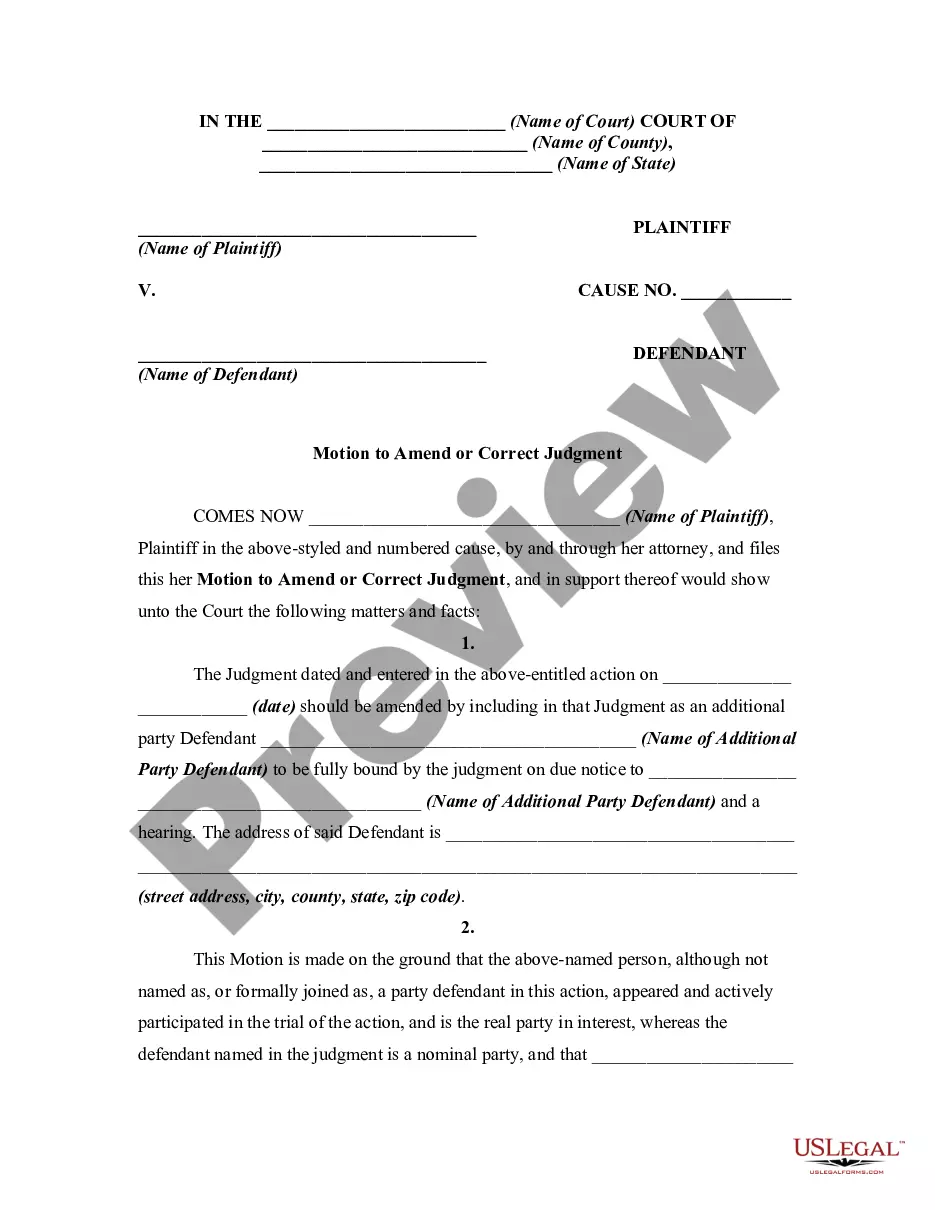
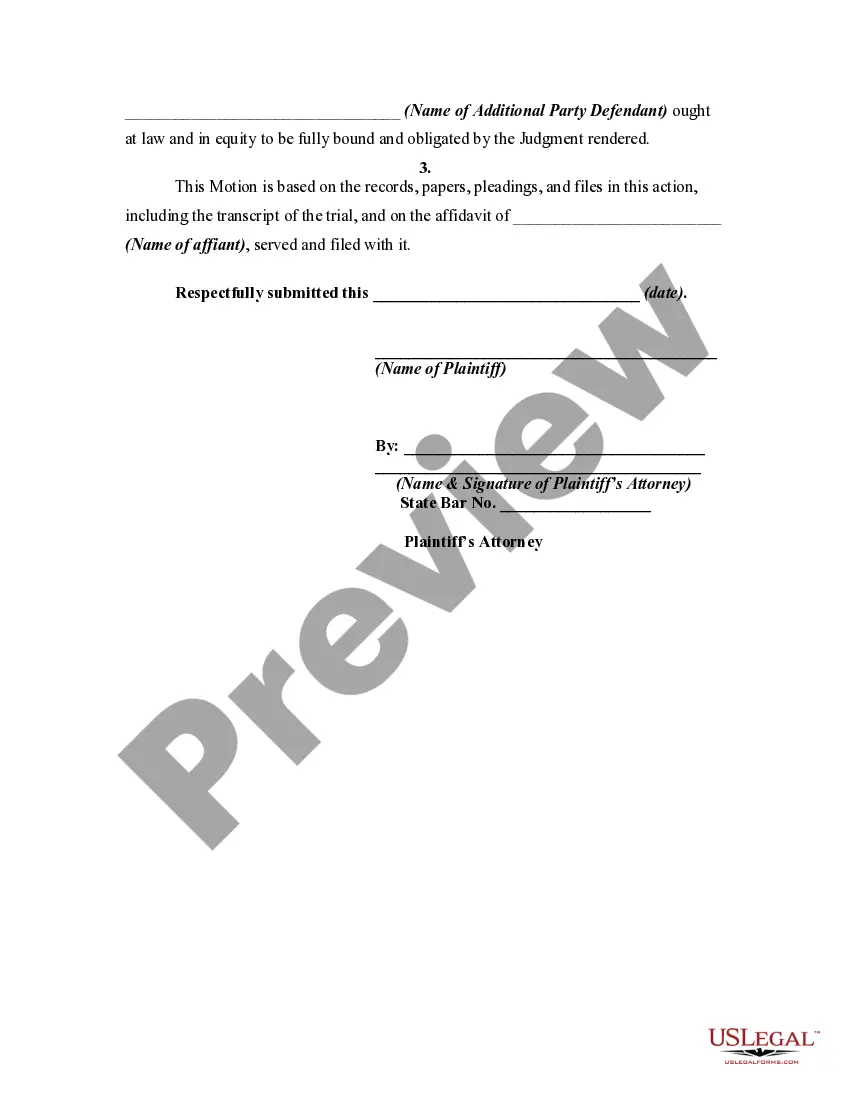
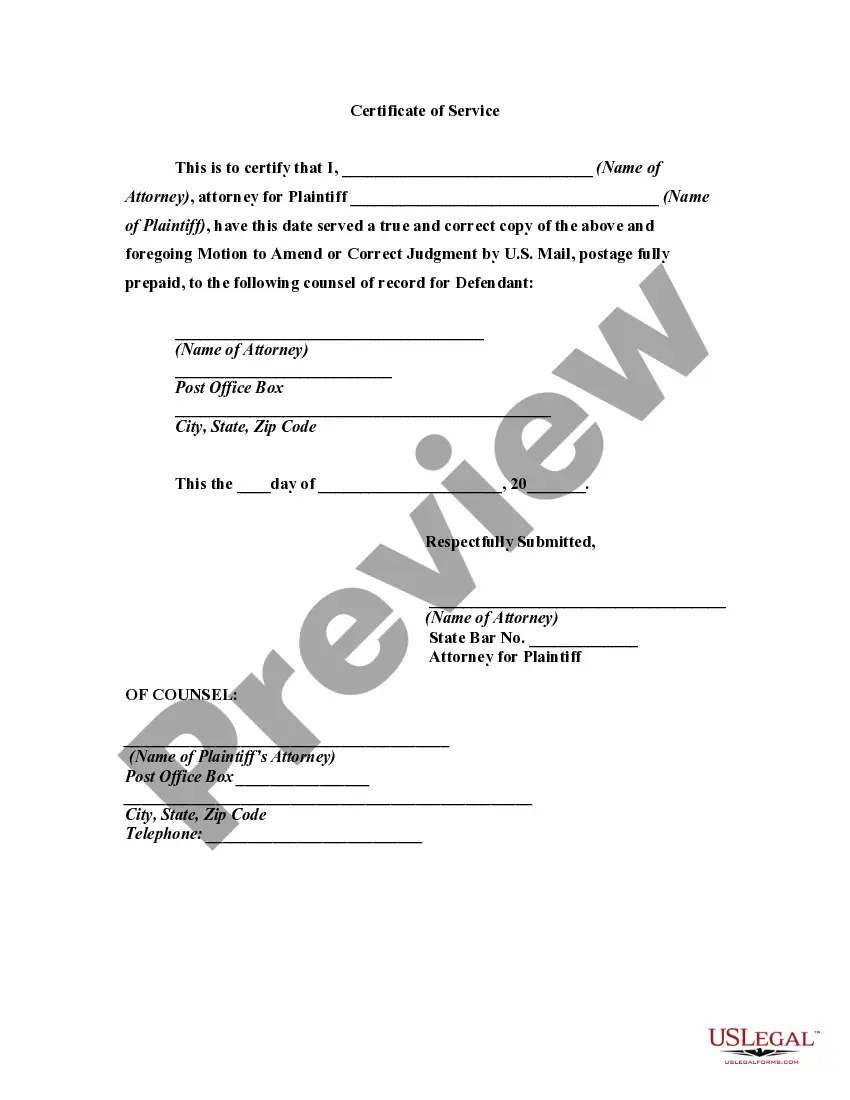
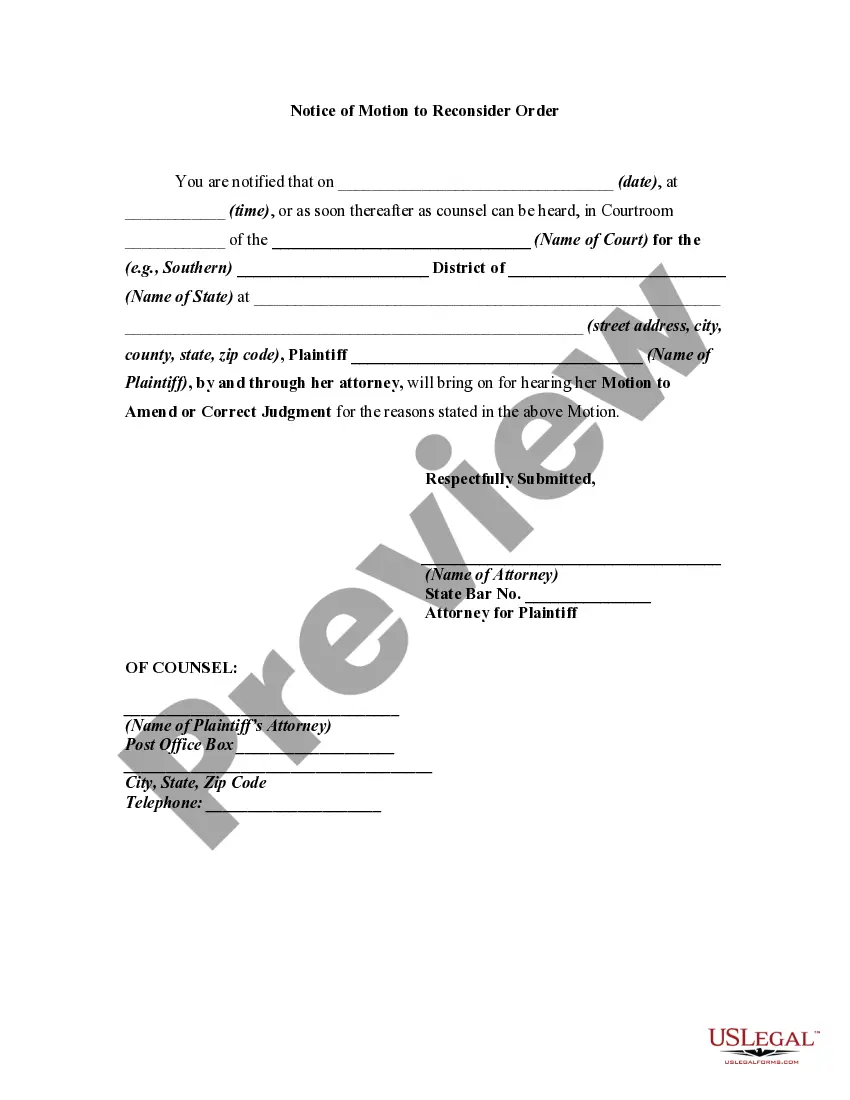
Get your form ready online
Our built-in tools help you complete, sign, share, and store your documents in one place.
Make edits, fill in missing information, and update formatting in US Legal Forms—just like you would in MS Word.
Download a copy, print it, send it by email, or mail it via USPS—whatever works best for your next step.
Sign and collect signatures with our SignNow integration. Send to multiple recipients, set reminders, and more. Go Premium to unlock E-Sign.
If this form requires notarization, complete it online through a secure video call—no need to meet a notary in person or wait for an appointment.
We protect your documents and personal data by following strict security and privacy standards.

Make edits, fill in missing information, and update formatting in US Legal Forms—just like you would in MS Word.

Download a copy, print it, send it by email, or mail it via USPS—whatever works best for your next step.

Sign and collect signatures with our SignNow integration. Send to multiple recipients, set reminders, and more. Go Premium to unlock E-Sign.

If this form requires notarization, complete it online through a secure video call—no need to meet a notary in person or wait for an appointment.

We protect your documents and personal data by following strict security and privacy standards.
Looking for another form?
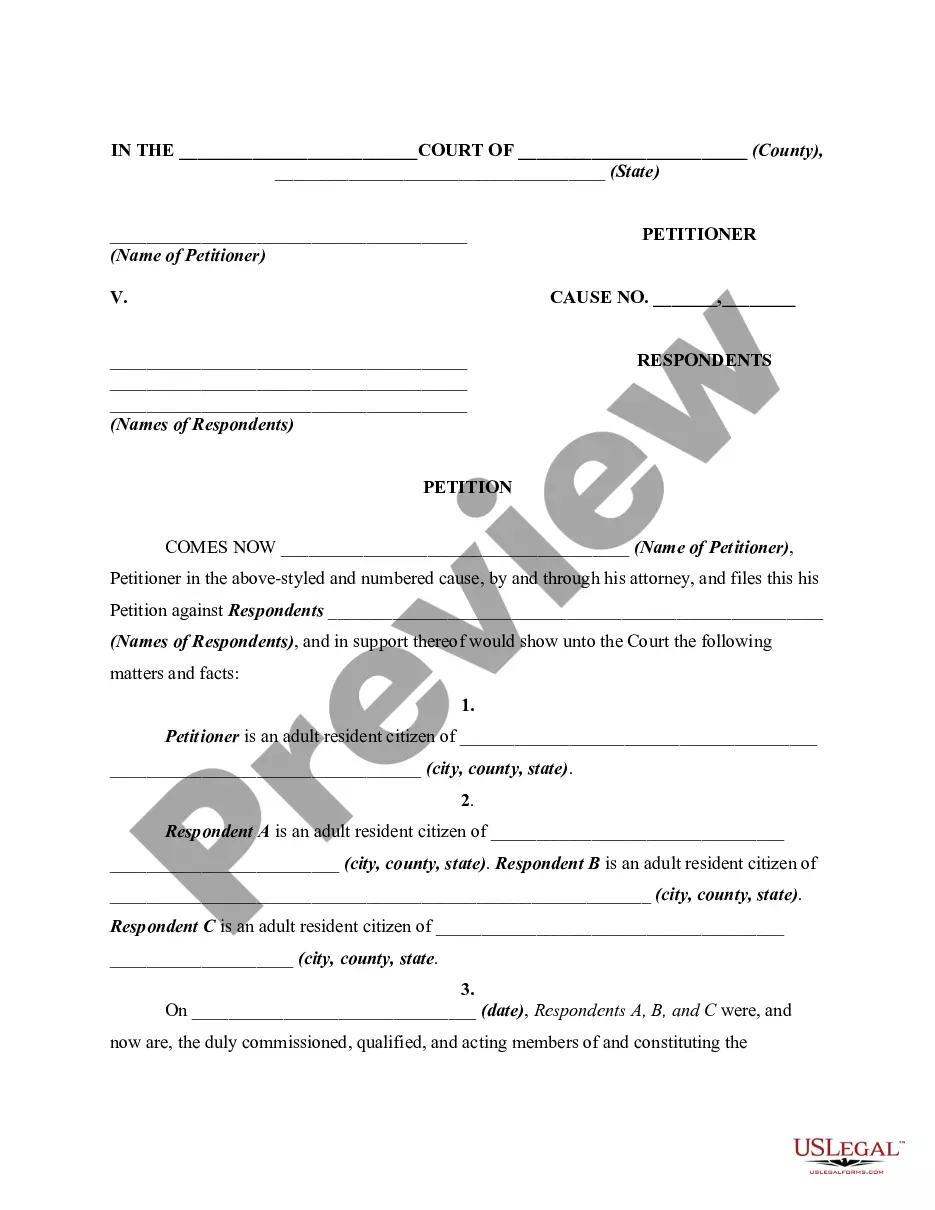
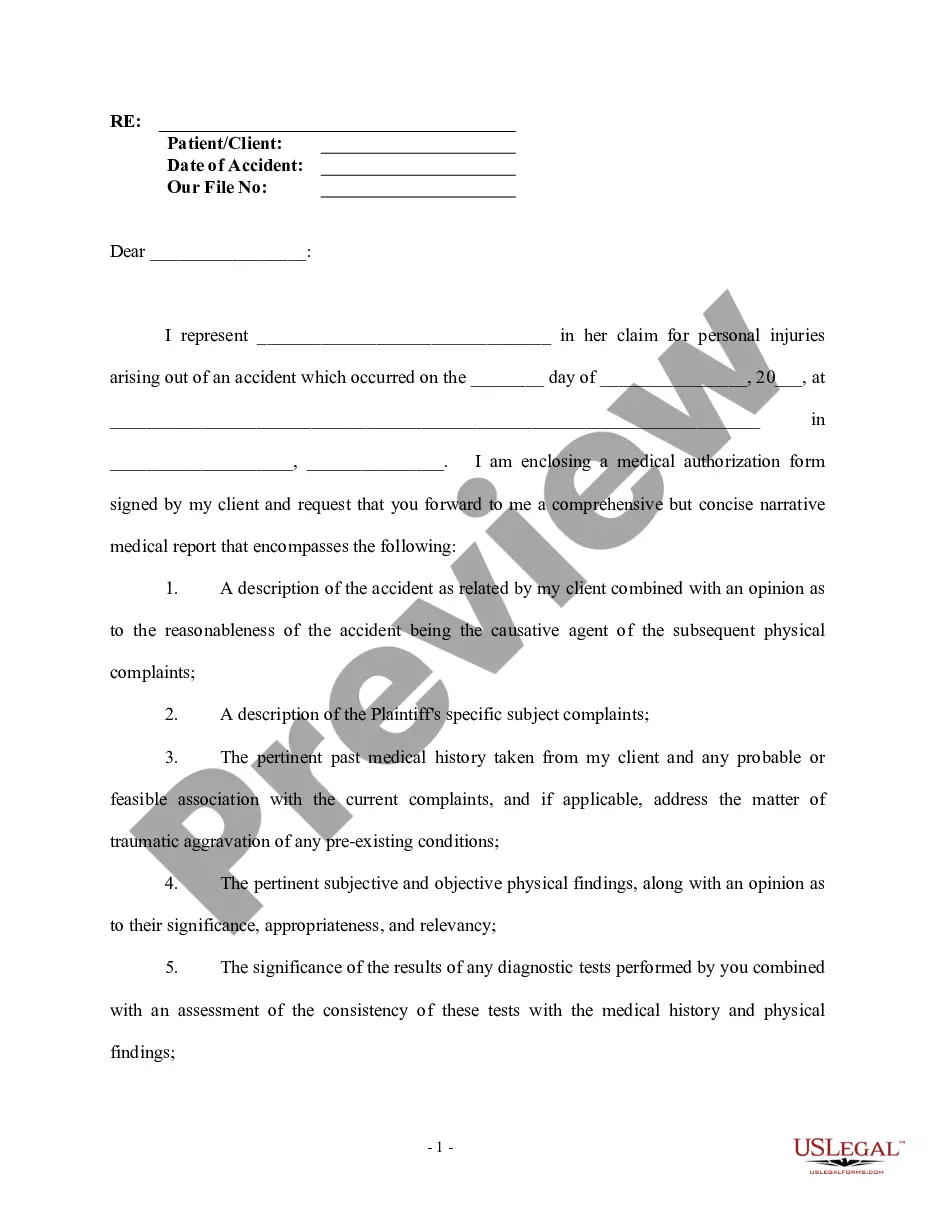
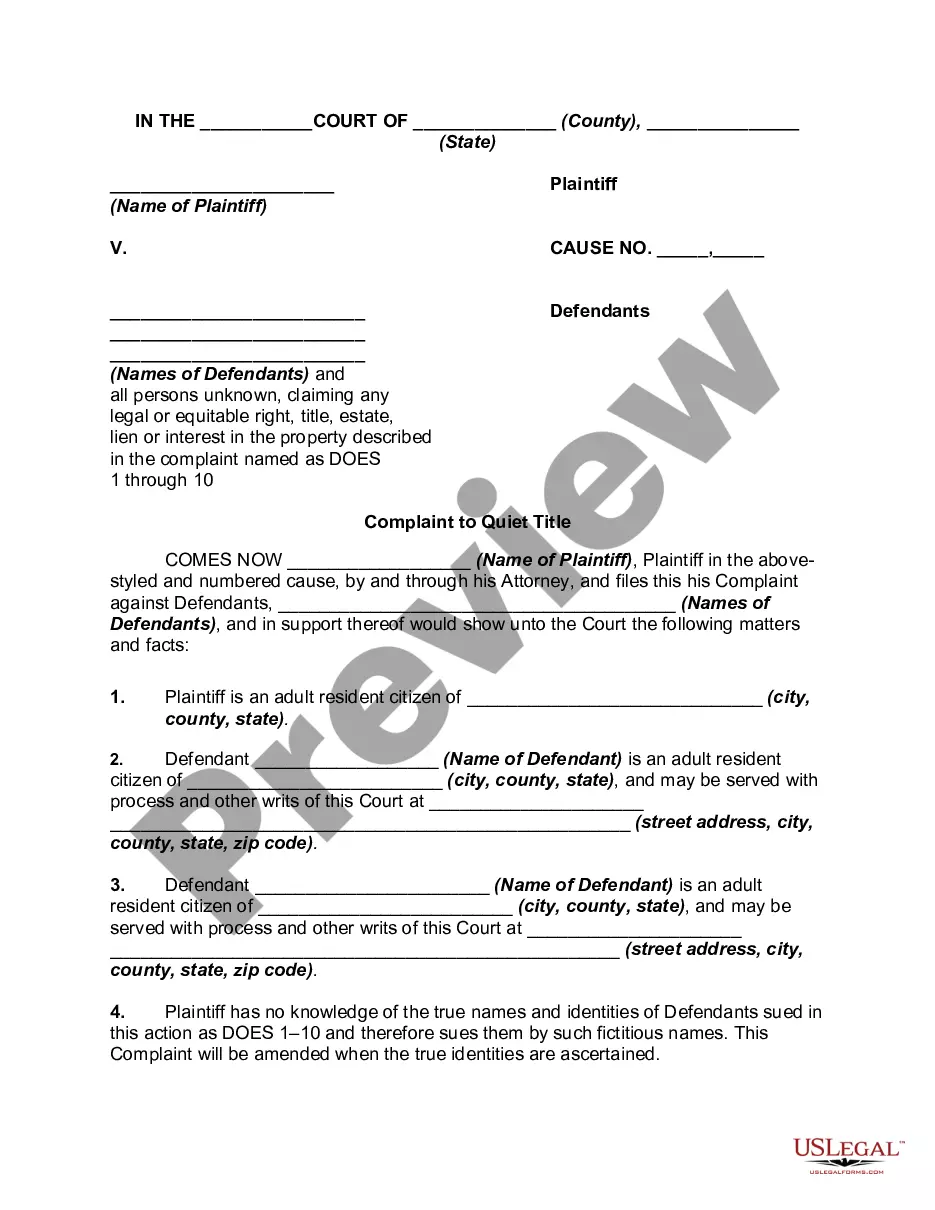
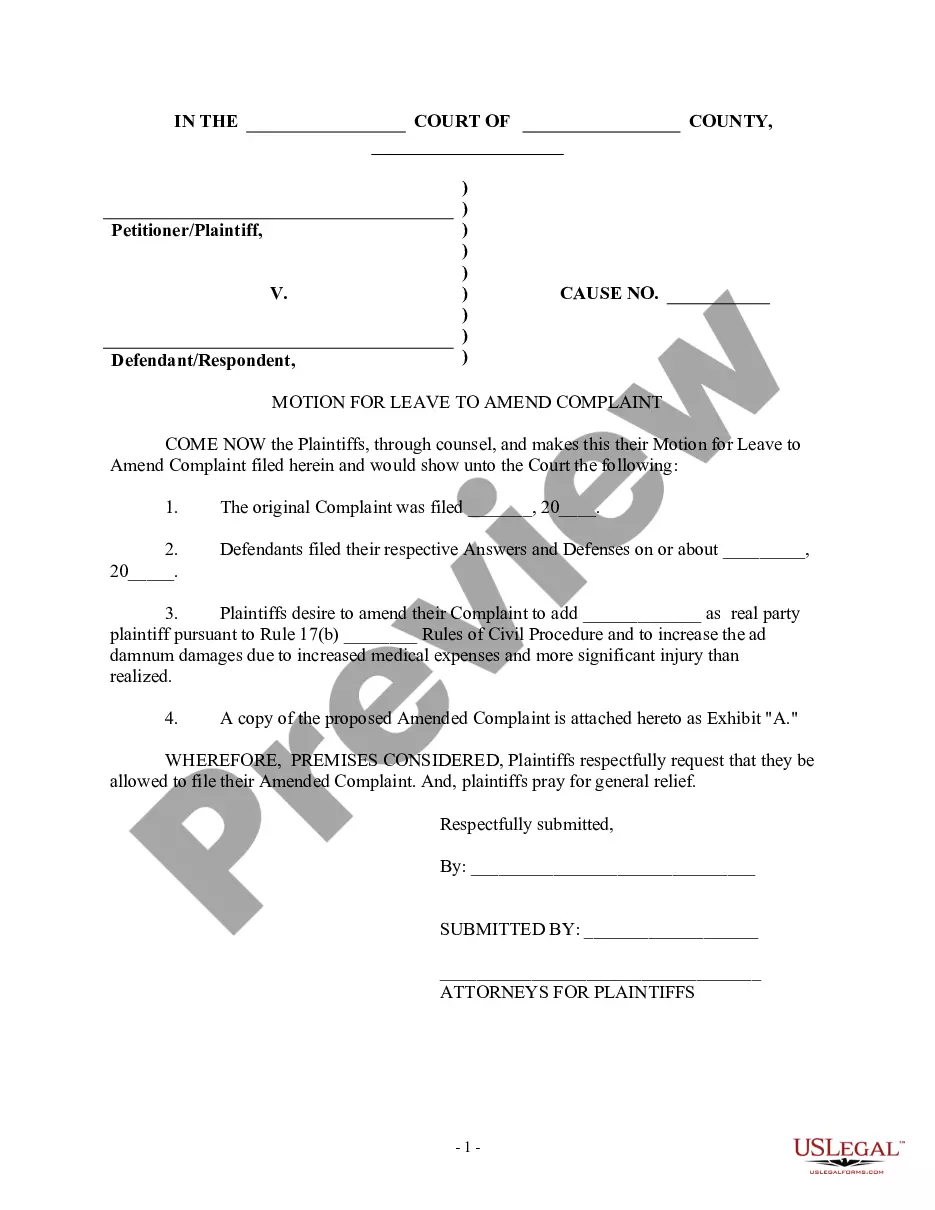
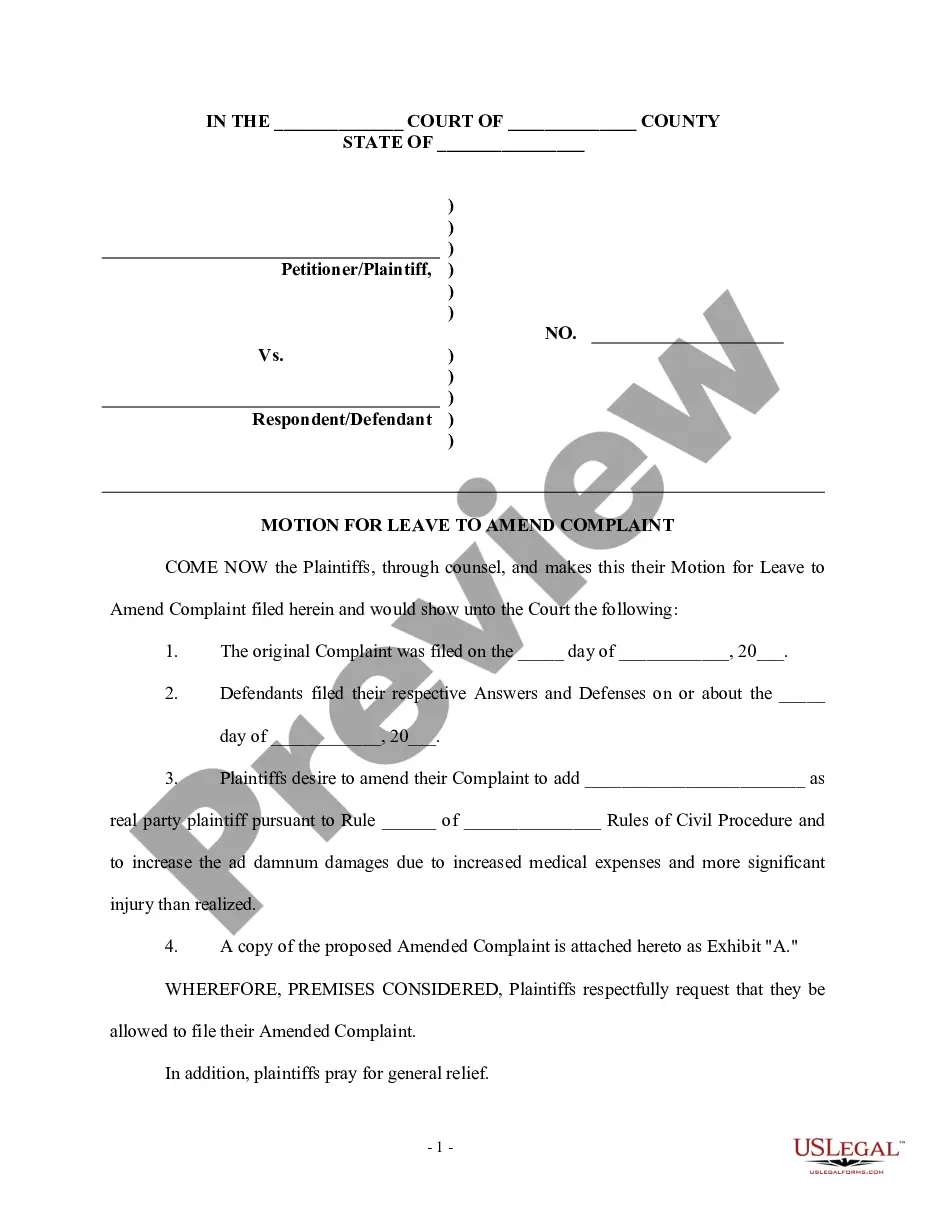
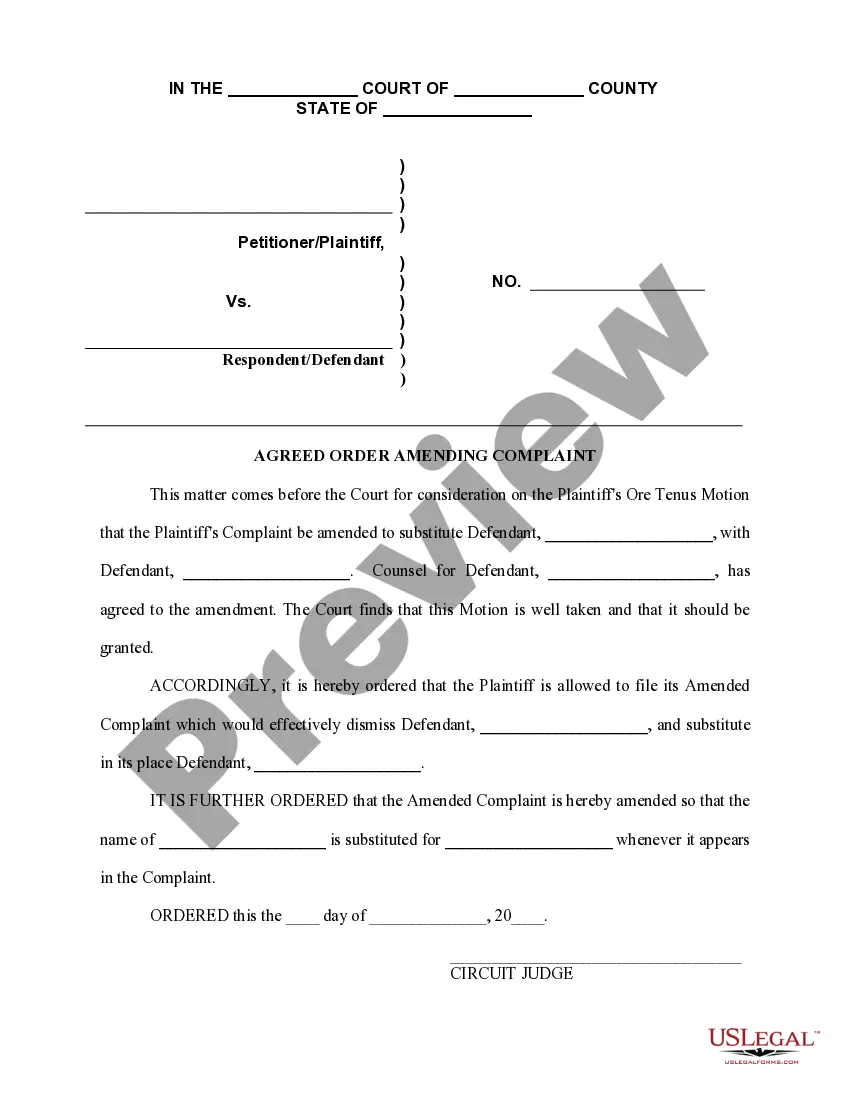
How to fill out Motion To Amend Or Correct Judgment To Include Additional Party Defendant As Real Party In Interest?
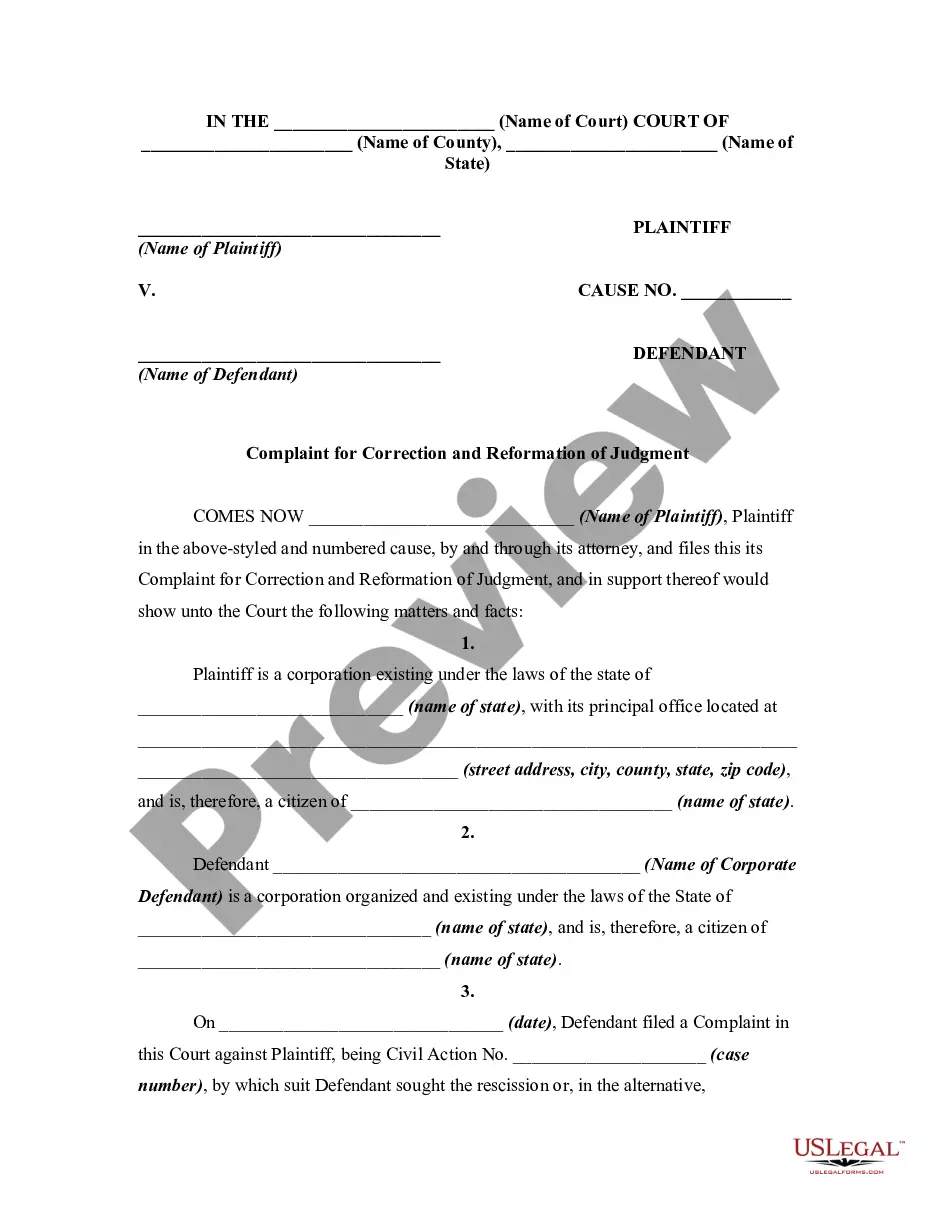
The Motion For Appropriate Relief Maryland displayed on this page is a reusable structured document created by expert attorneys in accordance with federal and regional regulations.
For over 25 years, US Legal Forms has supplied individuals, businesses, and legal professionals with more than 85,000 validated, state-specific templates for any commercial and personal situation. It’s the fastest, easiest, and most reliable method to acquire the documents you require, as the service ensures bank-grade data protection and anti-malware safeguards.
Enroll in US Legal Forms to access verified legal templates for all of life’s situations at your fingertips.
- Search for the document you require and examine it.
- Browse the sample you looked for and preview it or read the form description to confirm it meets your needs. If it doesn't, use the search feature to find the correct one. Click Buy Now once you have found the template you want.
- Subscribe and Log In.
- Choose the pricing option that works for you and create an account. Utilize PayPal or a credit card for a swift payment. If you already possess an account, Log In and check your subscription to proceed.
- Acquire the fillable template.
Form popularity
FAQ
A motion for clarification seeks to rectify any ambiguity in a court order. It allows a party to request the court to restate its previous ruling in clearer terms. This motion is particularly relevant following a motion for appropriate relief in Maryland, where precise understanding of the court's directive is necessary. If you need to draft such a motion, US Legal Forms can help provide the forms and instructions required.
The grounds for filing a motion for reconsideration typically include new evidence that was not previously available, a change in the law that affects the case, or an argument that demonstrates the court made an error in its original decision. Understanding these grounds is crucial when addressing a motion for appropriate relief in Maryland. US Legal Forms can provide detailed support to navigate these complex legal processes.
A clarifying order is a court directive aimed at clarifying previous decisions or actions. It's often requested to eliminate any confusion about the court's intent or to specify how a previous order should be implemented. Such orders can be essential in the context of a motion for appropriate relief in Maryland, ensuring all parties understand their obligations. Consider consulting US Legal Forms for the appropriate forms when you need to file for clarification.
To get someone declared incompetent in Maryland, you must file a petition in court. This petition typically requires medical evidence demonstrating the individual's inability to manage their affairs. A hearing will be held where evidence and testimony are presented. For assistance with legal forms, US Legal Forms can help you understand the steps necessary to file properly.
Once you file a motion for appropriate relief in Maryland, the court schedules a hearing. During the hearing, both parties present their arguments before a judge. After considering the evidence, the judge will make a decision that can either grant or deny the motion. If you are unsure about the process, US Legal Forms provides resources to guide you through filing a motion effectively.
When considering a motion to dismiss, courts typically review the complaint, documents incorporated by reference, and any facts subject to judicial notice. Importantly, the focus remains on the allegations made by the plaintiff rather than external evidence. Thus, it is vital to ensure that your arguments align with the established legal framework and procedural rules to enhance the likelihood of a favorable outcome.
Grounds for a motion to dismiss in Maryland can include lack of subject matter jurisdiction, failure to state a claim upon which relief can be granted, or improper service of process. Each ground serves to challenge the legal sufficiency of the claims made by the opposing party. It's crucial to cite specific statutes or legal precedents that substantiate your grounds for dismissal.
In Maryland, the standard of review for a motion to dismiss involves assessing whether the plaintiff has stated a claim that is legally sufficient to survive the motion. The court evaluates all allegations in the light most favorable to the plaintiff while disregarding any contrary evidence. This means that if there is a conceivable set of facts that would support the plaintiff's claims, the motion to dismiss will likely be denied.
To argue a motion to dismiss effectively, you must present a clear and persuasive argument showcasing why the case should not proceed. Focus on the legal standards relevant to the motion and provide sufficient evidence or legal precedents that support your position. Address any weaknesses in the opposing party's claims and build a compelling narrative that emphasizes the merits of your arguments.
A motion for appropriate relief in Maryland is a legal request made to a court seeking to correct an error or address a specific issue in a case. This motion aims to ensure justice by allowing parties to raise significant concerns that were not adequately considered during prior proceedings. When filing this motion, it is essential to clearly outline your reasons and provide relevant evidence to support your request.