Contract Manufacturing In Sap
Description
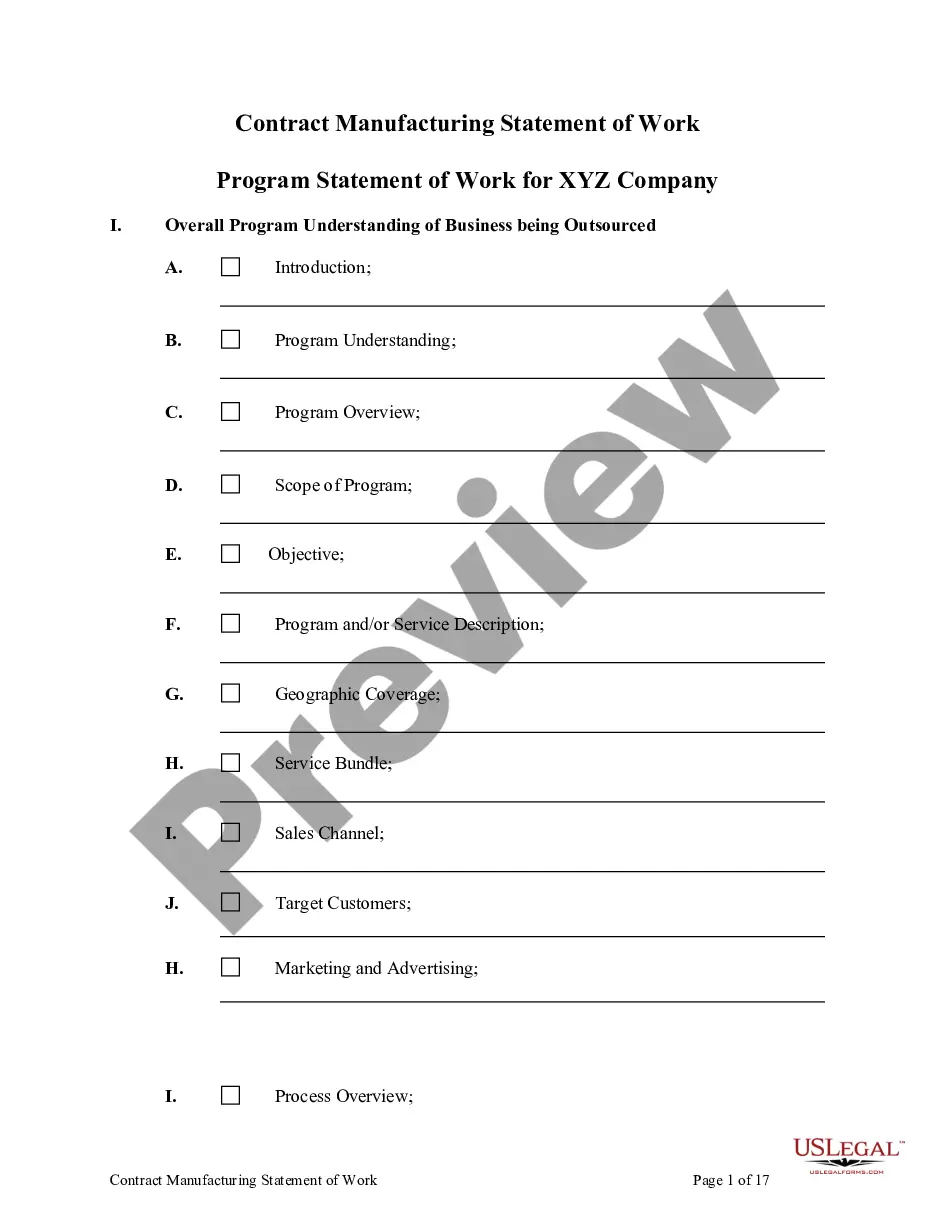
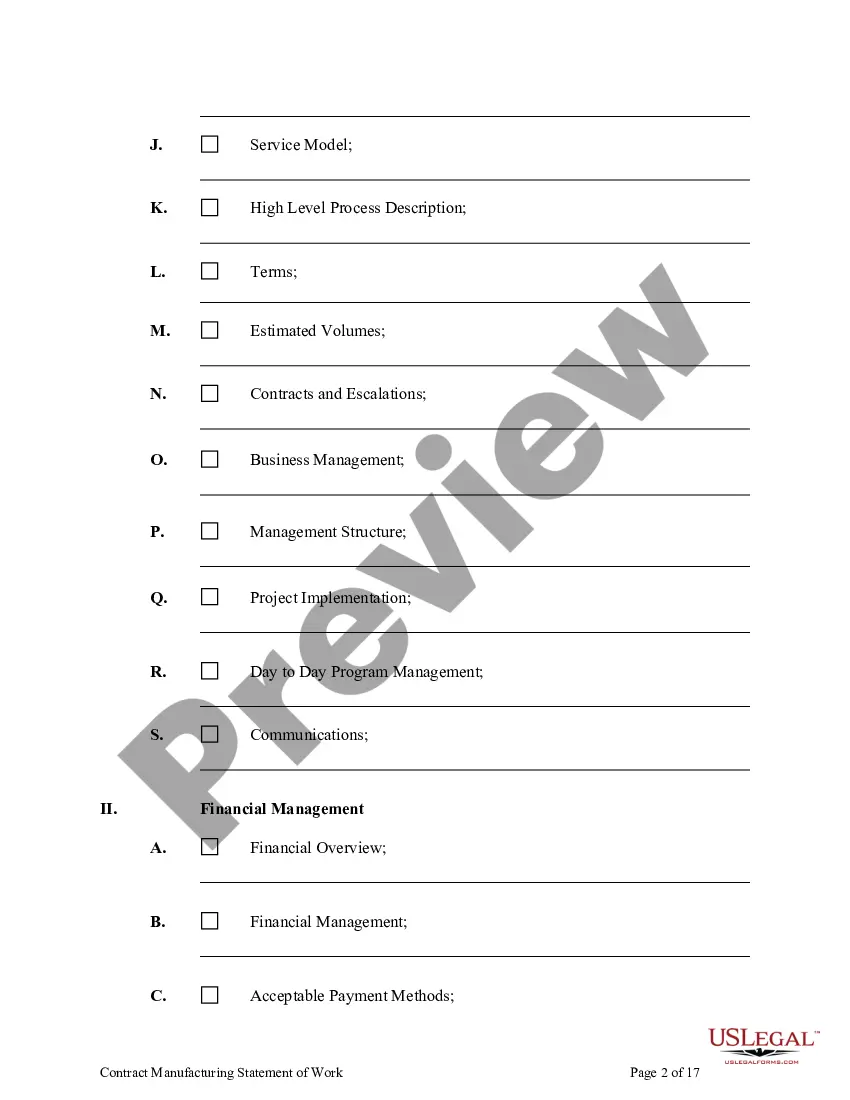
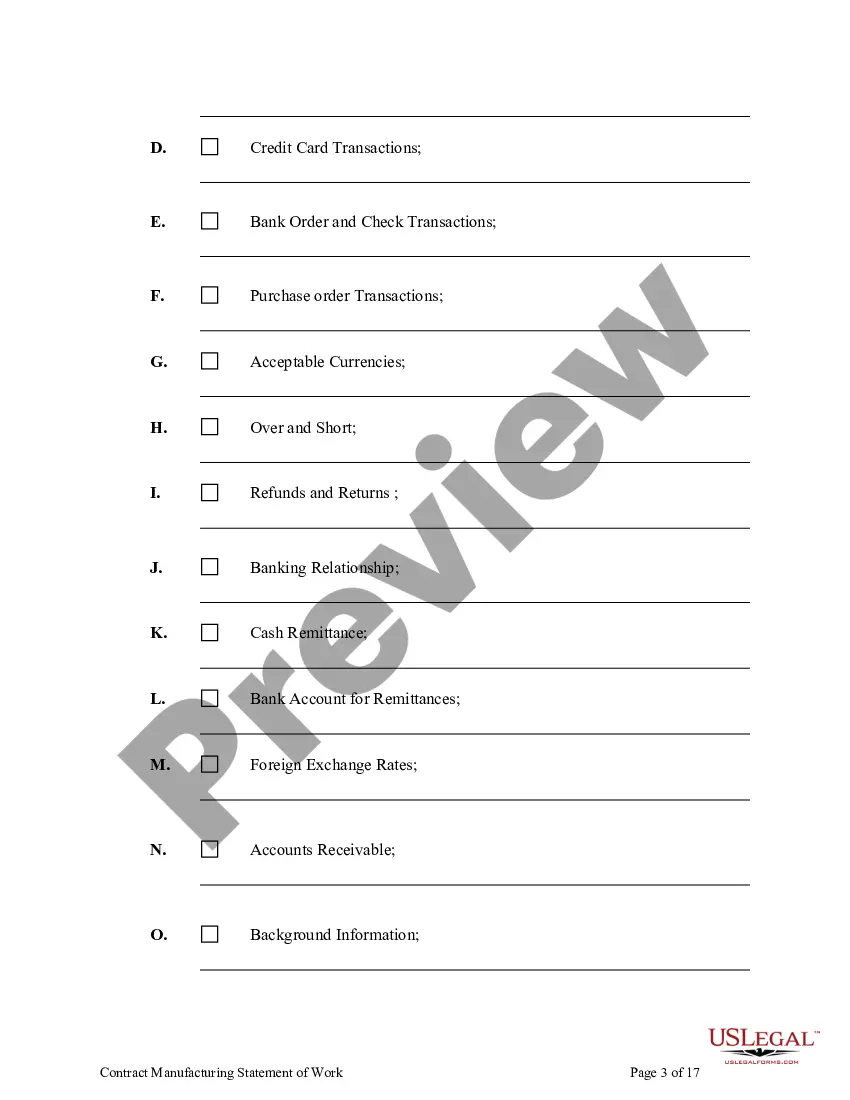
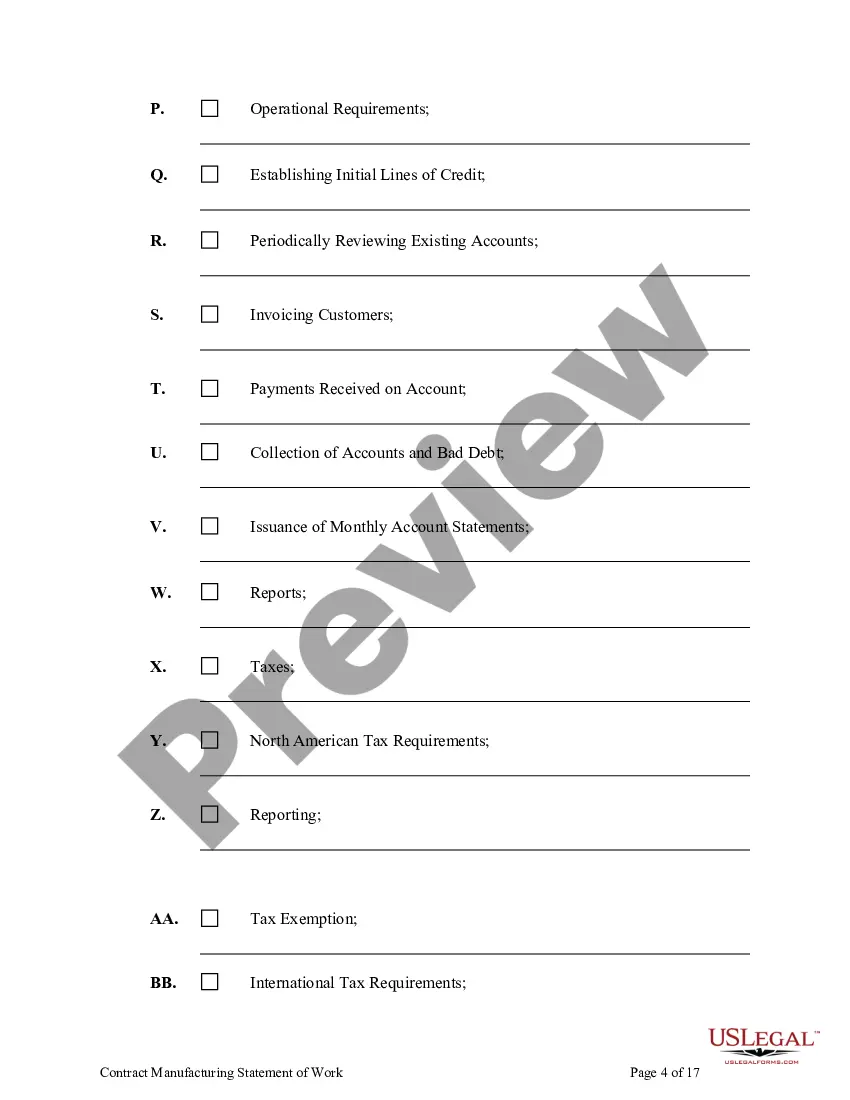
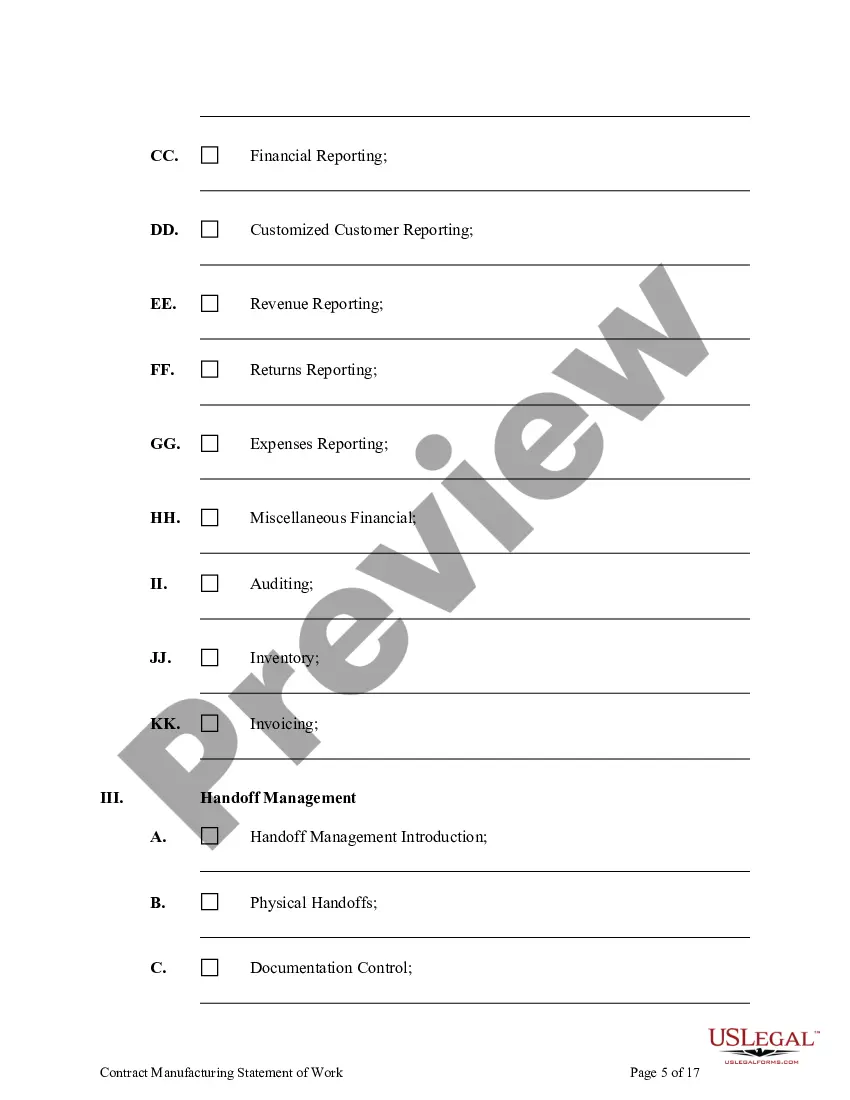
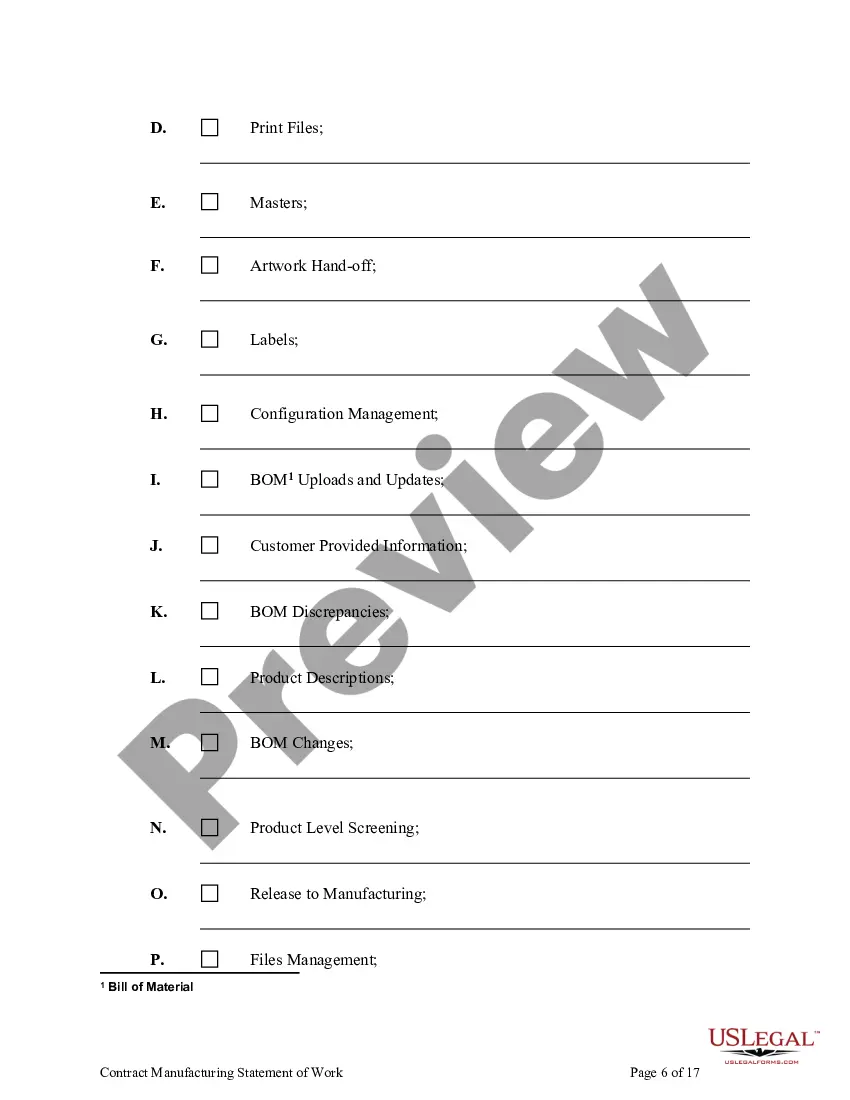
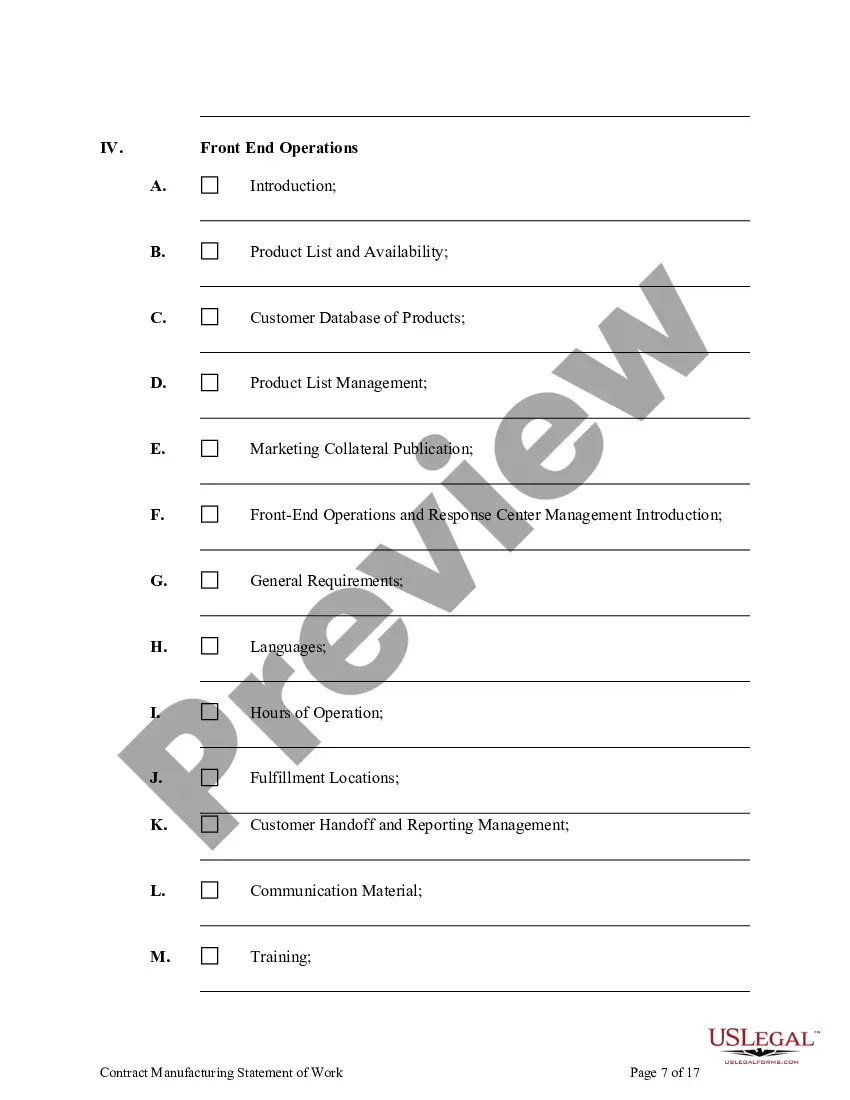
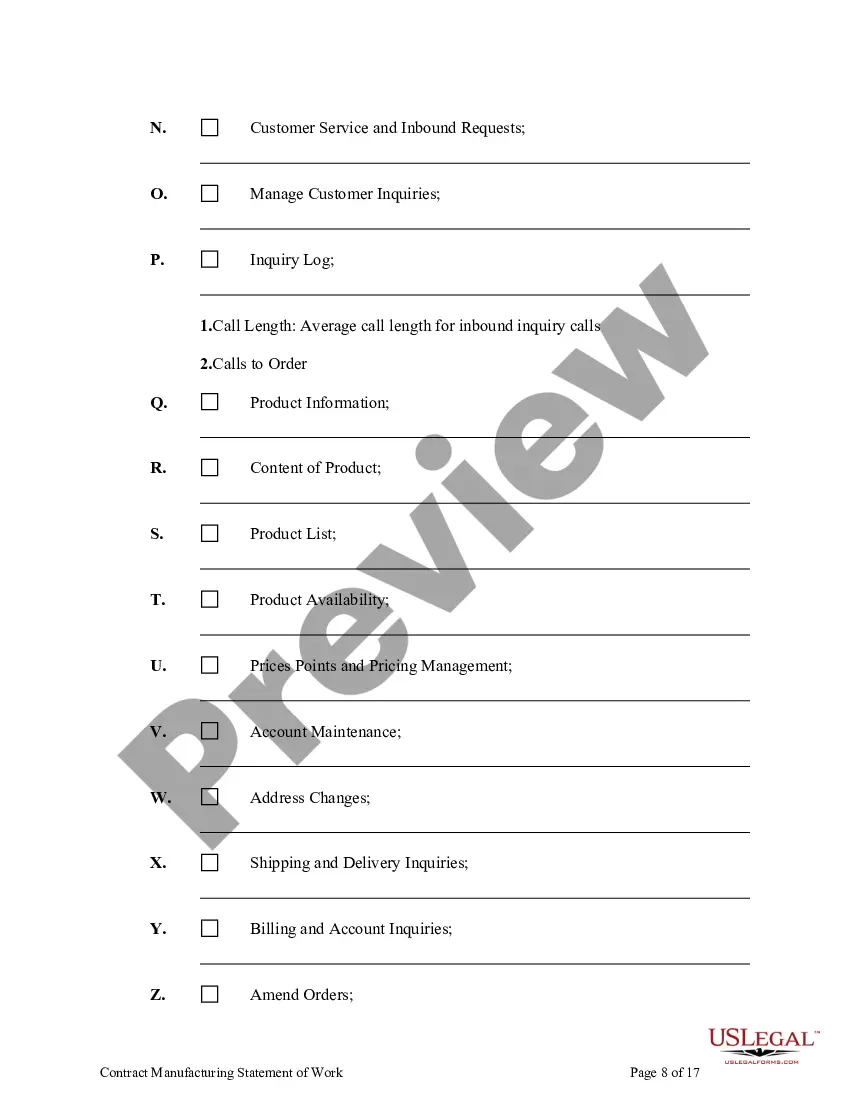

How to fill out Contract Manufacturing Statement Of Work?
Finding a reliable resource to obtain the latest and suitable legal templates is a significant part of dealing with administrative tasks.
Identifying the appropriate legal documents requires accuracy and meticulousness, which is why it is crucial to obtain Contract Manufacturing In Sap templates exclusively from reputable sources, such as US Legal Forms. An incorrect template can waste your time and delay your situation.
Once you have the form on your device, you can edit it using the editor or print it out and fill it in manually. Eliminate the complications associated with your legal documentation. Browse through the comprehensive US Legal Forms catalog where you can discover legal templates, verify their applicability to your scenario, and download them instantly.
- Utilize the catalog browsing or search function to locate your template.
- Review the details of the form to confirm it meets the criteria of your state and region.
- Examine the form preview, if available, to verify that the template is indeed what you need.
- Return to the search and find the suitable template if the Contract Manufacturing In Sap does not fulfill your requirements.
- If you are certain of the form’s applicability, download it.
- If you are a registered user, click Log in to verify your identity and access your selected forms in My documents.
- If you do not have an account yet, click Buy now to acquire the template.
- Choose the pricing option that accommodates your needs.
- Proceed with the registration to finalize your purchase.
- Complete your purchase by selecting a payment method (credit card or PayPal).
- Select the file format for downloading Contract Manufacturing In Sap.
Form popularity
FAQ
There are several types of contract manufacturing, including turnkey manufacturing, selective outsourcing, and co-manufacturing. Turnkey manufacturing involves a complete product output, while selective outsourcing focuses on specific components of the process. Co-manufacturing allows two companies to collaborate on production. Choosing the right type is crucial for successful contract manufacturing in SAP.
The three essential stages of a contract are negotiation, execution, and management. During the negotiation stage, involved parties establish terms and conditions that align with their goals. Following this, the contract enters the execution phase, where both parties fulfill their obligations. Finally, effective contract management ensures compliance and facilitates any necessary modifications in the context of contract manufacturing in SAP.
The transaction code (Tcode) for contract creation in SAP is ME31K. This Tcode enables users to efficiently create contracts for material procurement or services. It streamlines the process of drafting and managing contracts within the SAP environment. Utilizing ME31K ensures that contract manufacturing in SAP is both organized and compliant.
In the context of contract manufacturing in SAP, the three types of manufacturers include original equipment manufacturers (OEMs), contract manufacturers (CMs), and private label manufacturers. OEMs design products while CMs produce them based on those designs. Private label manufacturers focus on producing goods that are sold under another company's brand name. Each type serves a distinct role in the manufacturing ecosystem.
Subcontract manufacturing in SAP involves specific steps to ensure products meet quality standards. The process begins with selecting a reliable subcontractor, defining the scope of work, and establishing clear timelines. SAP helps you track production milestones and manage quality assurance checks throughout the manufacturing process. Ultimately, this approach allows for greater efficiency without compromising on product quality.
Effective contract management in SAP starts with organization and clarity. Keep all contracts easily accessible and ensure all relevant stakeholders are informed. Regularly review contract terms to ensure compliance and re-evaluate strategies as necessary. Moreover, using a robust platform like US Legal Forms can simplify the process of drafting, storing, and managing your contracts.
To manage contract manufacturing effectively, start by defining your goals and requirements in SAP workflows. Monitor progress closely and provide feedback to maintain quality and efficiency. This involves assessing performance metrics regularly and making data-driven decisions. By leveraging contract manufacturing in SAP, you can create a structured approach that supports your manufacturing needs.
Managing contract manufacturing in SAP requires clear communication and established protocols. It's essential to set expectations with your manufacturing partner regarding timelines, quality standards, and costs. Regular updates and check-ins can help maintain alignment. Additionally, utilizing SAP’s features can streamline tracking and documentation, making it easier to manage your relationships effectively.
Contract manufacturing in SAP typically involves three forms: domestic outsourcing, international outsourcing, and third-party manufacturing. Each option provides unique benefits, allowing flexibility based on business needs. Domestic outsourcing keeps production within the country, while international outsourcing can reduce costs significantly. Third-party manufacturing involves a separate entity handling production, ensuring that businesses can focus on their core operations.
Contract manufacturing refers to the process where a company hires another manufacturer to produce its products. This arrangement allows for flexibility in production and resource allocation, making it a valuable strategy in modern business operations. Incorporating contract manufacturing in SAP can streamline this process significantly.