Contract Manufacturing In Kenya
Description
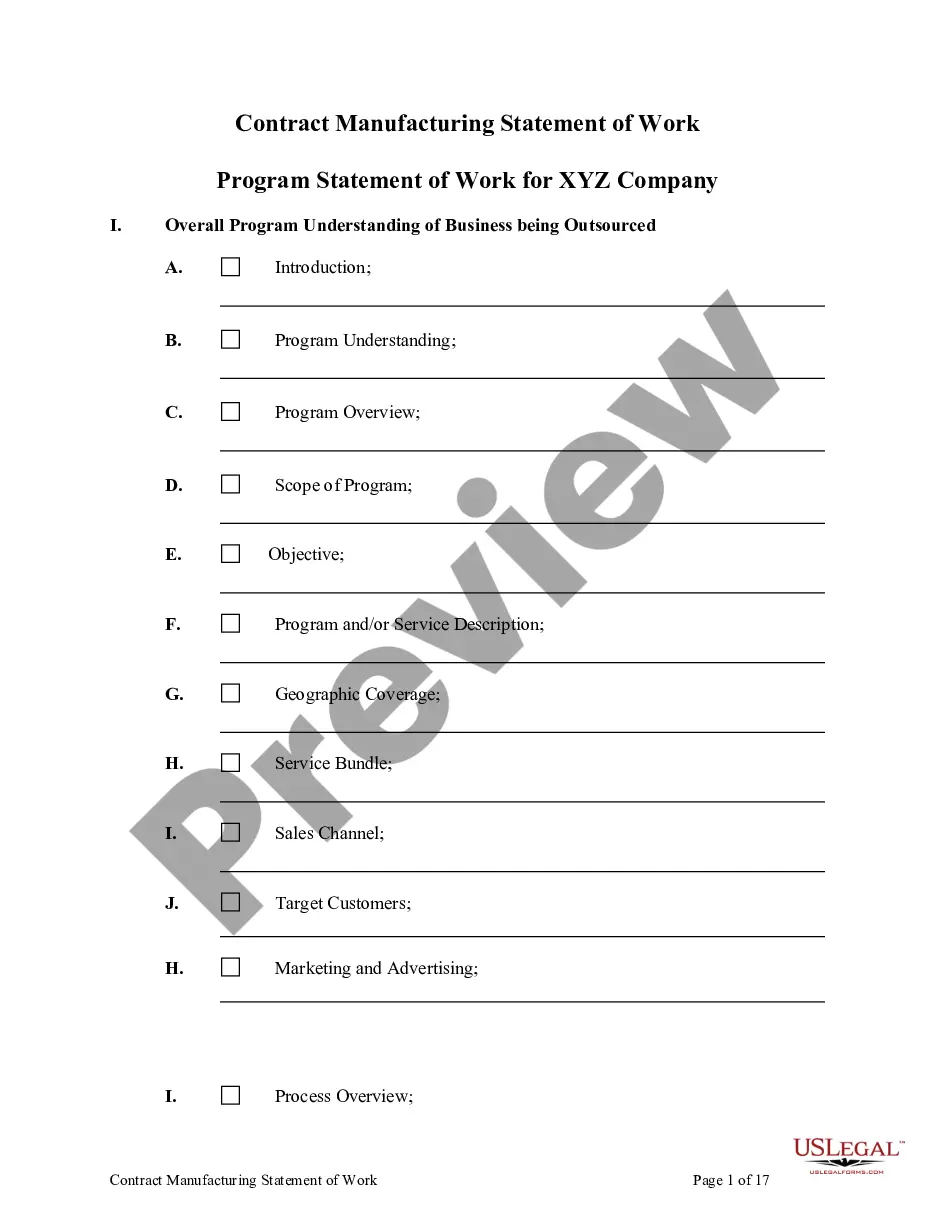
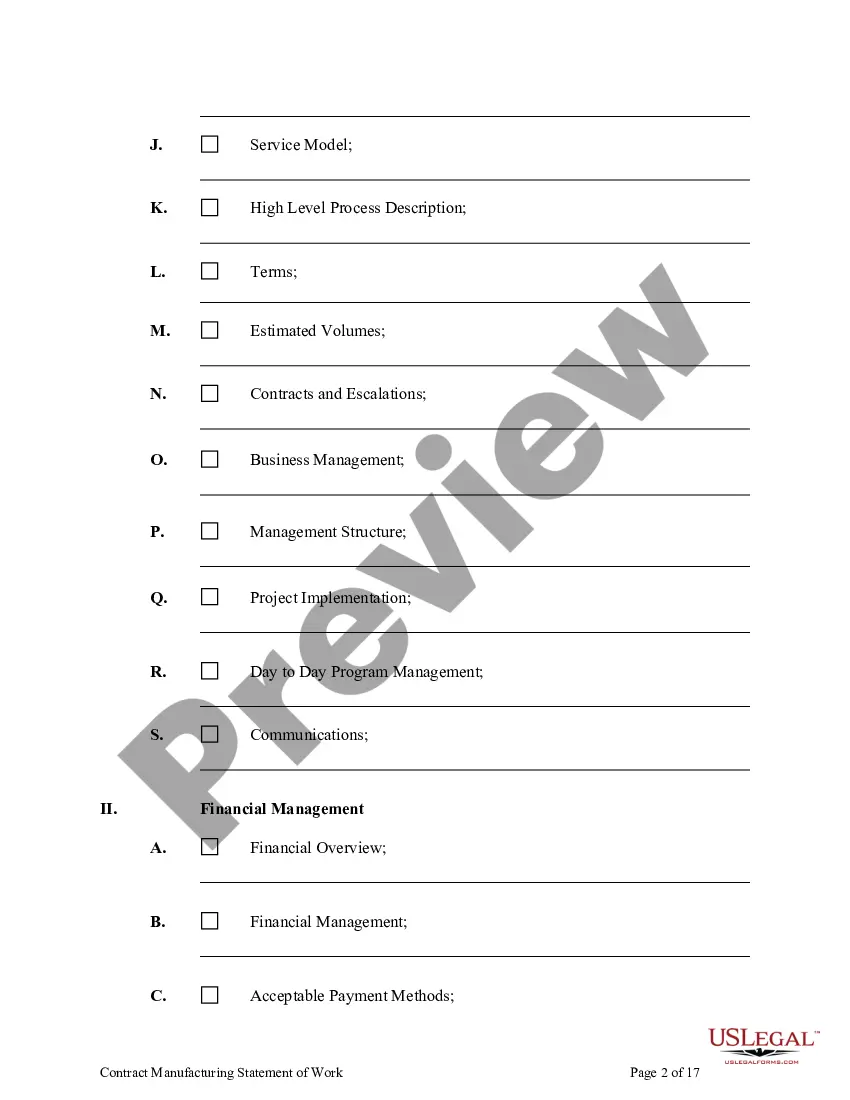
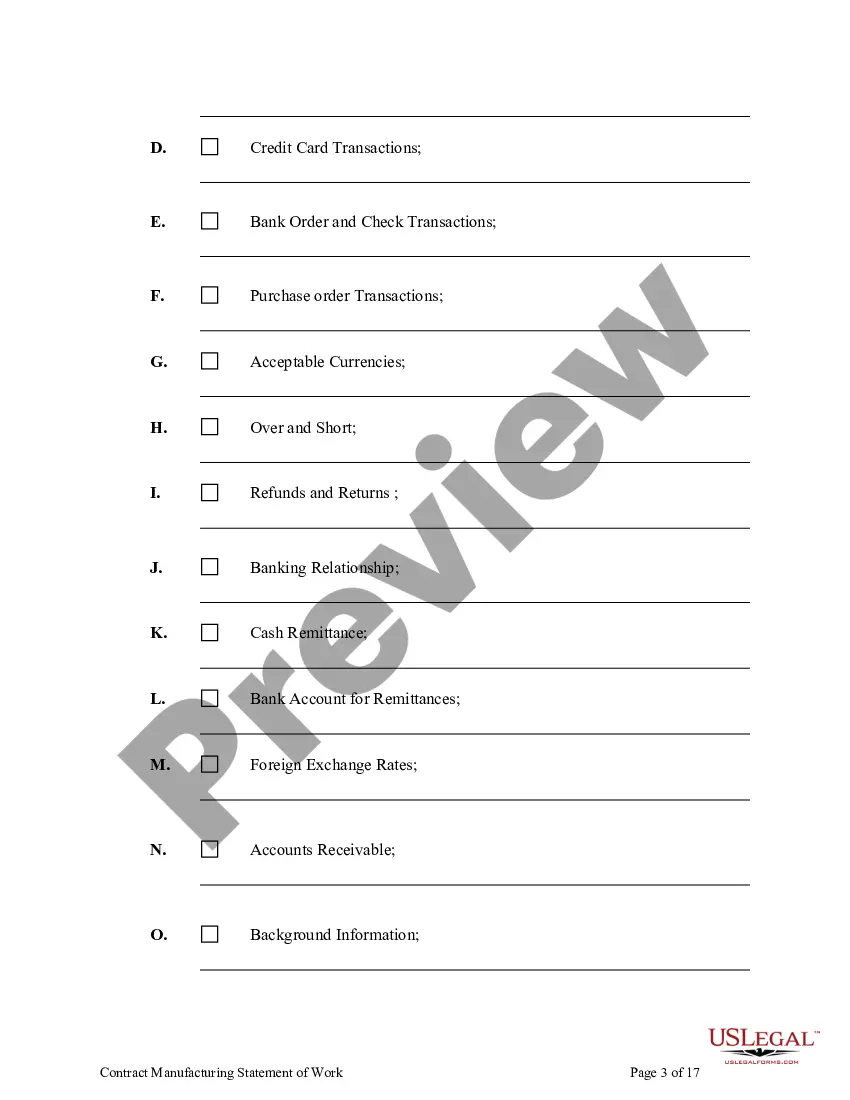
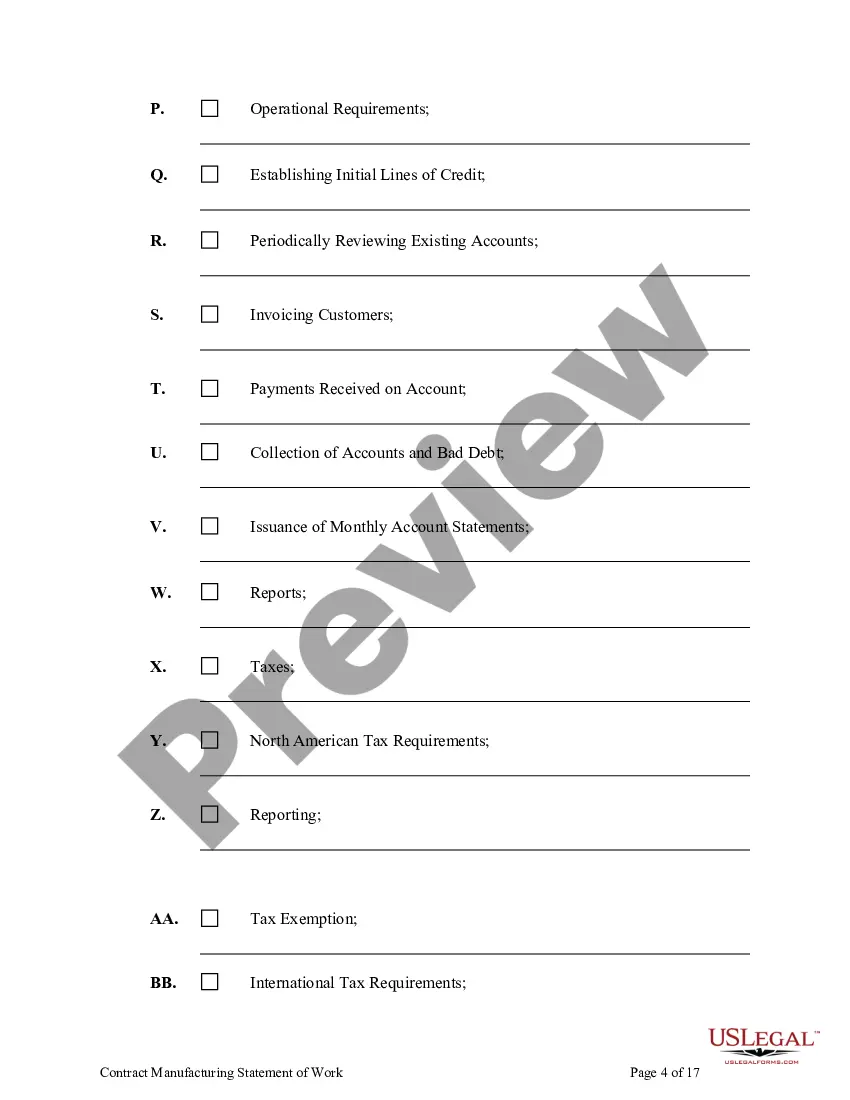
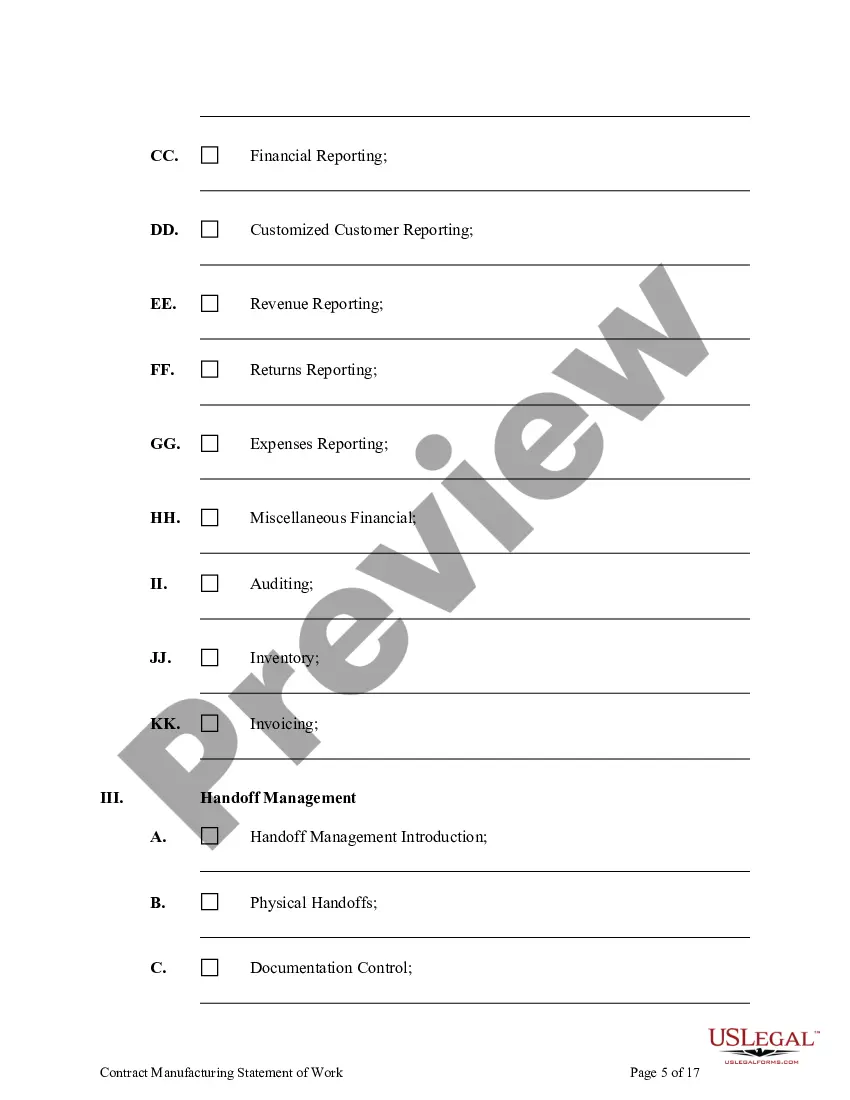
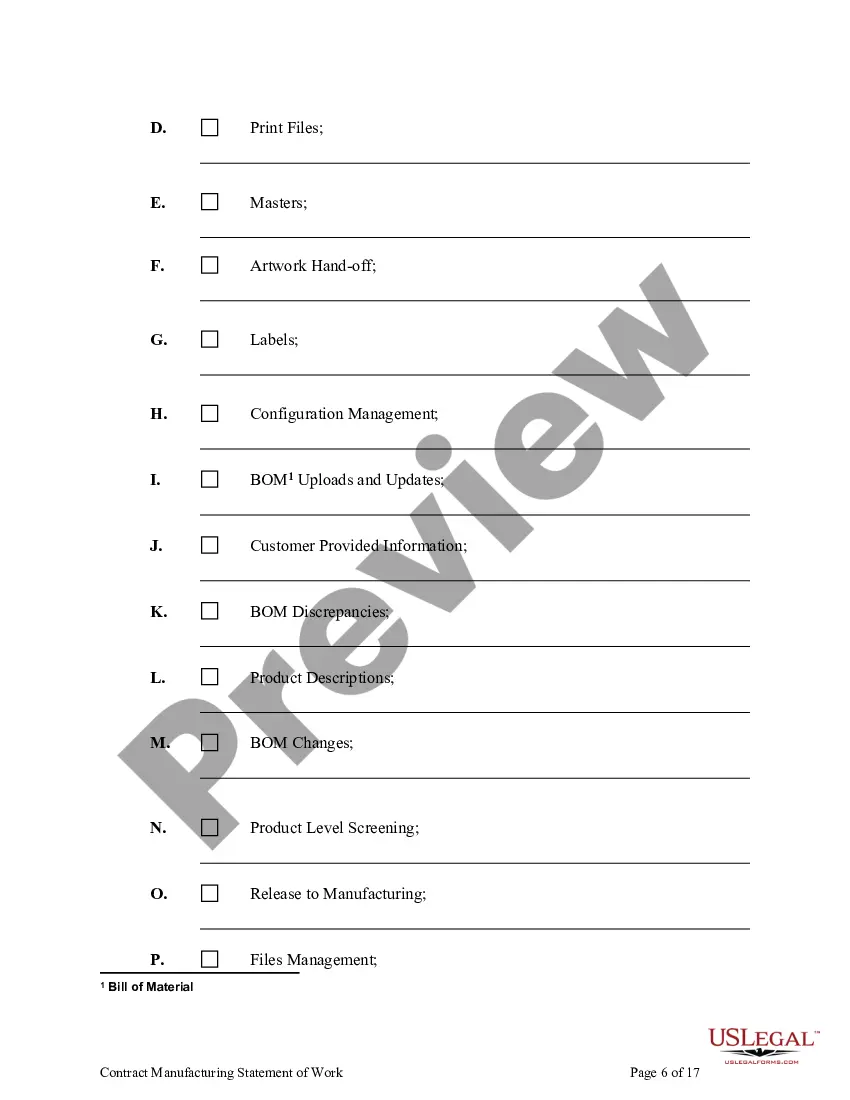
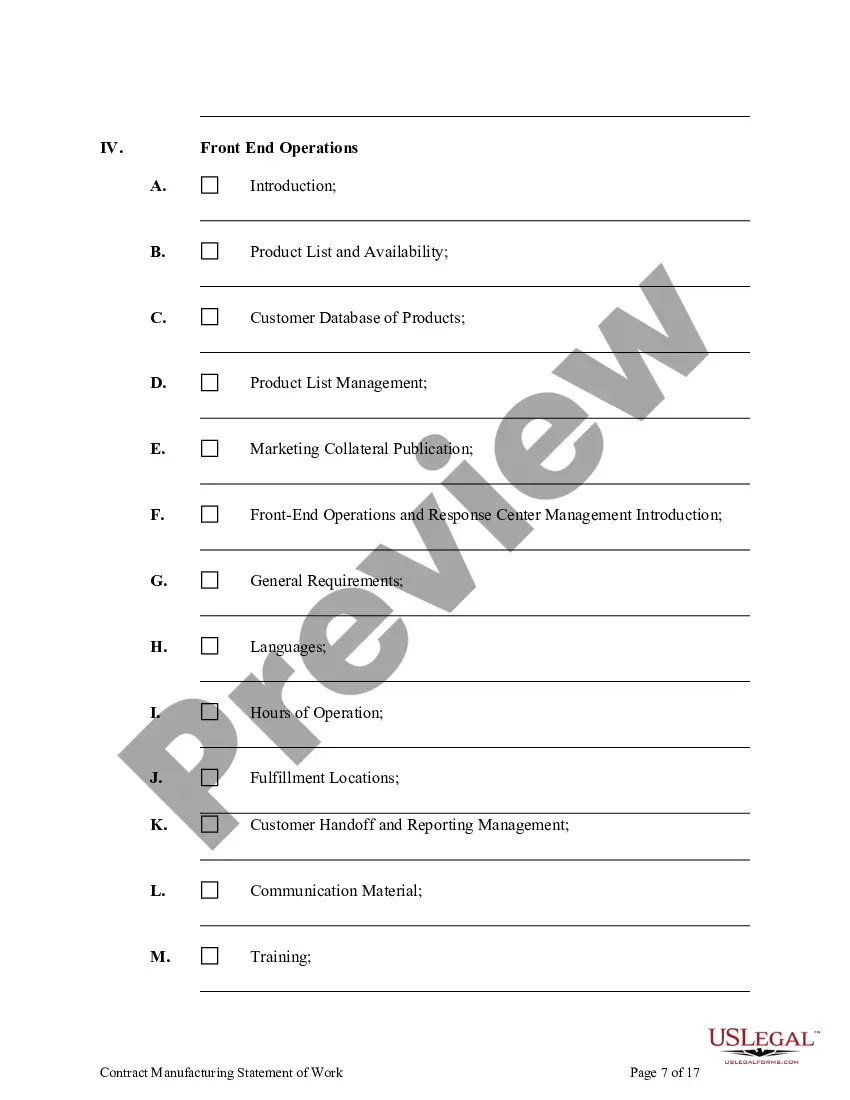
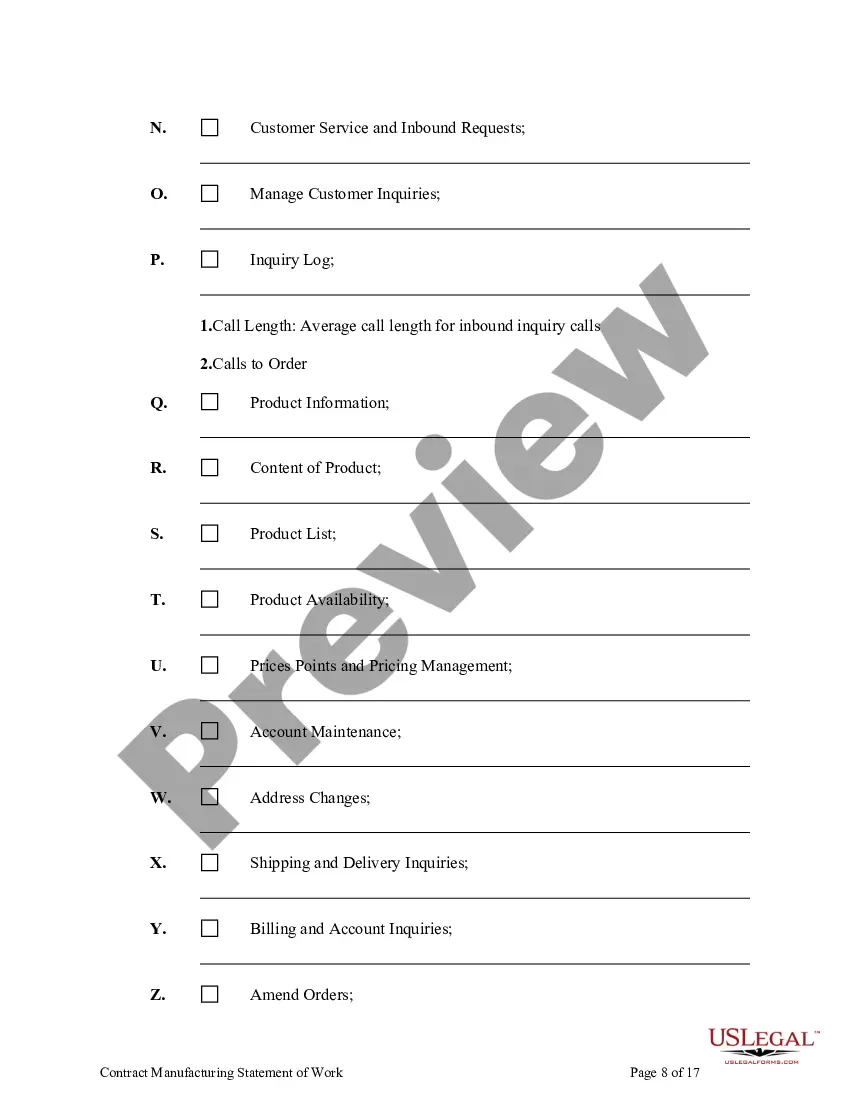
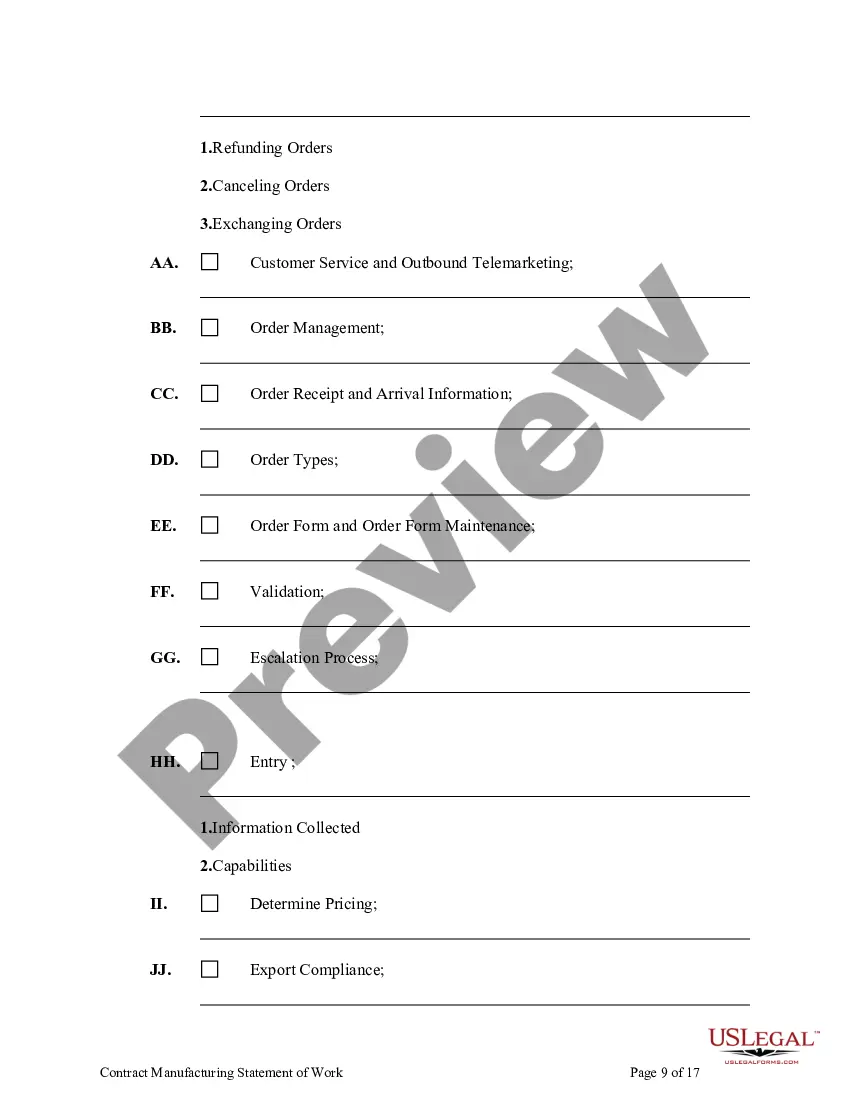
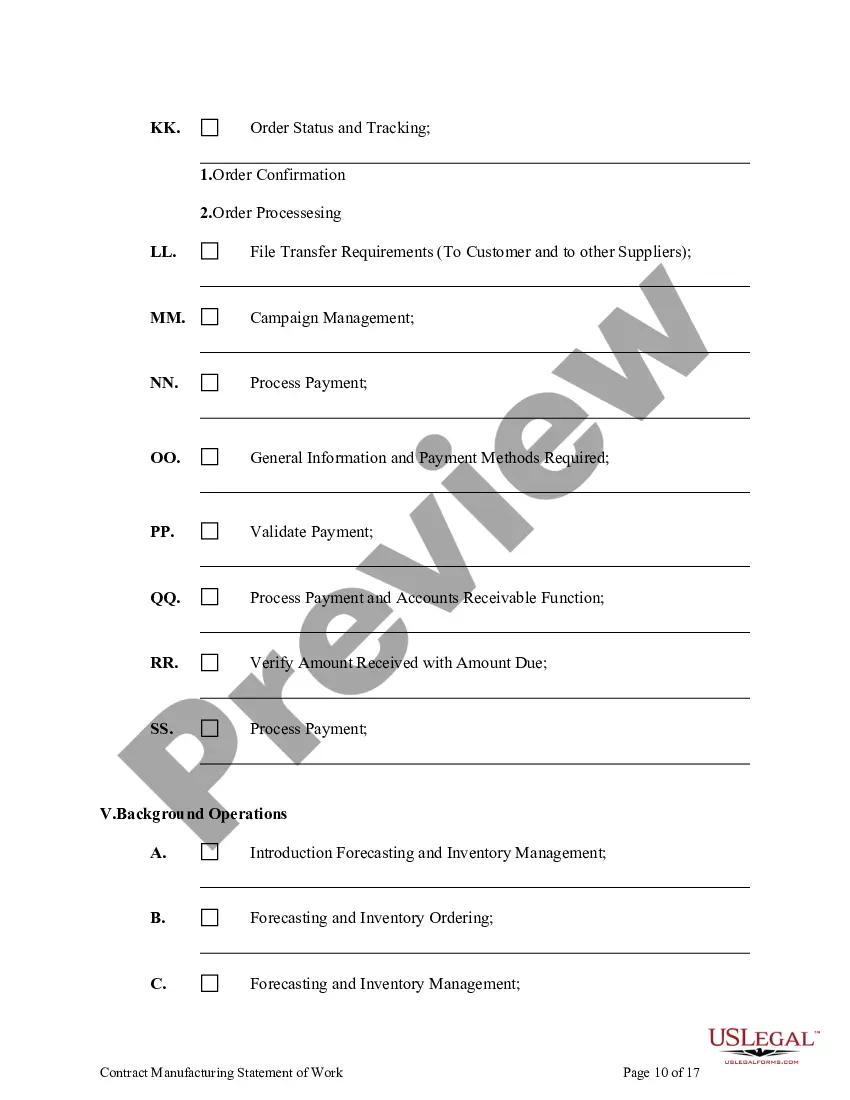

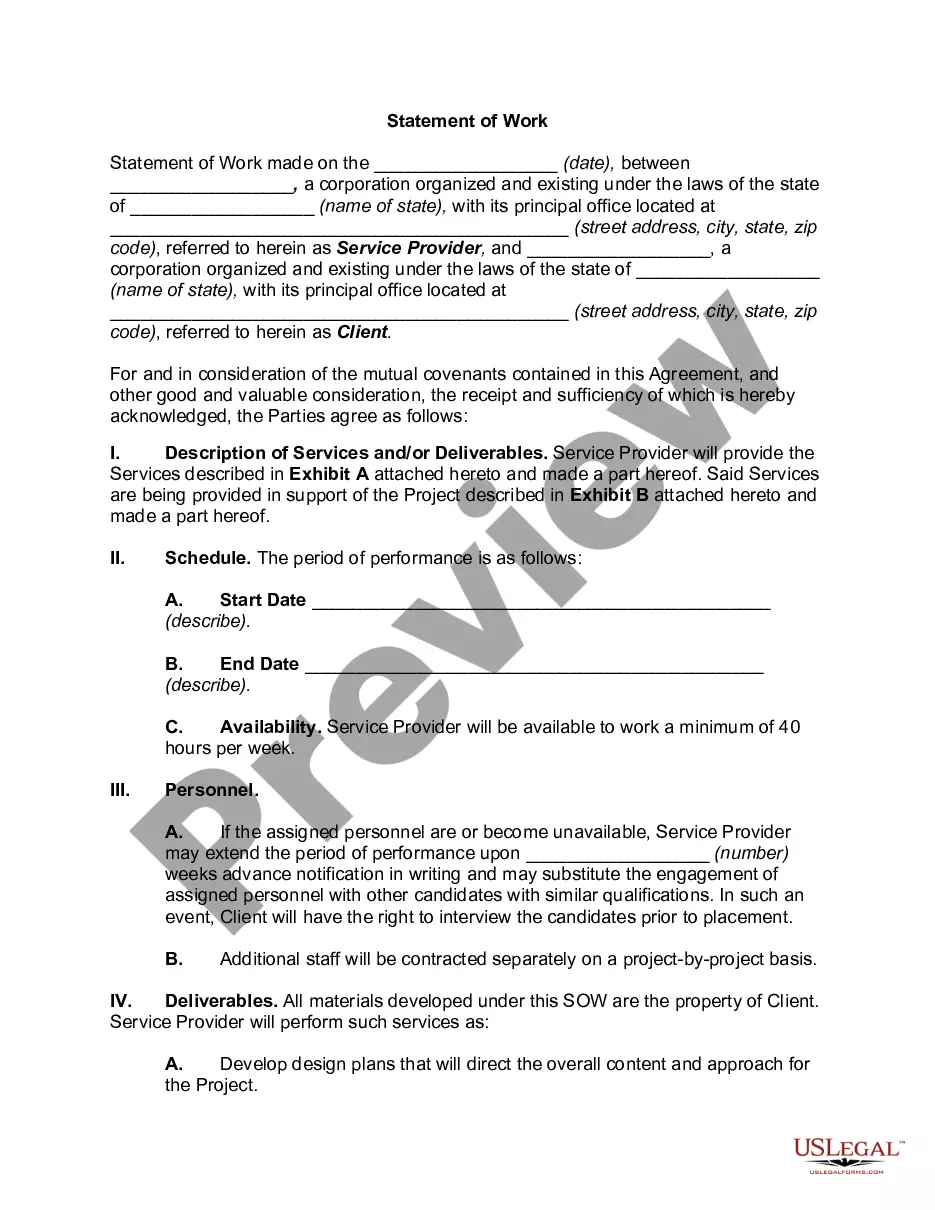
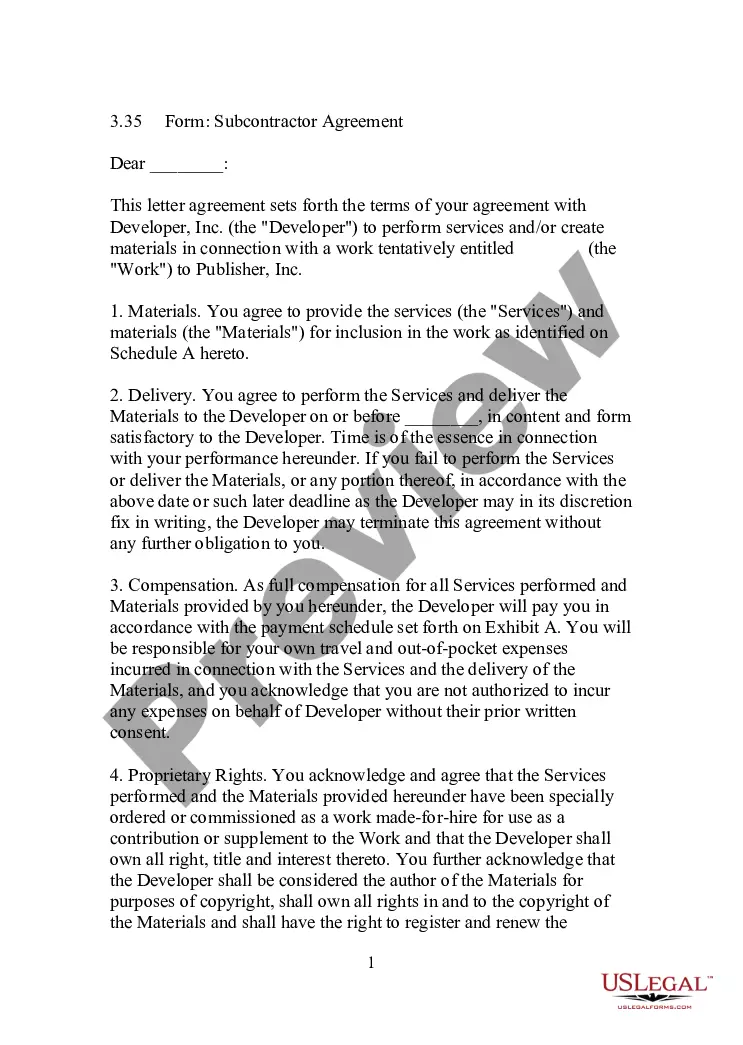
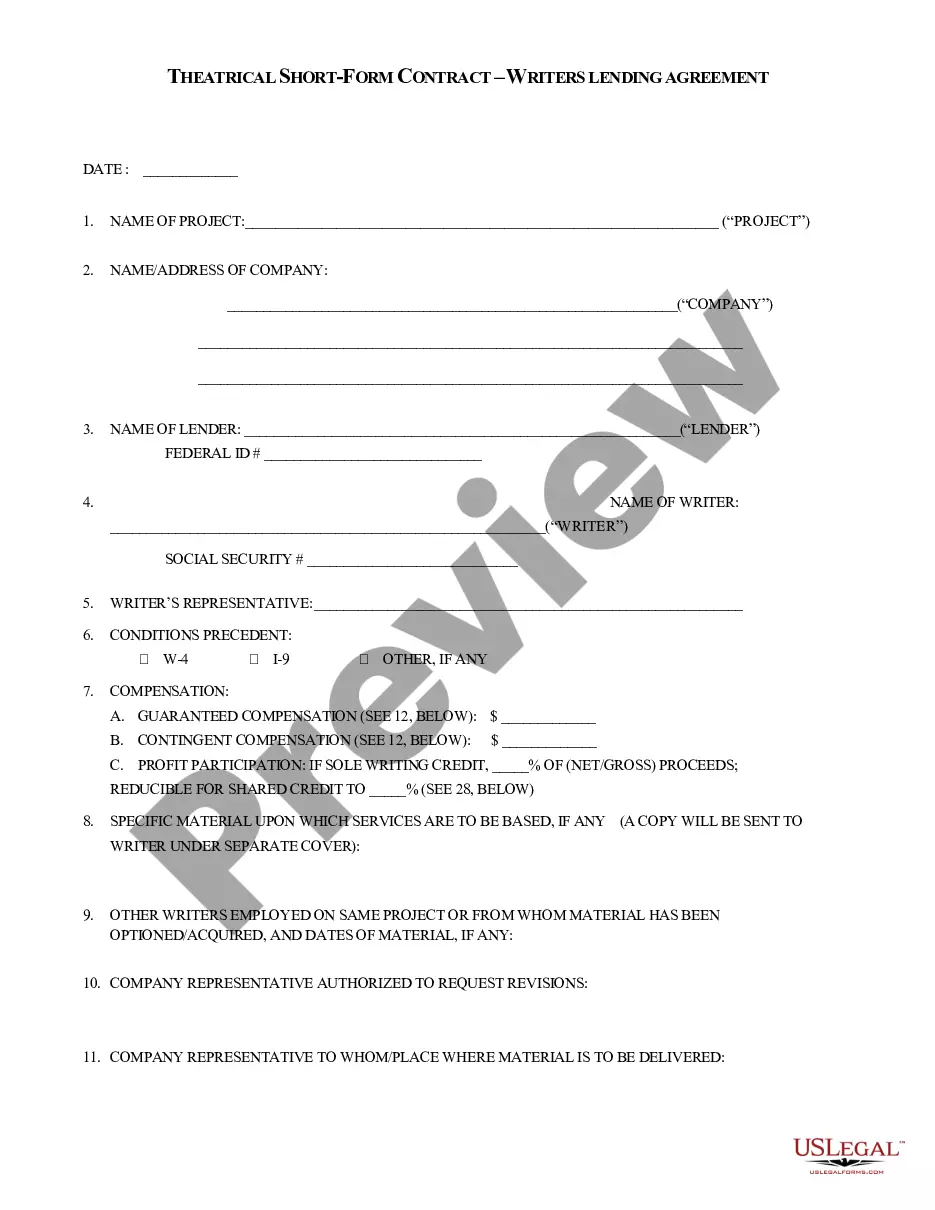
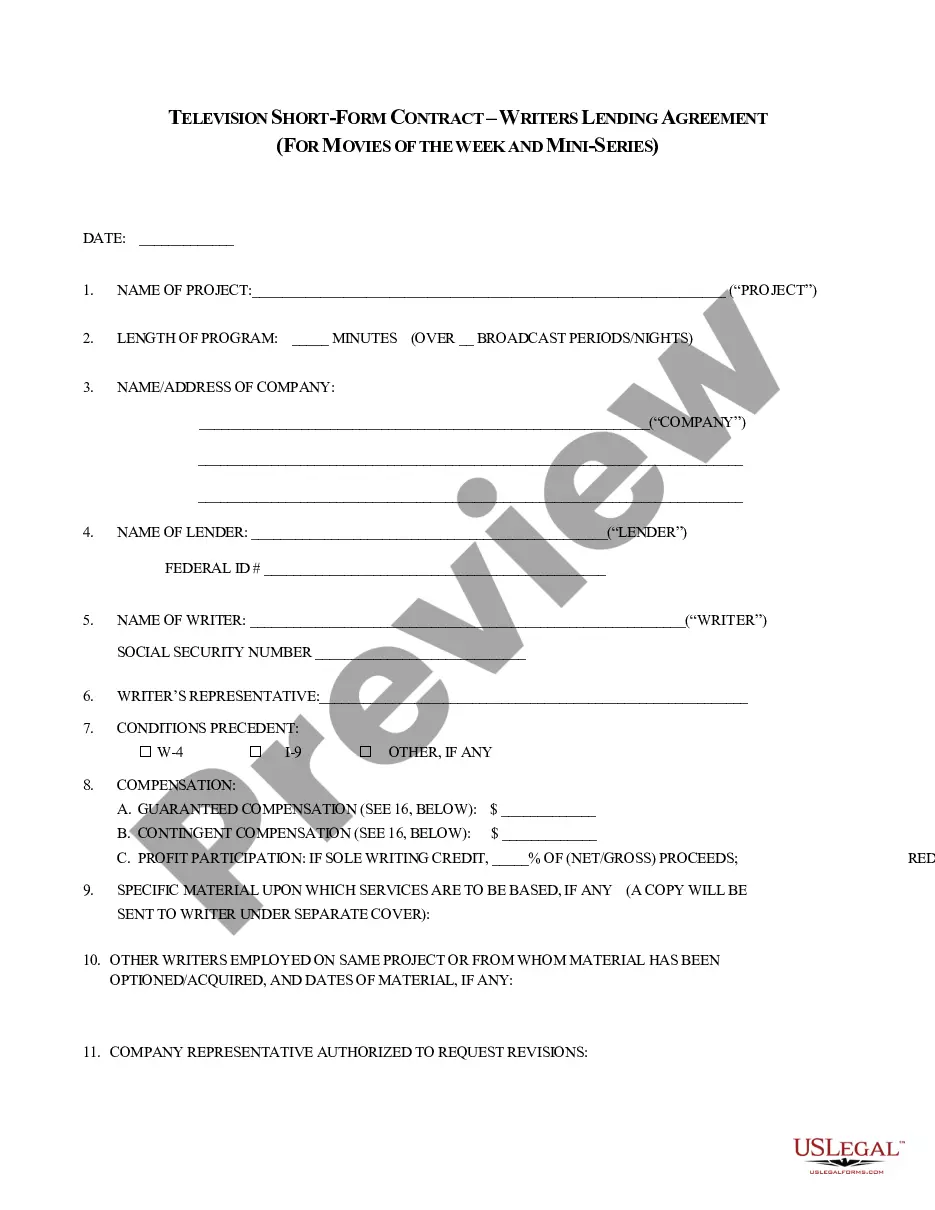
How to fill out Contract Manufacturing Statement Of Work?
Obtaining legal document examples that adhere to federal and state laws is essential, and the internet provides many alternatives to select from.
However, what's the use of spending time searching for the suitable Contract Manufacturing in Kenya template online when the US Legal Forms digital library already compiles such forms in one location.
US Legal Forms is the most comprehensive online legal repository featuring over 85,000 fillable templates created by lawyers for various professional and personal circumstances.
Review the template using the Preview function or via the description to confirm it fits your requirements.
- They are straightforward to navigate with all documents categorized by state and intended use.
- Our specialists keep up with legislative updates, ensuring you can always trust that your form is current and compliant when obtaining a Contract Manufacturing in Kenya from our platform.
- Acquiring a Contract Manufacturing in Kenya is quick and easy for both existing and new users.
- If you already possess an account with an active subscription, Log In and save the document template you require in your preferred format.
- If you are new to our site, follow the steps outlined below.
Form popularity
FAQ
The principles of the law of contract in Kenya encompass offer and acceptance, consideration, intention to create legal relations, and capacity to contract. These principles ensure that contracts are fair and enforceable. Understanding these laws is crucial for anyone involved in contract manufacturing in Kenya, as it directly influences business practices.
For a contract to be valid in Kenya, it must include clear terms accepted by all parties under lawful conditions. Furthermore, the parties involved should understand their rights and obligations clearly. By following these guidelines, companies can navigate the landscape of contract manufacturing in Kenya effectively.
In Kenya, a valid contract requires an offer, acceptance, consideration, and the legal capacity of the parties involved. The agreement must also adhere to Kenyan laws and not contravene public policy. For businesses engaging in contract manufacturing in Kenya, understanding these local requirements is essential for creating enforceable agreements.
The three primary forms of contract manufacturing include turnkey manufacturing, ODM (original design manufacturing), and OEM (original equipment manufacturing). Each form serves different business needs and can enhance efficiency. Exploring these options can help companies leverage contract manufacturing in Kenya to maximize their production advantages.
Contract manufacturing carries various risks, including quality control issues, intellectual property concerns, and potential delays in supply chains. Businesses must conduct thorough due diligence when selecting manufacturers. Understanding the local landscape of contract manufacturing in Kenya can help mitigate some of these risks, ensuring a more reliable production process.
The five key requirements for a valid contract are mutual agreement, consideration, capacity, legality, and sometimes, the formality of the written agreement. Ensuring these requirements are met can significantly reduce risks in contract manufacturing in Kenya. By adhering to these principles, businesses can safeguard their interests and promote smooth operations.
The largest contract manufacturer globally varies by industry, but Foxconn is frequently recognized as a top player in electronics. This company produces devices for major brands like Apple, Samsung, and Sony. When considering contract manufacturing in Kenya, it's insightful to evaluate the strengths of global leaders while tailoring approaches to local needs.
A contract is legally valid when it includes an offer, acceptance, and mutual consent between the parties involved. Additionally, consideration, which means something of value is exchanged, is crucial for legitimacy. Lastly, the parties must have the legal capacity to enter into the contract. With contract manufacturing in Kenya, understanding these elements ensures that your agreements are enforceable.
Contracts can be classified into three categories: express, implied, and unilateral contracts. Express contracts are explicitly stated, usually in writing, while implied contracts arise from the actions or circumstances of the parties involved. Unilateral contracts involve one party making a promise in exchange for the action of another party, a common scenario in contract manufacturing in Kenya where production is contingent upon payment.
The three stages of a contract are formation, performance, and termination. Formation involves creating and agreeing on the terms, ensuring both parties understand their obligations. Performance occurs when the contract’s terms are executed, such as the production of goods in contract manufacturing in Kenya. Finally, termination happens when the contract fulfills its purpose or when one party breaches the agreement.