Extend Mortgage For Home Improvements
Description
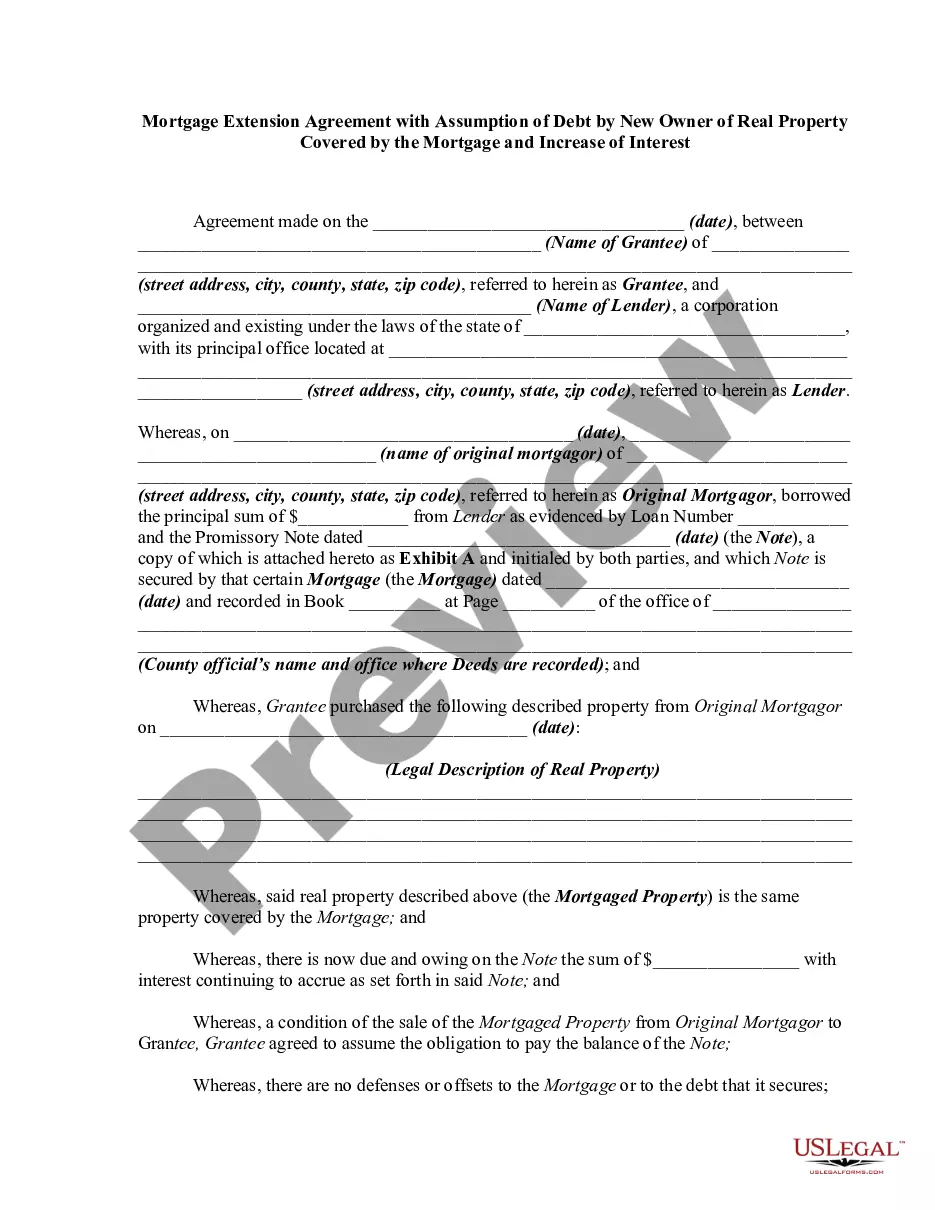
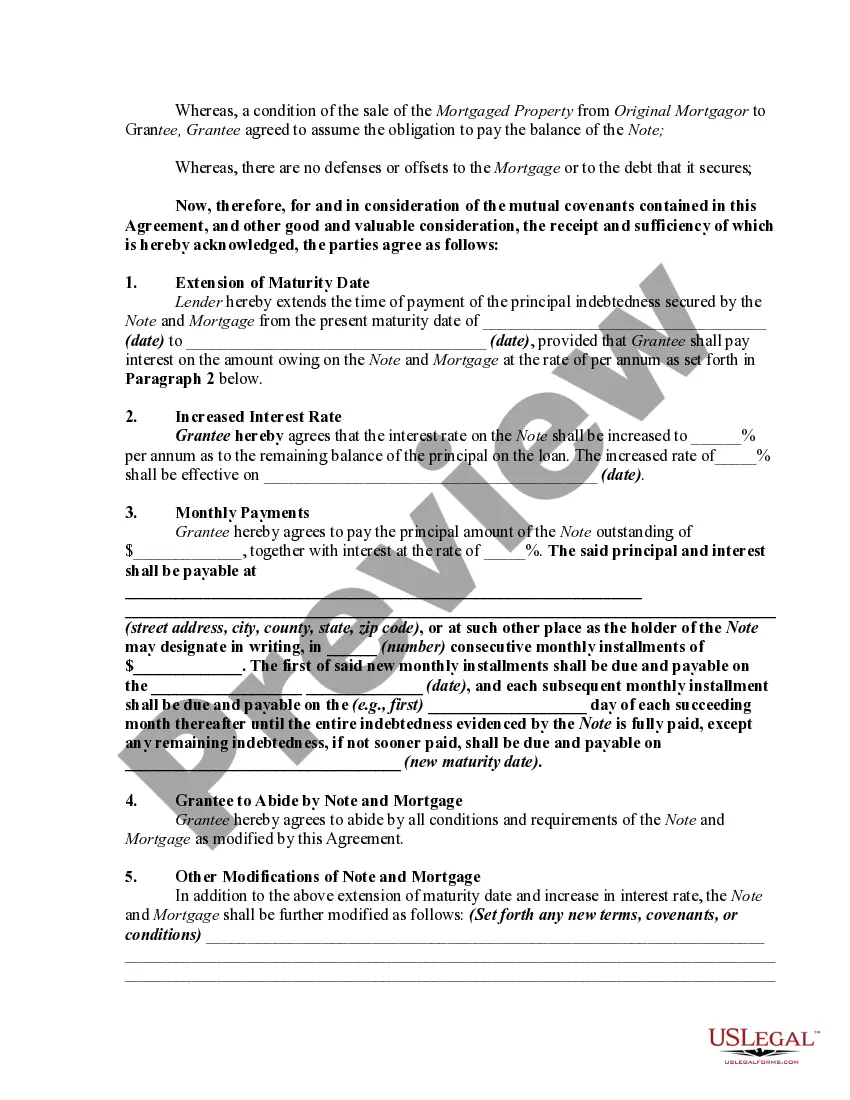
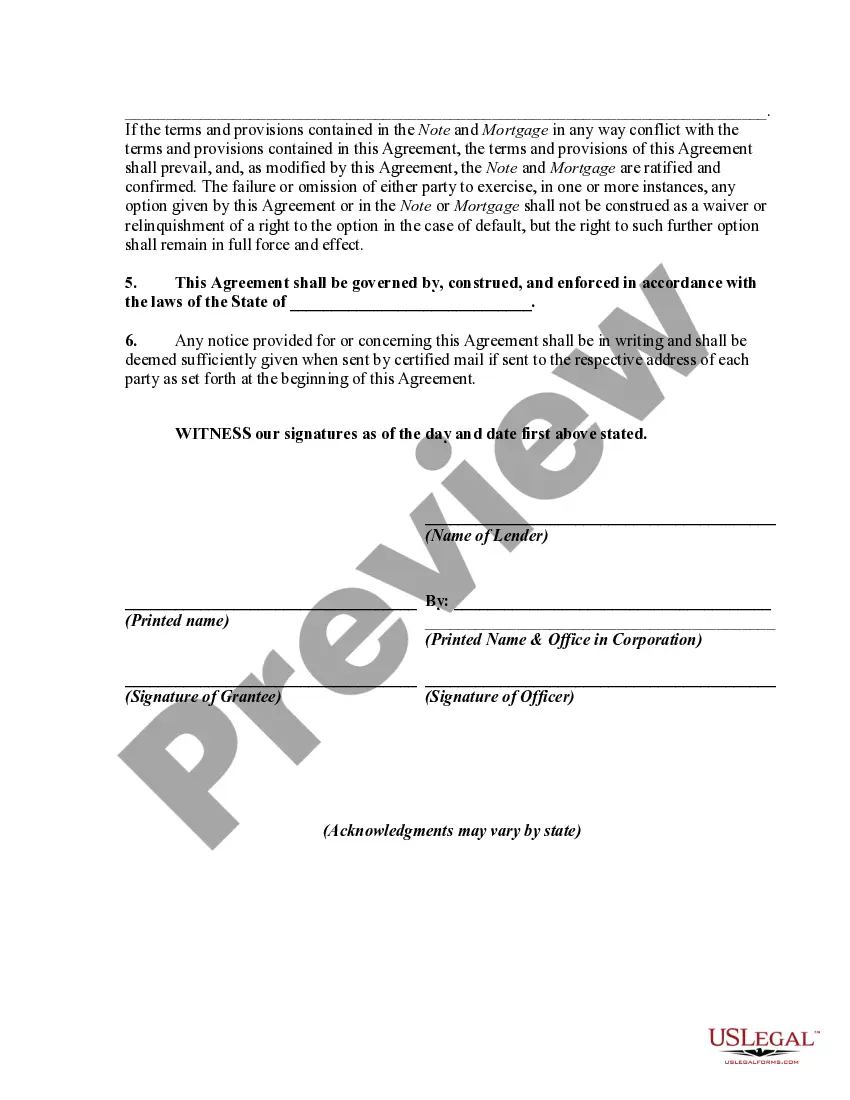
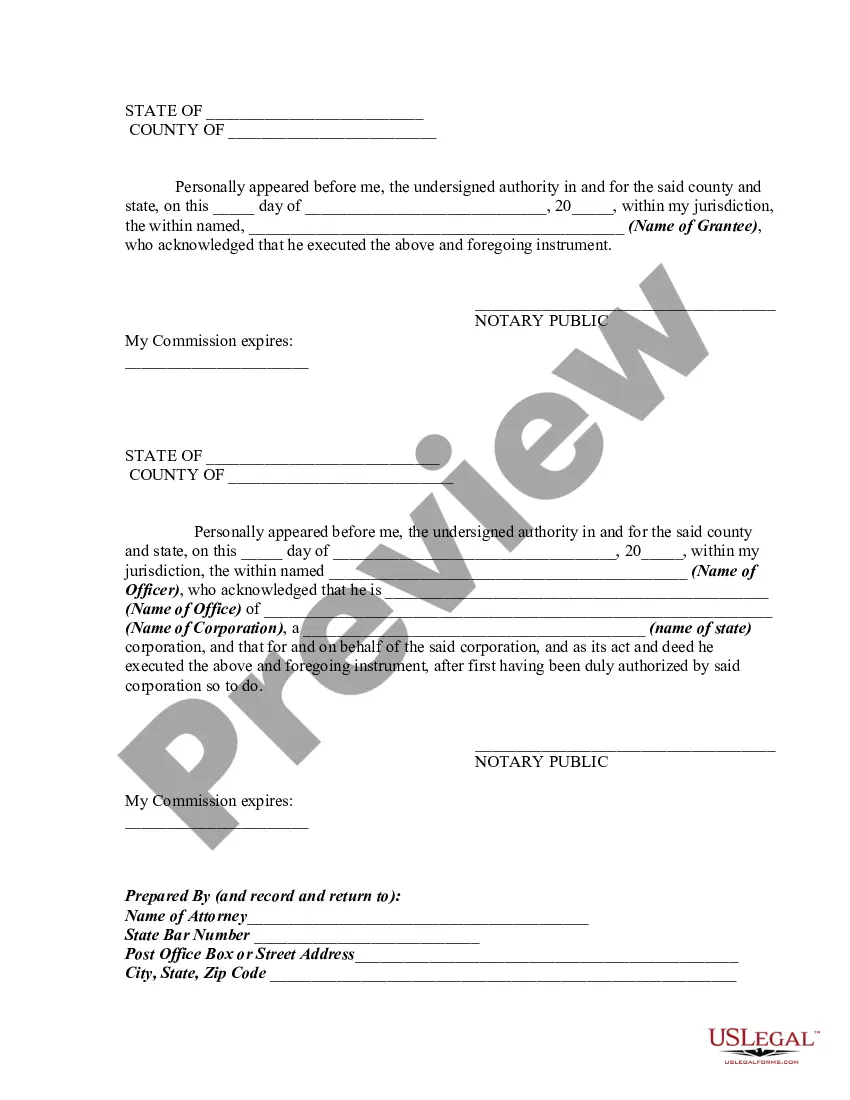

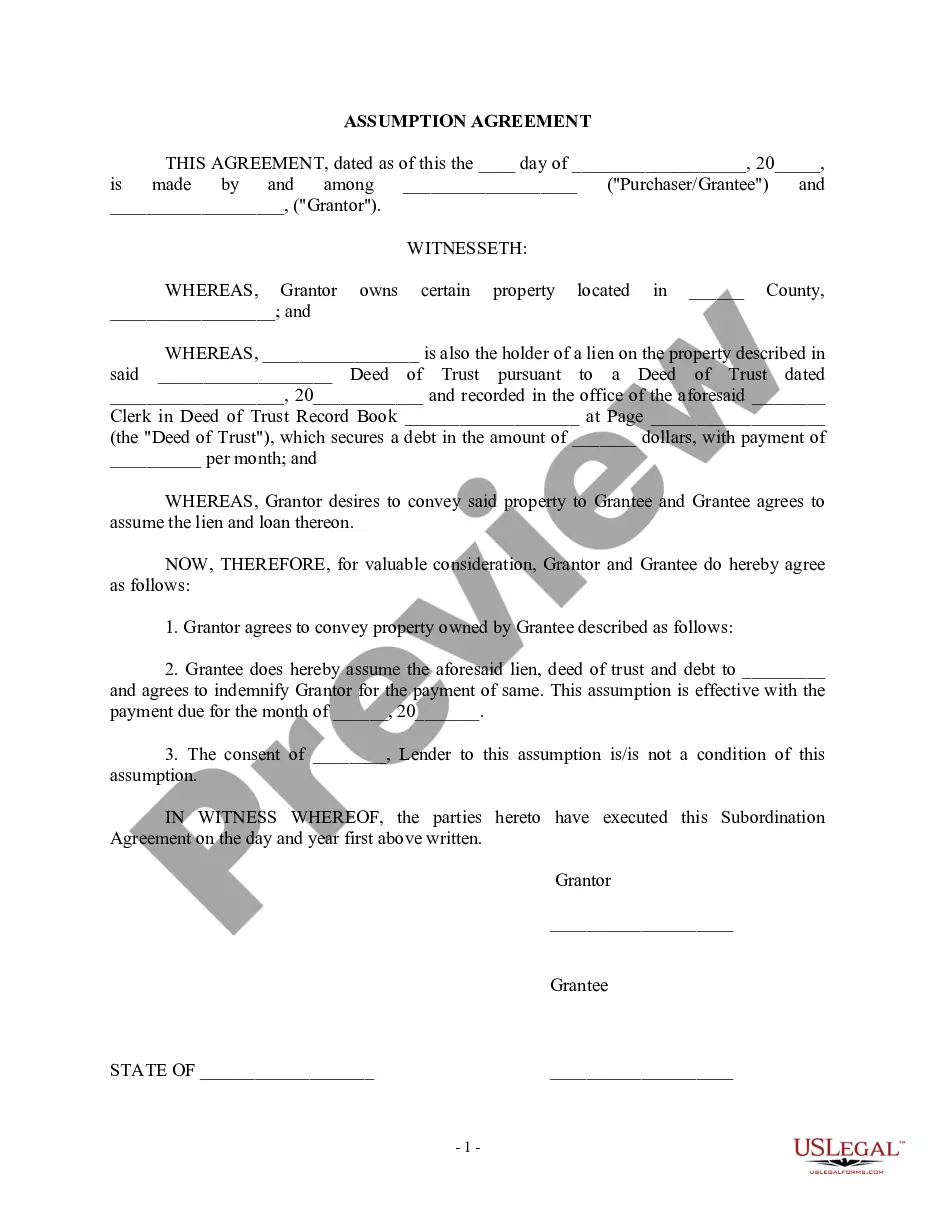
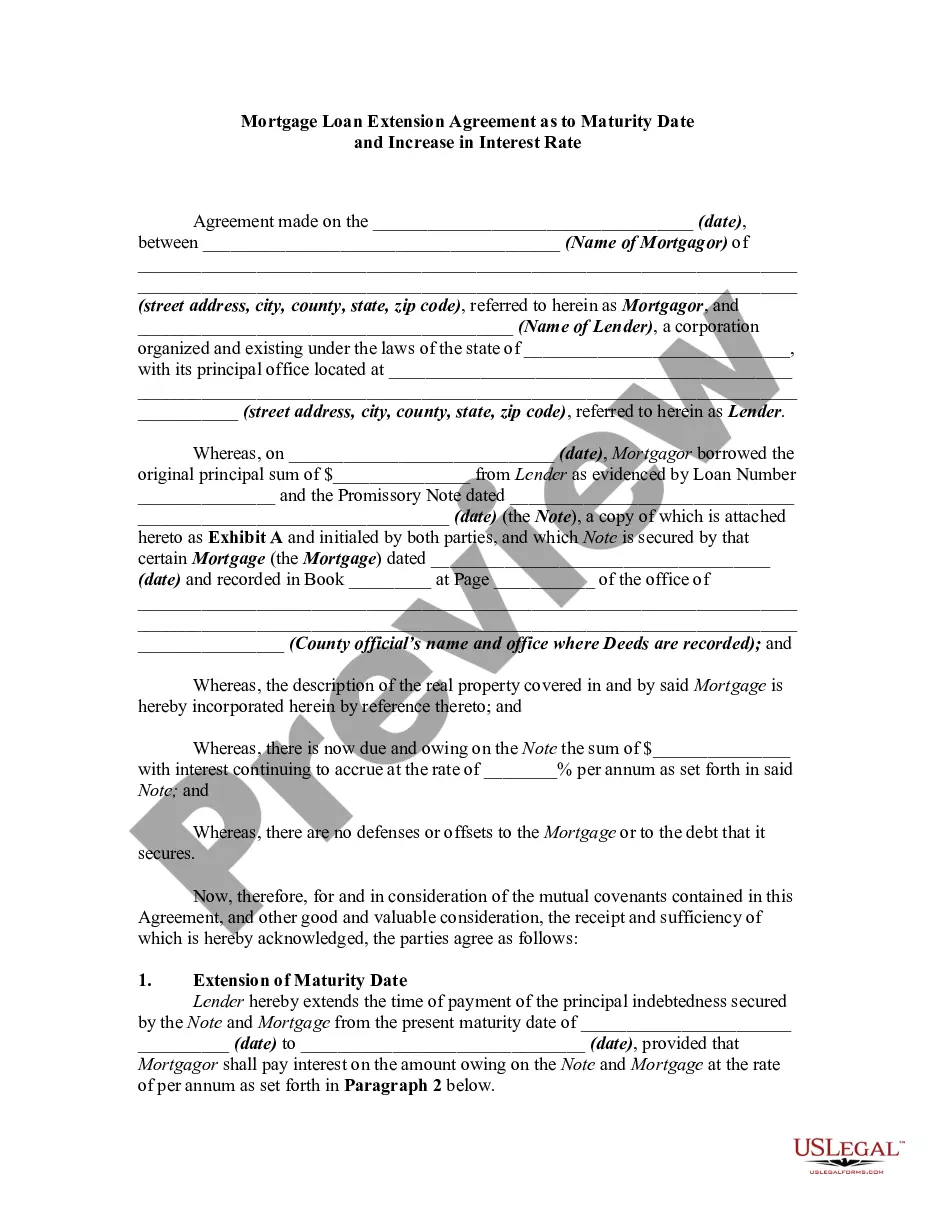
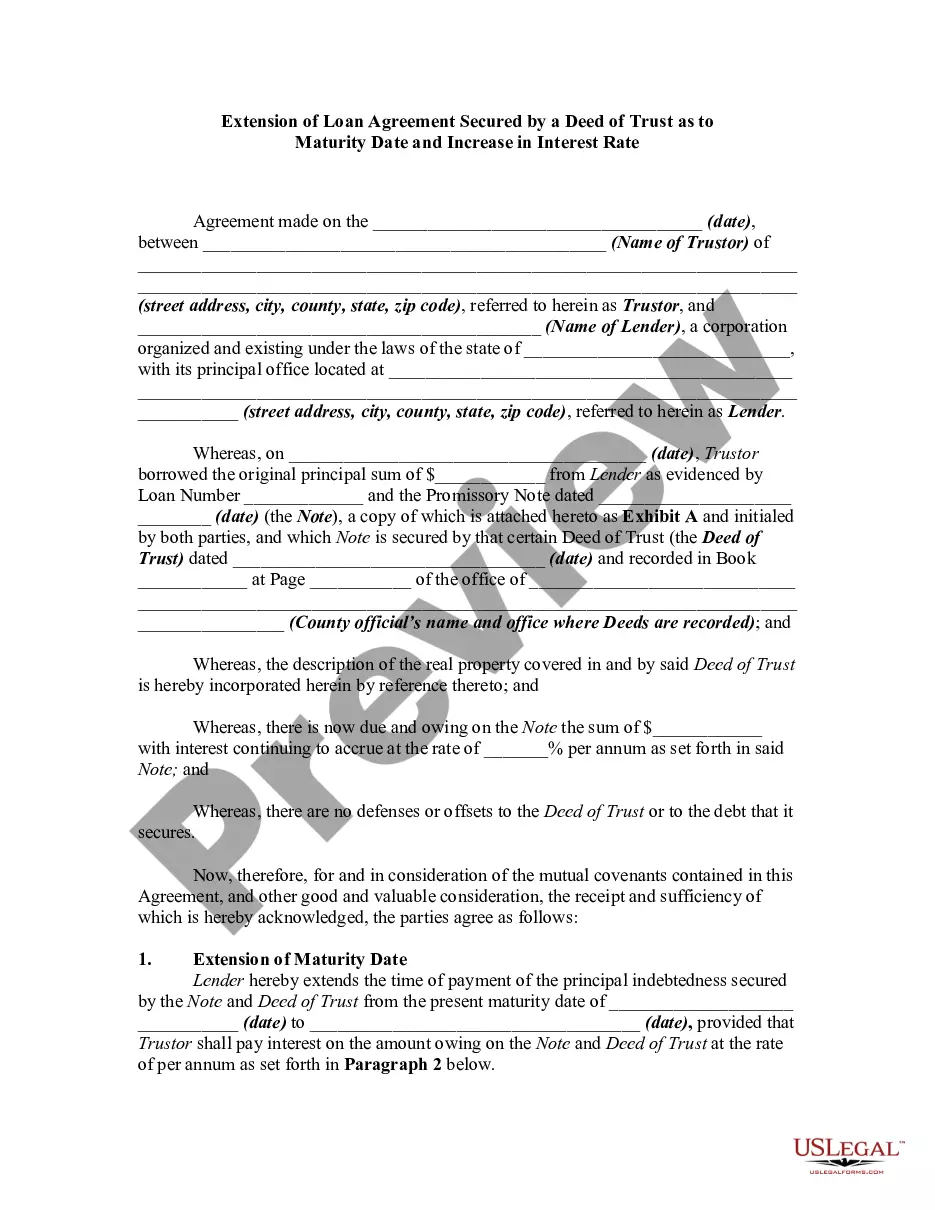
Get your form ready online
Our built-in tools help you complete, sign, share, and store your documents in one place.
Make edits, fill in missing information, and update formatting in US Legal Forms—just like you would in MS Word.
Download a copy, print it, send it by email, or mail it via USPS—whatever works best for your next step.
Sign and collect signatures with our SignNow integration. Send to multiple recipients, set reminders, and more. Go Premium to unlock E-Sign.
If this form requires notarization, complete it online through a secure video call—no need to meet a notary in person or wait for an appointment.
We protect your documents and personal data by following strict security and privacy standards.

Make edits, fill in missing information, and update formatting in US Legal Forms—just like you would in MS Word.

Download a copy, print it, send it by email, or mail it via USPS—whatever works best for your next step.

Sign and collect signatures with our SignNow integration. Send to multiple recipients, set reminders, and more. Go Premium to unlock E-Sign.

If this form requires notarization, complete it online through a secure video call—no need to meet a notary in person or wait for an appointment.

We protect your documents and personal data by following strict security and privacy standards.
Looking for another form?







How to fill out Mortgage Extension Agreement With Assumption Of Debt By New Owner Of Real Property Covered By The Mortgage And Increase Of Interest?
- If you're an existing user, log in to your account and download the mortgage extension form template you need by clicking the Download button. Ensure your subscription is active; renew it if necessary to avoid interruptions.
- For new users, start by exploring the Preview mode and thoroughly reviewing the form description to ensure it fits your requirements and complies with your local jurisdiction.
- If you need a different template, utilize the Search tab located above to find the appropriate one that meets your specific needs.
- Once you have the correct document, click the Buy Now button and select your subscription plan to gain access to the extensive library of legal forms.
- Complete your purchase by entering your credit card information or using your PayPal account to secure the subscription.
- After the transaction, download your form and save it on your device. You can access it later via the My Forms section of your profile.
In conclusion, extending your mortgage for home improvements is a straightforward process with the right tools. US Legal Forms streamlines document management, ensuring you have access to over 85,000 legal forms backed by expert assistance.
Don't wait any longer; start enhancing your home today with US Legal Forms!
Form popularity
FAQ
Yes, you can refinance your house to fix it up by applying for a refinancing option that allows you to access the equity in your home. Many homeowners find it beneficial to extend a mortgage for home improvements, turning their renovations into a manageable monthly payment. Be sure to discuss your goals with your lender to explore the best refinancing options available.
To account for home improvements effectively, you should document all expenses related to the project, including materials, labor, and permits. Many homeowners choose to extend their mortgage for home improvements to manage these costs through financing. Keeping track of your receipts can help you determine the overall investment in your home and its potential value increase.
Typically, the homeowner pays closing costs when refinancing a mortgage. These costs can include appraisal fees, title insurance, and other associated expenses. However, sometimes lenders may offer to cover some costs or roll them into the mortgage if you choose to extend mortgage for home improvements, making it easier for you to manage upfront expenses.
To refinance a mortgage for home improvements, start by assessing your current mortgage and credit score. Next, gather documentation like income statements and property appraisal reports to show lenders your financial status. Once you have chosen a lender, submit your application and specify that you wish to extend your mortgage for home improvements to fund your project.
Some mortgage agreements include early repayment penalties, which can apply when you refinance your mortgage. It’s important to check your current mortgage terms to understand if any fees will impact your decision to extend mortgage for home improvements. If you're unsure, consulting a financial advisor can help clarify your potential penalties.
Yes, adding extra to your mortgage is possible through various options, including refinancing or obtaining a home equity line of credit. This strategy enables you to extend your mortgage for home improvements, allowing you to access the funds needed for your projects. Be sure to evaluate your financial situation and compare offers from different lenders to find what's best for you.
Adding someone to your mortgage without refinancing is challenging and often not allowed by lenders. Instead, you might consider a cosigner or explore options that enable you to extend your mortgage for home improvements. This approach can provide the necessary funding while keeping the existing mortgage terms intact.
Yes, you can add onto an existing mortgage through a process called refinancing or home equity loans. When you extend your mortgage for home improvements, it allows you to borrow additional funds while still managing your original mortgage. This option can be beneficial for funding renovations or upgrades to your home.
You can add someone to a mortgage, but it typically requires lender approval. This process often involves reviewing your financial situation and the new borrower’s creditworthiness. If you intend to extend your mortgage for home improvements, adding someone can help you secure additional funds and share the repayment responsibilities, making it easier for both parties.
Yes, you can take out an extra mortgage to fund renovations. When you extend your mortgage for home improvements, you increase your borrowing capacity, allowing you to finance essential updates, such as kitchen upgrades or bathroom remodels. This option not only enhances your living space but may also increase the value of your home. If you need assistance navigating this process, uslegalforms can provide valuable resources and guidance to help you make informed decisions.