Using Deed As Collateral
Description
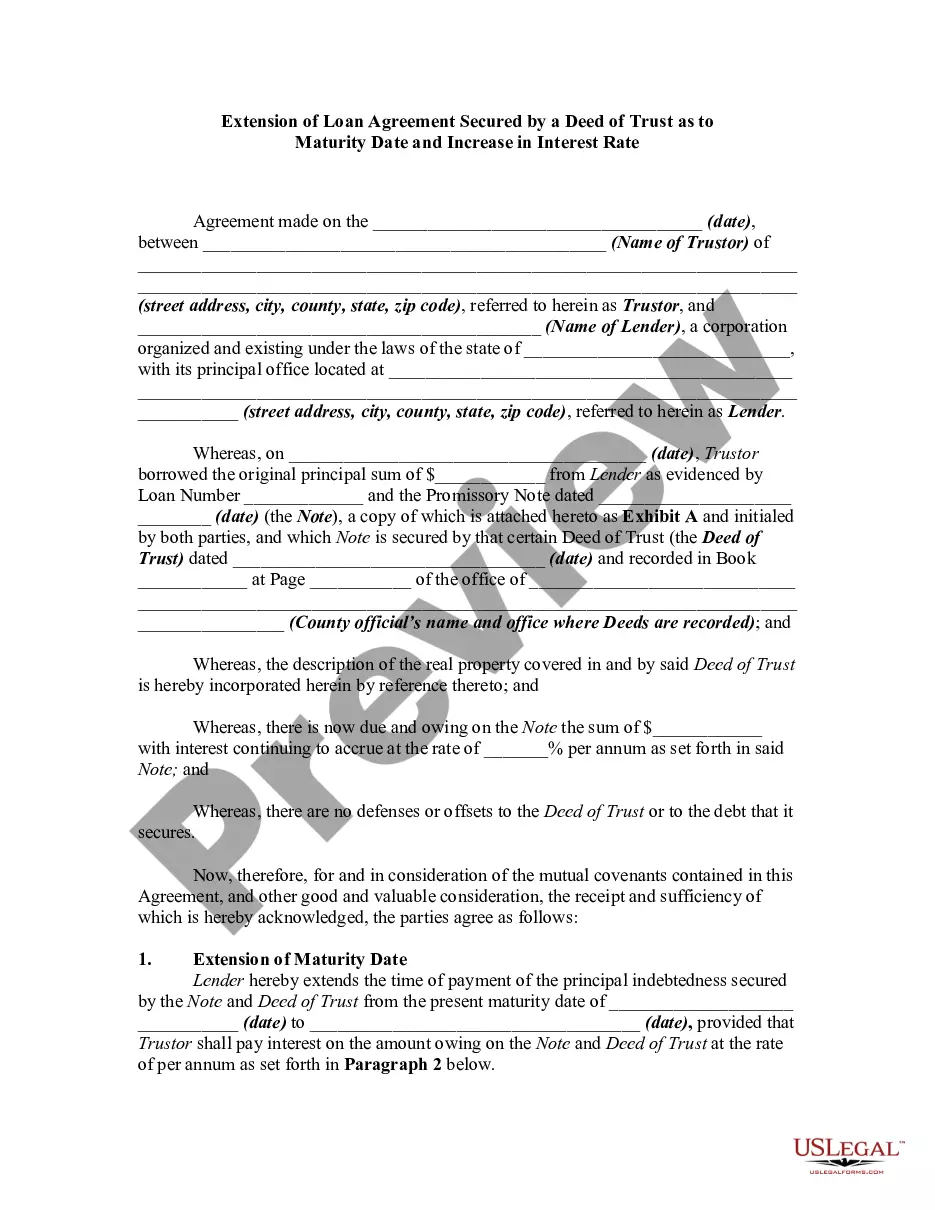
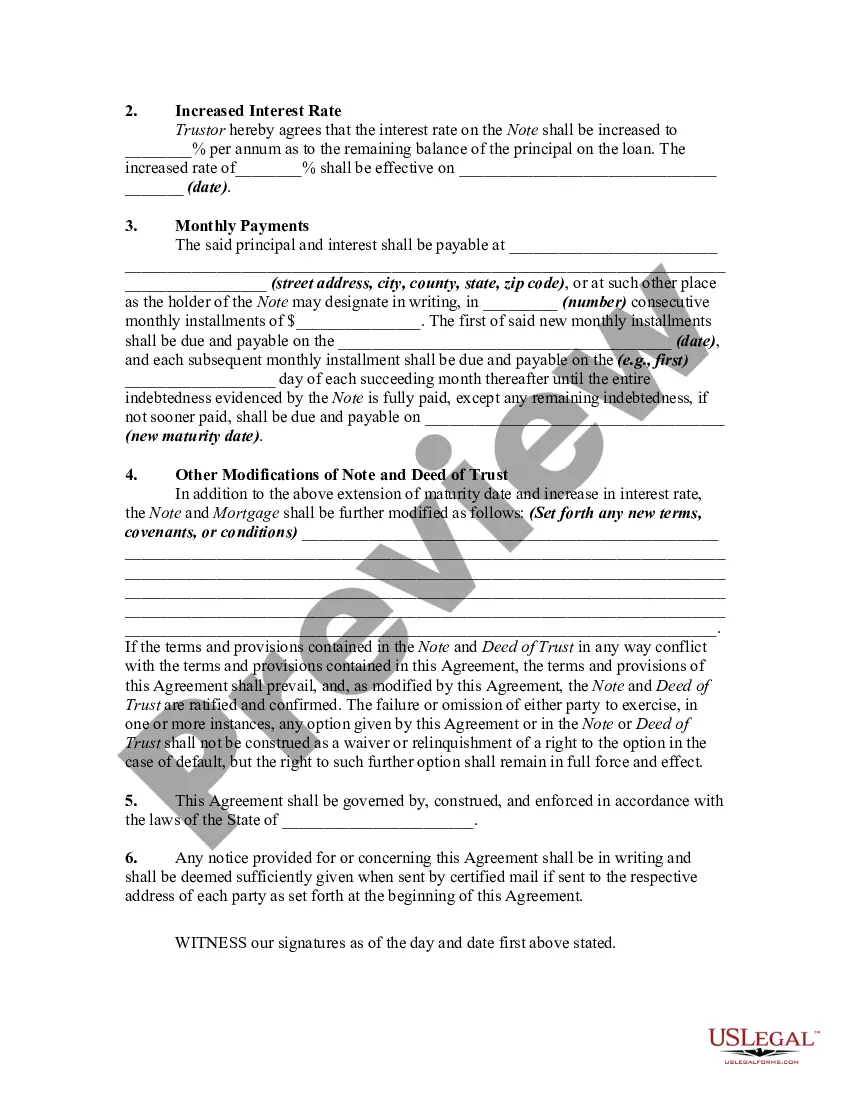
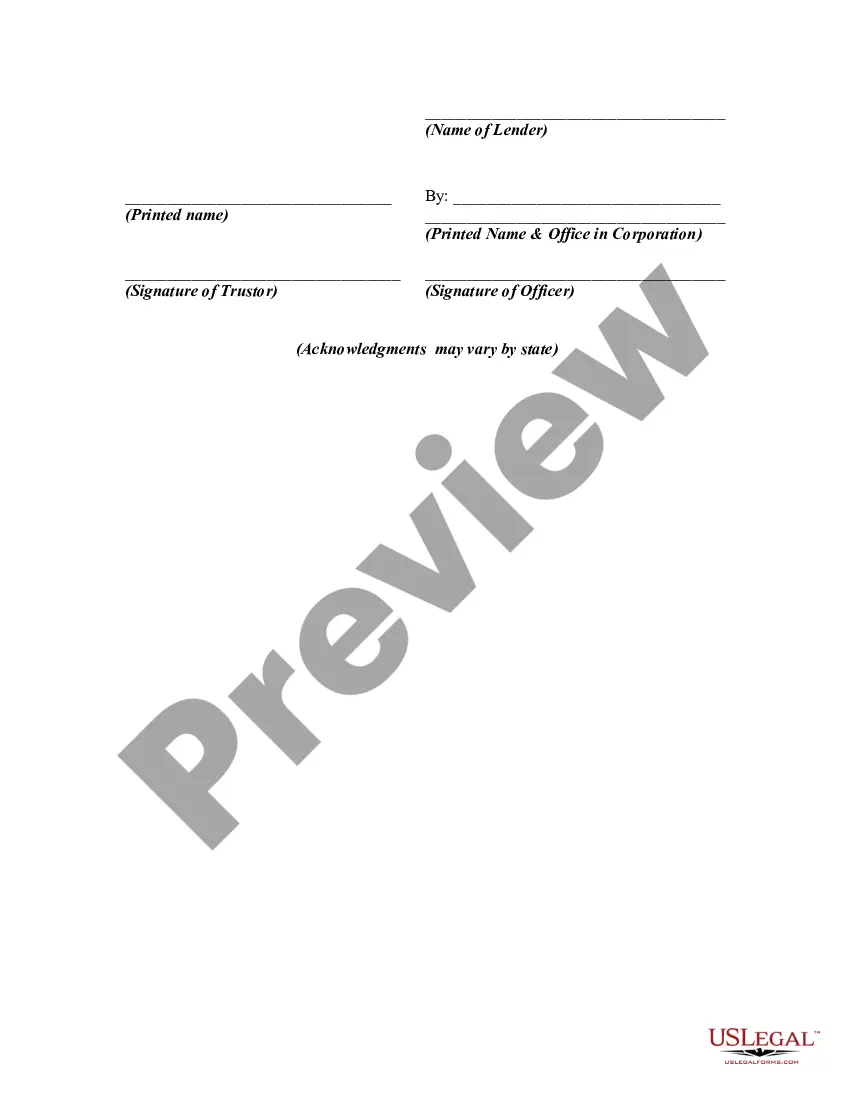
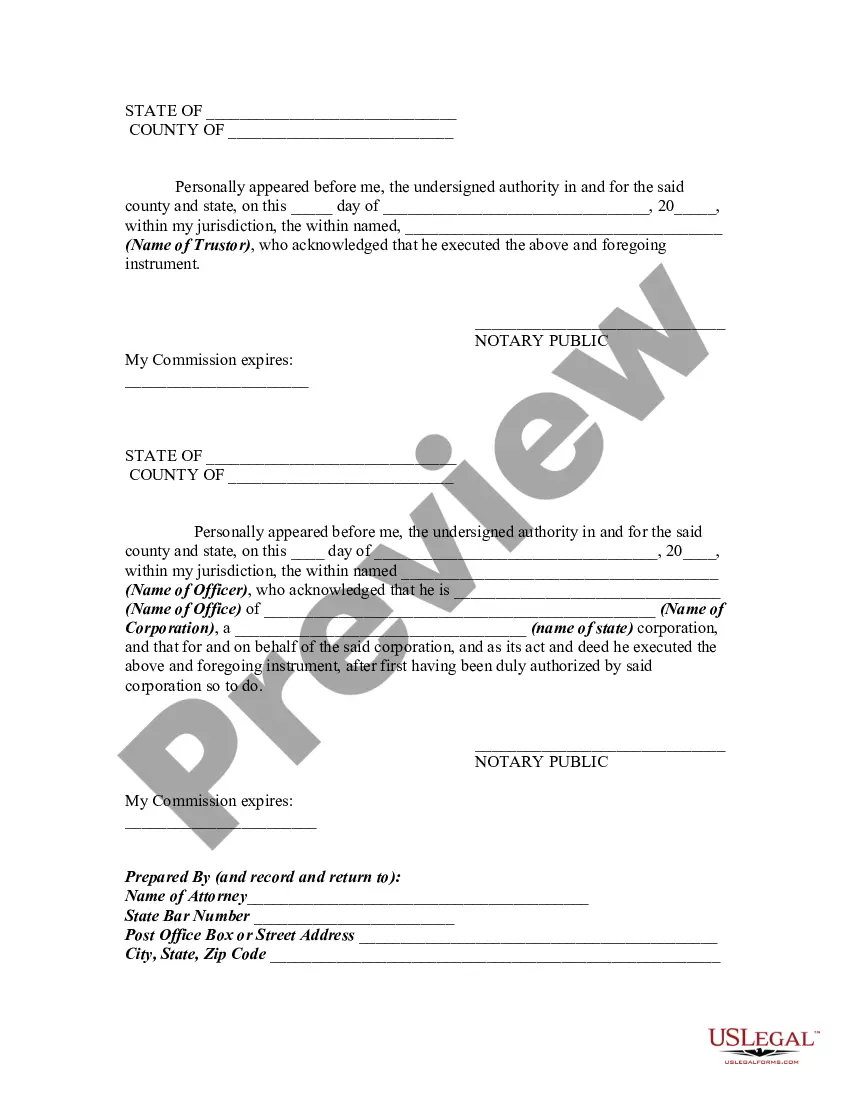

Get your form ready online
Our built-in tools help you complete, sign, share, and store your documents in one place.
Make edits, fill in missing information, and update formatting in US Legal Forms—just like you would in MS Word.
Download a copy, print it, send it by email, or mail it via USPS—whatever works best for your next step.
Sign and collect signatures with our SignNow integration. Send to multiple recipients, set reminders, and more. Go Premium to unlock E-Sign.
If this form requires notarization, complete it online through a secure video call—no need to meet a notary in person or wait for an appointment.
We protect your documents and personal data by following strict security and privacy standards.

Make edits, fill in missing information, and update formatting in US Legal Forms—just like you would in MS Word.

Download a copy, print it, send it by email, or mail it via USPS—whatever works best for your next step.

Sign and collect signatures with our SignNow integration. Send to multiple recipients, set reminders, and more. Go Premium to unlock E-Sign.

If this form requires notarization, complete it online through a secure video call—no need to meet a notary in person or wait for an appointment.

We protect your documents and personal data by following strict security and privacy standards.
Looking for another form?
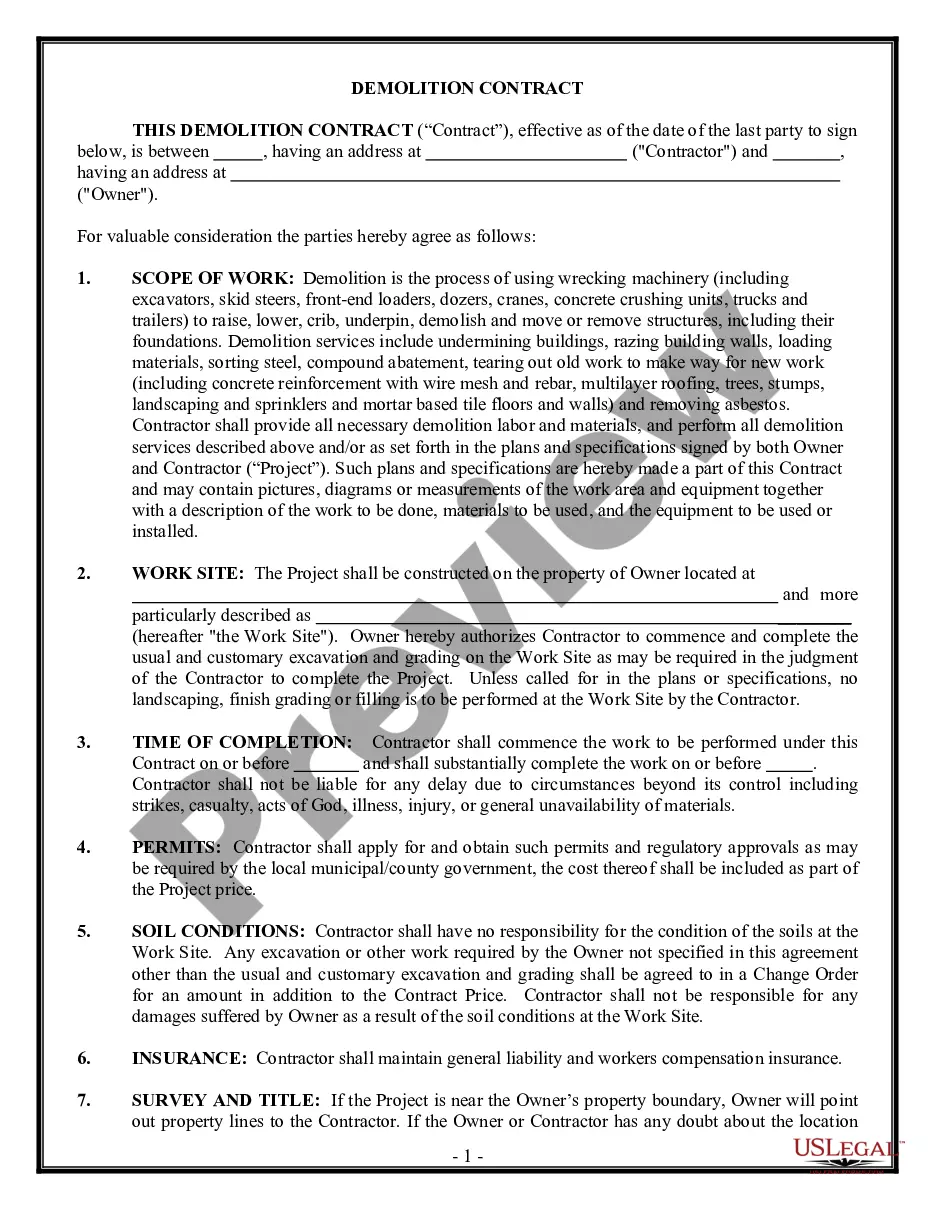

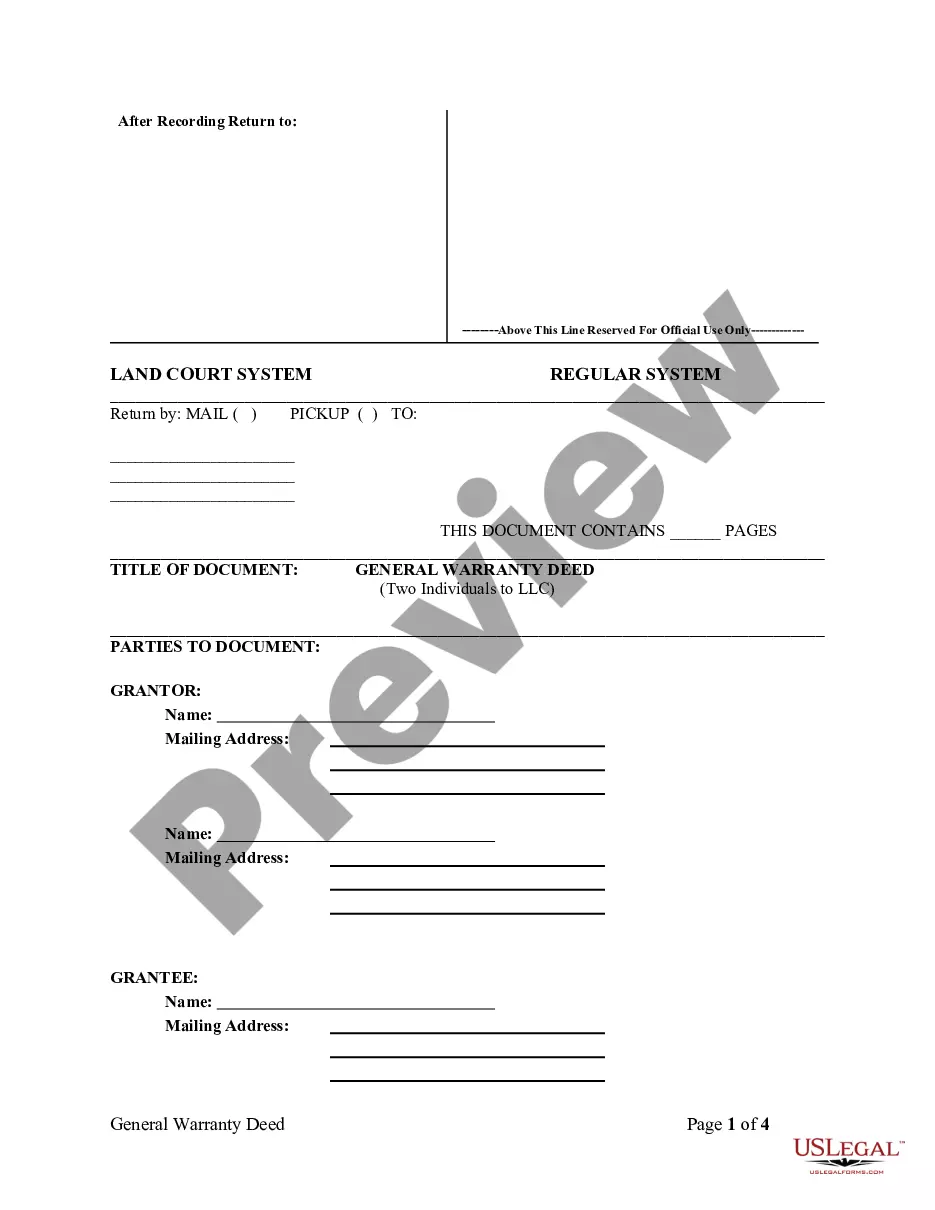

How to fill out Extension Of Loan Agreement Secured By A Deed Of Trust As To Maturity Date And Increase In Interest Rate?
Securing a reliable location to obtain the most up-to-date and suitable legal templates is a significant part of navigating bureaucracy.
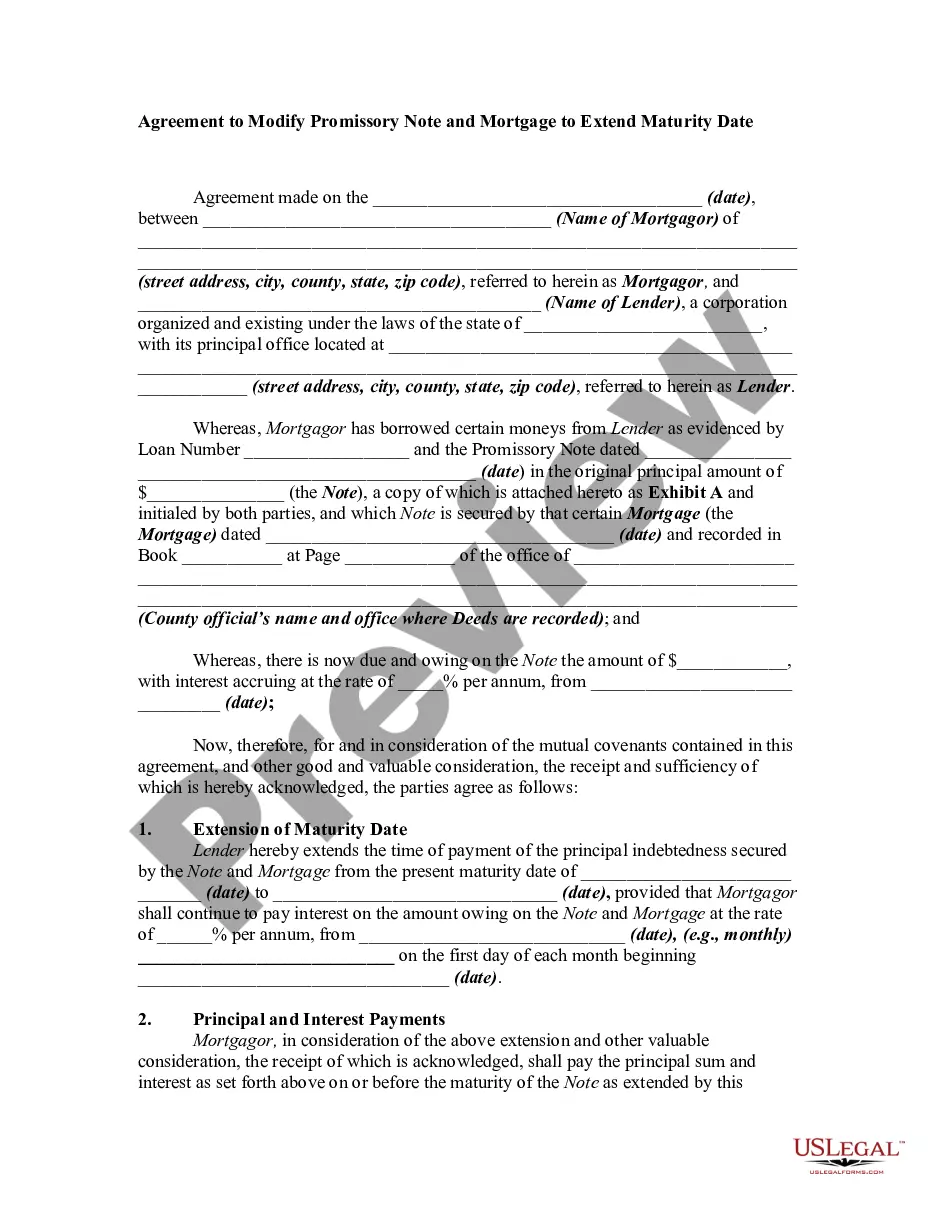
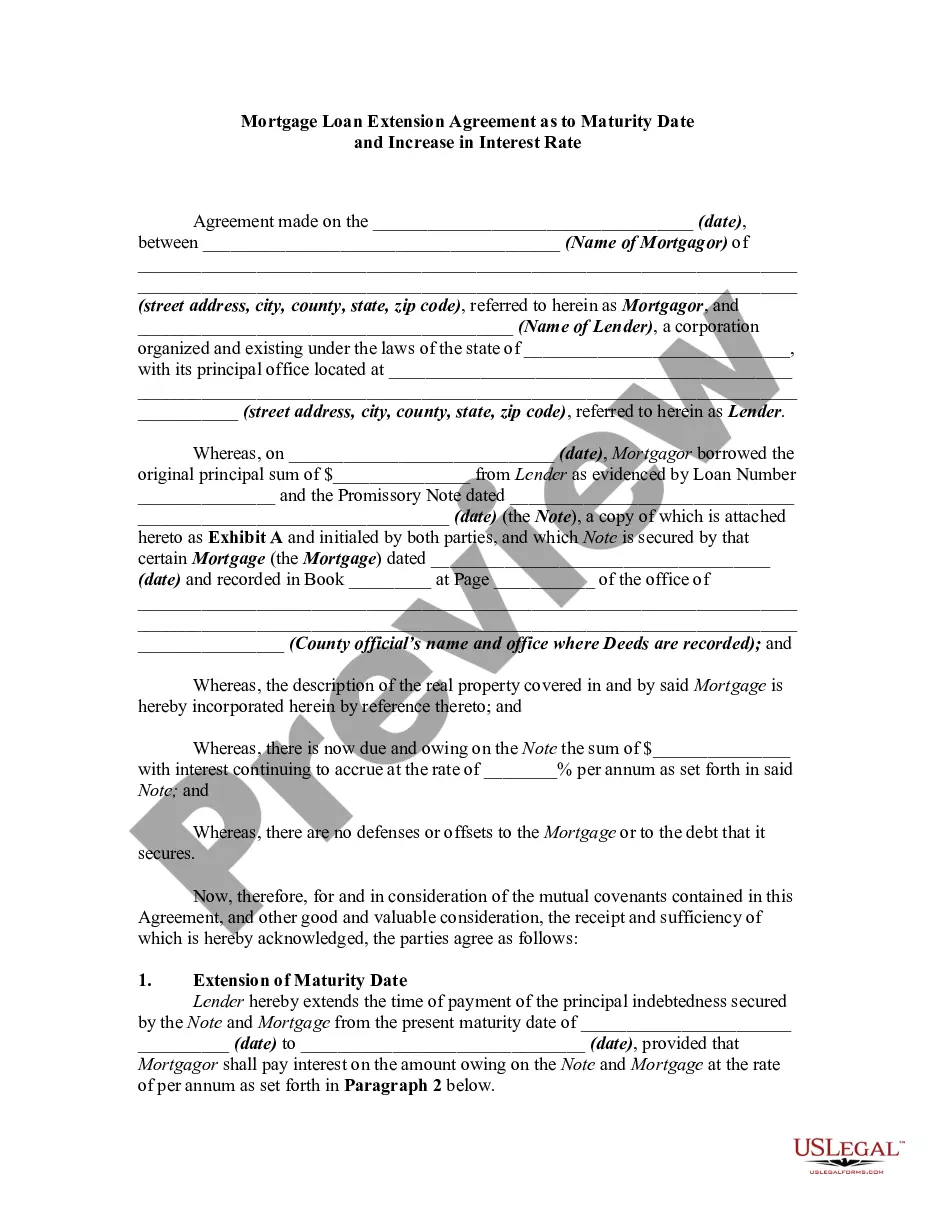
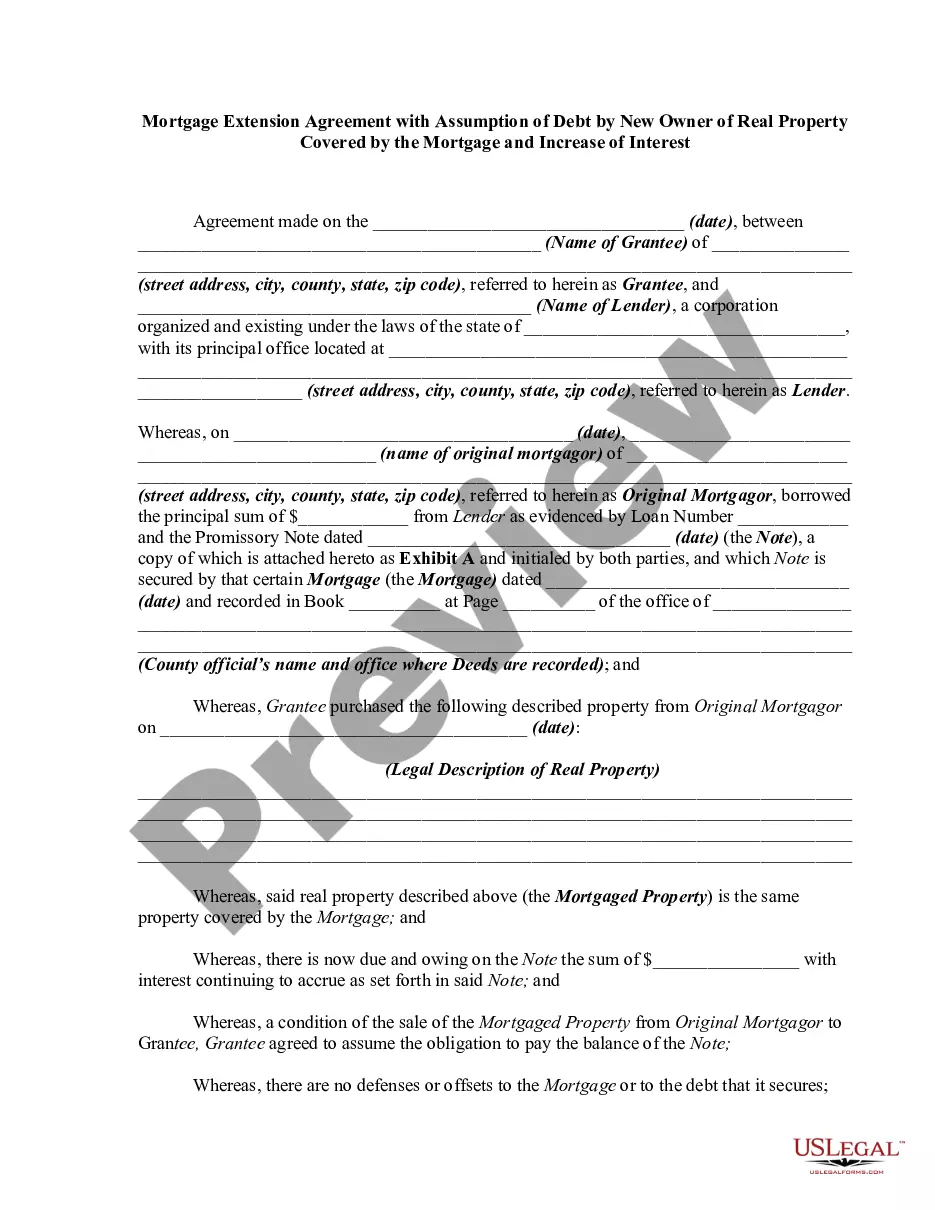
Locating the correct legal documents requires accuracy and meticulousness, which is why it is crucial to source samples of Using Deed As Collateral solely from trustworthy providers, such as US Legal Forms.
Eliminate the stress associated with your legal paperwork. Browse the extensive US Legal Forms catalog to discover legal templates, verify their suitability for your needs, and download them immediately.
- Utilize the category navigation or search bar to locate your template.
- Access the form’s description to verify if it meets the criteria for your state and county.
- Review the form preview, if available, to confirm that the template aligns with your interests.
- Return to the search if the Using Deed As Collateral does not satisfy your requirements.
- If you are confident in the form’s applicability, download it.
- If you are a registered user, click Log in to verify your identity and access your chosen forms in My documents.
- If you haven't created an account yet, click Buy now to purchase the form.
- Choose the pricing option that suits your preferences.
- Continue to the registration process to finalize your purchase.
- Complete your transaction by selecting a payment method (credit card or PayPal).
- Choose the document format for downloading Using Deed As Collateral.
- Once the form is on your device, you can edit it using the editor or print it out to fill it in manually.
Form popularity
FAQ
Not all assets qualify as collateral. Items that lack clear ownership or have no market value, like personal belongings or unsecured debts, typically cannot be used. Furthermore, lenders are unlikely to accept assets that cannot be easily liquidated or assessed, which could complicate the process when using deed as collateral.
Any asset can potentially be used as collateral for a personal loan, including real estate, vehicles, savings accounts, investments, and valuables. However, it's important to have enough equity in your assets to justify using them as collateral.
Many lenders will allow land ? either owned or received as a gift ? to be used as collateral instead of a cash down payment when obtaining financing to purchase a new home.
How a down payment differs from a collateral. We now know that down payments are upfront payments that represent a certain percentage of your mortgage. For banks and lenders, collateral, on the other hand, refers to an asset by the borrower that is pawned to secure credit finance.
To use the land as collateral, the land must have an equity value that is equal to or exceeds that of the loan amount. You must own it outright unless it is specifically a land loan. Once a lender approves the land as collateral, a lien will be put on the land.
Securing a loan with a high-value asset as collateral can act as a substitute for a down payment in some cases. This is because the collateral signals to the lender that you are less risky, similar to having a high credit score.