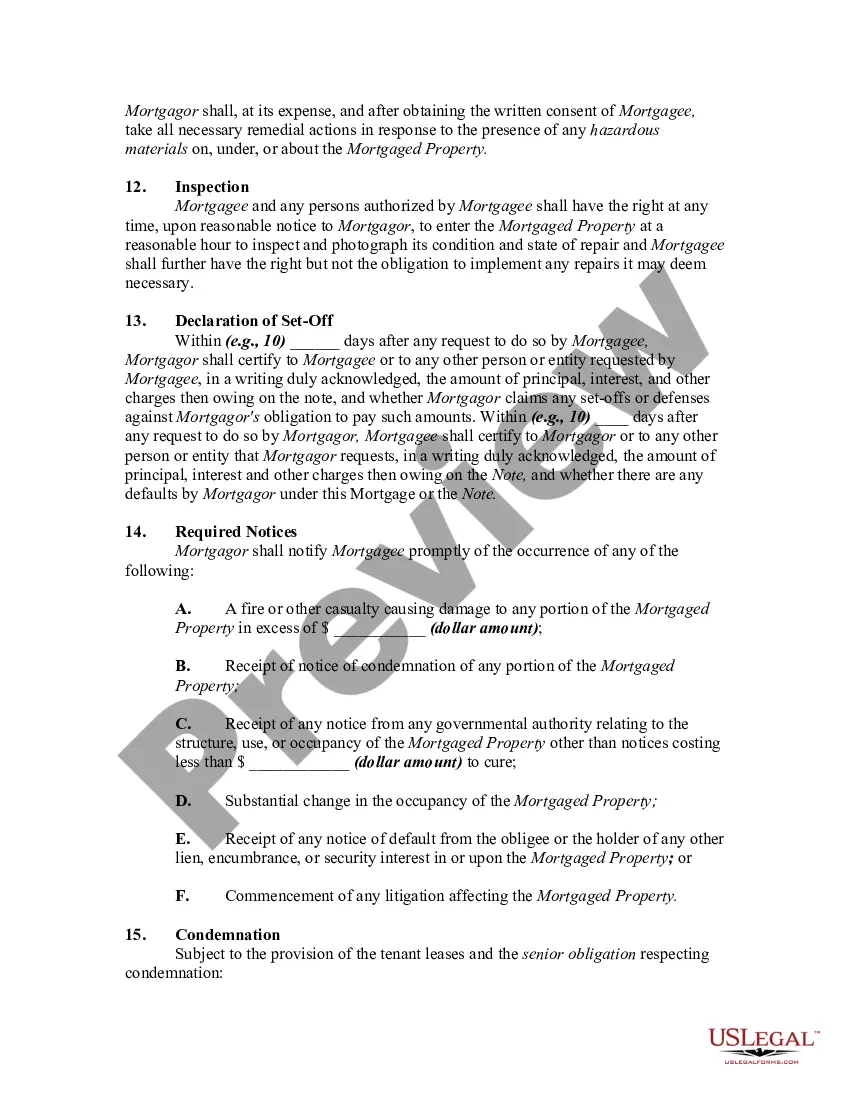
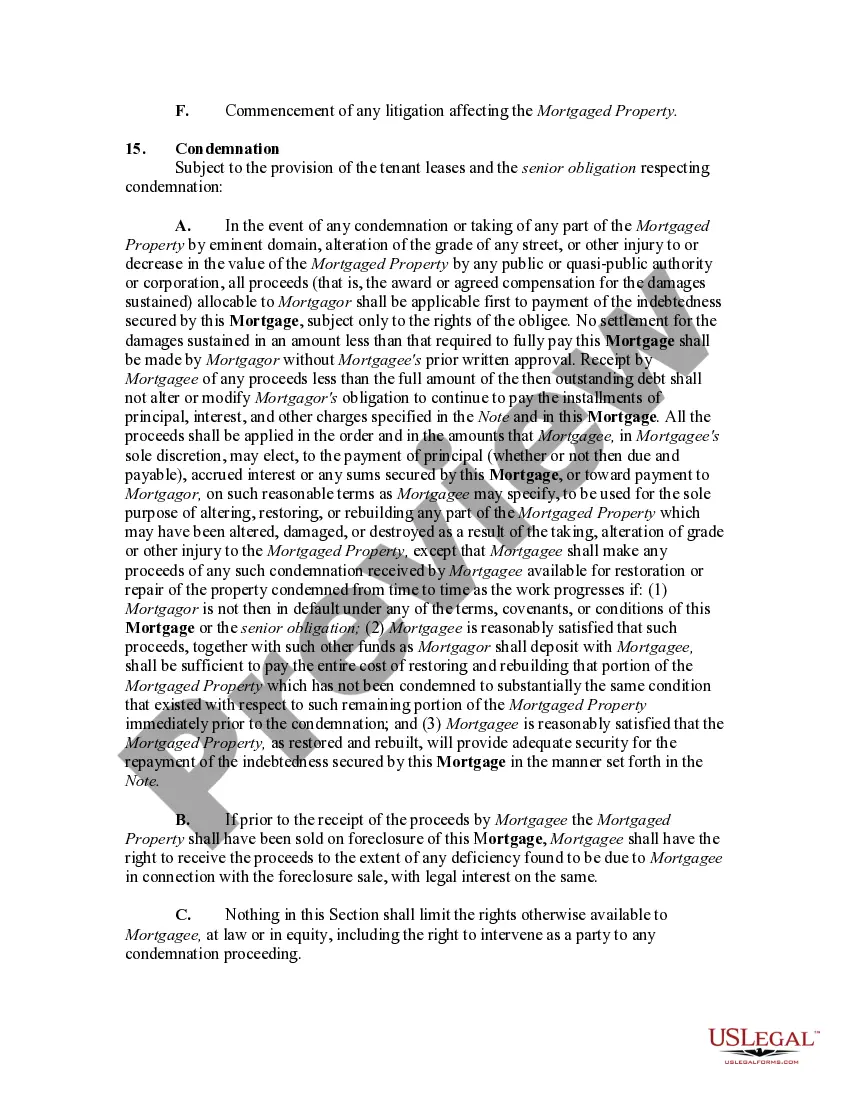
Wrap Around Mortgage With The Bank
Description
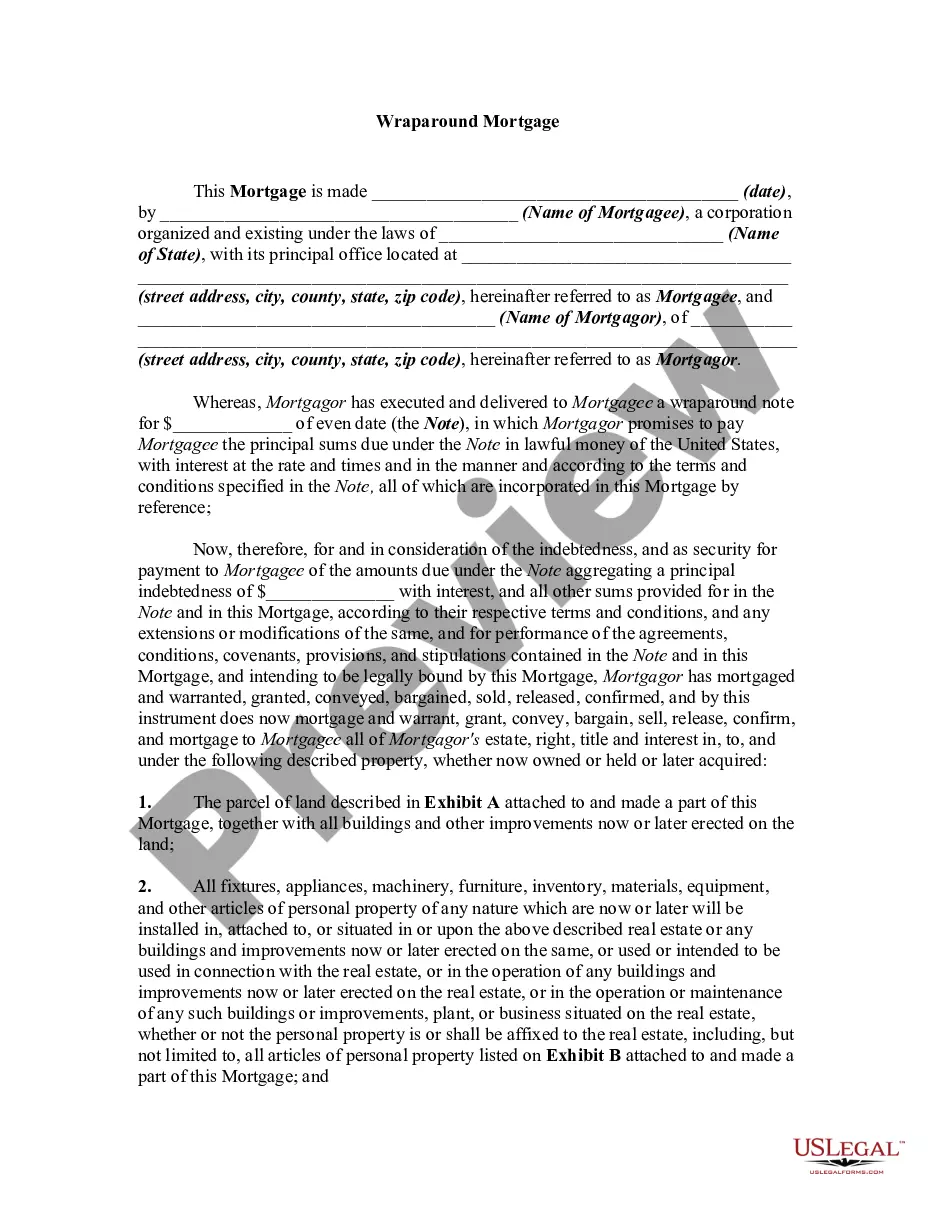
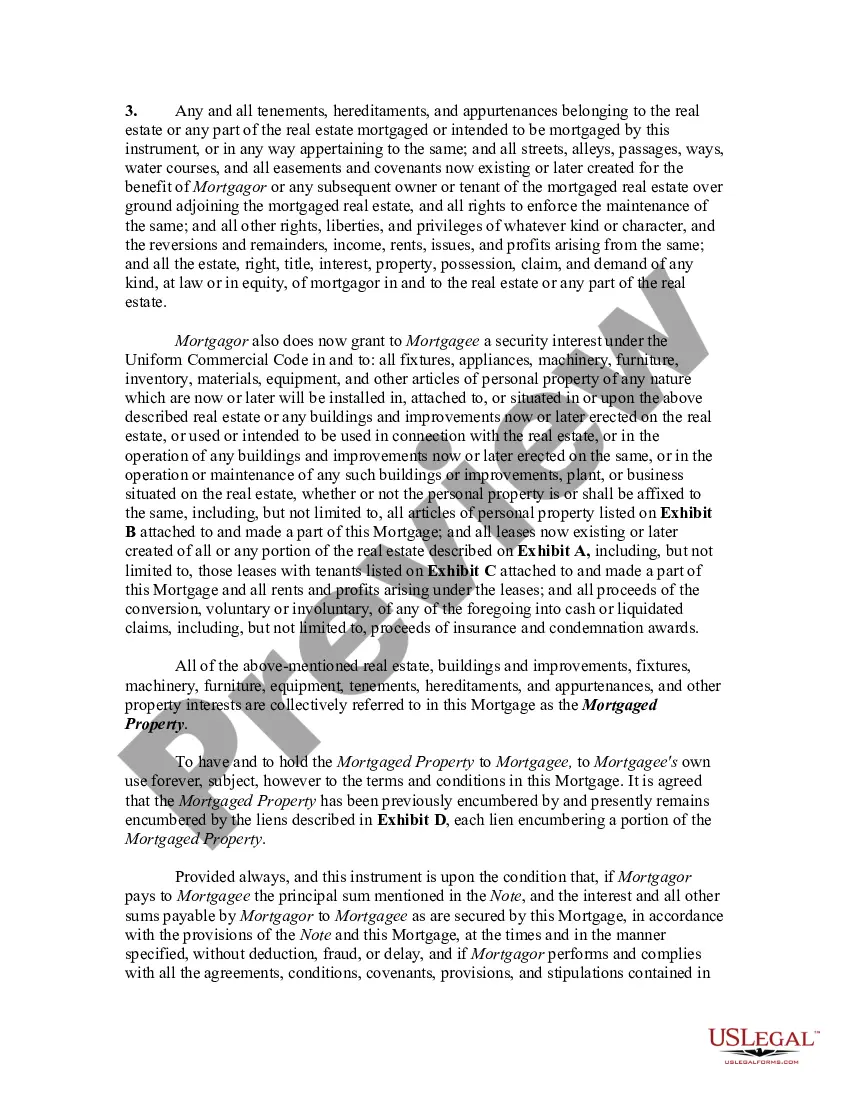
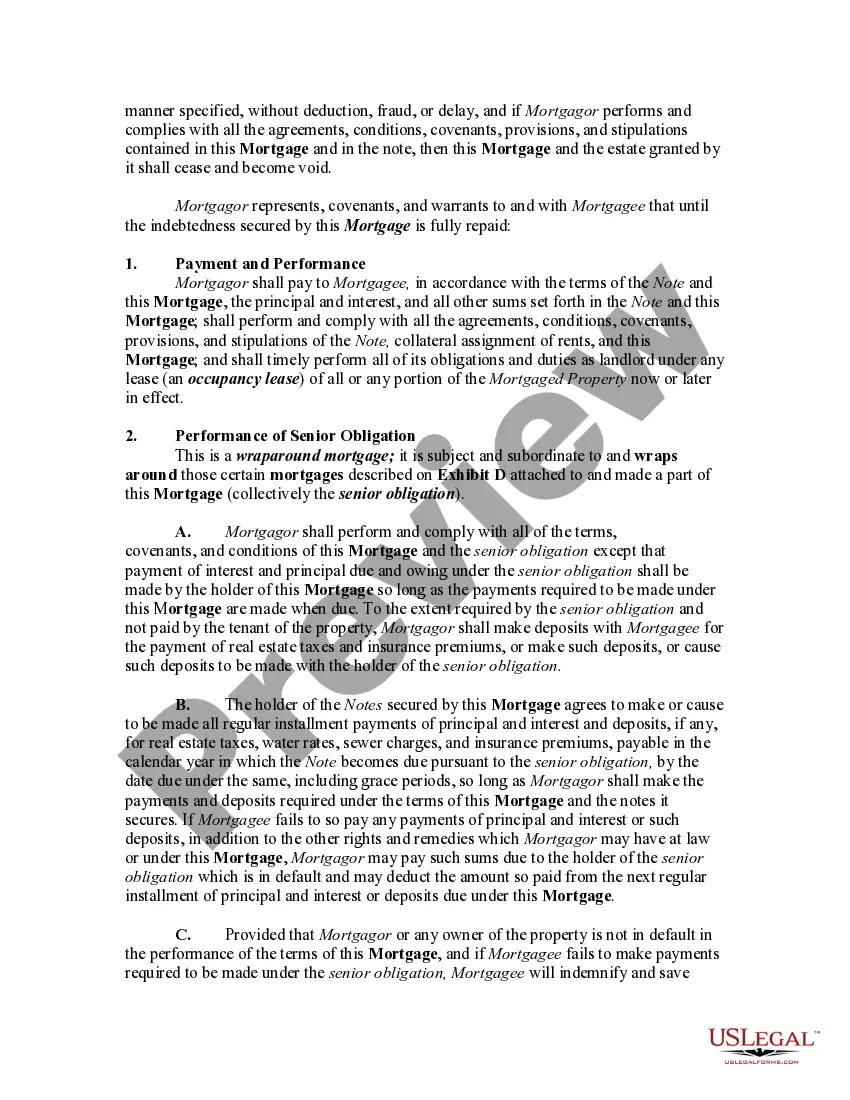
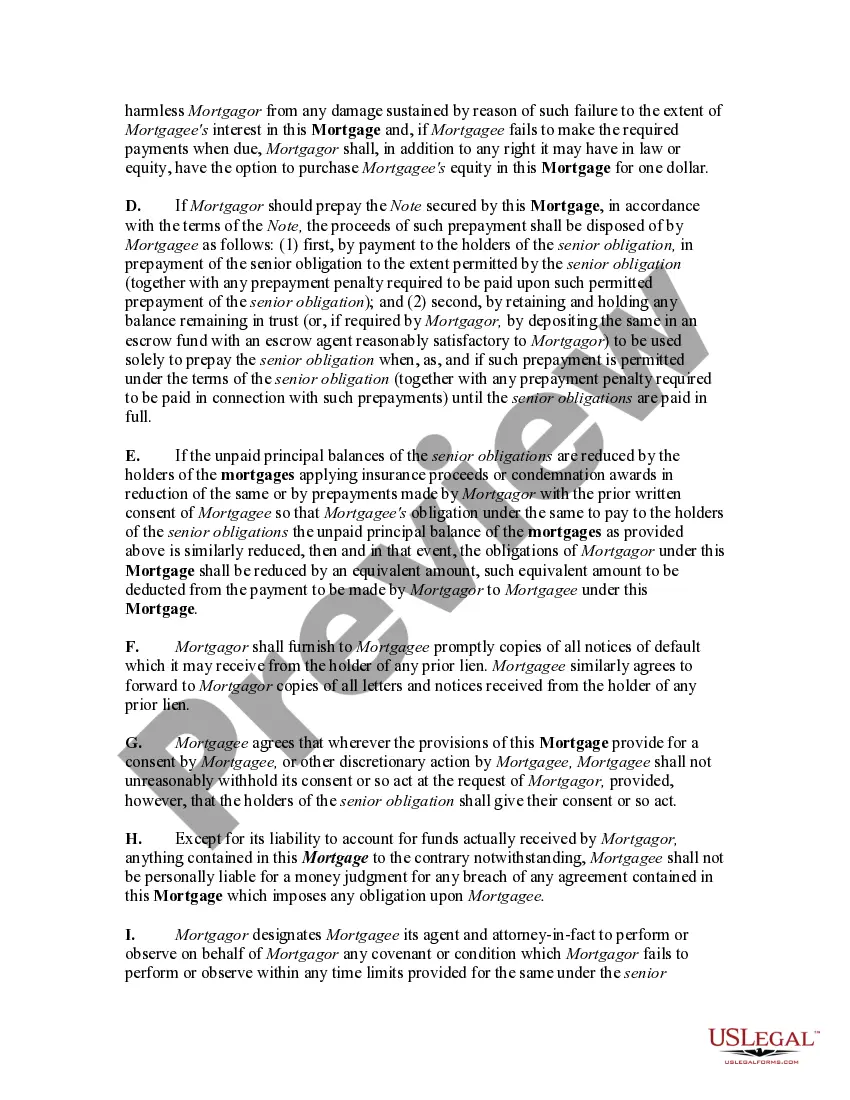
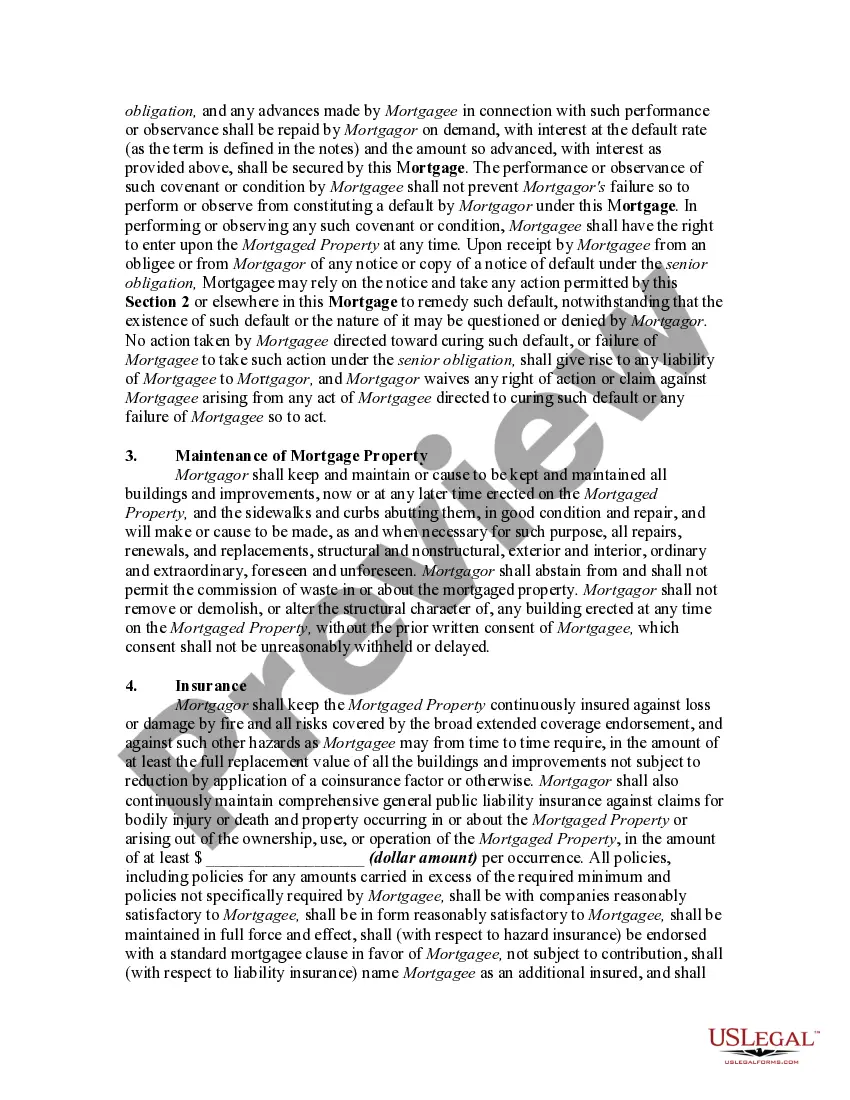
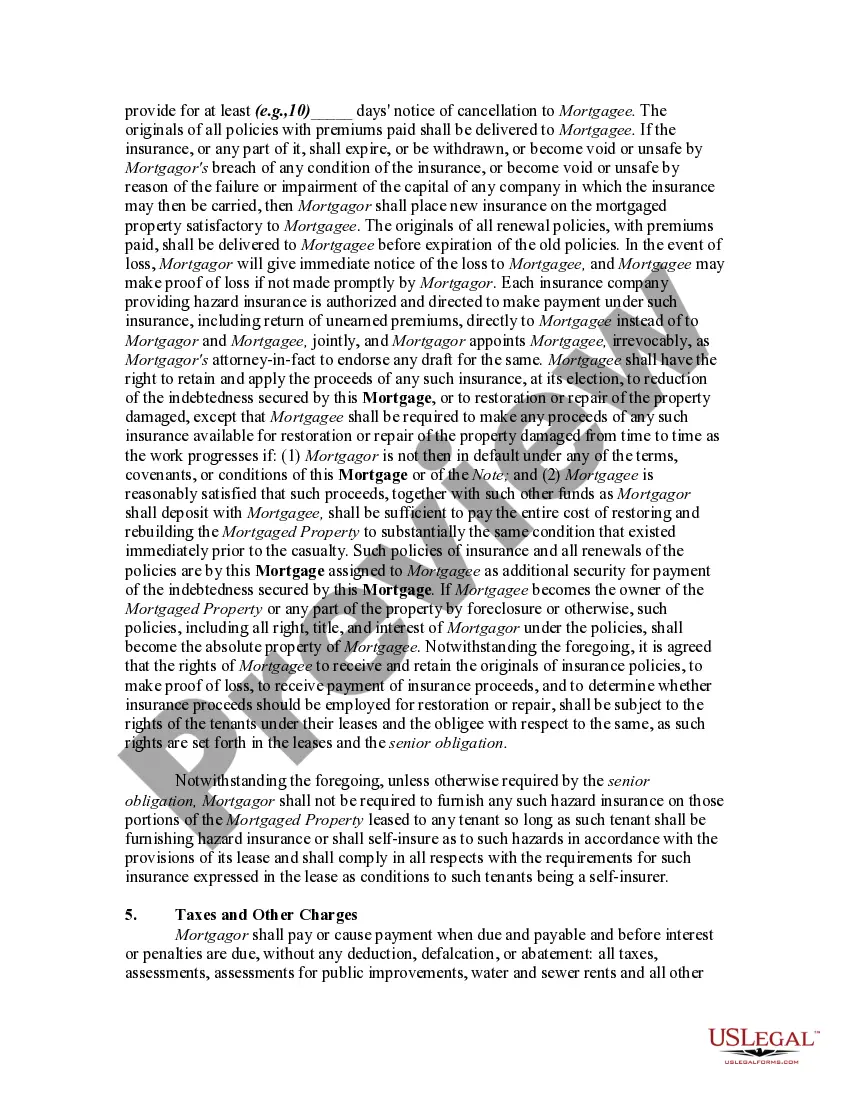
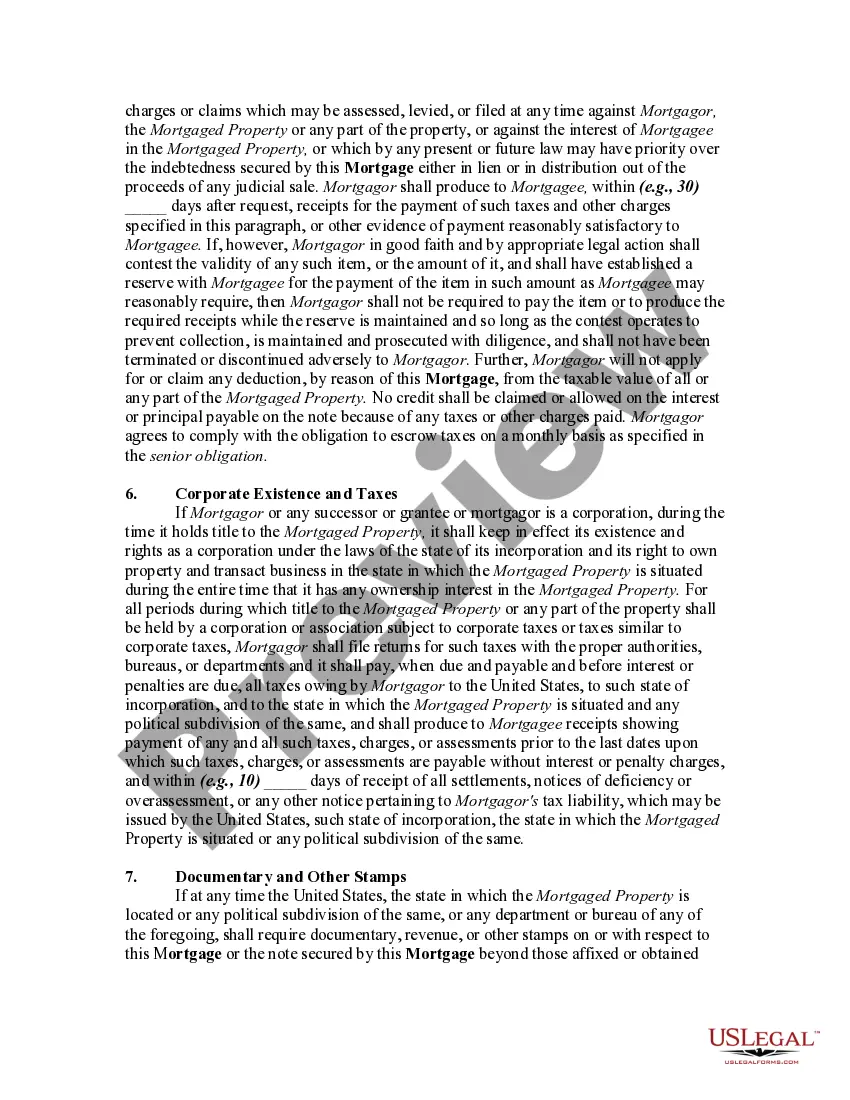
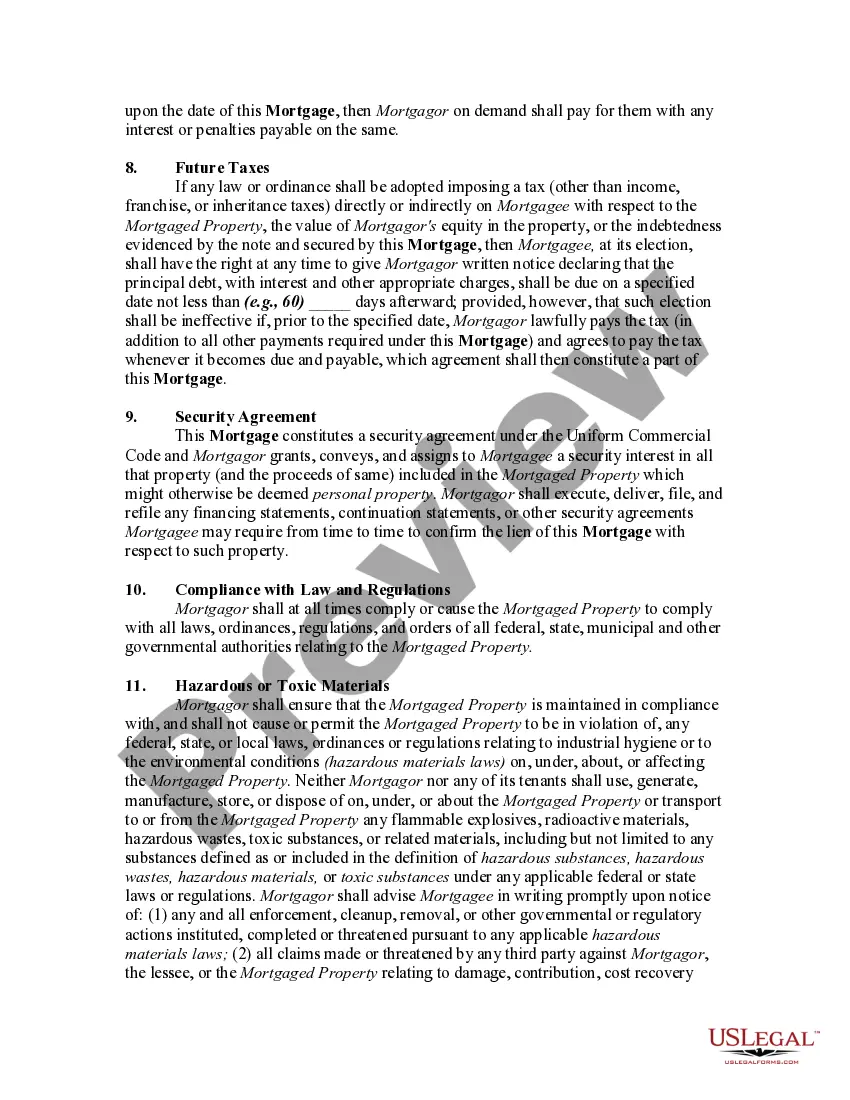


Get your form ready online
Our built-in tools help you complete, sign, share, and store your documents in one place.
Make edits, fill in missing information, and update formatting in US Legal Forms—just like you would in MS Word.
Download a copy, print it, send it by email, or mail it via USPS—whatever works best for your next step.
Sign and collect signatures with our SignNow integration. Send to multiple recipients, set reminders, and more. Go Premium to unlock E-Sign.
If this form requires notarization, complete it online through a secure video call—no need to meet a notary in person or wait for an appointment.
We protect your documents and personal data by following strict security and privacy standards.

Make edits, fill in missing information, and update formatting in US Legal Forms—just like you would in MS Word.

Download a copy, print it, send it by email, or mail it via USPS—whatever works best for your next step.

Sign and collect signatures with our SignNow integration. Send to multiple recipients, set reminders, and more. Go Premium to unlock E-Sign.

If this form requires notarization, complete it online through a secure video call—no need to meet a notary in person or wait for an appointment.

We protect your documents and personal data by following strict security and privacy standards.
Looking for another form?








How to fill out Wraparound Mortgage?
- Log in to your existing US Legal Forms account to access your documents. Ensure your subscription is active; renew if necessary.
- For first-time users, inspect the Preview mode to confirm the selected form meets your requirements and complies with local regulations.
- If the form isn't suitable, utilize the Search tab to explore other options until you find the right one.
- Click the Buy Now button to purchase the document, selecting the subscription plan that best fits your needs.
- Complete your transaction by entering your payment details for secure processing.
- Download your chosen form and save it to your device, allowing you to edit it later from your profile’s My Forms menu.
By leveraging US Legal Forms, you can ensure that your wrap around mortgage and other legal documents are filled out accurately and efficiently. With access to over 85,000 templates and expert assistance available, your legal tasks become manageable.
Ready to get started? Visit US Legal Forms today and streamline your legal processes effortlessly!
Form popularity
FAQ
The best way to structure a mortgage often depends on individual financial situations and goals. It's advisable to evaluate various options like fixed-rate mortgages, adjustable-rate mortgages, or even a wrap around mortgage with the bank. Consulting with a financial expert can align your mortgage structure with your long-term plans, making it a more beneficial decision.
A wrap around mortgage with the bank is usually issued by private lenders or individual sellers rather than traditional bank institutions. However, some smaller financial institutions might offer such arrangements. When creating this type of mortgage, it's advisable to work with a knowledgeable real estate attorney or financial advisor to ensure your interests are protected and that you understand all terms involved.
Wrap around mortgages are commonly issued by private parties, typically between individual sellers and buyers, rather than traditional banks. However, once established, the terms can be aligned with a financial institution for backing. This flexibility allows buyers to negotiate terms that suit their financial situation.
In a wrap around mortgage, the seller typically retains the title of the property while the buyer occupies it. This arrangement gives the buyer the right to make payments and gain equity, but it also requires trust between the two parties. Understanding these dynamics is essential; consulting platforms like US Legal Forms can help clarify legal responsibilities.
Despite their benefits, wrap around mortgages with the bank are not widely used due to their complexity. Many buyers and sellers may feel uncertain about the legal implications or lack awareness of this financing option. Moreover, traditional mortgage solutions are often perceived as simpler and safer.
Wrap around mortgages with the bank carry several risks for buyers and sellers. One major concern is the potential default on the original mortgage, which can lead to foreclosure. Additionally, buyers may face higher interest rates compared to conventional loans, making it crucial to carefully review terms before proceeding.
Despite their benefits, wraparound mortgages aren't widely used due to complexity and potential misunderstandings among parties. Many buyers and sellers might not be familiar with the structure, leading them to prefer more conventional loans. Additionally, lenders can be hesitant to allow wraparounds because of the risks involved. Utilizing tools and resources like those from uslegalforms can help demystify the wrap around mortgage with the bank.
While a wraparound mortgage offers flexibility, it also carries certain risks. The primary concern is the potential for the original mortgage to be called due, meaning the lender might demand full payment upon notification of the transfer. Additionally, if the seller fails to make payments, the buyer could risk losing the property. It’s wise to assess these risks thoroughly before entering a wrap around mortgage with the bank.
A wraparound mortgage can be an attractive option in certain situations, especially for buyers looking for flexible terms. This type of mortgage allows buyers to take over existing mortgages while benefiting from the seller's favorable rates. However, it is essential to carefully evaluate the terms and conditions. Consider consulting with experts on the wrap around mortgage with the bank to make an informed decision.
In a wraparound mortgage with the bank, liability is shared between the seller and the buyer. The seller remains liable for the original mortgage, while the buyer is responsible for making payments to the seller. Understanding these liabilities is crucial, as they can affect both parties' financial obligations and creditworthiness.