Wrap Around Mortgage For The Bank
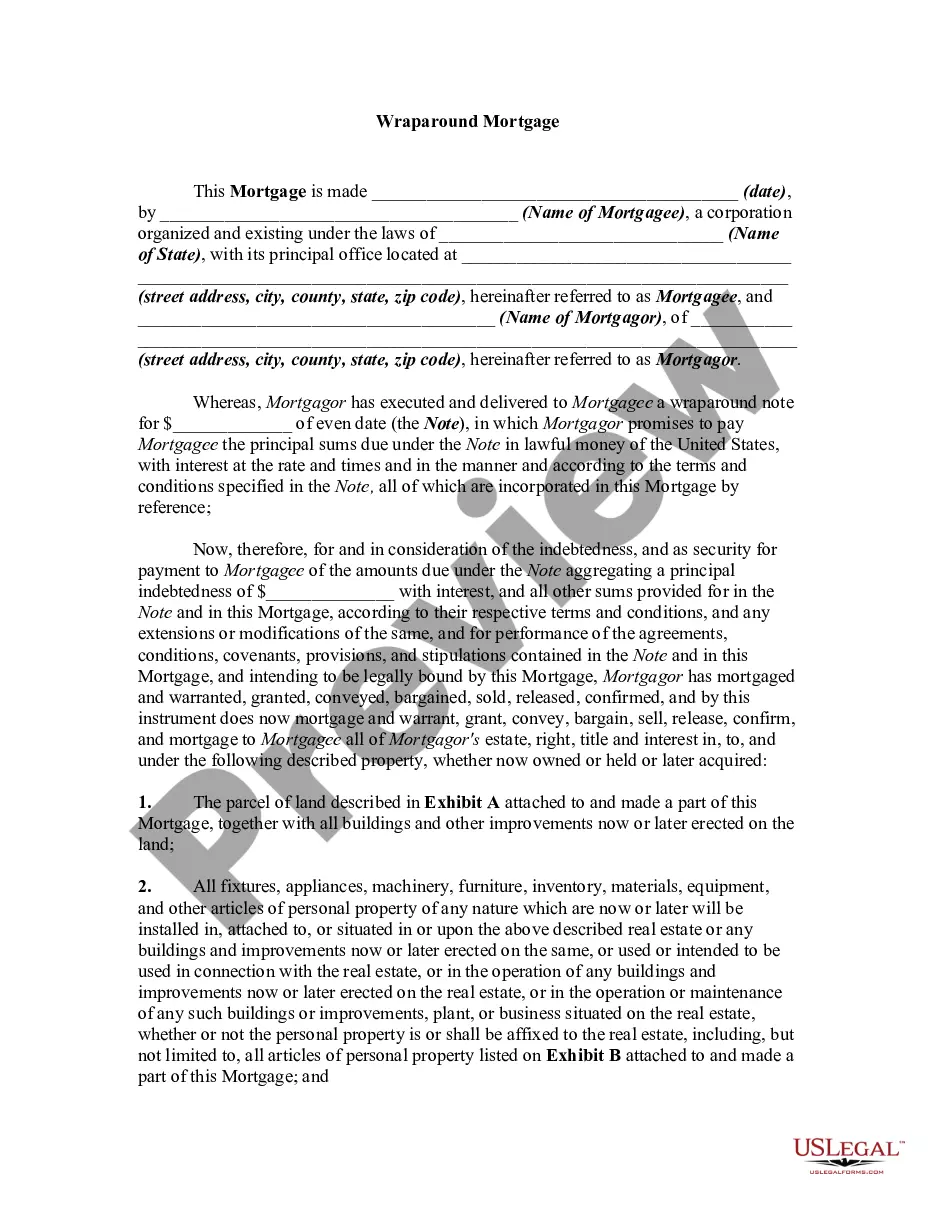
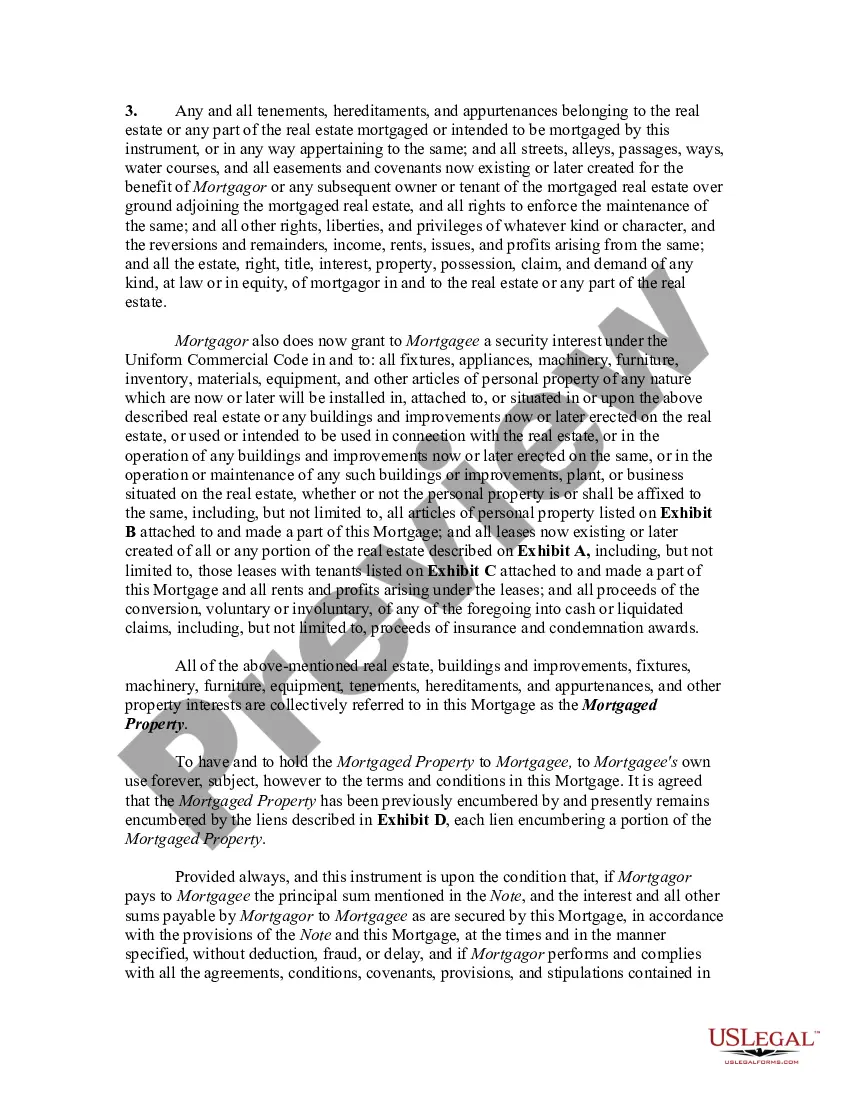
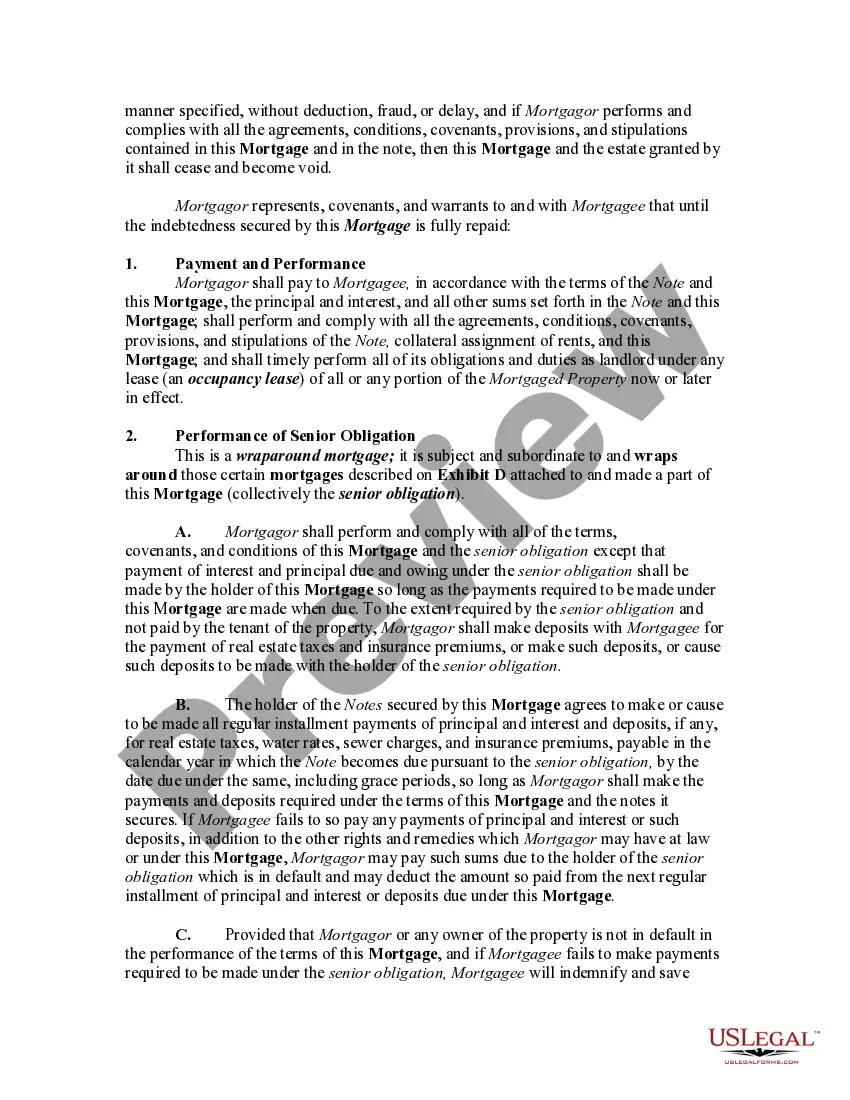
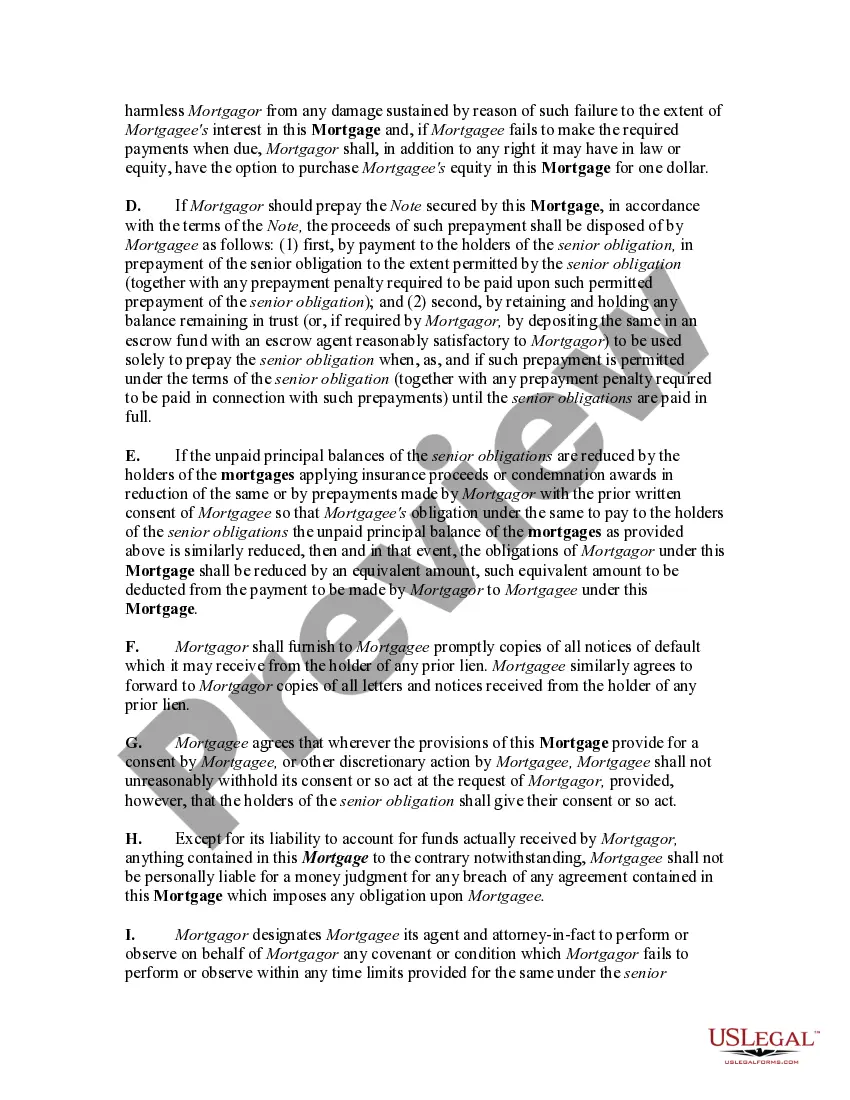
Description
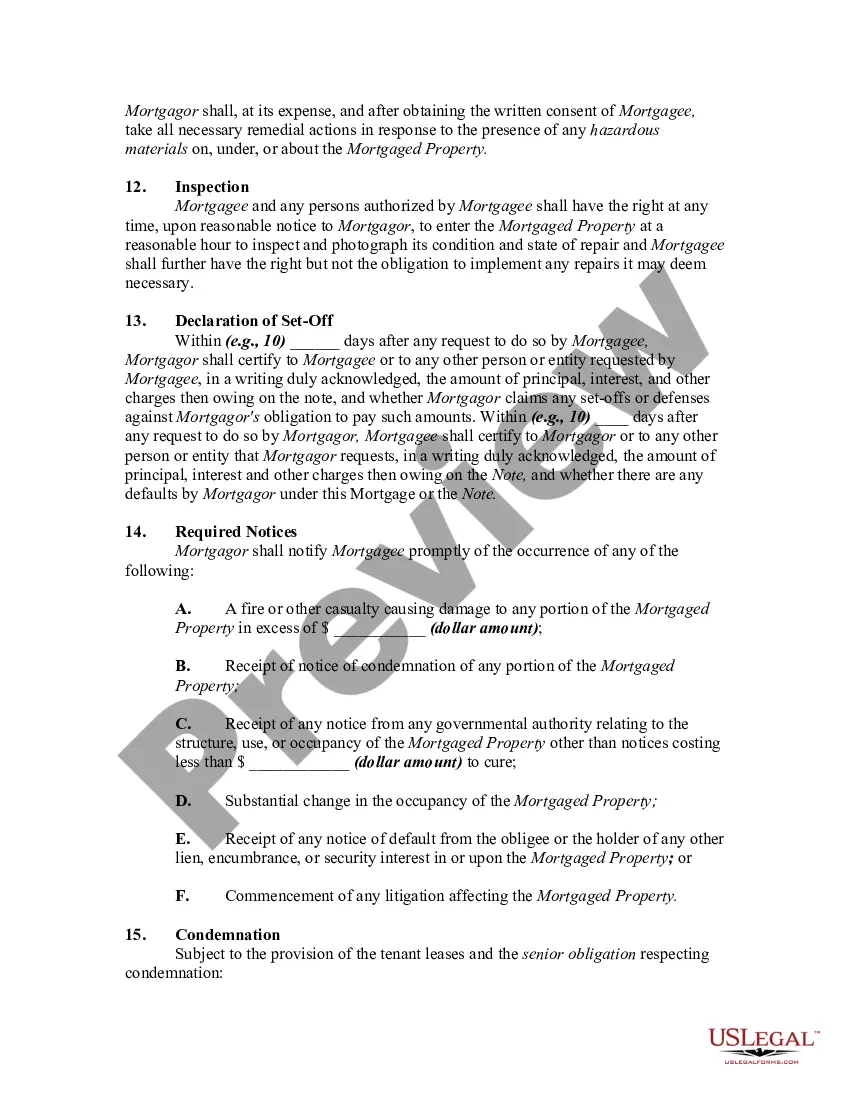
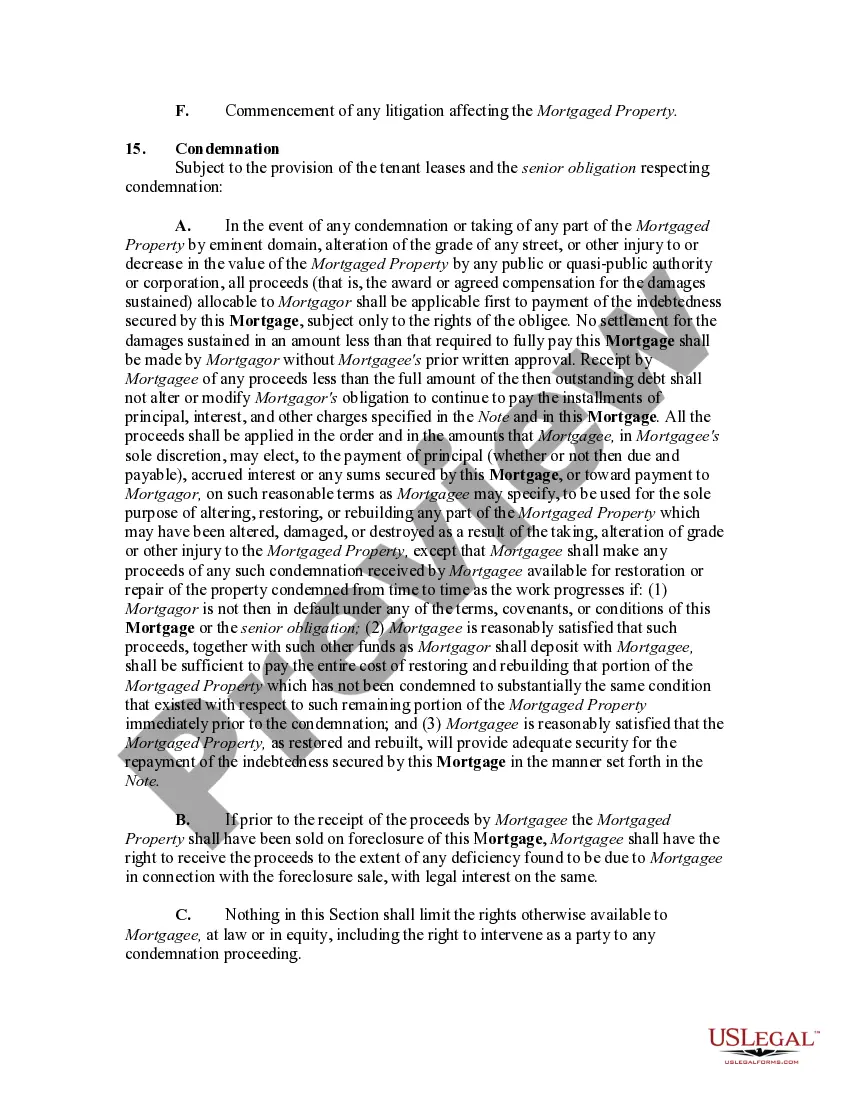

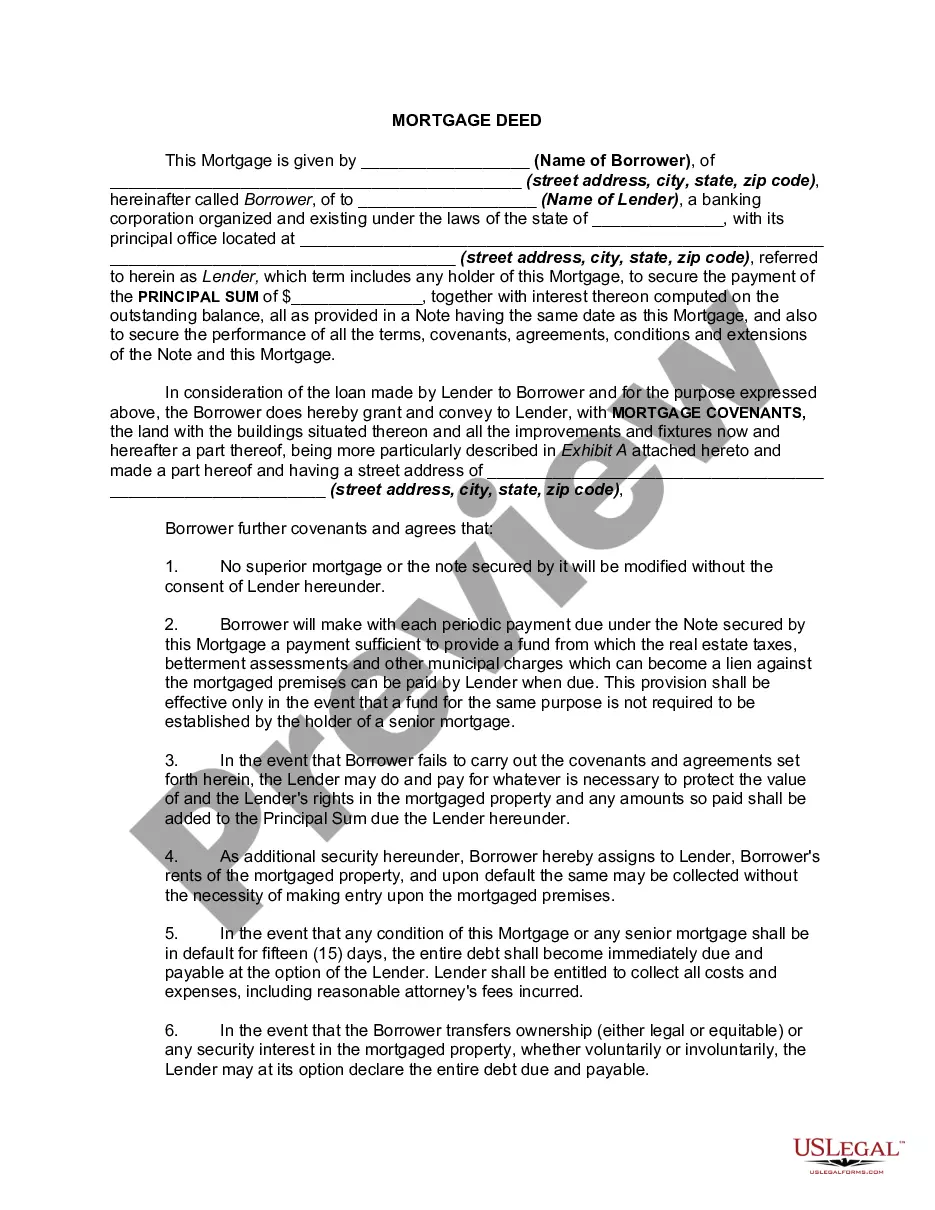
Get your form ready online
Our built-in tools help you complete, sign, share, and store your documents in one place.
Make edits, fill in missing information, and update formatting in US Legal Forms—just like you would in MS Word.
Download a copy, print it, send it by email, or mail it via USPS—whatever works best for your next step.
Sign and collect signatures with our SignNow integration. Send to multiple recipients, set reminders, and more. Go Premium to unlock E-Sign.
If this form requires notarization, complete it online through a secure video call—no need to meet a notary in person or wait for an appointment.
We protect your documents and personal data by following strict security and privacy standards.

Make edits, fill in missing information, and update formatting in US Legal Forms—just like you would in MS Word.

Download a copy, print it, send it by email, or mail it via USPS—whatever works best for your next step.

Sign and collect signatures with our SignNow integration. Send to multiple recipients, set reminders, and more. Go Premium to unlock E-Sign.

If this form requires notarization, complete it online through a secure video call—no need to meet a notary in person or wait for an appointment.

We protect your documents and personal data by following strict security and privacy standards.
Looking for another form?








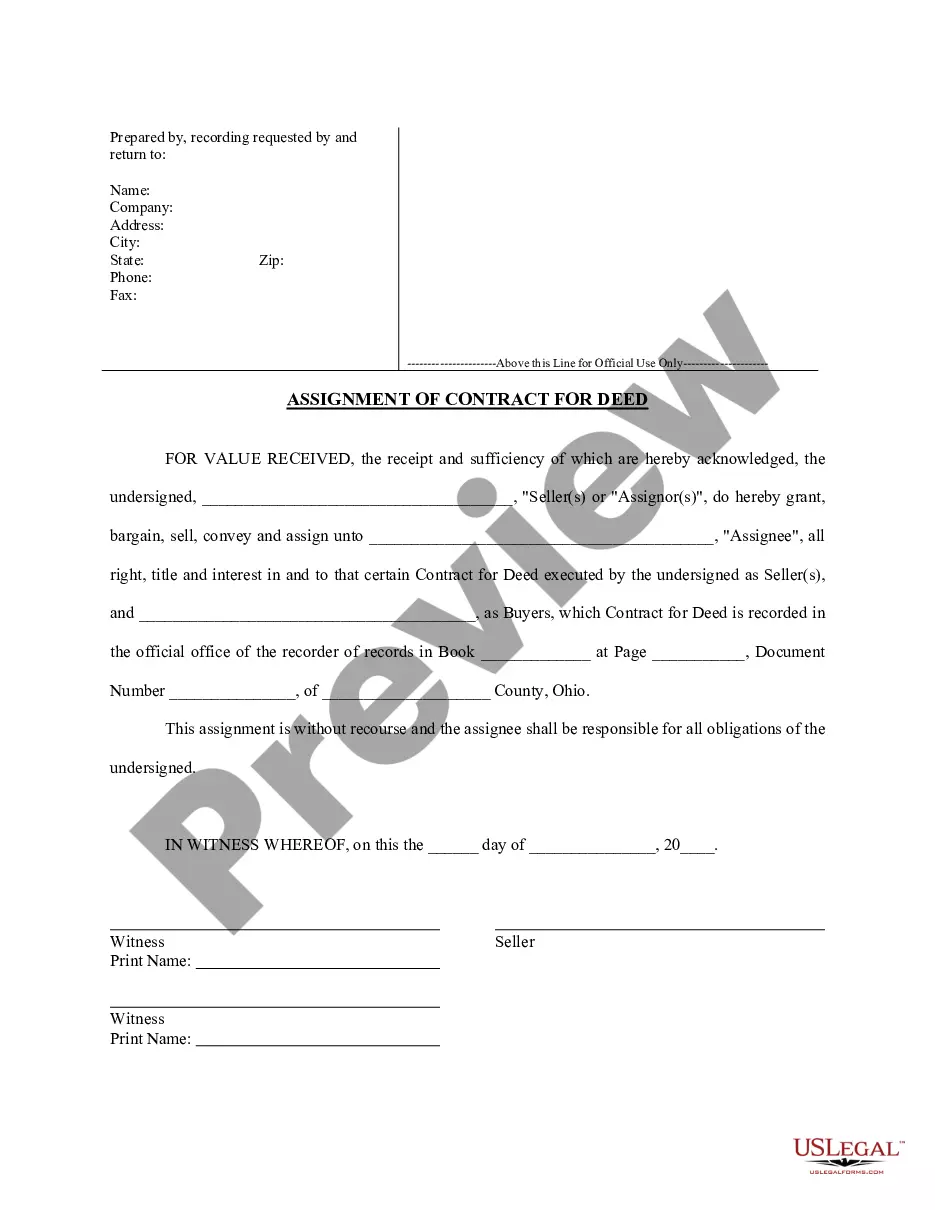

How to fill out Wraparound Mortgage?
- If you’re a returning user, log in to your account and click the Download button to get your desired template. Ensure your subscription is currently active; renew it as needed.
- For first-time users, start by previewing the available forms. Check the descriptions carefully to ensure they fit your local jurisdiction's requirements.
- If you need a different form, utilize the Search tab to find the appropriate template that suits your needs.
- Once you've found the correct document, proceed to purchase it by clicking the Buy Now button and choosing a suitable subscription plan. You will need to create an account to access the legal library.
- Enter your payment details via credit card or PayPal to complete the transaction.
- After your purchase, download the form to your device. You can always access it later in the My Forms section of your profile.
US Legal Forms boasts a robust collection of over 85,000 customizable legal templates, ensuring you can find the exact form you need without hassle.
Experience the convenience of quick, reliable legal form execution. Start your journey with US Legal Forms today!
Form popularity
FAQ
Lenders frequently sell mortgages to manage their financial risk and liquidity. By selling loans, they can reinvest the capital into new lending opportunities. Additionally, the secondary mortgage market allows lenders to buy and sell mortgages quickly, providing flexibility. This practice is common and integral to the functioning of a wraparound mortgage for the bank.
around mortgage is typically issued by a seller who owns a property outright or has a low remaining balance on their mortgage. This seller acts as the lender, allowing the buyer to make payments that include both the existing mortgage and an additional amount for the equity. This creative financing solution benefits both parties, as it simplifies transactions and can be advantageous for banks when they facilitate these deals.
Yes, a wrap around mortgage is legal in many states, though it is essential to follow local regulations. This type of mortgage provides flexibility for buyers and sellers, making it an appealing option. Ensure you consult legal experts to navigate the specifics, as they can help you structure a wrap around mortgage for the bank appropriately.
Liability in a wrap around mortgage lies primarily with the buyer. The buyer makes payments on the original mortgage while also repaying the seller under the wrap around agreement. This dual responsibility highlights the importance of clear terms that benefit both parties involved in a wrap around mortgage for the bank.
In owner financing, the seller typically holds the title until the buyer fulfills the payment terms. This arrangement grants the buyer equitable interest in the property, allowing them to occupy and use it. As you explore a wrap around mortgage for the bank, understanding title retention can influence your financing decisions.
Wrap-around mortgages are less commonly used due to limited awareness and understanding among buyers and sellers. Moreover, some lenders hesitate to approve this type of financing due to the risks involved. Additionally, potential legal complications and lack of straightforward regulations can deter individuals from opting for this method.