Wrap Around Deed For Mortgage
Description
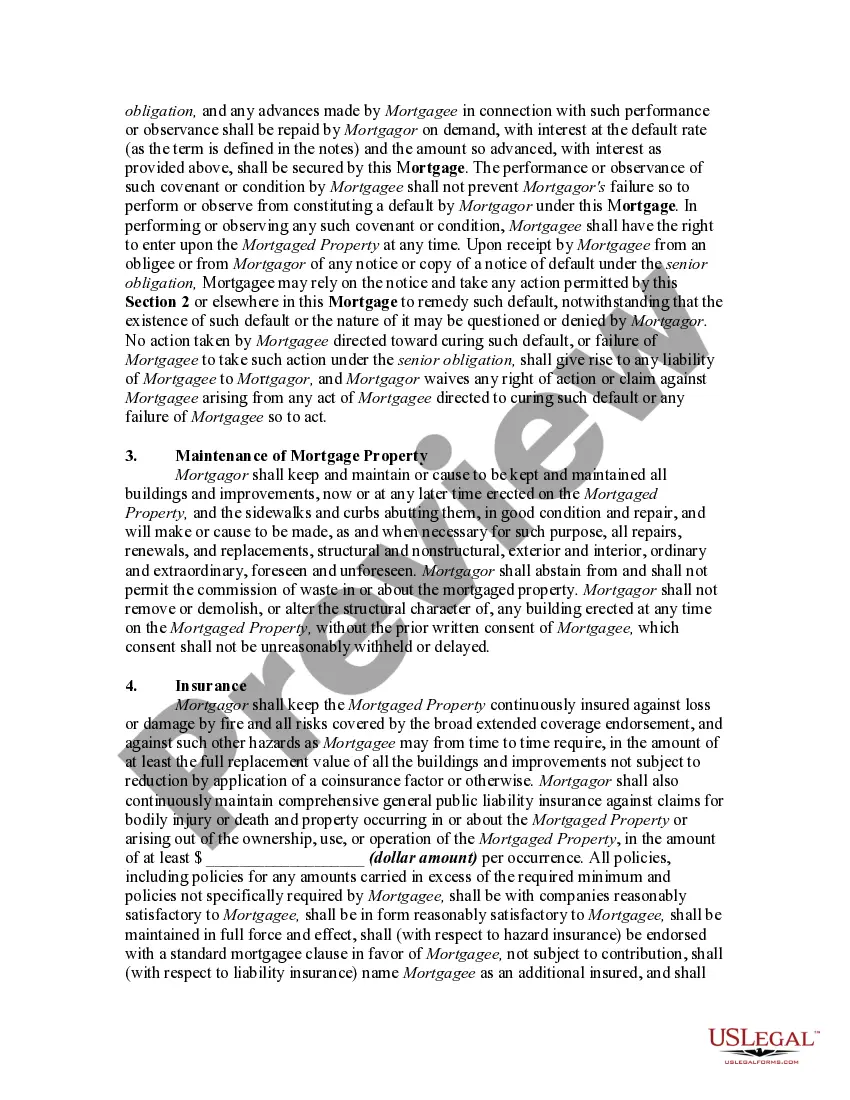
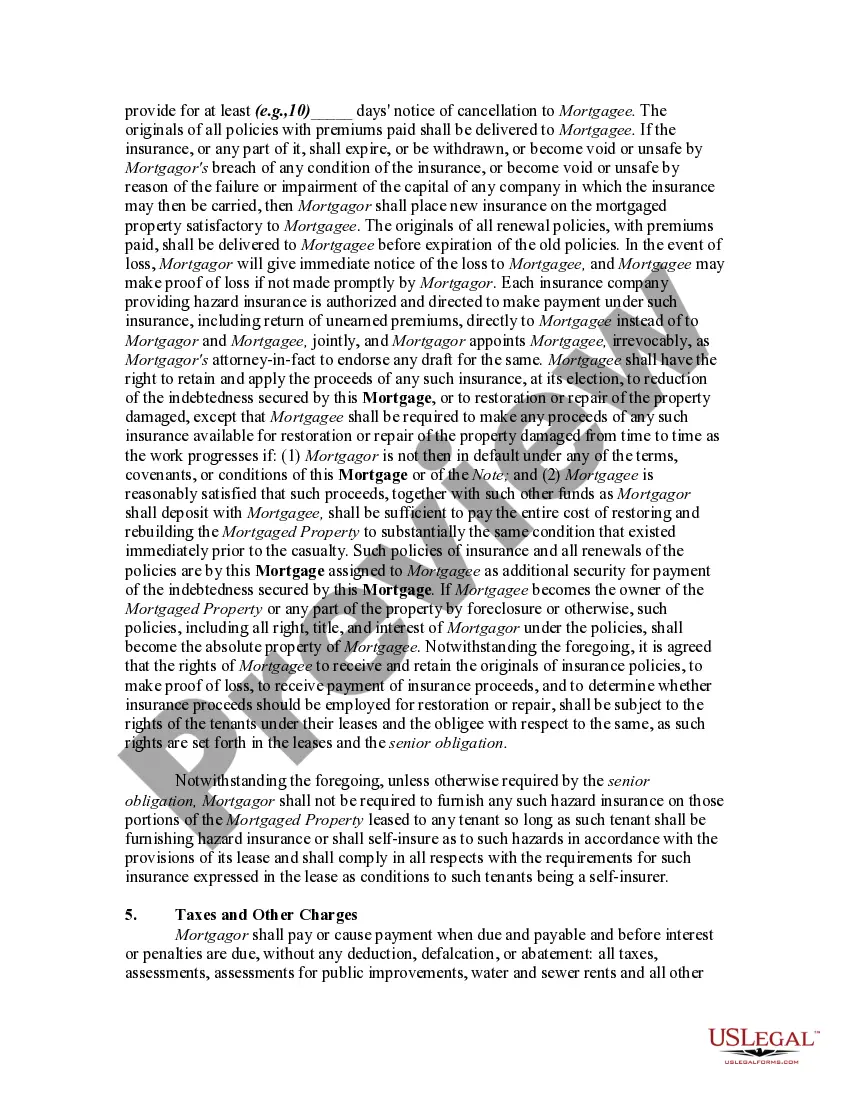
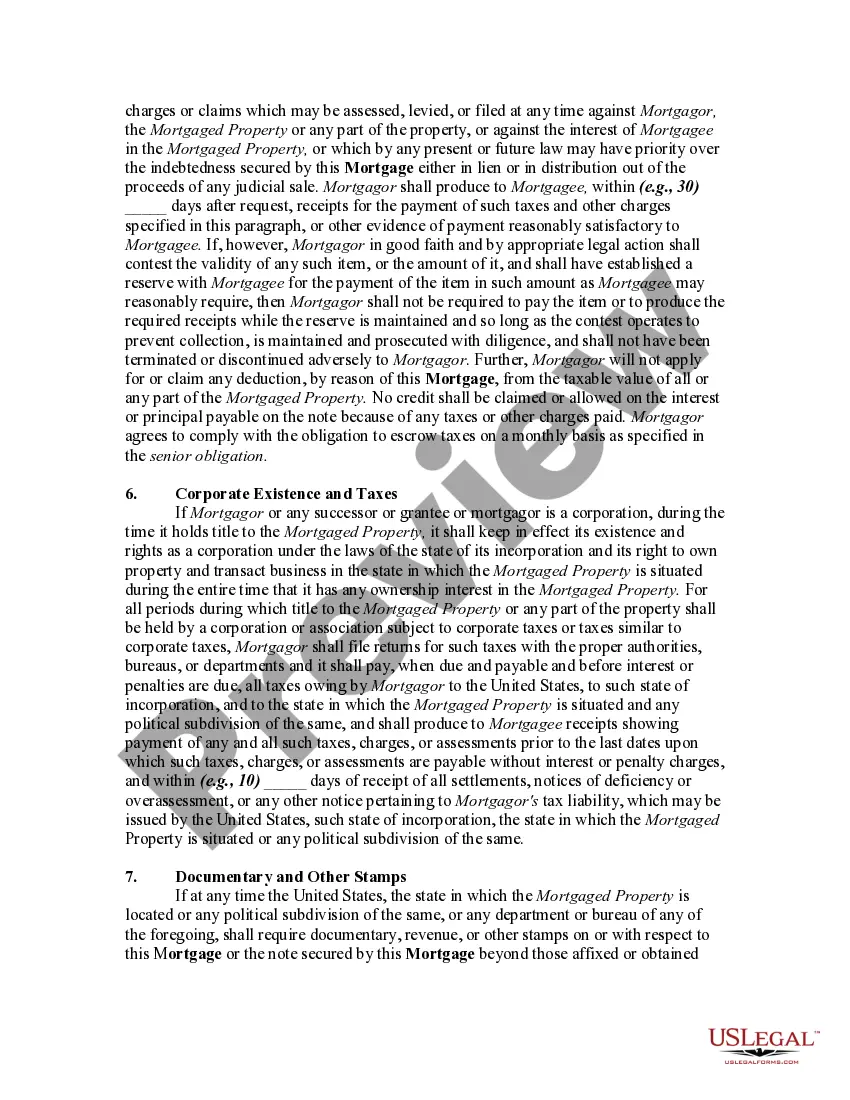
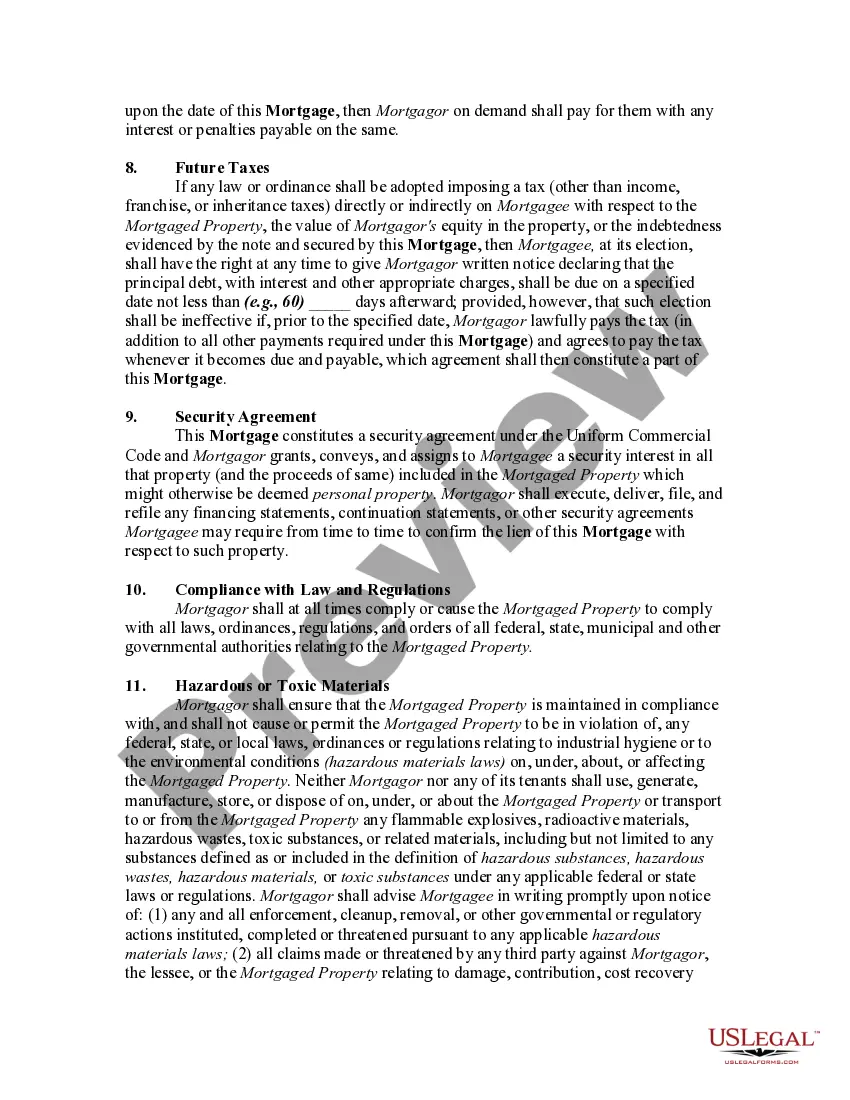

Get your form ready online
Our built-in tools help you complete, sign, share, and store your documents in one place.
Make edits, fill in missing information, and update formatting in US Legal Forms—just like you would in MS Word.
Download a copy, print it, send it by email, or mail it via USPS—whatever works best for your next step.
Sign and collect signatures with our SignNow integration. Send to multiple recipients, set reminders, and more. Go Premium to unlock E-Sign.
If this form requires notarization, complete it online through a secure video call—no need to meet a notary in person or wait for an appointment.
We protect your documents and personal data by following strict security and privacy standards.

Make edits, fill in missing information, and update formatting in US Legal Forms—just like you would in MS Word.

Download a copy, print it, send it by email, or mail it via USPS—whatever works best for your next step.

Sign and collect signatures with our SignNow integration. Send to multiple recipients, set reminders, and more. Go Premium to unlock E-Sign.

If this form requires notarization, complete it online through a secure video call—no need to meet a notary in person or wait for an appointment.

We protect your documents and personal data by following strict security and privacy standards.
Looking for another form?






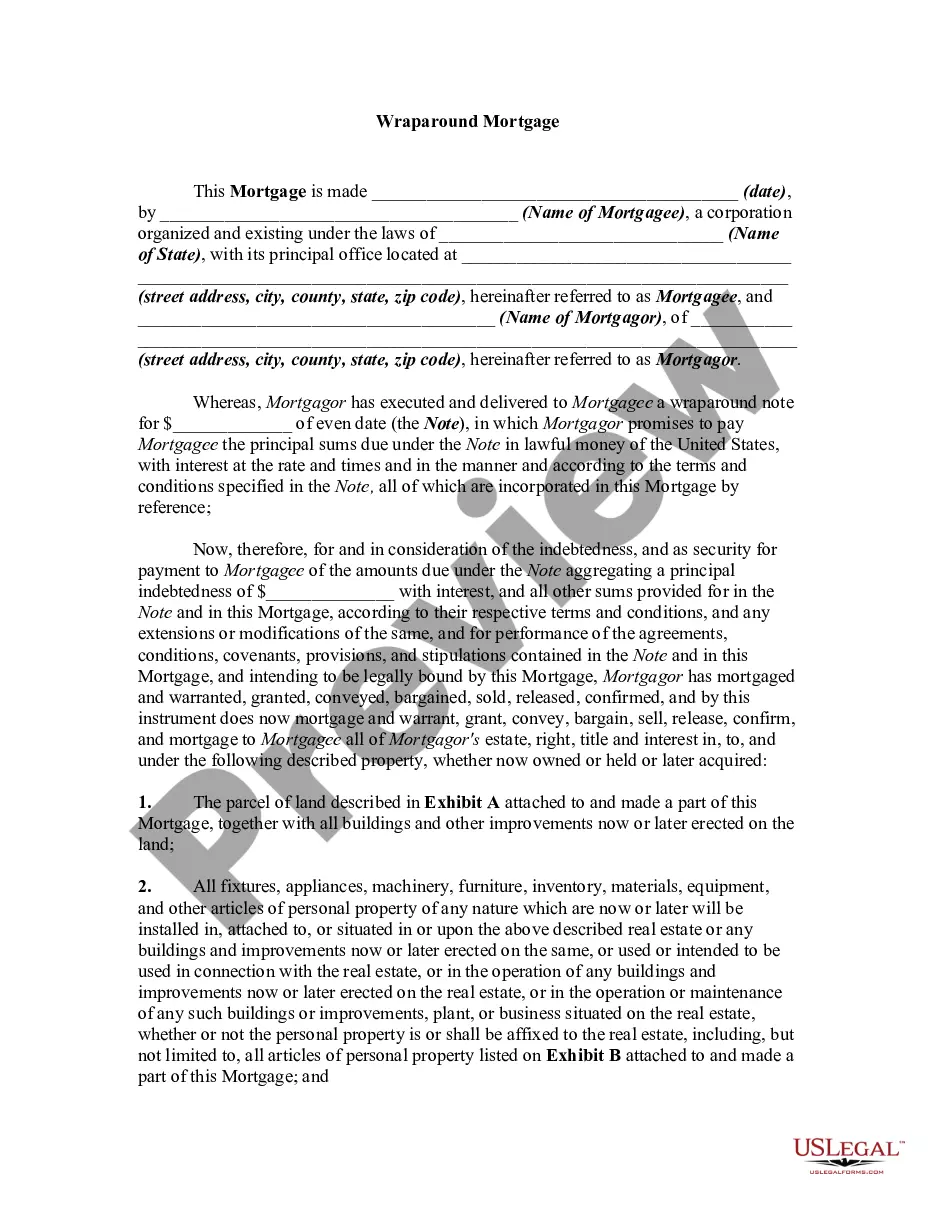
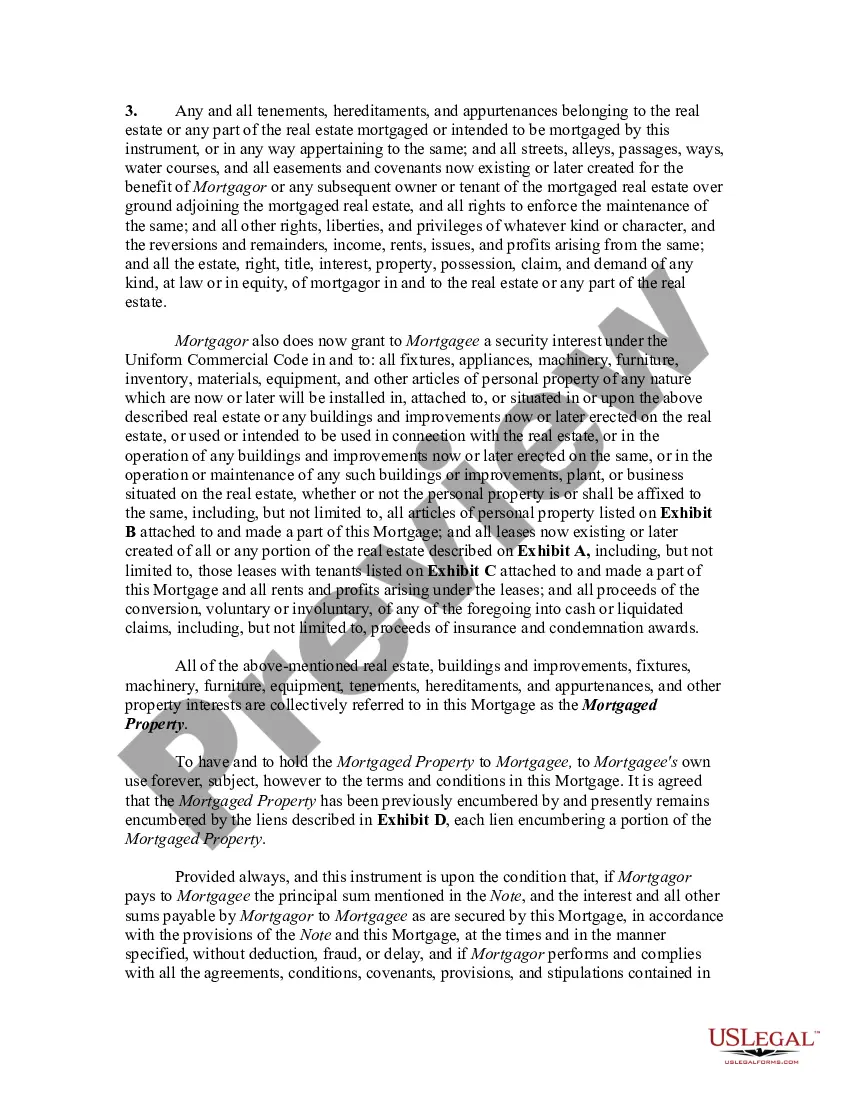
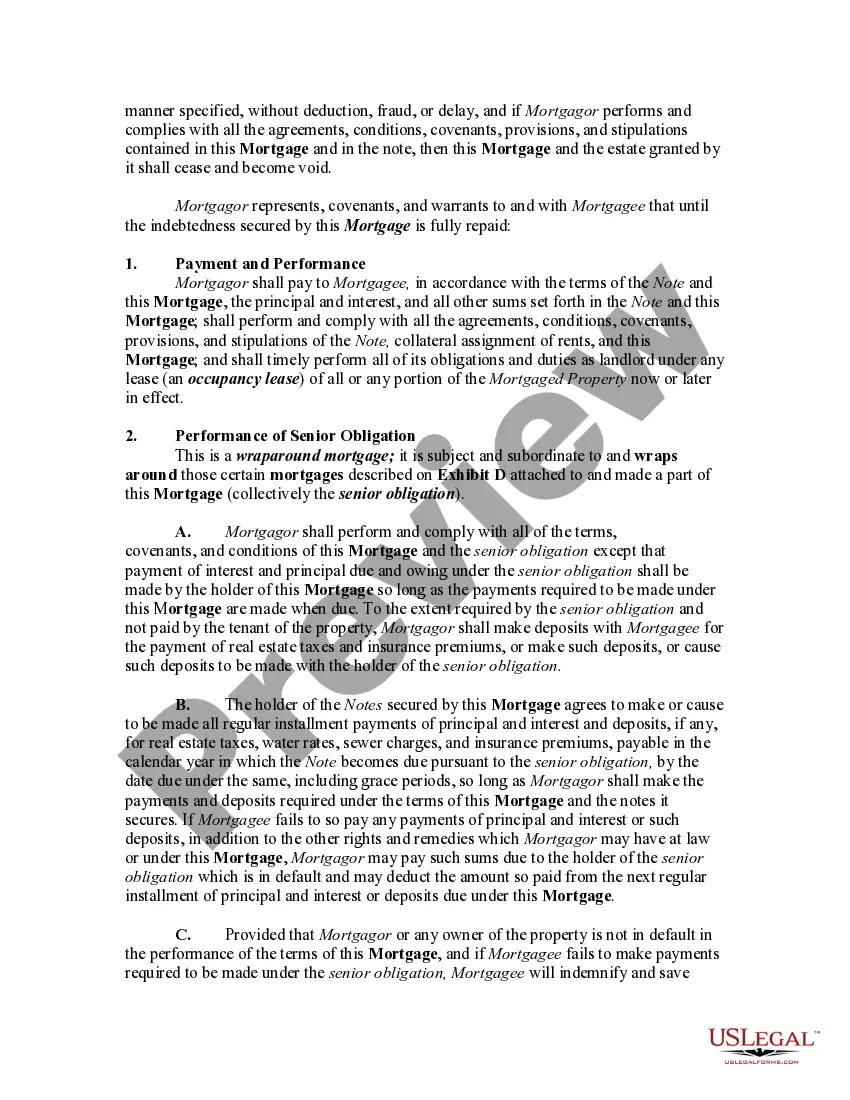
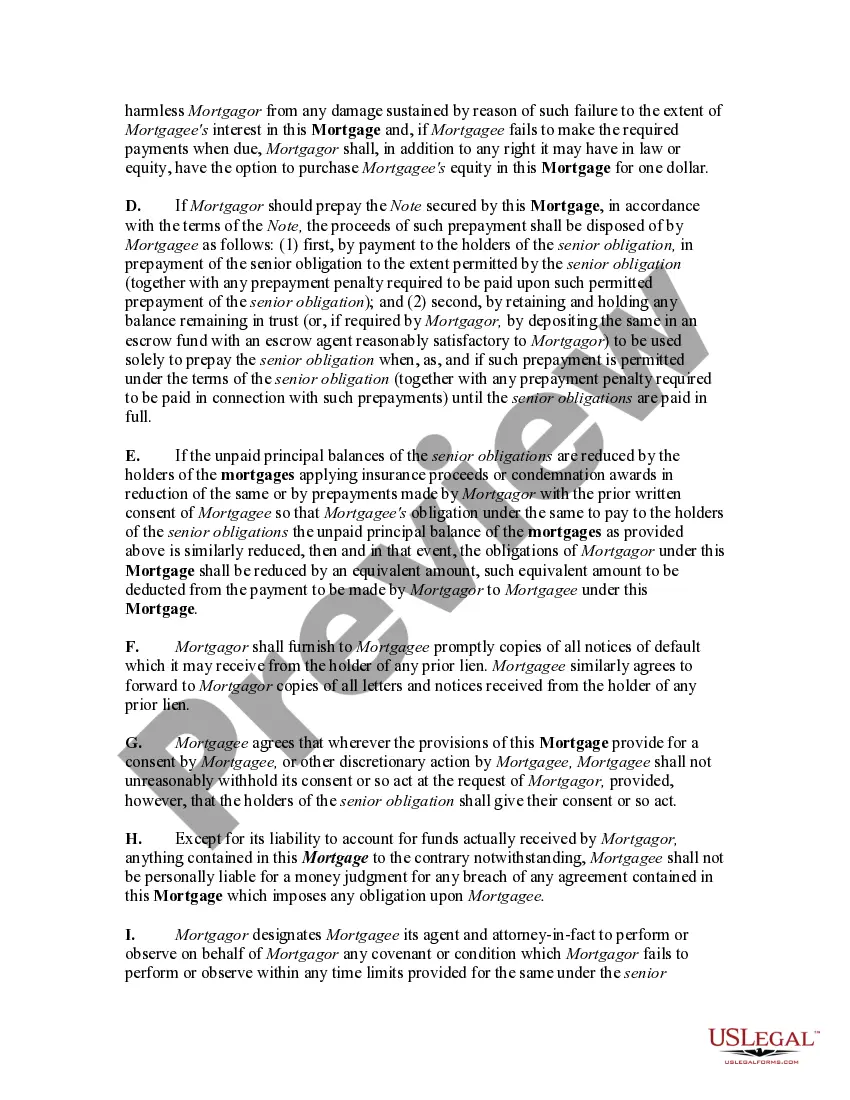
How to fill out Wraparound Mortgage?
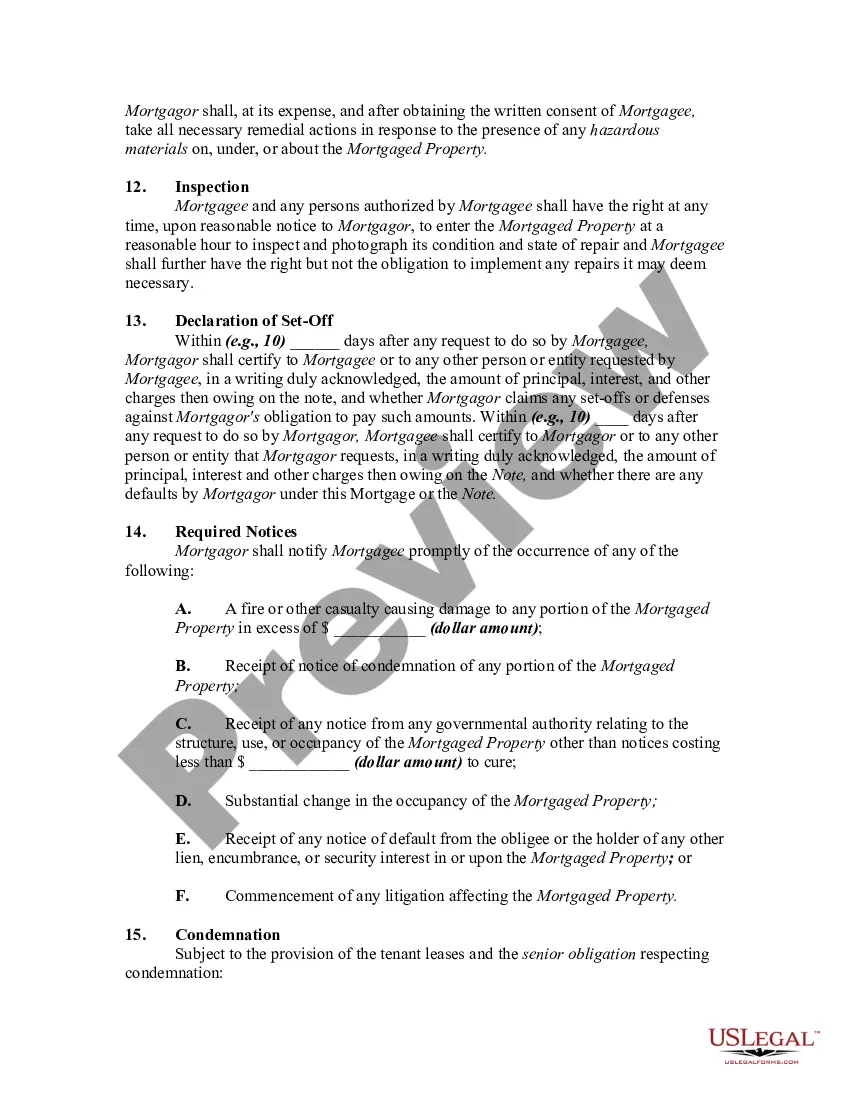
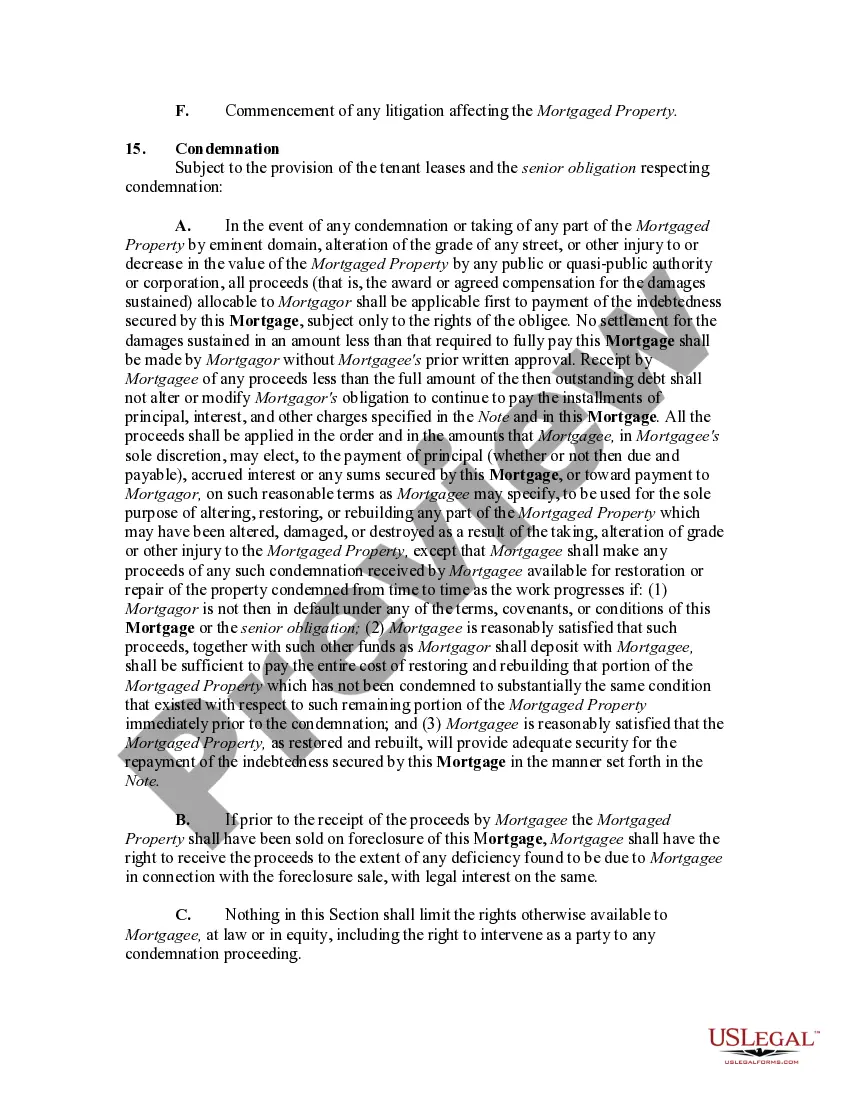
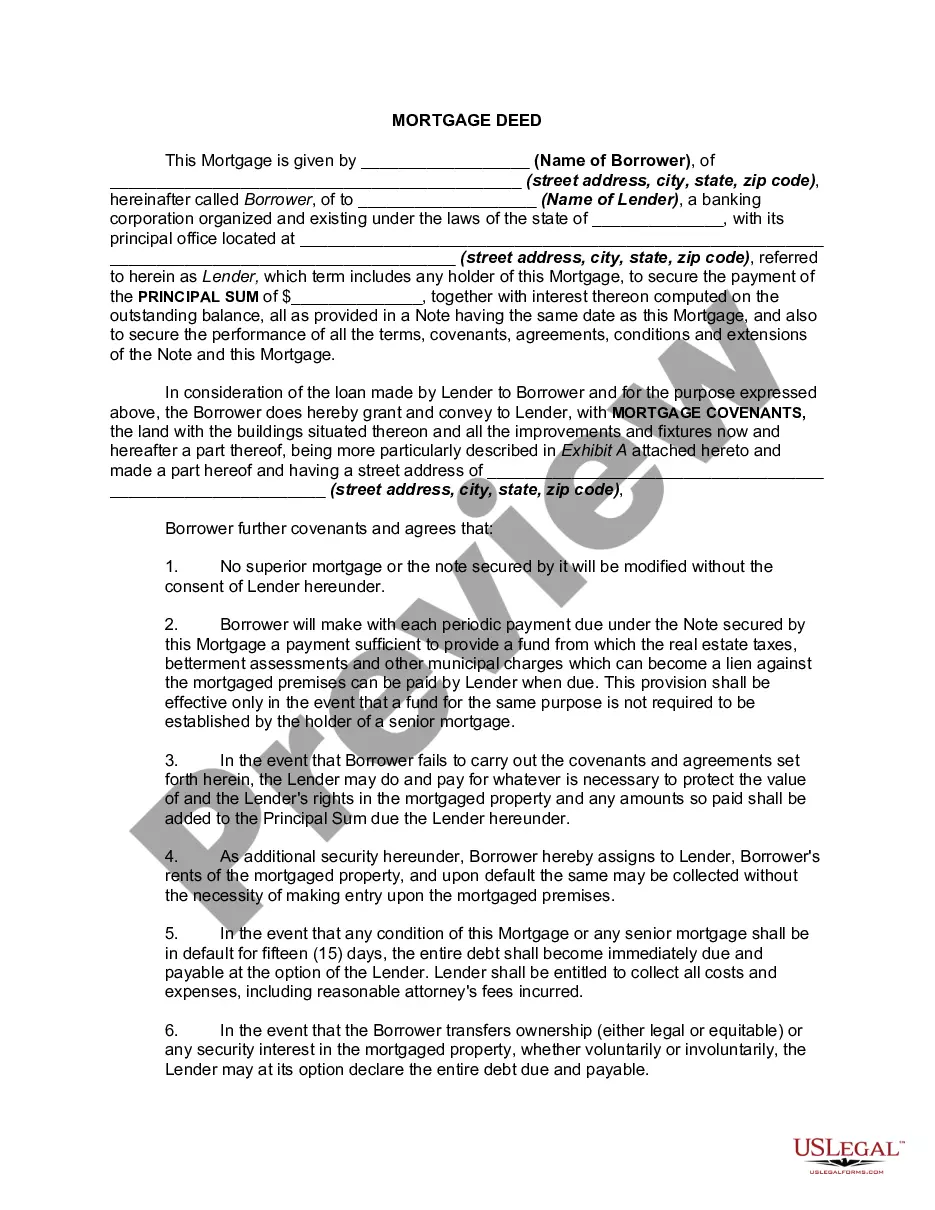
It’s well-known that you cannot instantly become a legal authority, nor can you swiftly learn to draft a Wrap Around Deed For Mortgage without a specialized background.
Drafting legal documents is a lengthy process that necessitates specific education and expertise. So why not entrust the creation of the Wrap Around Deed For Mortgage to the specialists.
With US Legal Forms, one of the most extensive libraries of legal documents, you can discover everything from court papers to templates for internal corporate communication. We recognize how crucial compliance and adherence to federal and state laws and regulations are.
Select Buy now. Once the purchase is finalized, you can access the Wrap Around Deed For Mortgage, fill it out, print it, and send or mail it to the relevant individuals or organizations.
You can regain access to your documents from the My documents tab at any time. If you’re an existing customer, you can simply Log In, and locate and download the template from the same tab. Regardless of the purpose of your forms—whether financial, legal, or personal—our platform has you covered. Try US Legal Forms today!
- Here’s how you can initiate the process with our platform and obtain the document you require in just minutes.
- Locate the document you need using the search bar at the top of the page.
- Preview it (if this option is available) and review the supporting description to determine if the Wrap Around Deed For Mortgage is what you need.
- Re-initiate your search if you require a different template.
- Create a free account and choose a subscription plan to acquire the template.
Form popularity
FAQ
For this to be a (legal) option, the seller must have an assumable mortgage. While popular with those who can't qualify for traditional financing, wraparound mortgages carry risks for both buyers and sellers.
With a wraparound mortgage, the seller keeps the existing mortgage on the home, offers seller financing to the buyer and wraps the buyer's loan into the existing mortgage. In this situation, the seller takes on the role of the lender.
After a wrap transaction, there are two separate and independent sets of payment obligations. The buyer becomes obligated to the seller on the new wrapped note, which is secured by a mortgage wrap deed of trust; and the seller remains obligated on the first-lien/wrapped note until it is paid and released.
In a wraparound mortgage situation, the buyer gets their mortgage from the seller, who wraps it into their existing mortgage on the home. The buyer becomes the owner of the home and makes their mortgage payment, with interest, to the seller.
Both parties will sign a promissory note that includes the terms of the mortgage. The seller keeps the existing mortgage on the home and either transfers the title to the buyer right away or once the loan is repaid. The buyer sends the seller their monthly payment, and the seller then pays the original lender.