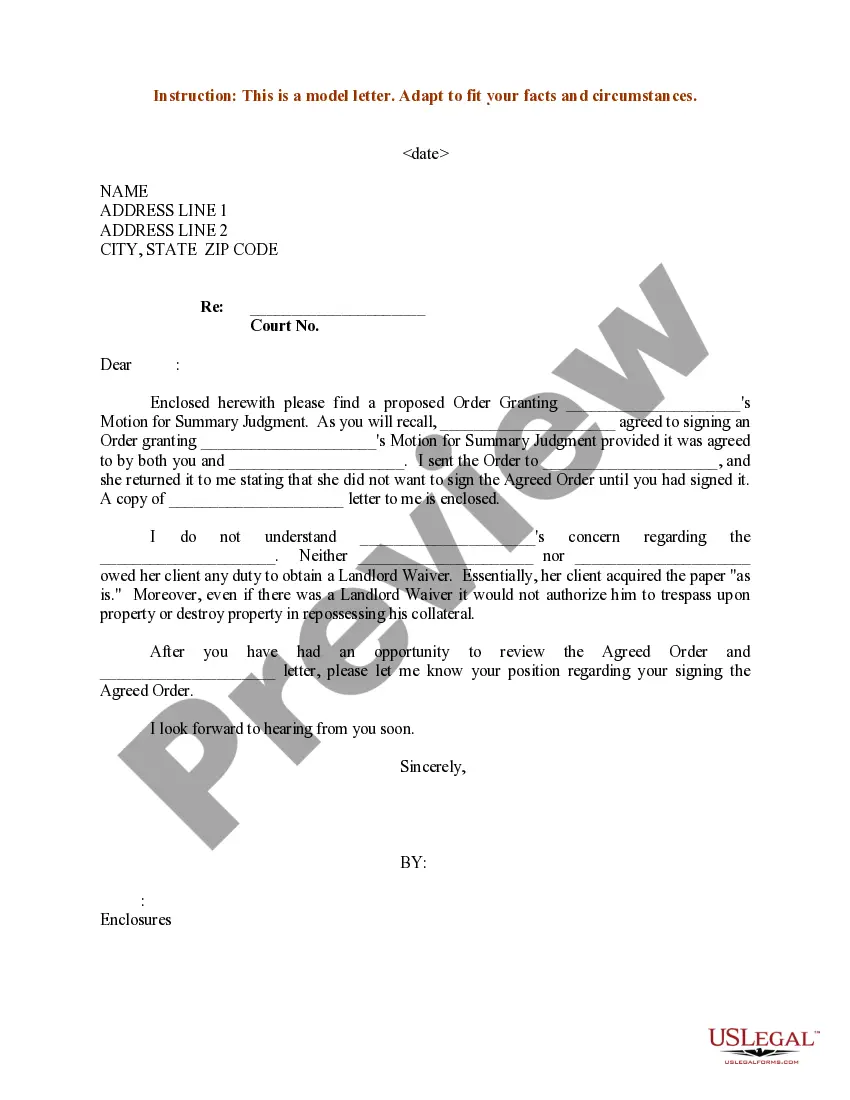
Proposed Order For Dismissal
Description
Get your form ready online
Our built-in tools help you complete, sign, share, and store your documents in one place.
Make edits, fill in missing information, and update formatting in US Legal Forms—just like you would in MS Word.
Download a copy, print it, send it by email, or mail it via USPS—whatever works best for your next step.
Sign and collect signatures with our SignNow integration. Send to multiple recipients, set reminders, and more. Go Premium to unlock E-Sign.
If this form requires notarization, complete it online through a secure video call—no need to meet a notary in person or wait for an appointment.
We protect your documents and personal data by following strict security and privacy standards.

Make edits, fill in missing information, and update formatting in US Legal Forms—just like you would in MS Word.

Download a copy, print it, send it by email, or mail it via USPS—whatever works best for your next step.

Sign and collect signatures with our SignNow integration. Send to multiple recipients, set reminders, and more. Go Premium to unlock E-Sign.

If this form requires notarization, complete it online through a secure video call—no need to meet a notary in person or wait for an appointment.

We protect your documents and personal data by following strict security and privacy standards.
Looking for another form?
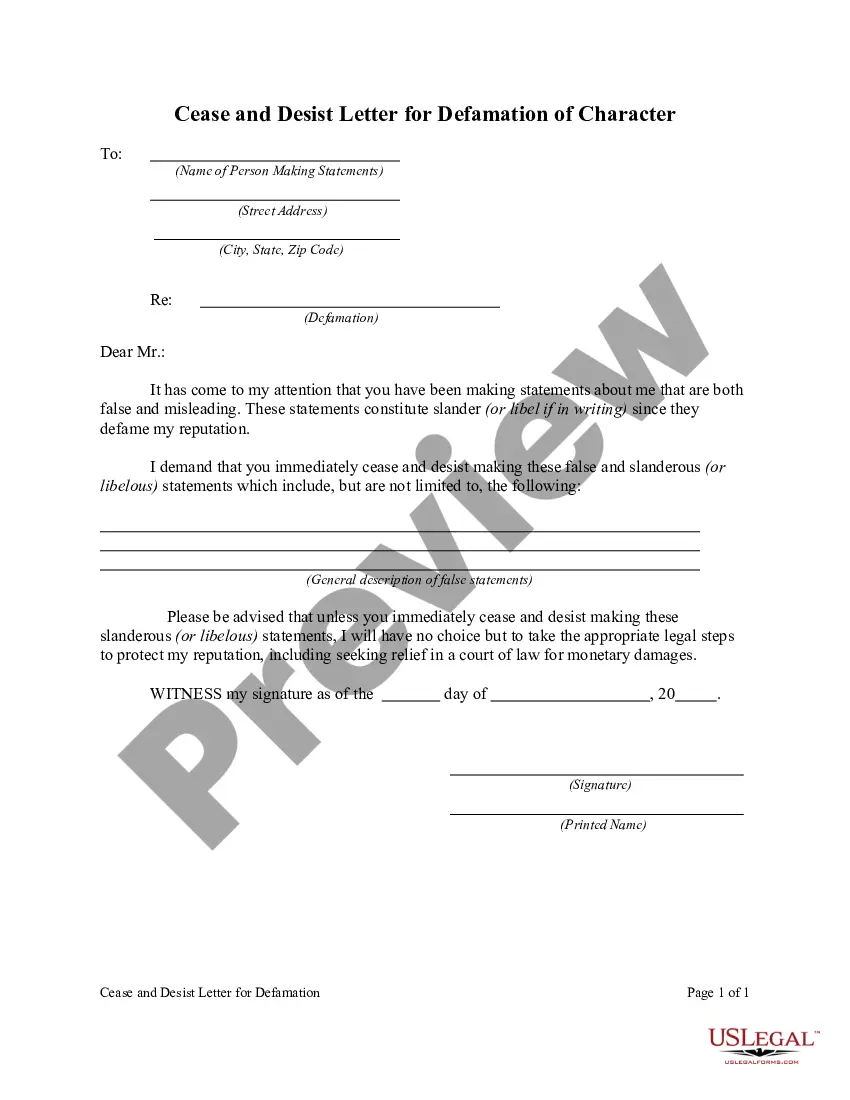
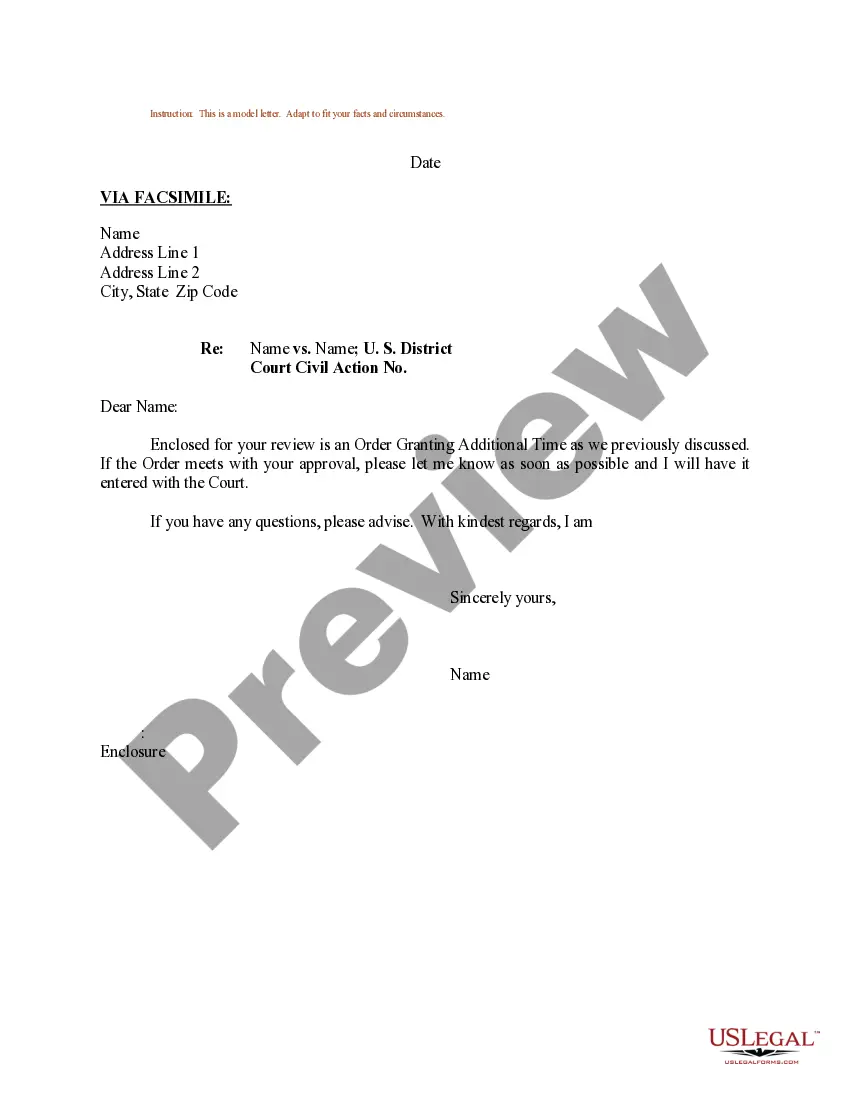
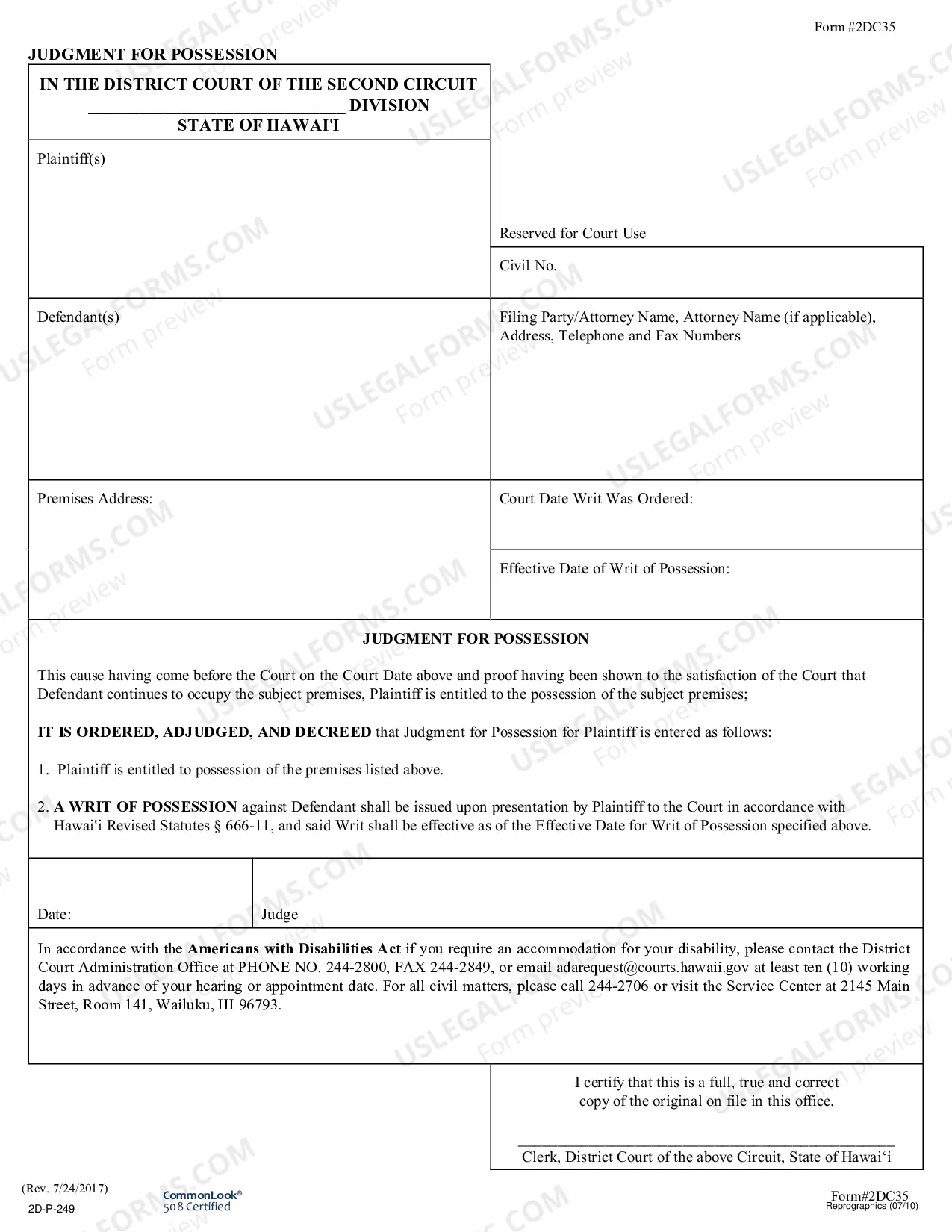

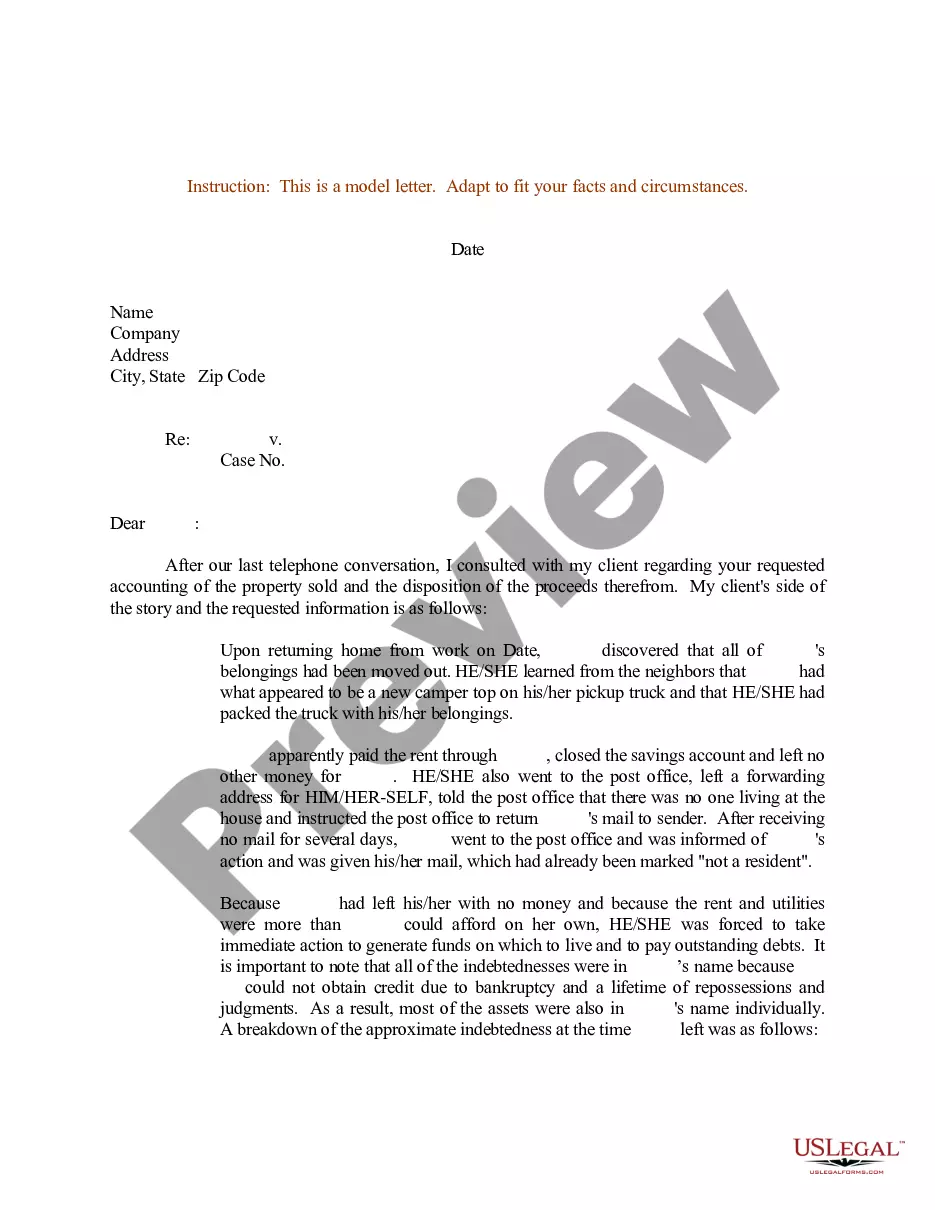
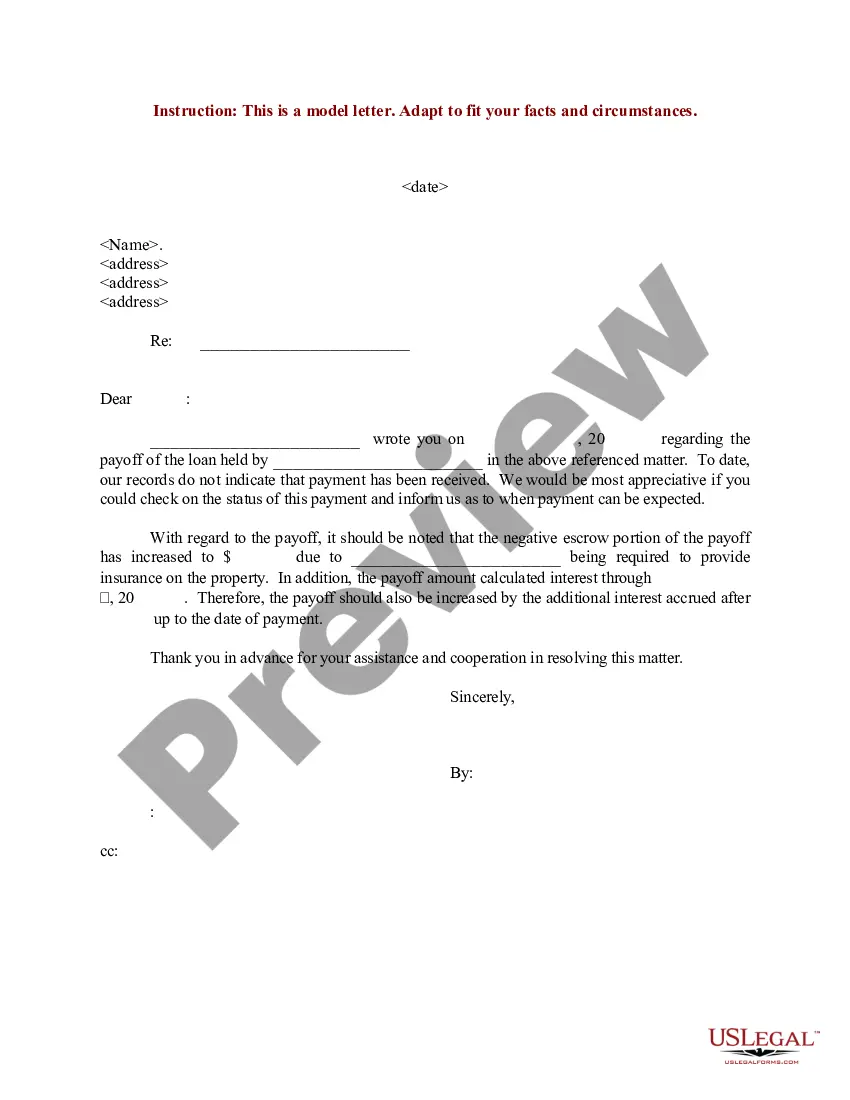
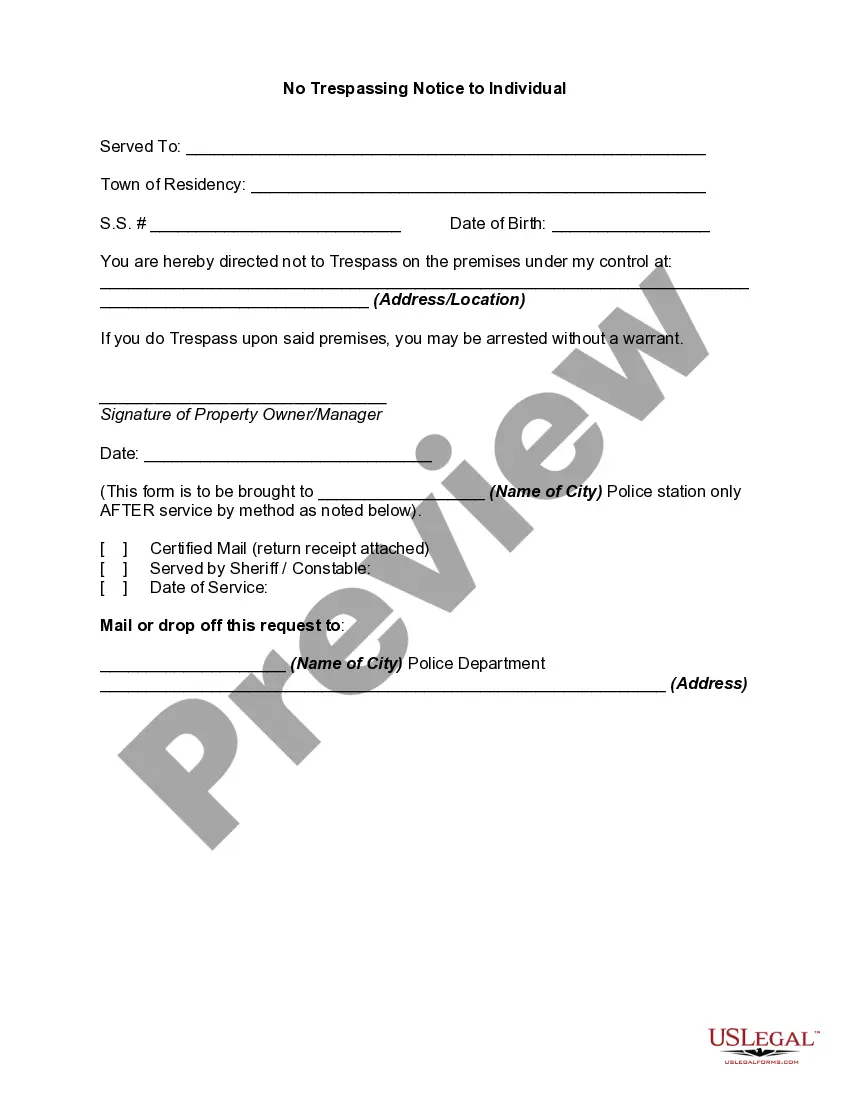
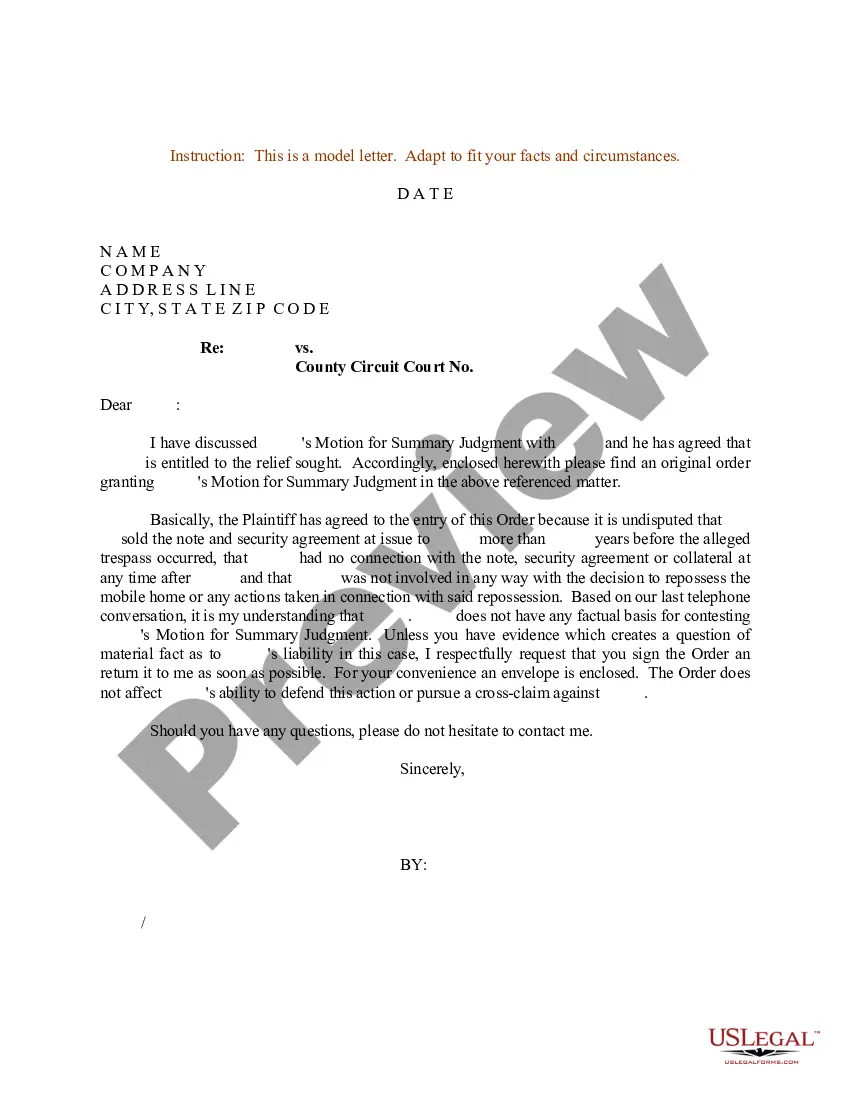
How to fill out Sample Letter For Proposed Order Granting Summary Judgment?
Engaging with legal paperwork and processes can be a labor-intensive addition to your daily routine.
Proposed Order For Dismissal and similar forms typically necessitate that you search for them and grasp how to complete them accurately.
Thus, if you are managing financial, legal, or personal issues, having a comprehensive and accessible online directory of forms when you require it will be very beneficial.
US Legal Forms is the premier online platform for legal templates, offering over 85,000 state-specific forms and an array of resources to assist you in completing your documents with ease.
Is this your first experience with US Legal Forms? Sign up and establish your account within a few minutes, and you’ll gain access to the form catalog and Proposed Order For Dismissal. Afterwards, follow the subsequent steps to complete your form: Ensure you possess the correct form using the Review feature and examine the form description. Select Buy Now when you are ready, and choose the subscription plan that fits your requirements. Click Download, then complete, sign, and print the form. US Legal Forms has twenty-five years of expertise aiding users in managing their legal documents. Obtain the form you need today and streamline any process effortlessly.
- Browse the catalog of relevant documents available to you with just a single click.
- US Legal Forms provides you with state- and county-specific forms available for download at any time.
- Safeguard your document management processes with exceptional support that enables you to create any form within minutes without extra or concealed fees.
- Simply Log In to your account, locate Proposed Order For Dismissal, and download it instantly from the My documents section.
- You can also retrieve previously downloaded forms.
Form popularity
FAQ
When a judge orders a dismissal, it signifies that the court has decided to terminate the legal proceedings for the case. This usually follows a proposed order for dismissal that details the reasons behind the judge's decision. Such an order can reflect various factors, including lack of evidence or procedural issues. Understanding the reasons for the dismissal can help you evaluate your options going forward.
Whether a case dismissal is good or bad depends on the context of your situation. If the proposed order for dismissal favors you or resolves the matter satisfactorily, it can be a positive outcome. Conversely, if your case was dismissed without your consent, this could limit your options moving forward. Therefore, consider consulting legal advice to navigate the implications of a dismissal.
When your case is dismissed, it means the court has decided to end the proceedings. In many instances, this follows a proposed order for dismissal that outlines reasons for this action. Ultimately, the dismissal indicates that the claims made in the case have not been sustained. It’s crucial to review the details of your dismissal to comprehend its full impact on your situation.
An order of dismissal means that the court has officially closed your case, often due to a proposed order for dismissal typically filed by one of the parties involved. This action signifies that the court will no longer consider the case unless it is reopened. Essentially, the court has determined that there are no further legal reasons to pursue the matter. Understanding the reasons behind this order can help you plan your next steps.
A dismissal can be a final judgement, depending on the circumstances of your case. When a proposed order for dismissal is issued, it often signifies that the court has concluded the matter at hand. However, not all dismissals are final; some may allow for cases to be reopened under certain conditions. It’s important to understand the type of dismissal and its implications for your legal situation.
To properly write a motion to dismiss, begin with a concise introduction that captures your intent clearly. Follow this with a detailed argument that pairs legal reasoning with factual support, concluding with a proposed order for dismissal. It is essential to format the document according to court rules and to present it in a logical sequence. If you seek guidance, U.S. Legal Forms offers templates to aid in crafting a motion that meets all legal standards.
Rule 41(b) refers to a procedural rule in civil litigation that allows a defendant to seek dismissal of a case for failure to prosecute or comply with court orders. Filing a motion under this rule often includes a proposed order for dismissal, directing the court on how to proceed. This can be an effective way to close cases where plaintiffs are not actively pursuing their claims. Utilizing U.S. Legal Forms can provide clarity and support in drafting such motions.
The proper way to write a motion involves several key steps: clearly define the purpose, state the facts, cite relevant laws, and articulate the relief sought. When your aim is a motion to dismiss, include a proposed order for dismissal to guide the court. Each section should flow logically, making your arguments easier to understand. Resources like U.S. Legal Forms provide templates that facilitate this structured approach.
A proposed order to dismiss is a legal document submitted to the court suggesting the judge grant your request to dismiss a case. This order outlines the reasons for dismissal and is often attached to a motion to dismiss. It serves as a recommended course of action for the judge, streamlining the decision-making process. Utilizing tools from U.S. Legal Forms can help ensure the proposed order is formatted correctly and meets all necessary legal requirements.
The opening paragraph of a motion to dismiss typically introduces the court, the parties involved, and the main reason for the dismissal request. It's important to mention that you are filing a proposed order for dismissal, outlining the specific grounds based on which you seek to terminate the case. This establishes the context for the judge, allowing them to grasp your position effectively. It is advisable to follow a clear structure, which you can find in helpful templates.