Policy For Employees Disciplinary
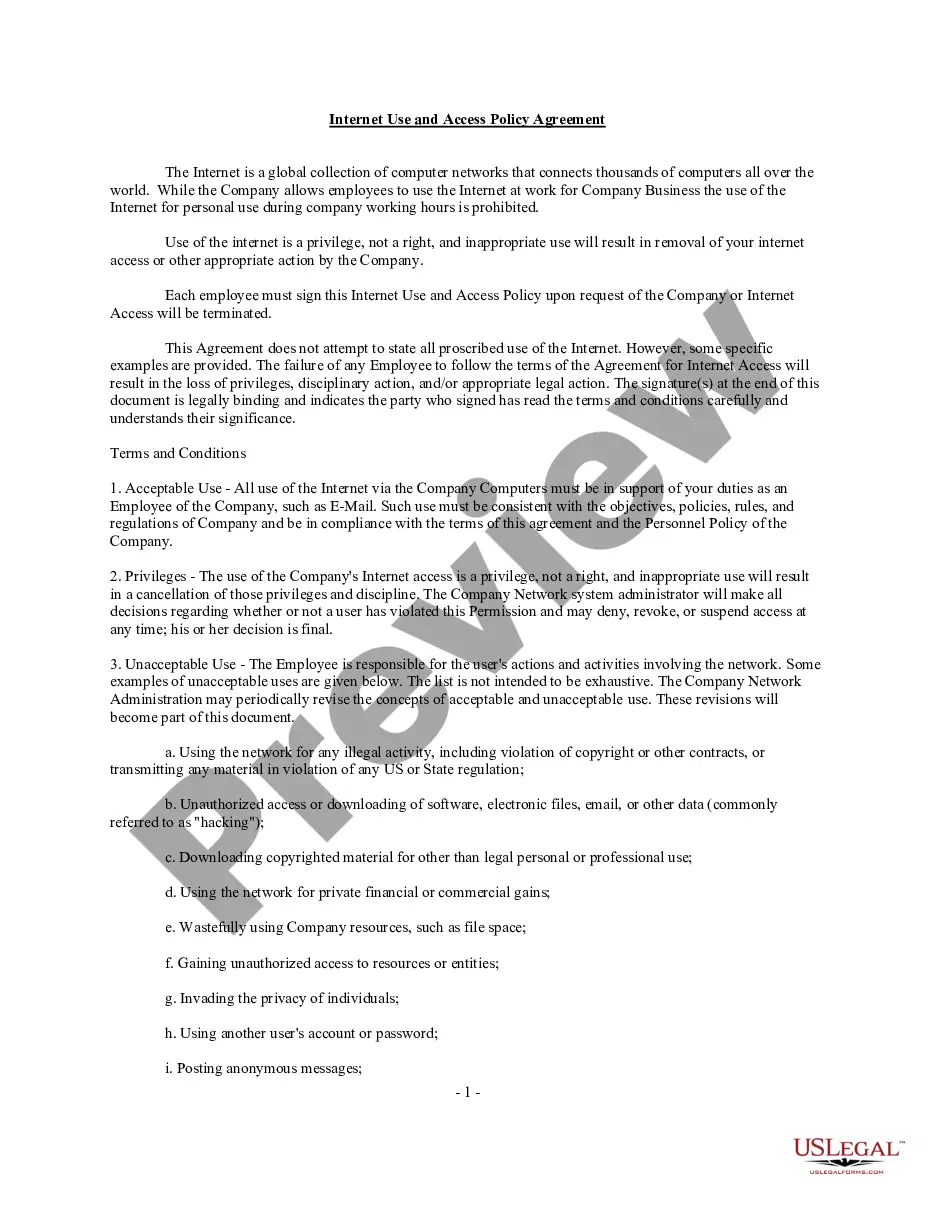
Description
Get your form ready online
Our built-in tools help you complete, sign, share, and store your documents in one place.
Make edits, fill in missing information, and update formatting in US Legal Forms—just like you would in MS Word.
Download a copy, print it, send it by email, or mail it via USPS—whatever works best for your next step.
Sign and collect signatures with our SignNow integration. Send to multiple recipients, set reminders, and more. Go Premium to unlock E-Sign.
If this form requires notarization, complete it online through a secure video call—no need to meet a notary in person or wait for an appointment.
We protect your documents and personal data by following strict security and privacy standards.

Make edits, fill in missing information, and update formatting in US Legal Forms—just like you would in MS Word.

Download a copy, print it, send it by email, or mail it via USPS—whatever works best for your next step.

Sign and collect signatures with our SignNow integration. Send to multiple recipients, set reminders, and more. Go Premium to unlock E-Sign.

If this form requires notarization, complete it online through a secure video call—no need to meet a notary in person or wait for an appointment.

We protect your documents and personal data by following strict security and privacy standards.
Looking for another form?






How to fill out Computer Use And Internet Policy For Employees Of Business?
It’s widely known that transforming into a legal authority takes time, and you can’t rapidly learn how to effectively create Policy For Employees Disciplinary without a relevant background.
Compiling legal paperwork is an extensive task that demands specific education and expertise. So why not entrust the formulation of the Policy For Employees Disciplinary to the professionals.
With US Legal Forms, one of the most extensive collections of legal templates available, you can find everything from court papers to templates for corporate internal communication.
You can regain access to your forms from the My documents section at any time. If you’re a current client, you can simply Log In, and find and download the template from the same section.
Regardless of the intent behind your documents – whether financial, legal, or personal – our platform caters to your needs. Give US Legal Forms a try now!
- Locate the form you need by utilizing the search feature at the top of the page.
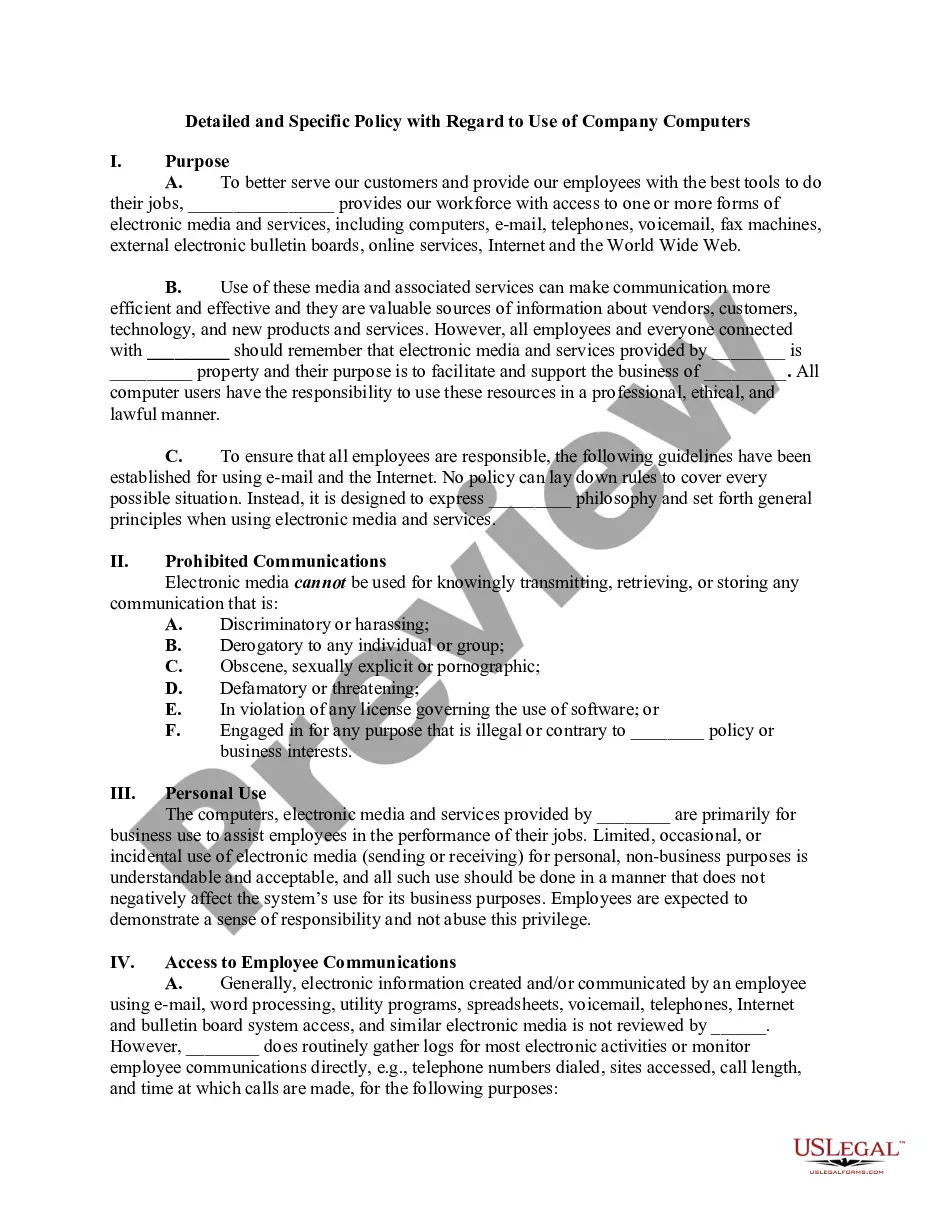
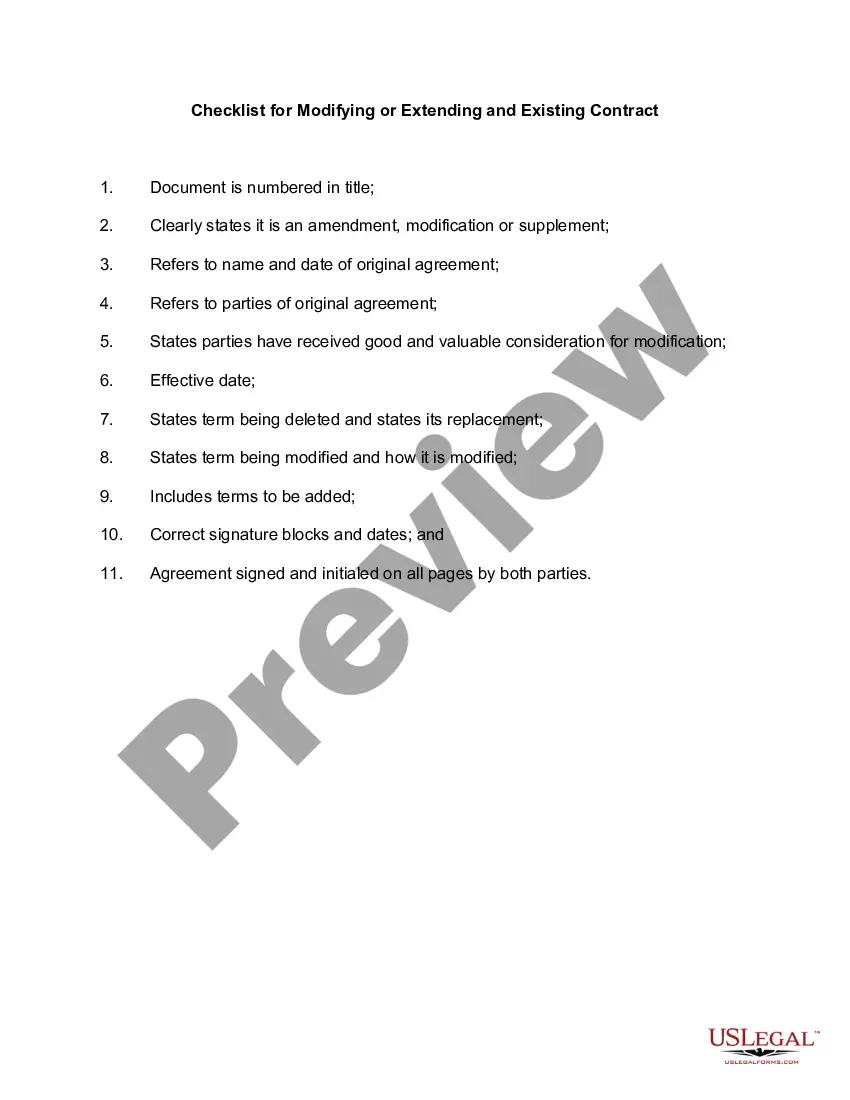
- Preview it (if this option is provided) and review the accompanying description to determine if Policy For Employees Disciplinary is what you’re looking for.
- Restart your search if you require another form.
- Create a free account and select a subscription plan to purchase the form.
- Select Buy now. Once the purchase is completed, you can download the Policy For Employees Disciplinary, complete it, print it, and send or mail it to the relevant parties or organizations.
Form popularity
FAQ
It is important to remember that in Wisconsin a tenant can only be forced to leave an apartment after they have a court date, and only if the judge rules in the landlord's favor. Then the judge's order must be given to the sheriff who would then remove the tenant from the apartment.
If the eviction case was dismissed, and there is no docketed money judgement, it will be removed after 2 years. If there was a writ of restitution (the tenant was evicted by court order) it will be removed after 20 years. Wis. Stat.
If the eviction case was dismissed, and there is no docketed money judgement, it will be removed after 2 years. If there was a writ of restitution (the tenant was evicted by court order) it will be removed after 20 years. Wis. Stat.
Landlord Did Not Evict the Tenant Using Proper Procedures For example, if a landlord files an eviction case in small claims court but hasn't given the tenant written notice to pay the rent or leave, then the tenant could use lack of notice as a defense against the eviction.
The landlord needs to file a summons and complaint. The summons requires that the tenant appear in court on a specific date, at a specific time. The complaint states the landlord's claim. Usually both the summons and complaint are combined on one form, available at your county clerk of court office.
An appeal in an eviction action shall be initiated within 15 days of the entry of judgment or order as specified in s. 808.04 (2).
Removal from premises The landlord may not confiscate your personal belongings, turn off your utilities, lock you out of your apartment, or use force to remove you. If the small claims court judge rules in the landlord's favor, the judge may issue a court order requiring you to leave the property.
