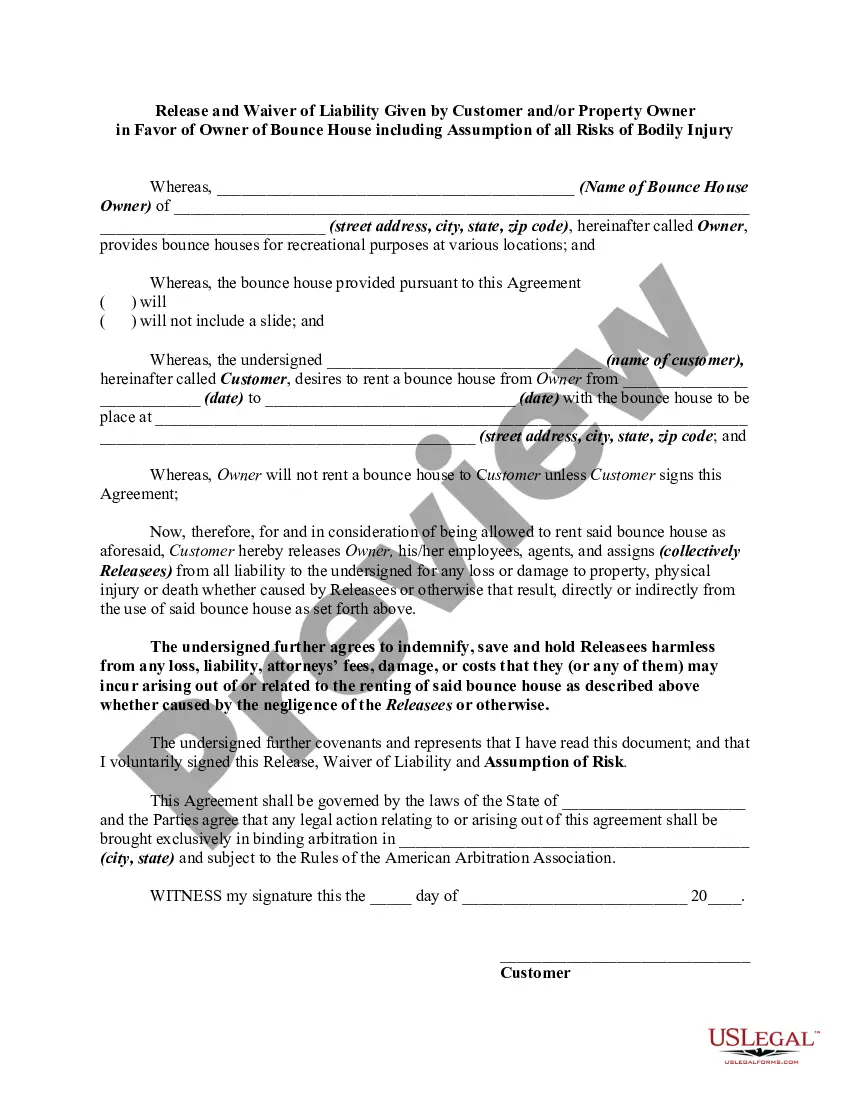
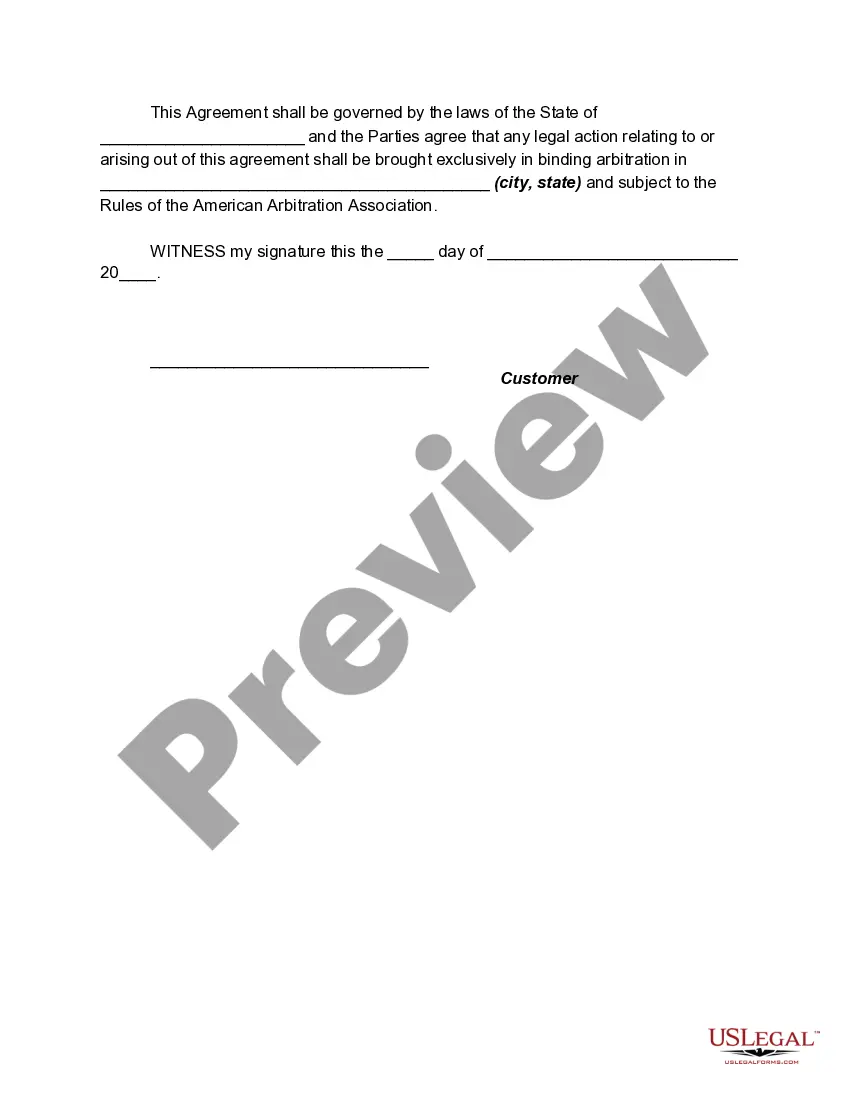
Bounce House Liability Waiver Form
Description
Get your form ready online
Our built-in tools help you complete, sign, share, and store your documents in one place.
Make edits, fill in missing information, and update formatting in US Legal Forms—just like you would in MS Word.
Download a copy, print it, send it by email, or mail it via USPS—whatever works best for your next step.
Sign and collect signatures with our SignNow integration. Send to multiple recipients, set reminders, and more. Go Premium to unlock E-Sign.
If this form requires notarization, complete it online through a secure video call—no need to meet a notary in person or wait for an appointment.
We protect your documents and personal data by following strict security and privacy standards.

Make edits, fill in missing information, and update formatting in US Legal Forms—just like you would in MS Word.

Download a copy, print it, send it by email, or mail it via USPS—whatever works best for your next step.

Sign and collect signatures with our SignNow integration. Send to multiple recipients, set reminders, and more. Go Premium to unlock E-Sign.

If this form requires notarization, complete it online through a secure video call—no need to meet a notary in person or wait for an appointment.

We protect your documents and personal data by following strict security and privacy standards.
Looking for another form?









Form popularity
FAQ
The licensing requirements for bounce house rentals vary by state and locality. Generally, you may need a business license, a specific amusement license, and proof of insurance. Check local regulations to ensure compliance, as this can help you avoid penalties. Additionally, having a bounce house liability waiver form ready can provide peace of mind for both you and your clients.
To effectively rent out bounce houses, you need general liability insurance and possibly property insurance. General liability will cover claims related to injury or accidents that occur during the rental, while property insurance protects your equipment. Securing insurance not only protects your business but also builds trust with customers. Completing a bounce house liability waiver form reinforces your commitment to safety.
Yes, you can create your own waiver, but it must meet legal standards to be effective. Ensure that it clearly outlines all risks and includes the necessary legal language. However, consider using a pre-made bouncing house liability waiver form from uslegalforms for convenience and assurance that your waiver is legally sound.
A bounce house waiver of liability is a legal document that outlines the risks associated with using the bounce house. This form serves to protect the rental company by having users acknowledge and accept these risks. It is essential to have this waiver in place to reduce liability in case of accidents. Through platforms like uslegalforms, you can easily access templates for this important document.
Yes, having insurance is crucial for renting out a bounce house. It provides you with protection against potential lawsuits or accidents during rental events. Without insurance, you could face significant financial risk. Utilize a bounce house liability waiver form to ensure all parties understand their responsibilities.
To rent out your bounce house, you typically need general liability insurance. This coverage protects you against claims that might arise from accidents during the rental period. Additionally, consider obtaining coverage for property damage, which can safeguard your equipment and assets. The proper bounce house liability waiver form can help clarify responsibilities.
Renting a bounce house requires several key components. First, you should check local regulations and obtain any necessary permits. Additionally, ensure you have a bounce house liability waiver form ready for participants to sign, which helps manage risks associated with inflatable fun. Finally, research reputable rental companies that meet safety standards and provide quality equipment to ensure a successful event.
To operate a bounce house safely, you typically need general liability insurance. This insurance protects against injuries that may occur during use, ensuring peace of mind for both you and your guests. Additionally, having a bounce house liability waiver form can help minimize your legal risks by requiring participants to acknowledge the inherent risks. This dual approach—insurance and waivers—provides a robust safety net for bounce house rentals.
To make a waiver form, start by outlining the risks associated with the activity, then draft clear language that states the participant agrees to release liability. You can use templates available online or consider services like USLegalForms to obtain a legally sound bounce house liability waiver form. Ensure the form is easy to read and understand.
Yes, you typically need insurance to rent out bounce houses, regardless of location. This insurance protects your business against any liabilities arising from injuries or accidents. Pairing this insurance with a comprehensive bounce house liability waiver form is a proactive step to safeguard your business.
