Pet Trust Template For Irrevocable
Description
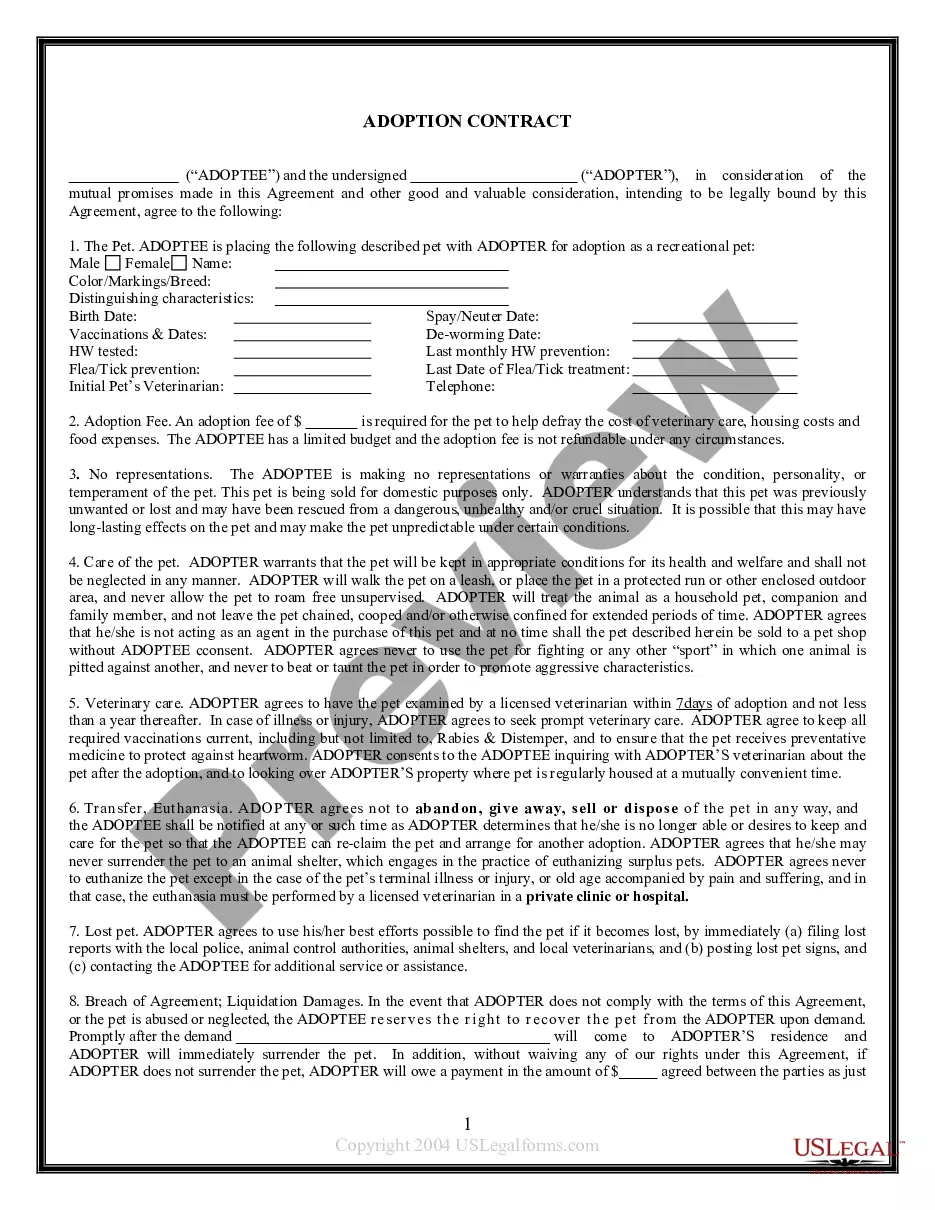
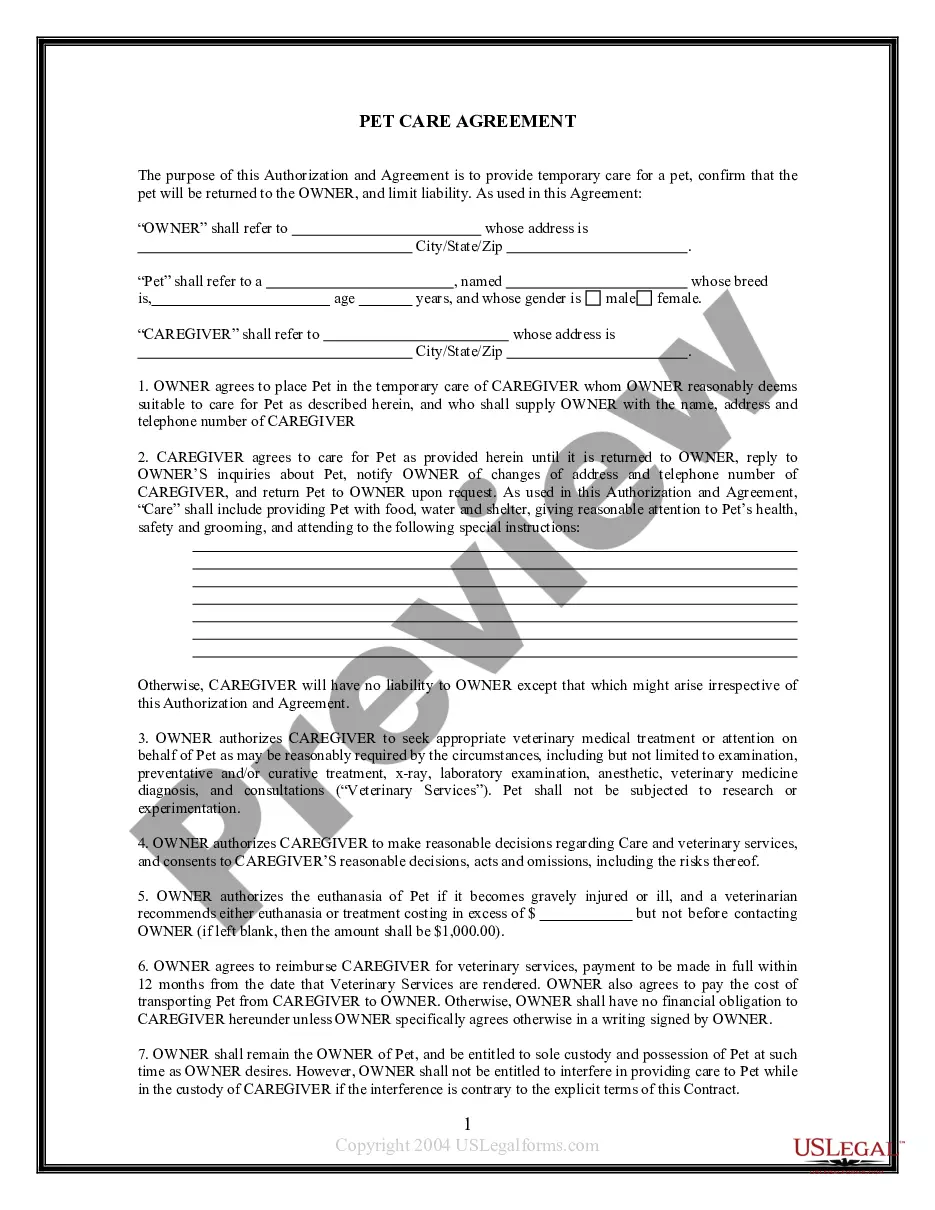
Get your form ready online
Our built-in tools help you complete, sign, share, and store your documents in one place.
Make edits, fill in missing information, and update formatting in US Legal Forms—just like you would in MS Word.
Download a copy, print it, send it by email, or mail it via USPS—whatever works best for your next step.
Sign and collect signatures with our SignNow integration. Send to multiple recipients, set reminders, and more. Go Premium to unlock E-Sign.
If this form requires notarization, complete it online through a secure video call—no need to meet a notary in person or wait for an appointment.
We protect your documents and personal data by following strict security and privacy standards.

Make edits, fill in missing information, and update formatting in US Legal Forms—just like you would in MS Word.

Download a copy, print it, send it by email, or mail it via USPS—whatever works best for your next step.

Sign and collect signatures with our SignNow integration. Send to multiple recipients, set reminders, and more. Go Premium to unlock E-Sign.

If this form requires notarization, complete it online through a secure video call—no need to meet a notary in person or wait for an appointment.

We protect your documents and personal data by following strict security and privacy standards.
Looking for another form?
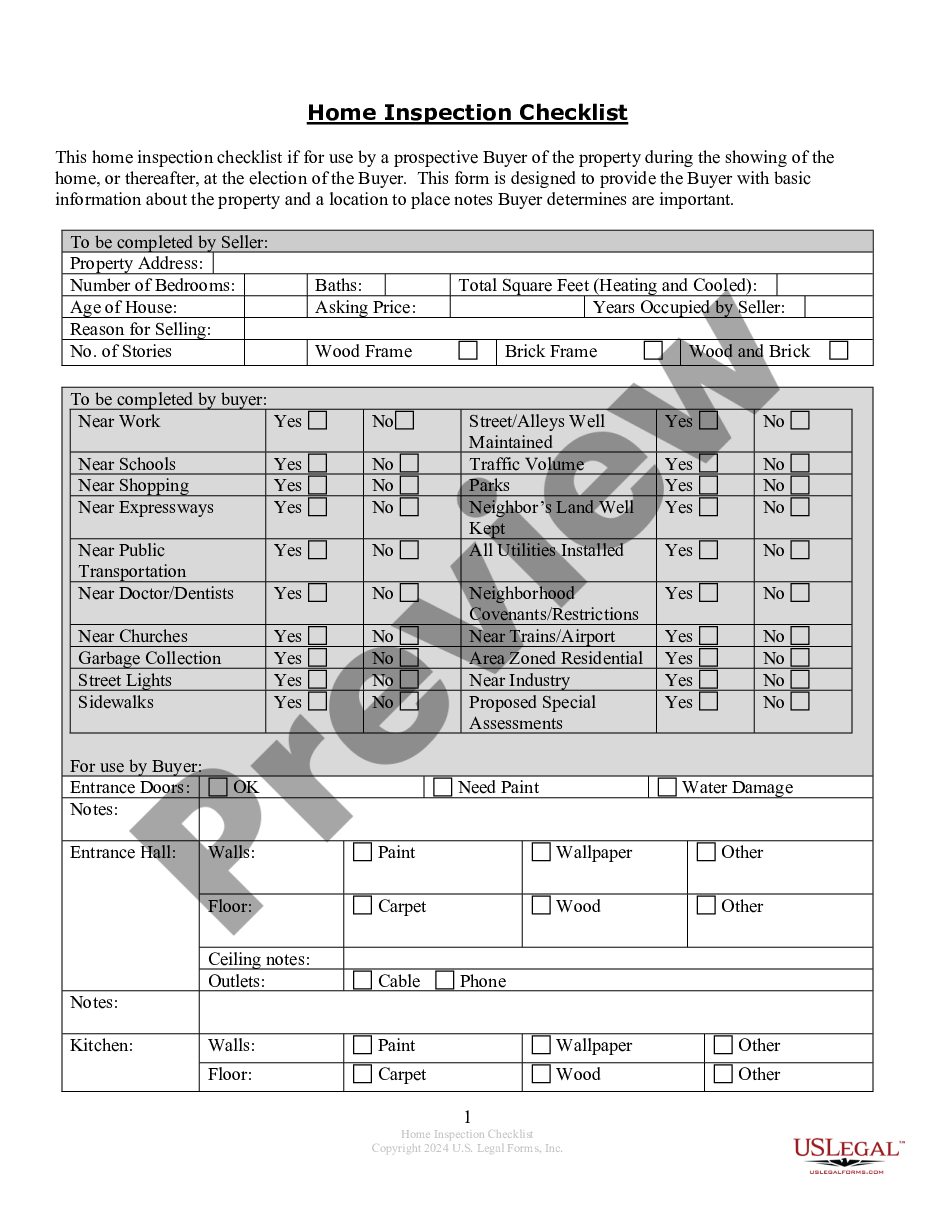

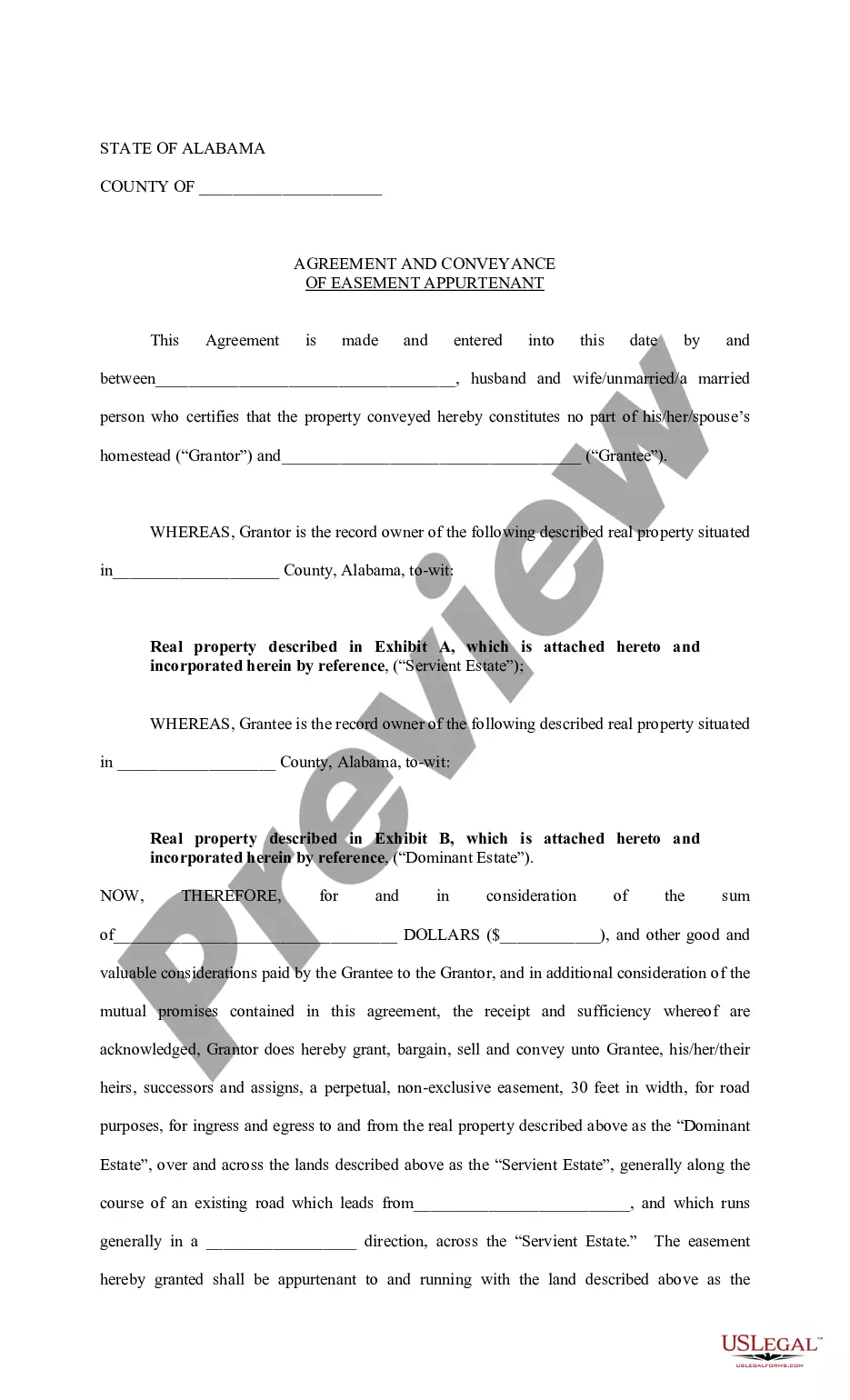

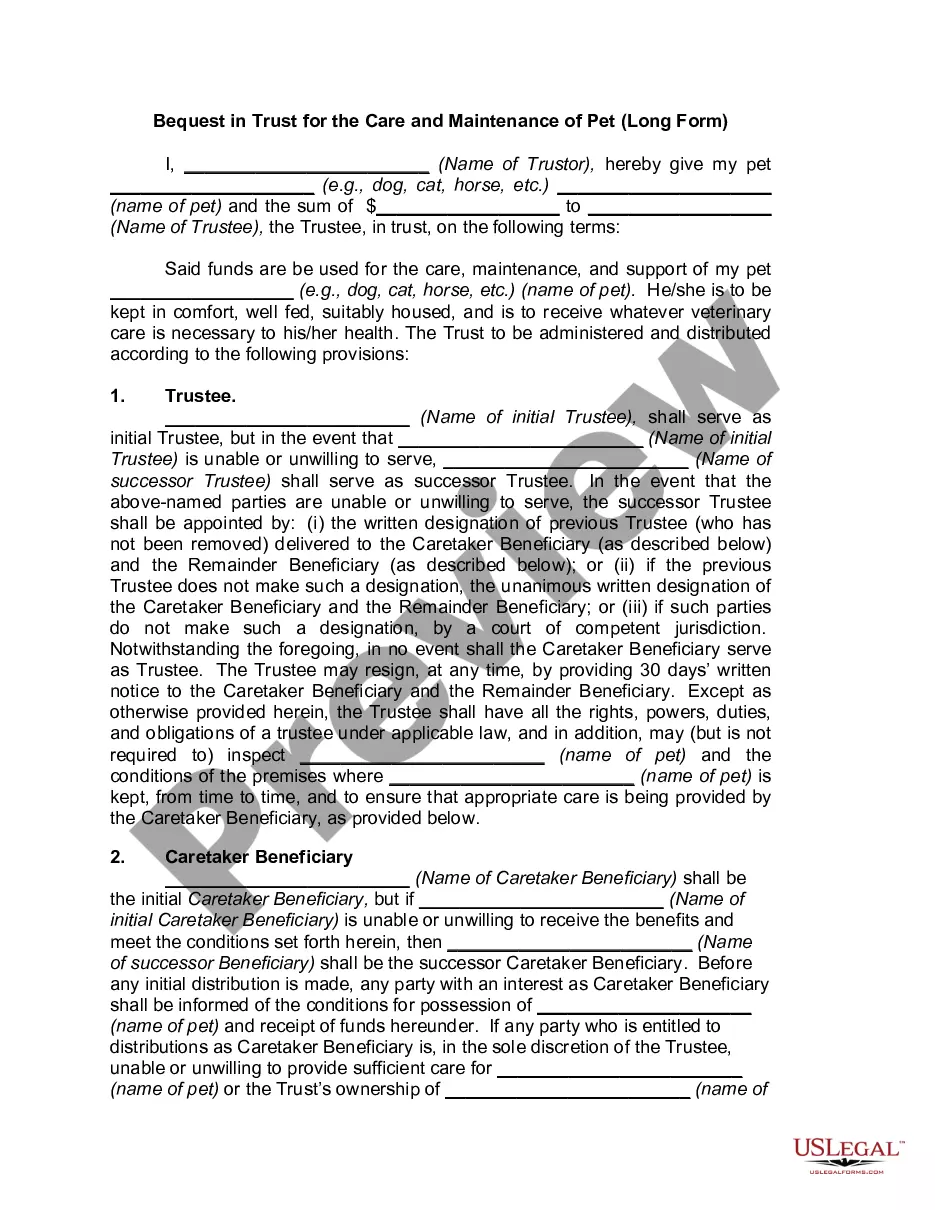
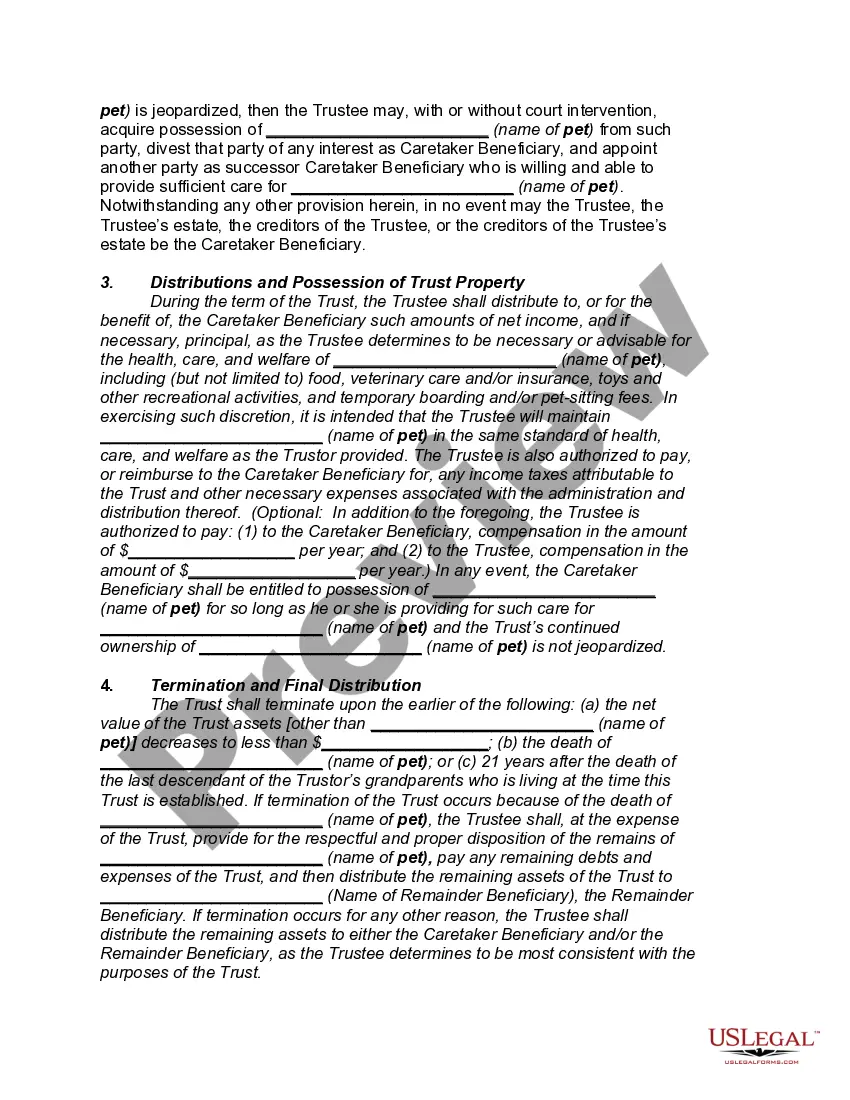
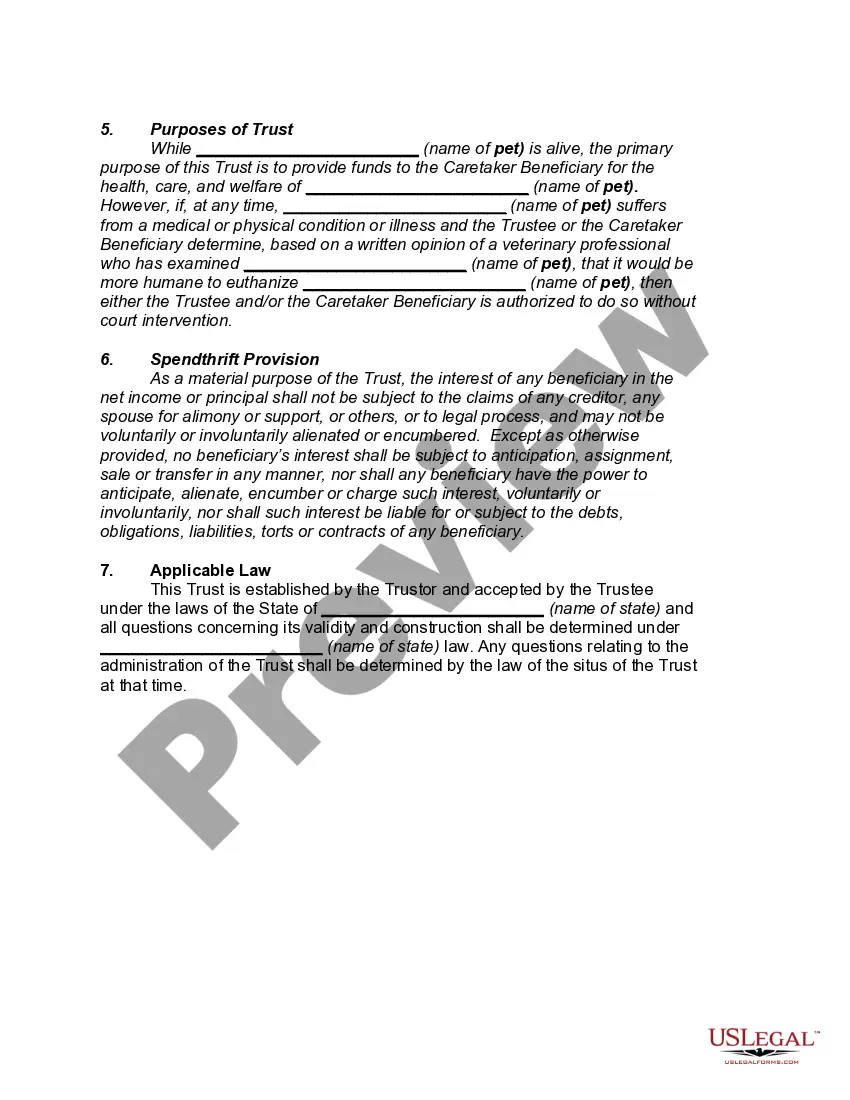
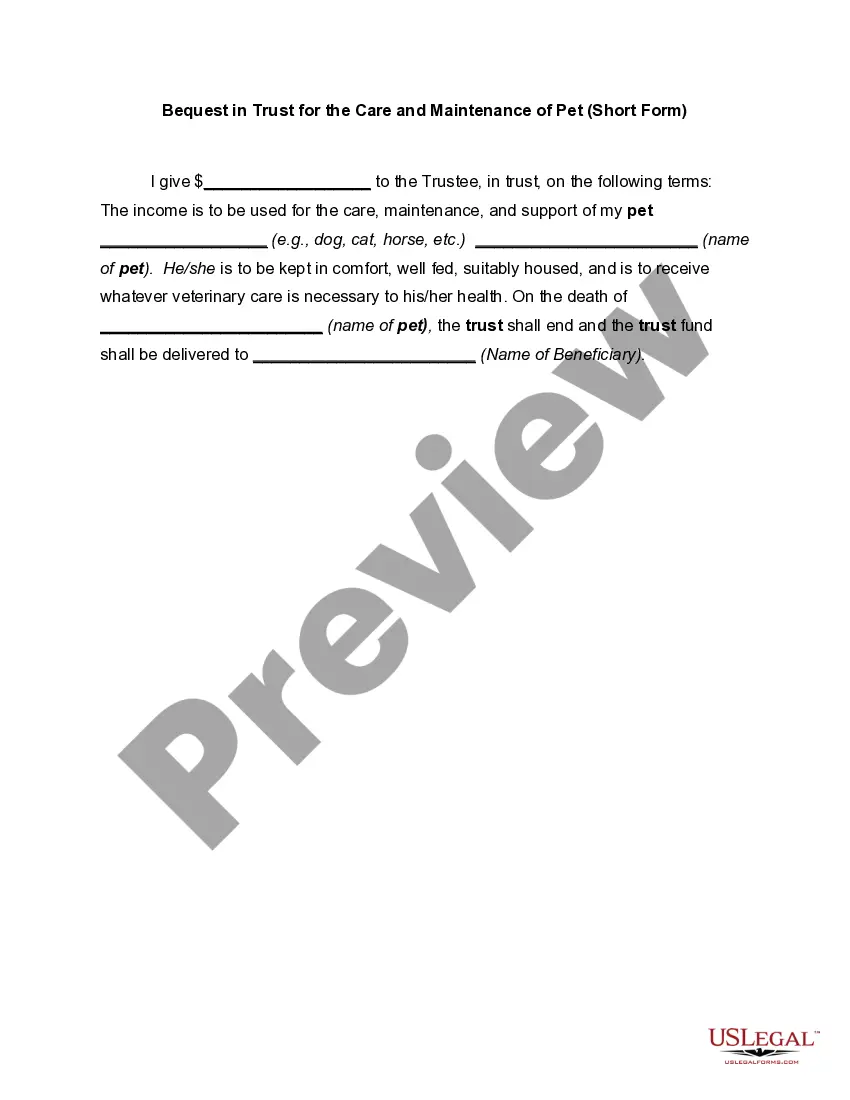
How to fill out Bequest In Trust For The Care And Maintenance Of Pet (Long Form)?
The Pet Trust Template For Irrevocable you observe on this page is a versatile formal template composed by professional attorneys in compliance with federal and state statutes and regulations.
For over 25 years, US Legal Forms has supplied individuals, organizations, and lawyers with more than 85,000 verified, state-specific forms for various business and personal situations. It’s the fastest, simplest, and most dependable means to acquire the documents you require, as the service ensures the utmost level of data security and anti-malware safeguards.
Subscribe to US Legal Forms to have authenticated legal templates for all of life’s situations readily available.
- Search for the document you require and examine it.
- Select the pricing plan that fits your needs and create an account.
- Select the format you prefer for your Pet Trust Template For Irrevocable (PDF, DOCX, RTF) and store the sample on your device.
- Print the template to fill it out by hand. Alternatively, use an online versatile PDF editor to swiftly and accurately complete and sign your form with an eSignature.
- Access the same document again whenever necessary.
Form popularity
FAQ
Insurance policies. Bank accounts: savings, checking, safe deposit boxes, money markets, certificates of deposit (CDs), mutual funds, and brokerage accounts. Bonds, stocks, and other investments. Real estate property.
The trustee can write the beneficiary a check, give them cash, and transfer real estate by drawing up a new deed or selling the house and giving them the proceeds.
An irrevocable trust can be used to make charitable donations while providing potential tax benefits to the grantor. For example, a charitable lead trust can provide income to a charity for a set period of time, after which the remaining assets are transferred to the grantor's beneficiaries.
What Should I Avoid with My Irrevocable Trust? Use trust funds to pay for personal expenses. Use trust funds to pay for monthly bills, such as phone bills or utilities. Use trust assets to purchase vehicles. Gift assets from the trust to beneficiaries. Transfer assets into the trust without consulting your lawyer.
Irrevocable trusts are generally set up to minimize estate taxes, access government benefits, and protect assets. This is in contrast to a revocable trust, which allows the grantor to modify the trust, but loses certain benefits such as creditor protection.