Company Ownership And Structure
Description
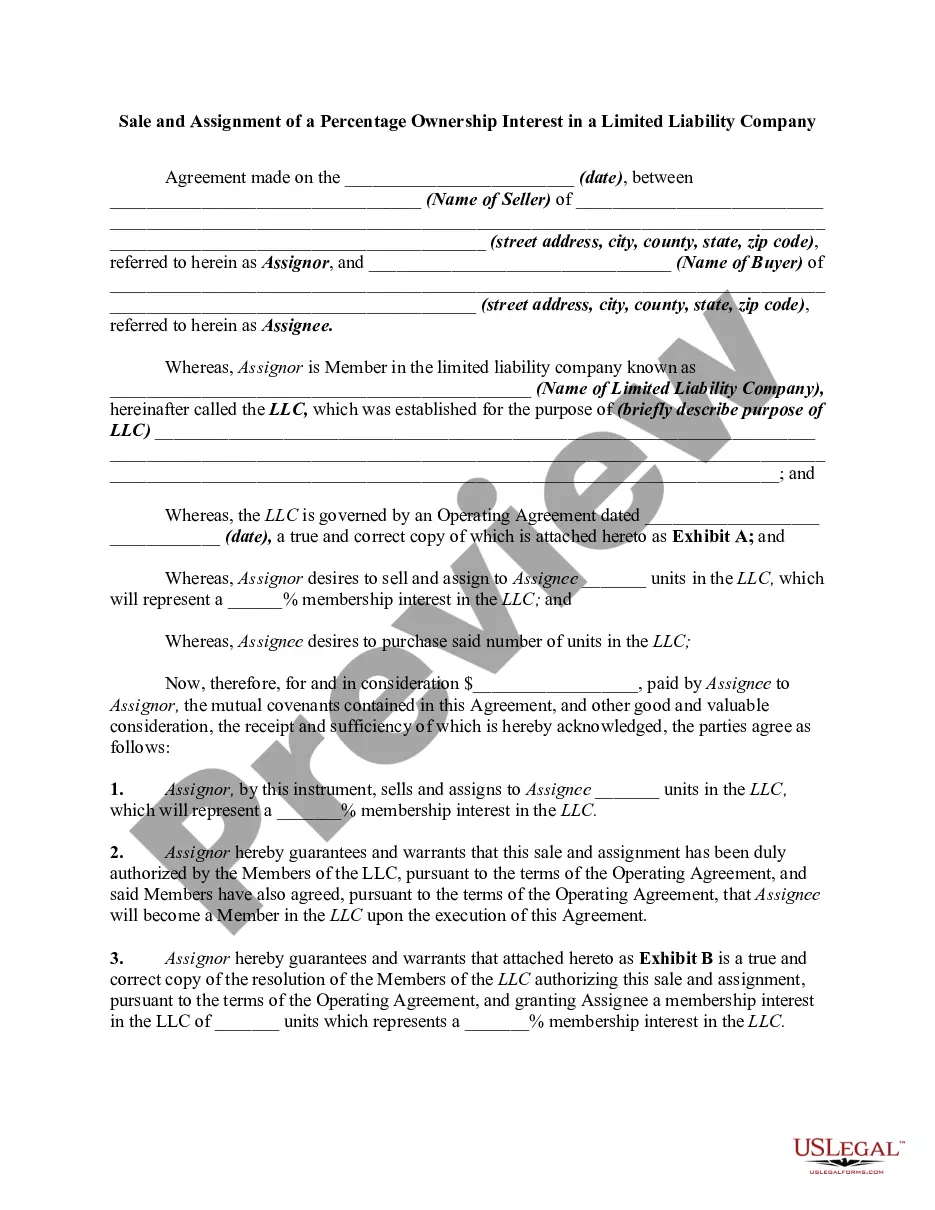
Get your form ready online
Our built-in tools help you complete, sign, share, and store your documents in one place.
Make edits, fill in missing information, and update formatting in US Legal Forms—just like you would in MS Word.
Download a copy, print it, send it by email, or mail it via USPS—whatever works best for your next step.
Sign and collect signatures with our SignNow integration. Send to multiple recipients, set reminders, and more. Go Premium to unlock E-Sign.
If this form requires notarization, complete it online through a secure video call—no need to meet a notary in person or wait for an appointment.
We protect your documents and personal data by following strict security and privacy standards.

Make edits, fill in missing information, and update formatting in US Legal Forms—just like you would in MS Word.

Download a copy, print it, send it by email, or mail it via USPS—whatever works best for your next step.

Sign and collect signatures with our SignNow integration. Send to multiple recipients, set reminders, and more. Go Premium to unlock E-Sign.

If this form requires notarization, complete it online through a secure video call—no need to meet a notary in person or wait for an appointment.

We protect your documents and personal data by following strict security and privacy standards.
Looking for another form?










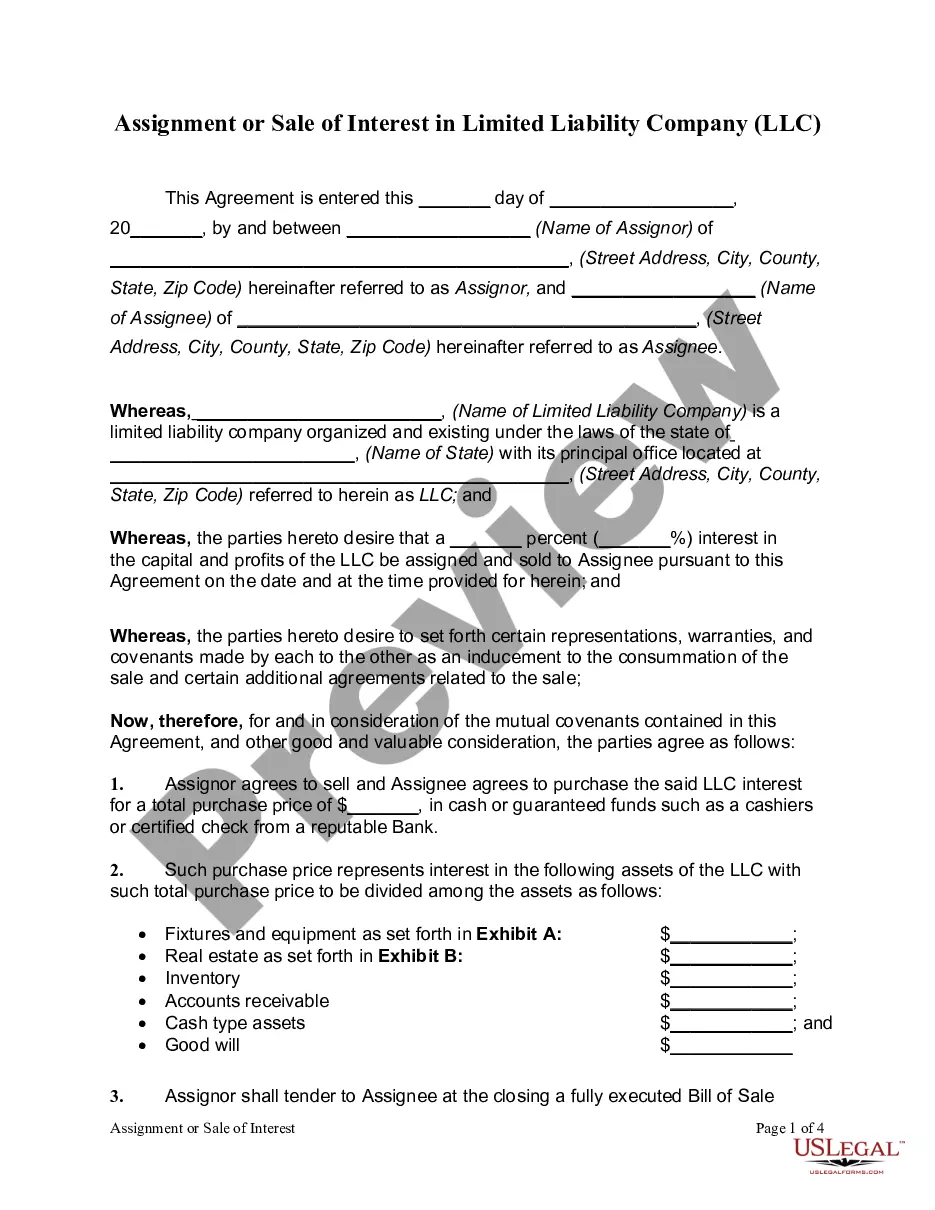
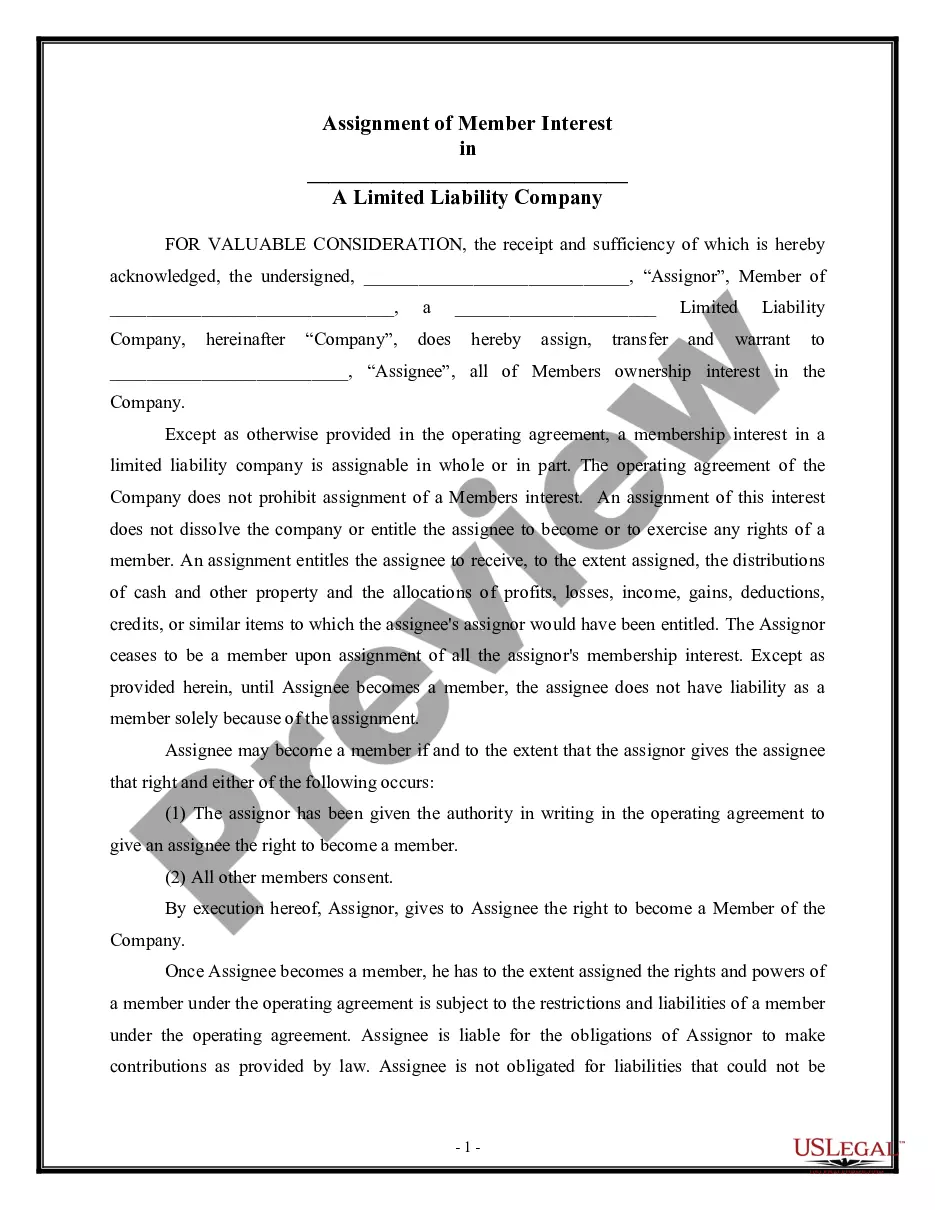
How to fill out Sale And Assignment Of A Percentage Ownership Interest In A Limited Liability Company?
The Corporate Ownership And Framework you encounter on this page is a reusable legal document formulated by experienced attorneys in accordance with national and local laws.
For over 25 years, US Legal Forms has supplied individuals, companies, and lawyers with more than 85,000 authenticated, state-specific documents for any business or personal event. It is the fastest, easiest, and most reliable method to obtain the forms you require, as the service assures the highest degree of data security and malware protection.
Subscribe to US Legal Forms to have authenticated legal templates for all of life’s circumstances readily available.
- Search for the document you require and examine it.
- Browse through the example you searched for and preview it or verify the form description to ensure it meets your requirements. If it doesn’t, utilize the search function to find the suitable one. Click Buy Now once you have located the template you need.
- Register and Log In.
- Select the pricing plan that fits your needs and create an account. Use PayPal or a credit card for quick payment. If you already possess an account, Log In and check your subscription to proceed.
- Acquire the editable template.
- Choose the format you desire for your Corporate Ownership And Framework (PDF, Word, RTF) and download the document onto your device.
- Complete and sign the documents.
- Print the template to finish it by hand. Alternatively, use an online multi-functional PDF editor to quickly and accurately fill out and sign your form with a legally-binding electronic signature.
- Download your documents again.
- Re-use the same document whenever required. Access the My documents tab in your profile to download any previously acquired forms again.
Form popularity
FAQ
To file as a business owner, you need to choose your business structure, register your business name, and obtain the necessary licenses and permits. Depending on your structure, you may also need to file for an Employer Identification Number (EIN). Resources like USLegalForms can provide guidance in navigating the complexities of business ownership and structure.
Proving ownership of a business typically involves legal documents such as incorporation papers, operating agreements, or partnership agreements. These documents serve as evidence of your ownership stake and rights within the company. Keeping thorough records is important for clarifying company ownership and structure.
One disadvantage of an S Corp is the strict eligibility requirements and ongoing compliance obligations, which can be burdensome for some businesses. Additionally, S Corps may face limitations on ownership types, which could hinder growth. Understanding these factors is critical when considering company ownership and structure.
An LLC is often simpler for tax purposes, allowing for pass-through taxation, while an S Corp may provide savings on self-employment taxes. Your choice depends on your specific financial situation and how profits are distributed. Evaluating both options can clarify their impact on company ownership and structure.
Ownership of an LLC is determined by the operating agreement, which specifies each member's ownership percentage. This document outlines how profits and losses are shared among members, providing a clear framework for company ownership and structure. It's essential to define these roles to avoid potential conflicts.
People choose LLCs over S Corps for their flexibility and fewer formal requirements. LLCs allow for pass-through taxation while keeping personal liability protections intact, making them attractive to small business owners. This choice often simplifies the aspects of company ownership and structure.
Structuring ownership in an LLC involves creating an operating agreement that specifies each member's percentage of ownership, roles, and responsibilities. This agreement provides clarity on management and distributions of profits, essential for effective company ownership and structure. Consider consulting a legal expert to ensure proper alignment with your goals.
Whether it's better to file as an LLC or S Corp depends on your financial situation and business goals. An LLC offers flexible taxation options, while an S Corp can provide tax savings on self-employment taxes. Ultimately, understanding both structures can help you make informed decisions about company ownership and structure.
Consider switching from LLC to S Corp when your profits justify the tax benefits of S Corp status. Typically, this occurs when you generate substantial income that exceeds certain thresholds, allowing you to maximize tax advantages. Consulting with a professional can clarify how this change affects your company ownership and structure.
To determine company ownership, review the company’s official documents, such as operating agreements, partnership agreements, or share certificates. These documents outline ownership stakes and how profits are distributed. Knowing these details enhances your understanding of company ownership and structure.