Security Interest Definition With Uspto
Description

Get your form ready online
Our built-in tools help you complete, sign, share, and store your documents in one place.
Make edits, fill in missing information, and update formatting in US Legal Forms—just like you would in MS Word.
Download a copy, print it, send it by email, or mail it via USPS—whatever works best for your next step.
Sign and collect signatures with our SignNow integration. Send to multiple recipients, set reminders, and more. Go Premium to unlock E-Sign.
If this form requires notarization, complete it online through a secure video call—no need to meet a notary in person or wait for an appointment.
We protect your documents and personal data by following strict security and privacy standards.

Make edits, fill in missing information, and update formatting in US Legal Forms—just like you would in MS Word.

Download a copy, print it, send it by email, or mail it via USPS—whatever works best for your next step.

Sign and collect signatures with our SignNow integration. Send to multiple recipients, set reminders, and more. Go Premium to unlock E-Sign.

If this form requires notarization, complete it online through a secure video call—no need to meet a notary in person or wait for an appointment.

We protect your documents and personal data by following strict security and privacy standards.
Looking for another form?




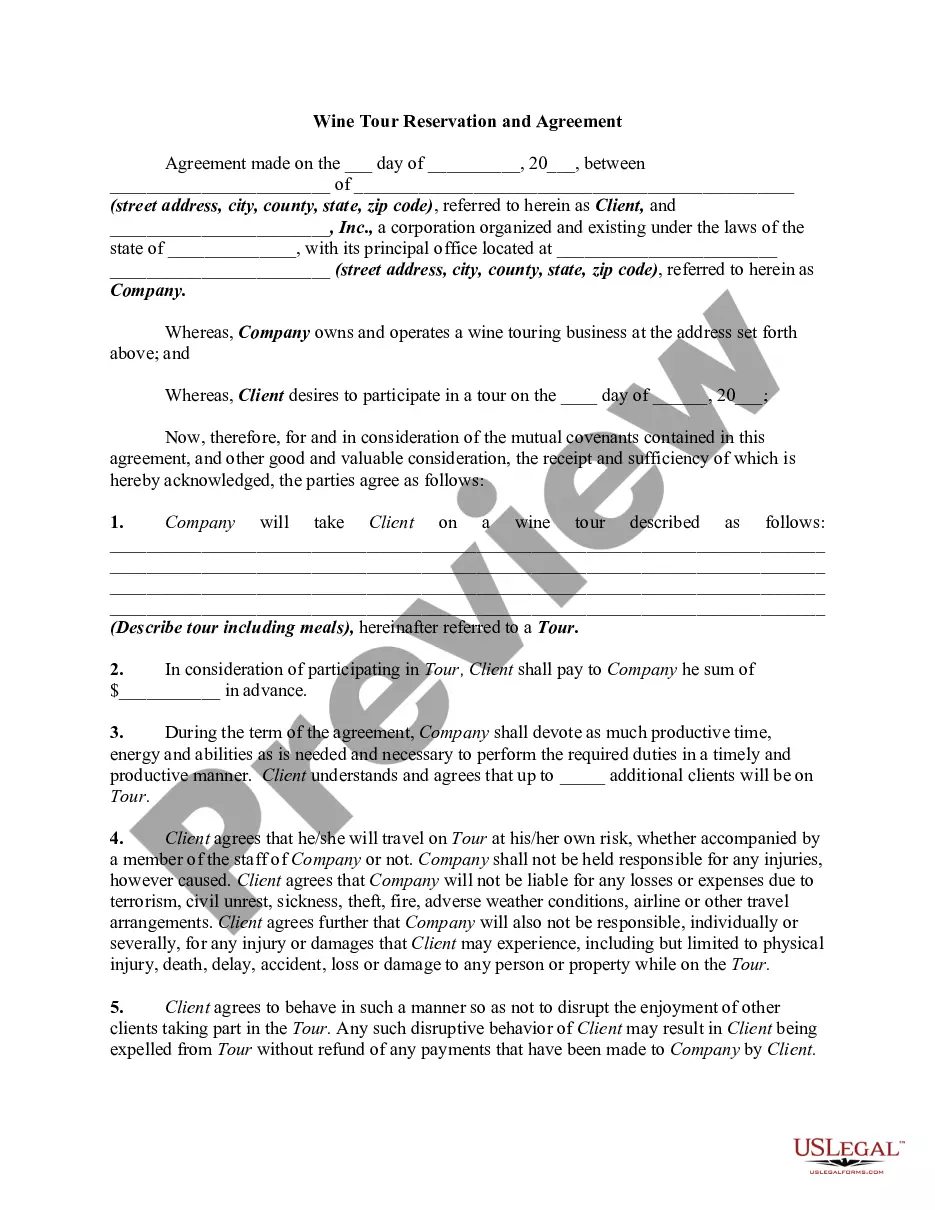




How to fill out Assignment Of Interest Of Seller In A Security Agreement?
Identifying a reliable source to obtain the latest and suitable legal templates is a significant part of navigating bureaucracy. Securing the correct legal documents requires accuracy and meticulousness, which is why it is essential to acquire samples of Security Interest Definition With Uspto exclusively from trustworthy providers, such as US Legal Forms. A flawed template will squander your time and delay your circumstances. With US Legal Forms, you have minimal concerns. You can access and verify all the information regarding the document’s applicability and significance for your situation and within your jurisdiction.
Consider the outlined steps to complete your Security Interest Definition With Uspto.
Once you have the form on your device, you can modify it using the editor or print it and complete it manually. Remove the hassle associated with your legal paperwork. Discover the extensive US Legal Forms library where you can locate legal templates, assess their relevance to your case, and download them instantly.
- Utilize the catalog navigation or search bar to find your template.
- Review the form’s details to determine if it meets the criteria of your state and locality.
- Examine the form preview, if available, to confirm the template is indeed the one you seek.
- Return to the search and look for the correct template if the Security Interest Definition With Uspto does not fulfill your requirements.
- If you are confident about the form’s applicability, download it.
- If you are an authorized user, click Log in to verify and access your chosen templates in My documents.
- If you do not have an account yet, click Buy now to acquire the form.
- Select the pricing plan that aligns with your needs.
- Proceed to the registration to conclude your purchase.
- Complete your purchase by selecting a payment method (credit card or PayPal).
- Choose the document format for downloading Security Interest Definition With Uspto.
Form popularity
FAQ
There are two parties in the assignment of interest: assignor and assignee. The assignor is the business partner who is transferring their rights in the partnership in exchange for compensation. The assignee is a new partner who purchases the previous partner's interest in the partnership.
Release of Security Interest. At such time as the Indebtedness has been paid and performed in full, Pledgee shall automatically and without further action release Pledgee's security interest in the Collateral then remaining in ance with the written directions of Pledgor.
The term "nunc pro tunc" is a Latin expression that means "now for then." A nunc pro tunc assignment is thus essentially a retroactive assignment document that is used to reduce an assignment to writing now which has happened.
form agreement releasing a security interest in US trademarks included as collateral in a secured loan transaction.
One obtains a security interest in a trademark by obtaining a written grant of a security interest from the debtor. The grant should cover the trademark itself, the accompanying goodwill, and, ideally, any other assets that embody that goodwill, such as corresponding domain name registrations.