Trust Beneficiary Shall Forgiveness
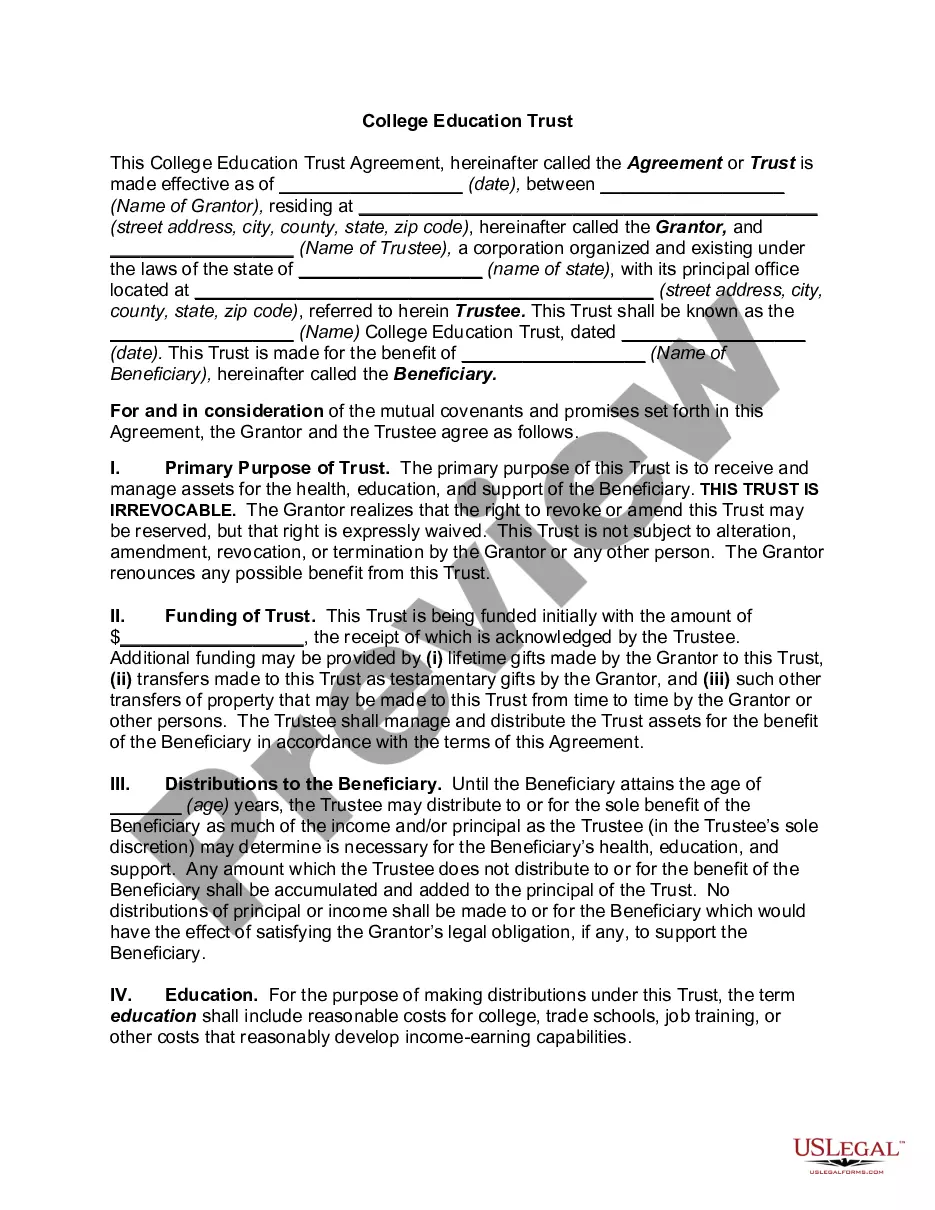
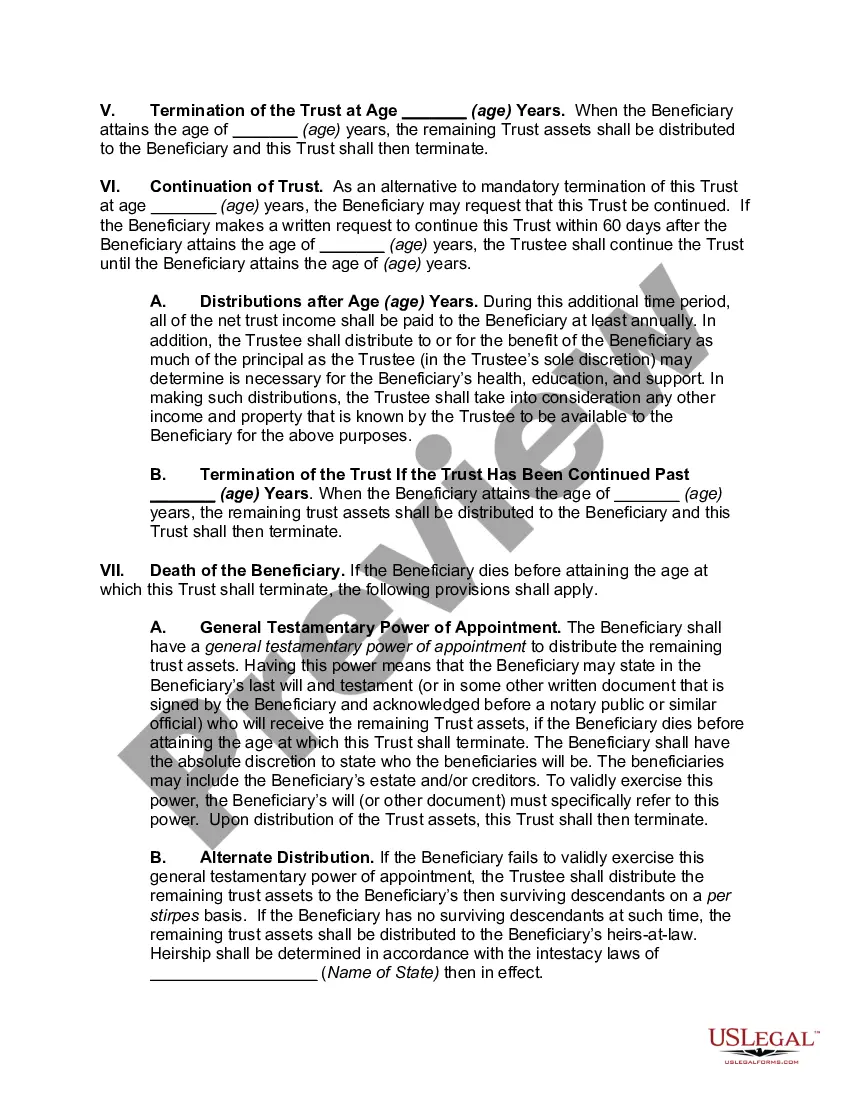
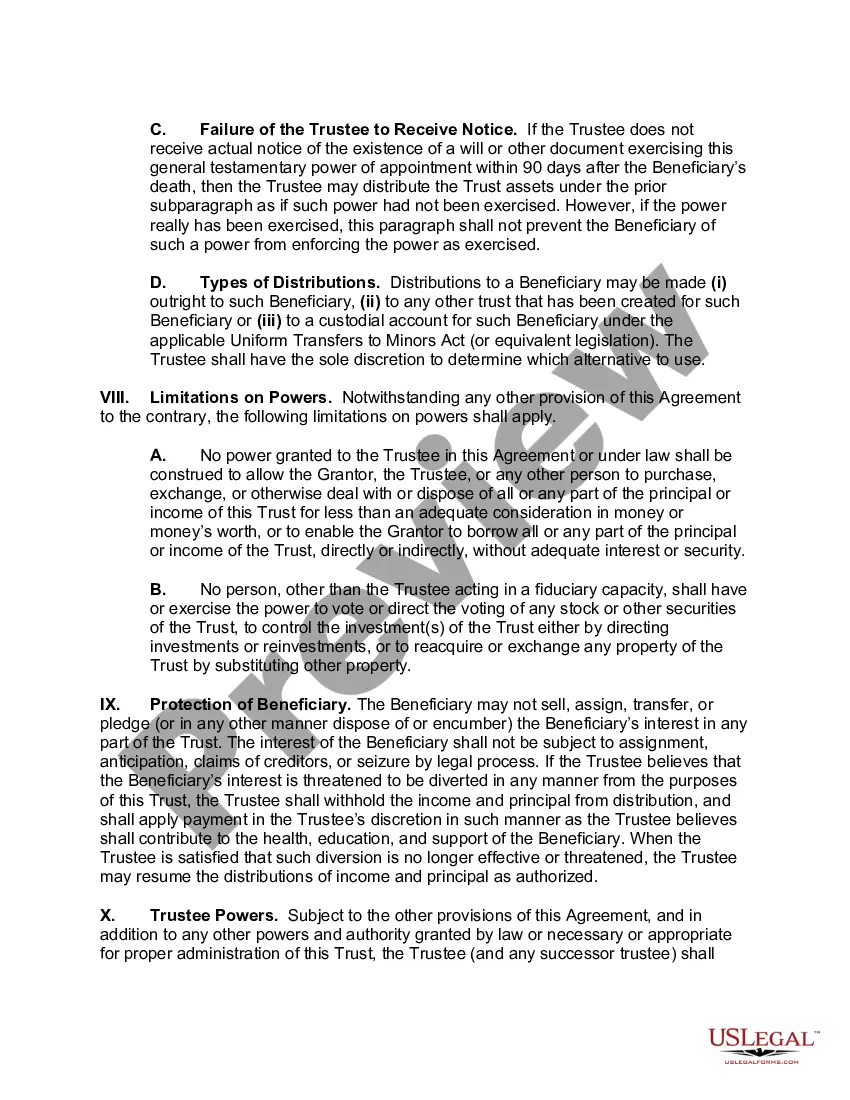
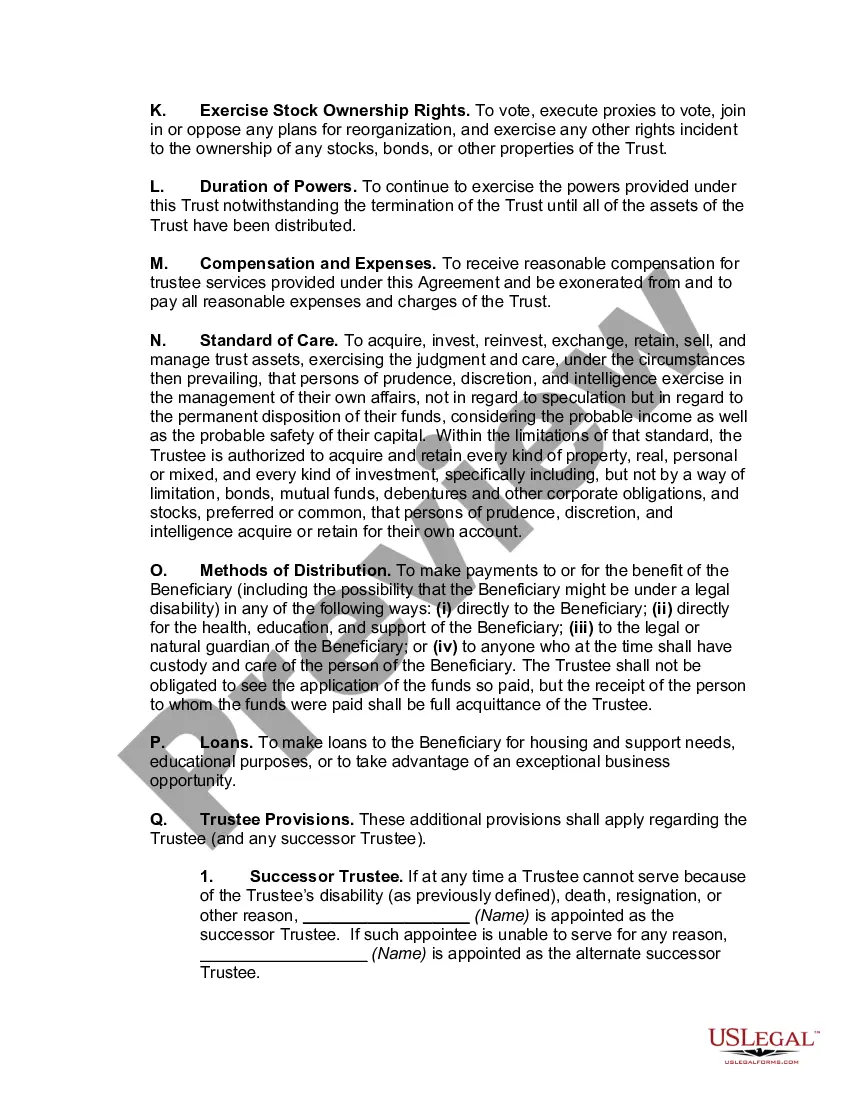
Description

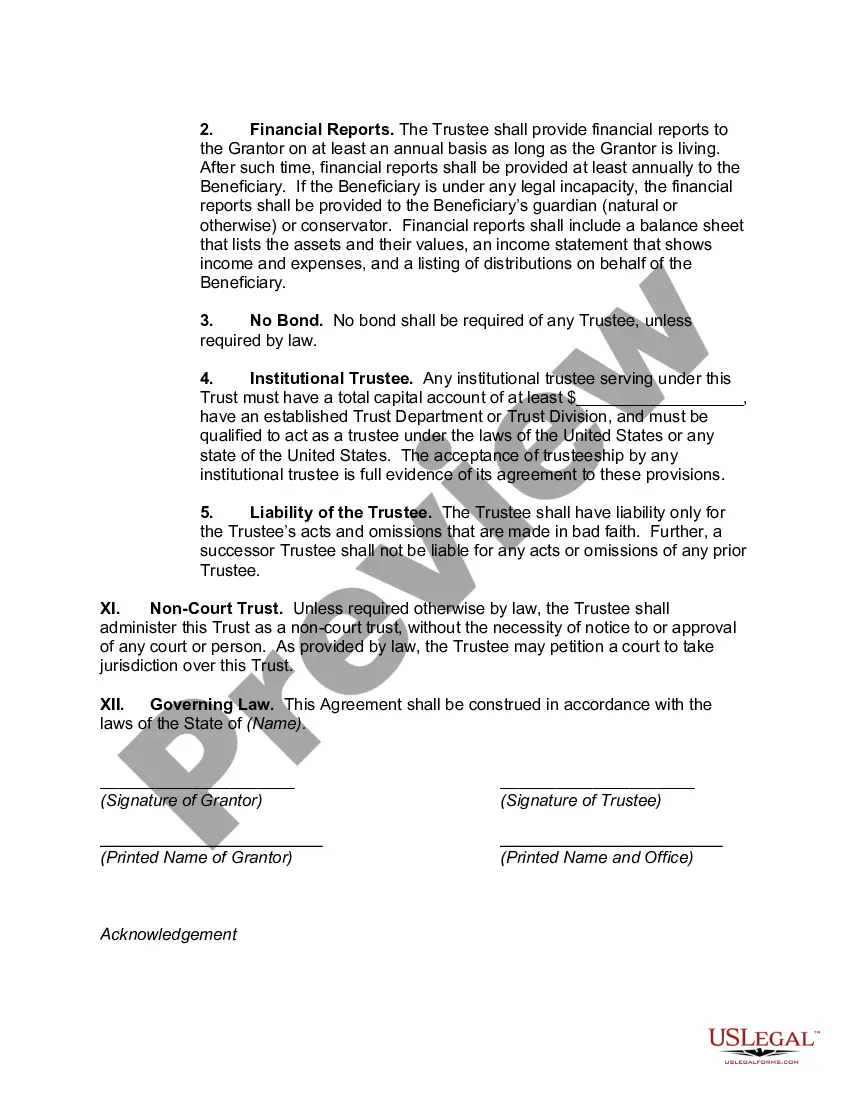
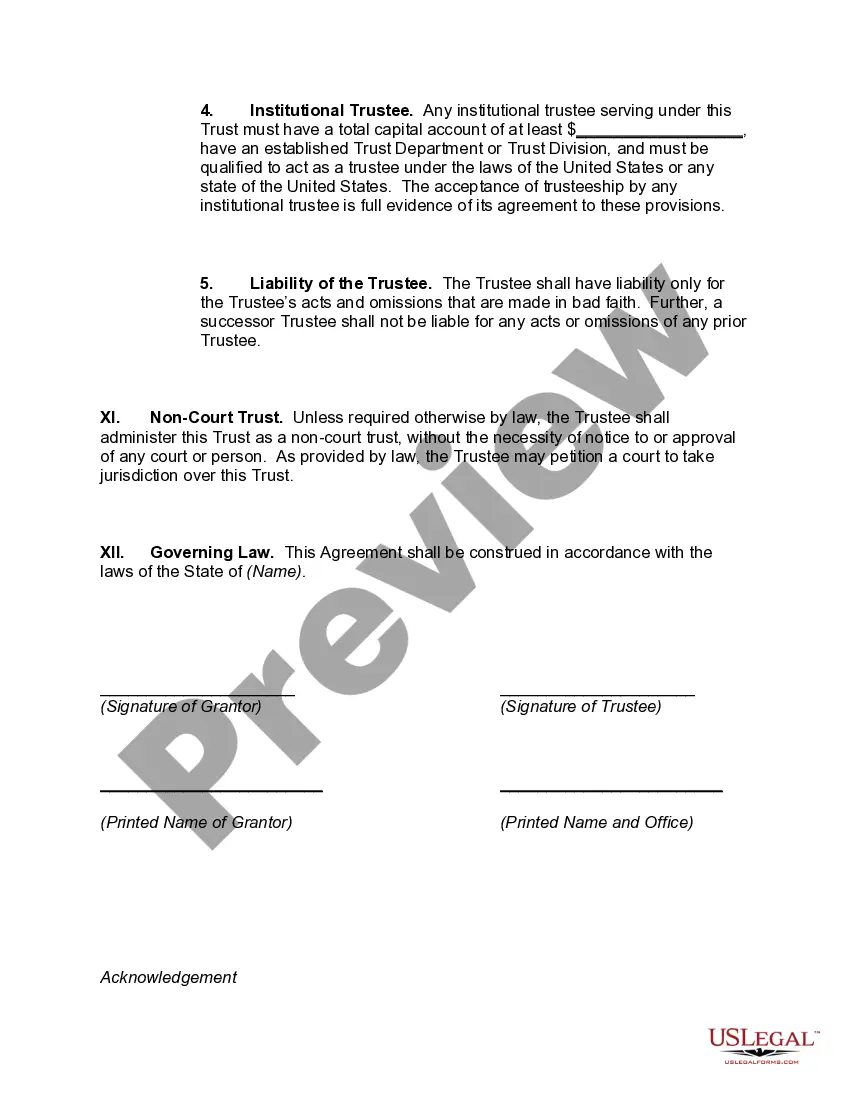


Get your form ready online
Our built-in tools help you complete, sign, share, and store your documents in one place.
Make edits, fill in missing information, and update formatting in US Legal Forms—just like you would in MS Word.
Download a copy, print it, send it by email, or mail it via USPS—whatever works best for your next step.
Sign and collect signatures with our SignNow integration. Send to multiple recipients, set reminders, and more. Go Premium to unlock E-Sign.
If this form requires notarization, complete it online through a secure video call—no need to meet a notary in person or wait for an appointment.
We protect your documents and personal data by following strict security and privacy standards.

Make edits, fill in missing information, and update formatting in US Legal Forms—just like you would in MS Word.

Download a copy, print it, send it by email, or mail it via USPS—whatever works best for your next step.

Sign and collect signatures with our SignNow integration. Send to multiple recipients, set reminders, and more. Go Premium to unlock E-Sign.

If this form requires notarization, complete it online through a secure video call—no need to meet a notary in person or wait for an appointment.

We protect your documents and personal data by following strict security and privacy standards.
Looking for another form?
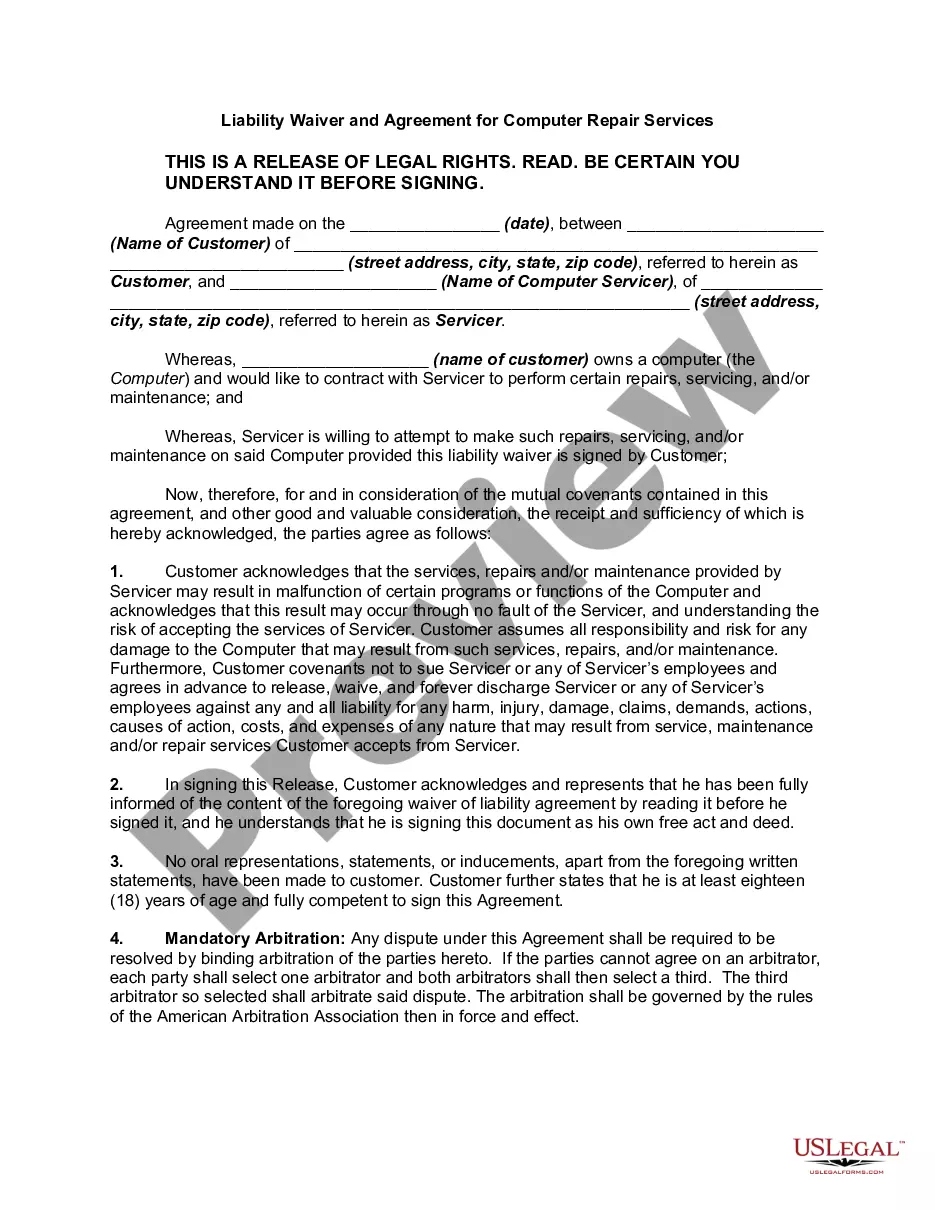









How to fill out College Education Trust Agreement?
Dealing with legal documents and operations can be a time-consuming addition to your entire day. Trust Beneficiary Shall Forgiveness and forms like it usually require you to search for them and understand how you can complete them properly. Therefore, whether you are taking care of financial, legal, or individual matters, having a extensive and hassle-free online catalogue of forms when you need it will greatly assist.
US Legal Forms is the best online platform of legal templates, boasting more than 85,000 state-specific forms and a variety of resources that will help you complete your documents easily. Check out the catalogue of appropriate documents accessible to you with just a single click.
US Legal Forms offers you state- and county-specific forms offered by any time for downloading. Shield your document administration processes using a top-notch services that lets you make any form within minutes with no extra or hidden fees. Just log in to your profile, identify Trust Beneficiary Shall Forgiveness and acquire it right away from the My Forms tab. You can also gain access to previously saved forms.
Could it be your first time utilizing US Legal Forms? Sign up and set up a free account in a few minutes and you’ll have access to the form catalogue and Trust Beneficiary Shall Forgiveness. Then, adhere to the steps below to complete your form:
- Be sure you have found the correct form by using the Preview option and looking at the form description.
- Pick Buy Now as soon as all set, and choose the subscription plan that fits your needs.
- Select Download then complete, sign, and print out the form.
US Legal Forms has 25 years of expertise helping consumers manage their legal documents. Obtain the form you want today and streamline any operation without breaking a sweat.
Form popularity
FAQ
The primary disadvantage of naming a trust as beneficiary is that the retirement plan's assets will be subjected to required minimum distribution (RMD) payouts, which are calculated based on the life expectancy of the oldest beneficiary.
To leave property to your living trust, name your trust as beneficiary for that property, using the trustee's name and the name of the trust. For example: John Doe as trustee of the John Doe Living Trust, dated January 1, 20xx.
A beneficiary can renounce their interest from the trust and, upon the consent of other beneficiaries, be allowed to exit. A trustee cannot remove a beneficiary from an irrevocable trust. A grantor can remove a beneficiary from a revocable trust by going back to the trust deed codes that allow for the same.
As discussed above, irrevocable trusts are not completely irrevocable; they can be modified or dissolved, but the settlor may not do so unilaterally. The most common mechanisms for modifying or dissolving an irrevocable trust are modification by consent and judicial modification.
The primary disadvantage of naming a trust as beneficiary is that the retirement plan's assets will be subjected to required minimum distribution payouts, which are calculated based on the life expectancy of the oldest beneficiary.