Sample Revocable Trust Form With Beneficiaries
Description
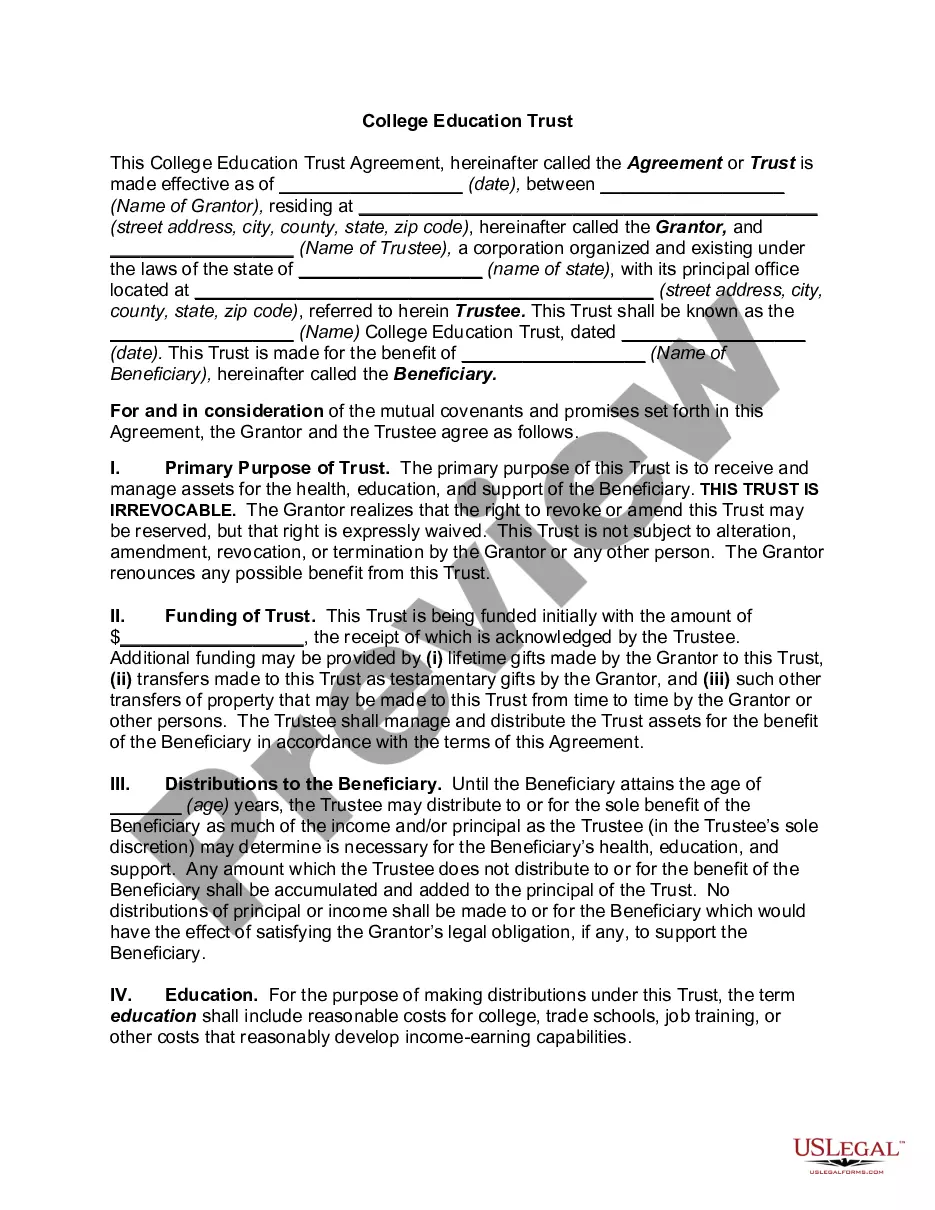
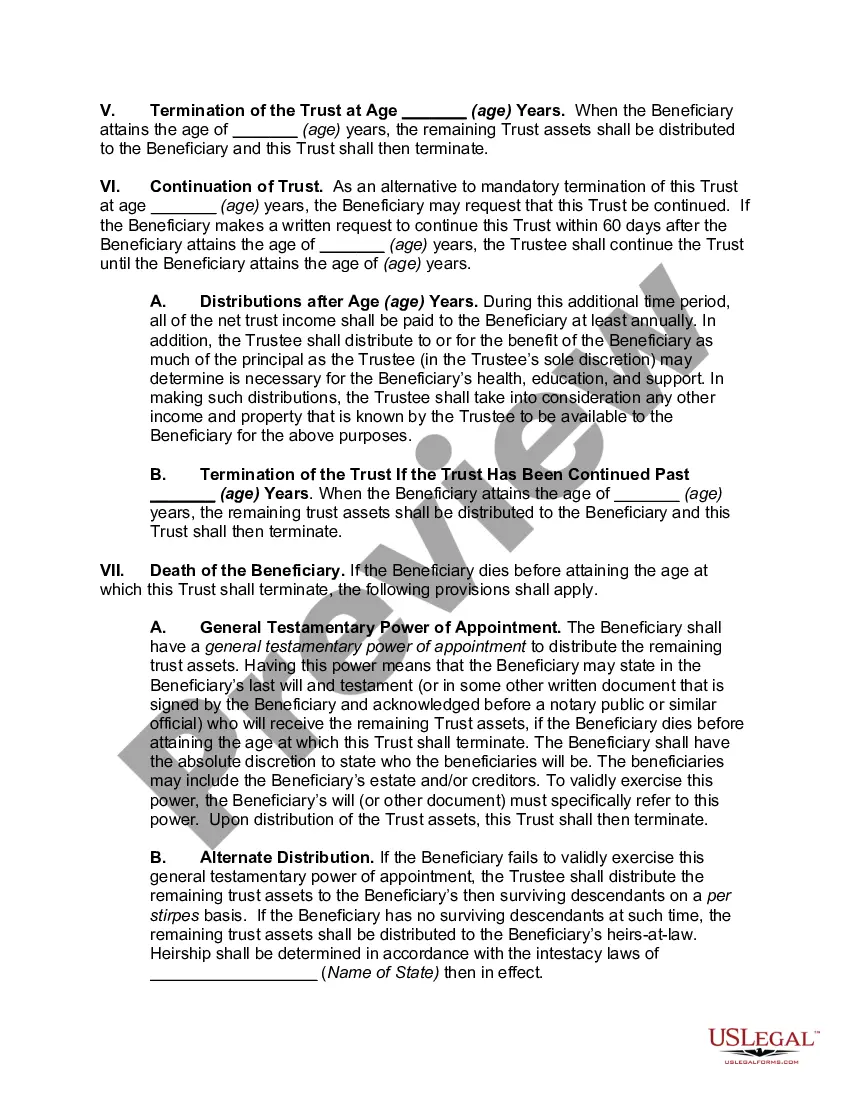
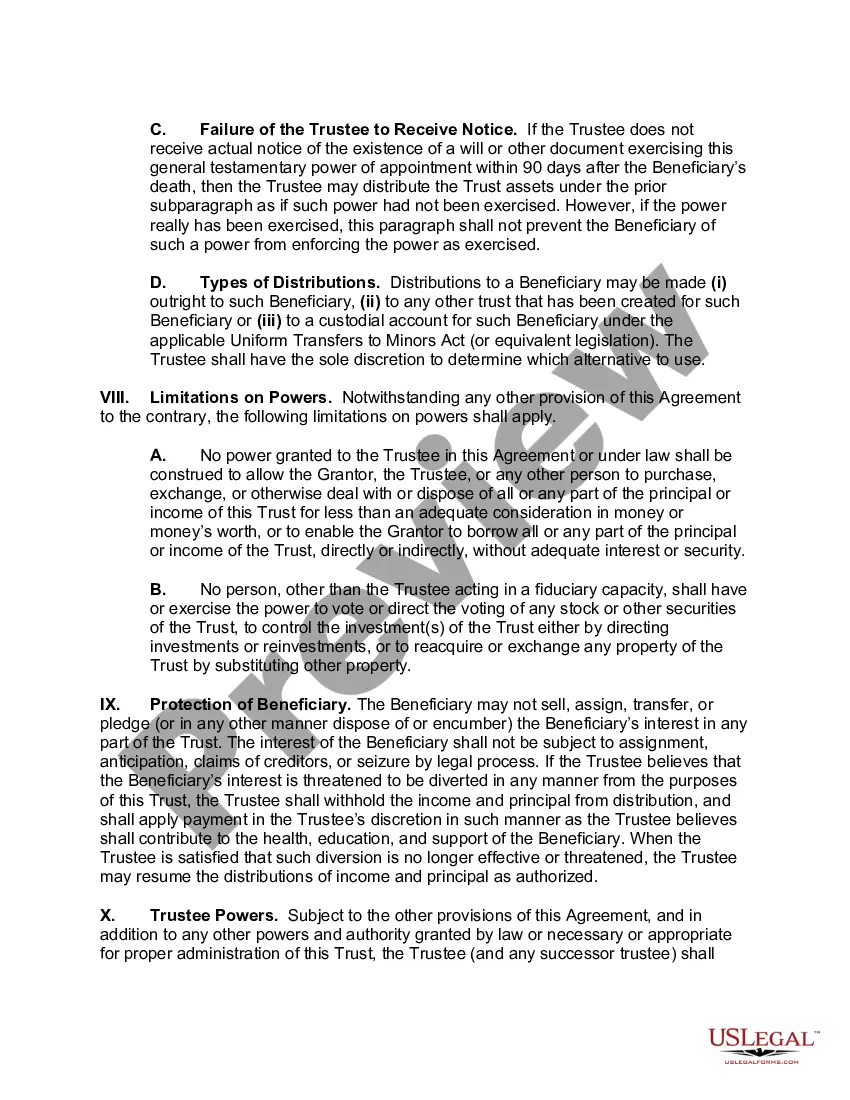
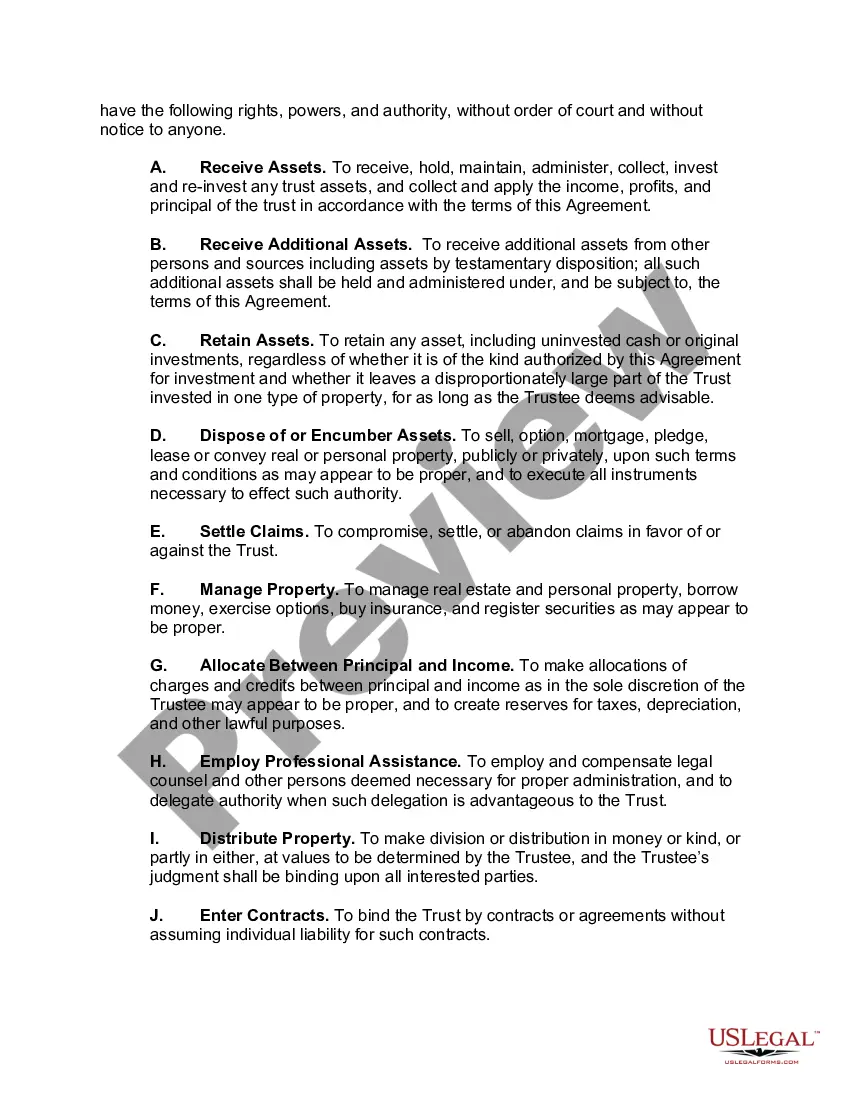
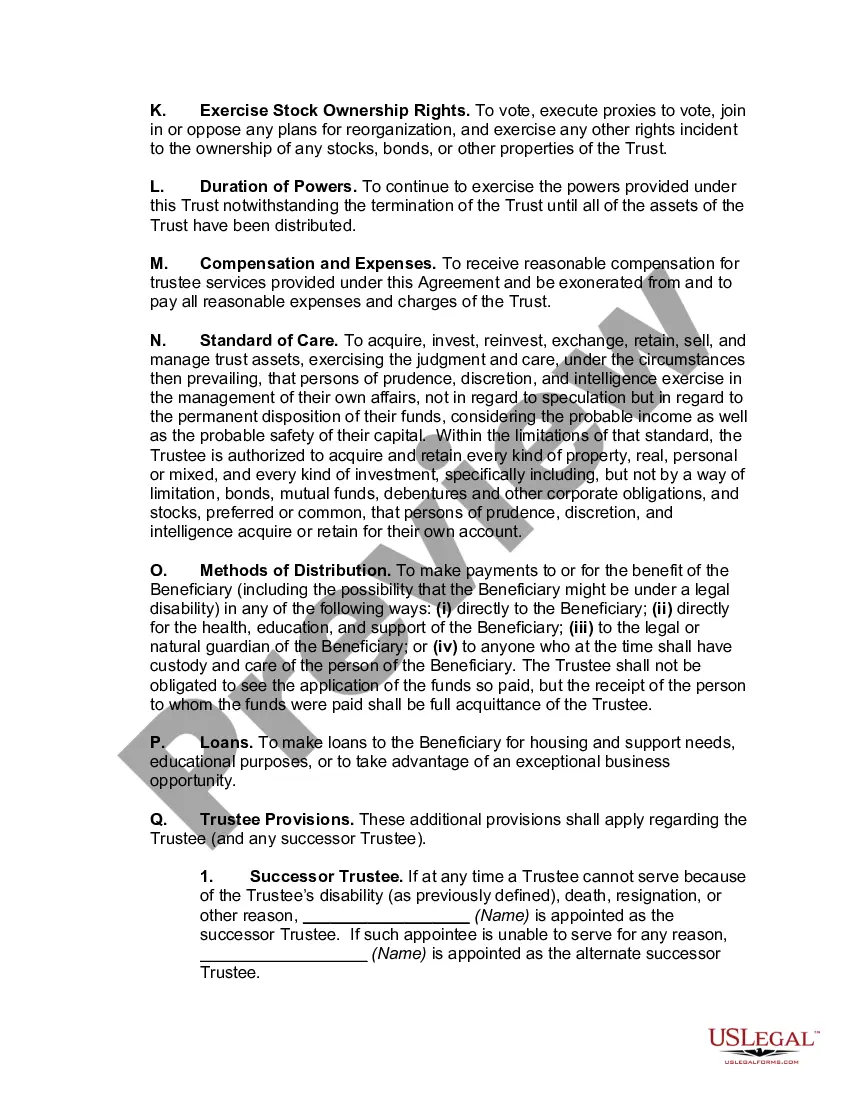
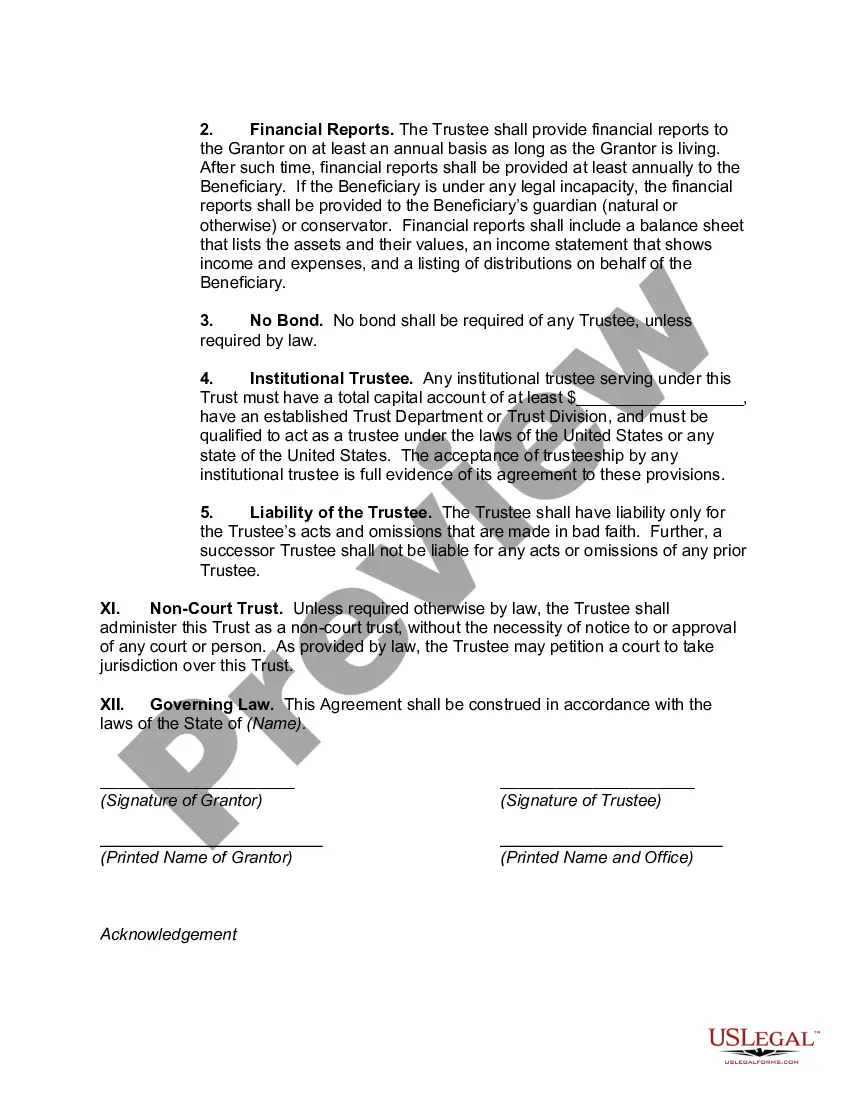
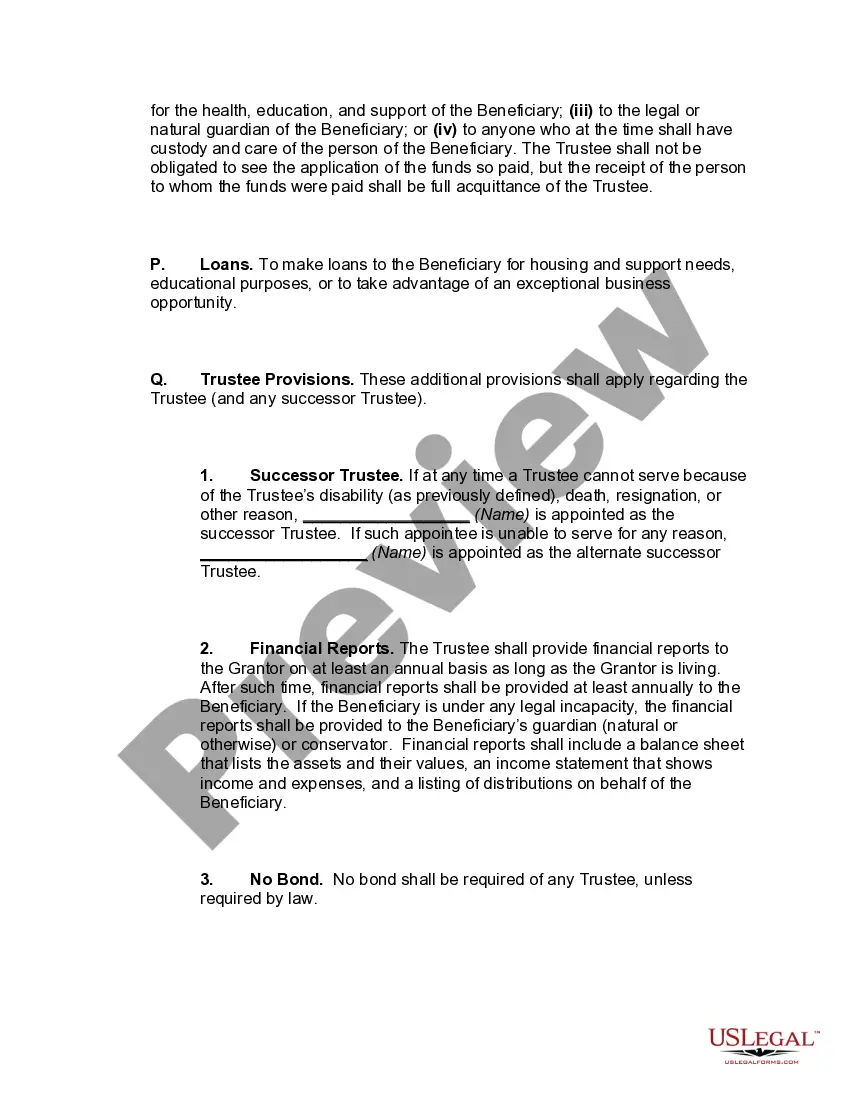
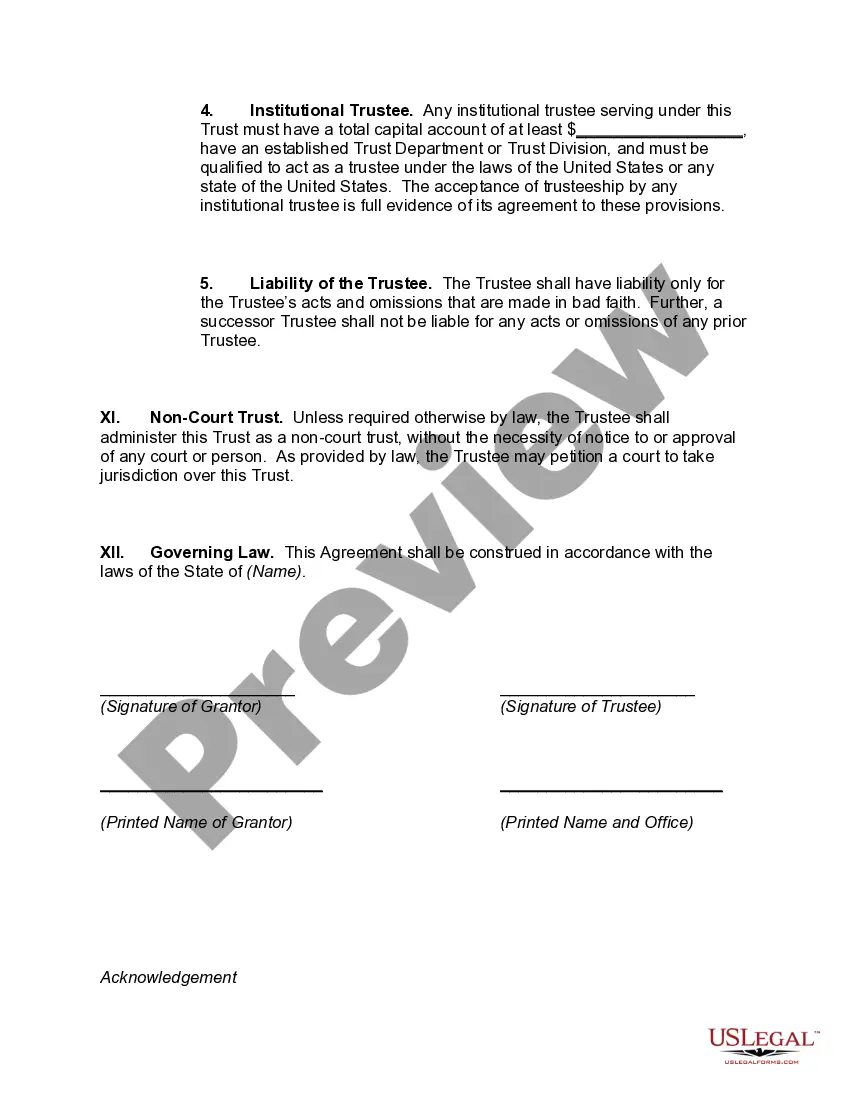

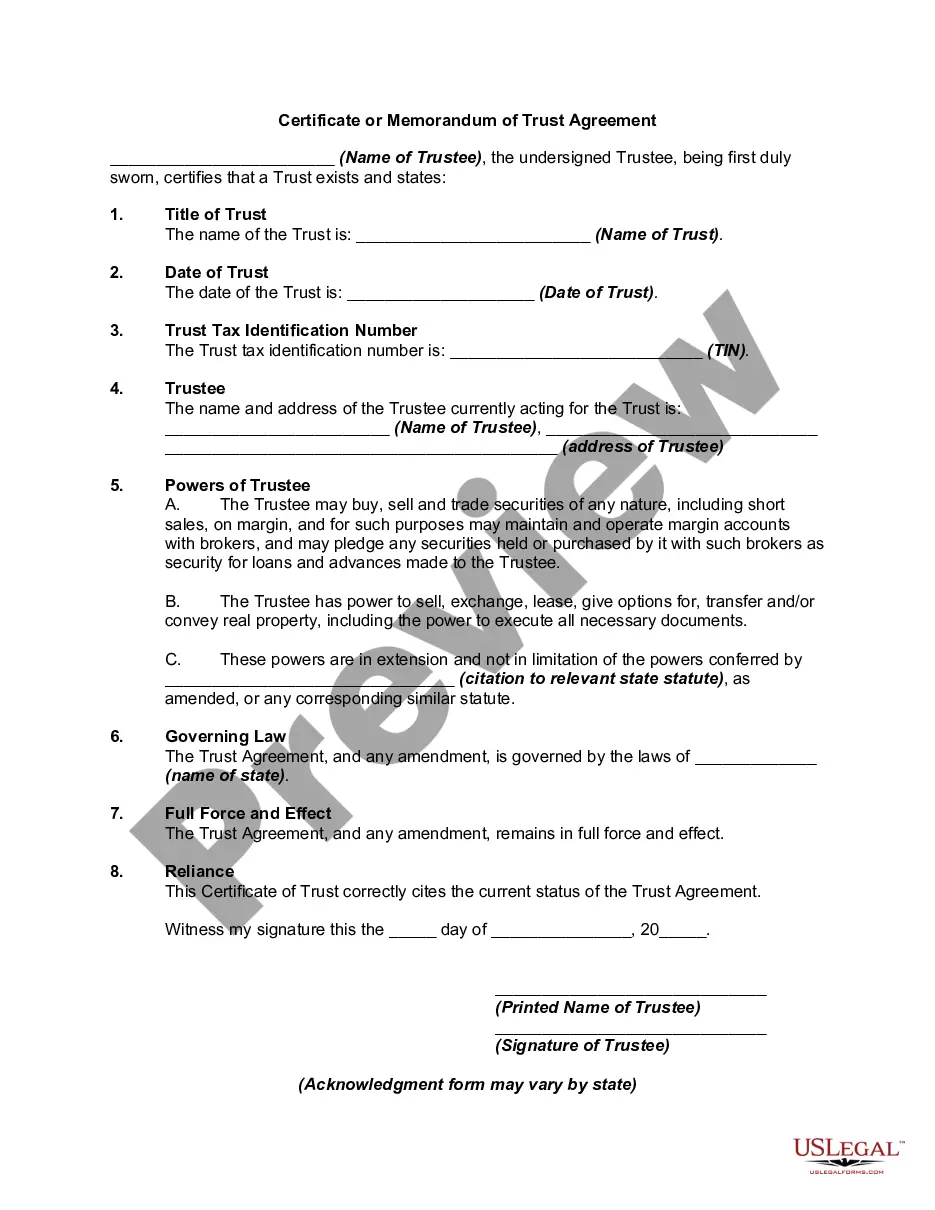
Get your form ready online
Our built-in tools help you complete, sign, share, and store your documents in one place.
Make edits, fill in missing information, and update formatting in US Legal Forms—just like you would in MS Word.
Download a copy, print it, send it by email, or mail it via USPS—whatever works best for your next step.
Sign and collect signatures with our SignNow integration. Send to multiple recipients, set reminders, and more. Go Premium to unlock E-Sign.
If this form requires notarization, complete it online through a secure video call—no need to meet a notary in person or wait for an appointment.
We protect your documents and personal data by following strict security and privacy standards.

Make edits, fill in missing information, and update formatting in US Legal Forms—just like you would in MS Word.

Download a copy, print it, send it by email, or mail it via USPS—whatever works best for your next step.

Sign and collect signatures with our SignNow integration. Send to multiple recipients, set reminders, and more. Go Premium to unlock E-Sign.

If this form requires notarization, complete it online through a secure video call—no need to meet a notary in person or wait for an appointment.

We protect your documents and personal data by following strict security and privacy standards.
Looking for another form?

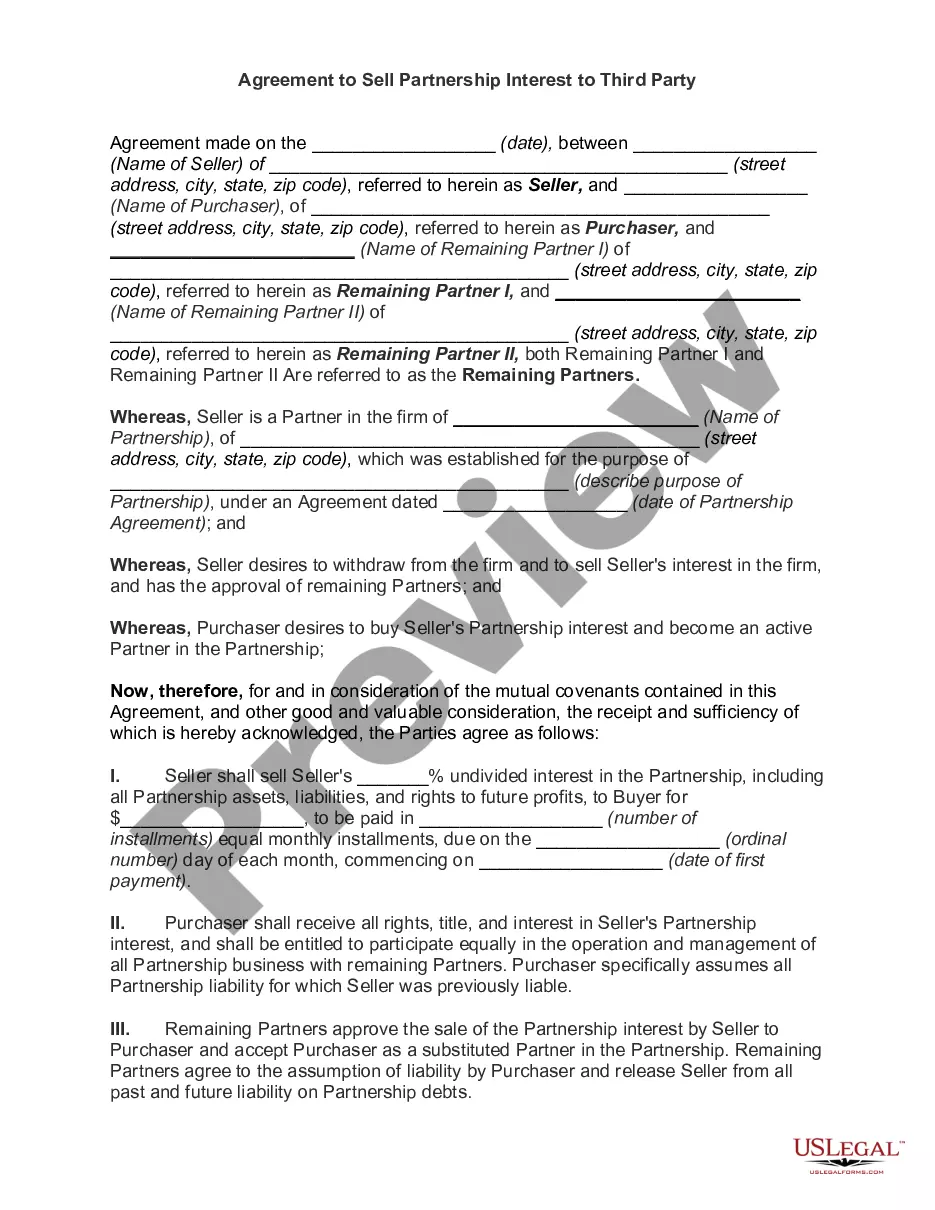






How to fill out College Education Trust Agreement?
Discovering a reliable location to obtain the most up-to-date and suitable legal documents is part of the challenge of navigating bureaucracy.
Selecting the appropriate legal documents requires precision and carefulness, which is why it is crucial to obtain samples of Sample Revocable Trust Form With Beneficiaries solely from trustworthy sources, such as US Legal Forms.
Once you have the form on your device, you can edit it using the editor or print it out and fill it manually. Remove the complexities associated with your legal documentation by exploring the comprehensive US Legal Forms catalog to locate legal templates, verify their pertinence to your situation, and download them instantly.
- Utilize the catalog browsing or search tool to find your sample.
- Review the form’s details to ensure it meets the stipulations of your state and area.
- Examine the form preview, if available, to confirm the template is indeed what you seek.
- Return to the search to identify the correct template if the Sample Revocable Trust Form With Beneficiaries does not fulfill your needs.
- If you are certain about the form’s suitability, proceed to download it.
- If you are a registered user, click Log in to verify and access your chosen templates in My documents.
- If you have not yet created an account, click Buy now to purchase the template.
- Choose the payment plan that aligns with your requirements.
- Continue to the registration to complete your order.
- Finalize your transaction by selecting a payment option (credit card or PayPal).
- Choose the document format for downloading Sample Revocable Trust Form With Beneficiaries.
Form popularity
FAQ
Changing Trustees and adding Beneficiaries It is quite common for the Settlor of the trust to retain the ability to appoint additional trustees during their lifetime, and also add or remove potential beneficiaries from the trust.
If the class of beneficiaries does not extend to that person, you can add a beneficiary by preparing a deed of variation. However, the original trust deed may prohibit certain persons from becoming beneficiaries. In this case, you may not be able to amend the trust deed to add them.
The process of transferring your bank account to a trust requires new signature and ownership cards that retitle your bank account to the trust so that the trust becomes its legal owner. When it's time to distribute your assets, the funds in the bank account will be paid into the trust.
The bene?ciaries are the persons for whose bene?t the trustee holds the trust property. In most trust deeds the ?primary bene?ciaries? will be speci?ed, and will usually be the people setting up the trust, and perhaps their children or other close relatives.
To leave property to your living trust, name your trust as beneficiary for that property, using the trustee's name and the name of the trust. For example: John Doe as trustee of the John Doe Living Trust, dated January 1, 20xx.