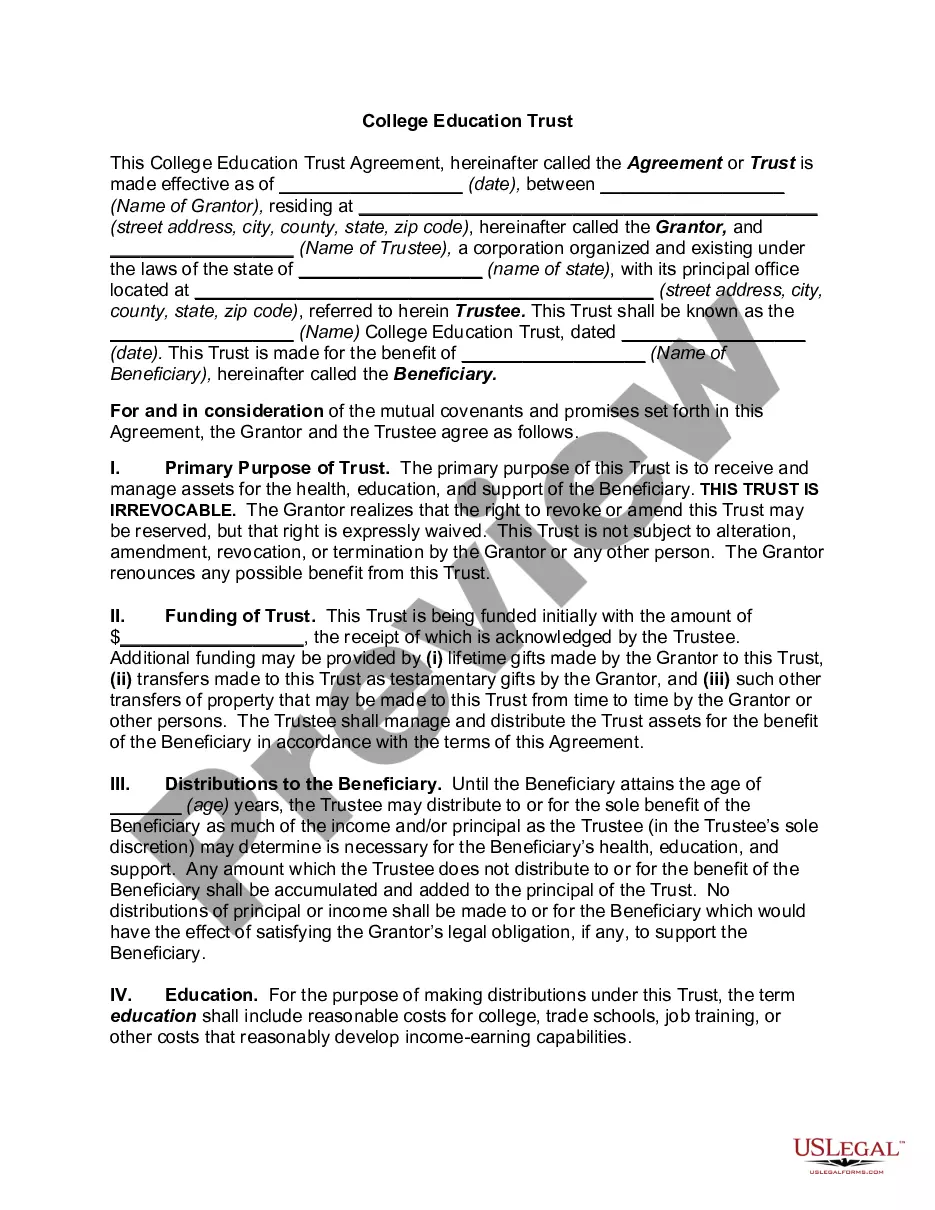
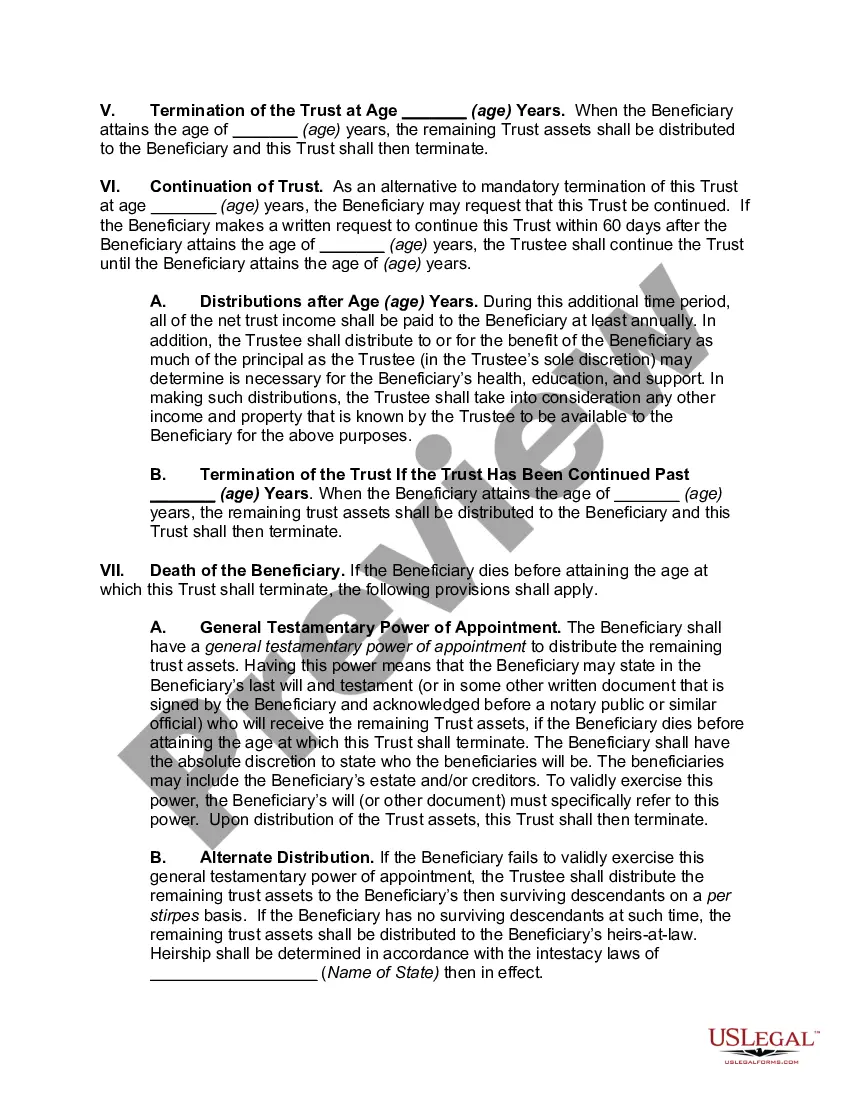
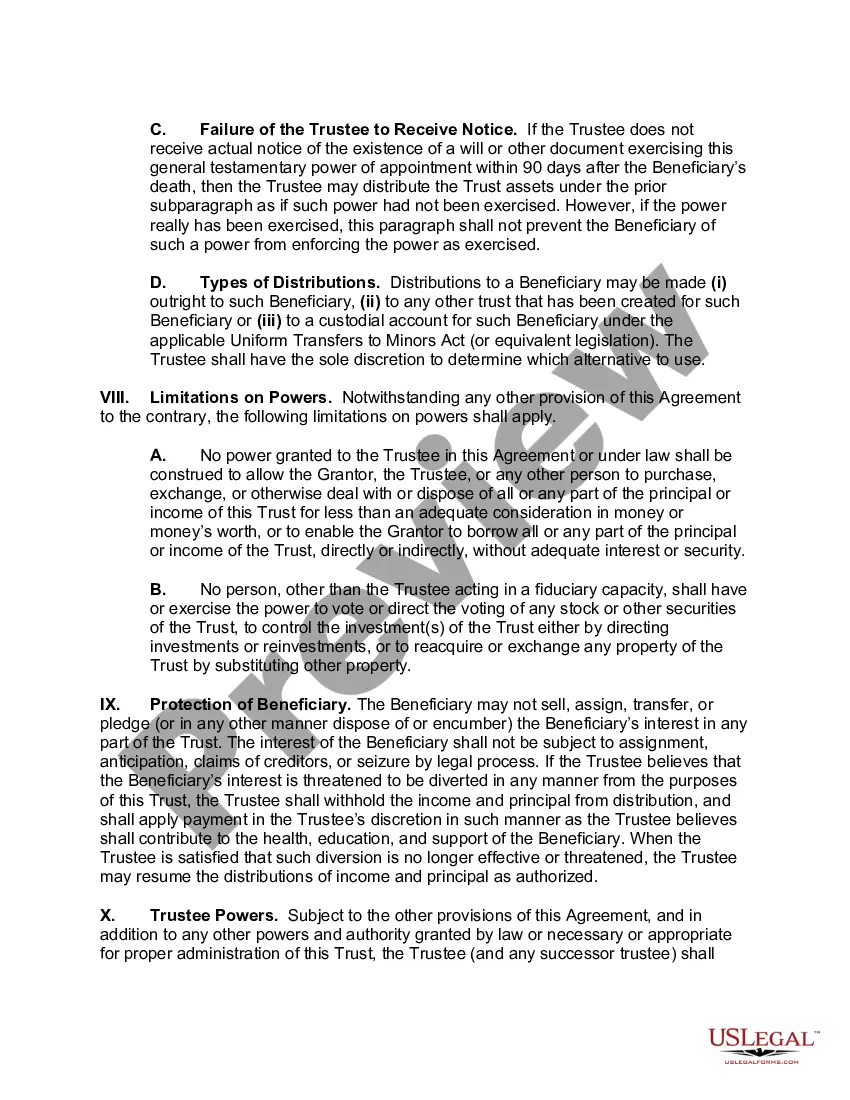
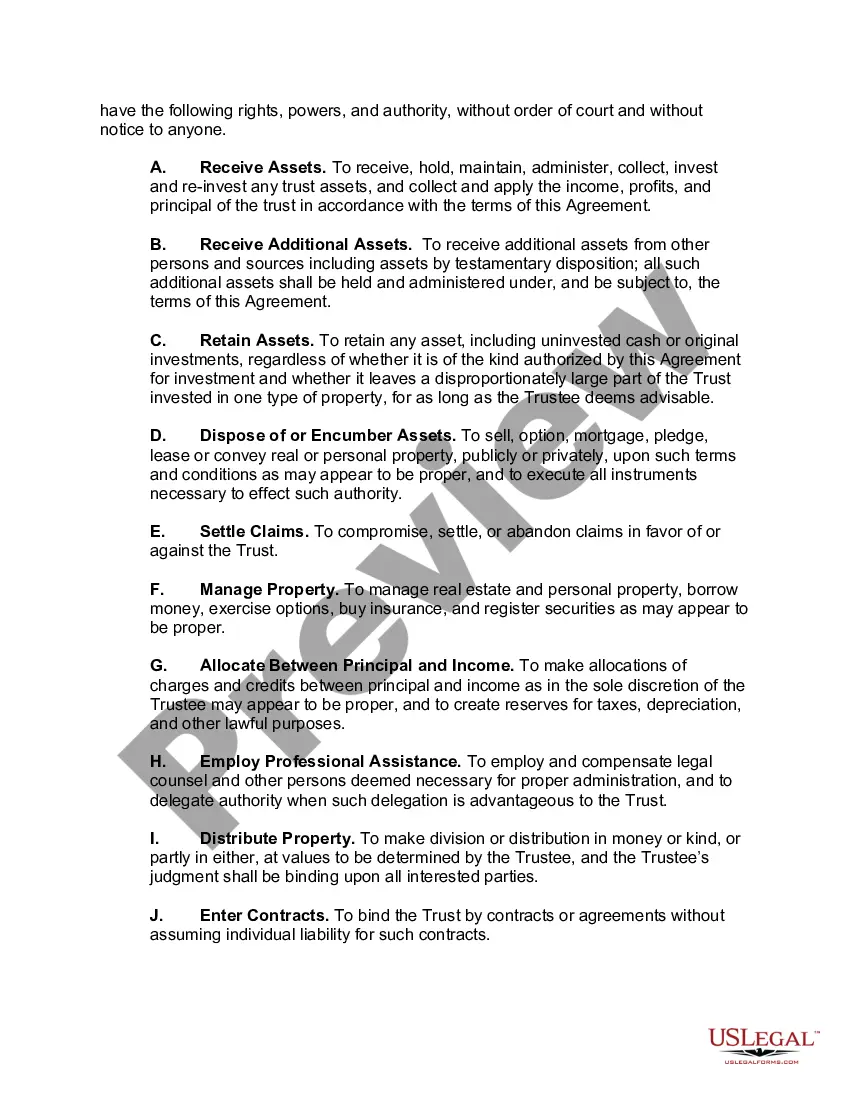
Educational Trust Sample For Students
Description
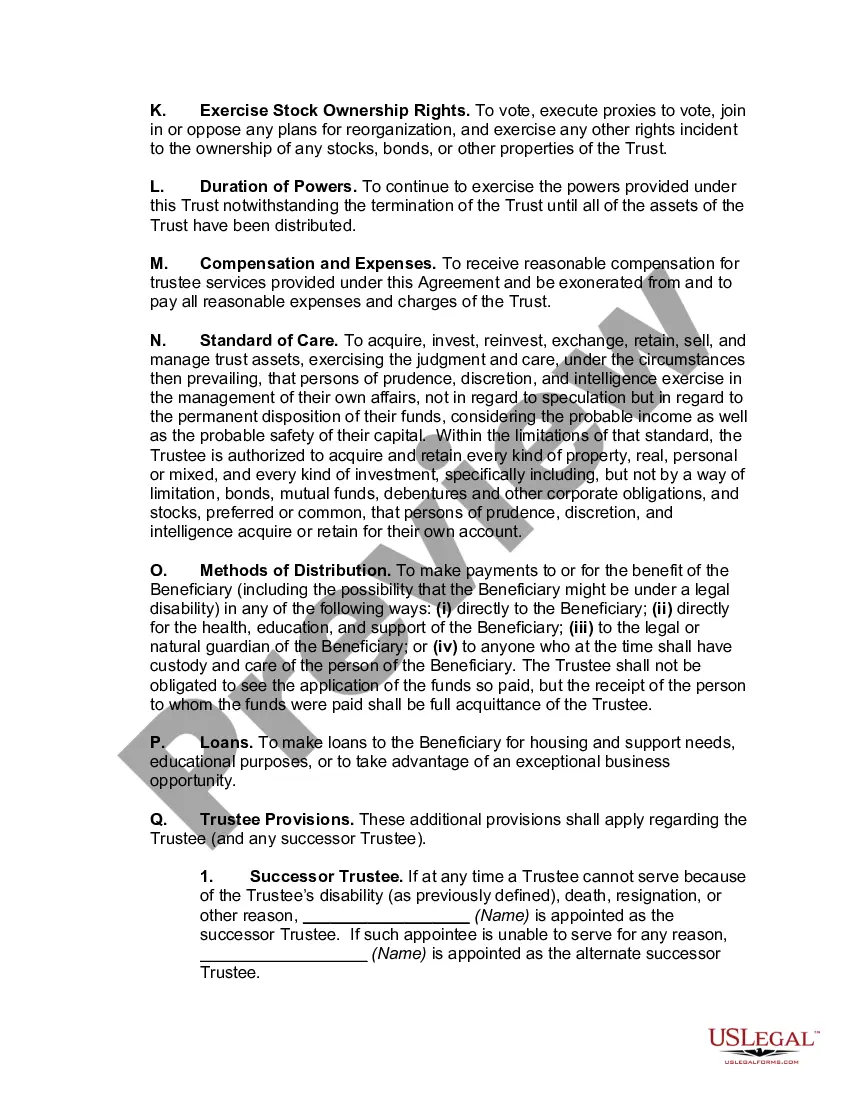
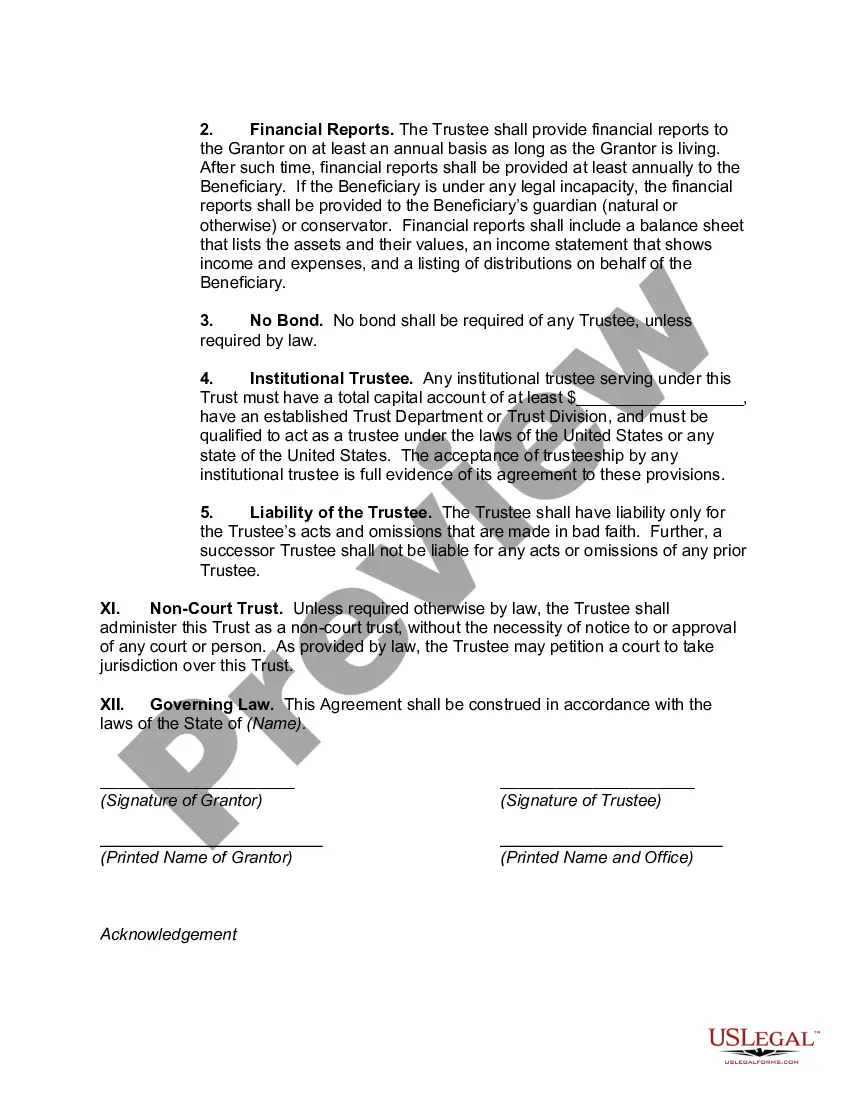
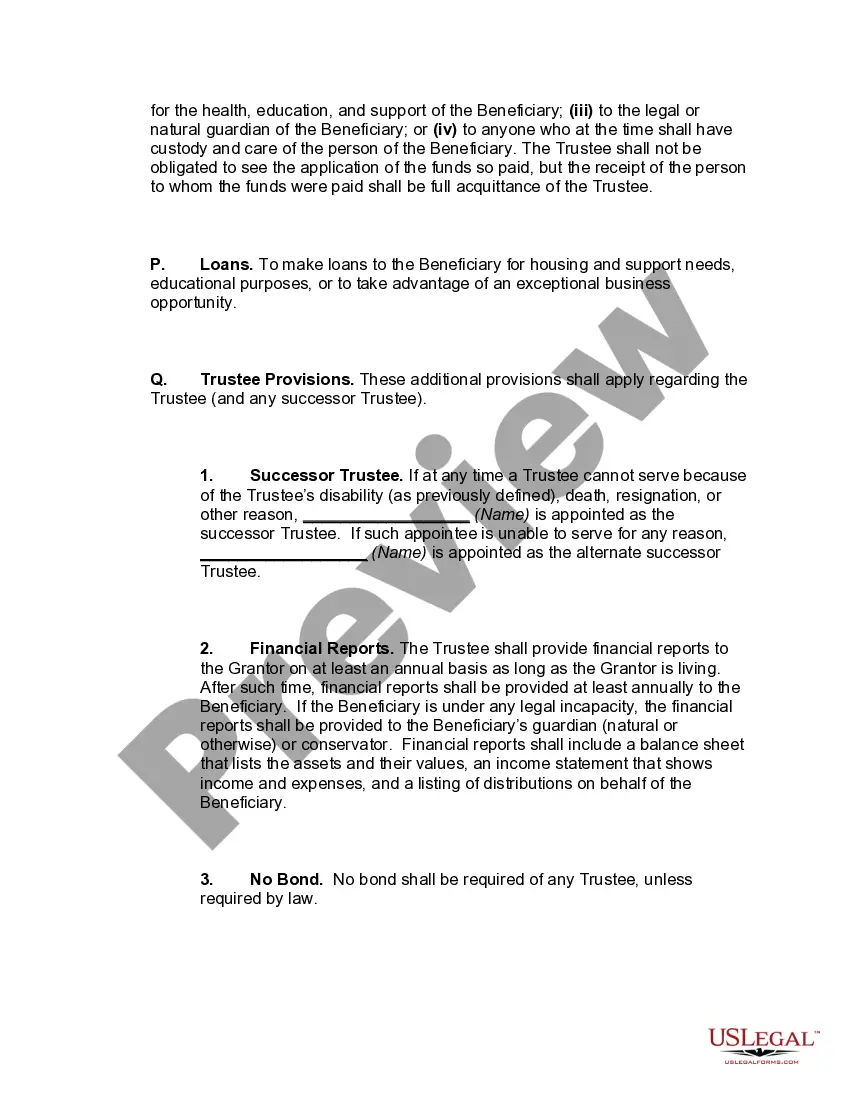
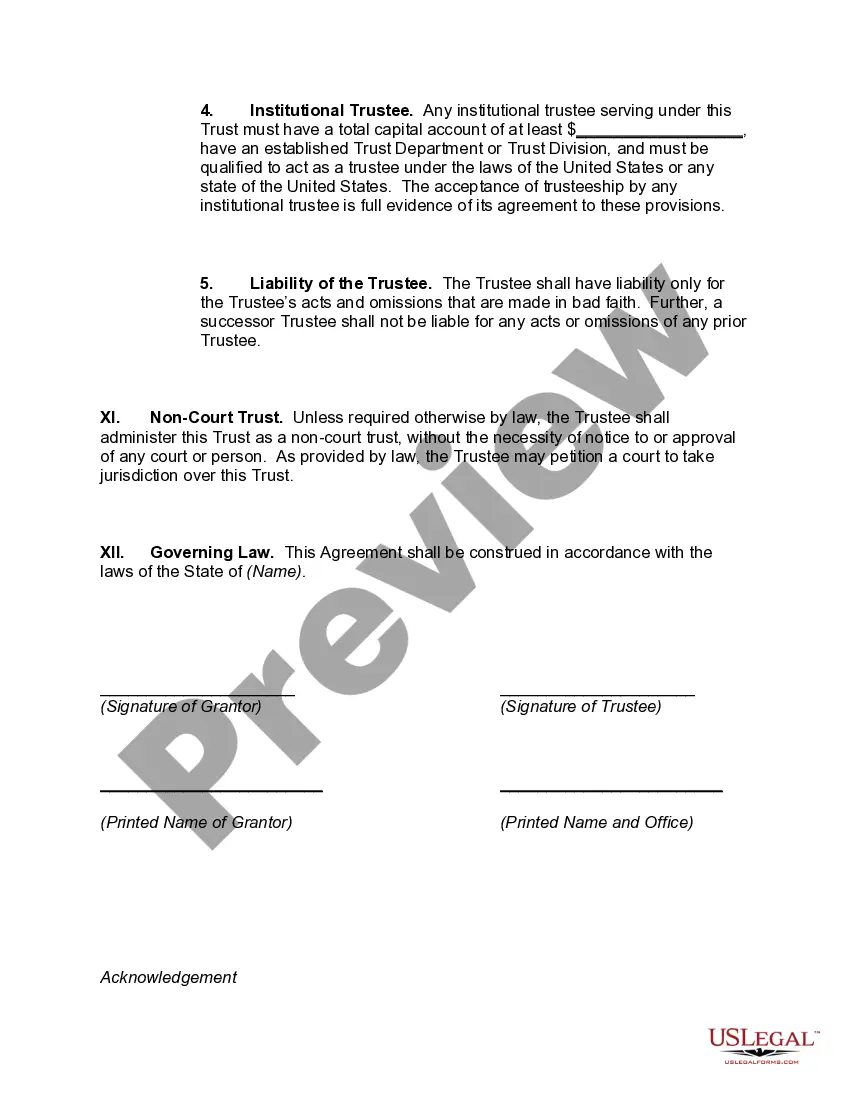

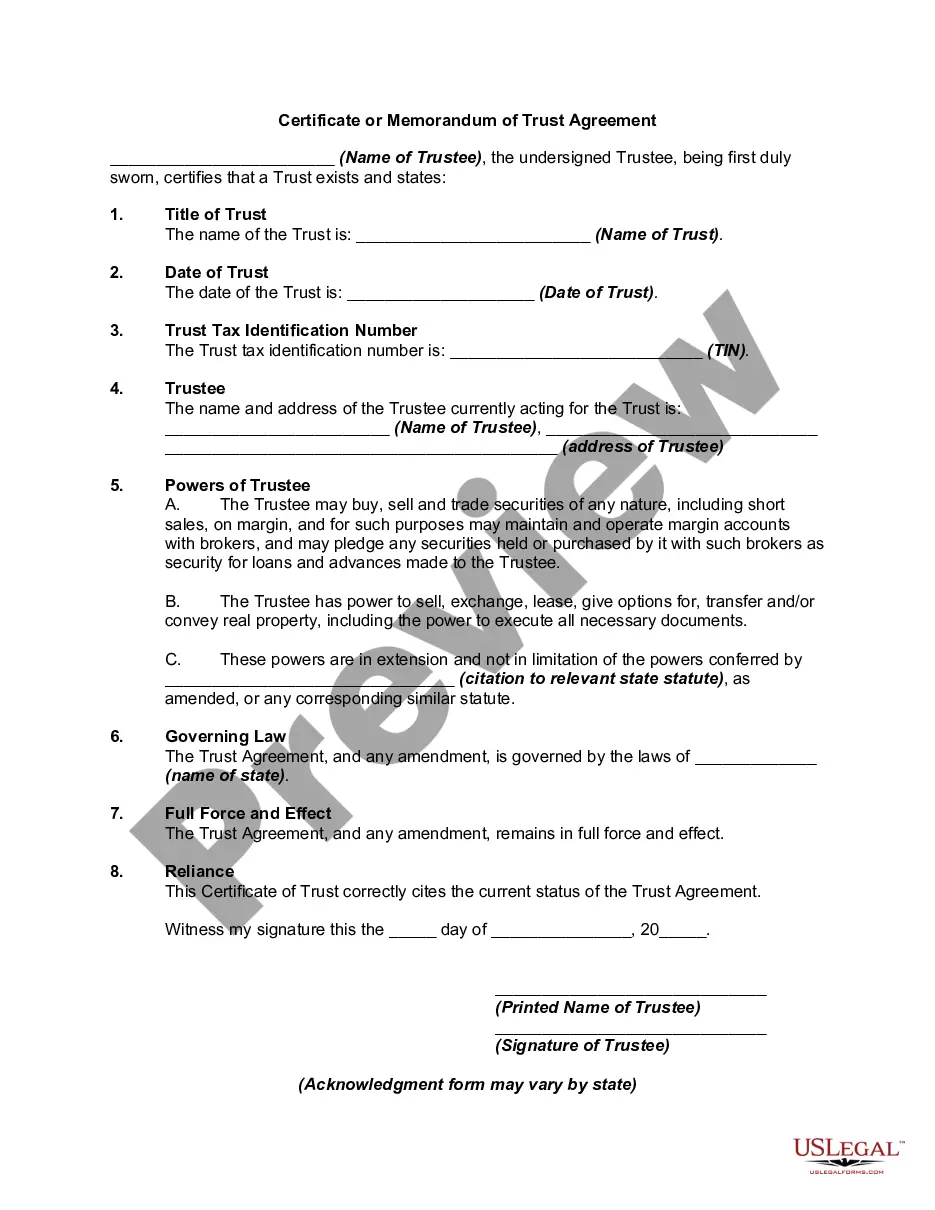
Get your form ready online
Our built-in tools help you complete, sign, share, and store your documents in one place.
Make edits, fill in missing information, and update formatting in US Legal Forms—just like you would in MS Word.
Download a copy, print it, send it by email, or mail it via USPS—whatever works best for your next step.
Sign and collect signatures with our SignNow integration. Send to multiple recipients, set reminders, and more. Go Premium to unlock E-Sign.
If this form requires notarization, complete it online through a secure video call—no need to meet a notary in person or wait for an appointment.
We protect your documents and personal data by following strict security and privacy standards.

Make edits, fill in missing information, and update formatting in US Legal Forms—just like you would in MS Word.

Download a copy, print it, send it by email, or mail it via USPS—whatever works best for your next step.

Sign and collect signatures with our SignNow integration. Send to multiple recipients, set reminders, and more. Go Premium to unlock E-Sign.

If this form requires notarization, complete it online through a secure video call—no need to meet a notary in person or wait for an appointment.

We protect your documents and personal data by following strict security and privacy standards.
Looking for another form?





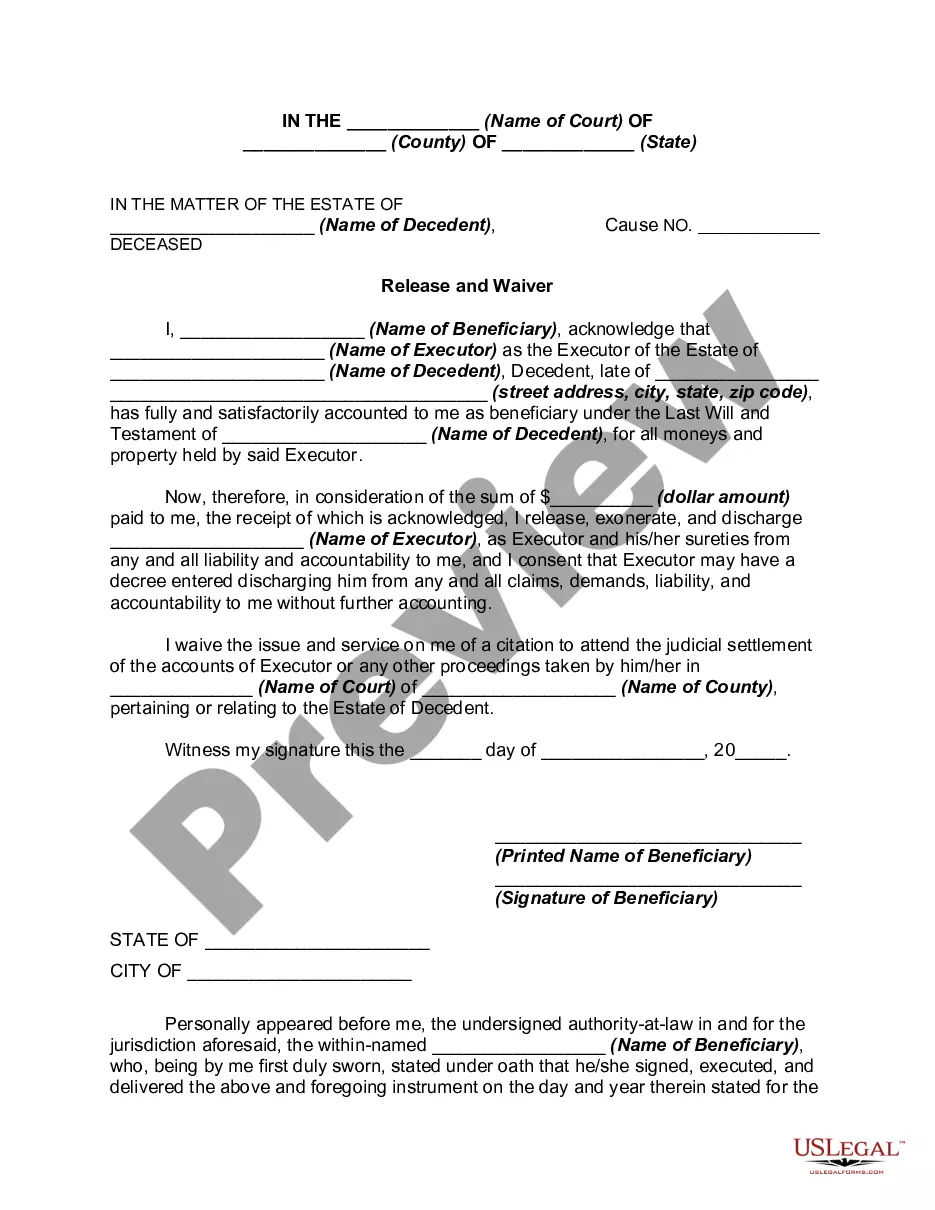
How to fill out College Education Trust Agreement?
- Visit the US Legal Forms website. If you're an existing user, log into your account. If you're new, browse the site to find the form you need.
- Use the Preview mode to review the form description. Ensure it matches your requirements and complies with local regulations.
- If the form is not suitable, utilize the Search feature to find other relevant templates.
- Once you’ve identified the correct document, click 'Buy Now' and select a subscription plan that works for you.
- Complete your purchase by providing payment details through credit card or PayPal.
- Download the educational trust sample to your device for completion. You can also access it later in the 'My Forms' section of your profile.
By following these steps, you can easily navigate the process of obtaining essential legal documents through US Legal Forms. Their robust collection and expert support ensure you can create a legally sound educational trust.
Start your legal journey today and explore the wealth of resources available at US Legal Forms!
Form popularity
FAQ
The purpose of an education trust is to provide financial assistance for students pursuing their education. This type of trust helps cover tuition, books, and other educational expenses, relieving financial burdens. An educational trust can profoundly impact a student's life by ensuring they have the necessary resources to succeed. Consider using an educational trust sample for students to frame your trust according to specific educational goals.
Filling out a trust fund requires clear documentation of your intentions. Begin by specifying the trust's purpose, such as supporting students' educational expenses. Include the names of beneficiaries and outline how the funds should be distributed. Accessing an educational trust sample for students can provide essential guidance to ensure you complete the forms correctly.
To set up an educational trust, start by determining your funding sources, whether from savings, investments, or other assets. Then, draft the trust document, which details the purpose, beneficiaries, and management instructions. Utilizing an educational trust sample for students can streamline this process and help you create a compliant and effective trust.
Setting up an educational trust involves a few key steps. First, you need to identify the beneficiaries, typically students in need of financial support for their education. Next, choose a trustee who will manage the funds according to your wishes. Finally, outline the terms of the trust, and consider using an educational trust sample for students to ensure you cover all necessary elements.
Setting up an education trust involves several key steps. First, identify the beneficiaries, usually students, and determine the purpose of the trust. Next, work with a legal expert to draft the trust document, outlining how funds will be managed and distributed. You can find educational trust sample for students through services like US Legal Forms, which offer templates to simplify the process.
No, an education trust and a 529 plan serve different purposes. An education trust can be tailored to suit individual educational goals and offers more control over how funds are distributed. In contrast, a 529 is a government-backed savings plan with tax benefits, mainly focused on higher education expenses. Use an educational trust sample for students to better understand how to create a personalized and effective education trust.
An educational trust is not the same as a 529 plan. While both are designed to help save for education expenses, they differ in structure and function. An educational trust allows more flexibility in fund management and distribution, while a 529 plan primarily offers tax advantages for college savings. For an educational trust sample for students, consider exploring effective templates that outline your specific needs.
Drafting a trust document involves outlining the assets, identifying the beneficiaries, and setting clear terms for asset management. It is often beneficial to consult legal professionals to ensure all aspects meet state laws and individual goals. You can find useful resources, such as an educational trust sample for students, to help guide you in drafting a thorough and effective document.
One significant downfall of having a trust is the potential loss of control over the assets placed within it. Once you establish a trust, you may have limited access to those assets, depending on the trust's terms. Additionally, maintaining a trust requires ongoing management, which can be time-consuming. Referring to an educational trust sample for students can help mitigate some common pitfalls by offering clear guidance on setup.
Deciding whether your parents should place their assets in a trust depends on their financial goals and circumstances. A trust can provide asset protection and ease the transfer process upon death. However, it’s essential to assess the costs and the specific needs of the family. An educational trust sample for students can illustrate how such a setup might benefit academic funding and savings.