Educational Trust Accounts With Gst
Description
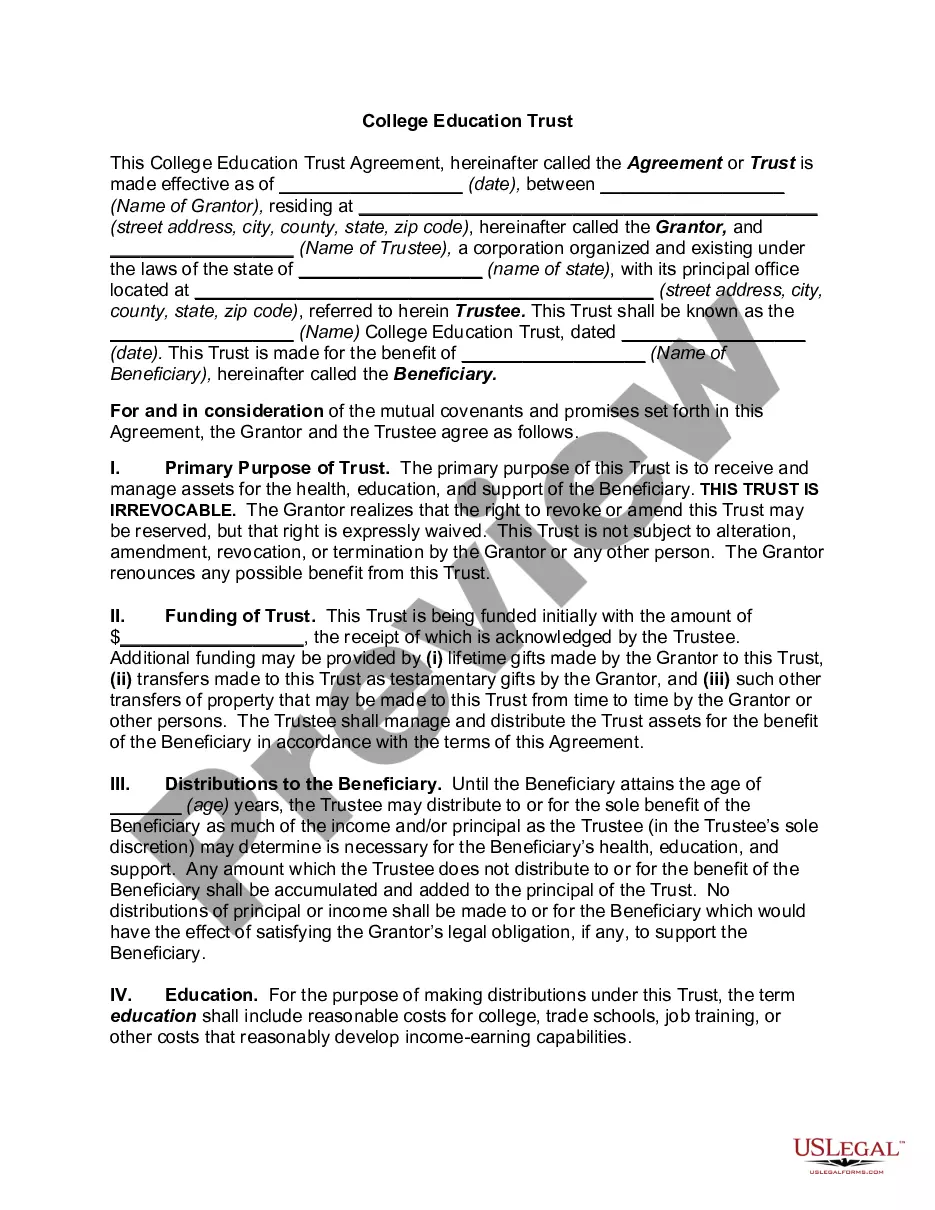
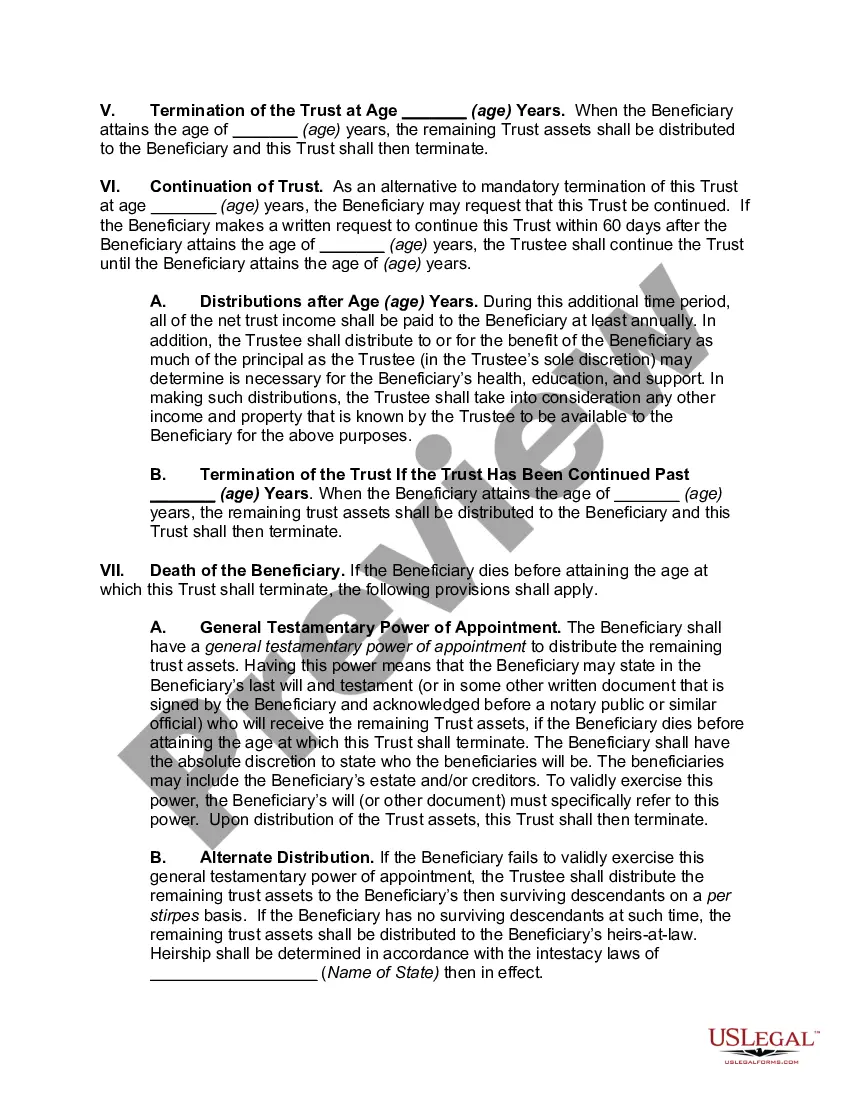
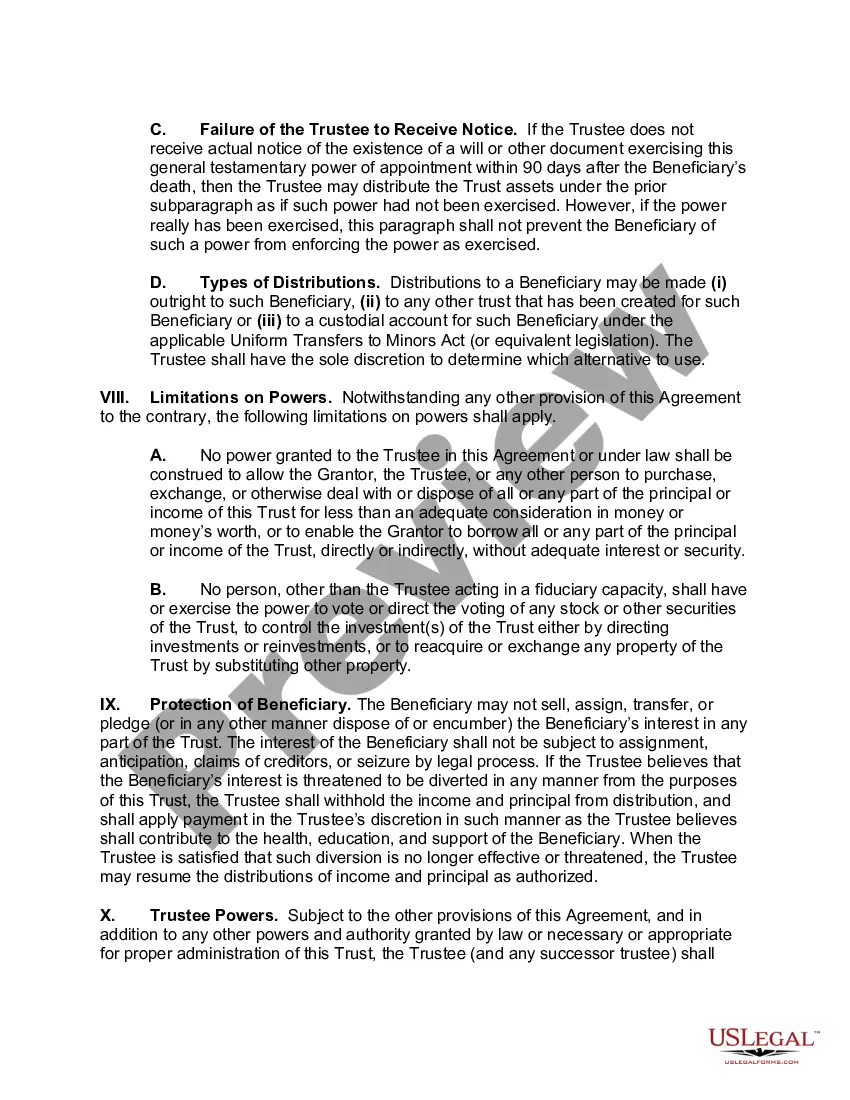
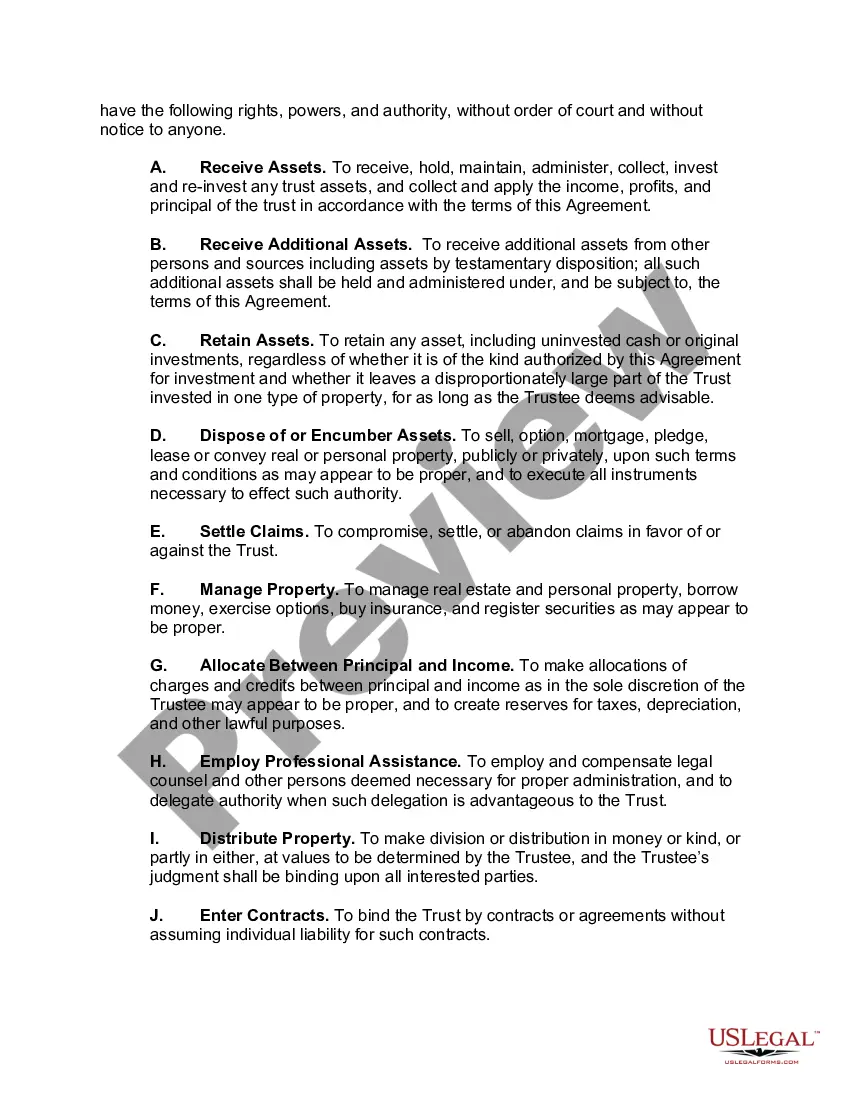
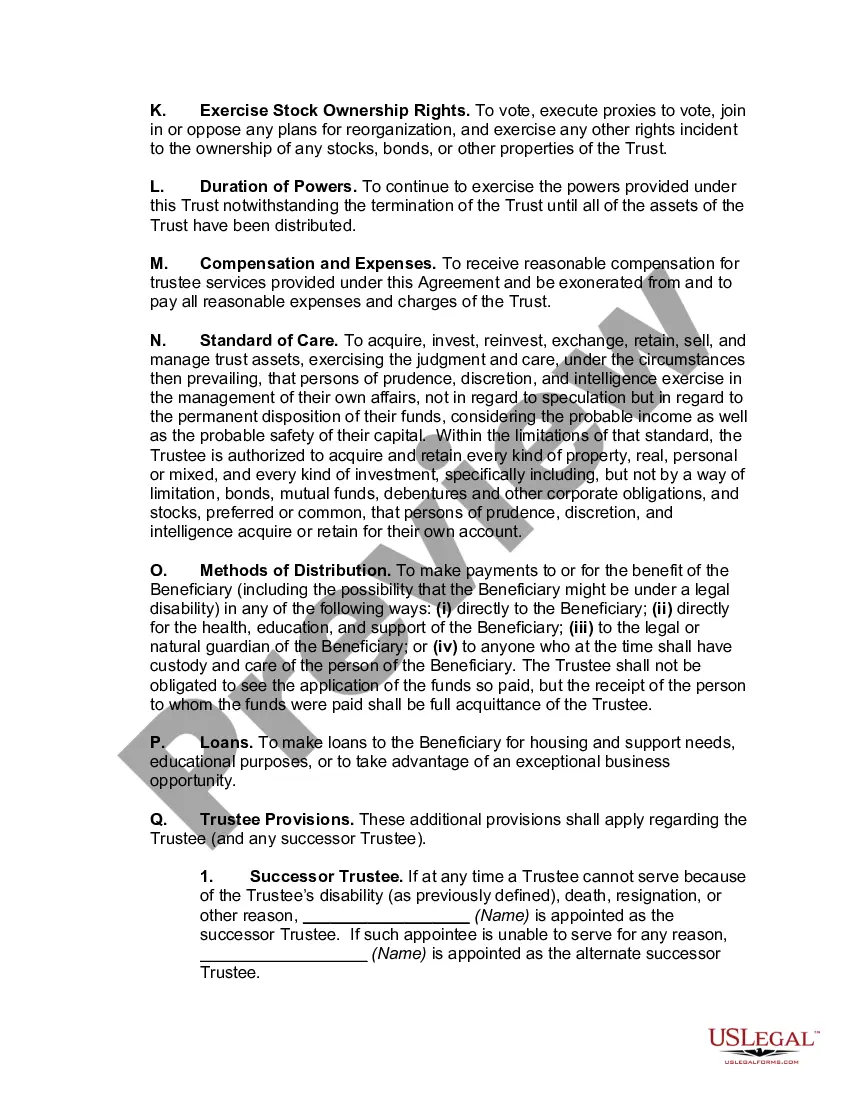
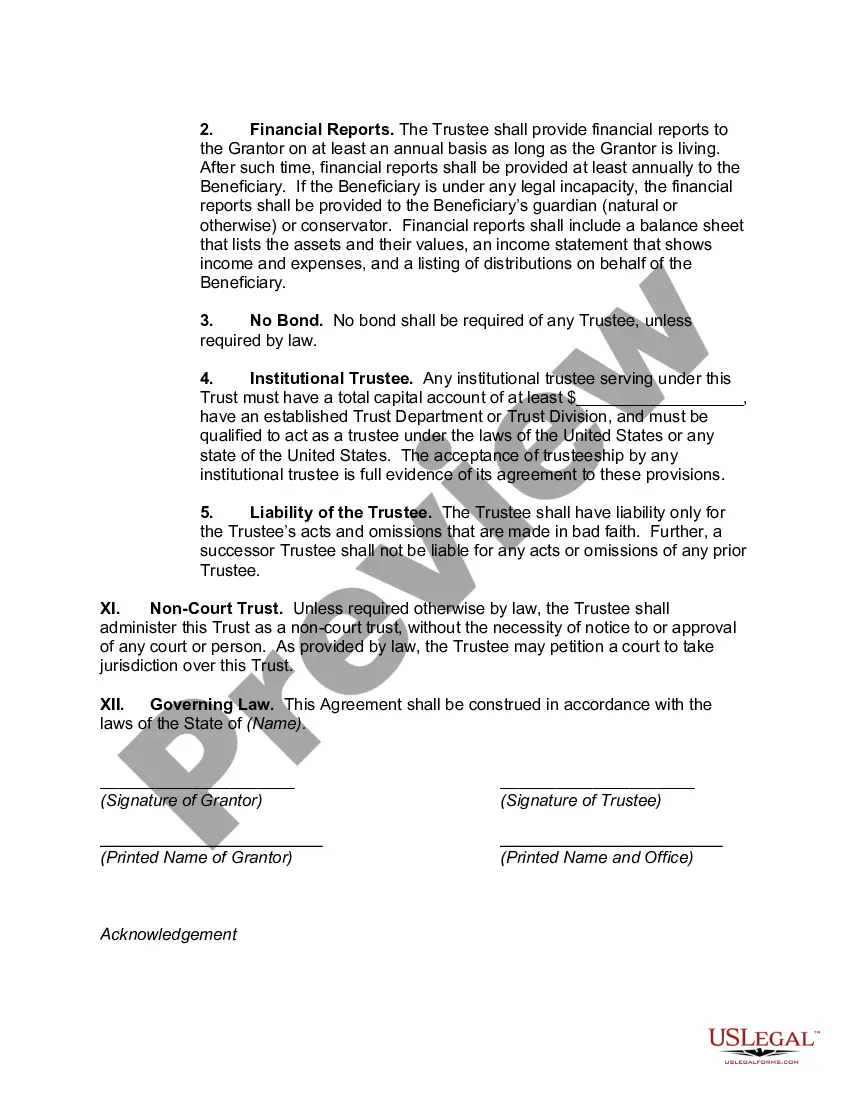
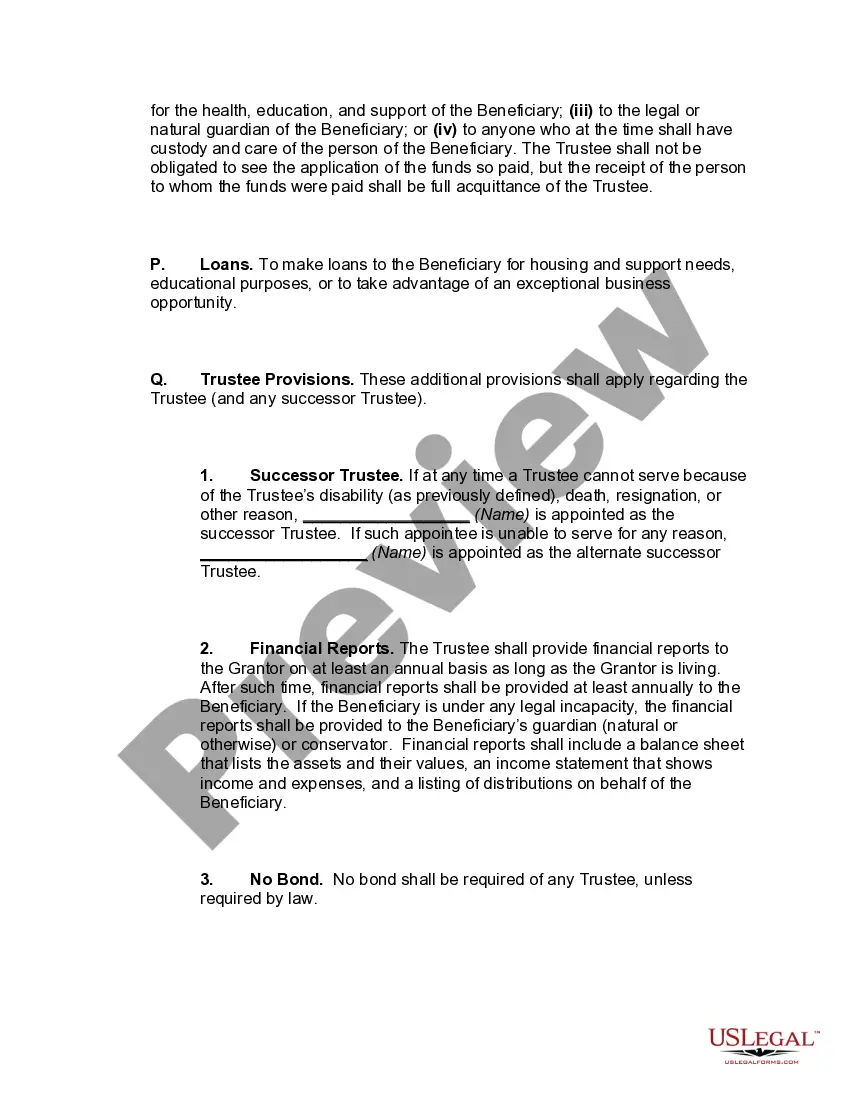
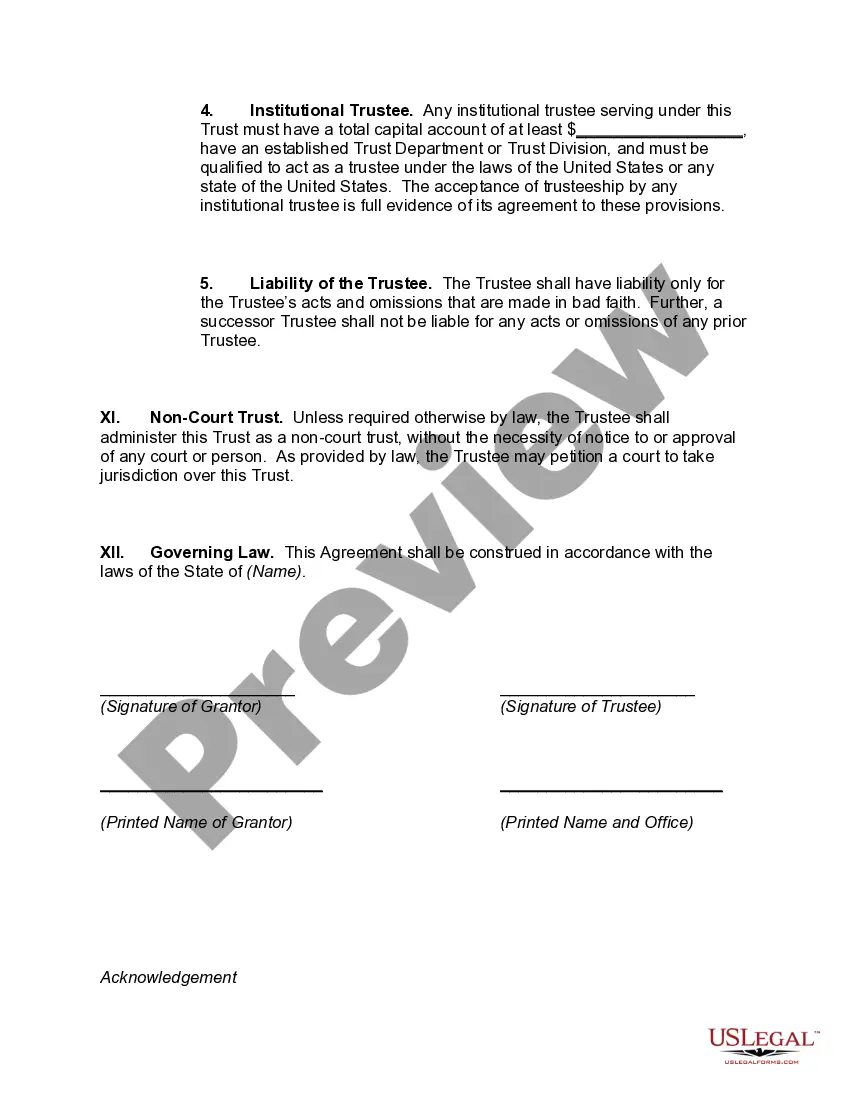

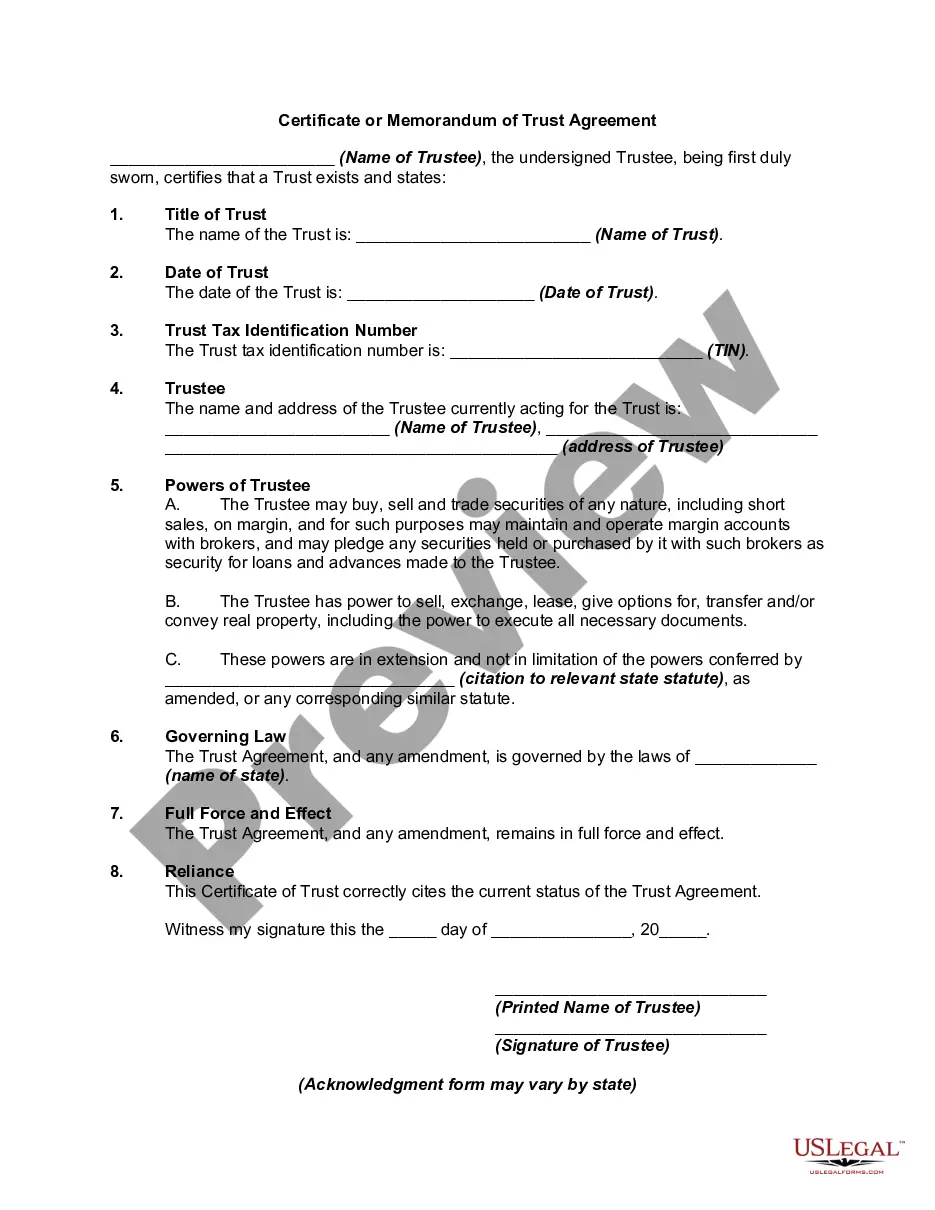
Get your form ready online
Our built-in tools help you complete, sign, share, and store your documents in one place.
Make edits, fill in missing information, and update formatting in US Legal Forms—just like you would in MS Word.
Download a copy, print it, send it by email, or mail it via USPS—whatever works best for your next step.
Sign and collect signatures with our SignNow integration. Send to multiple recipients, set reminders, and more. Go Premium to unlock E-Sign.
If this form requires notarization, complete it online through a secure video call—no need to meet a notary in person or wait for an appointment.
We protect your documents and personal data by following strict security and privacy standards.

Make edits, fill in missing information, and update formatting in US Legal Forms—just like you would in MS Word.

Download a copy, print it, send it by email, or mail it via USPS—whatever works best for your next step.

Sign and collect signatures with our SignNow integration. Send to multiple recipients, set reminders, and more. Go Premium to unlock E-Sign.

If this form requires notarization, complete it online through a secure video call—no need to meet a notary in person or wait for an appointment.

We protect your documents and personal data by following strict security and privacy standards.
Looking for another form?
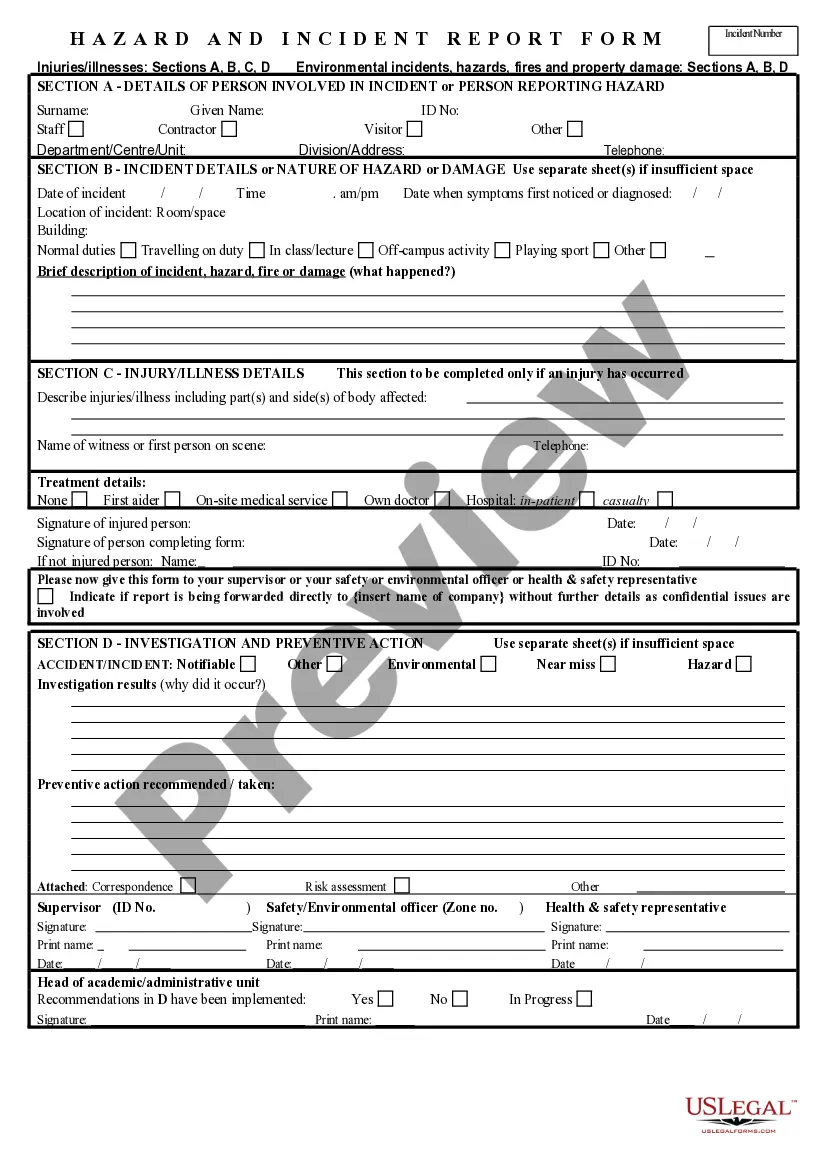







How to fill out College Education Trust Agreement?
Creating legal documents from the ground up can frequently feel somewhat daunting.
Certain situations may entail hours of investigation and substantial financial investment.
If you're seeking a simpler and more cost-effective method of establishing Educational Trust Accounts With Gst or other paperwork without unnecessary complications, US Legal Forms is always available to assist you.
Our online library of over 85,000 current legal forms encompasses nearly every aspect of your financial, legal, and personal matters.
Before proceeding to download Educational Trust Accounts With Gst, adhere to these guidelines: Review the document preview and descriptions to confirm that you are on the correct form. Ensure the selected form complies with your state and county laws. Choose the most suitable subscription option to purchase the Educational Trust Accounts With Gst. Download the document, then complete, validate, and print it. US Legal Forms enjoys a solid reputation and boasts over 25 years of experience. Join us today and make document completion a straightforward and efficient process!
- With just a few clicks, you can swiftly access state- and county-compliant templates meticulously created for you by our legal experts.
- Utilize our service whenever you need a dependable and trustworthy platform to swiftly find and download Educational Trust Accounts With Gst.
- If you're a returning visitor and have previously registered with us, simply Log In to your account, find the form you need, and download it or re-download it anytime via the My documents section.
- Don’t possess an account? No problem. It takes minimal time to sign up and browse the catalog.
Form popularity
FAQ
For a revocable living trust to take effect, it should be funded by transferring certain assets into the trust. Often people fund a living trust with real estate, financial accounts, life insurance, annuity certificates, personal property, business interests, and other assets.
A revocable trust can be changed at any time by the grantor during their lifetime, as long as they are competent. An irrevocable trust usually can't be changed without a court order or the approval of all the trust's beneficiaries. This makes an irrevocable trust less flexible.
An irrevocable trust offers your assets the most protection from creditors and lawsuits. Assets in an irrevocable trust aren't considered personal property. This means they're not included when the IRS values your estate to determine if taxes are owed.
A revocable trust and living trust are separate terms that describe the same thing: a trust in which the terms can be changed at any time. An irrevocable trust describes a trust that cannot be modified after it is created without the beneficiaries' consent.
First, Iowa adopted, effective July 1, 2021, a new chapter to the Iowa Code, chapter 633F called the Iowa Uniform Custodial Trust Act.
Assets that should not be used to fund your living trust include: Qualified retirement accounts ? 401ks, IRAs, 403(b)s, qualified annuities. Health saving accounts (HSAs) Medical saving accounts (MSAs) Uniform Transfers to Minors (UTMAs) Uniform Gifts to Minors (UGMAs) Life insurance. Motor vehicles.
The major disadvantages that are associated with trusts are their perceived irrevocability, the loss of control over assets that are put into trust and their costs. In fact trusts can be made revocable, but this generally has negative consequences in respect of tax, estate duty, asset protection and stamp duty.
Insurance policies. Bank accounts: savings, checking, safe deposit boxes, money markets, certificates of deposit (CDs), mutual funds, and brokerage accounts. Bonds, stocks, and other investments. Real estate property.