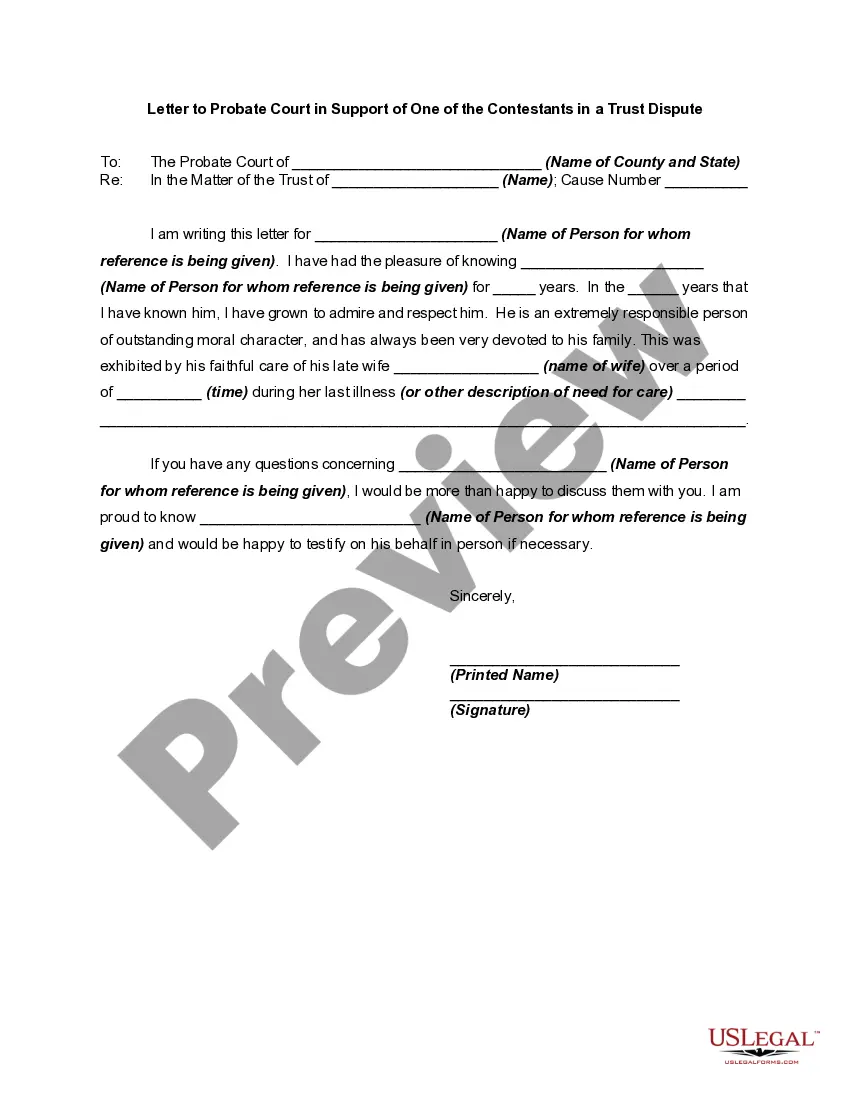
Support With Probate
Description
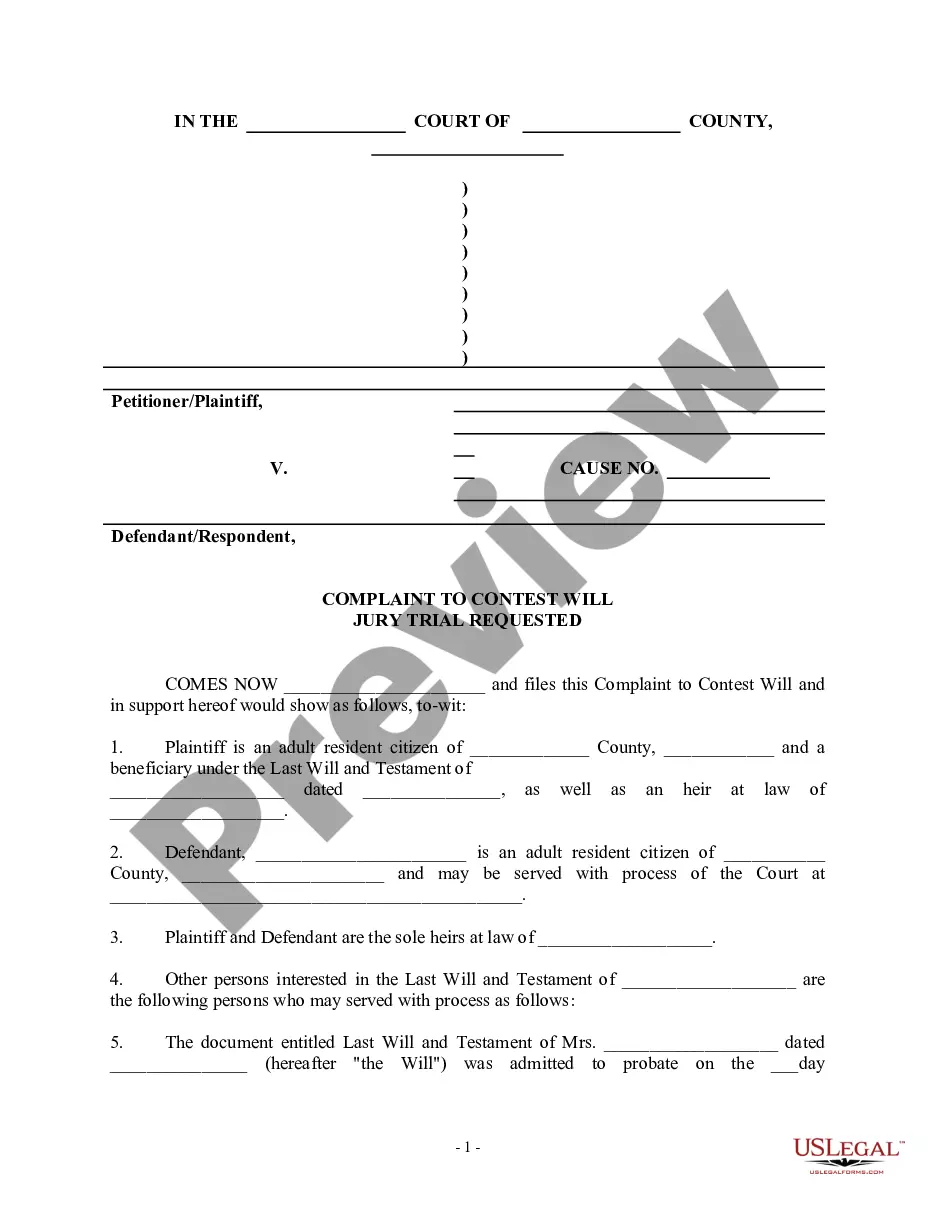
Get your form ready online
Our built-in tools help you complete, sign, share, and store your documents in one place.
Make edits, fill in missing information, and update formatting in US Legal Forms—just like you would in MS Word.
Download a copy, print it, send it by email, or mail it via USPS—whatever works best for your next step.
Sign and collect signatures with our SignNow integration. Send to multiple recipients, set reminders, and more. Go Premium to unlock E-Sign.
If this form requires notarization, complete it online through a secure video call—no need to meet a notary in person or wait for an appointment.
We protect your documents and personal data by following strict security and privacy standards.

Make edits, fill in missing information, and update formatting in US Legal Forms—just like you would in MS Word.

Download a copy, print it, send it by email, or mail it via USPS—whatever works best for your next step.

Sign and collect signatures with our SignNow integration. Send to multiple recipients, set reminders, and more. Go Premium to unlock E-Sign.

If this form requires notarization, complete it online through a secure video call—no need to meet a notary in person or wait for an appointment.

We protect your documents and personal data by following strict security and privacy standards.
Looking for another form?
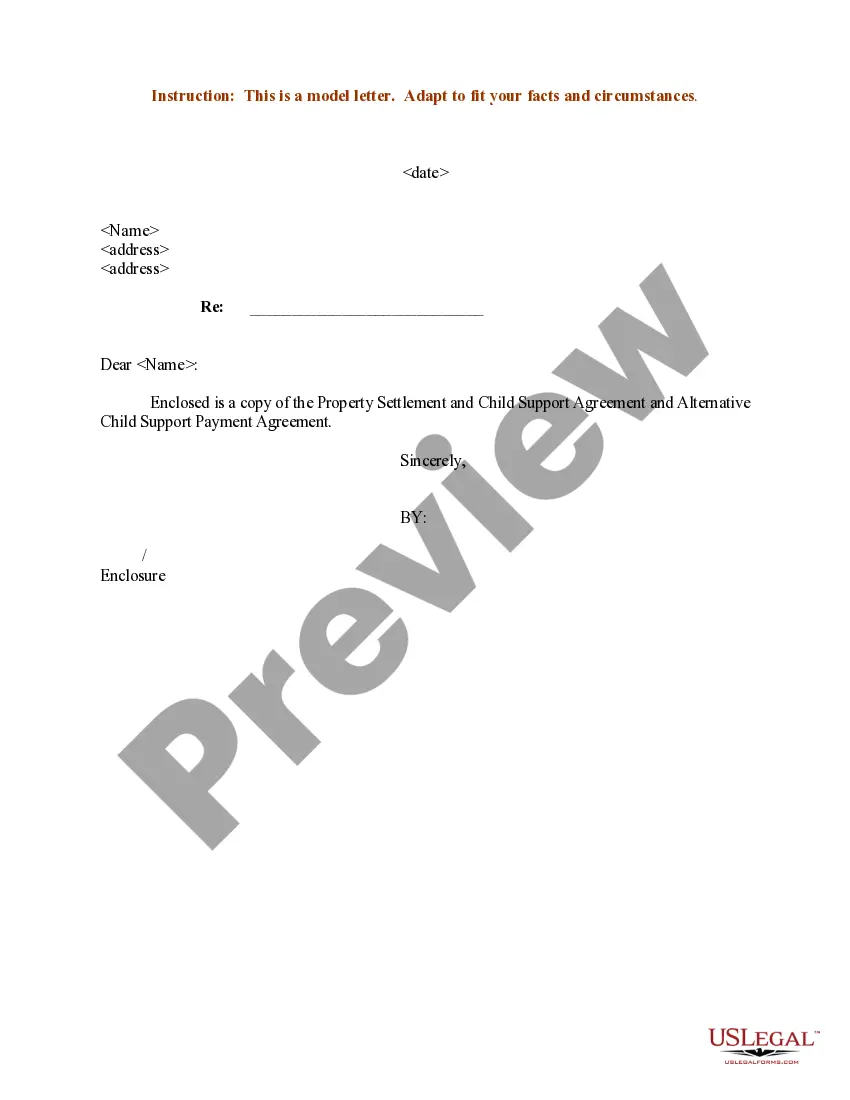
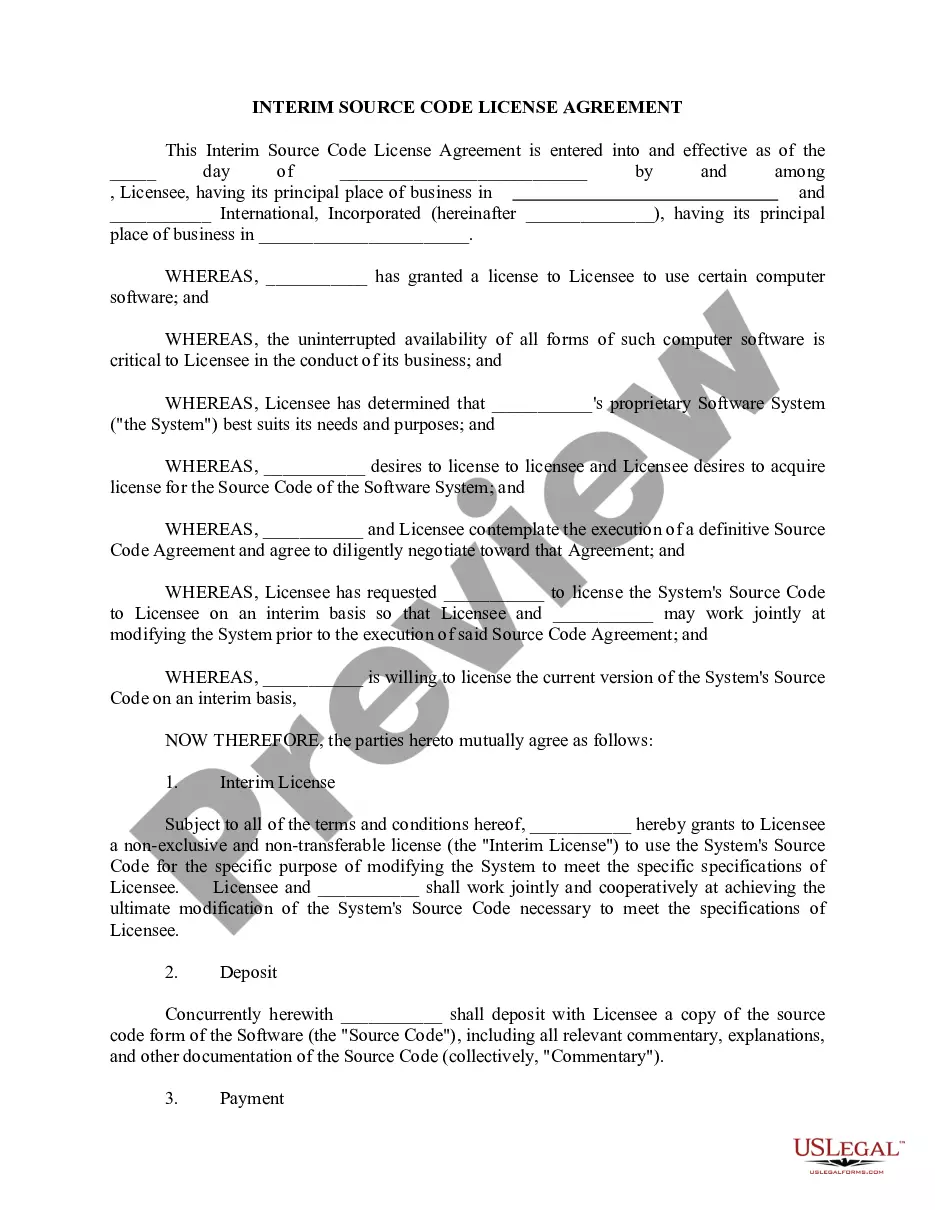


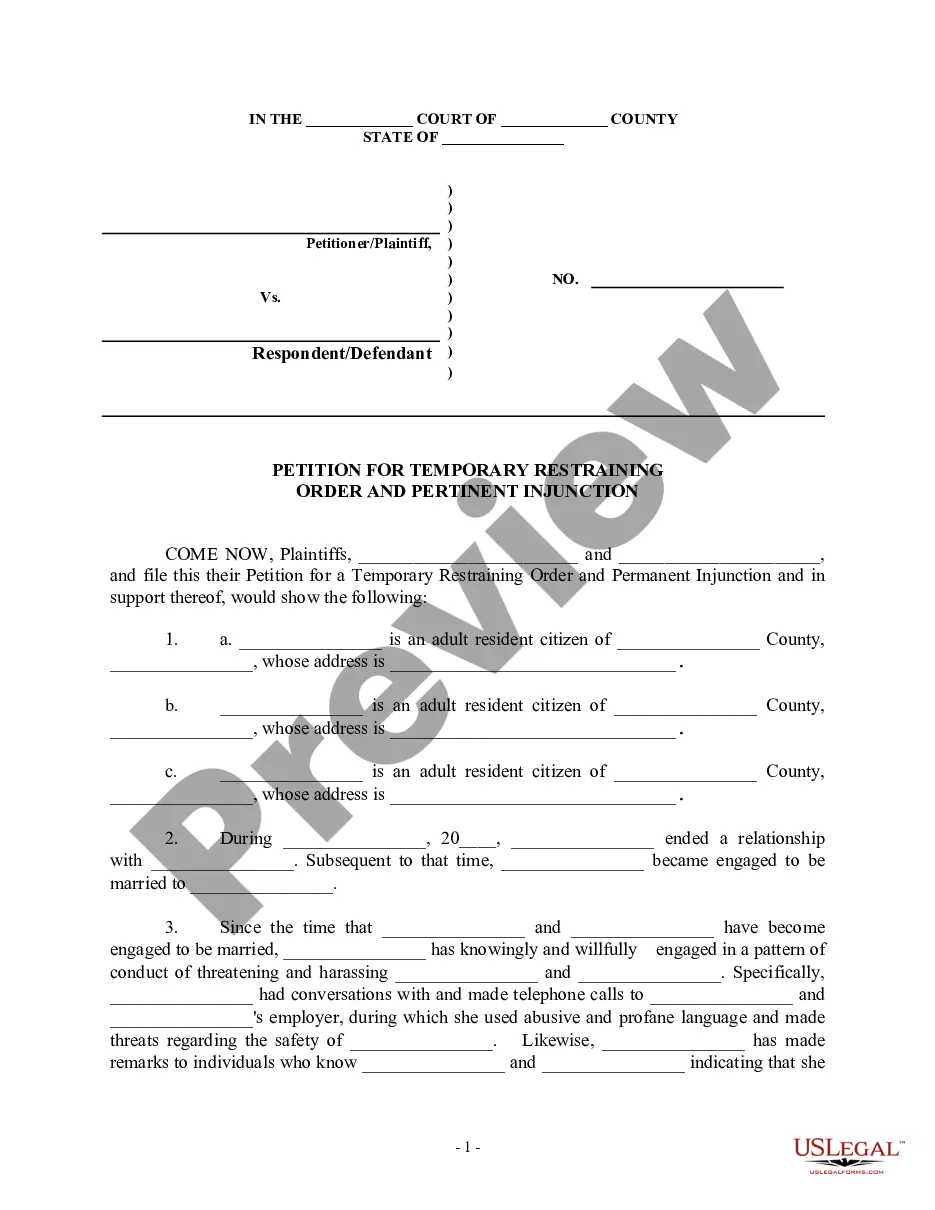
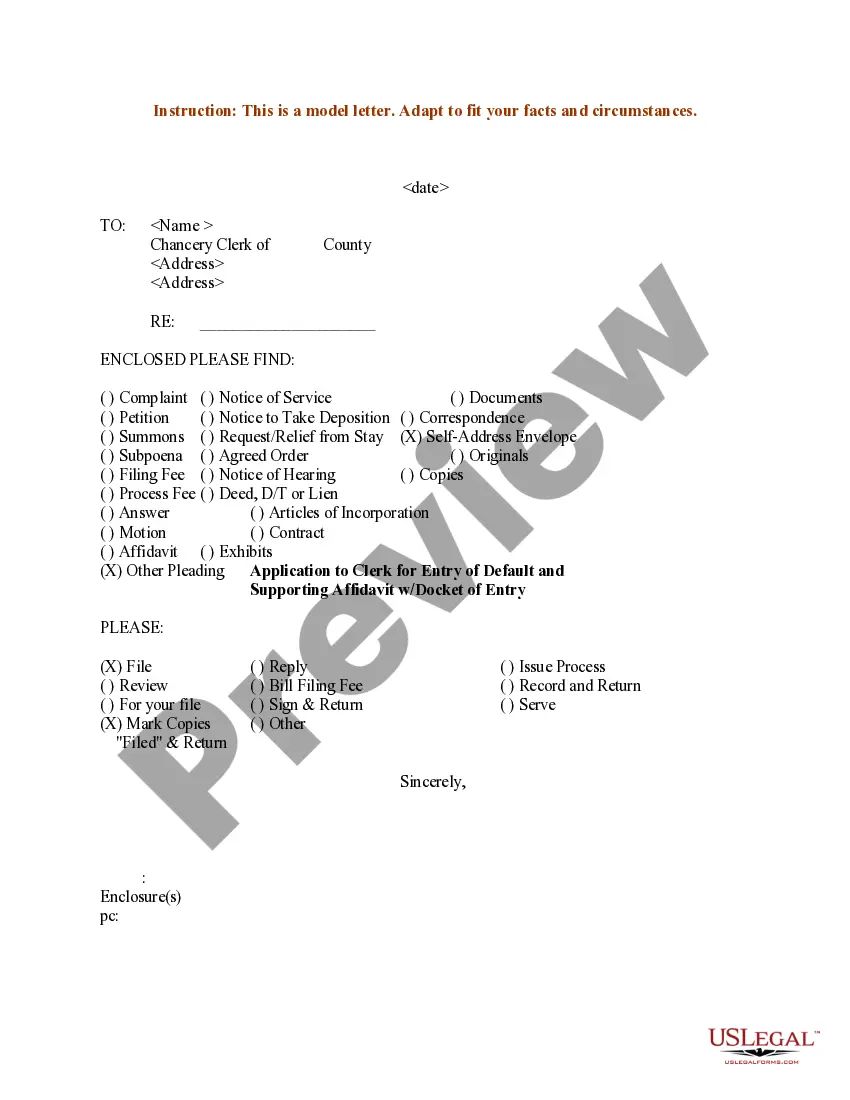
How to fill out Letter To Probate Court In Support Of One Of The Contestants In A Trust Dispute?
It’s well-known that one cannot instantly become a legal expert, nor can one learn to efficiently prepare Support With Probate without a specific skill set.
The creation of legal documents is a lengthy task that necessitates certain training and expertise. Therefore, why not entrust the development of the Support With Probate to the professionals.
With US Legal Forms, featuring one of the largest collections of legal templates, you can find everything from court documents to templates for internal business communication. We recognize the significance of compliance and adherence to both federal and state laws and regulations. Hence, on our platform, all forms are tailored to specific locations and are current.
Select Buy now. Once the payment is completed, you can obtain the Support With Probate, fill it out, print it, and send or mail it to the relevant recipients or institutions.
You can access your documents again from the My documents tab anytime. If you’re an existing client, simply Log In, and find and download the template from the same tab. Regardless of why you need your paperwork—whether for financial, legal, or personal reasons—our website has you covered. Experience US Legal Forms today!
- Begin with our website and obtain the document you need in just a few moments.
- Locate the document you are looking for using the search bar at the top of the page.
- View it (if this option is available) and review the accompanying description to ascertain if Support With Probate is what you need.
- If you require a different form, restart your search.
- Create a free account and select a subscription plan to acquire the form.
Form popularity
FAQ
What should you include in a probate letter? Include your details, deceased's information, an outline of the probate process, information about the estate, and details about its distribution. Also, provide your contact information for any further queries.
First, you'll submit the will to the deceased's county court and file a petition (or request) for probate. You'll need to do this within four years of their death. Post a public notice. The county clerk will then post a public notice announcing the petition.
If accounts have not been passed after two years, a beneficiary can again apply to the court to require passing of the executor's accounts. The executor will need to explain why the estate has not yet been settled.
All assets held in a designated beneficiary account do not require to be probated. Most common designated beneficiary assets accounts are life insurance, registered saving plans such as RRSPs, RRIFs, TFSAs, and employer pension plan. They are also referred as 'Transfer on Death' or 'Pay on Death' assets.
Form P10: Affidavit of Assets and Liabilities for Domiciled Estate. The value of all property of the deceased, along with the liabilities that charge or encumber that property, must be disclosed on this form. The registries will no longer accept ?To be Determined? as an asset value.