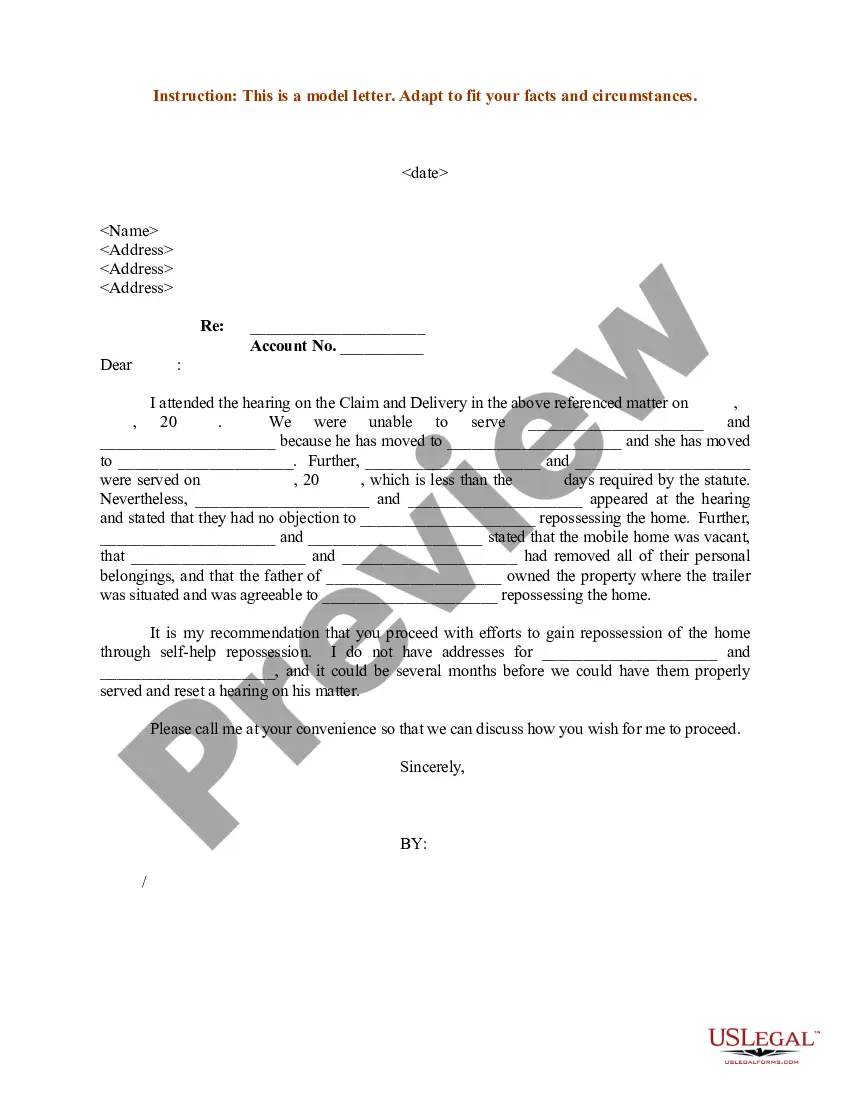
Service Process Legal Without A Lawyer
Description
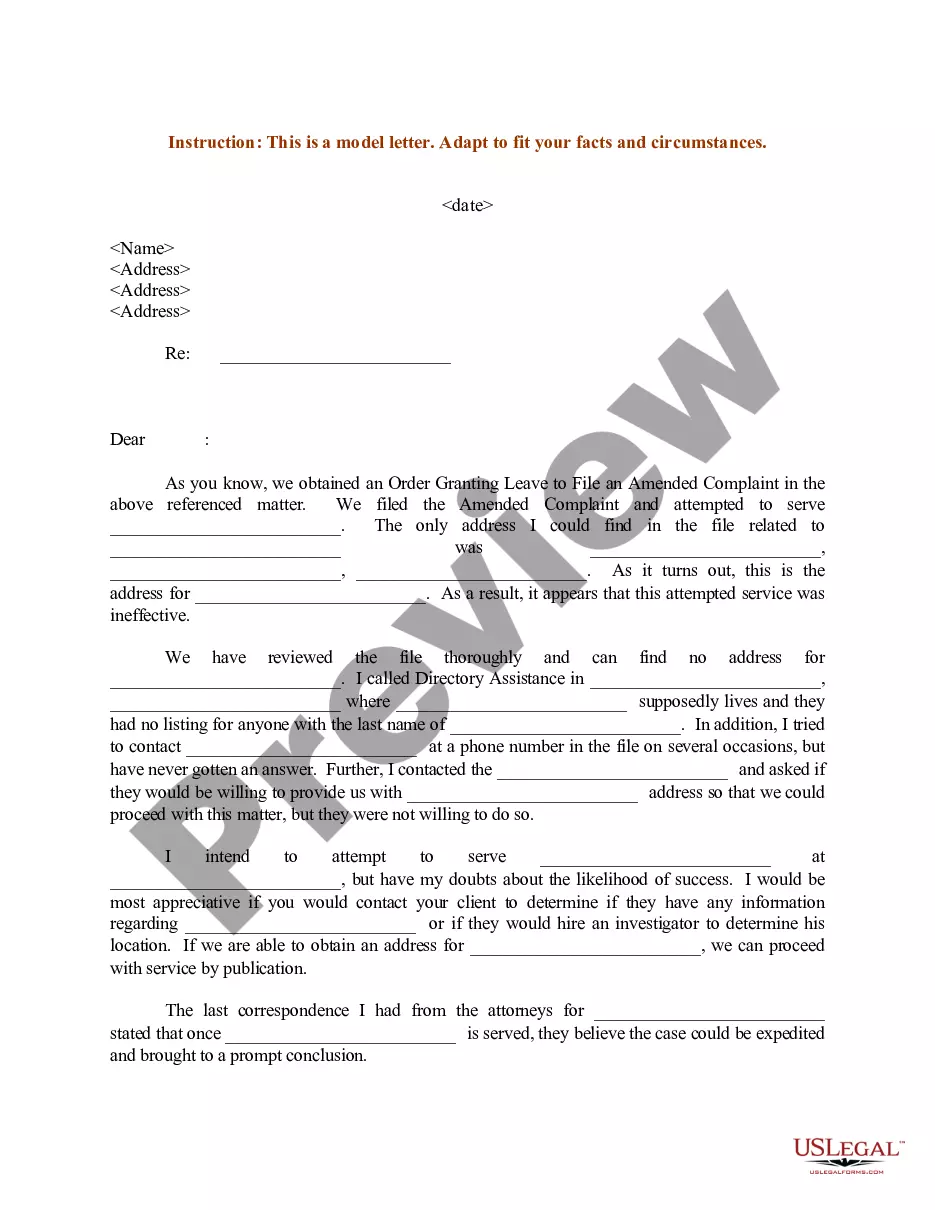
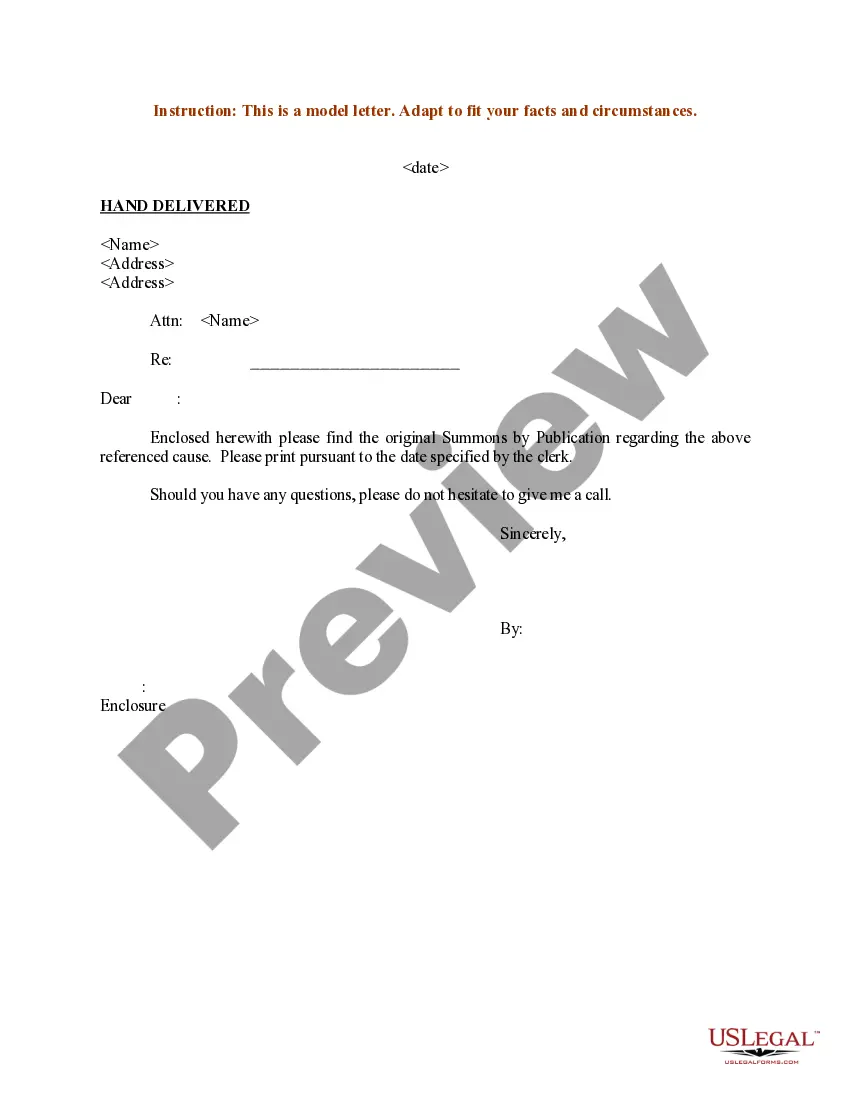
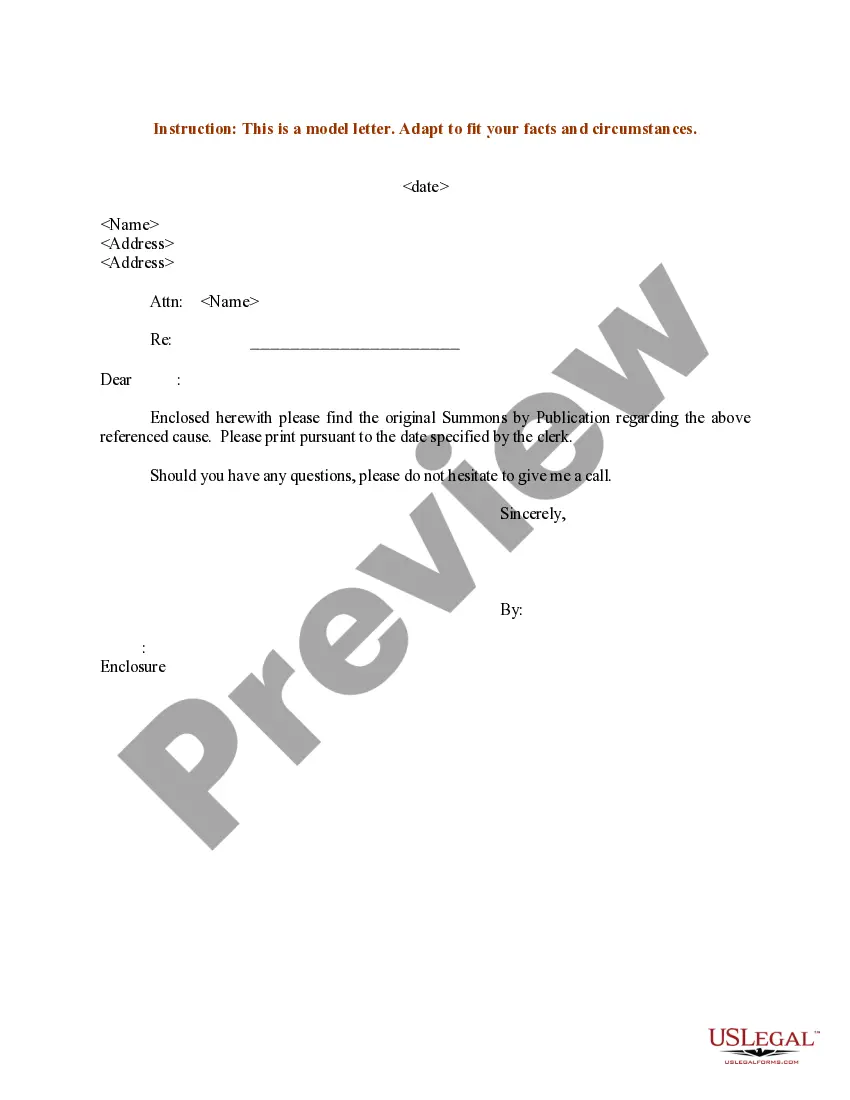
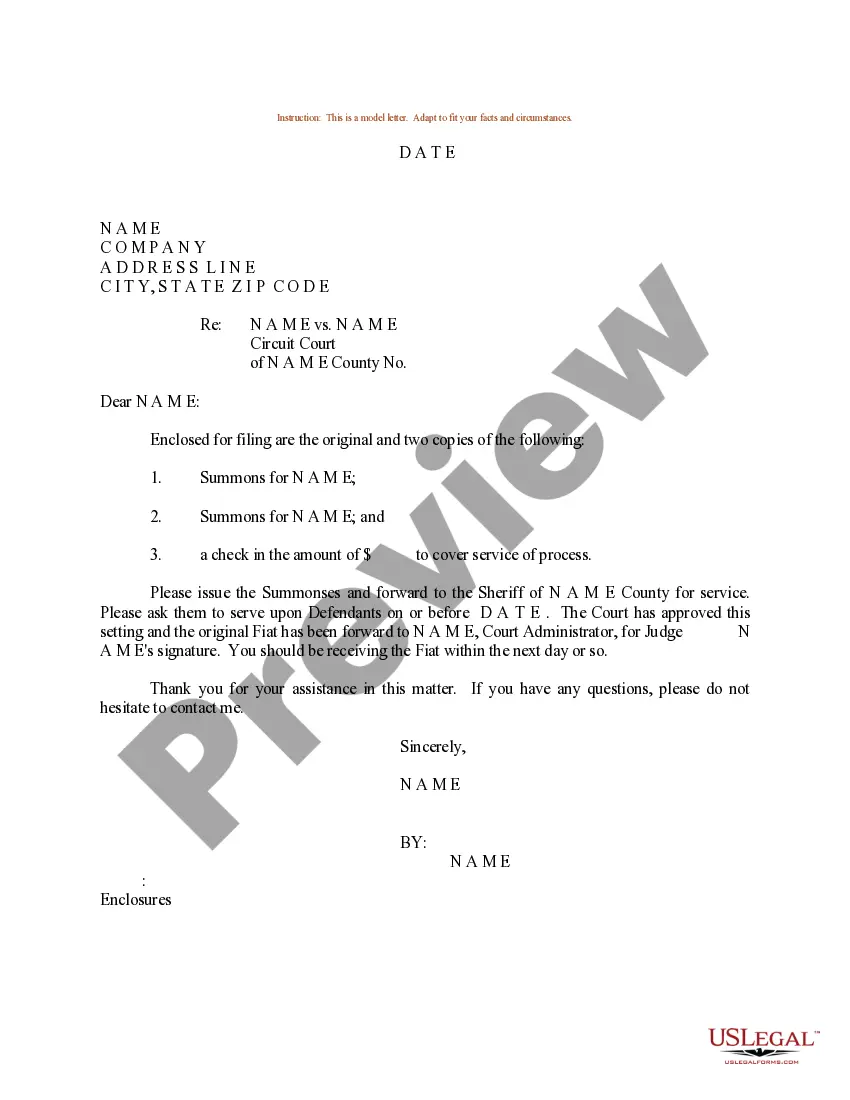
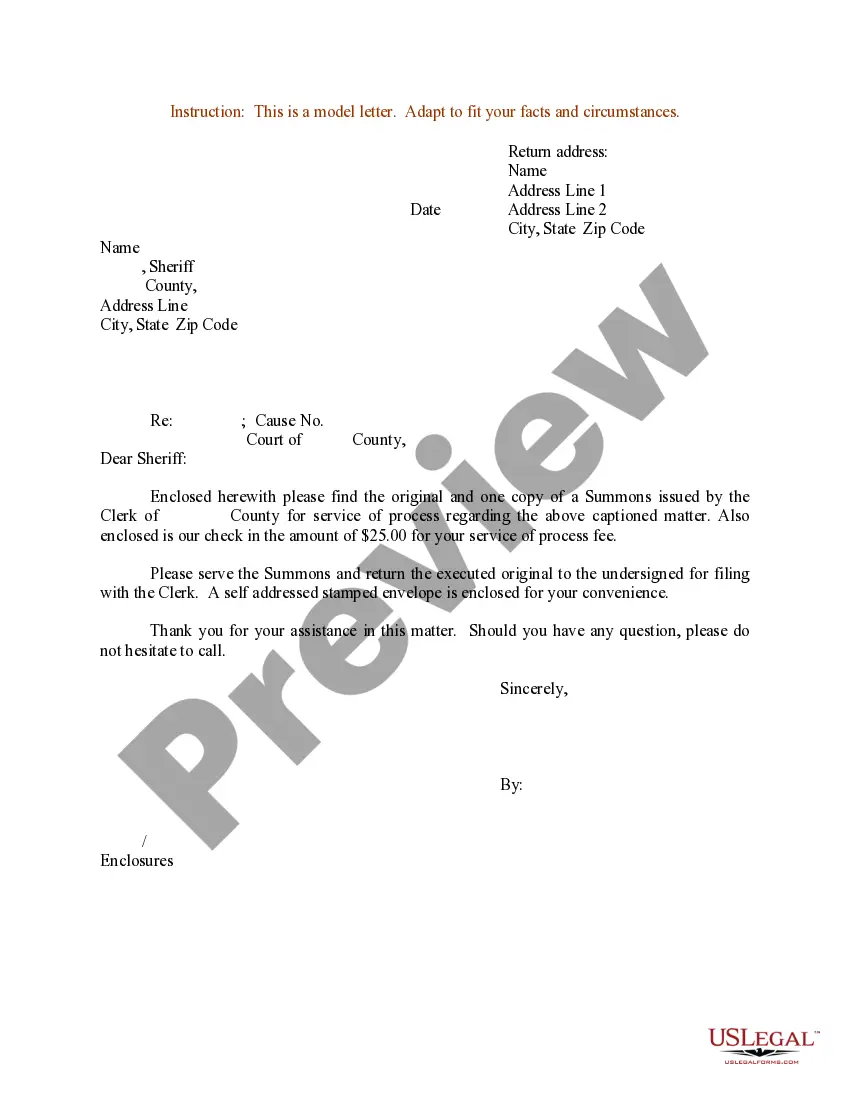
Get your form ready online
Our built-in tools help you complete, sign, share, and store your documents in one place.
Make edits, fill in missing information, and update formatting in US Legal Forms—just like you would in MS Word.
Download a copy, print it, send it by email, or mail it via USPS—whatever works best for your next step.
Sign and collect signatures with our SignNow integration. Send to multiple recipients, set reminders, and more. Go Premium to unlock E-Sign.
If this form requires notarization, complete it online through a secure video call—no need to meet a notary in person or wait for an appointment.
We protect your documents and personal data by following strict security and privacy standards.

Make edits, fill in missing information, and update formatting in US Legal Forms—just like you would in MS Word.

Download a copy, print it, send it by email, or mail it via USPS—whatever works best for your next step.

Sign and collect signatures with our SignNow integration. Send to multiple recipients, set reminders, and more. Go Premium to unlock E-Sign.

If this form requires notarization, complete it online through a secure video call—no need to meet a notary in person or wait for an appointment.

We protect your documents and personal data by following strict security and privacy standards.
Looking for another form?




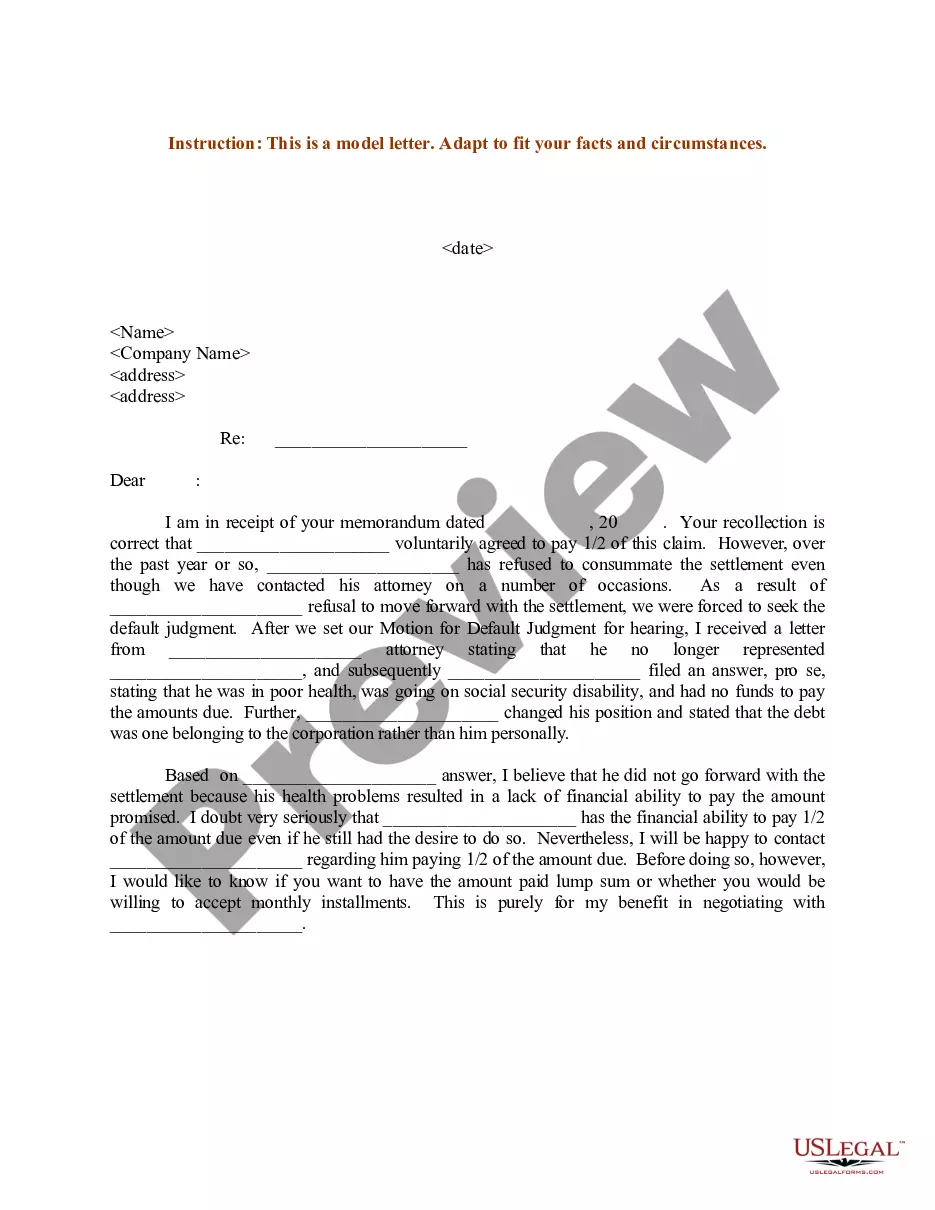


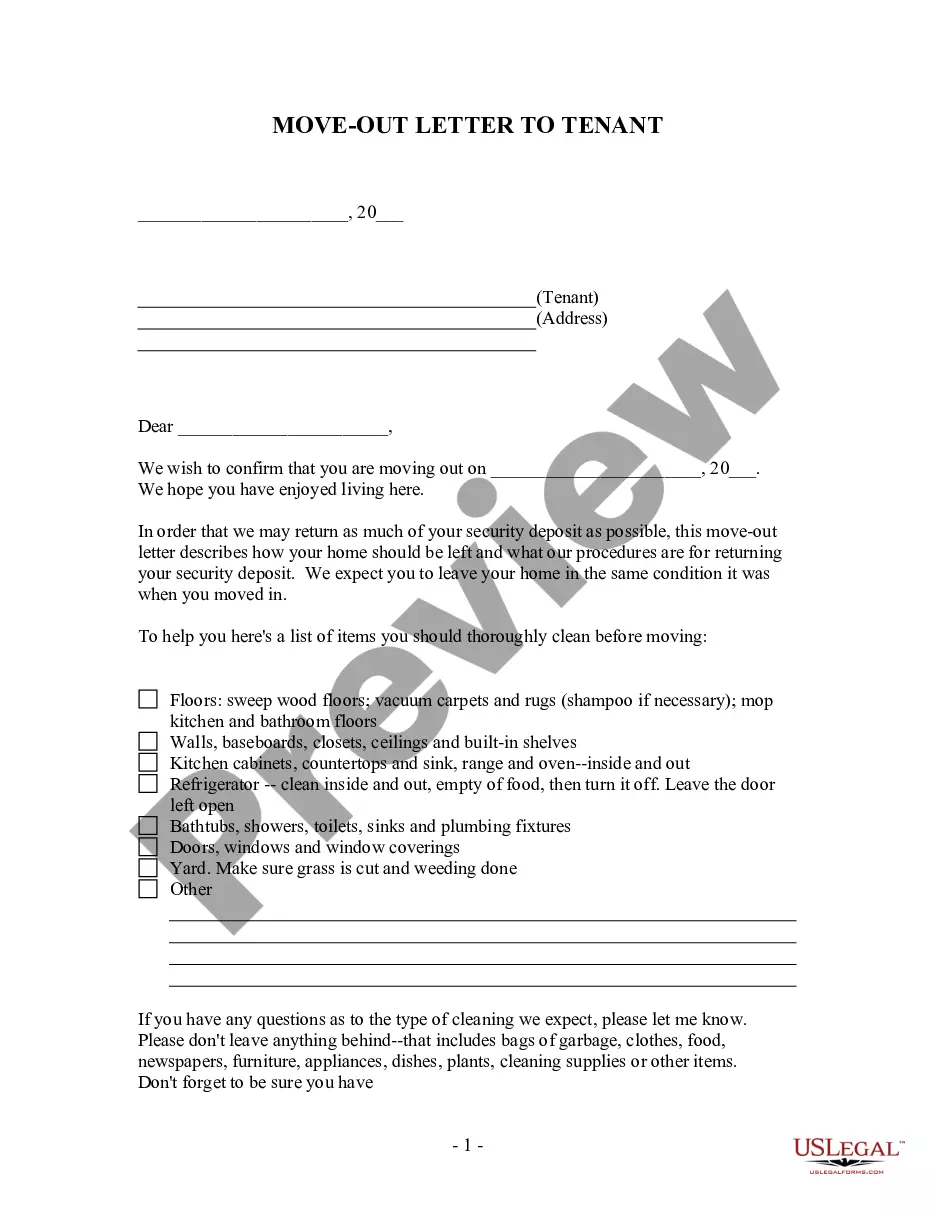

How to fill out Sample Letter For Service Of Process On Defendants?
Dealing with legal documents and processes can be a lengthy addition to your day.
Service Process Legal Without A Lawyer and similar forms usually require you to search for them and navigate how to fill them out efficiently.
Therefore, whether you are managing financial, legal, or personal issues, having a comprehensive and user-friendly online library of forms available when you need them will be greatly beneficial.
US Legal Forms is the top online platform for legal templates, showcasing over 85,000 state-specific forms along with various tools to assist you in completing your documents seamlessly.
Is this your first time using US Legal Forms? Register and create your account in a few minutes to gain access to the form library and Service Process Legal Without A Lawyer. Then, follow these steps to complete your form.
- Browse the collection of applicable documents accessible to you with a simple click.
- US Legal Forms provides you with state- and county-specific forms available for download at any time.
- Protect your document management processes by using a reliable service that allows you to create any form in minutes without additional or hidden fees.
- Just Log In to your account, find Service Process Legal Without A Lawyer, and obtain it immediately from the My documents tab.
- You can also retrieve previously saved forms.
Form popularity
FAQ
A person serving papers must be 18 years of age or older and must not be a party to the case (CPLR 2103[a]). Papers may be served by a process server, friend or relative of a party so long as he or she is not a party to the case.
Service of process is the method by which documents are delivered to other parties in the lawsuit as well as to the court. It occurs at the commencement of a lawsuit, when the plaintiff, or the party bringing the lawsuit, serves the complaint and summons on the defendant.
In most cases, three attempts will be made, and at different times of the day and on different days. If the process server fails to serve the documents after all attempts are made, the applicant can go to the court and ask permission to deliver the documents by a substitute or alternative service method.
Timeline of How to File a Lawsuit Step 1: File a Complaint. Plaintiff files a complaint and summons with the local county court. ... Step 2: Answer Complaint. ... Step 3: Discovery. ... Step 4: Failing to Respond to Discovery. ... Step 5: Conclusion of Lawsuit.
Service of process is the method by which documents are delivered to other parties in the lawsuit as well as to the court. It occurs at the commencement of a lawsuit, when the plaintiff, or the party bringing the lawsuit, serves the complaint and summons on the defendant.