Notice Hearing Property Foreclosure
Description
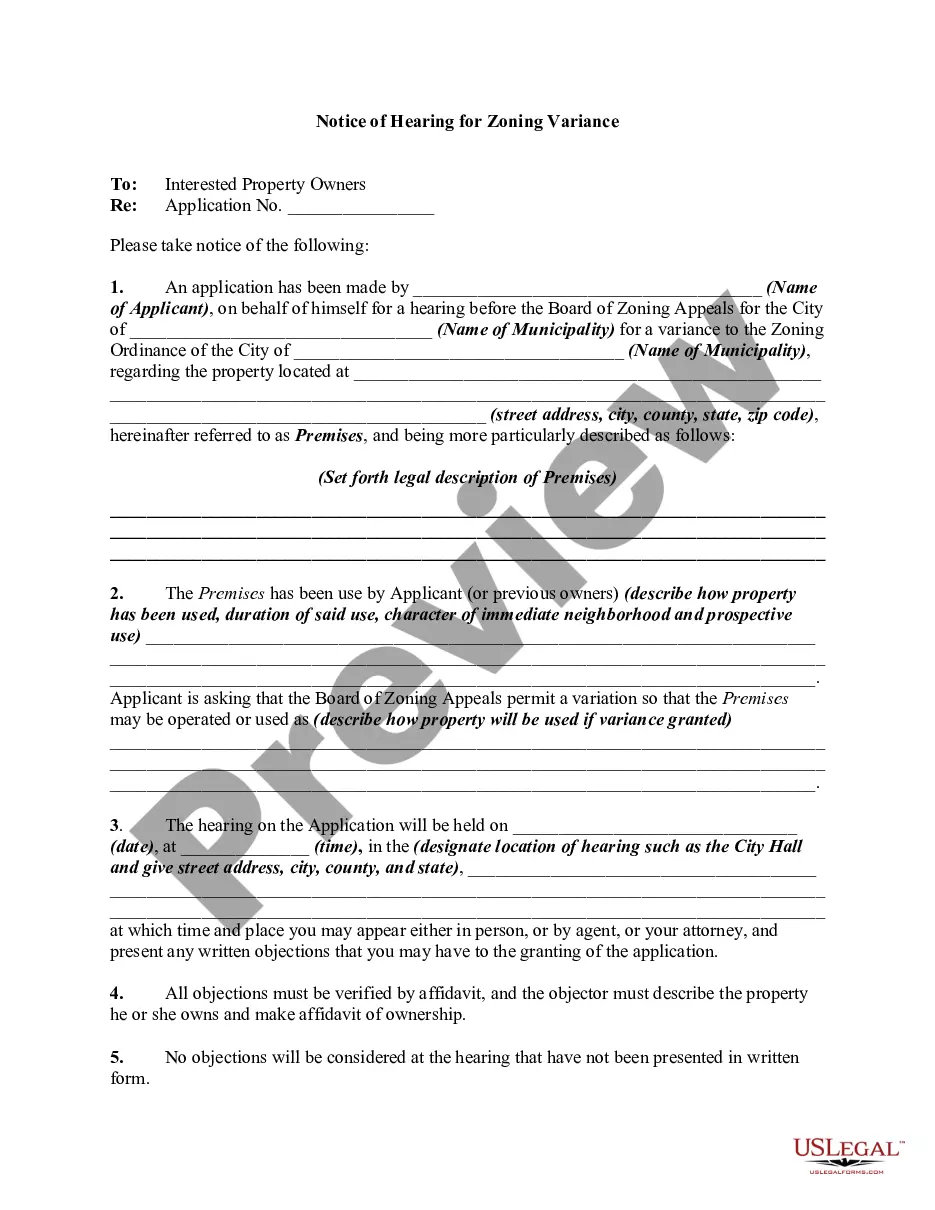
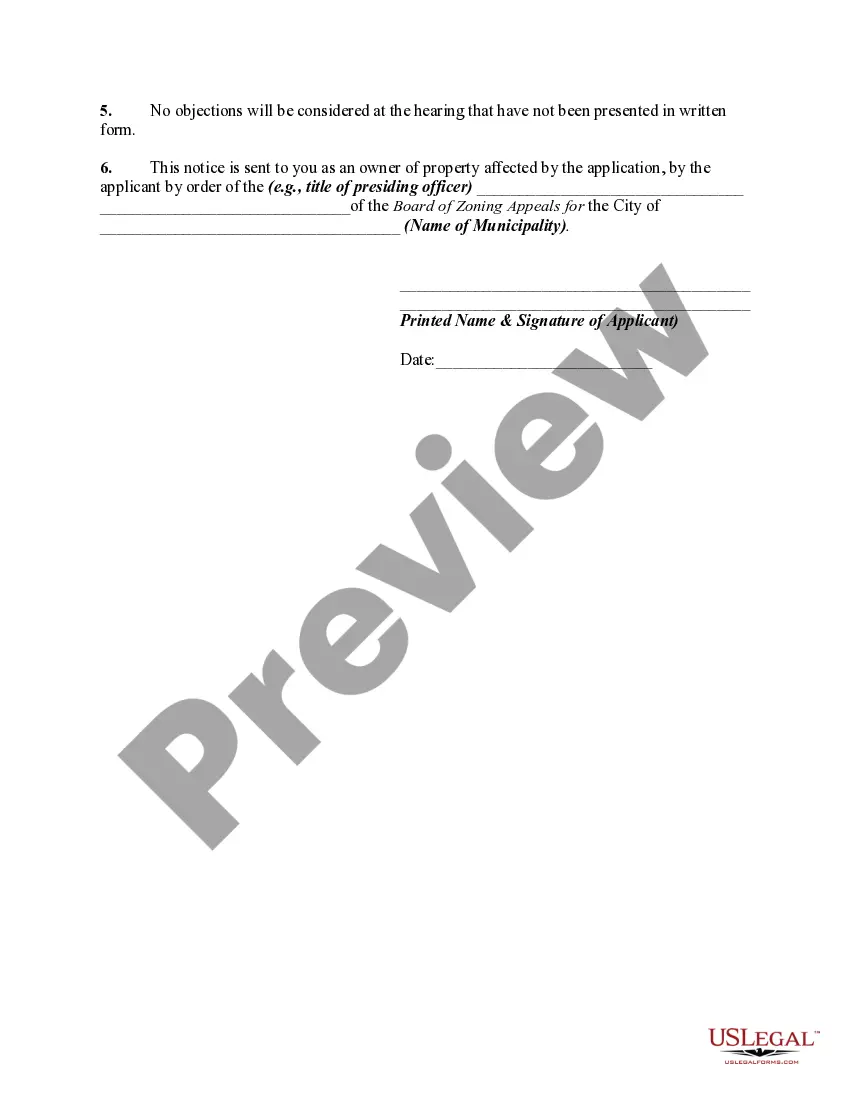
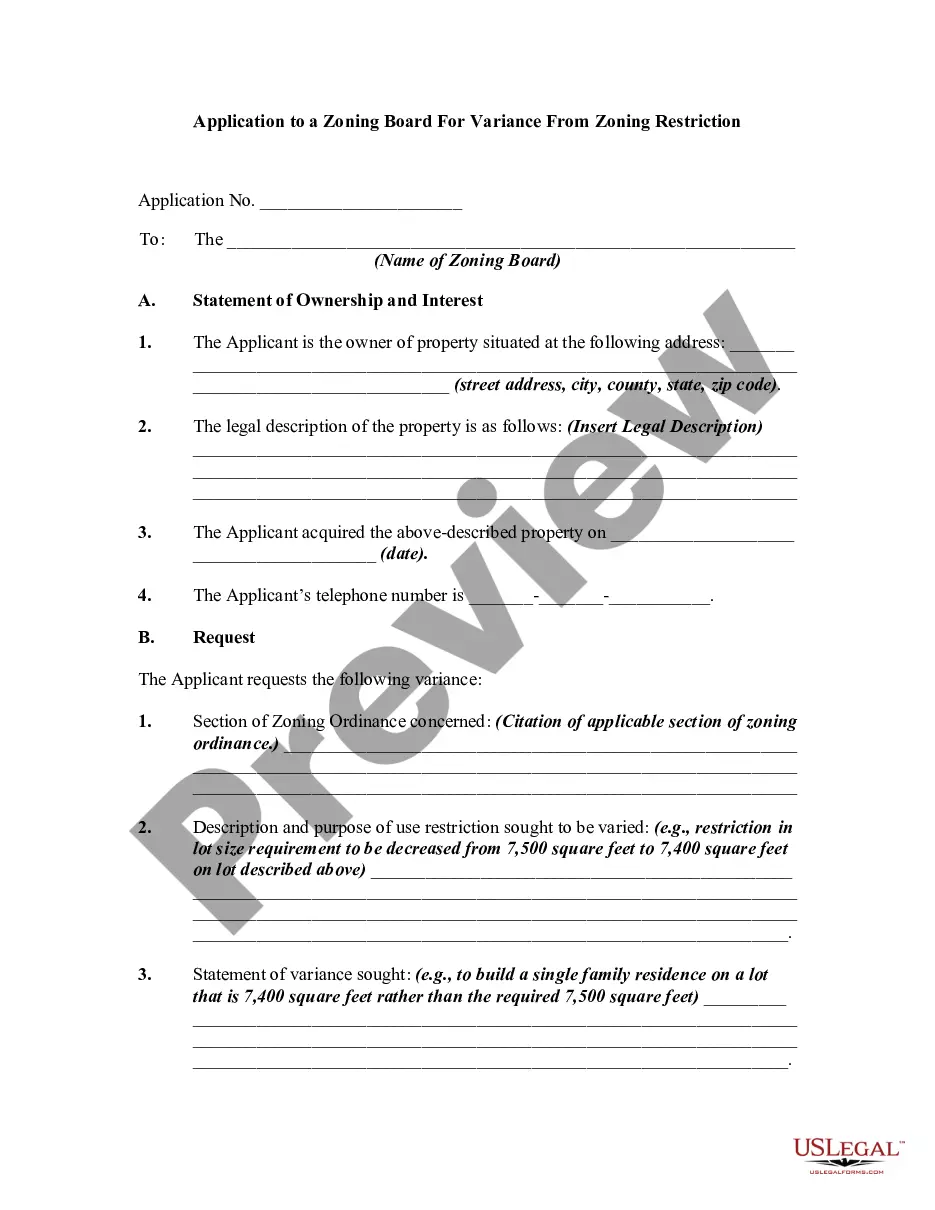
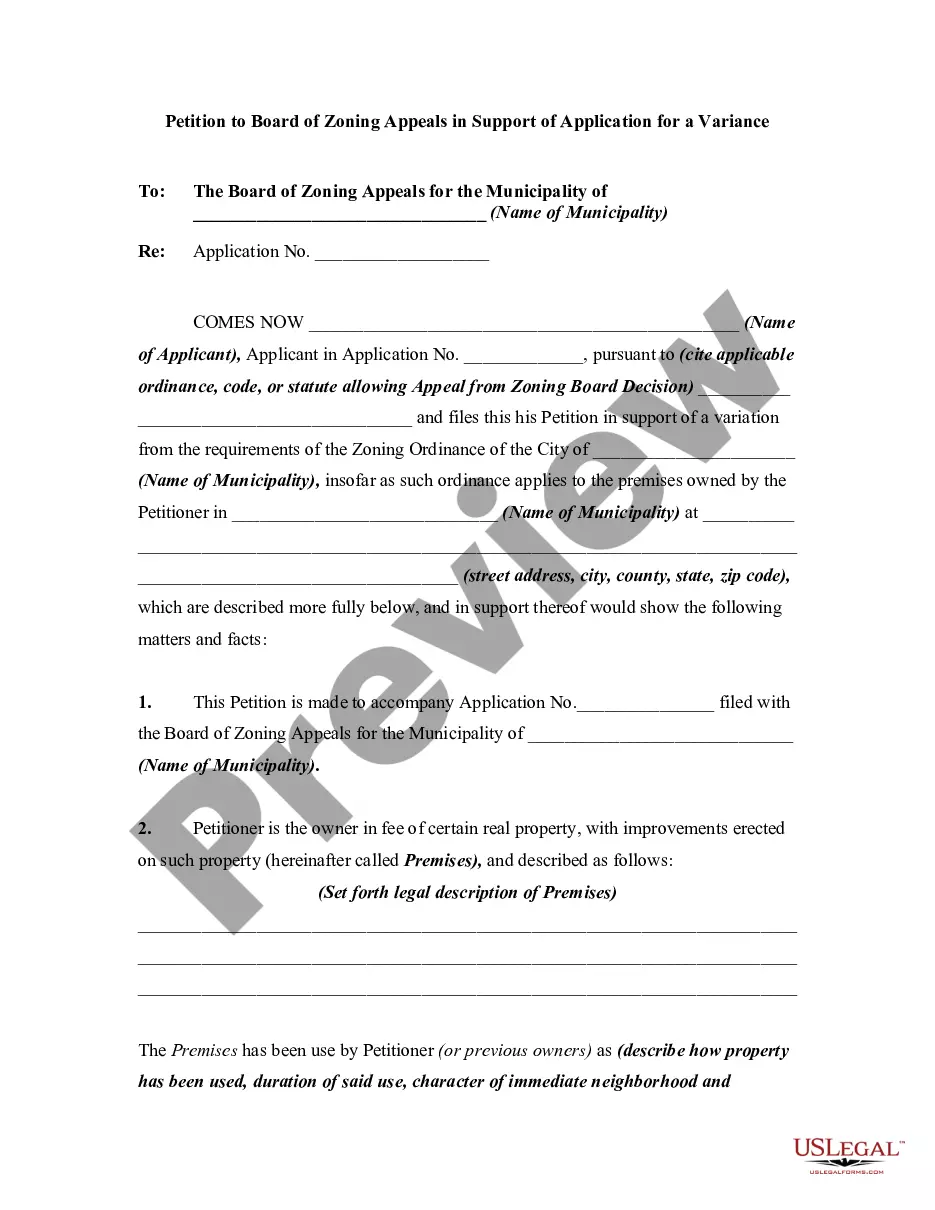
Get your form ready online
Our built-in tools help you complete, sign, share, and store your documents in one place.
Make edits, fill in missing information, and update formatting in US Legal Forms—just like you would in MS Word.
Download a copy, print it, send it by email, or mail it via USPS—whatever works best for your next step.
Sign and collect signatures with our SignNow integration. Send to multiple recipients, set reminders, and more. Go Premium to unlock E-Sign.
If this form requires notarization, complete it online through a secure video call—no need to meet a notary in person or wait for an appointment.
We protect your documents and personal data by following strict security and privacy standards.

Make edits, fill in missing information, and update formatting in US Legal Forms—just like you would in MS Word.

Download a copy, print it, send it by email, or mail it via USPS—whatever works best for your next step.

Sign and collect signatures with our SignNow integration. Send to multiple recipients, set reminders, and more. Go Premium to unlock E-Sign.

If this form requires notarization, complete it online through a secure video call—no need to meet a notary in person or wait for an appointment.

We protect your documents and personal data by following strict security and privacy standards.
Looking for another form?





How to fill out Notice Of Hearing For Variance Before Board Of Zoning Appeals - Notice To Be Sent By Applicant To Interested Property Owners?
- If you're an existing user, log in to your account and verify your subscription status before downloading the required form.
- For first-time users, start by browsing through the extensive online library, ensuring you review the form preview and description to meet your local jurisdiction needs.
- If necessary, use the search function to locate any alternative templates that may better suit your requirements.
- Once you've found the right document, proceed to purchase it by clicking the Buy Now button and selecting your preferred subscription plan.
- Enter your payment information, whether via credit card or PayPal, and finalize your purchase.
- Download the completed form to your device. You can access it anytime through the My Forms section of your account.
By following these straightforward steps, you’ll have access to high-quality legal documents tailored to your specific needs. US Legal Forms empowers individuals and attorneys alike by providing an extensive library, ensuring you’re never short of resources.
Start your journey today by visiting US Legal Forms and simplifying your legal documentation process!
Form popularity
FAQ
Yes, a notice of default is considered public record, and anyone can access this information. This means that individuals and potential buyers may view the status of a property in foreclosure. If you're facing a notice hearing property foreclosure, be aware that this information could affect your financial future, making it essential to seek support and advice to address the situation promptly.
The notice of intent to foreclosure informs borrowers that the lender plans to initiate foreclosure due to missed payments. This notice serves as a warning and provides details of the defaulted status. Recognizing this notification is crucial for homeowners who wish to avoid foreclosure, as it signals the need for immediate action, such as consulting with services like UsLegalForms to seek resolutions.
A notice of intention to foreclose is a document sent by the lender to the borrower, signaling the lender's intent to pursue foreclosure proceedings. This notice typically includes critical details such as the outstanding amount and the timeline for actions that follow. Addressing this notice promptly is vital, as it often marks the beginning of the foreclosure process, which is why understanding your options, including the notice hearing property foreclosure, is essential.
The six phases of foreclosure typically include pre-foreclosure, notice of default, auction, post-auction, redemption period, and eviction. During pre-foreclosure, the homeowner receives a notice hearing property foreclosure, alerting them of their debt status. After the notice, the lender may launch an auction to sell the property if payments remain unpaid. Understanding these phases can help you navigate the foreclosure process more effectively.
The 120-day rule is a guideline that mandates lenders must wait 120 days after a homeowner defaults on their mortgage before starting foreclosure proceedings. This rule is designed to give borrowers a chance to address their financial issues. Grasping the essence of this rule is critical for anyone facing a notice hearing property foreclosure.
In Tennessee, foreclosures generally follow a non-judicial process where lenders can take possession of the property without court involvement. The lender must notify the homeowner and publish the sale in local papers, granting the homeowner time to react. Understanding how foreclosures operate in your state, including the notice hearing property foreclosure, is essential for navigating your situation.
Certain exceptions can override the 120-day foreclosure rule, mainly in cases of abandonment or if the borrower committed fraud. In situations where the property is vacant or the homeowner has failed to communicate, lenders may proceed without waiting for the full 120 days. Knowing these exceptions can help you address the notice hearing property foreclosure more effectively.
The foreclosure procedure typically begins after a homeowner defaults on their mortgage payments. Lenders will send notice letters and, if payments remain unpaid, proceed to file a public notice of foreclosure. Familiarizing yourself with this procedure is vital; it allows you to respond appropriately during the notice hearing property foreclosure process.
In Texas, lenders must comply with specific notice requirements, including sending written notice to the homeowner at least 21 days before the foreclosure sale date. Additionally, the notice must be posted at the county courthouse and published in a local newspaper. Understanding these requirements can help you manage the notice hearing property foreclosure effectively.
The 120-day rule primarily applies to certain residential mortgage contracts and loans that fall under federal regulations. This means that if your contract is tied to a federally backed mortgage, the rule is likely applicable. Knowing your contract type is crucial for navigating the notice hearing property foreclosure.