Notice Hearing Property For Rent
Description
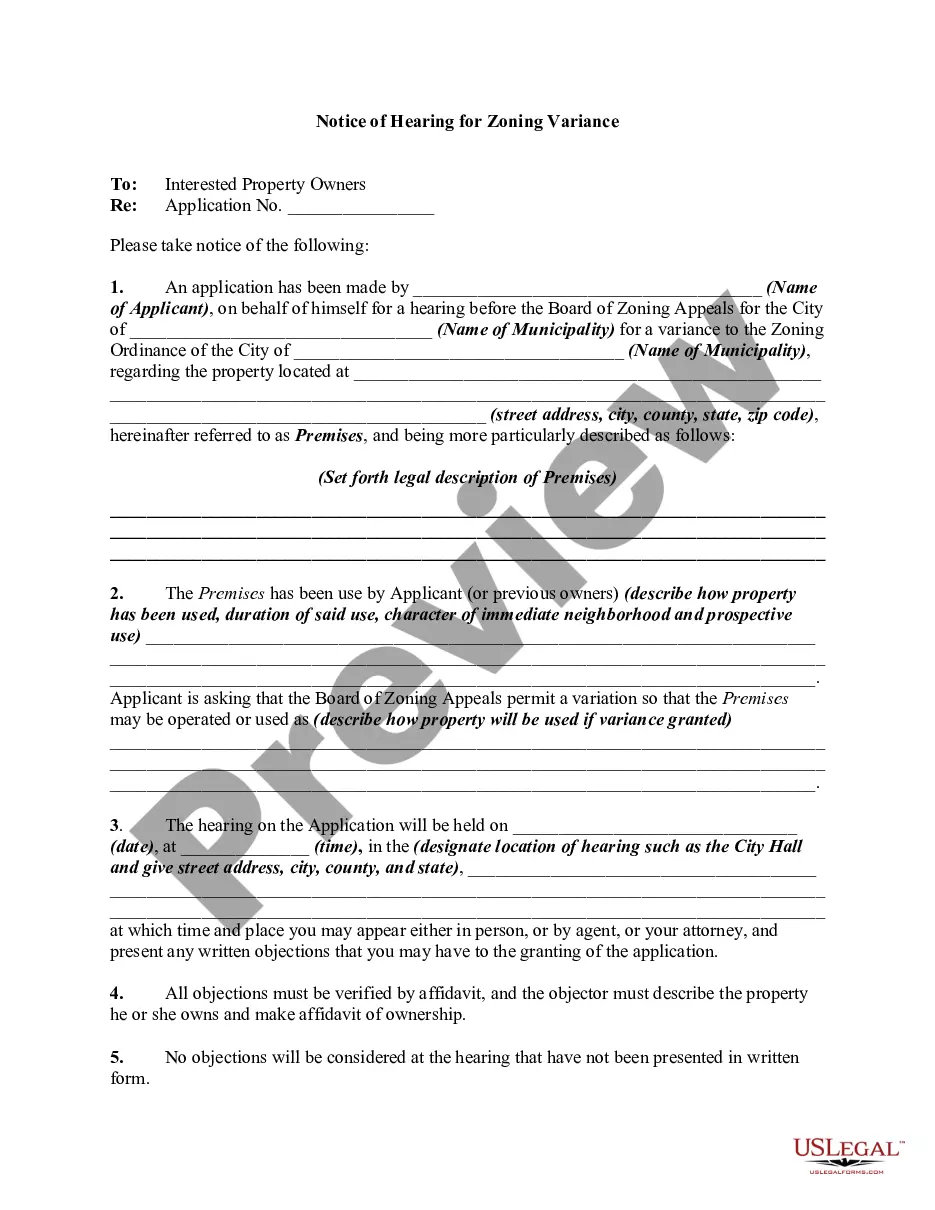
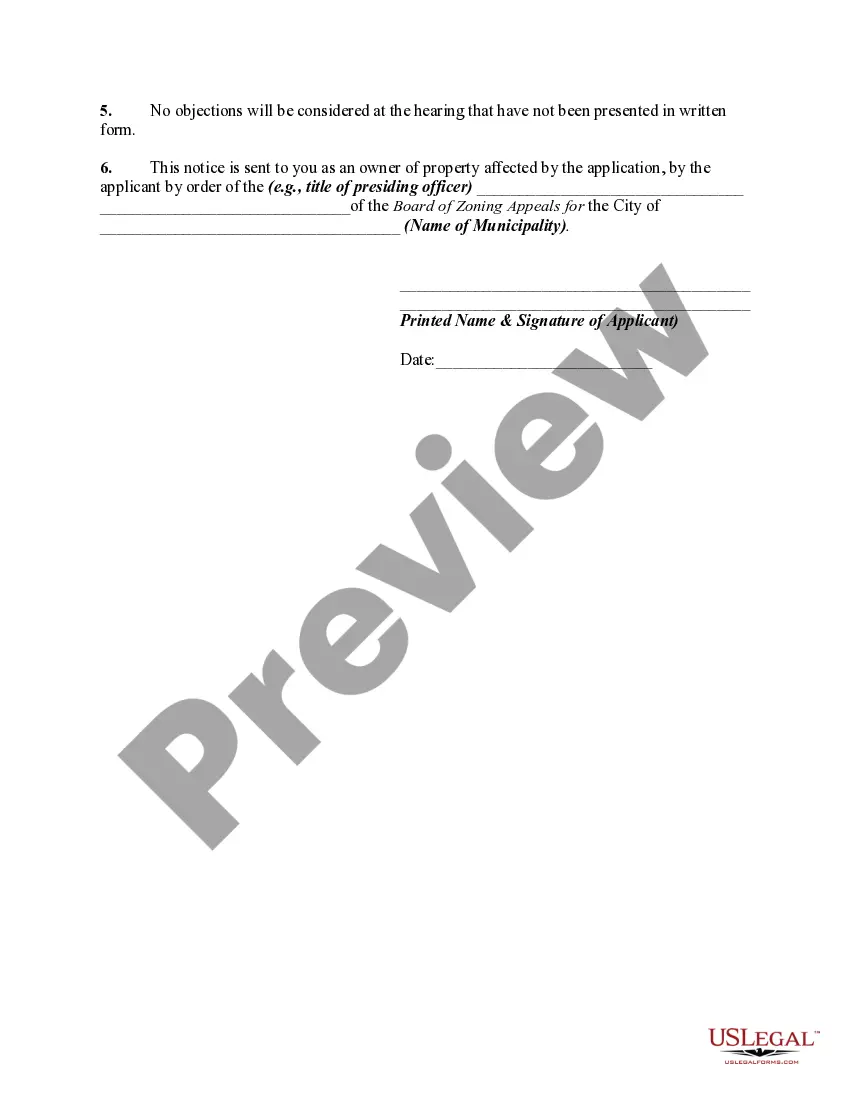
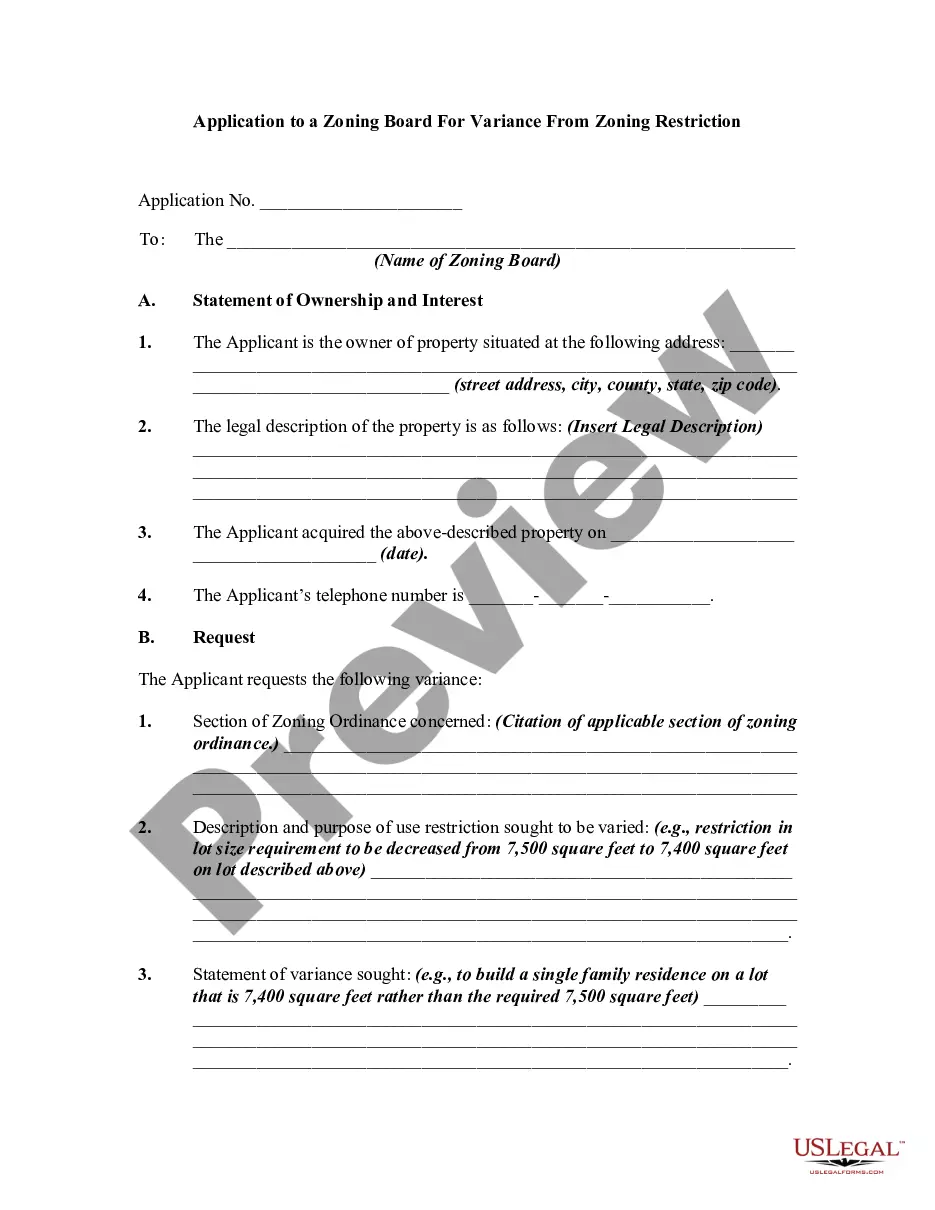
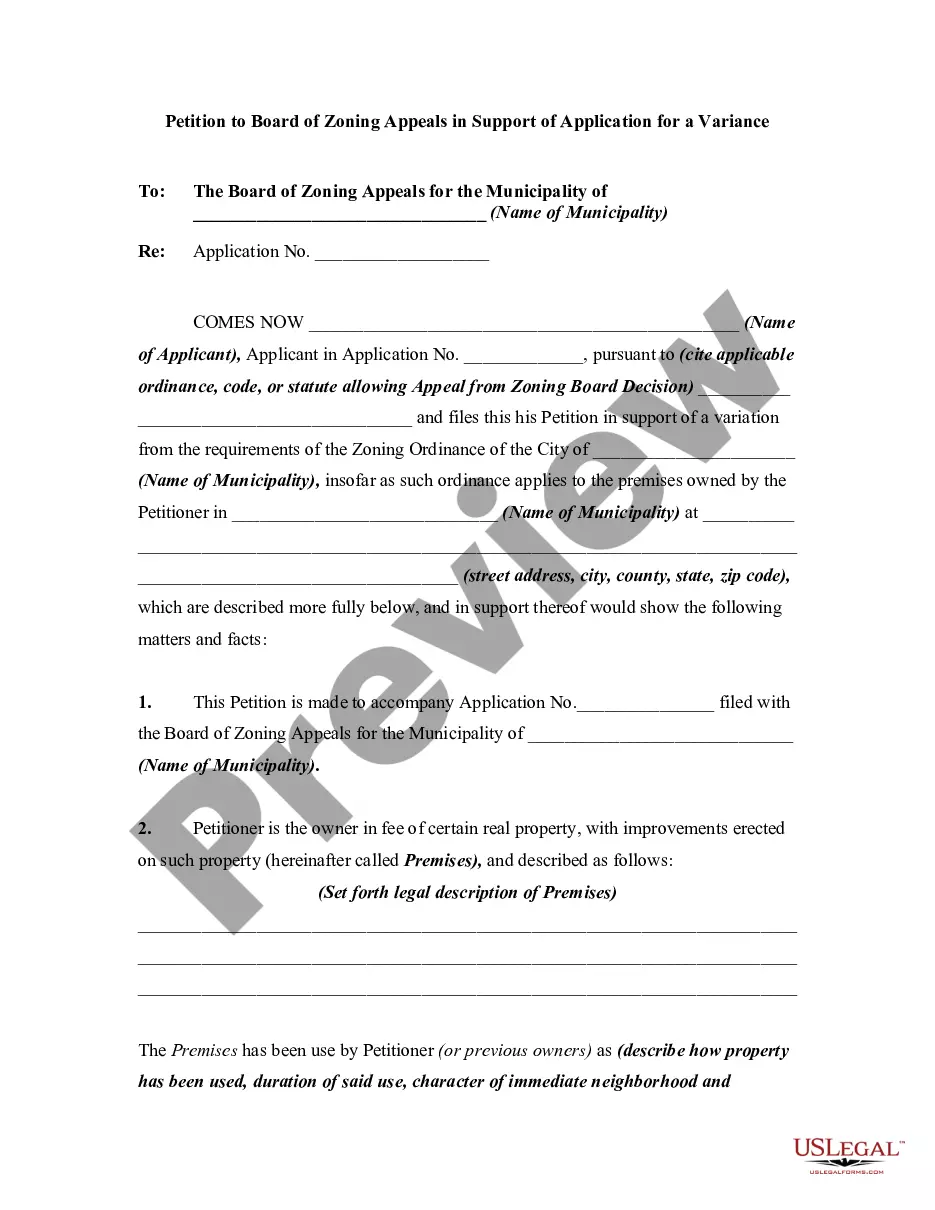
Get your form ready online
Our built-in tools help you complete, sign, share, and store your documents in one place.
Make edits, fill in missing information, and update formatting in US Legal Forms—just like you would in MS Word.
Download a copy, print it, send it by email, or mail it via USPS—whatever works best for your next step.
Sign and collect signatures with our SignNow integration. Send to multiple recipients, set reminders, and more. Go Premium to unlock E-Sign.
If this form requires notarization, complete it online through a secure video call—no need to meet a notary in person or wait for an appointment.
We protect your documents and personal data by following strict security and privacy standards.

Make edits, fill in missing information, and update formatting in US Legal Forms—just like you would in MS Word.

Download a copy, print it, send it by email, or mail it via USPS—whatever works best for your next step.

Sign and collect signatures with our SignNow integration. Send to multiple recipients, set reminders, and more. Go Premium to unlock E-Sign.

If this form requires notarization, complete it online through a secure video call—no need to meet a notary in person or wait for an appointment.

We protect your documents and personal data by following strict security and privacy standards.
Looking for another form?




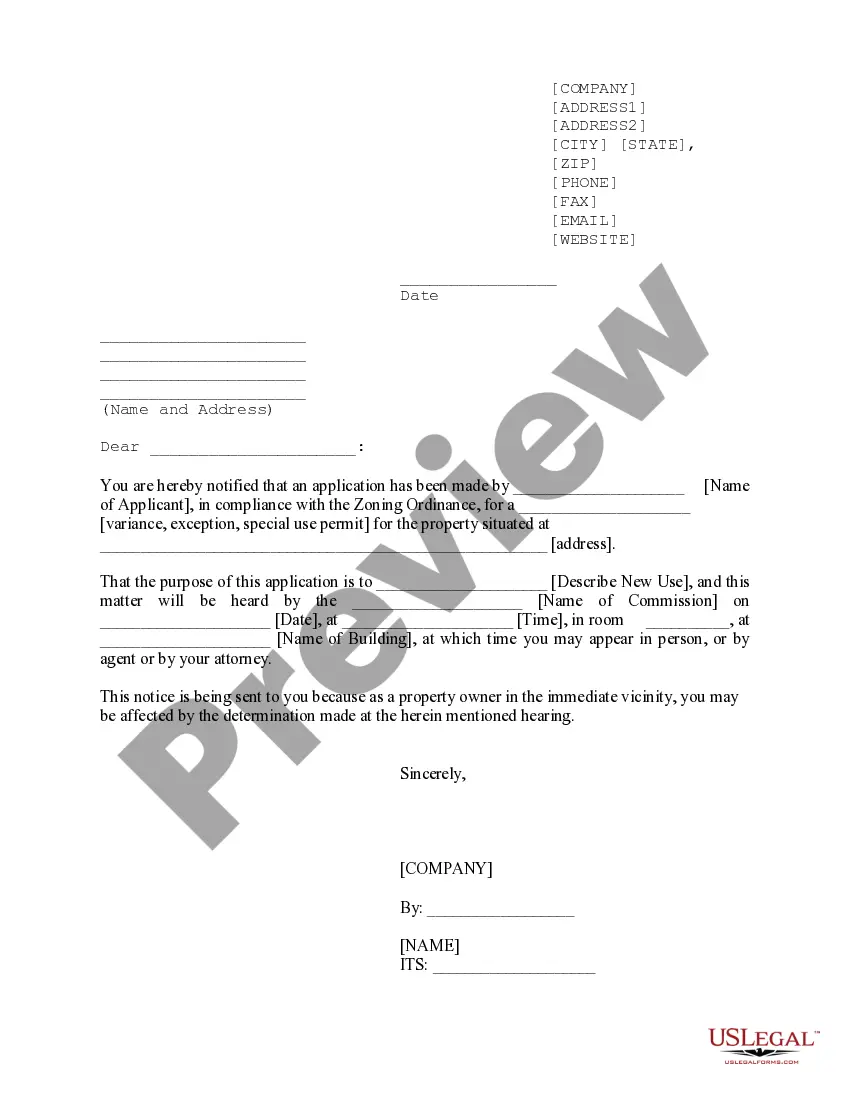
How to fill out Notice Of Hearing For Variance Before Board Of Zoning Appeals - Notice To Be Sent By Applicant To Interested Property Owners?
- If you are an existing user, log into your account. Ensure your subscription is current and click the Download button to get your form.
- For first-time users, begin by exploring the Preview mode of the form. Check the description to confirm it meets your local jurisdictional requirements.
- If necessary, utilize the Search tab to find an alternative template. Make sure it aligns with your needs before proceeding.
- Select your document by clicking on the Buy Now button. Choose your preferred subscription plan, and create an account to access the forms library.
- Complete your purchase by entering your credit card information or utilizing your PayPal account for payment.
- Finally, download the form to your device. Access it anytime from the My Forms section of your profile.
In conclusion, US Legal Forms empowers users to efficiently obtain legal documents needed for property matters. With a vast library and expert support, you can be assured that your forms are accurate and actionable.
Start your journey towards hassle-free legal documentation today!
Form popularity
FAQ
In California, a landlord must give at least 24 hours' notice before entering a rental property, except in emergency situations. This notice should specify the date and time of entry, and it must be delivered in writing. Such guidelines protect tenant privacy while allowing landlords to maintain their rental properties adequately. Utilizing resources like Us Legal Forms can simplify the notice process, ensuring compliance with state laws.
No, a landlord cannot enter a rental property without providing proper notice unless there is an emergency. According to California law, a landlord must give at least 24 hours' written notice before entering the property to perform repairs or inspections. This ensures that tenants have sufficient time to prepare and secure their belongings. Using a legal service like Us Legal Forms can help landlords draft the necessary notices for accessing rental properties.
In California, after receiving an eviction notice, a tenant typically has five days to vacate the property. However, the timeline could extend based on the specific type of notice issued. If a tenant contests the eviction, they can request a hearing, which may delay the process further. Understanding the notice hearing process is crucial for both landlords and tenants dealing with rental properties.
Eviction in DC can be challenging due to tenant protection laws and a lengthy legal process. The city emphasizes tenants' rights, requiring landlords to navigate specific regulations and attend notice hearing property for rent. Understanding these legal frameworks can help landlords ensure compliance and successfully manage their properties.
The duration of an eviction process often depends on various factors such as the tenant's response and local court schedules. Generally, it may take 30 to 60 days from filing a notice hearing property for rent to the final eviction. By staying informed, landlords can plan and reduce uncertainties throughout the process.
The entire eviction process in DC can take anywhere from a few weeks to several months. It involves filing a complaint, attending a notice hearing, and potentially going through additional court hearings. Understanding this timeline is essential for landlords to manage their rental properties effectively.
In Washington, DC, the eviction timeline can vary but generally takes several weeks to months. After initiating an eviction, a property owner must wait for a notice hearing property for rent to be scheduled and resolved. Timelines depend on the court's schedule and whether a tenant contests the eviction.
Landlords typically find out about evictions through formal notices submitted to the court. When a tenant faces eviction, the court sends a notice hearing property for rent to inform landlords of the process. This serves as a crucial step in ensuring landlords can respond and take appropriate actions, protecting their rental interests.
The minimum notice a landlord must give depends on the reason for entering the property. Typically, landlords must provide at least 24 hours' notice before entering for regular maintenance or inspections. For lease terminations or eviction notices, longer periods are required. Always ensure you are familiar with local laws regarding property for rent to understand your rights and responsibilities.
In North Carolina, a tenant can refuse entry to a landlord if they have not provided adequate notice or if the entry is not for a necessary purpose. The law requires landlords to provide reasonable notice—generally at least 30 minutes in advance. Tenants must make their rights clear if they feel the entry is unwarranted. Understanding your lease terms can help in such situations concerning your property for rent.