Notice Hearing Property For Continued
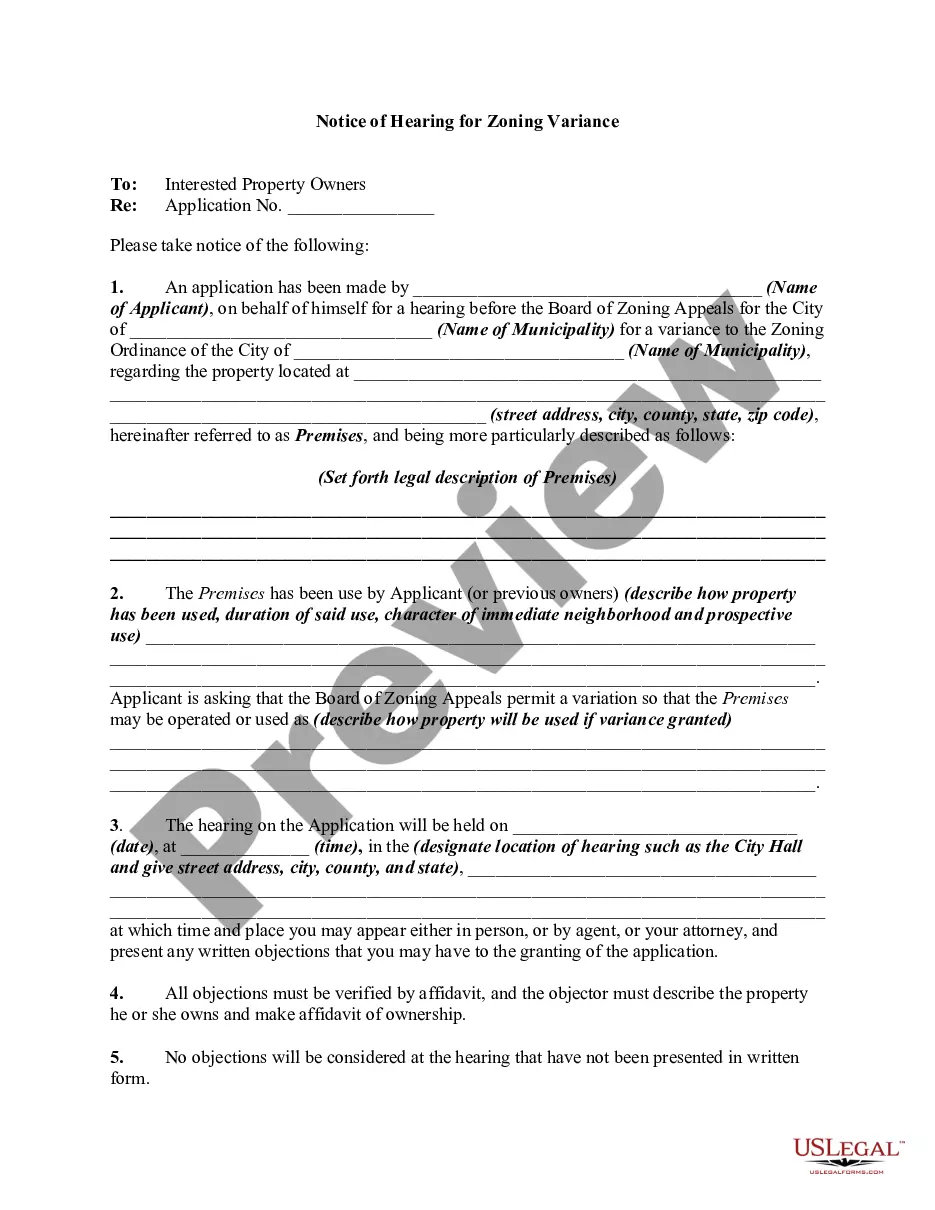
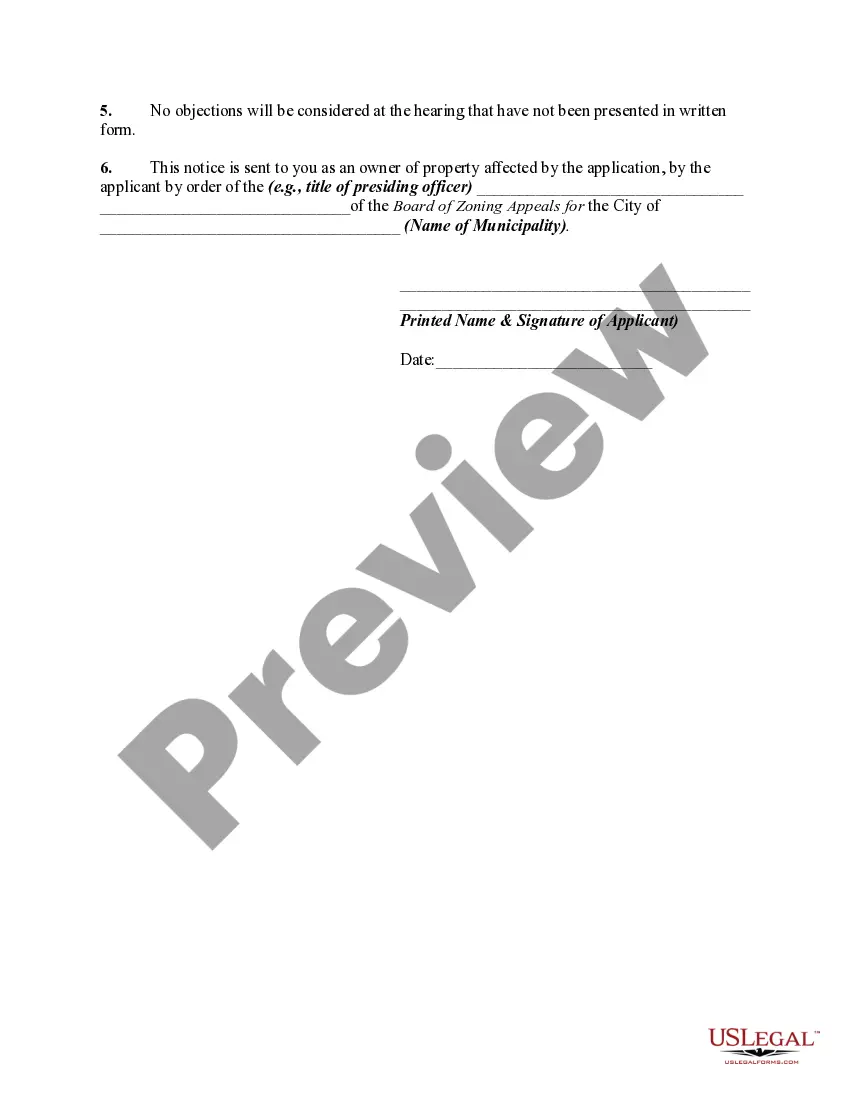
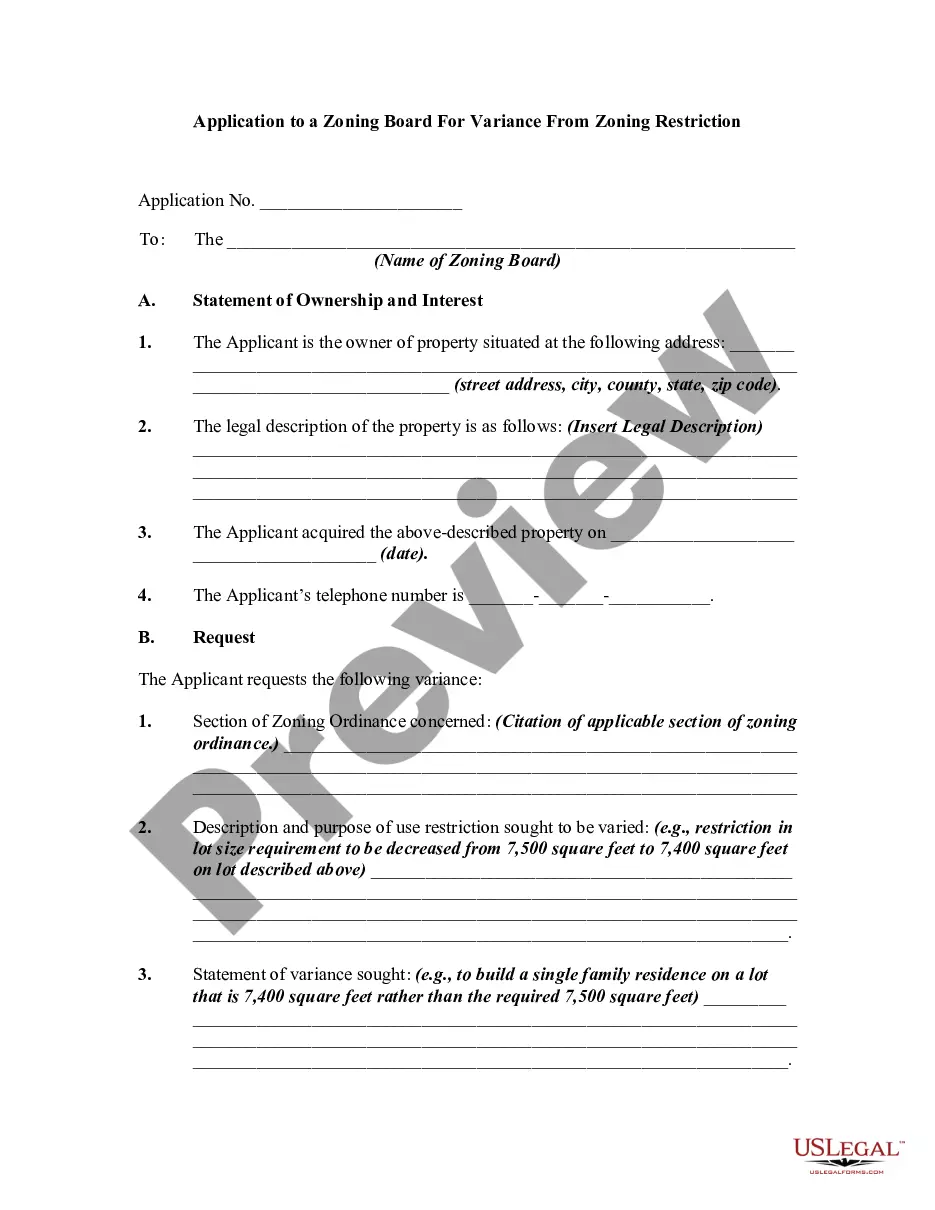
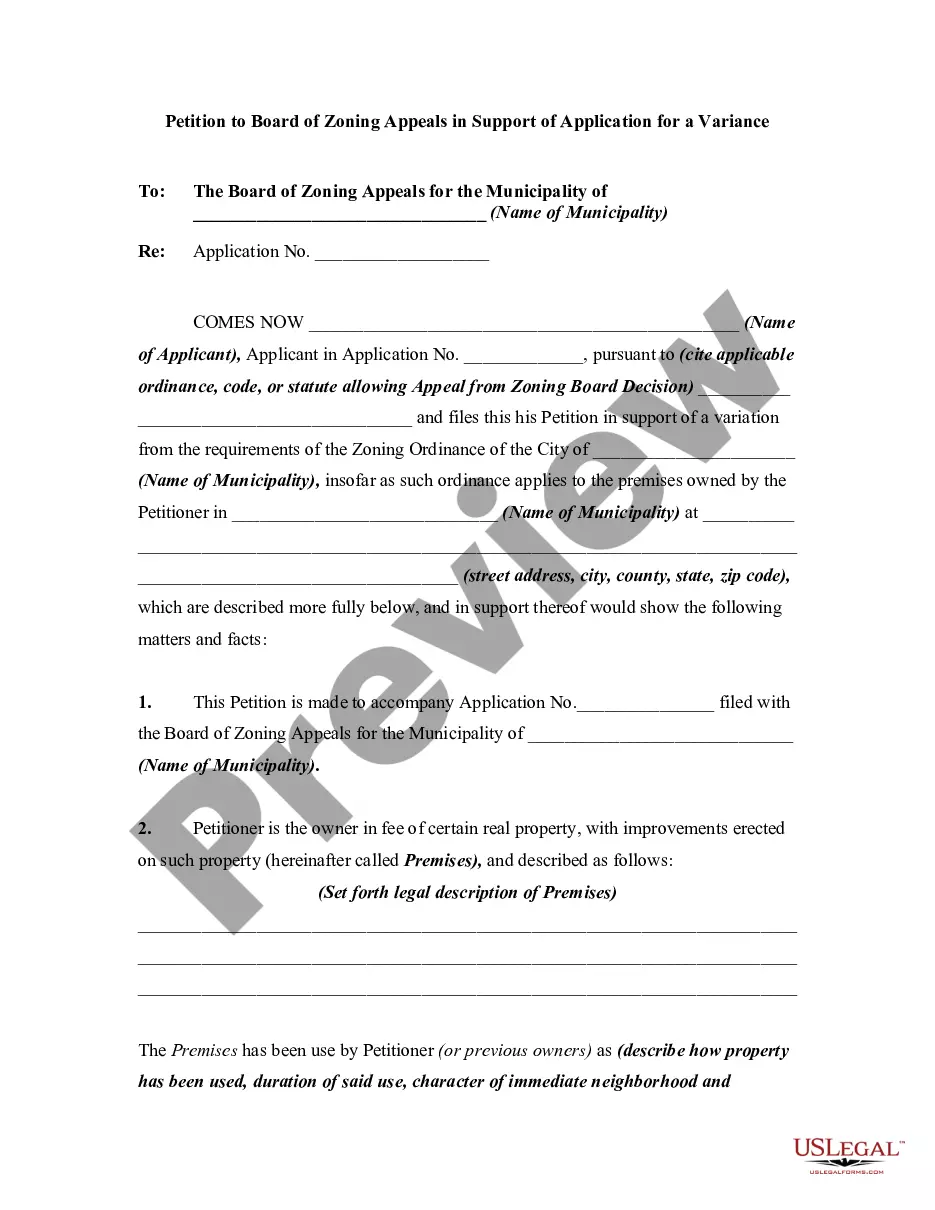
Description
Get your form ready online
Our built-in tools help you complete, sign, share, and store your documents in one place.
Make edits, fill in missing information, and update formatting in US Legal Forms—just like you would in MS Word.
Download a copy, print it, send it by email, or mail it via USPS—whatever works best for your next step.
Sign and collect signatures with our SignNow integration. Send to multiple recipients, set reminders, and more. Go Premium to unlock E-Sign.
If this form requires notarization, complete it online through a secure video call—no need to meet a notary in person or wait for an appointment.
We protect your documents and personal data by following strict security and privacy standards.

Make edits, fill in missing information, and update formatting in US Legal Forms—just like you would in MS Word.

Download a copy, print it, send it by email, or mail it via USPS—whatever works best for your next step.

Sign and collect signatures with our SignNow integration. Send to multiple recipients, set reminders, and more. Go Premium to unlock E-Sign.

If this form requires notarization, complete it online through a secure video call—no need to meet a notary in person or wait for an appointment.

We protect your documents and personal data by following strict security and privacy standards.
Looking for another form?








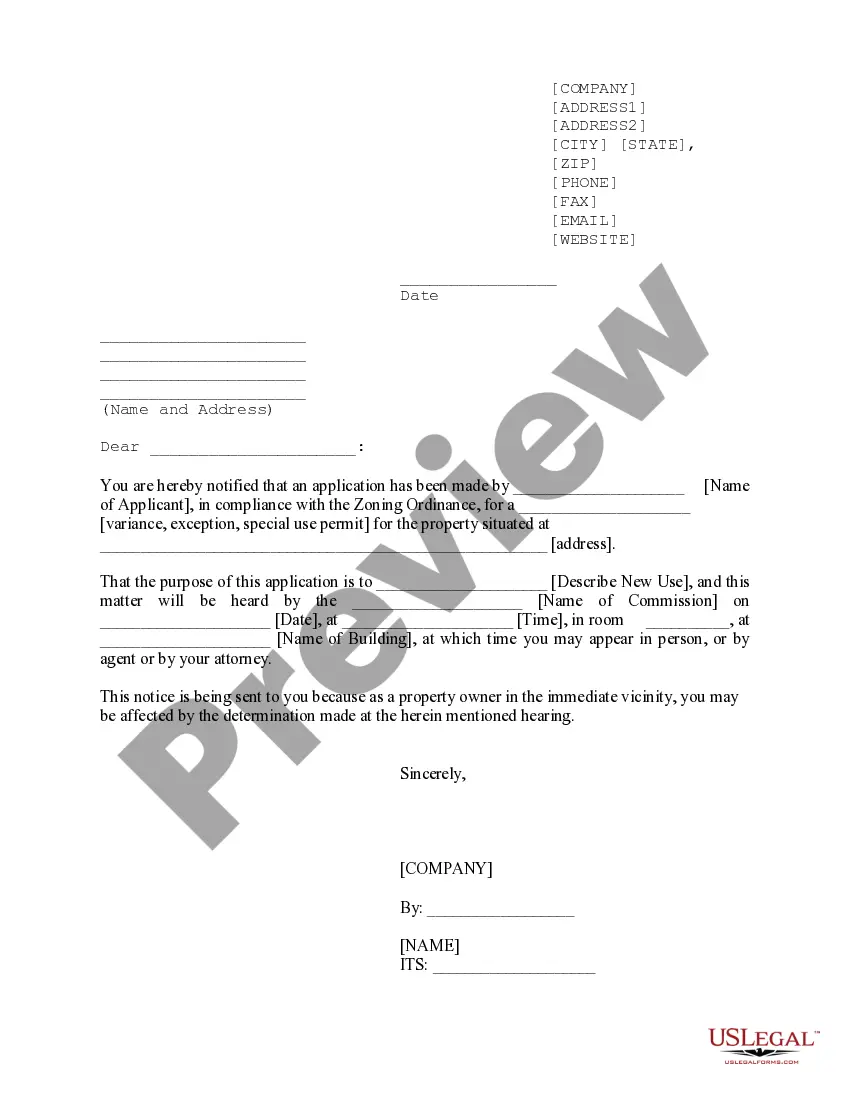
How to fill out Notice Of Hearing For Variance Before Board Of Zoning Appeals - Notice To Be Sent By Applicant To Interested Property Owners?
- Log into your US Legal Forms account using your credentials. Ensure your subscription is active; if not, renew it through your payment plan.
- If it’s your first time, start by previewing the available forms and descriptions to choose the one that meets your local jurisdiction needs.
- If you don't find what you need, use the search feature to locate an appropriate template that fits your requirements.
- Select the document you wish to obtain and click on the 'Buy Now' button, choosing a subscription plan that suits you.
- Enter your payment information securely or use your PayPal account to complete your purchase.
- Download the form onto your device for further customization, and access it anytime from the 'My Forms' section of your profile.
By following these simple steps, you can take advantage of US Legal Forms’ extensive library, which offers more than 85,000 fillable and editable legal forms.
Start your journey towards efficient legal documentation today! Access US Legal Forms to simplify your legal needs.
Form popularity
FAQ
To extend a hearing, you typically need to file a formal request, often accompanied by a continuance letter. Include the reasons for your request, and be sure to follow court protocols regarding timing and submission. Additionally, a notice hearing property for continued may be necessary, depending on your case, to ensure all parties are informed of the new schedule.
An extension hearing refers to a court session held to determine whether to grant an extension on the procedures or deadlines in a case. This hearing allows both parties to present their requests and reasons for seeking more time. For effective guidance on how to navigate these hearings, including notice hearing property for continued, consider using resources like uslegalforms.
The legal term for postponing a hearing is 'continuance.' This term encompasses any delay in court proceedings, allowing parties involved to extend their time for various reasons. Knowing this term can enhance your understanding of legal processes and assist you when dealing with notice hearing property for continued situations.
A continuance can be advantageous, depending on your situation. It provides additional time to prepare your case or negotiate settlements. However, it's vital to use this time wisely to ensure you achieve the best possible outcome. Remember that you can look for resources, like uslegalforms, to help you navigate the process regarding notice hearing property for continued.
When a court continues a hearing, it means the court postpones the scheduled meeting to a later date. This often occurs to allow more time for preparation, to accommodate parties involved, or to gather further evidence. The new date will be communicated through a notice hearing property for continued, ensuring all parties know when to return.
To write a continuance letter for court, start by addressing the court or the specific judge handling your case. Clearly state your request for a continuance, and specify the dates you are unavailable. Include supporting reasons, such as scheduling conflicts or the need for additional time to gather evidence. Lastly, mention the notice hearing property for continued to emphasize the importance of the timeline.
In many cases, you can stop an eviction by paying the amount due, including any fees, before the hearing. The exact rules can vary by state, so it is essential to check the specific laws concerning your situation. By addressing the financial obligations promptly, you can potentially avoid complications during your notice hearing property for continued.
Yes, you can request a continuance for an eviction hearing. It’s important to submit your request as soon as possible, ideally accompanied by supporting documents. The court will review your reasons and decide if your request affects the timeline leading to your notice hearing property for continued.
A good reason for seeking a continuance includes needing more time to gather evidence or consult with legal counsel. Other valid reasons may involve personal emergencies or unforeseen circumstances. Providing clear and valid justification can strengthen your case during the notice hearing property for continued.
A common example of asking for a continuance is when a tenant cannot attend an eviction hearing because of illness or a scheduling conflict. You would submit a formal written request to the court, explaining your reasons. This request should be timely and include any necessary supporting documentation, especially when approaching your notice hearing property for continued.