Time Material Materials With Price
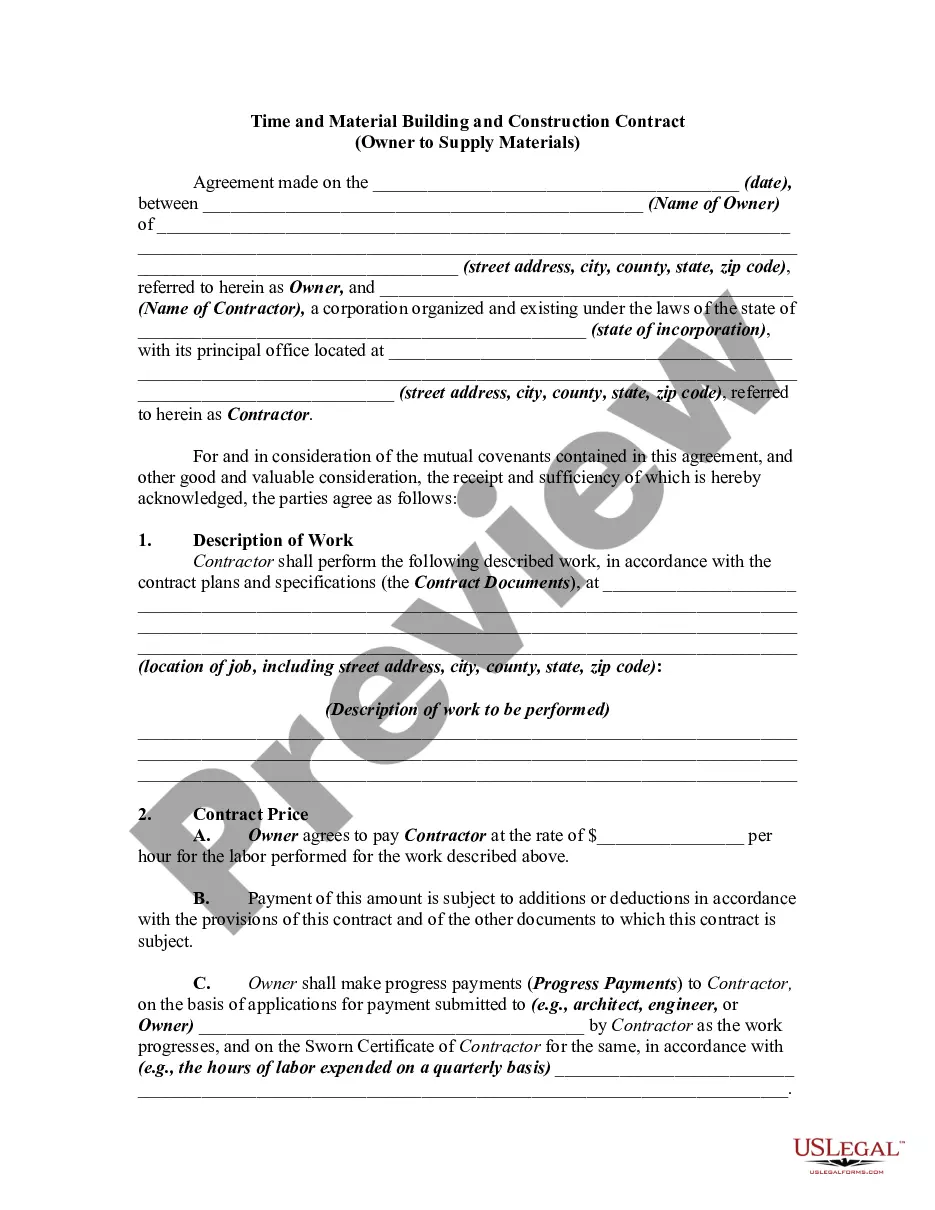
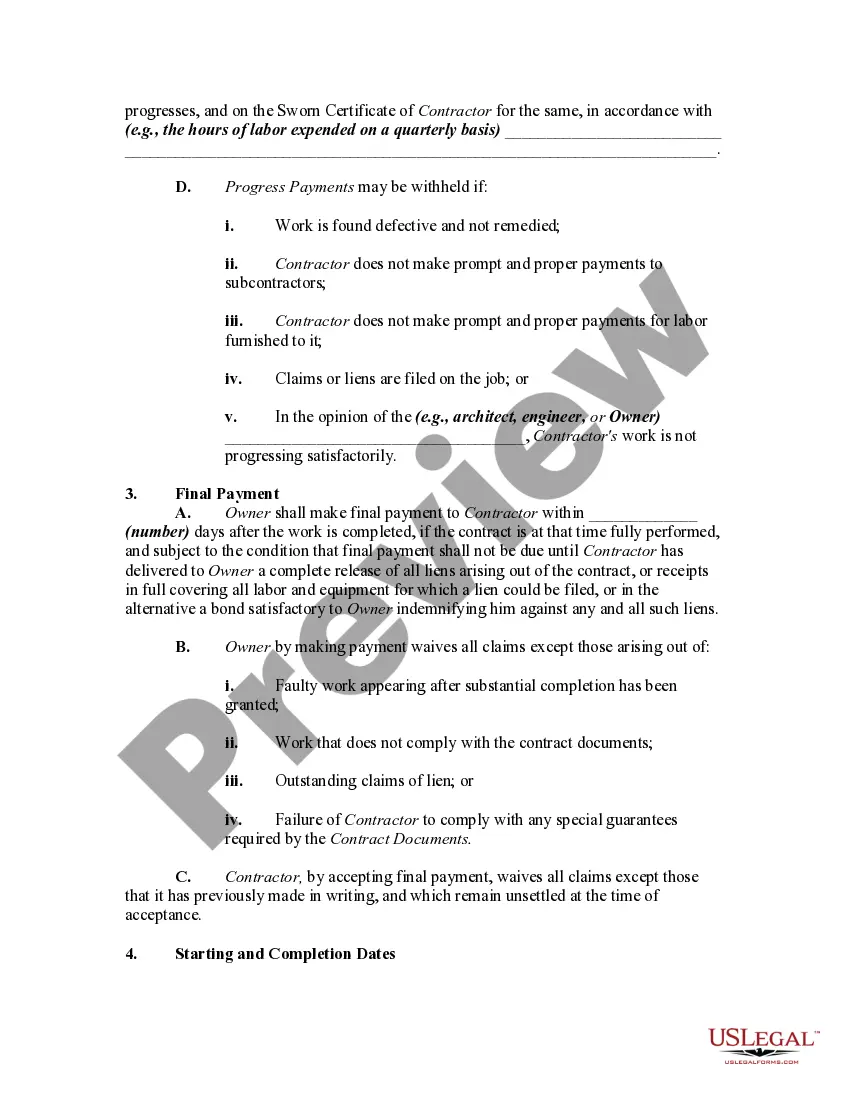
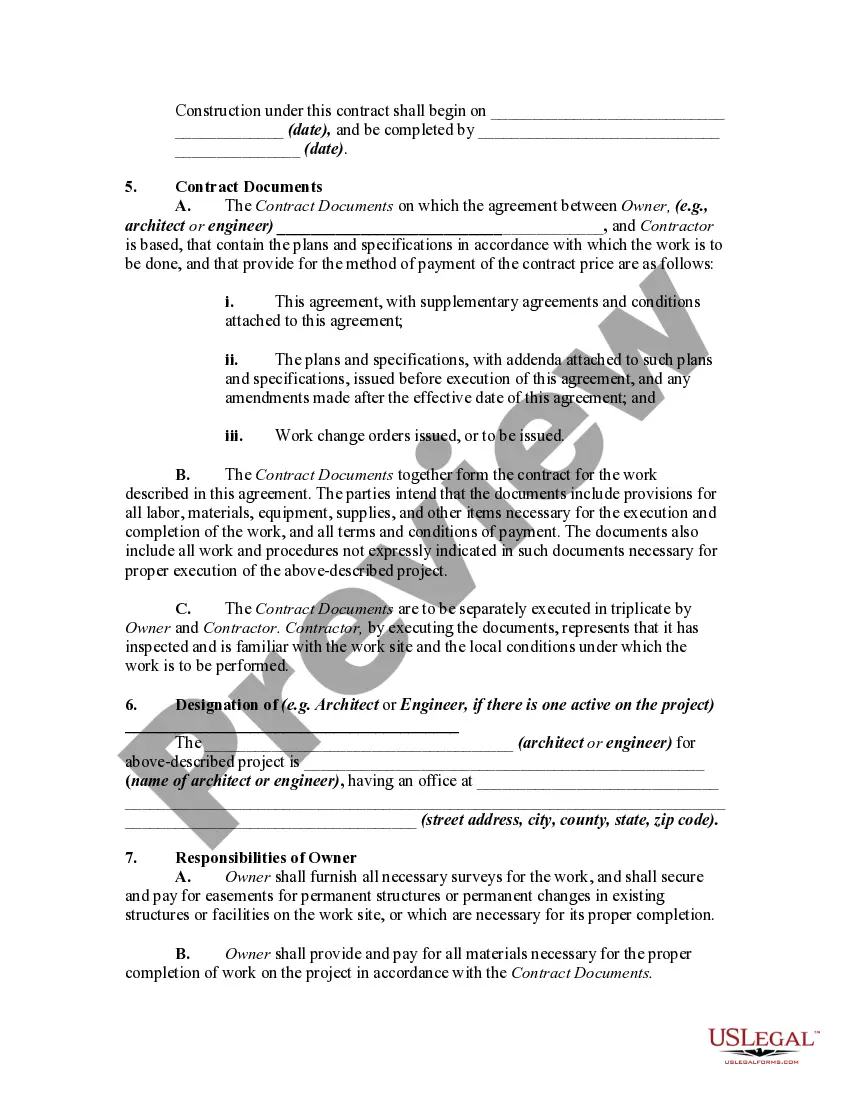
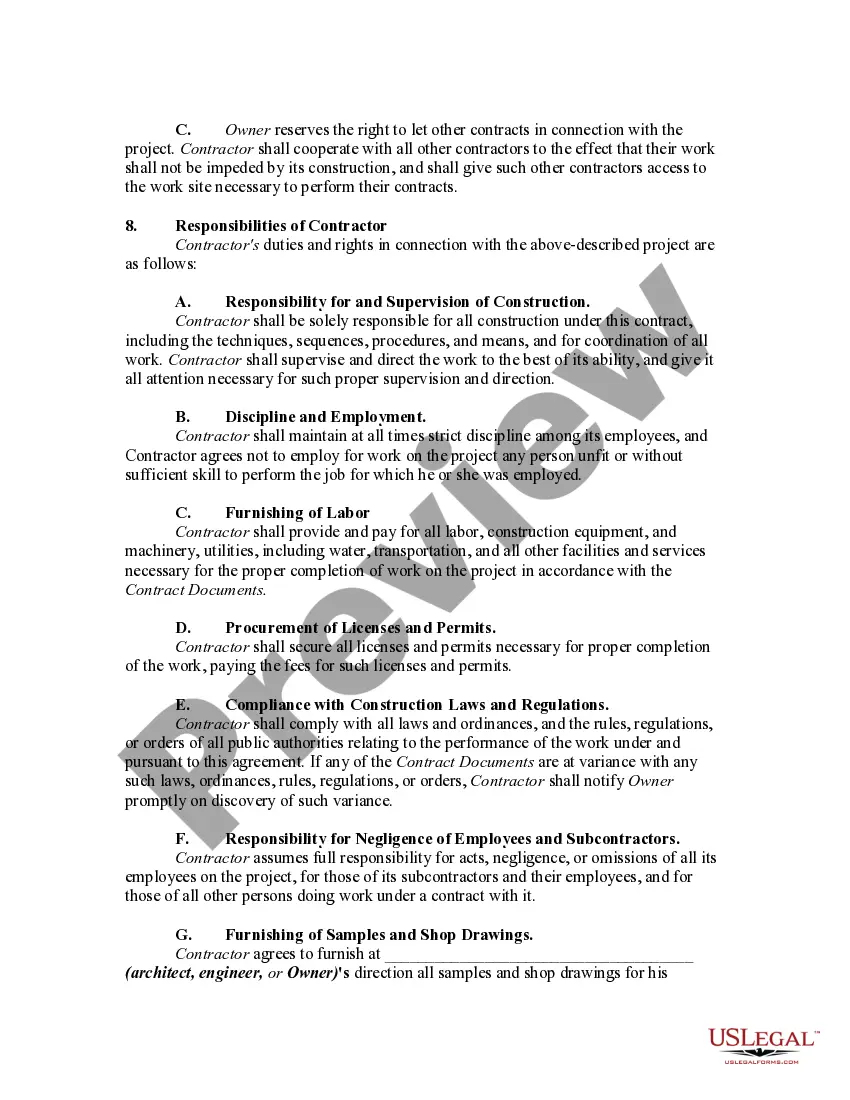
Description

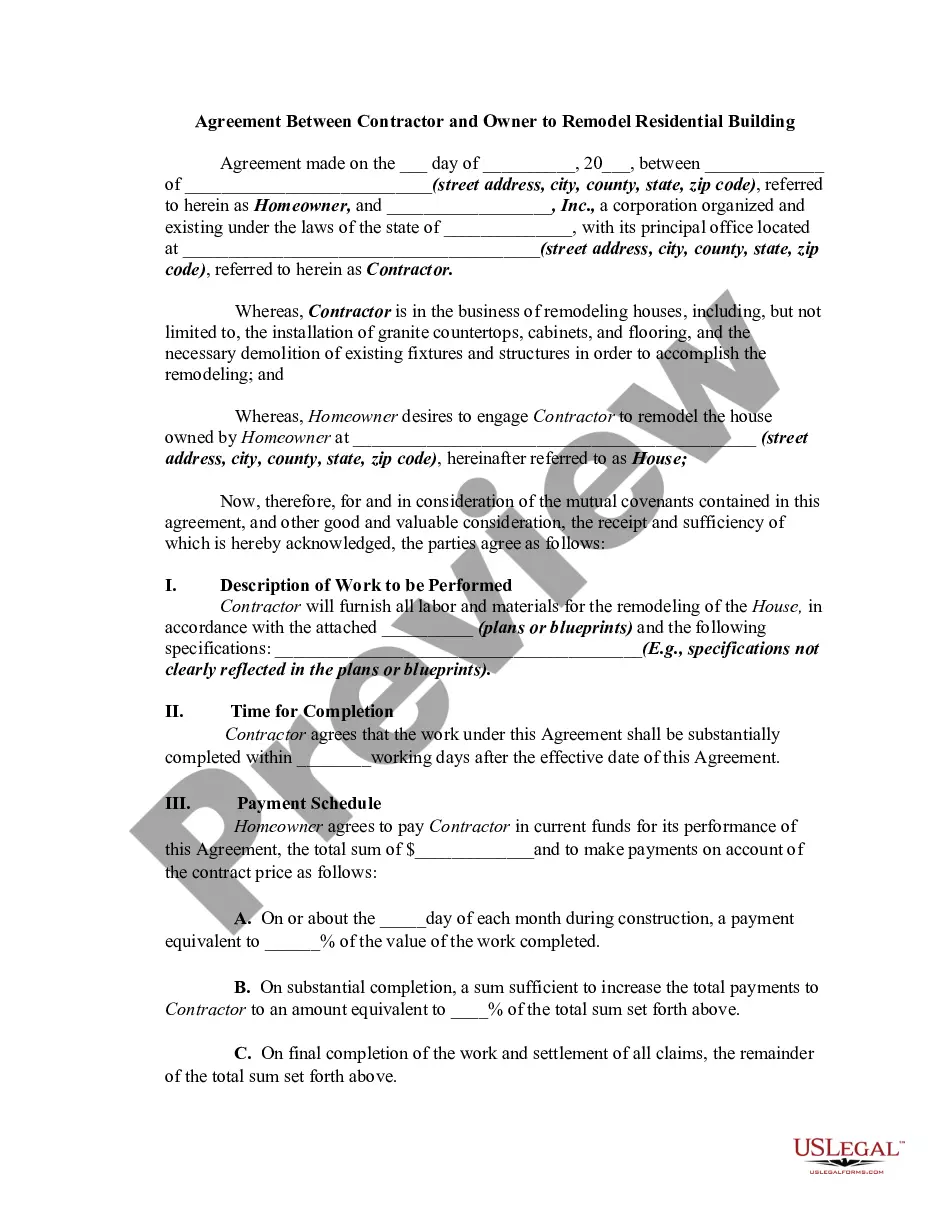
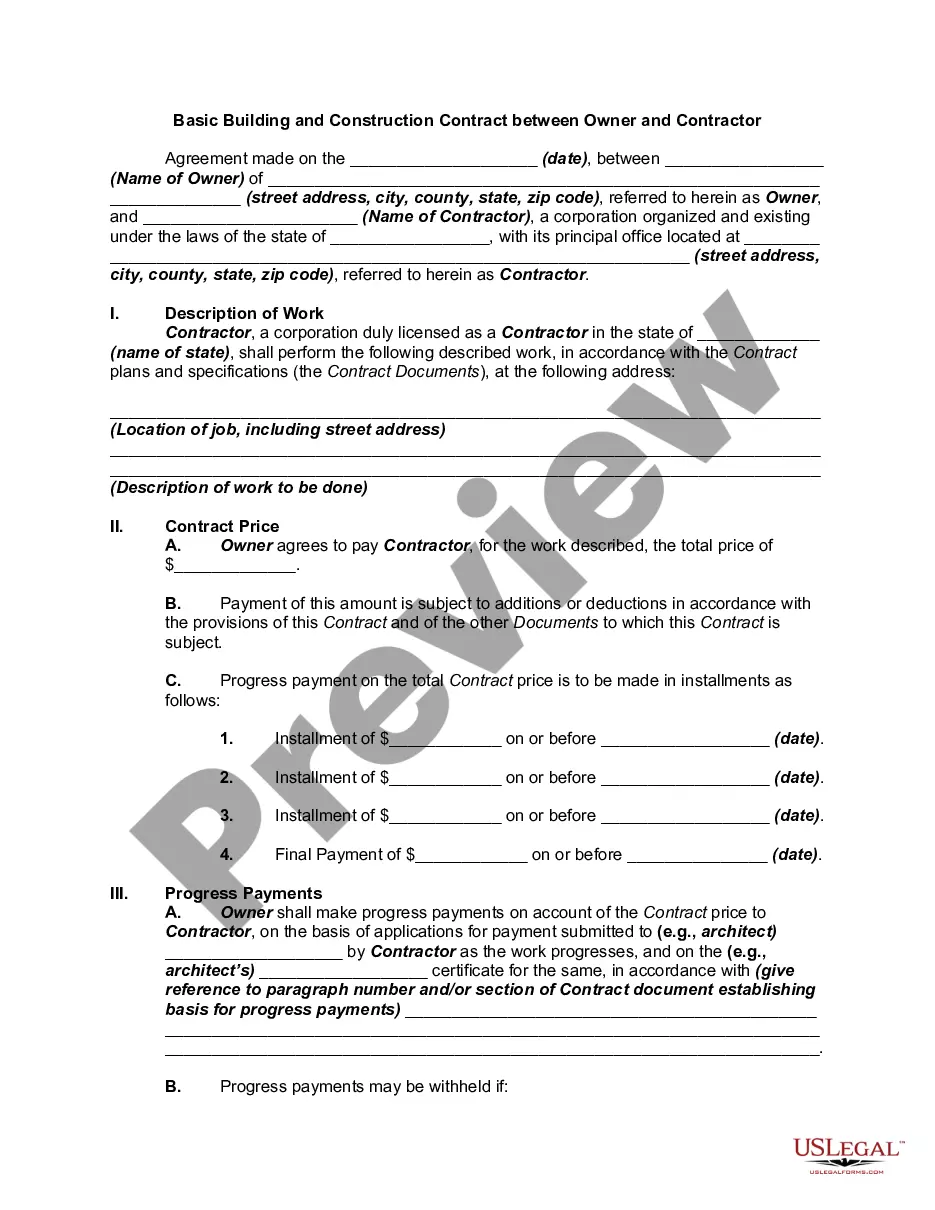
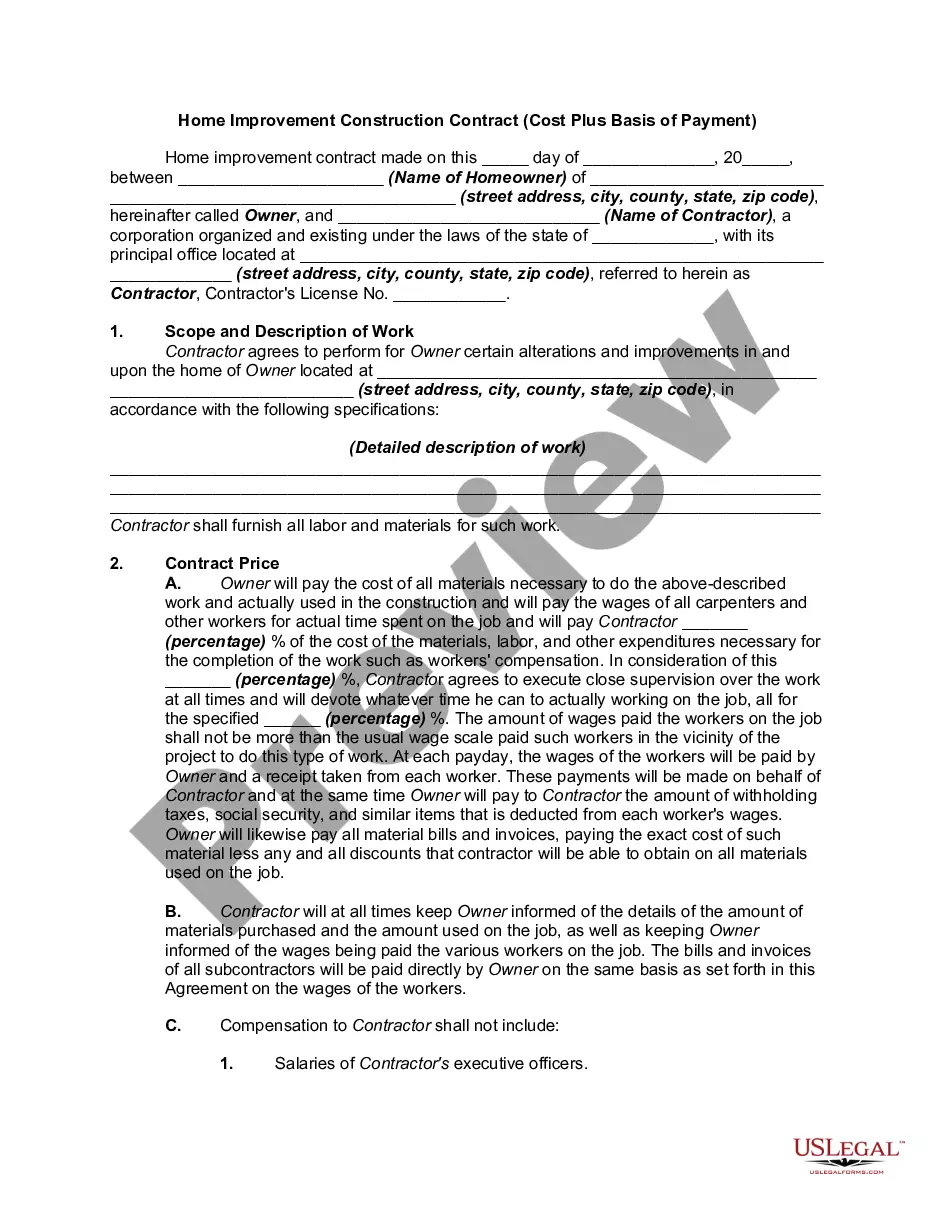
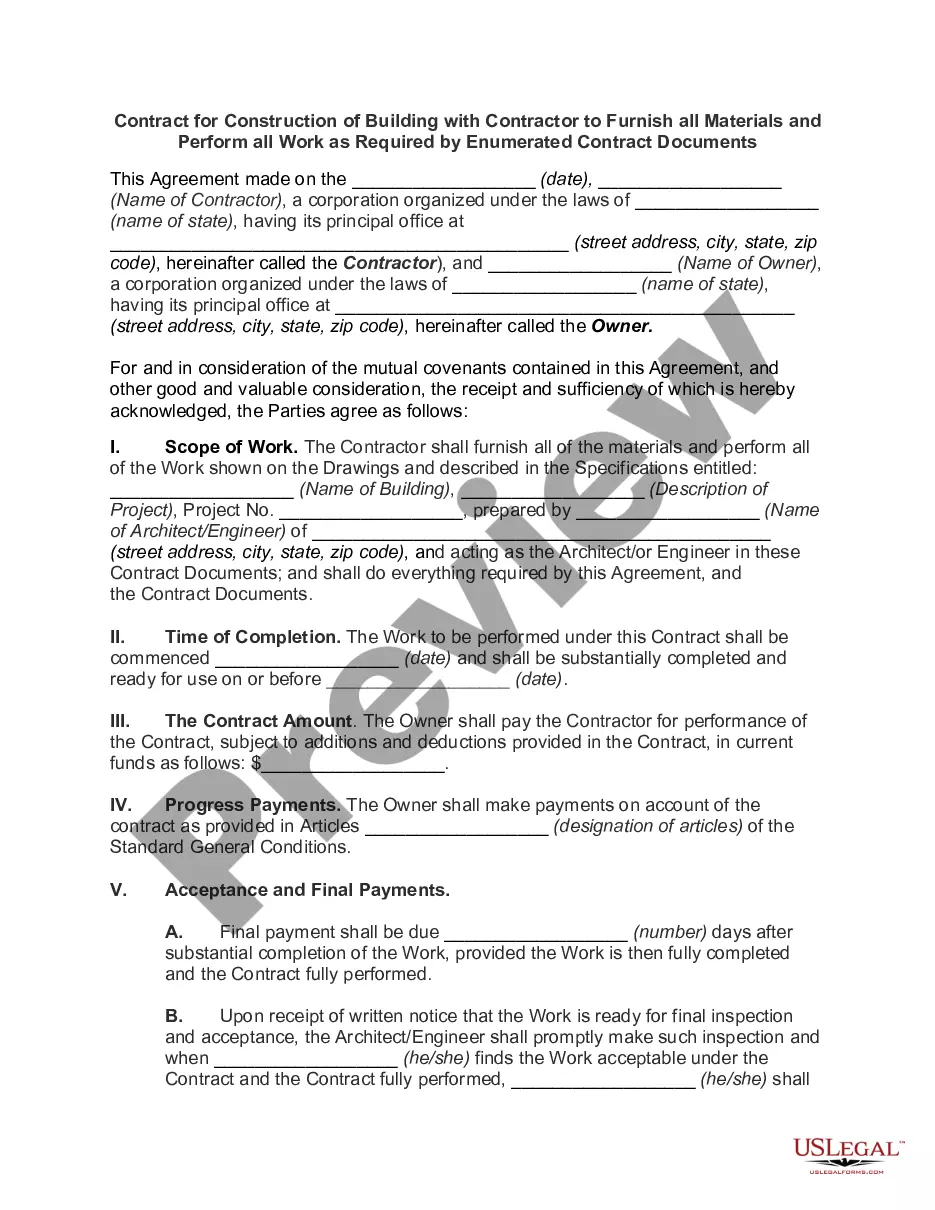
Get your form ready online
Our built-in tools help you complete, sign, share, and store your documents in one place.
Make edits, fill in missing information, and update formatting in US Legal Forms—just like you would in MS Word.
Download a copy, print it, send it by email, or mail it via USPS—whatever works best for your next step.
Sign and collect signatures with our SignNow integration. Send to multiple recipients, set reminders, and more. Go Premium to unlock E-Sign.
If this form requires notarization, complete it online through a secure video call—no need to meet a notary in person or wait for an appointment.
We protect your documents and personal data by following strict security and privacy standards.

Make edits, fill in missing information, and update formatting in US Legal Forms—just like you would in MS Word.

Download a copy, print it, send it by email, or mail it via USPS—whatever works best for your next step.

Sign and collect signatures with our SignNow integration. Send to multiple recipients, set reminders, and more. Go Premium to unlock E-Sign.

If this form requires notarization, complete it online through a secure video call—no need to meet a notary in person or wait for an appointment.

We protect your documents and personal data by following strict security and privacy standards.
Looking for another form?







How to fill out Time And Material Building And Construction Contract - Owner To Supply Materials?
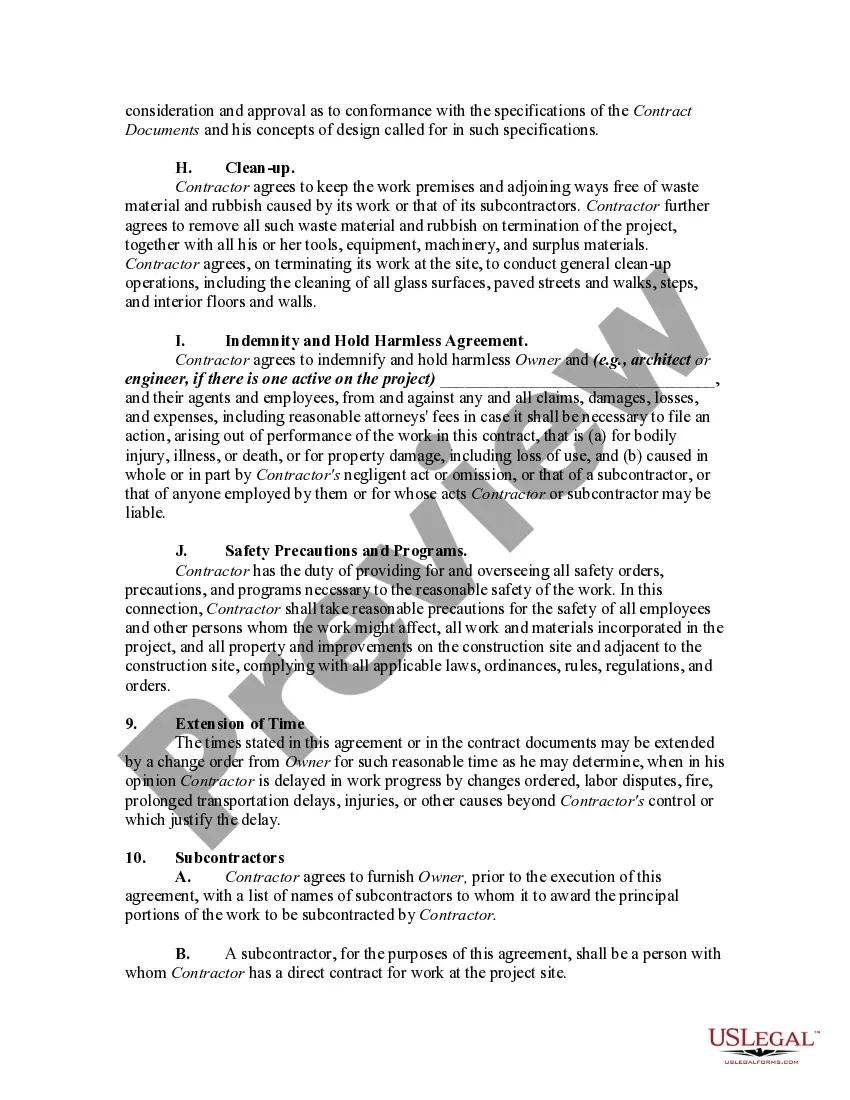
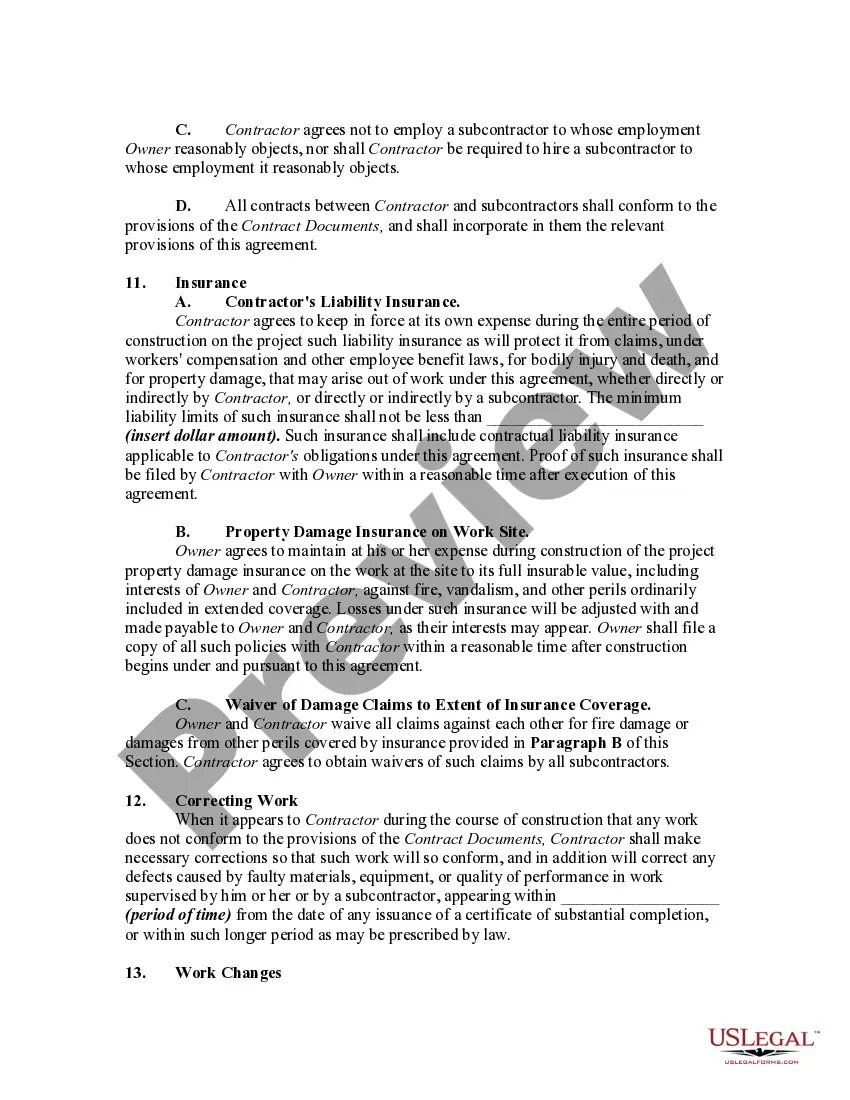
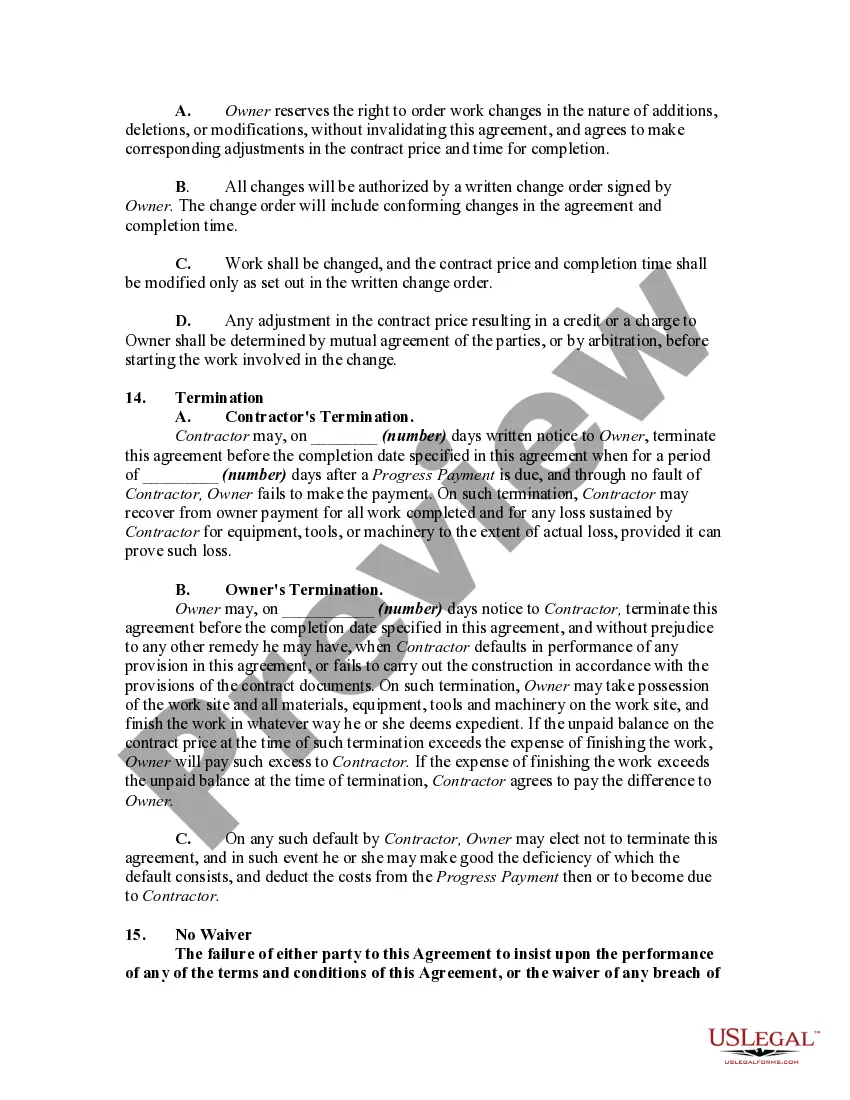
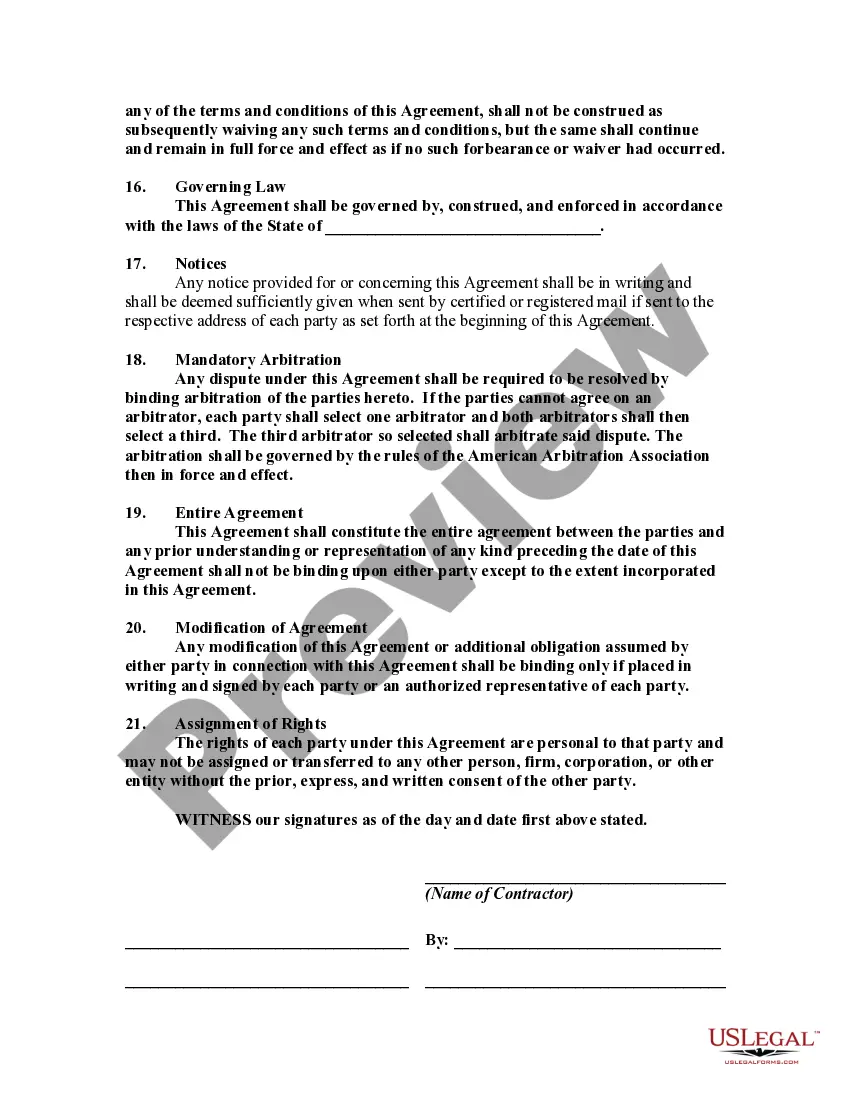
The Time Material Materials With Price displayed on this page is a reusable formal template created by expert attorneys in compliance with federal and local statutes and regulations.
For over 25 years, US Legal Forms has supplied individuals, businesses, and lawyers with more than 85,000 validated, state-specific documents for any business and personal circumstance. It’s the quickest, simplest, and most reliable means to access the paperwork you require, as the service guarantees bank-grade data protection and anti-malware safeguards.
Subscribe to US Legal Forms to have verified legal templates for all of life’s circumstances readily available.
- Browse for the document you require and review it.
- Look through the sample you searched and view it or verify the form description to ensure it meets your needs. If it doesn’t, utilize the search feature to locate the appropriate one. Click Buy Now once you have identified the template you need.
- Register and Log In.
- Choose the pricing plan that best fits you and create an account. Use PayPal or a credit card for a swift transaction. If you already possess an account, Log In and verify your subscription to proceed.
- Obtain the editable template.
- Select the format you desire for your Time Material Materials With Price (PDF, Word, RTF) and download the document to your device.
- Complete and sign the document.
- Print the template to fill it out manually. Alternatively, utilize an online multifunctional PDF editor to quickly and accurately complete and sign your form with an eSignature.
- Download your paperwork once more.
- Use the same document again whenever necessary. Access the My documents tab in your profile to re-download any documents purchased previously.
Form popularity
FAQ
The Time and Materials (T&M) methodology is a project management approach that involves paying for the actual time spent and materials used. This flexibility allows for adjustments as project needs evolve. With T&M, clients benefit from clear visibility into costs, encapsulating the concept of time material materials with price. Using this method can be particularly effective when project scopes are uncertain or when rapid changes are necessary, making it a solid choice for many projects.
To perform a time and materials estimate, gather all relevant project details, including labor and material requirements. Establish your hourly rates and calculate the estimated hours for each task. Finally, compile the total estimated costs for materials and labor, presenting a clear picture of time material materials with price. Using platforms like uslegalforms can further streamline this process, ensuring accuracy and clarity in your estimates.
The formula for time and material involves calculating labor and material costs separately. You determine the total labor costs by multiplying the hourly rate by the total hours worked. Next, you add the material costs, creating a comprehensive total that reflects the time material materials with price, ensuring you account for all expenses in your estimates.
An example of a time and materials contract is a contract that stipulates a $30 hourly rate plus an additional 10% on any items purchased. It also states that buyers will not pay more than $1,000 in materials and in excess of 80 hours of labor.
A customer hires a contractor to build a deck. The cost of the lumber and other materials is $500. The contractor spends 10 hours building the deck, at an hourly rate of $50. The total cost to the customer would be $1,000 (10 hours x $50/hour + $500 for materials).
A time and materials contract should outline the project's objectives and contain a fixed price for labor that accounts for wages, overhead, general and administrative expenses, as well as a profit margin. Freight, taxes, and markup should be included in the materials cost.
What is an example of a time and materials contract? An example of a time and materials contract is a contract that stipulates a $30 hourly rate plus an additional 10% on any items purchased. It also states that buyers will not pay more than $1,000 in materials and in excess of 80 hours of labor.
To calculate the time and materials invoice, a contract needs to multiply the man-hours by the agreed-upon rate for each trade and add it to the materials costs (plus the markup, if contractually allowed).