Time Material Materials With A Cap
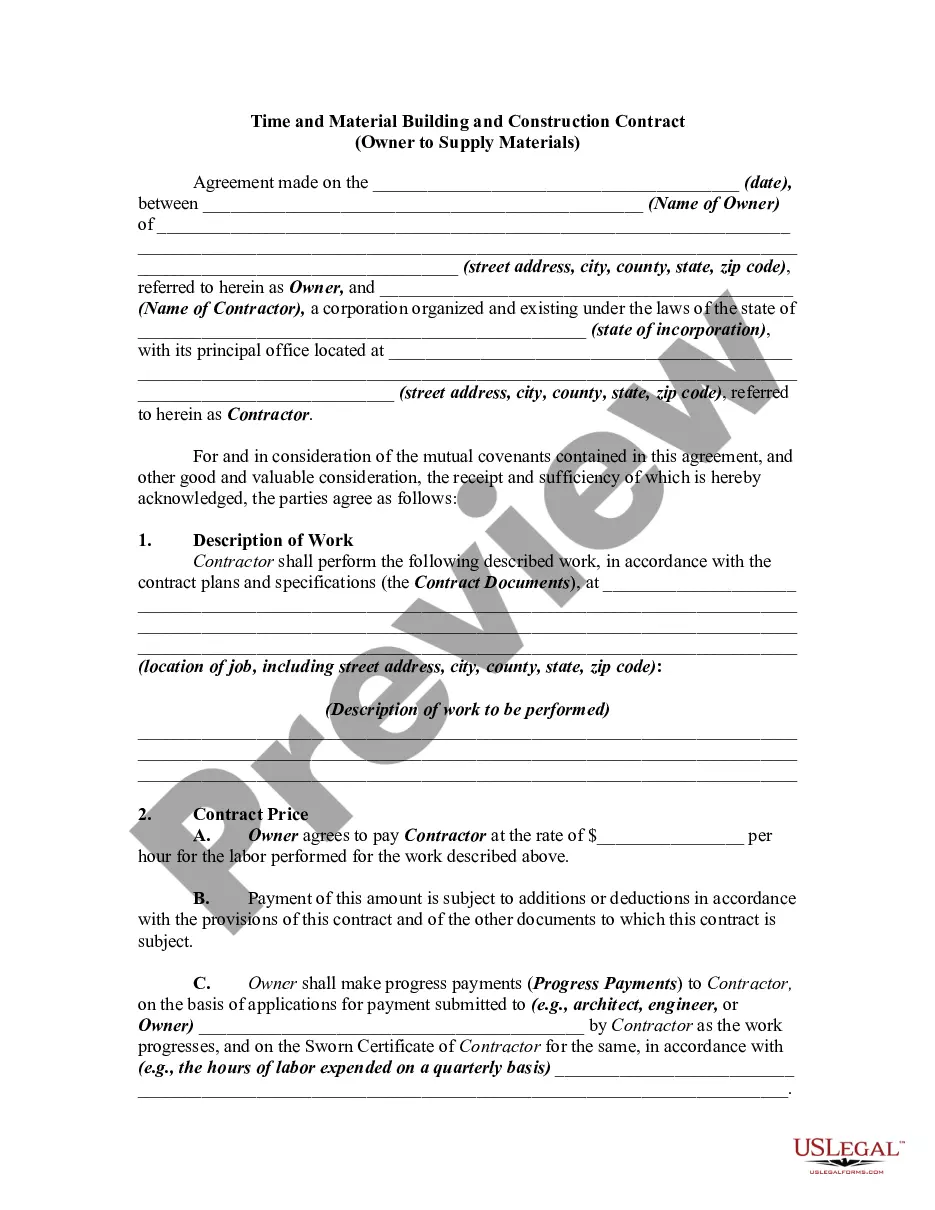
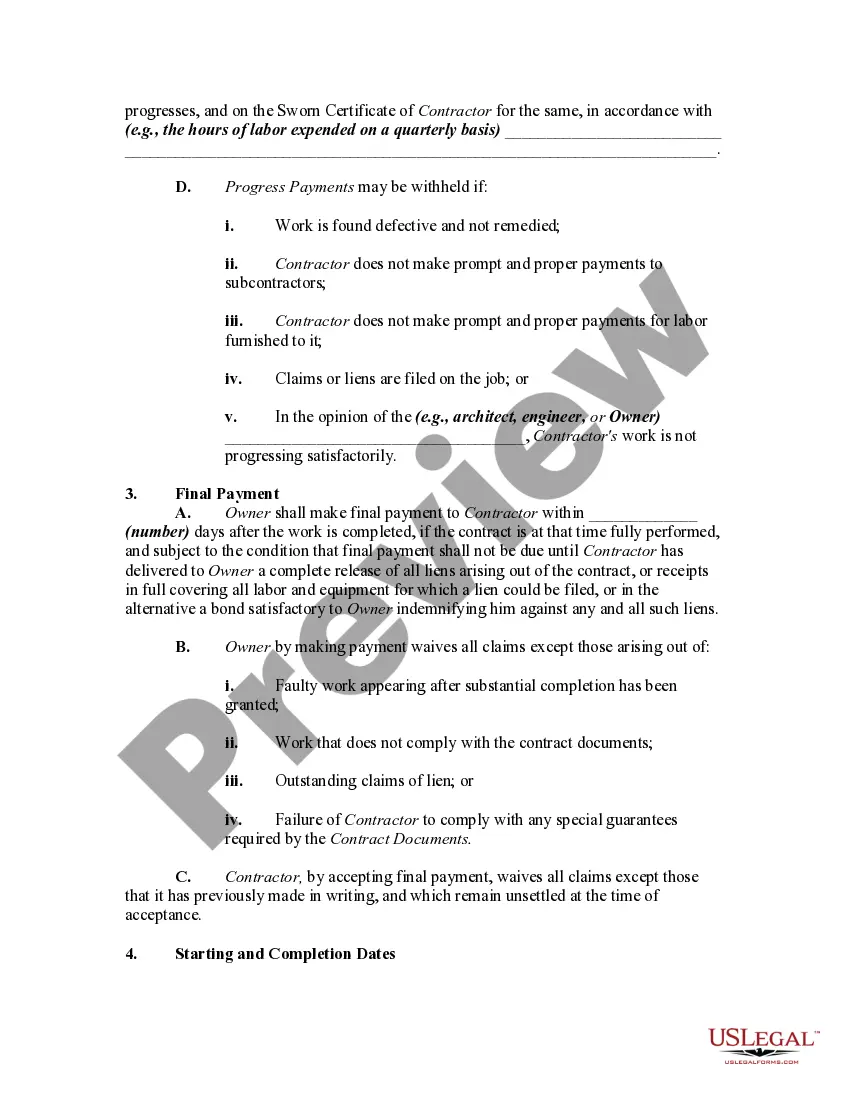
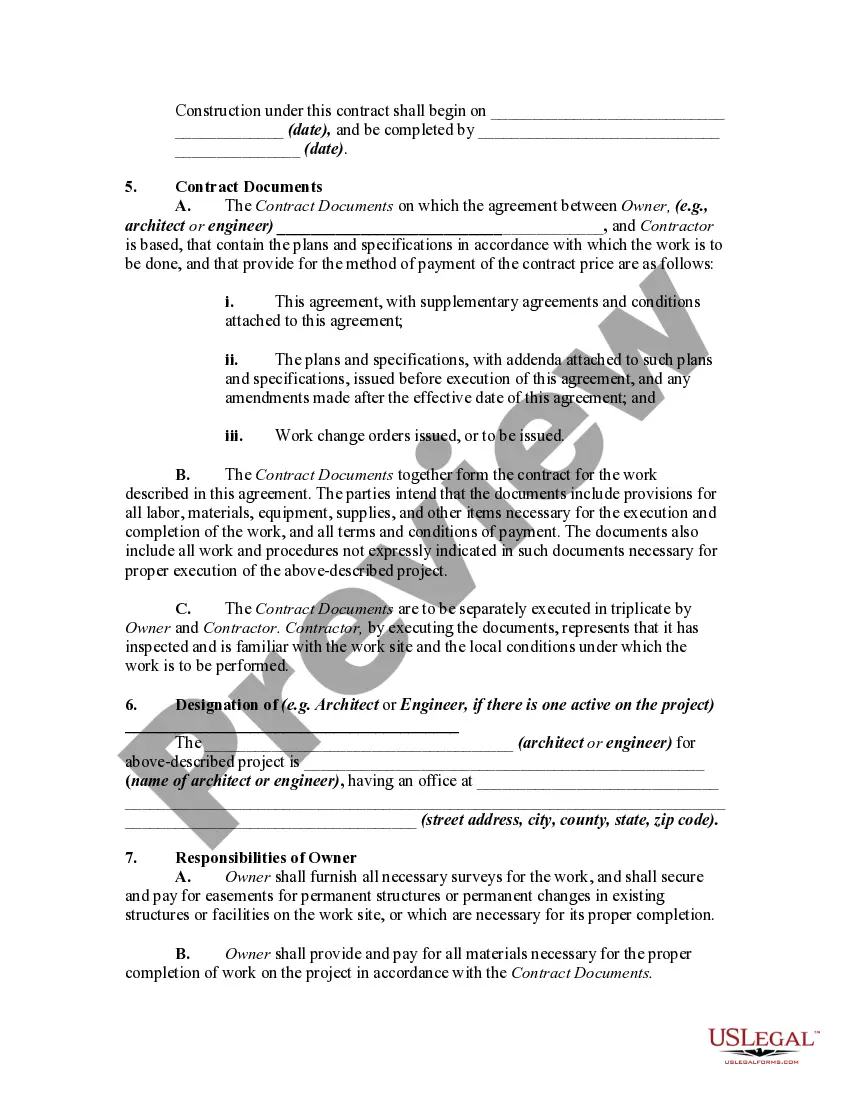
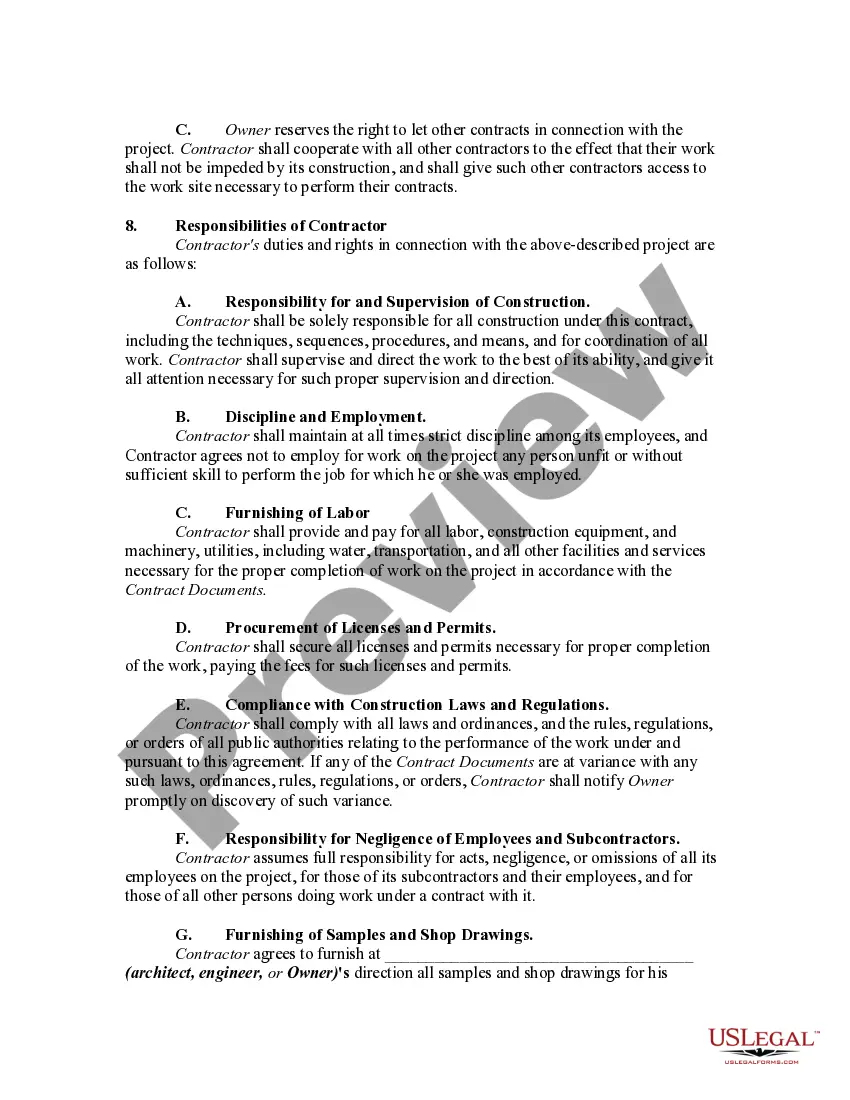
Description
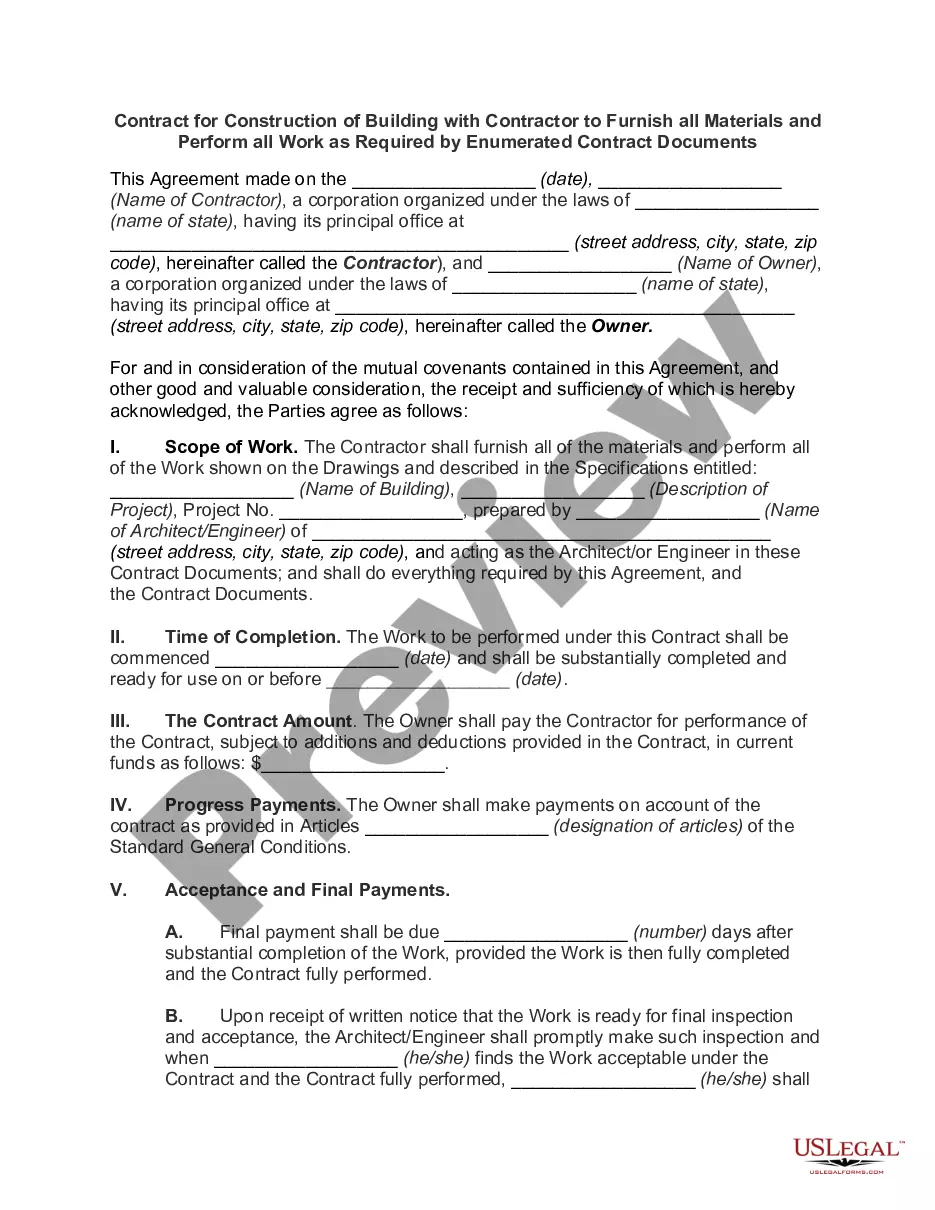
Get your form ready online
Our built-in tools help you complete, sign, share, and store your documents in one place.
Make edits, fill in missing information, and update formatting in US Legal Forms—just like you would in MS Word.
Download a copy, print it, send it by email, or mail it via USPS—whatever works best for your next step.
Sign and collect signatures with our SignNow integration. Send to multiple recipients, set reminders, and more. Go Premium to unlock E-Sign.
If this form requires notarization, complete it online through a secure video call—no need to meet a notary in person or wait for an appointment.
We protect your documents and personal data by following strict security and privacy standards.

Make edits, fill in missing information, and update formatting in US Legal Forms—just like you would in MS Word.

Download a copy, print it, send it by email, or mail it via USPS—whatever works best for your next step.

Sign and collect signatures with our SignNow integration. Send to multiple recipients, set reminders, and more. Go Premium to unlock E-Sign.

If this form requires notarization, complete it online through a secure video call—no need to meet a notary in person or wait for an appointment.

We protect your documents and personal data by following strict security and privacy standards.
Looking for another form?

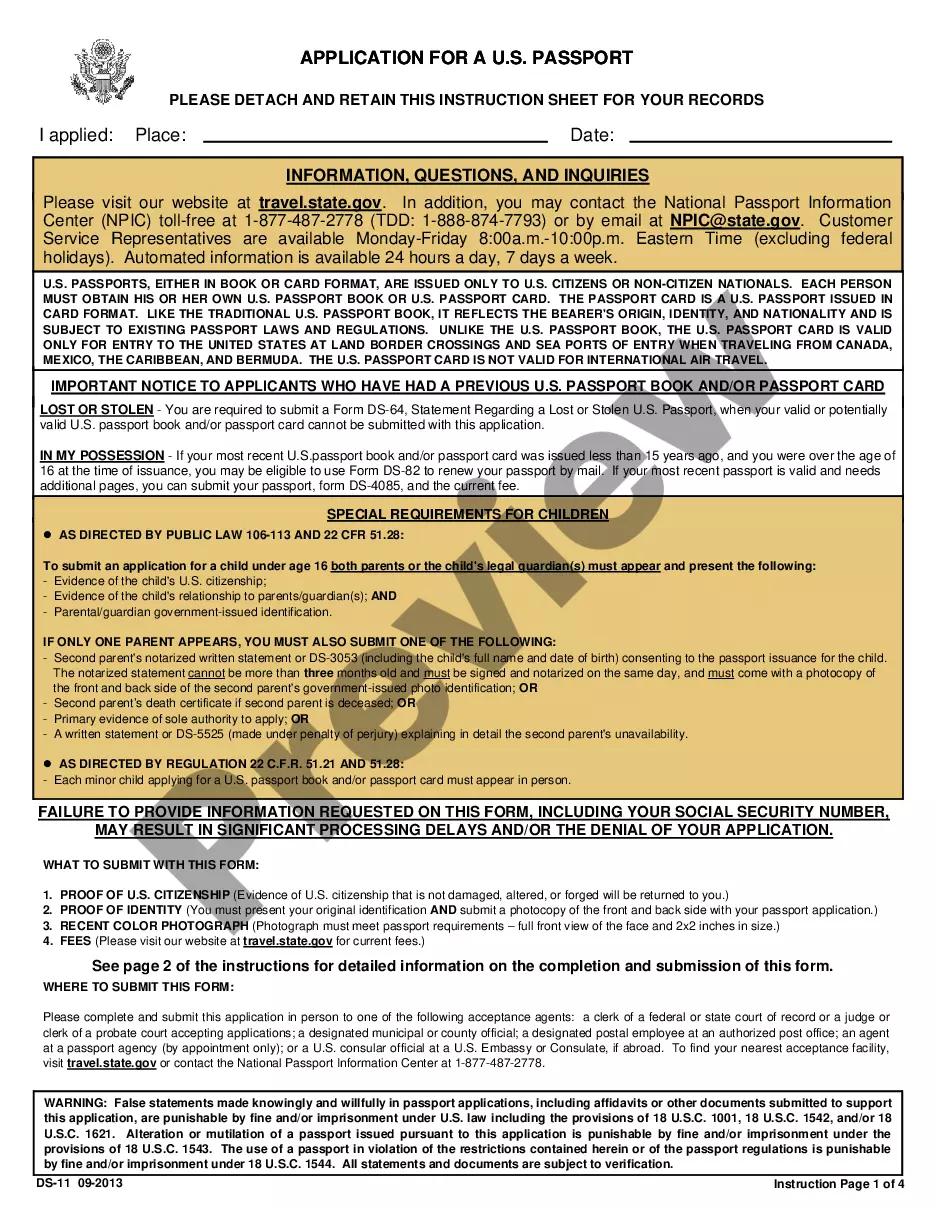



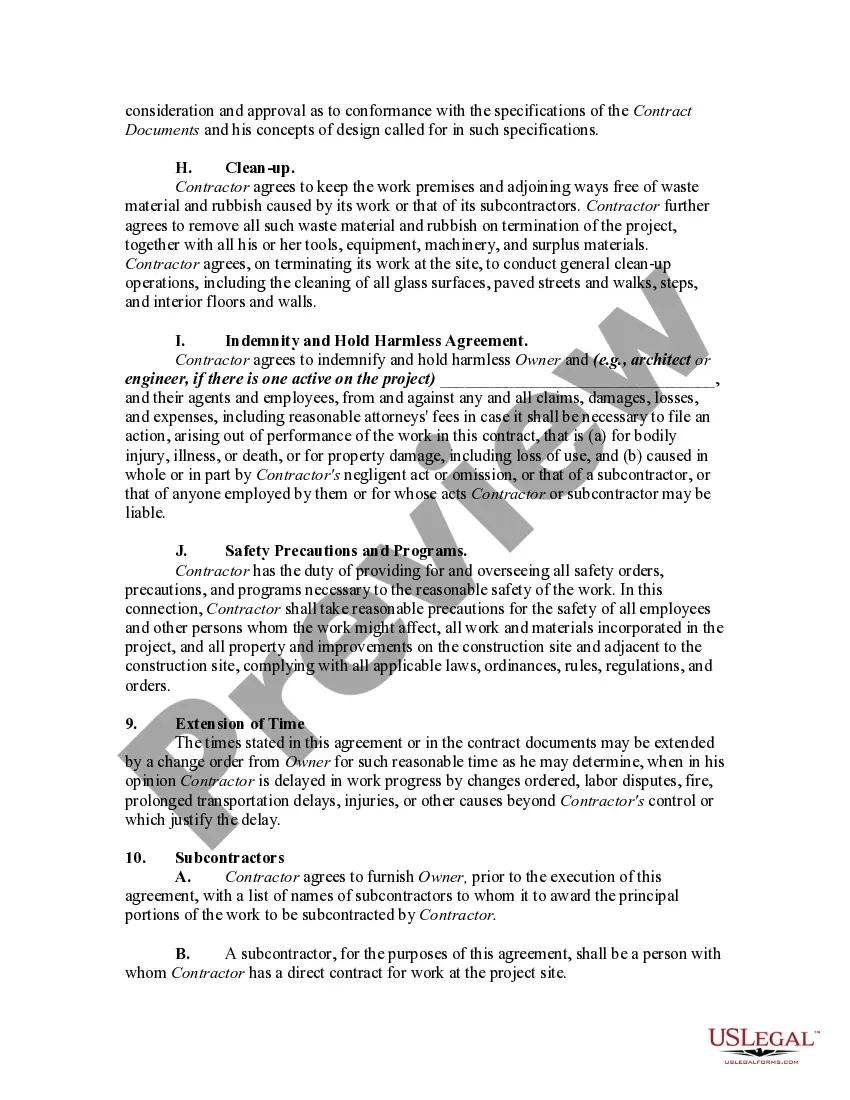
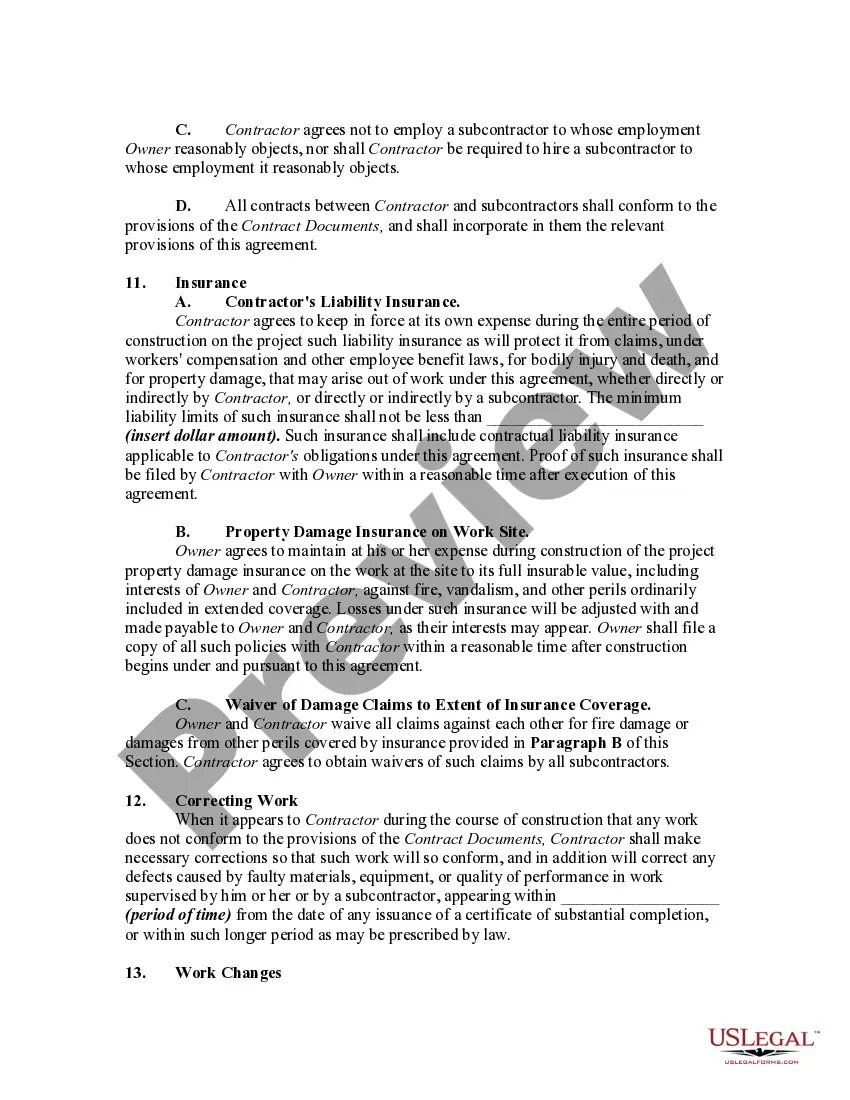
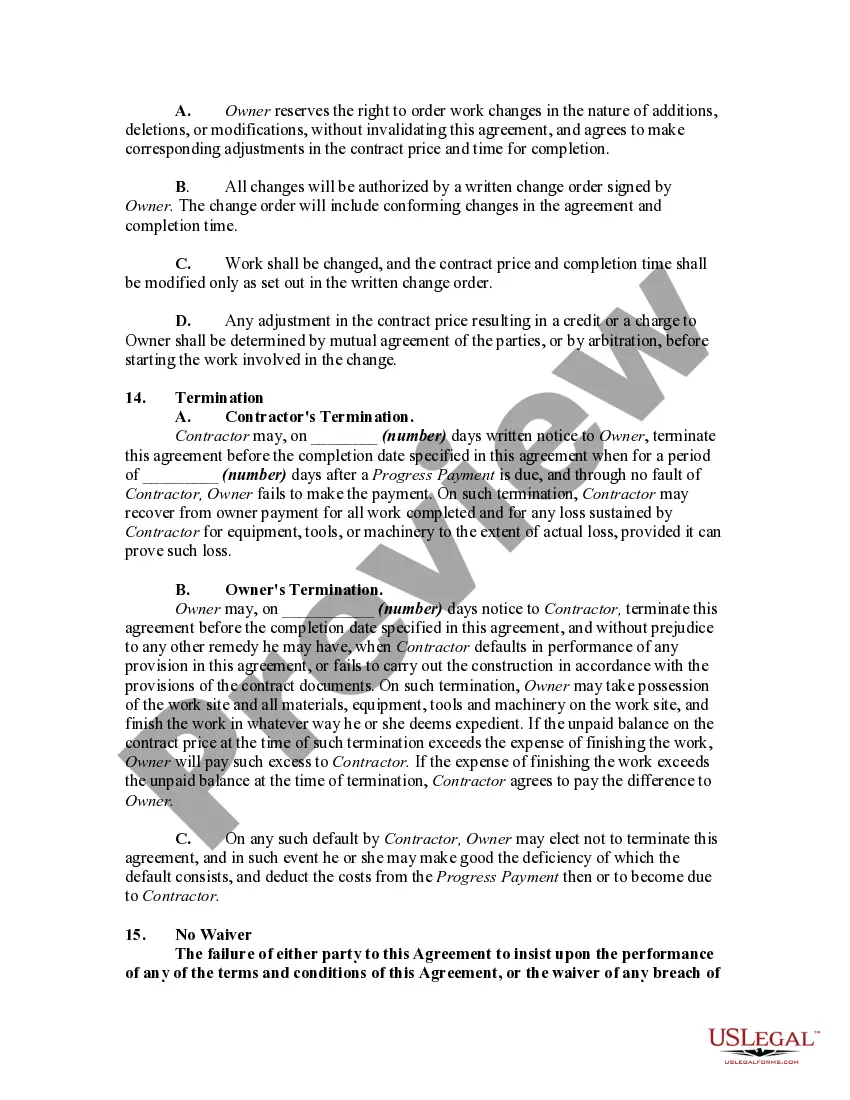
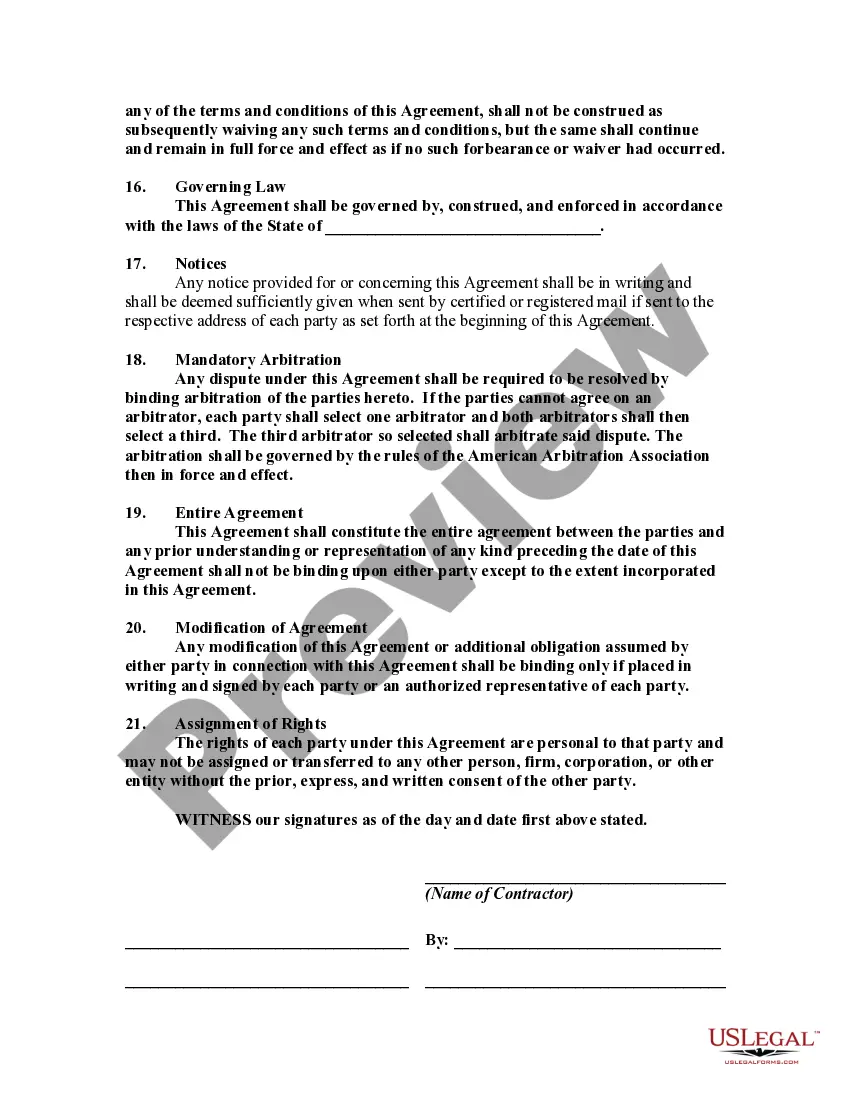
How to fill out Time And Material Building And Construction Contract - Owner To Supply Materials?
Securing a reliable location to obtain the most up-to-date and suitable legal templates is a significant part of navigating bureaucracy.
Identifying the correct legal documents requires accuracy and meticulousness, which is why it is crucial to source Time Material Materials With A Cap exclusively from reputable providers, such as US Legal Forms.
Eliminate the hassle associated with your legal documentation. Browse the extensive US Legal Forms library to discover legal templates, verify their applicability to your circumstances, and download them immediately.
- Utilize the directory navigation or search bar to find your document.
- Access the form’s details to determine its compliance with your state's needs.
- Preview the form, if accessible, to confirm it is the document you require.
- If the Time Material Materials With A Cap does not meet your needs, continue searching for the appropriate document.
- If you are confident about the form’s suitability, proceed to download it.
- As a registered user, click Log in to verify and access your chosen forms in My documents.
- If you lack an account, click Buy now to purchase the form.
- Select the pricing option that matches your needs.
- Complete the registration process to confirm your order.
- Conclude your purchase by choosing a payment option (credit card or PayPal).
- Select the file format for downloading Time Material Materials With A Cap.
- After obtaining the form on your device, you can modify it using the editor or print it for manual completion.
Form popularity
FAQ
A customer hires a contractor to build a deck. The cost of the lumber and other materials is $500. The contractor spends 10 hours building the deck, at an hourly rate of $50. The total cost to the customer would be $1,000 (10 hours x $50/hour + $500 for materials).
A time and materials contract should outline the project's objectives and contain a fixed price for labor that accounts for wages, overhead, general and administrative expenses, as well as a profit margin. Freight, taxes, and markup should be included in the materials cost.
Time and material pricing is a method of billing the project owner based on hourly labor costs and the price of materials used. Usually, hourly rates, costs for using equipment, markups for any subcontractors, and materials are agreed upon ahead of time.
They set out prices for materials and hourly rates for labor, and the client is billed at those rates for as many hours and as much material as is required to complete the project. To protect project owners, time and materials contracts usually include a maximum price in the form of a ?not-to-exceed? clause.
Capped Time and materials Contracts Capped T&M contracts work in the sense of traditional T&M contracts. However, there is an upper limit to how much customers will have to pay. In this way, suppliers benefit with early time-frame changes while customers only have to pay up until the capped cost limit is reached.