Social Orders
Description




Get your form ready online
Our built-in tools help you complete, sign, share, and store your documents in one place.
Make edits, fill in missing information, and update formatting in US Legal Forms—just like you would in MS Word.
Download a copy, print it, send it by email, or mail it via USPS—whatever works best for your next step.
Sign and collect signatures with our SignNow integration. Send to multiple recipients, set reminders, and more. Go Premium to unlock E-Sign.
If this form requires notarization, complete it online through a secure video call—no need to meet a notary in person or wait for an appointment.
We protect your documents and personal data by following strict security and privacy standards.

Make edits, fill in missing information, and update formatting in US Legal Forms—just like you would in MS Word.

Download a copy, print it, send it by email, or mail it via USPS—whatever works best for your next step.

Sign and collect signatures with our SignNow integration. Send to multiple recipients, set reminders, and more. Go Premium to unlock E-Sign.

If this form requires notarization, complete it online through a secure video call—no need to meet a notary in person or wait for an appointment.

We protect your documents and personal data by following strict security and privacy standards.
Looking for another form?
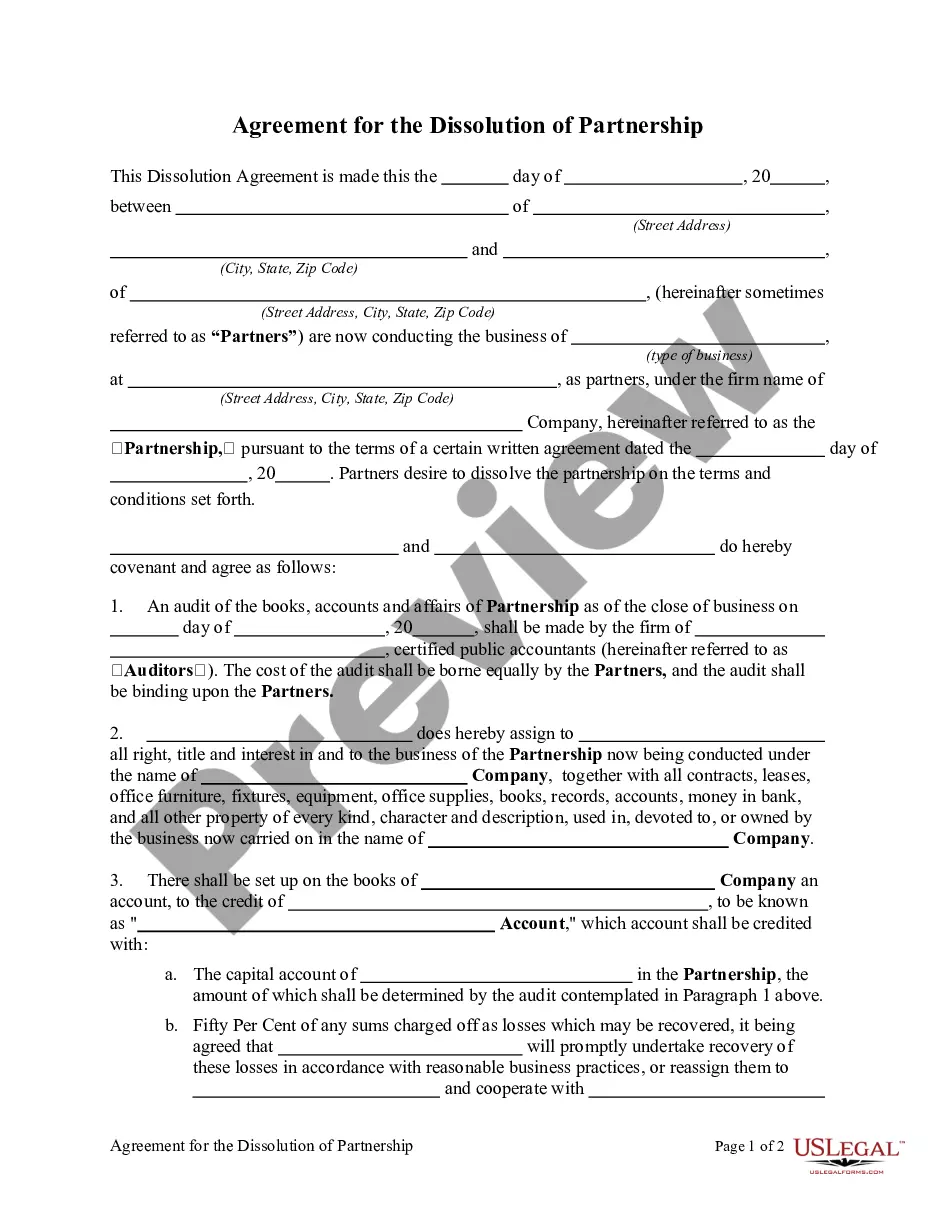






How to fill out Letter Or Statement To Social Security Administration In Order To Establish Claimant's Date Of Eligibility For Benefits?
- Log in to your US Legal Forms account if you're a returning user. Ensure your subscription is valid; renew it if necessary.
- For first-time users, start by checking the Preview mode and the description of the legal form you need. Confirm it meets your jurisdiction requirements.
- If the desired form isn't suitable, utilize the Search feature to find an alternative that fits your needs better.
- Once you find the right document, click the Buy Now button and select your preferred subscription plan. You'll need to create an account to access the resources.
- Complete the purchase by entering your payment details via credit card or PayPal.
- Finally, download the form to your device. You can access it anytime through the My Forms section in your profile.
Following these steps ensures you have the correct legal documents tailored to your specific needs, backed by the support of premium experts for any assistance.
Start your legal journey today with US Legal Forms and leverage their robust library to ensure your documents are accurate and reliable!
Form popularity
FAQ
Social order, according to Karl Marx, is fundamentally linked to the economic base of society, defining the structure of interactions among individuals. He asserted that social orders can change when the economic conditions shift, affecting class relations. In his analysis, these social orders often reflect the dominance of one class over another, revealing the inherent power struggles. Understanding this concept is key to analyzing societal change and historical development.
According to Marx, social order is deeply influenced by economic structures and class relations. He believed that social orders stem from material conditions and the means of production. This perspective emphasizes that power dynamics shape societal roles, influencing how individuals interact. Thus, understanding social orders through a Marxist lens encourages examination of class struggles and their impact on society.
The three types of social systems include industrial, agrarian, and post-industrial systems. Each system has distinct characteristics defining social orders, from agrarian societies rooted in agriculture to industrial societies focused on manufacturing. Understanding these systems helps you evaluate how different social orders influence economic and cultural development.
The three social orders typically recognized are traditional, modern, and postmodern. Traditional social orders are characterized by established customs and practices, while modern social orders often emphasize rationality and science. Postmodern social orders question previous norms, promoting a more fluid understanding of identity and community, reflecting society's evolving nature.
The three perspectives on social order include functionalism, conflict theory, and symbolic interactionism. Functionalism focuses on how elements of society contribute to overall stability, while conflict theory highlights the struggles between different groups. Symbolic interactionism examines how social orders are created and maintained through everyday interactions, showcasing the diversity of viewpoints regarding social structures.
Karl Marx viewed social order through the lens of class struggle and economic power. He argued that the prevailing social orders reflect the interests of those who control resources, often leading to conflict between classes. His analysis encourages us to think critically about the dynamics of power and the implications for societal change.
Social order refers to the organized and structured way society functions, with accepted norms and values guiding individual behavior. It includes rules and institutions that maintain stability and predictability in a community. Understanding social orders helps us analyze how different societies establish and reinforce their customs and relationships.
The 1st, 2nd, and 3rd estates refer to the societal divisions that existed in France before the revolution. The 1st estate included the clergy, the 2nd estate consisted of the nobility, and the 3rd estate represented the common people. This classification highlights the concept of social orders in historical contexts, emphasizing the power dynamics and social inequalities of that time.
Social order is achieved through a combination of legal enforcement, mutual respect, and active participation by members of society. Individuals contribute by adhering to established norms and collaborating toward common goals. Creating strong social orders also requires platforms like US Legal Forms, which provide tools for communities to codify their agreements and maintain harmony.
Causes of social order include shared values, norms, and institutions that promote cooperation among members of society. These elements help to minimize conflict and establish predictability in daily interactions. Additionally, factors such as economic stability, education, and effective governance play crucial roles in fostering strong social orders.