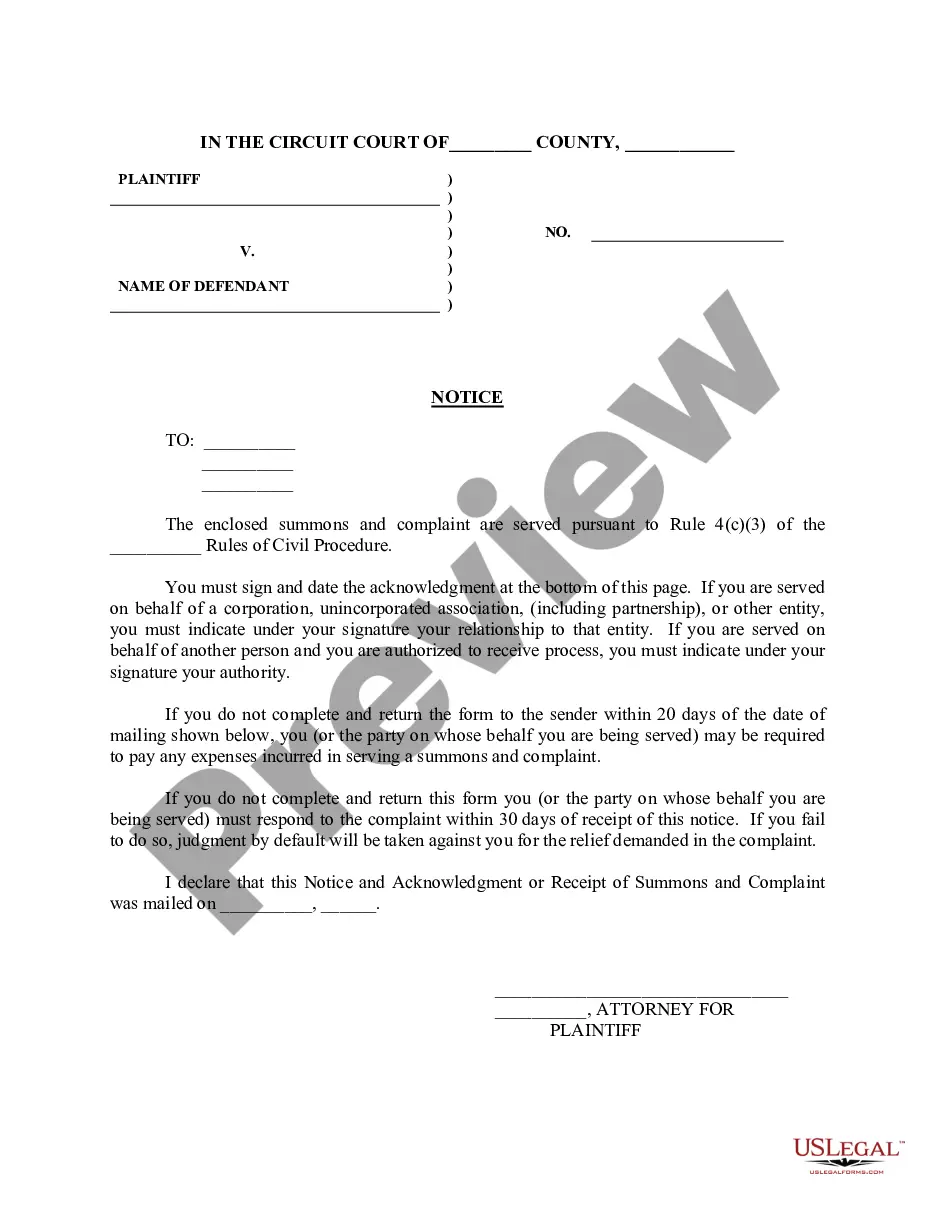
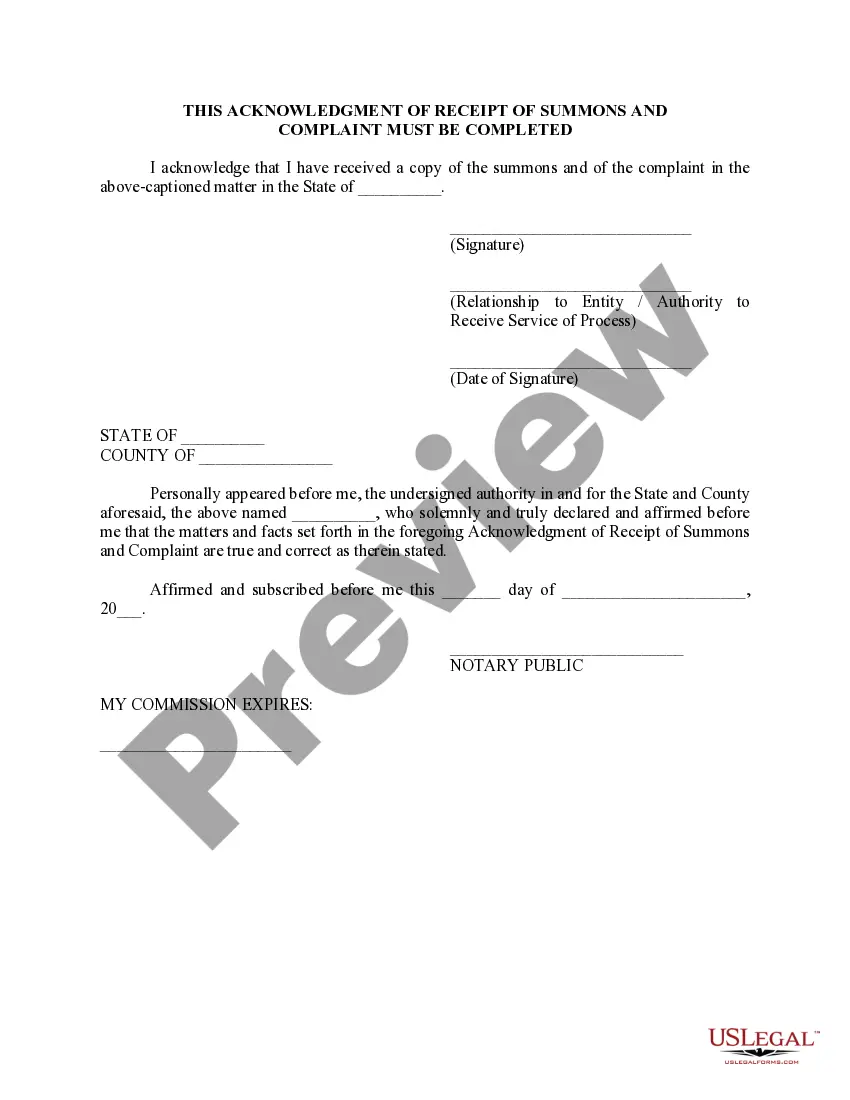
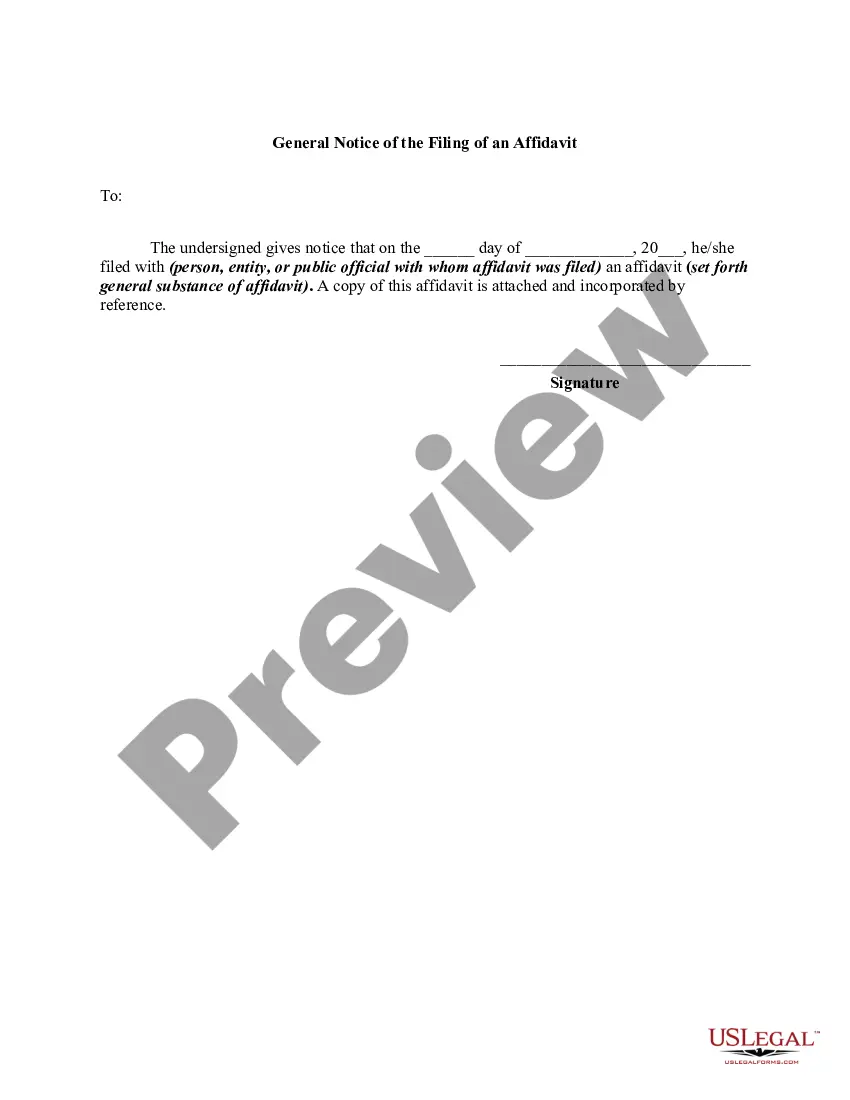
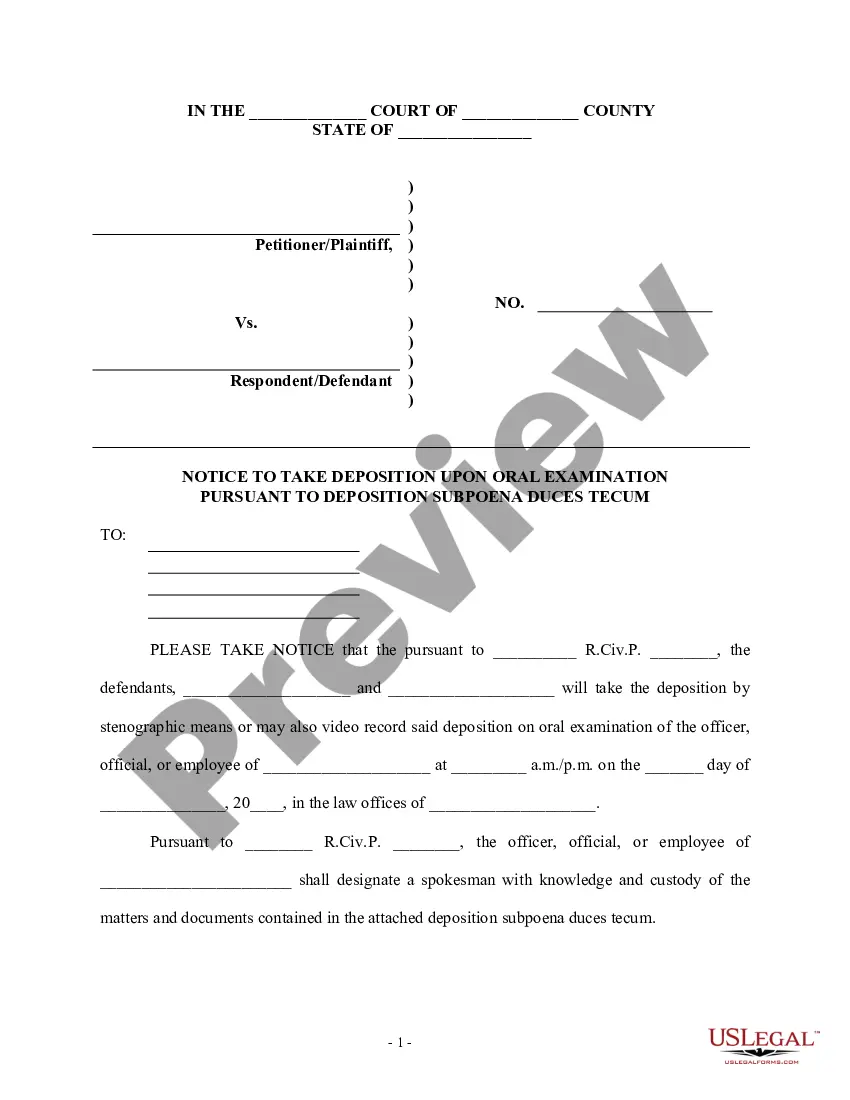
Civil Summons Form For Probate
Description
Get your form ready online
Our built-in tools help you complete, sign, share, and store your documents in one place.
Make edits, fill in missing information, and update formatting in US Legal Forms—just like you would in MS Word.
Download a copy, print it, send it by email, or mail it via USPS—whatever works best for your next step.
Sign and collect signatures with our SignNow integration. Send to multiple recipients, set reminders, and more. Go Premium to unlock E-Sign.
If this form requires notarization, complete it online through a secure video call—no need to meet a notary in person or wait for an appointment.
We protect your documents and personal data by following strict security and privacy standards.

Make edits, fill in missing information, and update formatting in US Legal Forms—just like you would in MS Word.

Download a copy, print it, send it by email, or mail it via USPS—whatever works best for your next step.

Sign and collect signatures with our SignNow integration. Send to multiple recipients, set reminders, and more. Go Premium to unlock E-Sign.

If this form requires notarization, complete it online through a secure video call—no need to meet a notary in person or wait for an appointment.

We protect your documents and personal data by following strict security and privacy standards.
Looking for another form?
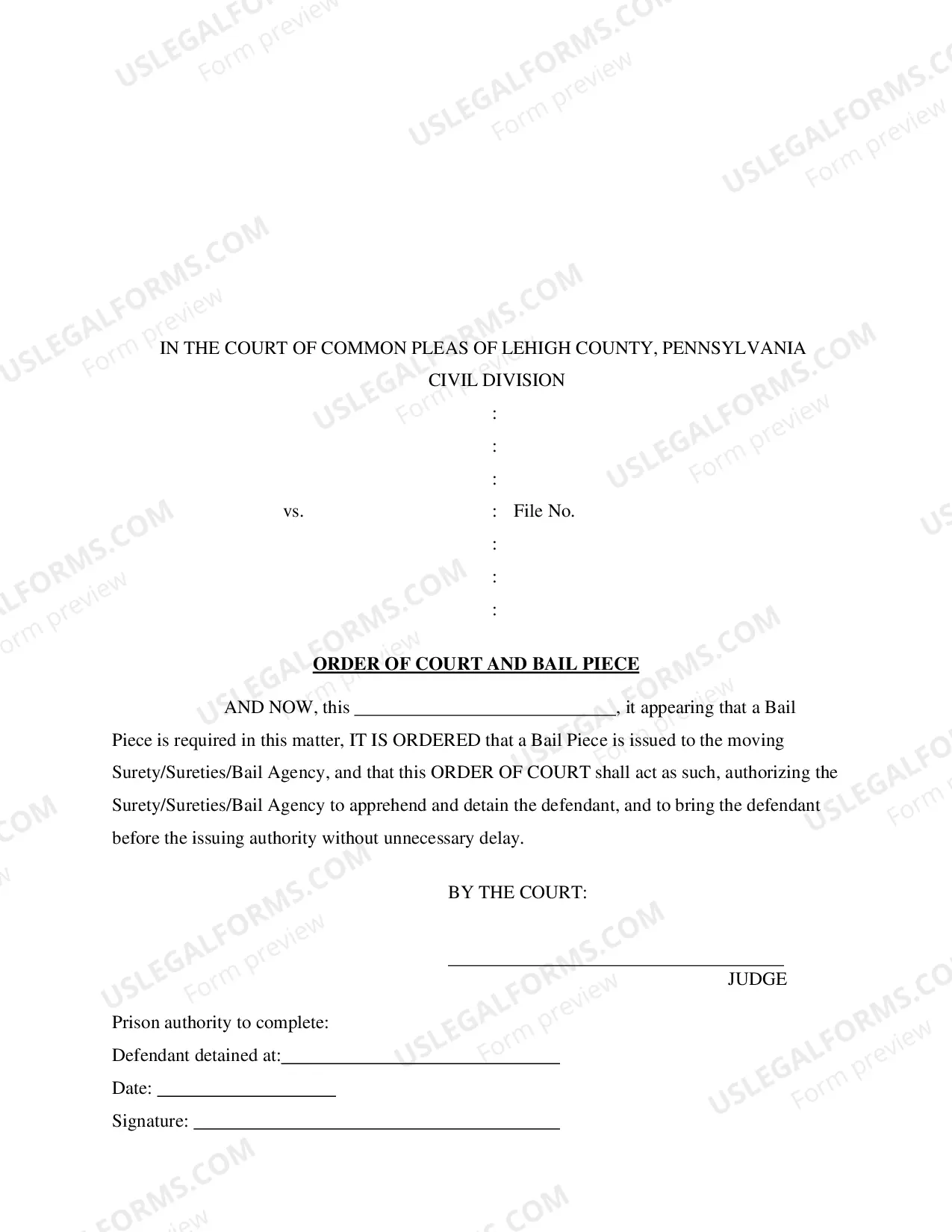


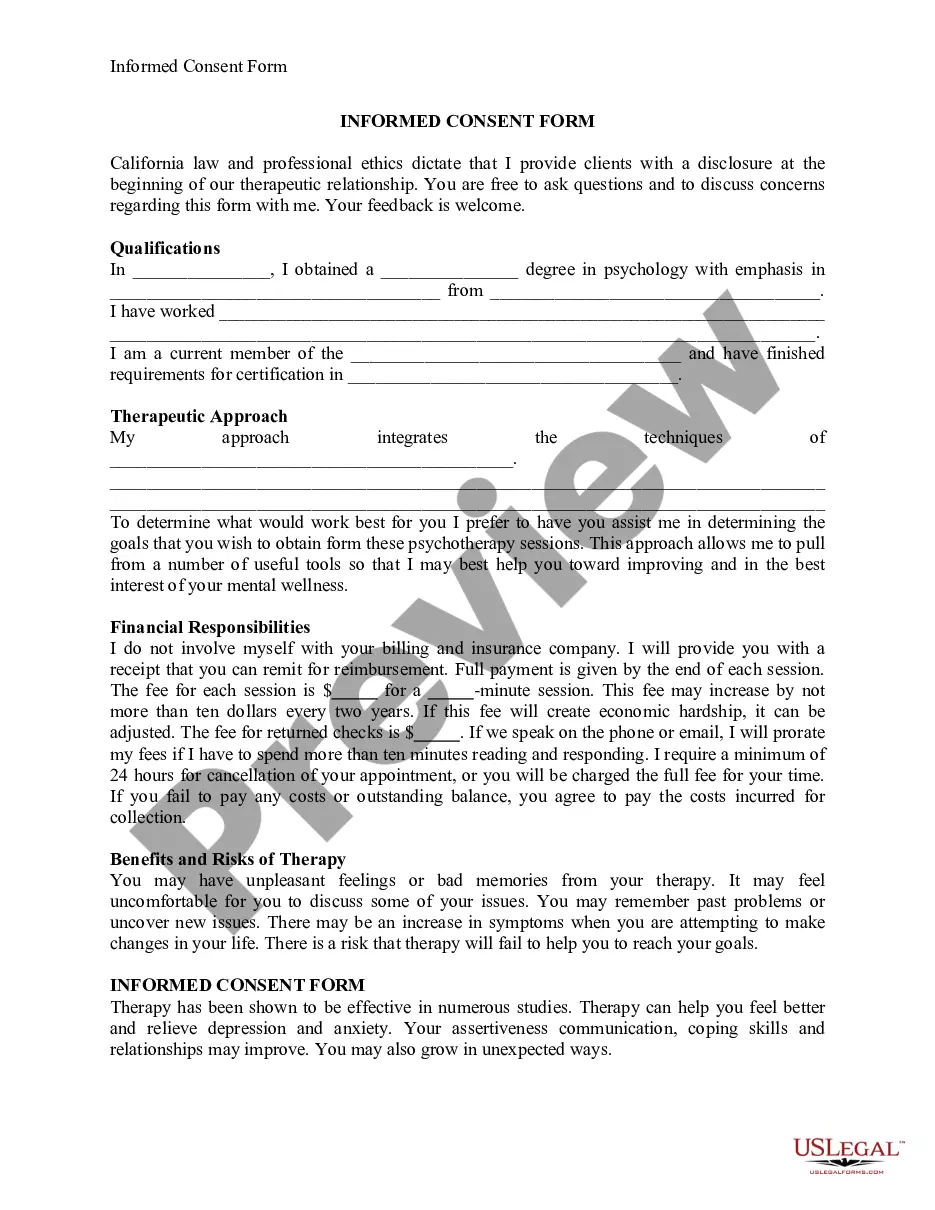

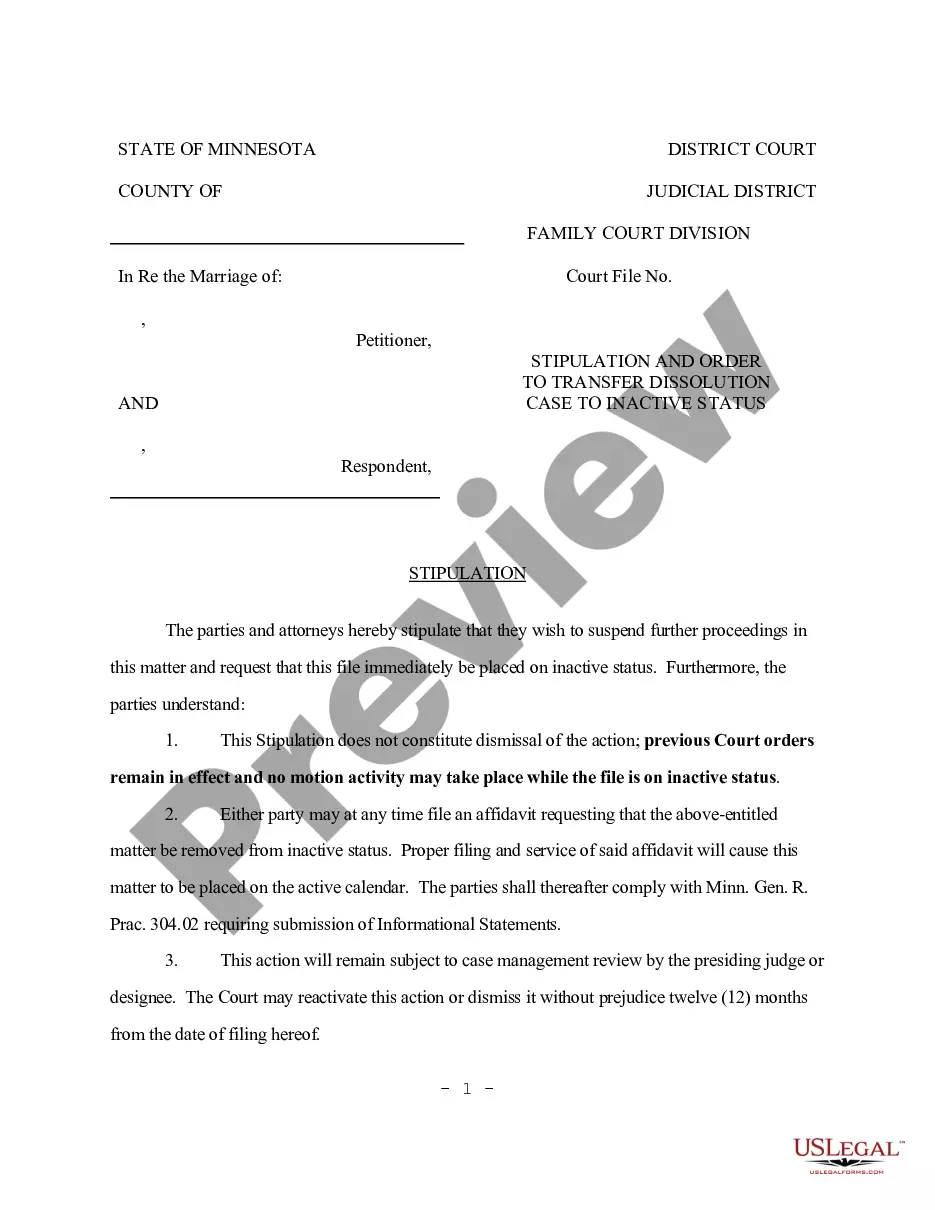




How to fill out Notice - Served With Complaint And Summons?
Legal administration can be daunting, even for the most seasoned experts.
When you are looking for a Civil Summons Form For Probate and lack the time to search for the correct and current version, the process can be stressful.
US Legal Forms accommodates all your needs, whether personal or commercial documentation, all in one location.
Employ sophisticated tools to complete and manage your Civil Summons Form For Probate.
Here are the steps to follow after acquiring the form you require: Validate it is the correct form by previewing it and reviewing its details. Ensure the template is accepted in your state or county. Click Buy Now when you are prepared. Choose a subscription package. Select the file format you need, and Download, complete, eSign, print, and send your document. Appreciate the US Legal Forms digital library, backed by 25 years of experience and reliability. Improve your daily document management in a simple and user-friendly manner today.
- Access a collection of articles, guides, and handbooks relevant to your situation and needs.
- Save time and effort searching for the necessary documents, and use US Legal Forms' advanced search and Review feature to find Civil Summons Form For Probate and acquire it.
- If you have a subscription, Log In to your US Legal Forms account, locate the form, and obtain it.
- Check the My documents tab to review the documents you have previously downloaded and to manage your folders as you see fit.
- If it’s your initial visit to US Legal Forms, create a free account and gain unlimited access to all platform benefits.
- Utilize a comprehensive online form library that could significantly enhance the way you manage these circumstances.
- US Legal Forms stands as a leading provider of digital legal forms, offering over 85,000 state-specific legal documents at your convenience.
- Access state- or county-specific legal and business documents.
Form popularity
FAQ
The process of summoning begins with filing the civil summons form for probate in the appropriate court. After submission, the court issues the summons, which you must then serve to the parties involved. This ensures that all affected individuals are formally notified about the probate proceedings.
The two primary types of summons include a summons for civil matters and a summons specifically for probate cases. Each type serves to notify parties of legal proceedings and requires different handling based on the situation. Understanding these distinctions is crucial when completing a civil summons form for probate.
To obtain a summons, a person must submit a petition and the appropriate civil summons form for probate to the court. This involves completing the documents accurately and paying any associated filing fees. Once received and reviewed by the clerk, the summons will be issued to commence the probate process.
In Arizona, serving legal documents, including a civil summons form for probate, must be done in person or by a licensed process server. The individual serving the paperwork must be at least 18 years old and not involved in the case. After serving the papers, a proof of service must be filed with the court to confirm proper delivery.
In Colorado, you generally have within six months from the date of a person's death to file a probate case. However, it's wise to start the process sooner, as various factors can influence the timeline. Using the civil summons form for probate ensures you meet the required deadlines and adhere to legal protocols.
To issue a civil summons form for probate, you must first complete the necessary probate paperwork. This typically includes a petition for probate, which outlines the decedent's assets and beneficiaries. Once you file these documents with the court, they will review your submission and issue the summons accordingly.
To initiate probate in Minnesota, first determine if the estate requires probate proceedings. Gather relevant documents, including a civil summons form for probate, and file them with the probate court. After filing, the court will notify interested parties and set a date for a hearing. Using platforms like US Legal Forms can help you efficiently assemble the necessary documents to simplify your initiation of probate.
Writing a petition for probate court involves outlining the deceased's information, listing their assets, and including a civil summons form for probate. Be sure to detail any beneficiaries and heirs, along with your relationship to the deceased. After drafting the petition, it's important to review and proofread for accuracy. Using US Legal Forms can provide you with templates and examples to streamline this process.
Filing a petition for probate means formally requesting the court to validate a will or begin the probate process if there is no will. This includes submitting a civil summons form for probate and other relevant documents. Once filed, the court will review the petition, hold a hearing, and make decisions regarding the estate. This is a crucial step to ensure that the deceased’s affairs are handled according to their wishes.
Yes, you can file probate without a will in Minnesota, which is often referred to as intestate probate. In this case, you will need to submit a civil summons form for probate to the court and provide evidence of the deceased’s assets. The court will then appoint a representative to administer the estate according to state laws. Consider using US Legal Forms to access the necessary documents and guidance to navigate this process.