Employer Withholding Roe
Description
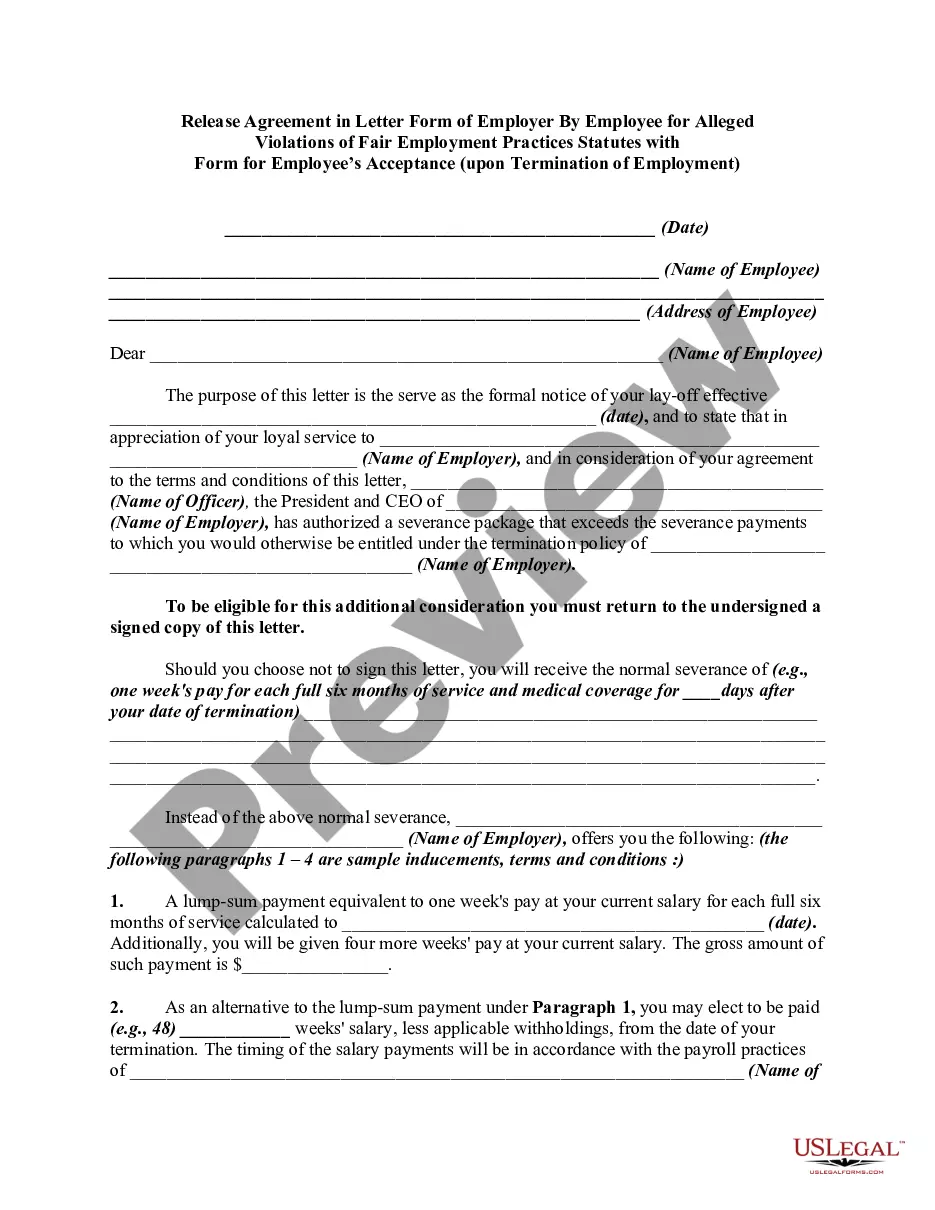
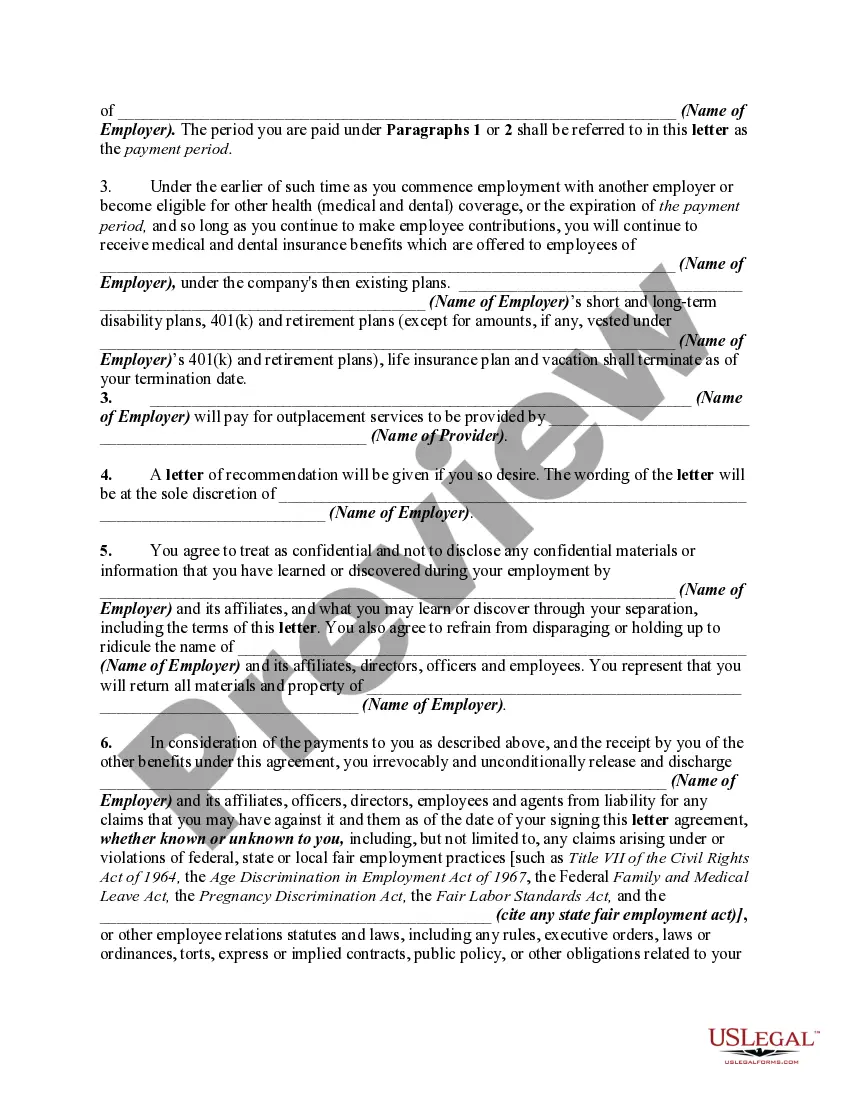
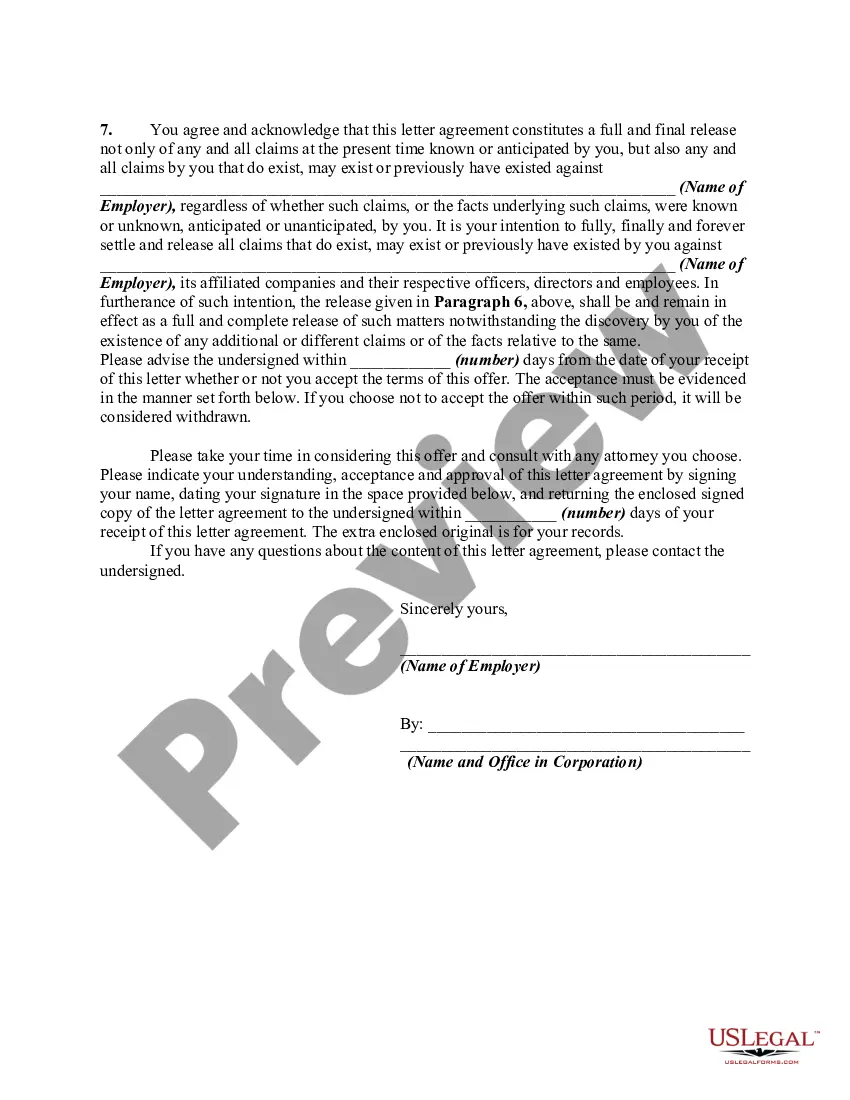
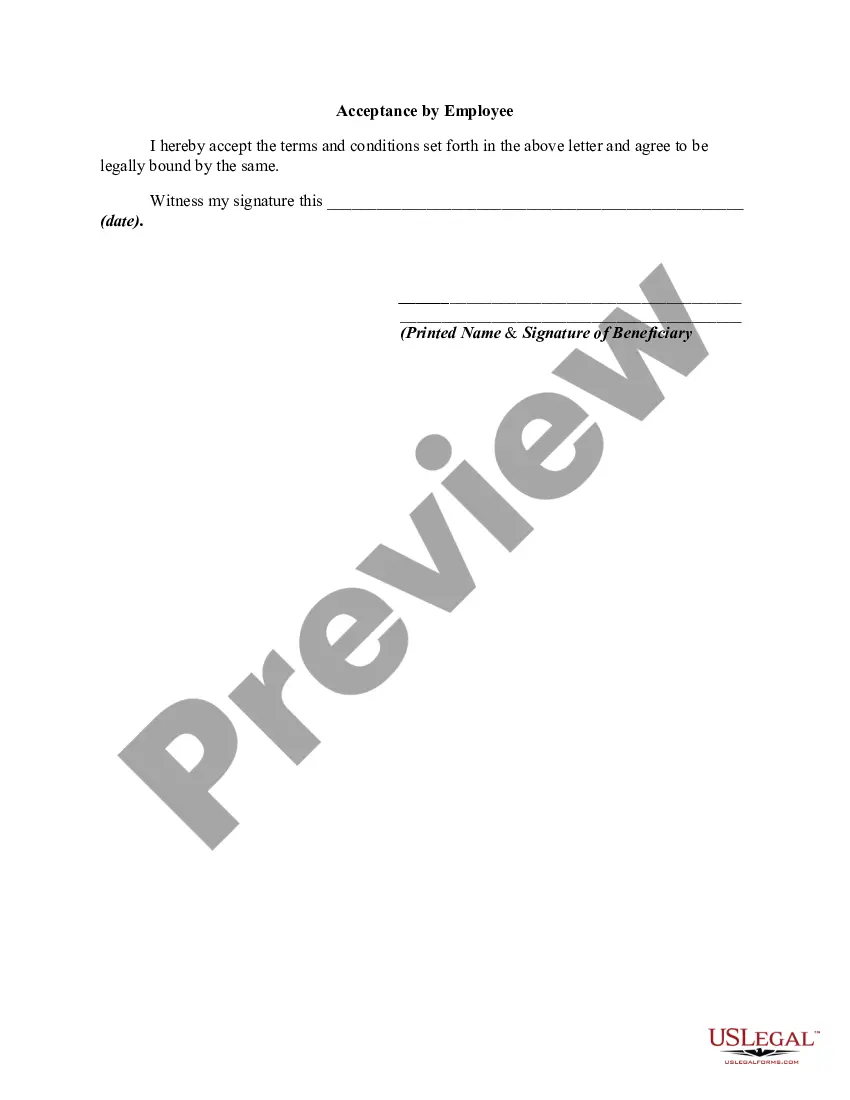
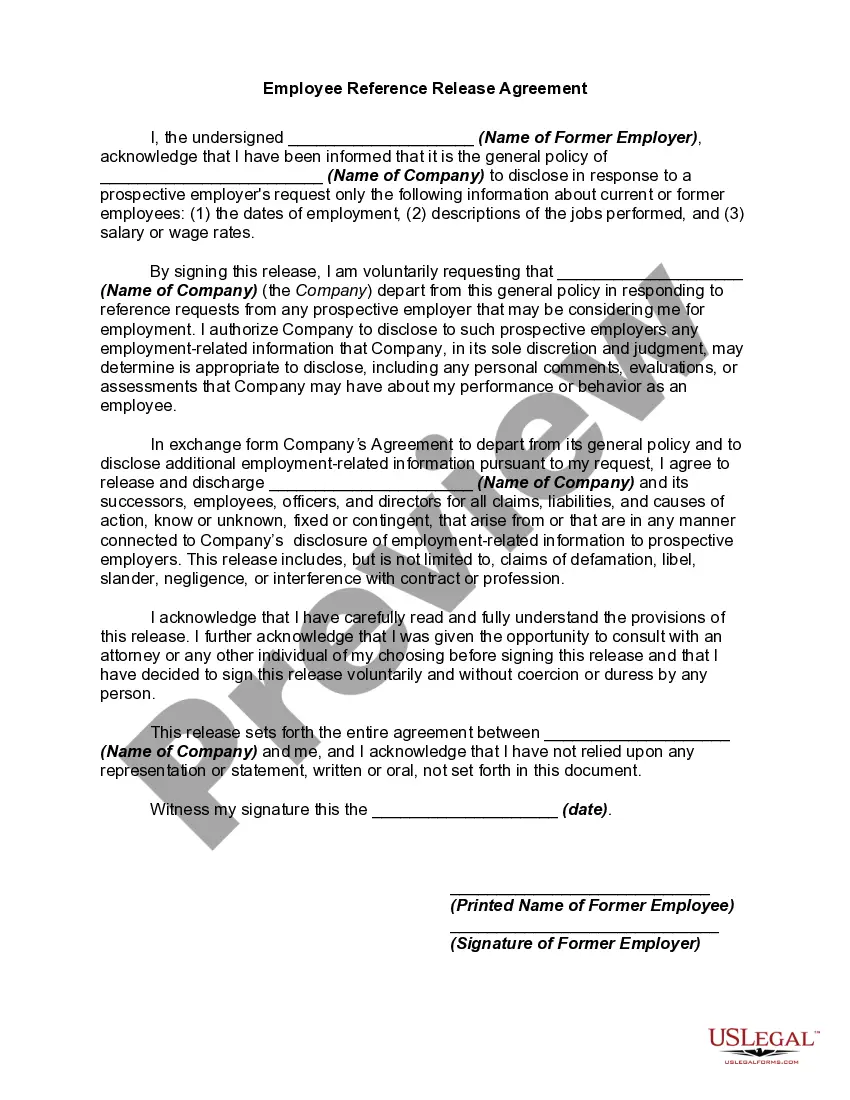
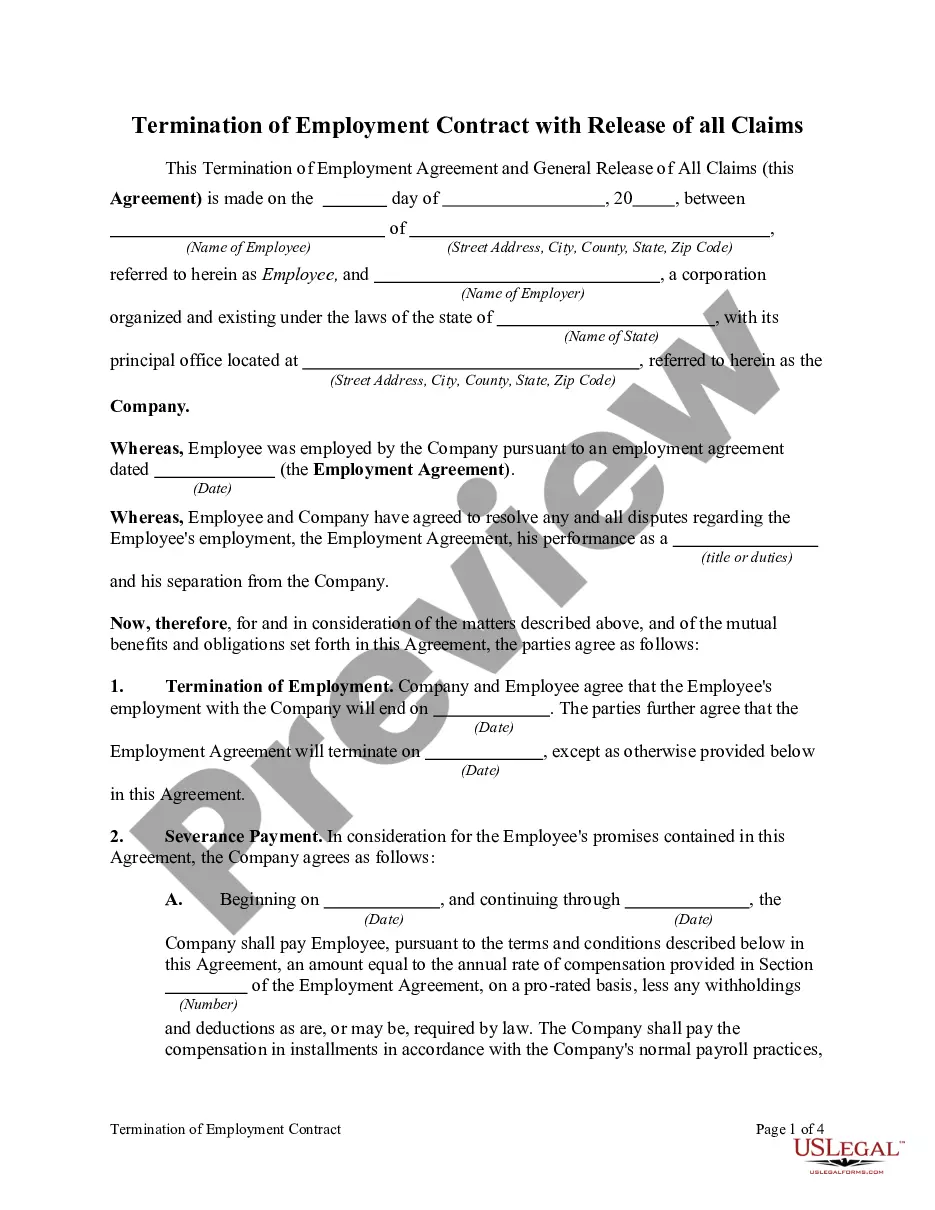
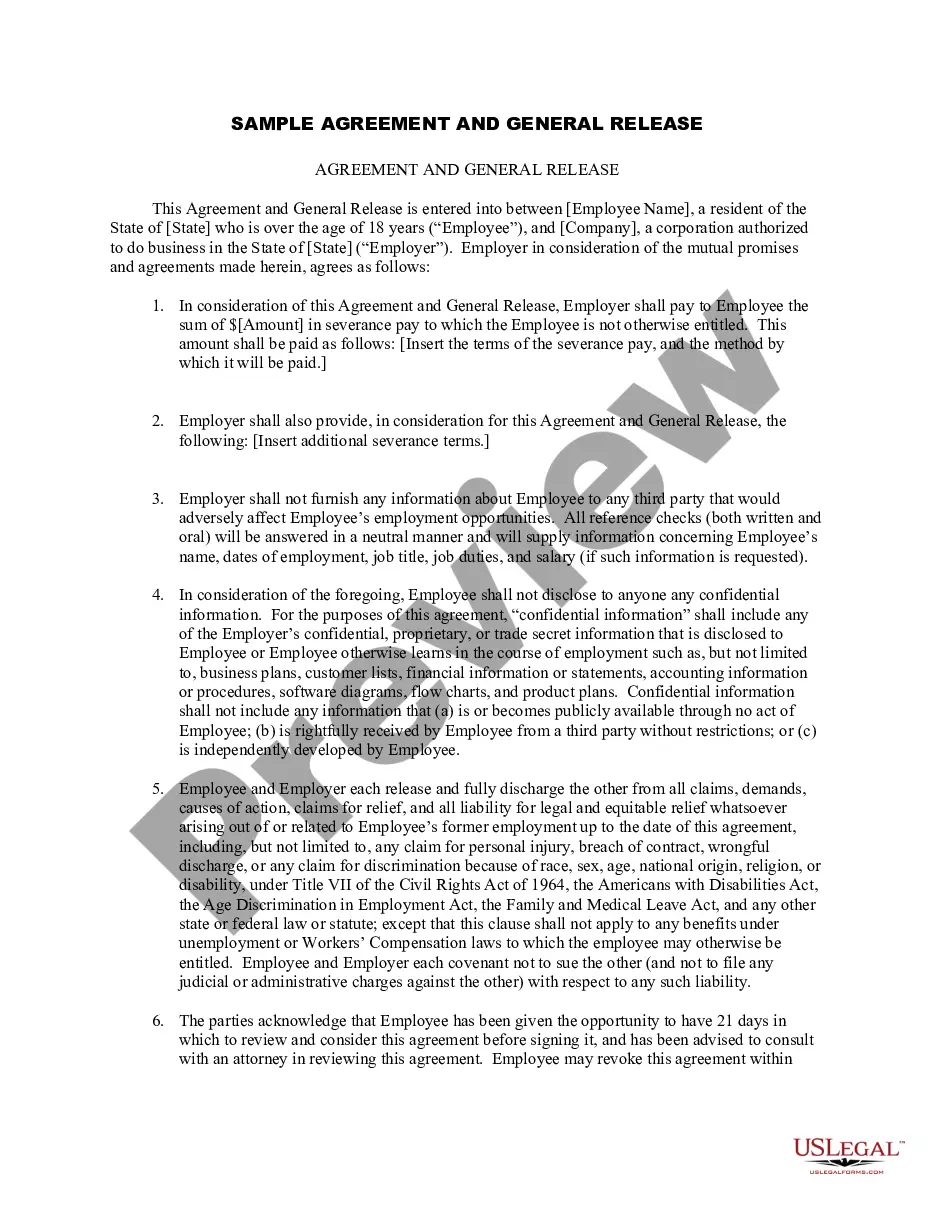
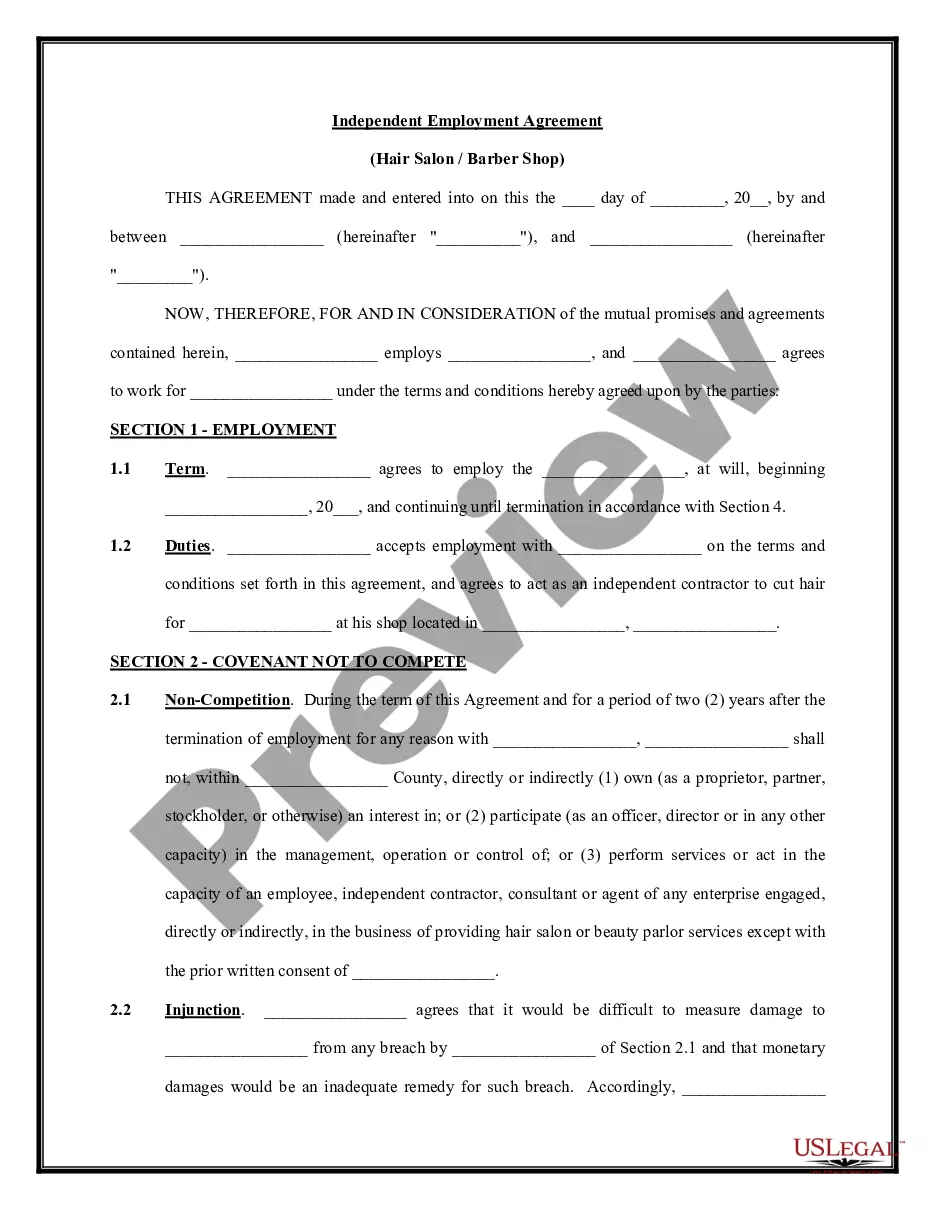
Get your form ready online
Our built-in tools help you complete, sign, share, and store your documents in one place.
Make edits, fill in missing information, and update formatting in US Legal Forms—just like you would in MS Word.
Download a copy, print it, send it by email, or mail it via USPS—whatever works best for your next step.
Sign and collect signatures with our SignNow integration. Send to multiple recipients, set reminders, and more. Go Premium to unlock E-Sign.
If this form requires notarization, complete it online through a secure video call—no need to meet a notary in person or wait for an appointment.
We protect your documents and personal data by following strict security and privacy standards.

Make edits, fill in missing information, and update formatting in US Legal Forms—just like you would in MS Word.

Download a copy, print it, send it by email, or mail it via USPS—whatever works best for your next step.

Sign and collect signatures with our SignNow integration. Send to multiple recipients, set reminders, and more. Go Premium to unlock E-Sign.

If this form requires notarization, complete it online through a secure video call—no need to meet a notary in person or wait for an appointment.

We protect your documents and personal data by following strict security and privacy standards.
Looking for another form?









Form popularity
FAQ
Employers cannot withhold a Record of Employment (ROE) without a signed contract unless it falls under specific legal exceptions. The ROE is crucial for employees claiming unemployment benefits, so withholding it can cause significant delays. If you're facing issues related to employer withholding ROE, it's essential to know your rights. Platforms like uslegalforms can help you understand your employment rights and navigate any disputes with employers effectively.
In HR, ROE stands for Record of Employment, which plays a key role in managing employee separations and payroll issues. The HR department utilizes ROEs to maintain compliance with regulations and ensure accurate reporting of employees' work history and employer withholding. Therefore, understanding ROEs enables HR professionals to support employees effectively.
A ROE for termination provides specific details about an employee’s departure from the company. It summarizes the reasons for the separation, earnings received, and any employer withholding undertaken. This record is crucial for employees as it affects their eligibility for unemployment benefits and ensures they receive the correct financial support.
In the workplace, ROE stands for Record of Employment, which serves as an official documentation of an employee’s work history and termination details. It is essential for employees filing for unemployment benefits, as it outlines necessary financial information and employer withholding. Proper management of ROEs ensures compliance and supports employee transitions.
ROE in the context of salary refers to how an employee's earnings are reported and calculated when they separate from their job. This record outlines salary details, including deductions and employer withholding. It is vital for both employers and employees to understand how salary figures influence benefits and unemployment claims.
In payroll, ROE stands for Record of Employment. This document is pivotal for managing employee benefits, particularly in circumstances involving employer withholding. By accurately processing ROEs, employers can ensure that employees receive the proper funds and benefits after separation from employment.
ROE, or Record of Employment, signifies crucial information about an employee's work history, specifically regarding their payments. When a worker leaves a job, the ROE documents their earnings and any employer withholding tied to those earnings. Understanding the ROE can help the employer ensure accurate financial records and support the employee in their future claims for benefits.

