Trust Agreement For Real Estate
Description
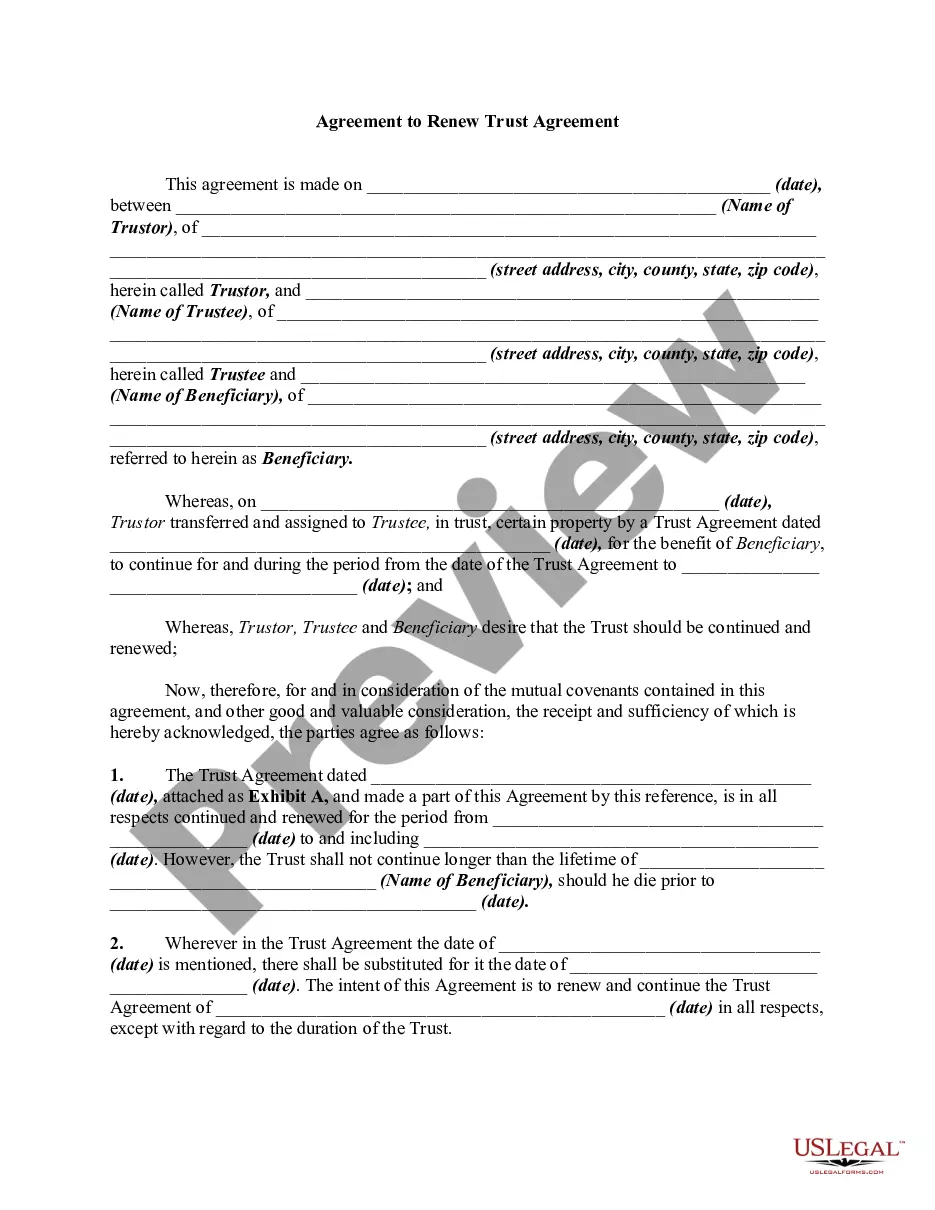
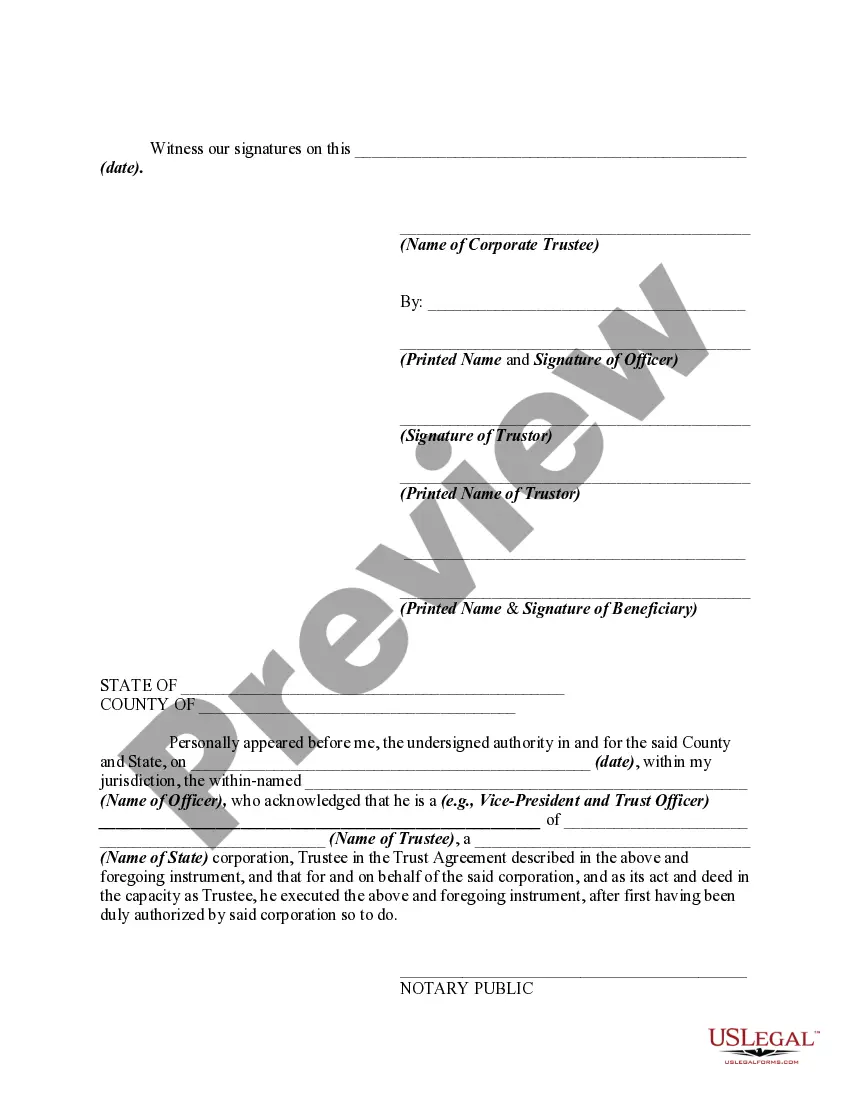
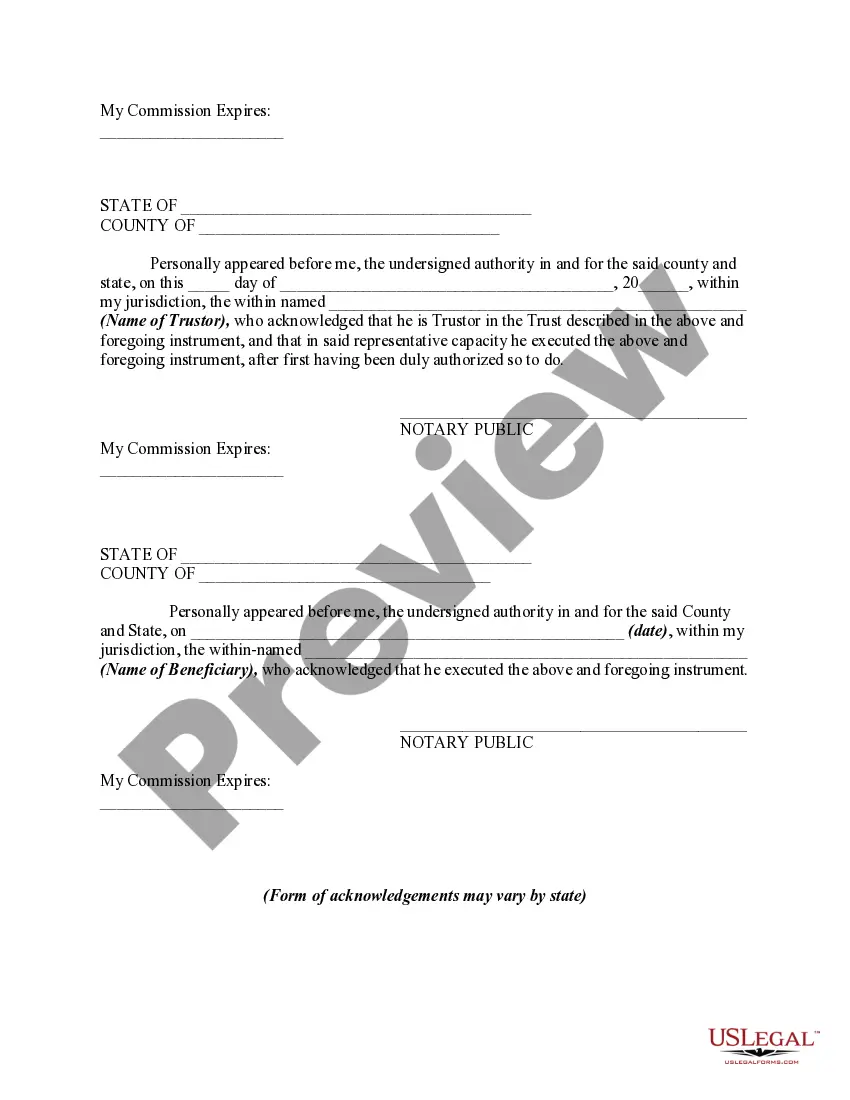

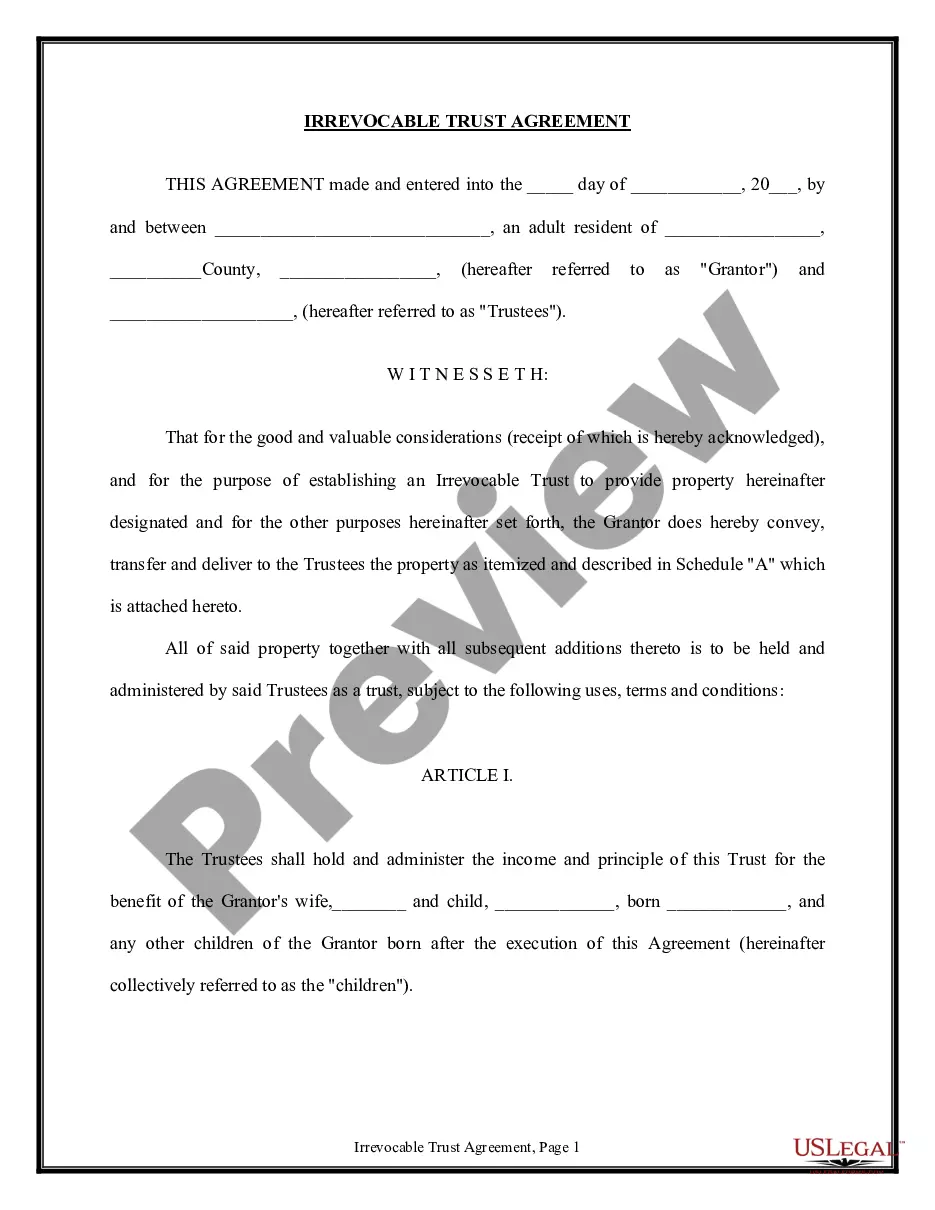
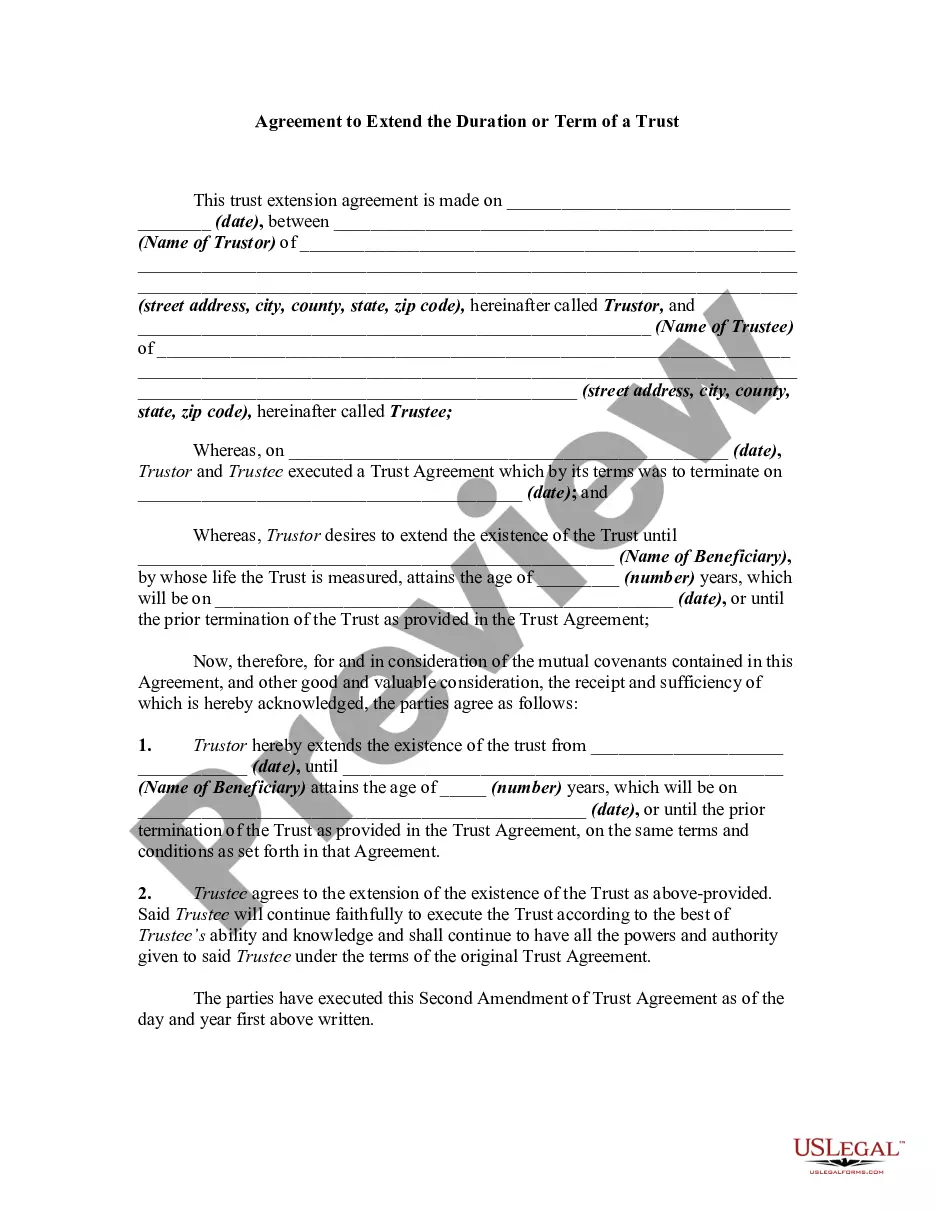
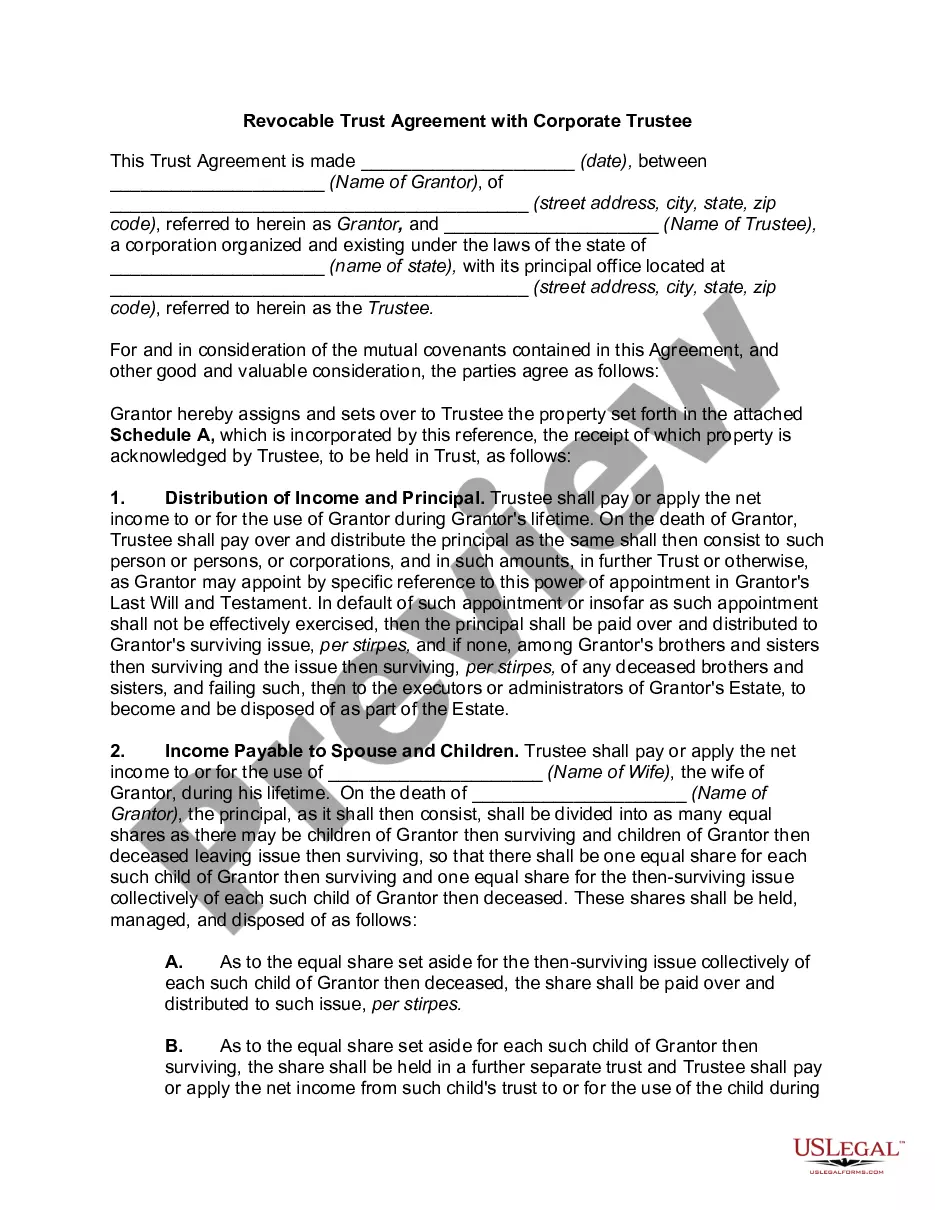
Get your form ready online
Our built-in tools help you complete, sign, share, and store your documents in one place.
Make edits, fill in missing information, and update formatting in US Legal Forms—just like you would in MS Word.
Download a copy, print it, send it by email, or mail it via USPS—whatever works best for your next step.
Sign and collect signatures with our SignNow integration. Send to multiple recipients, set reminders, and more. Go Premium to unlock E-Sign.
If this form requires notarization, complete it online through a secure video call—no need to meet a notary in person or wait for an appointment.
We protect your documents and personal data by following strict security and privacy standards.

Make edits, fill in missing information, and update formatting in US Legal Forms—just like you would in MS Word.

Download a copy, print it, send it by email, or mail it via USPS—whatever works best for your next step.

Sign and collect signatures with our SignNow integration. Send to multiple recipients, set reminders, and more. Go Premium to unlock E-Sign.

If this form requires notarization, complete it online through a secure video call—no need to meet a notary in person or wait for an appointment.

We protect your documents and personal data by following strict security and privacy standards.
Looking for another form?
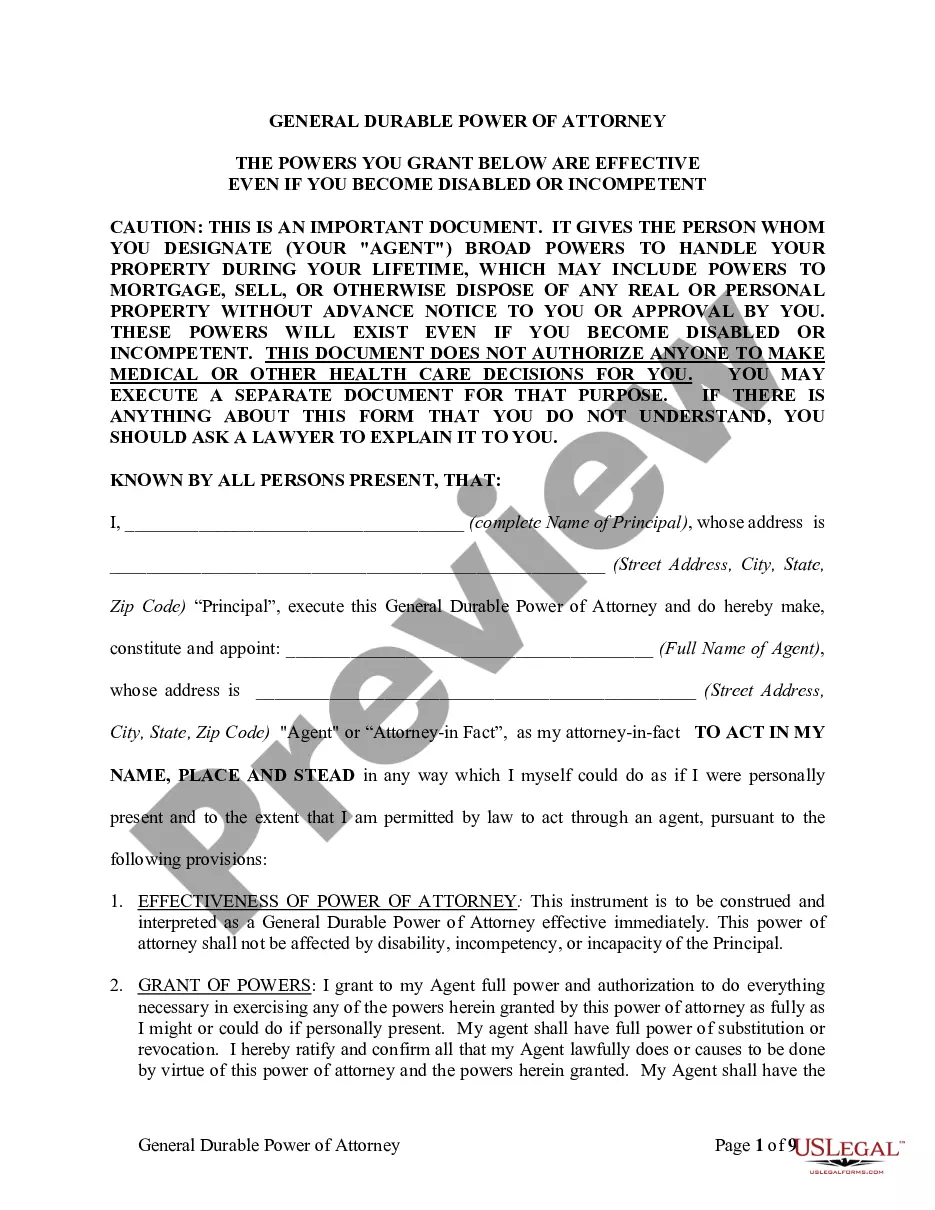





How to fill out Agreement To Renew Trust Agreement?
- Log in to your existing US Legal Forms account and ensure your subscription is active. If it’s expired, renew it according to your chosen payment plan.
- Preview the available trust agreement templates and verify that the one you select aligns with your specific real estate needs and local jurisdiction requirements.
- If necessary, utilize the search function to explore additional templates that suit your needs better.
- Once you’ve found the correct form, click the 'Buy Now' button, choose your preferred subscription plan, and create an account if you’re a new user.
- Complete the payment process by entering your credit card information or using your PayPal account.
- Download your trust agreement and save it on your device. You can also access your document anytime from the 'My Forms' section of your profile.
In conclusion, US Legal Forms provides an extensive library of over 85,000 editable legal forms, making the trust agreement for real estate accessible and easy to navigate. With premium expert support available, you can create precise legal documents with confidence.
Start your journey today by visiting US Legal Forms and simplifying your legal documentation process!
Form popularity
FAQ
A trust agreement for real estate holds significant importance as it provides a legal framework for managing and distributing assets within a family or estate. This type of agreement can protect your assets from probate, offer privacy regarding your estate, and facilitate a smoother transition of property to your beneficiaries. By utilizing a reliable platform like US Legal Forms, you can create a trust agreement tailored to your specific needs with ease.
The primary difference between a will and a trust agreement for real estate lies in how assets are distributed upon death. A will only takes effect after your passing, while a trust agreement allows for the transfer of assets during your lifetime. Trusts can also provide benefits such as avoiding probate and potentially offering tax advantages that wills do not.
A trust agreement for real estate can involve higher initial setup costs compared to a will. Additionally, managing the trust may require ongoing administrative efforts, such as filing taxes or updating documents. Moreover, depending on your situation, you may not be able to retain complete control over the assets once they are placed in trust, which some individuals might find limiting.
The preparation of a trust agreement is usually managed by a qualified attorney. This legal professional ensures that the trust agreement for real estate is properly drafted, aligned with state laws, and reflects your intentions. However, individuals can also find templates and guidance through platforms like US Legal Forms, which simplify the process. Ensuring that the trust agreement is accurate is vital for its effectiveness.
Both lawyers and accountants can be instrumental in setting up a trust. Generally, it is advisable to work with a lawyer who specializes in estate planning to draft a trust agreement for real estate. However, an accountant can assist with understanding tax implications and ensuring compliance with financial regulations. Collaborating with professionals in both fields can provide a comprehensive approach to trust creation.
A trust agreement in real estate is a legal document that dictates how property is to be managed, preserved, and distributed. This agreement allows property owners to transfer assets into a trust, offering a clear framework for asset management. By utilizing a trust agreement for real estate, individuals can protect their interests and provide for their beneficiaries more effectively. Understanding this agreement is crucial for anyone looking to navigate real estate transactions.
A certificate of trust is typically created by the trustee. This document outlines the key details of the trust without revealing its full content, ensuring privacy for the beneficiaries. When establishing a trust agreement for real estate, the certificate of trust can be an essential tool for managing disclosures to third parties. If you're in need of creating a certificate of trust, consider the resources available through US Legal Forms.
The person who creates a trust is called the trustor or grantor. This individual establishes the trust and defines how the assets within it will be managed and distributed. By creating a trust agreement for real estate, the trustor ensures that their property is handled according to their wishes. It is important to consult legal resources to ensure clarity in the trustor's intentions.