Trust Agreement For Property Ontario
Description
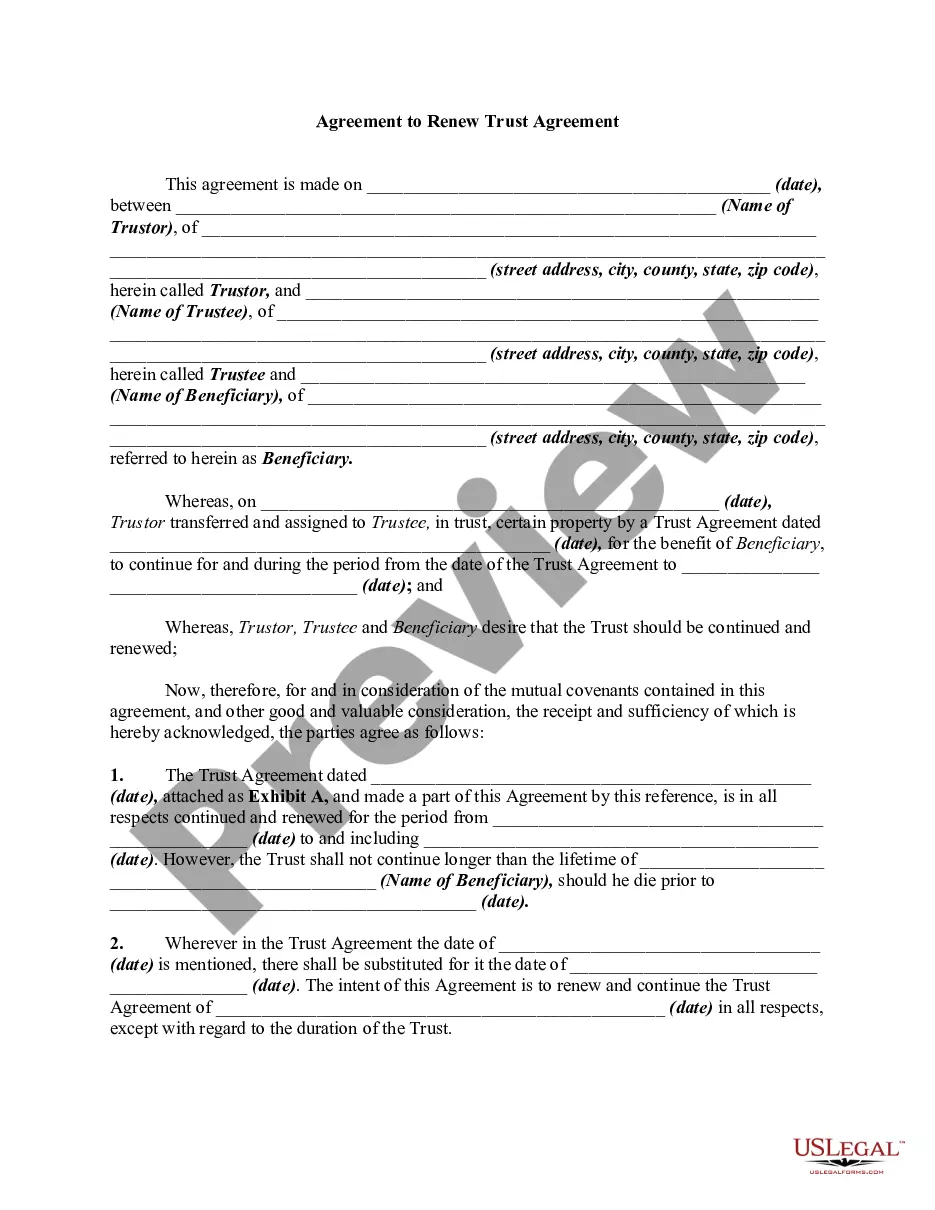
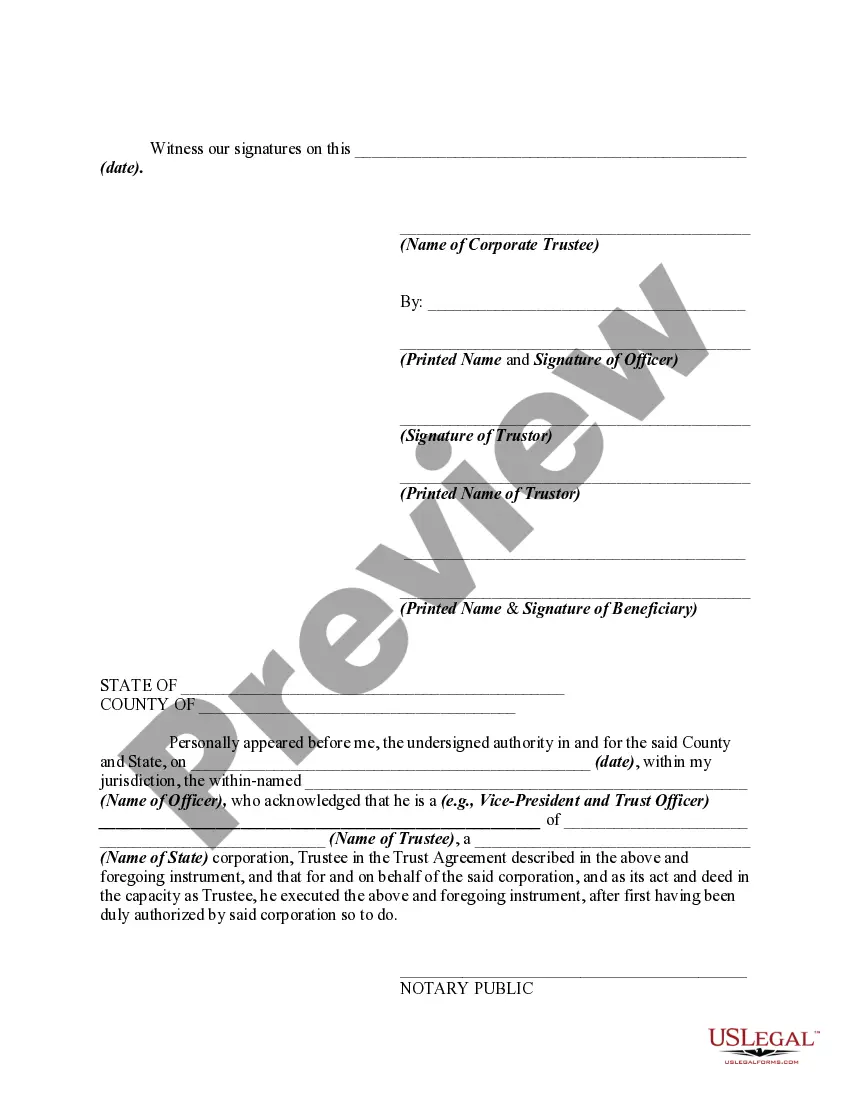
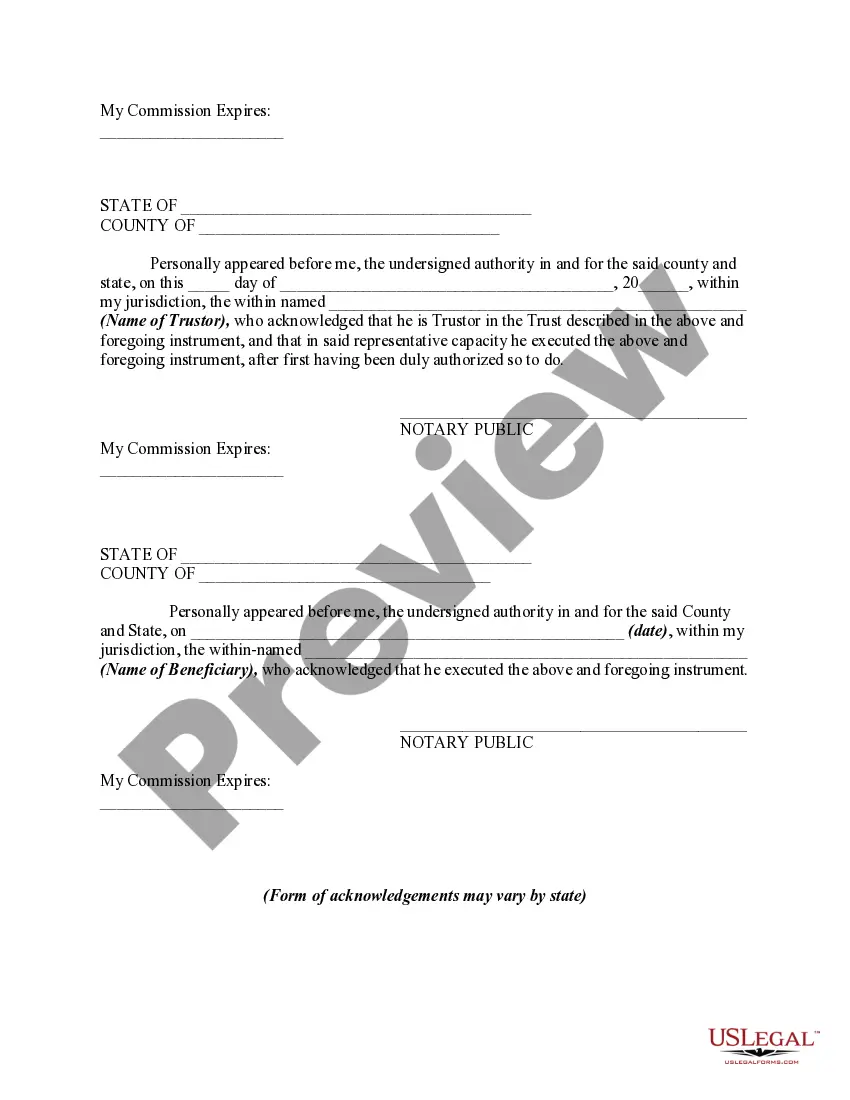
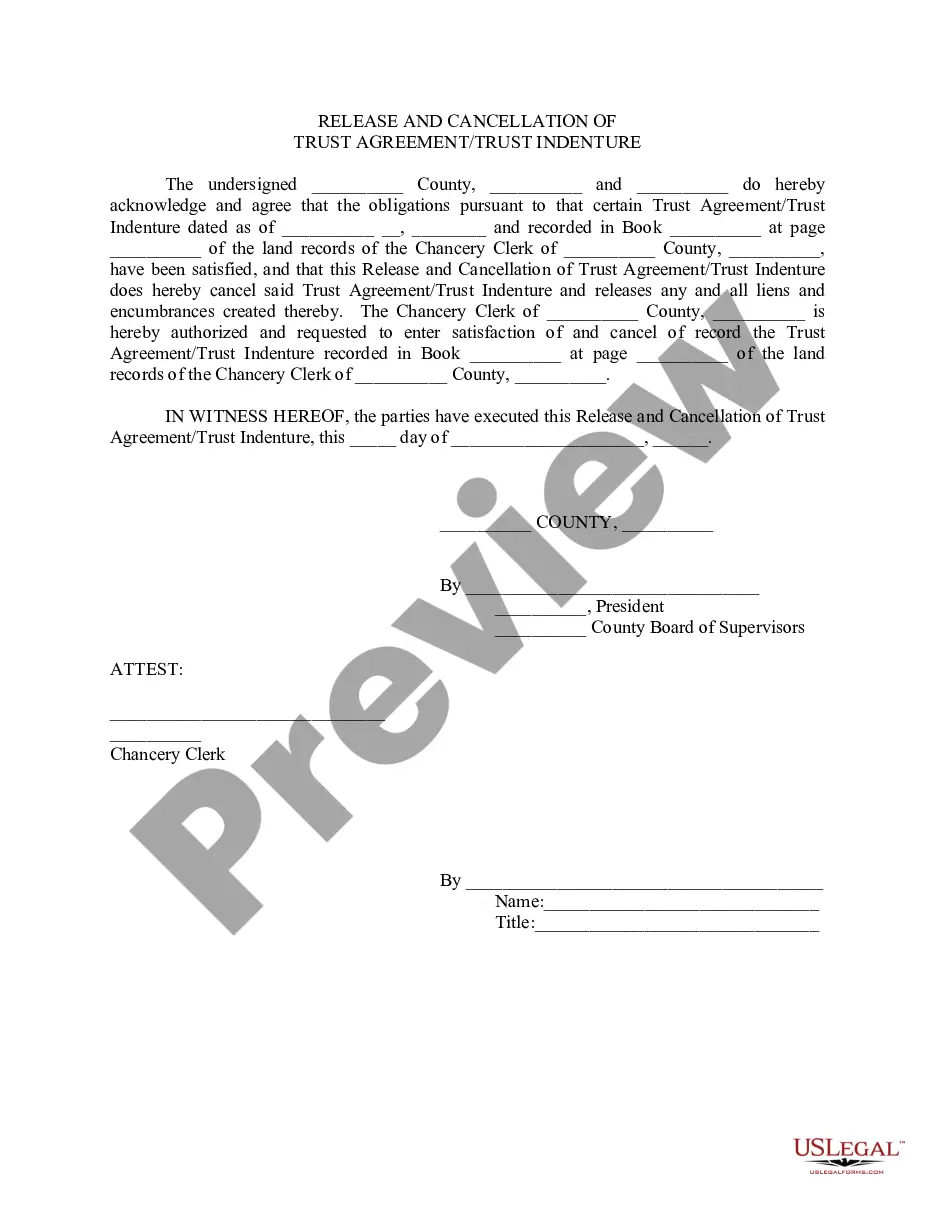
Get your form ready online
Our built-in tools help you complete, sign, share, and store your documents in one place.
Make edits, fill in missing information, and update formatting in US Legal Forms—just like you would in MS Word.
Download a copy, print it, send it by email, or mail it via USPS—whatever works best for your next step.
Sign and collect signatures with our SignNow integration. Send to multiple recipients, set reminders, and more. Go Premium to unlock E-Sign.
If this form requires notarization, complete it online through a secure video call—no need to meet a notary in person or wait for an appointment.
We protect your documents and personal data by following strict security and privacy standards.

Make edits, fill in missing information, and update formatting in US Legal Forms—just like you would in MS Word.

Download a copy, print it, send it by email, or mail it via USPS—whatever works best for your next step.

Sign and collect signatures with our SignNow integration. Send to multiple recipients, set reminders, and more. Go Premium to unlock E-Sign.

If this form requires notarization, complete it online through a secure video call—no need to meet a notary in person or wait for an appointment.

We protect your documents and personal data by following strict security and privacy standards.
Looking for another form?
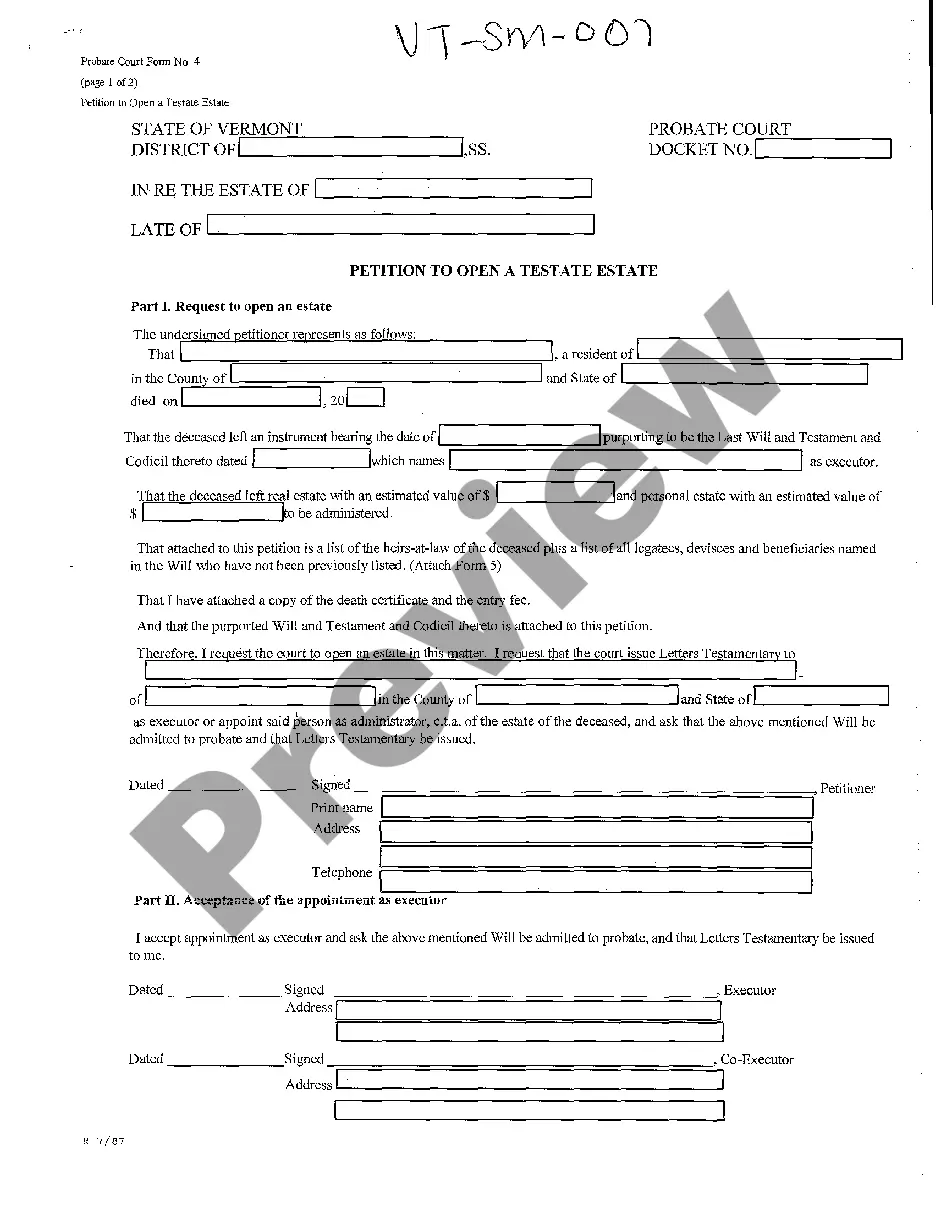
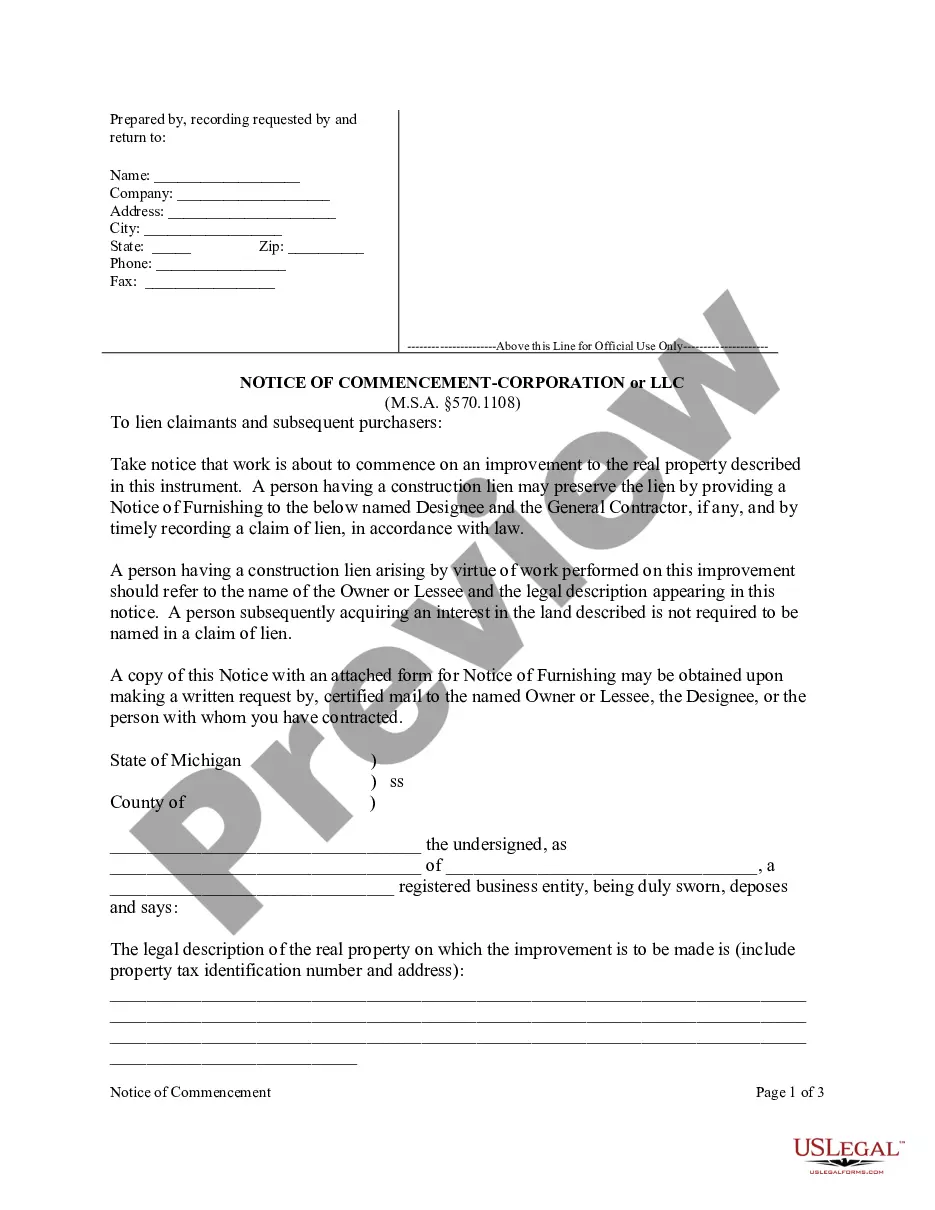

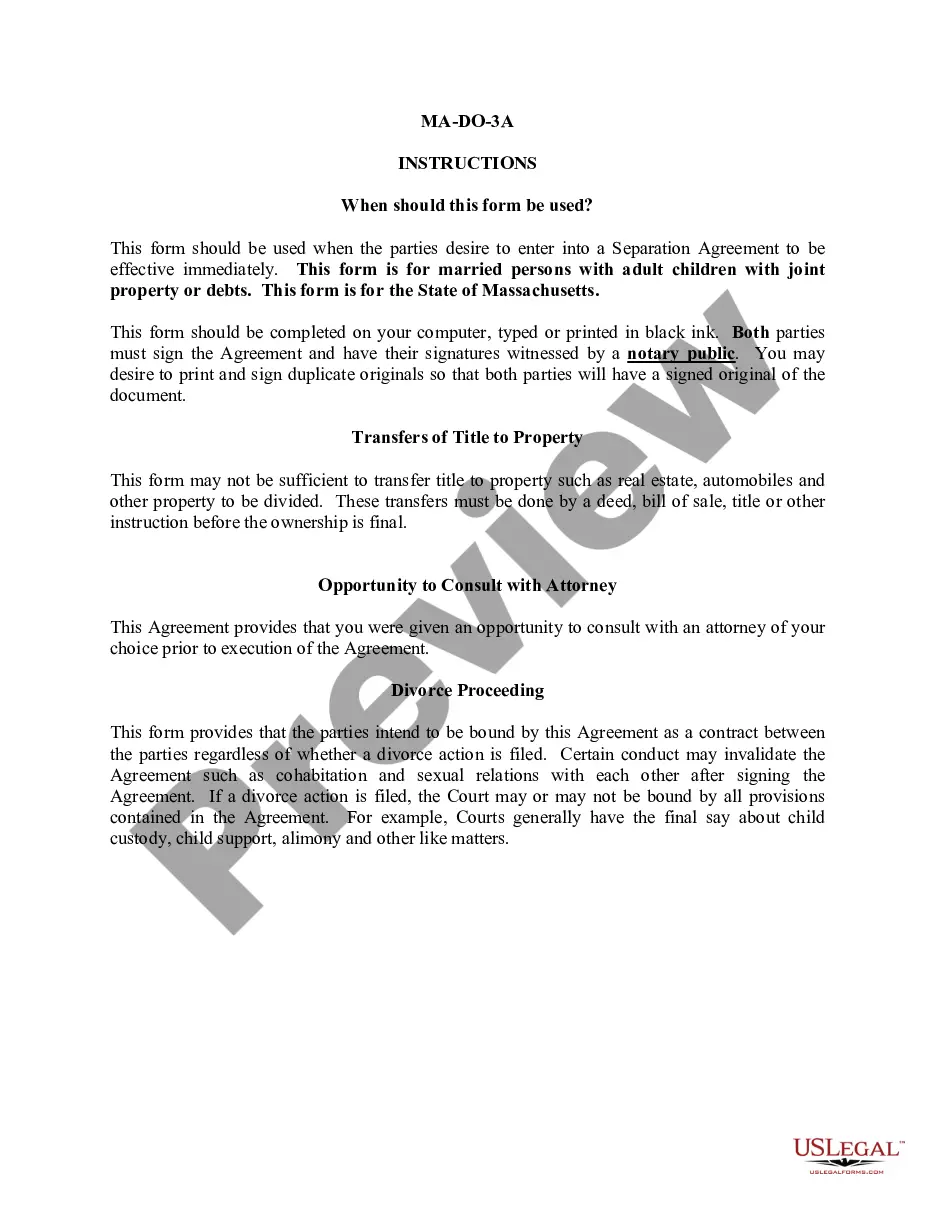
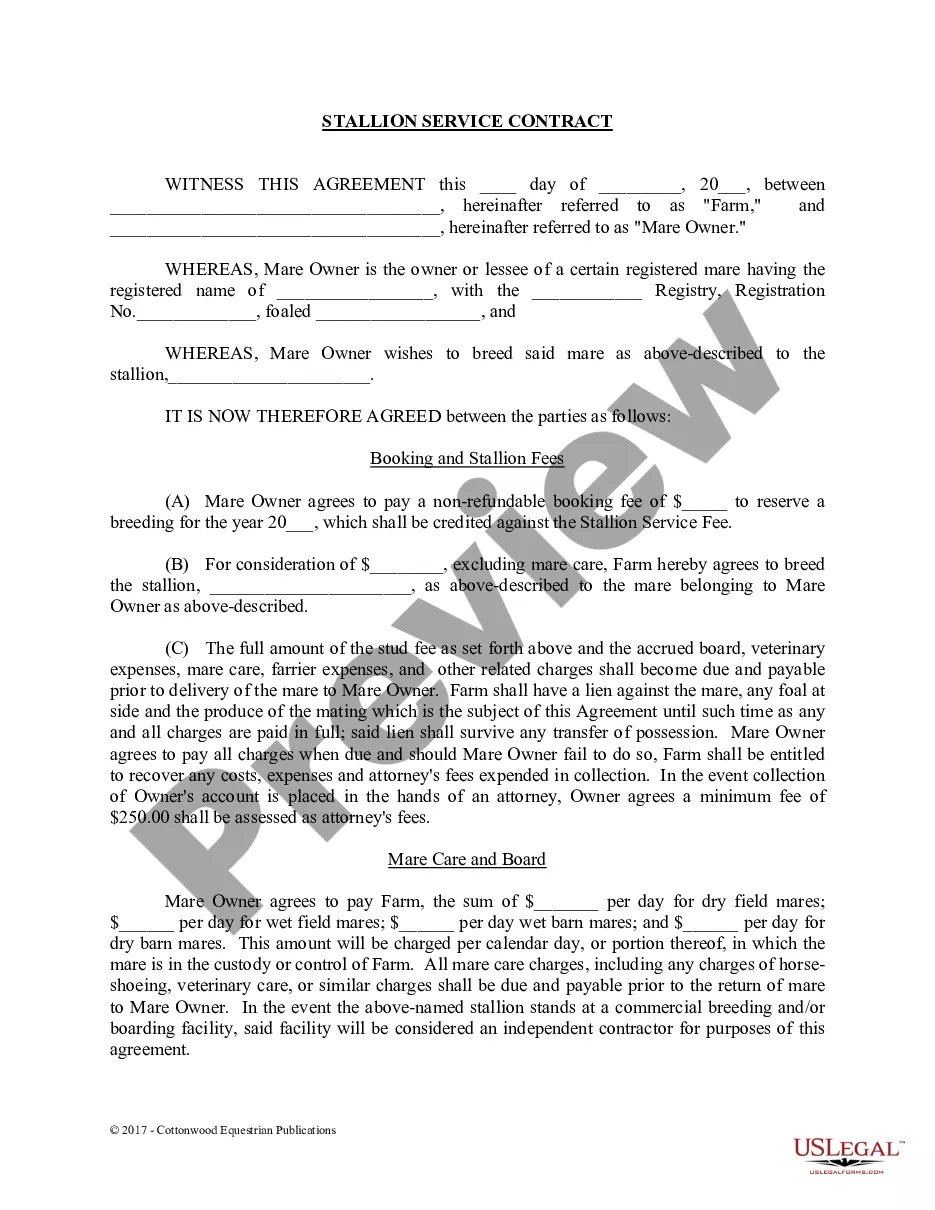

How to fill out Agreement To Renew Trust Agreement?
- If you are a returning user, log in to your account, check your subscription status, and download the desired trust agreement template directly onto your device.
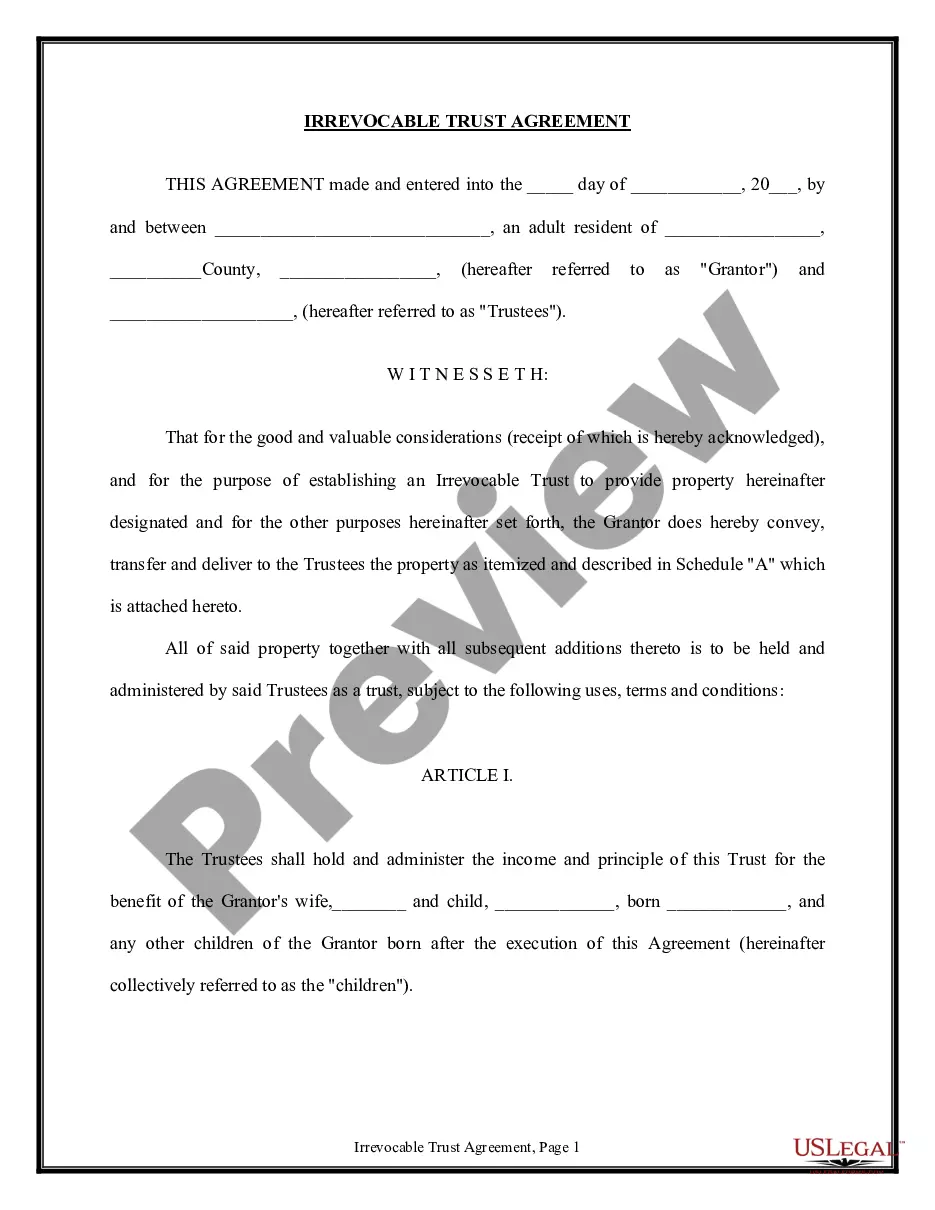
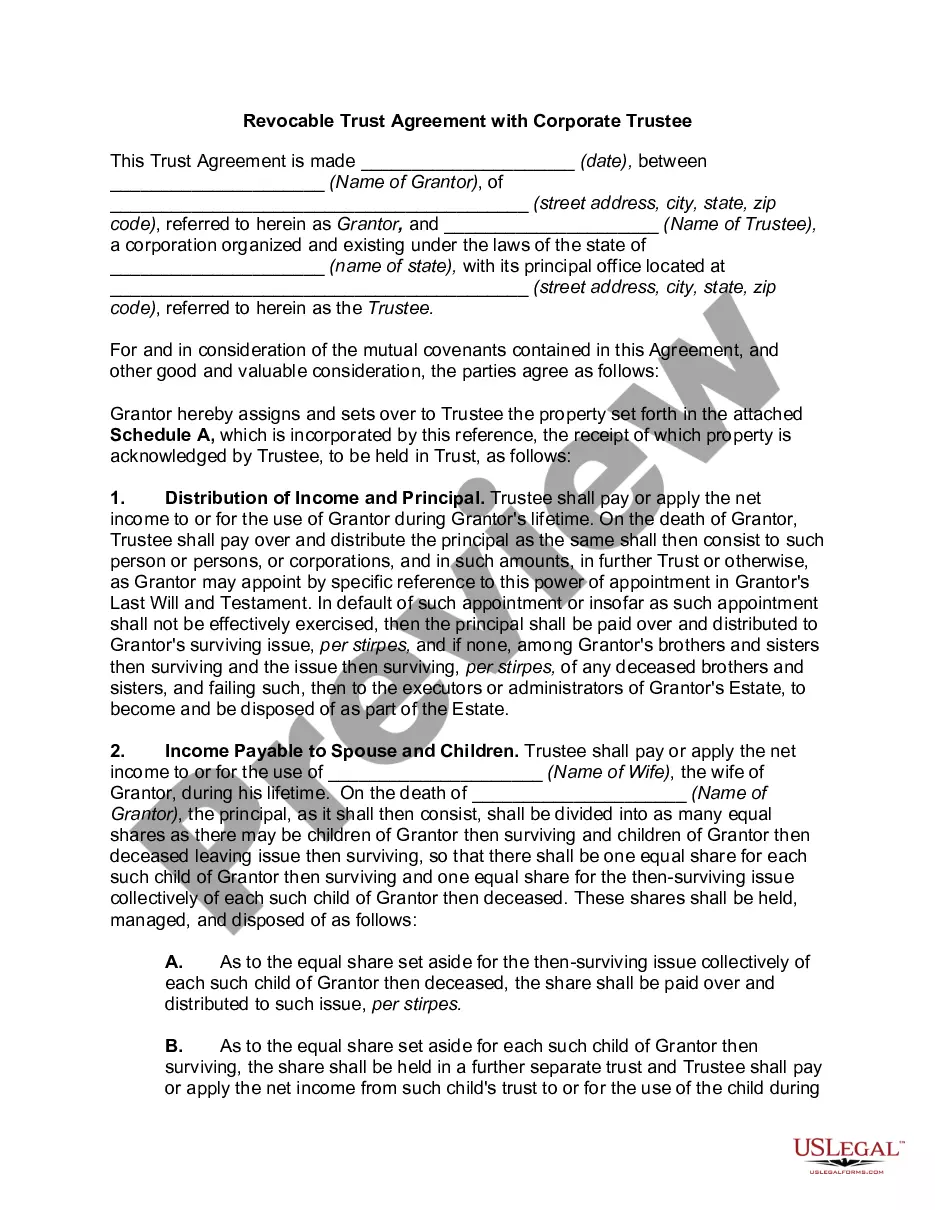
- For first-time users, begin by exploring the form's Preview mode and description to ensure it aligns with your needs and complies with local regulations.
- If the form does not meet your requirements, utilize the Search feature to find another suitable template.
- Once you've identified the correct document, click on the Buy Now button. Select your preferred subscription plan and create an account to gain access.
- Complete your purchase securely using your credit card or PayPal account to finalize the subscription.
- After purchasing, download the trust agreement and save it on your device for easy access and completion, available under the My Forms section of your profile.
Conclusion: Following these steps will ensure you effectively obtain a trust agreement for property in Ontario with ease. Take advantage of US Legal Forms’ comprehensive resources to create a legally sound document.
Get started today and empower yourself with the right legal tools!
Form popularity
FAQ
A disadvantage of a family trust is the potential complexity involved in managing it. Family trusts may require detailed record-keeping and compliance with tax regulations, which can be overwhelming for some. Using a straightforward trust agreement for property in Ontario can mitigate these issues and help families navigate the complexities more efficiently.
One downside of putting assets in a trust is the loss of direct control over those assets. Once assets are transferred to a trust, the grantor may have limited access, depending on the trust's structure. It’s essential to understand these implications and consider your options before finalizing a trust agreement for property in Ontario.
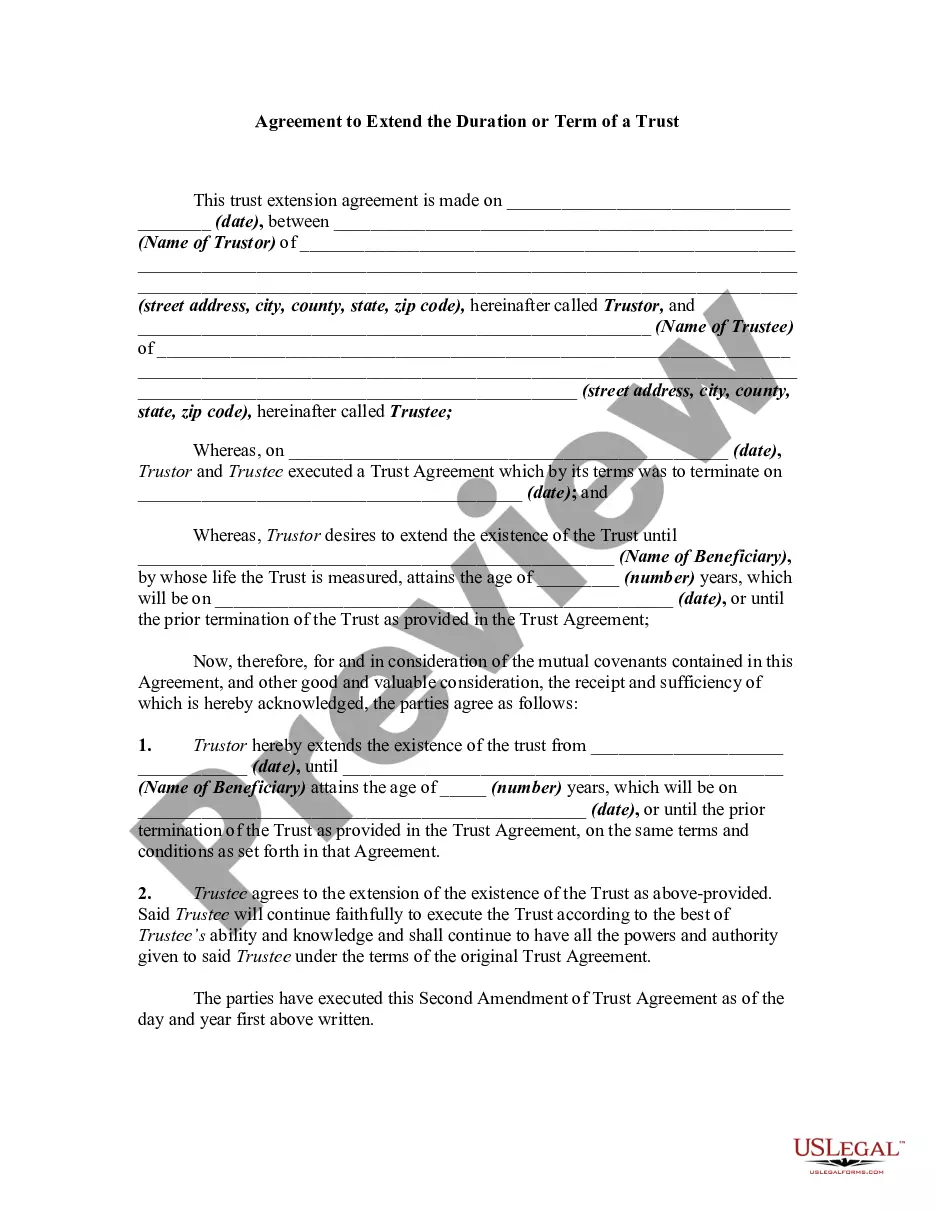
Typically, a legal professional or estate planner prepares the trust agreement. This ensures that the document meets legal requirements and adequately reflects the grantor's intentions. Using a reliable service like US Legal Forms can simplify this process and provide templates tailored to a trust agreement for property in Ontario.
Whether your parents should put their assets in a trust depends on their individual circumstances and goals. A trust can help manage assets and avoid probate, making it easier to pass on wealth. Discussing their specific needs with a professional can clarify how a trust agreement for property in Ontario would benefit them.
Yes, you can certainly place your home in a trust in Canada with a proper trust agreement for property Ontario. This process allows for the seamless transfer of property ownership while providing benefits like asset protection and potential tax advantages. To ensure compliance with local laws, engaging with a legal service can be beneficial. Platforms like uslegalforms can help you create the necessary documents to set up your trust efficiently.
While a trust agreement for property Ontario can offer advantages, there are also disadvantages to consider. Setting up a trust can involve upfront costs and ongoing maintenance fees. Moreover, once your house is in the trust, you may have less direct control over it. It's vital to weigh these factors against the benefits before making a decision.
Deciding whether to gift a house or place it in a trust can significantly impact your estate planning. A trust agreement for property Ontario allows you to retain more control over the asset and can provide protections against creditors. Additionally, transferring a house through a trust may offer more tax benefits compared to gifting it directly. It's essential to consider your long-term goals and consult with a legal expert to ensure the best choice.
A trust agreement for property in Ontario is vital for securing your assets and providing for your beneficiaries. It allows for tailored distribution of assets in a way that aligns with your wishes, offering flexibility that a will may not provide. Furthermore, this type of agreement can help protect your estate from legal challenges and can be a key element in effective estate planning.
A trust deed and a trust agreement are both essential documents in estate planning, but they serve different functions. A trust deed legally establishes the trust and outlines the trustee's authority, while a trust agreement primarily details the terms and conditions under which the trust operates. Understanding this distinction helps ensure that your trust agreement for property in Ontario aligns with your intentions.
A trust agreement for property in Ontario and a will serve different purposes in estate planning. A will takes effect only after death, directing how assets are distributed. In contrast, a trust agreement can manage property during your lifetime and after your death, providing more control and potentially avoiding probate.