Agreement With Trust Company
Description
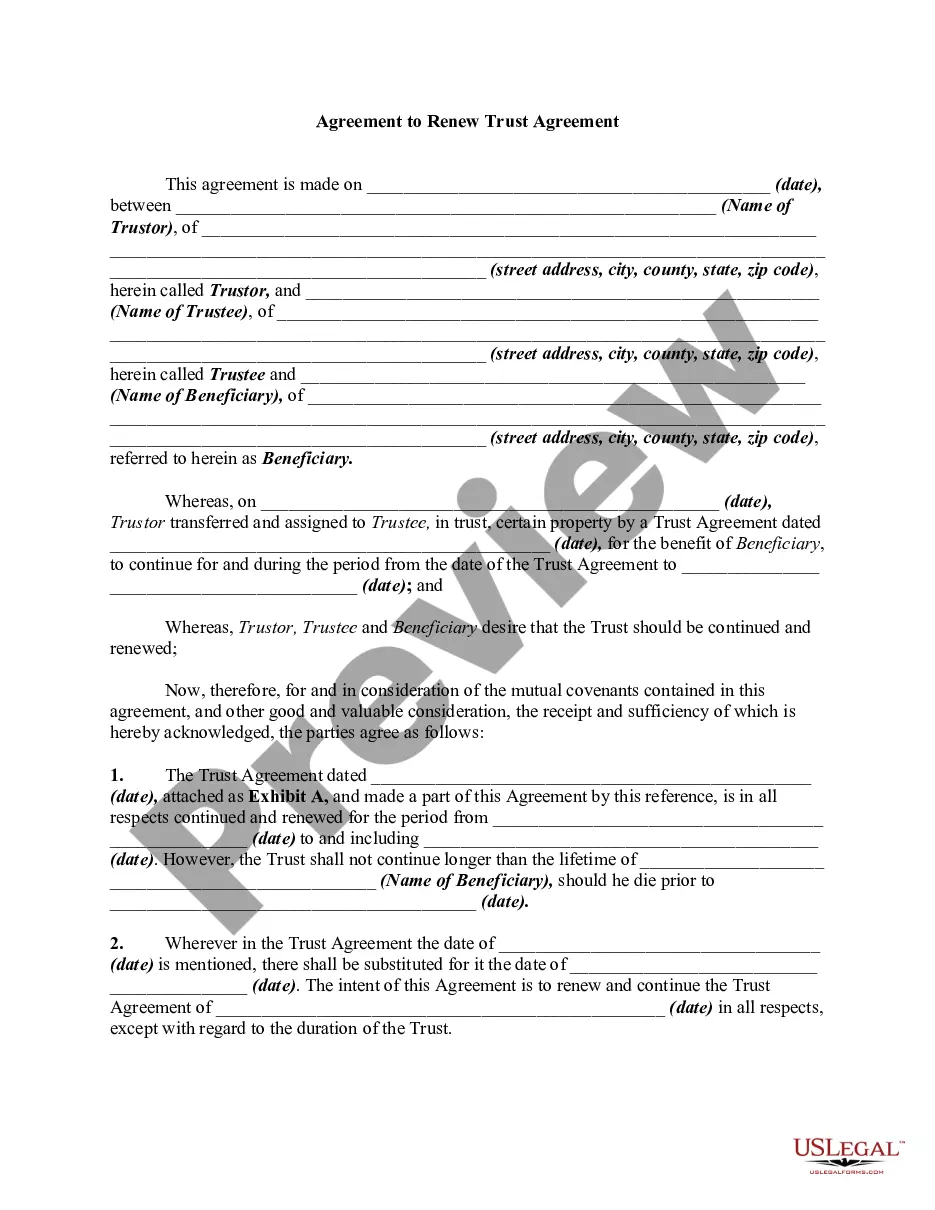
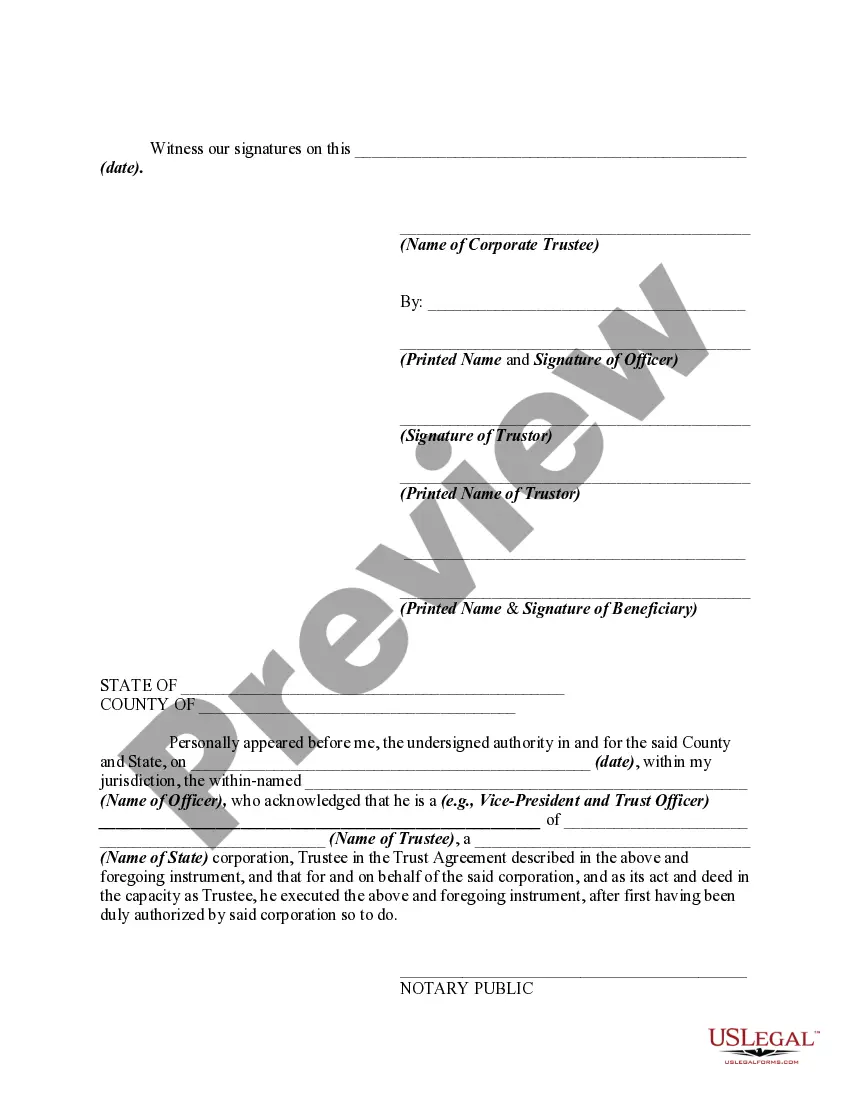
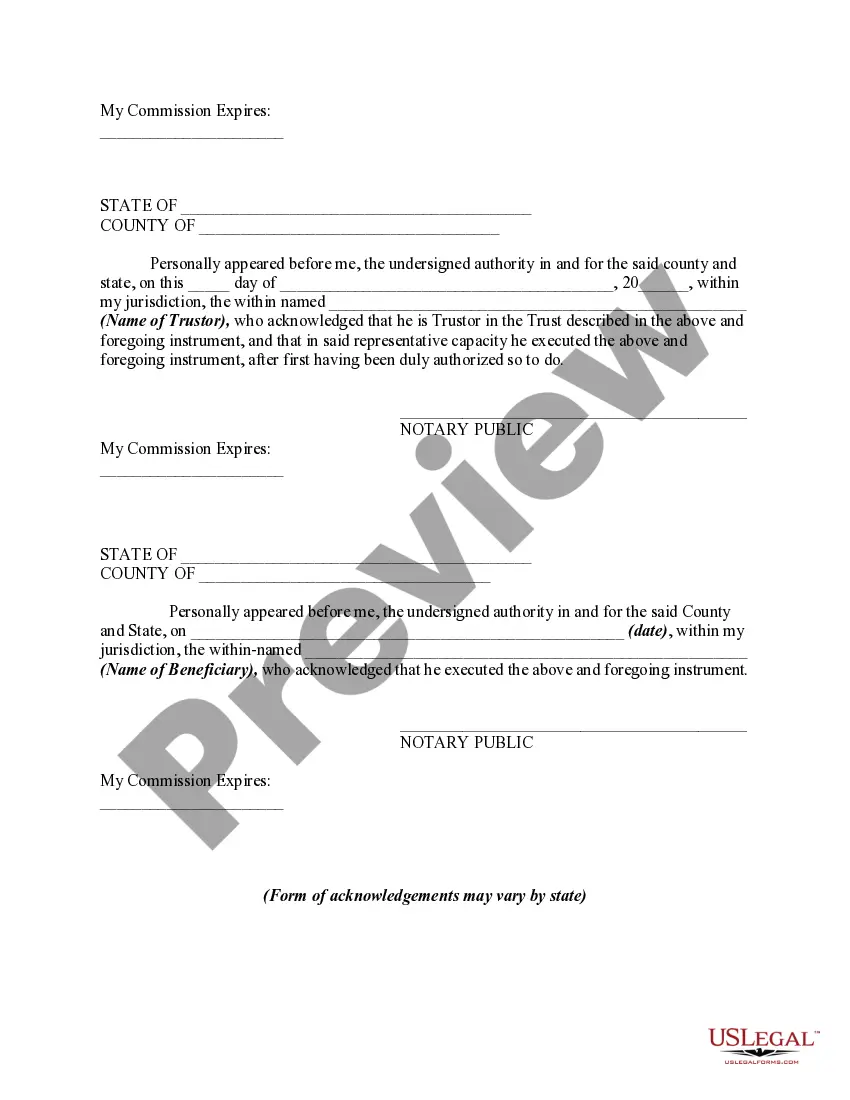

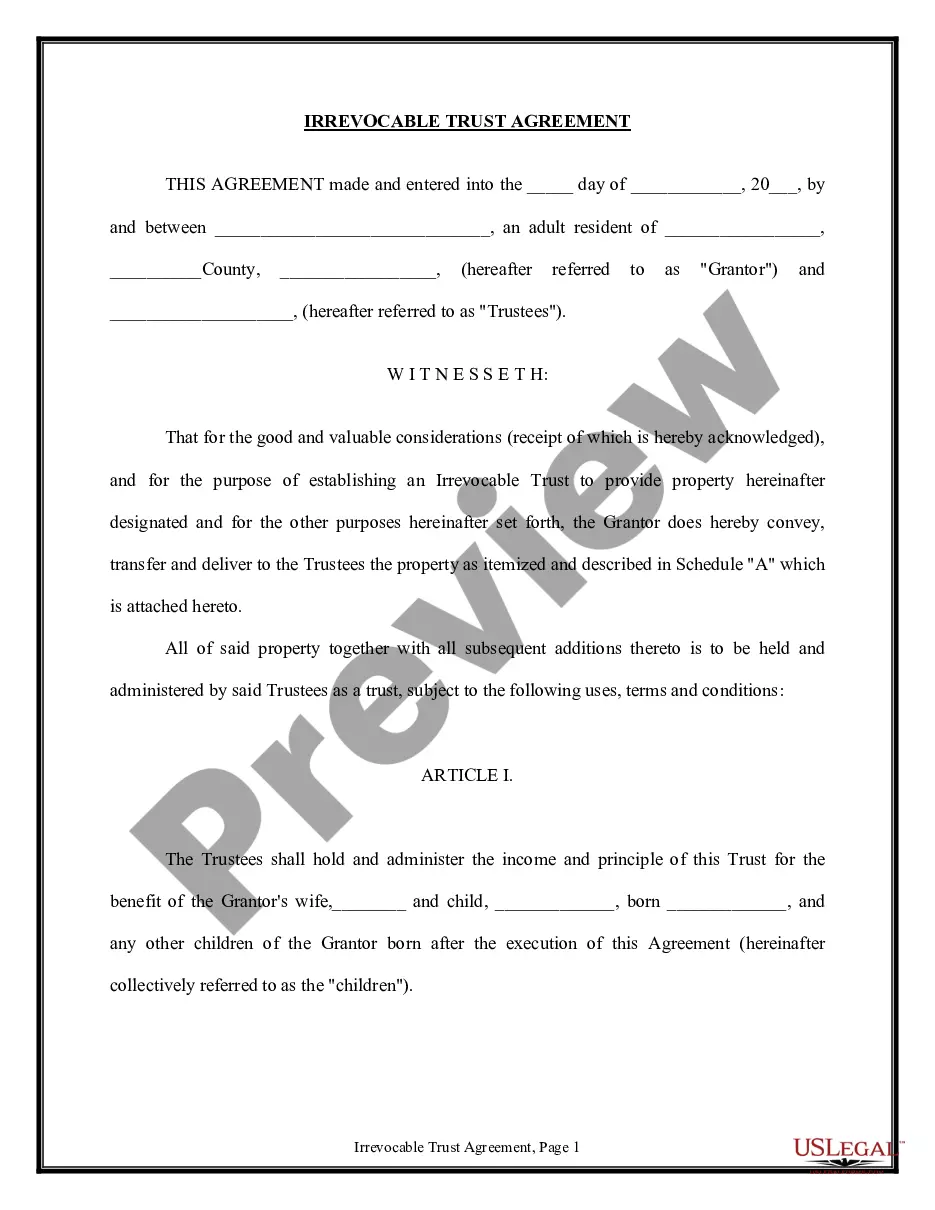
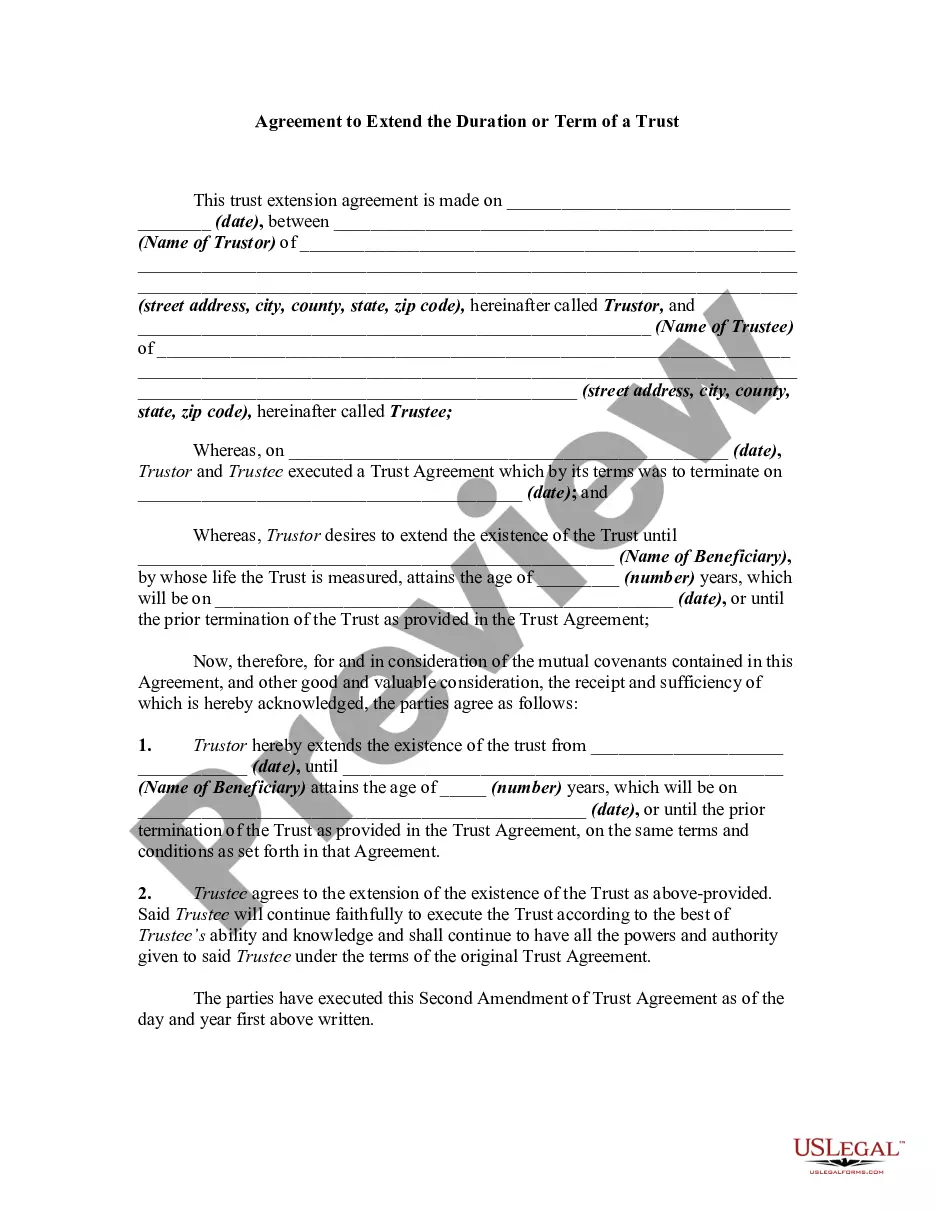
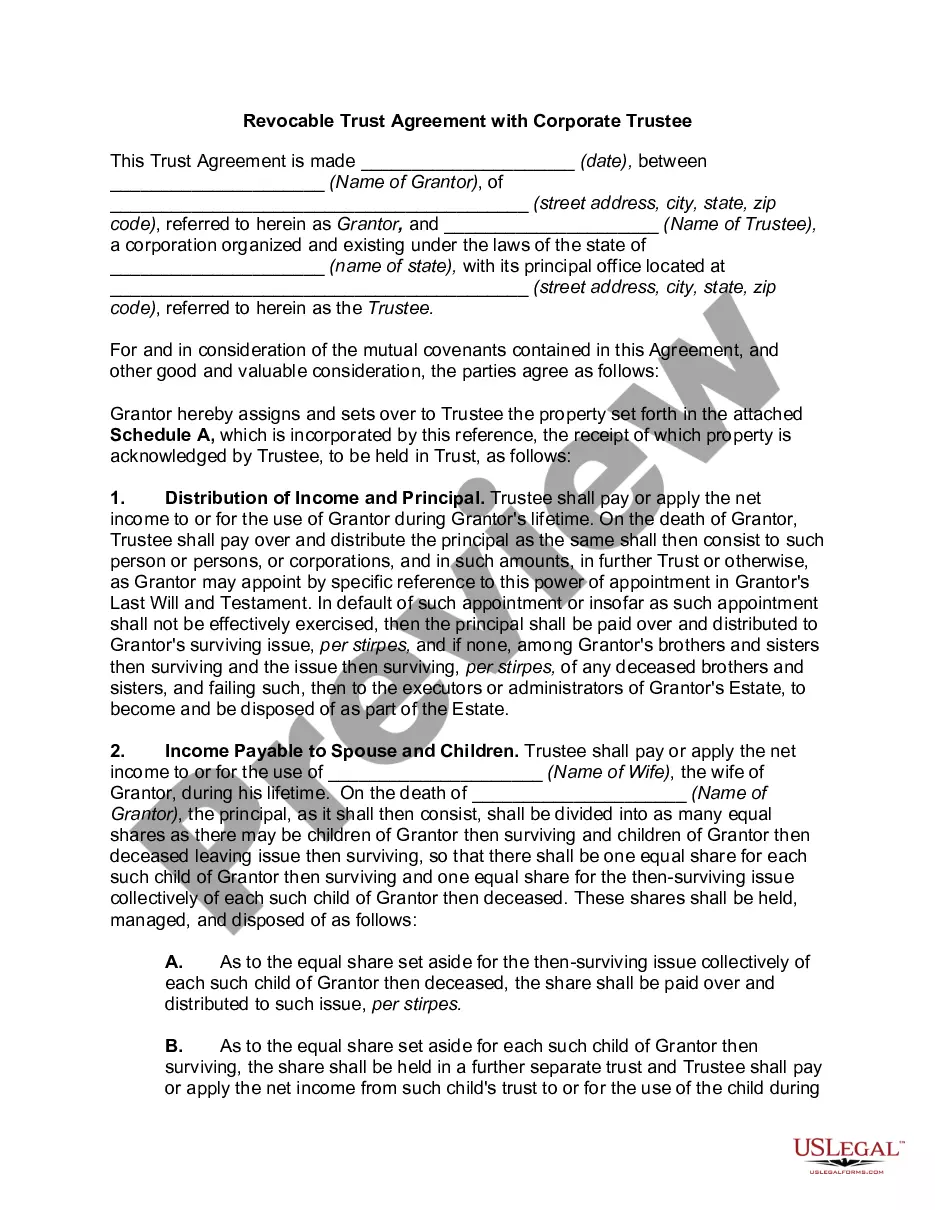
Get your form ready online
Our built-in tools help you complete, sign, share, and store your documents in one place.
Make edits, fill in missing information, and update formatting in US Legal Forms—just like you would in MS Word.
Download a copy, print it, send it by email, or mail it via USPS—whatever works best for your next step.
Sign and collect signatures with our SignNow integration. Send to multiple recipients, set reminders, and more. Go Premium to unlock E-Sign.
If this form requires notarization, complete it online through a secure video call—no need to meet a notary in person or wait for an appointment.
We protect your documents and personal data by following strict security and privacy standards.

Make edits, fill in missing information, and update formatting in US Legal Forms—just like you would in MS Word.

Download a copy, print it, send it by email, or mail it via USPS—whatever works best for your next step.

Sign and collect signatures with our SignNow integration. Send to multiple recipients, set reminders, and more. Go Premium to unlock E-Sign.

If this form requires notarization, complete it online through a secure video call—no need to meet a notary in person or wait for an appointment.

We protect your documents and personal data by following strict security and privacy standards.
Looking for another form?








How to fill out Agreement To Renew Trust Agreement?
There is no longer a necessity to waste time looking for legal documents to adhere to your local state laws. US Legal Forms has compiled everything into one location and simplified their accessibility.
Our website provides over 85,000 templates for various business and personal legal situations organized by state and area of use. All forms are properly drafted and verified for legitimacy, so you can be confident in obtaining a current Agreement With Trust Company.
If you are acquainted with our service and already possess an account, ensure your subscription is active before accessing any templates. Log In to your account, select the document, and click Download. You can also retrieve all previously acquired documents at any time by navigating to the My documents section in your profile.
You can print your form to complete it by hand or upload the document if you prefer to use an online editor. Drafting formal documents under federal and state regulations is quick and uncomplicated with our platform. Experience US Legal Forms today to maintain your paperwork in order!
- If you have never utilized our service before, the process will require a few additional steps to complete.
- Here’s how newcomers can acquire the Agreement With Trust Company in our collection.
- Examine the page content thoroughly to ensure it includes the sample you need.
- Utilize the form description and preview options if available.
- Employ the search bar above to find another sample if the current one does not suit your needs.
- Click Buy Now next to the template title when you find the appropriate one.
- Choose the most suitable subscription plan and either create an account or Log In.
- Complete your subscription payment using a credit card or through PayPal to proceed.
- Select the file format for your Agreement With Trust Company and download it to your device.
Form popularity
FAQ
A trust company is a legal entity that acts as a fiduciary, agent, or trustee on behalf of a person or business for the purpose of administration, management, and the eventual transfer of assets to a beneficial party.
A trust account is a legal arrangement through which funds or assets are held by a third party (the trustee) for the benefit of another party (the beneficiary).
If you're wondering can a trust own a corporation, the answer is yes, but only specific types of trusts qualify. As a legally separate entity, a trust manages and holds specific assets for a beneficiary's benefit.
What are the Disadvantages of a Trust?Costs. When a decedent passes with only a will in place, the decedent's estate is subject to probate.Record Keeping. It is essential to maintain detailed records of property transferred into and out of a trust.No Protection from Creditors.
A trust is a legal arrangement intended to ensure a person's assets eventually go to specific beneficiaries. The person creating the trust puts assets in the name of the trust and authorizes a third party to administer those assets for the trust creator and the beneficiaries.