Revocation Beneficiary Form For Inheritance
Description
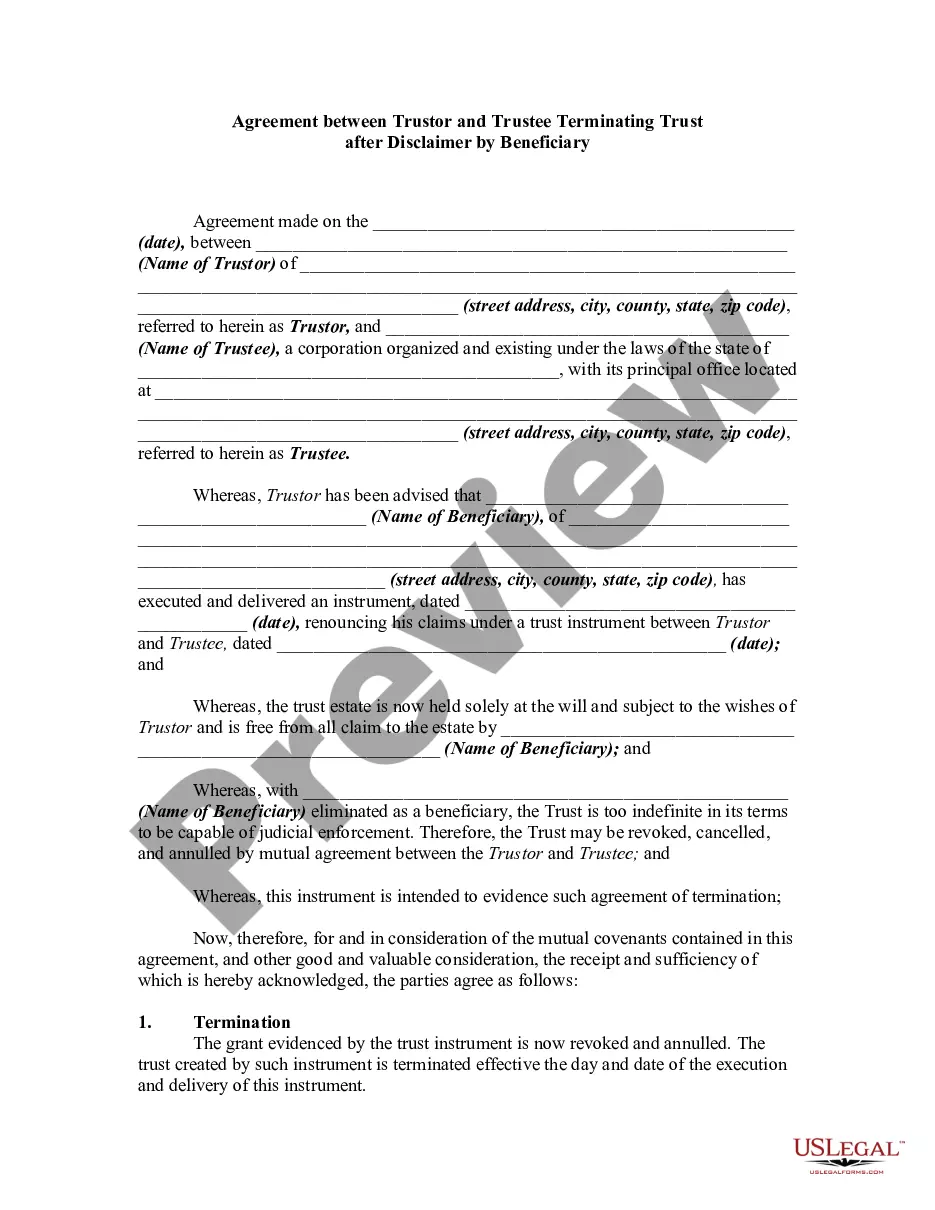
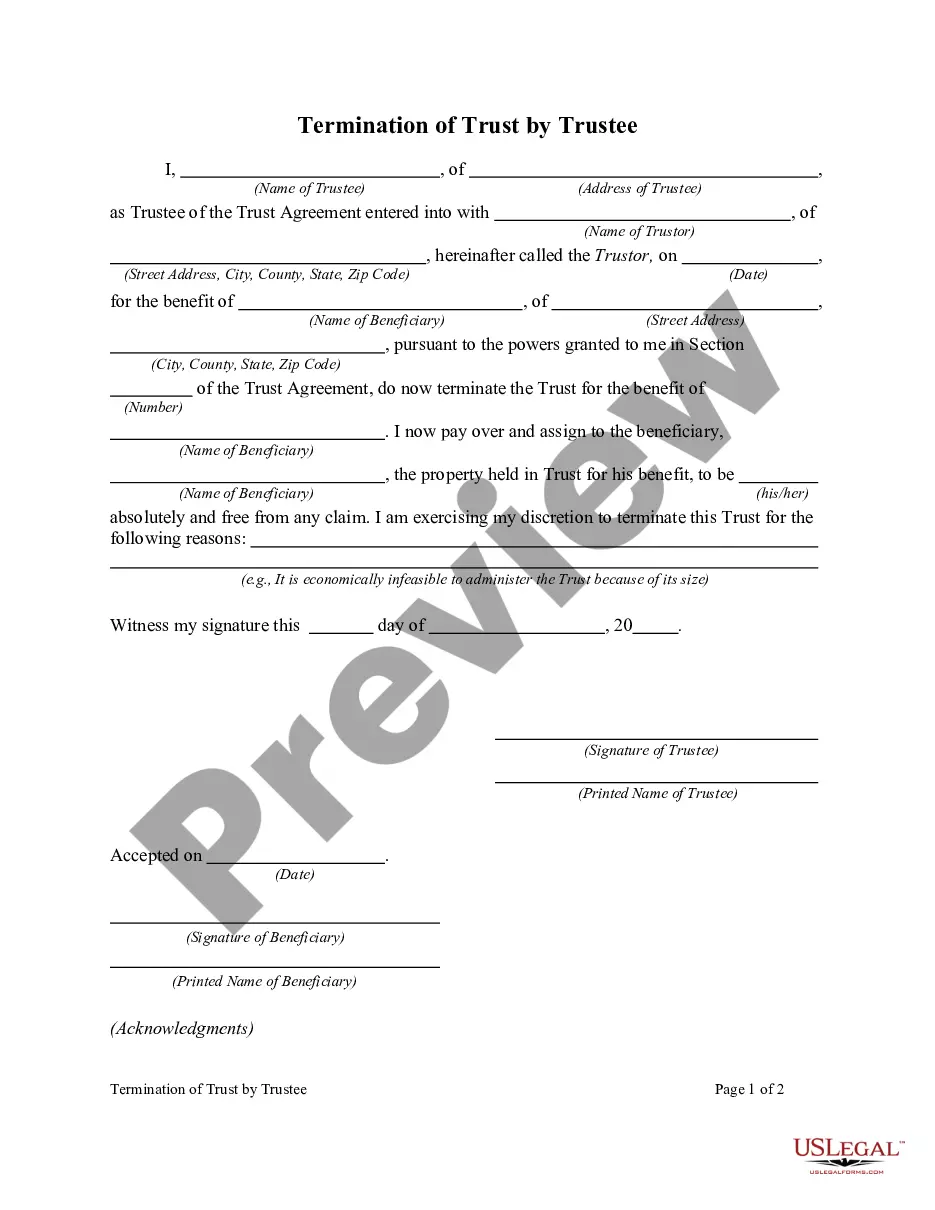
Get your form ready online
Our built-in tools help you complete, sign, share, and store your documents in one place.
Make edits, fill in missing information, and update formatting in US Legal Forms—just like you would in MS Word.
Download a copy, print it, send it by email, or mail it via USPS—whatever works best for your next step.
Sign and collect signatures with our SignNow integration. Send to multiple recipients, set reminders, and more. Go Premium to unlock E-Sign.
If this form requires notarization, complete it online through a secure video call—no need to meet a notary in person or wait for an appointment.
We protect your documents and personal data by following strict security and privacy standards.

Make edits, fill in missing information, and update formatting in US Legal Forms—just like you would in MS Word.

Download a copy, print it, send it by email, or mail it via USPS—whatever works best for your next step.

Sign and collect signatures with our SignNow integration. Send to multiple recipients, set reminders, and more. Go Premium to unlock E-Sign.

If this form requires notarization, complete it online through a secure video call—no need to meet a notary in person or wait for an appointment.

We protect your documents and personal data by following strict security and privacy standards.
Looking for another form?









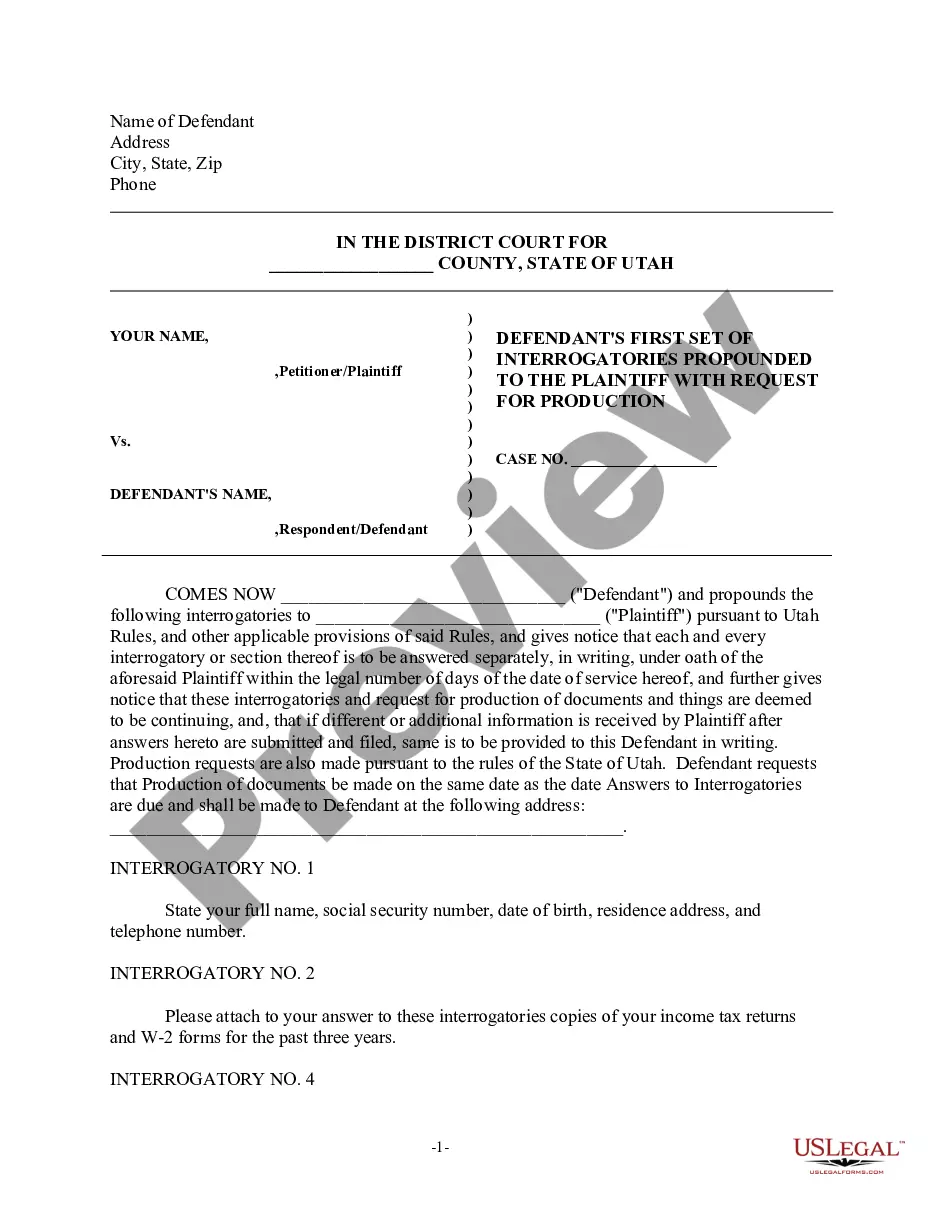
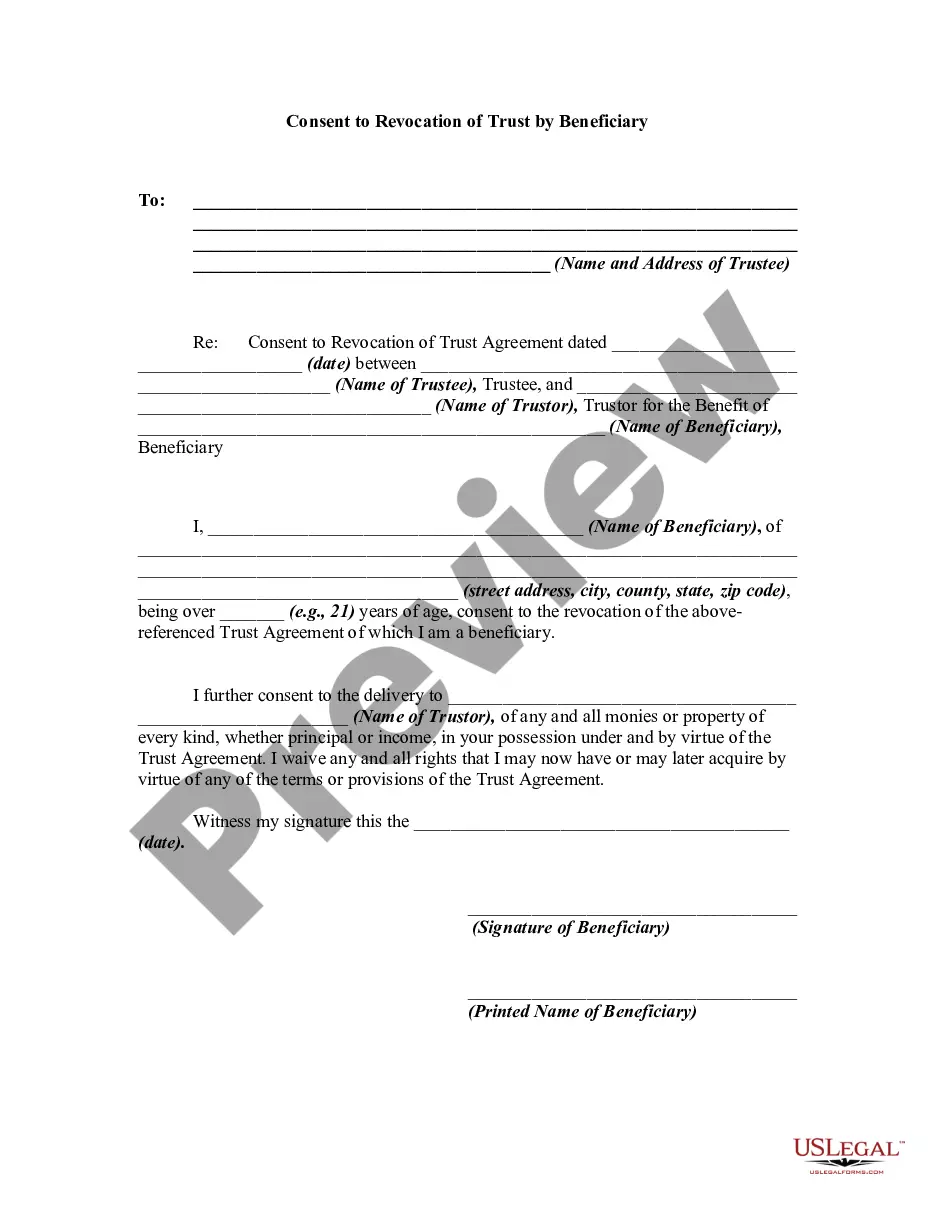
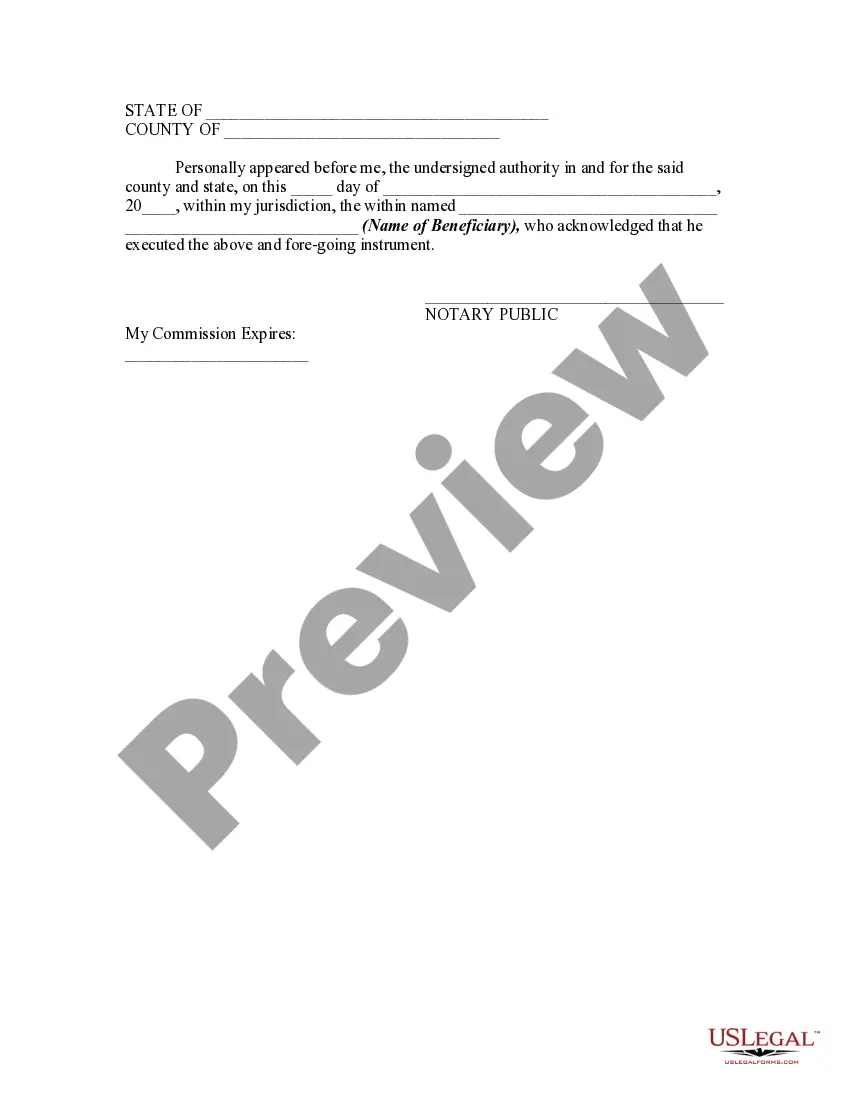
How to fill out Consent To Revocation Of Trust By Beneficiary?
Creating legal documents from the ground up can occasionally be intimidating. Certain situations may demand extensive research and significant financial investment.
If you're in search of a more straightforward and cost-effective method for preparing the Revocation Beneficiary Form For Inheritance or any other documentation without unnecessary complications, US Legal Forms is always available to assist you.
Our online repository of over 85,000 current legal forms encompasses nearly every aspect of your financial, legal, and personal affairs. With just a few clicks, you can swiftly obtain state- and county-compliant templates meticulously assembled for you by our legal experts.
Utilize our platform whenever you require dependable and trustworthy services through which you can effortlessly locate and download the Revocation Beneficiary Form For Inheritance. If you're already familiar with our services and have previously registered an account with us, simply Log In to your account, choose the form, and download it or re-download it at any time in the My documents section.
Ensure the form you choose adheres to the laws and regulations of your state and county. Select the most appropriate subscription option to purchase the Revocation Beneficiary Form For Inheritance. Download the form, then complete, sign, and print it. US Legal Forms has an impeccable reputation and over 25 years of experience. Join us today and make document handling simple and efficient!
- Not registered yet? No problem.
- It only takes a few minutes to register and browse the catalog.
- Before diving straight into downloading the Revocation Beneficiary Form For Inheritance, follow these suggestions.
- Examine the form preview and descriptions to confirm that you are on the document you seek.
Form popularity
FAQ
(g) A beneficiary designation may not be revoked or changed by a will or trust unless the beneficiary designation expressly grants the owner the right to revoke or change the beneficiary designation by a will or trust.
The policyholderPolicyholderThe person who owns an insurance policy is the only person allowed to make changes to your life insurance beneficiaries. The only exception is if you've granted someone power of attorney, a legal document that lets someone make financial, legal, or medical decisions on your behalf.
An executor can override the wishes of these beneficiaries due to their legal duty. However, the beneficiary of a Will is very different than an individual named in a beneficiary designation of an asset held by a financial company.
To challenge the beneficiary designation in a will, you must have standing. That is, you have something to gain from the outcome of the case. If you have standing you can challenge the designation within 6 months after the will is filed in probate court.
Most beneficiary designations will require you to provide a person's full legal name and their relationship to you (spouse, child, mother, etc.). Some beneficiary designations also include information like mailing address, email, phone number, date of birth and Social Security number.